
/

City Guides

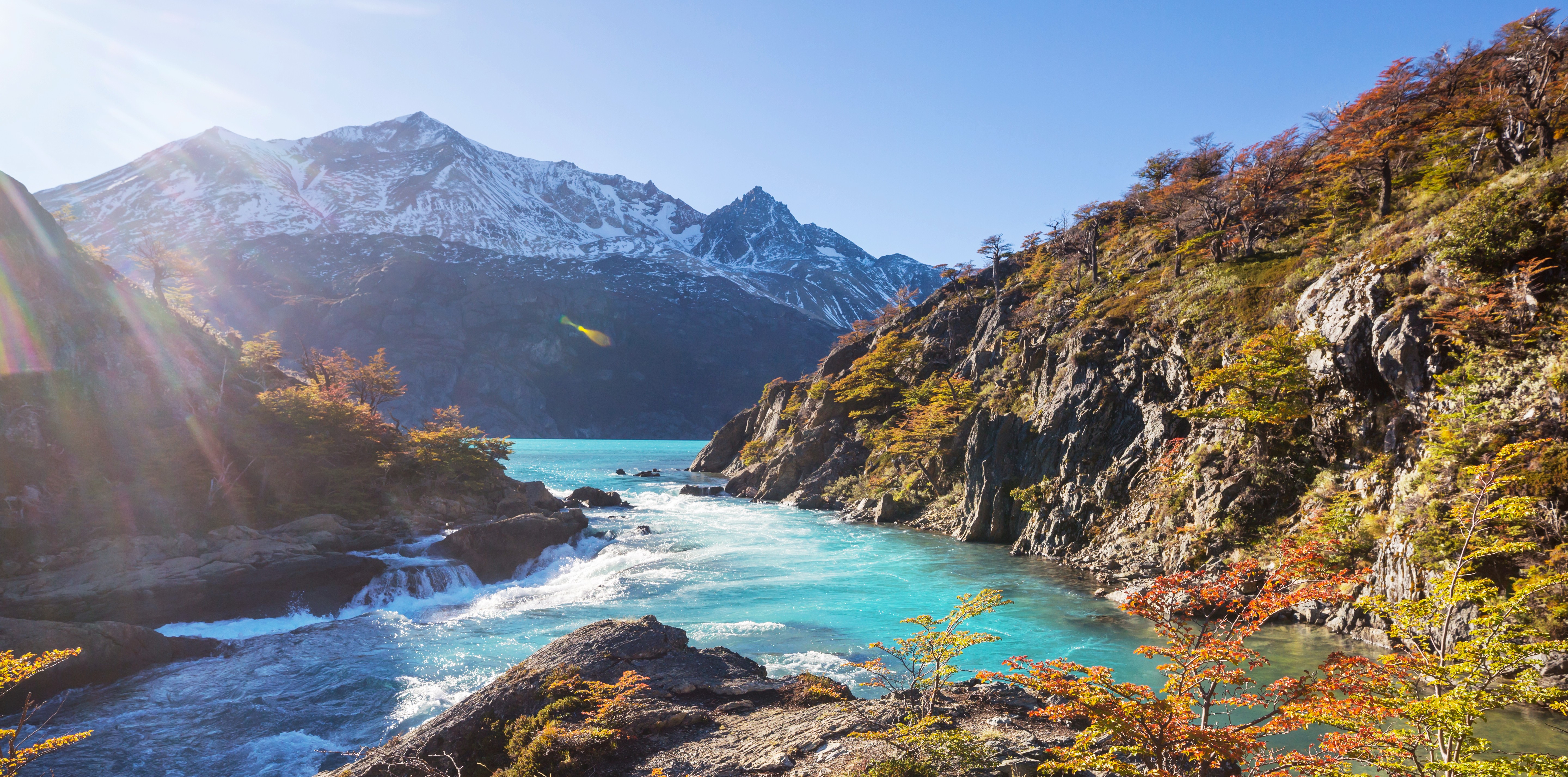
Lago del Desierto (Desert Lake—ironic name given the surrounding lush forest) is a pristine 15 km-long glacial lake 37 km north of El Chaltén, offering a tranquil counterpoint to that town's trekking intensity. Surrounded by lenga forests, overlooked by Cerro Huemul and Vespignani glaciers, and ending at the Chilean border, this remote valley provides easy hiking, scenic boat rides, wild camping, and the starting point for the adventurous border crossing to Chile's Villa O'Higgins.
Lago del Desierto (Desert Lake—ironic name given the surrounding lush forest) is a pristine 15 km-long glacial lake 37 km north of El Chaltén, offering a tranquil counterpoint to that town's trekking intensity. Surrounded by lenga forests, overlooked by Cerro Huemul and Vespignani glaciers, and ending at the Chilean border, this remote valley provides easy hiking, scenic boat rides, wild camping, and the starting point for the adventurous border crossing to Chile's Villa O'Higgins.

Lago del Desierto (Desert Lake—ironic name given the surrounding lush forest) is a pristine 15 km-long glacial lake 37 km north of El Chaltén, offering a tranquil counterpoint to that town's trekking intensity. Surrounded by lenga forests, overlooked by Cerro Huemul and Vespignani glaciers, and ending at the Chilean border, this remote valley provides easy hiking, scenic boat rides, wild camping, and the starting point for the adventurous border crossing to Chile's Villa O'Higgins.

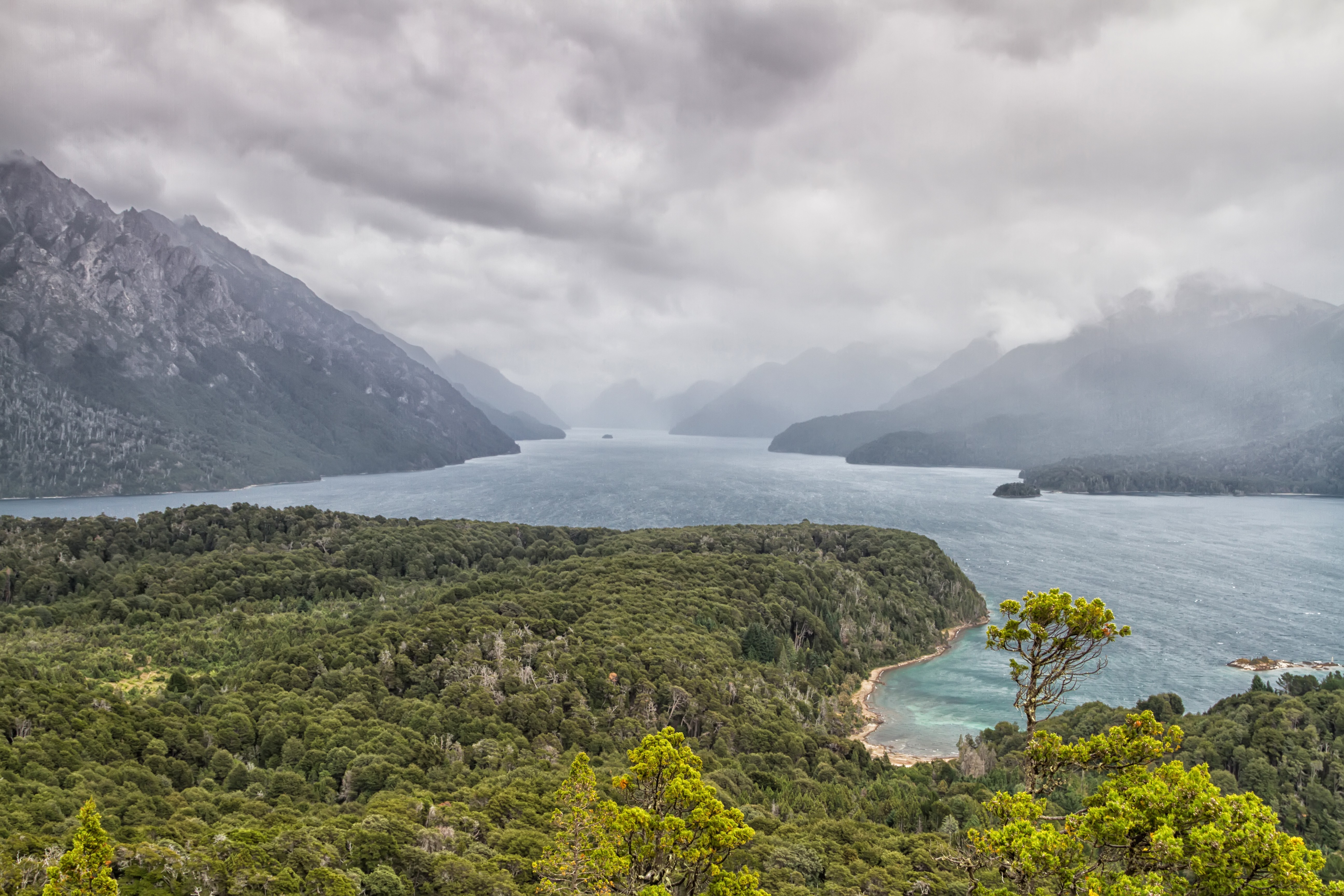
Queulat National Park protects 154,000 hectares of pristine temperate rainforest and dramatic glacial landscapes in Chilean Patagonia, centered on the spectacular Ventisquero Colgante (Hanging Glacier)—a glacier suspended on a cliff face that ranks among the Carretera Austral's most iconic sights.
Queulat National Park protects 154,000 hectares of pristine temperate rainforest and dramatic glacial landscapes in Chilean Patagonia, centered on the spectacular Ventisquero Colgante (Hanging Glacier)—a glacier suspended on a cliff face that ranks among the Carretera Austral's most iconic sights.

Queulat National Park protects 154,000 hectares of pristine temperate rainforest and dramatic glacial landscapes in Chilean Patagonia, centered on the spectacular Ventisquero Colgante (Hanging Glacier)—a glacier suspended on a cliff face that ranks among the Carretera Austral's most iconic sights.

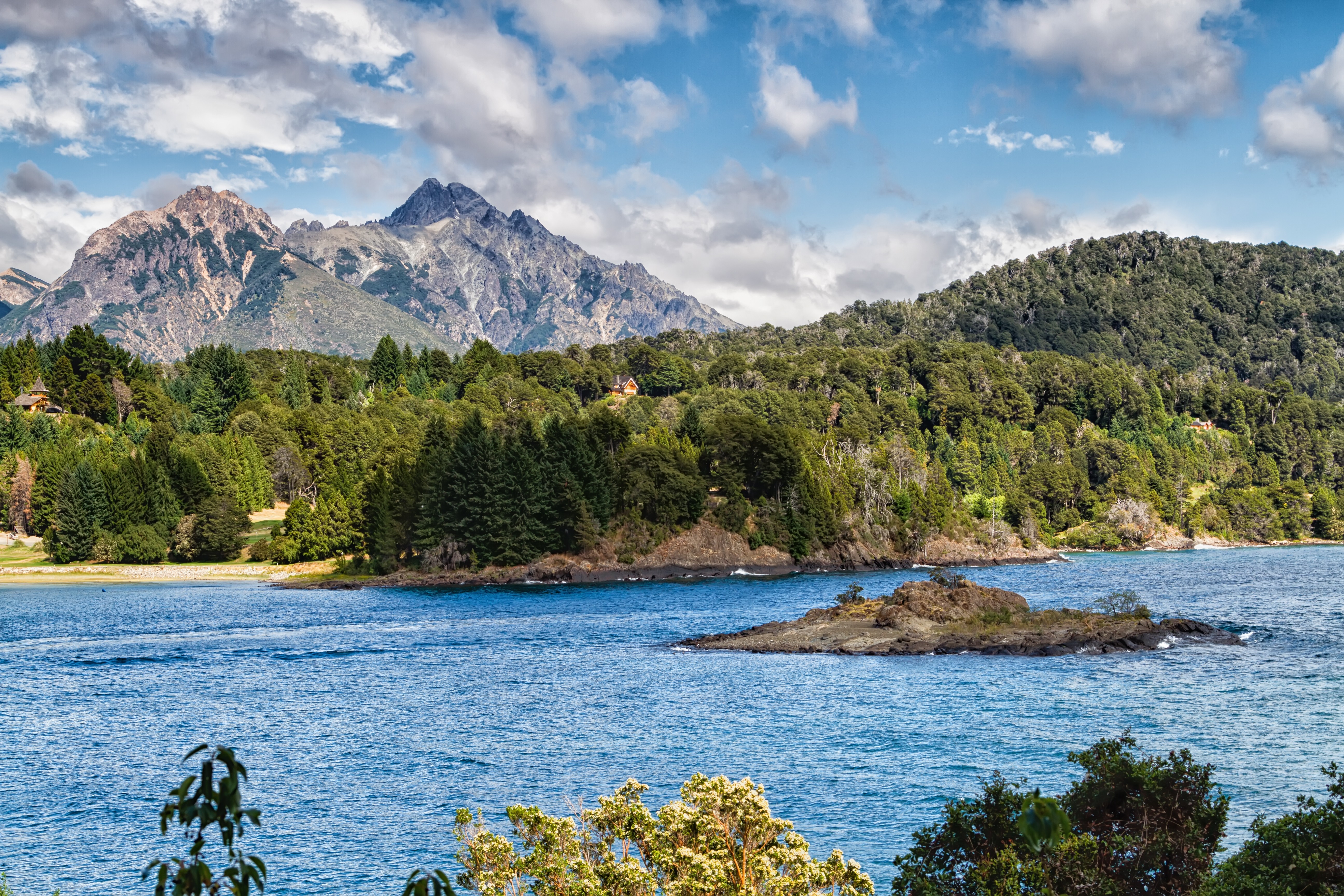
Puyuhuapi is a tiny German-founded village of 500 on the eastern shore of Ventisquero Sound, a fjord penetrating deep into Chilean Patagonia. Puyuhuapi offers fjord kayaking, Queulat National Park proximity (45 km south—hanging glacier), and peaceful refuge from Carretera Austral's rough roads.
Puyuhuapi is a tiny German-founded village of 500 on the eastern shore of Ventisquero Sound, a fjord penetrating deep into Chilean Patagonia. Puyuhuapi offers fjord kayaking, Queulat National Park proximity (45 km south—hanging glacier), and peaceful refuge from Carretera Austral's rough roads.

Puyuhuapi is a tiny German-founded village of 500 on the eastern shore of Ventisquero Sound, a fjord penetrating deep into Chilean Patagonia. Puyuhuapi offers fjord kayaking, Queulat National Park proximity (45 km south—hanging glacier), and peaceful refuge from Carretera Austral's rough roads.

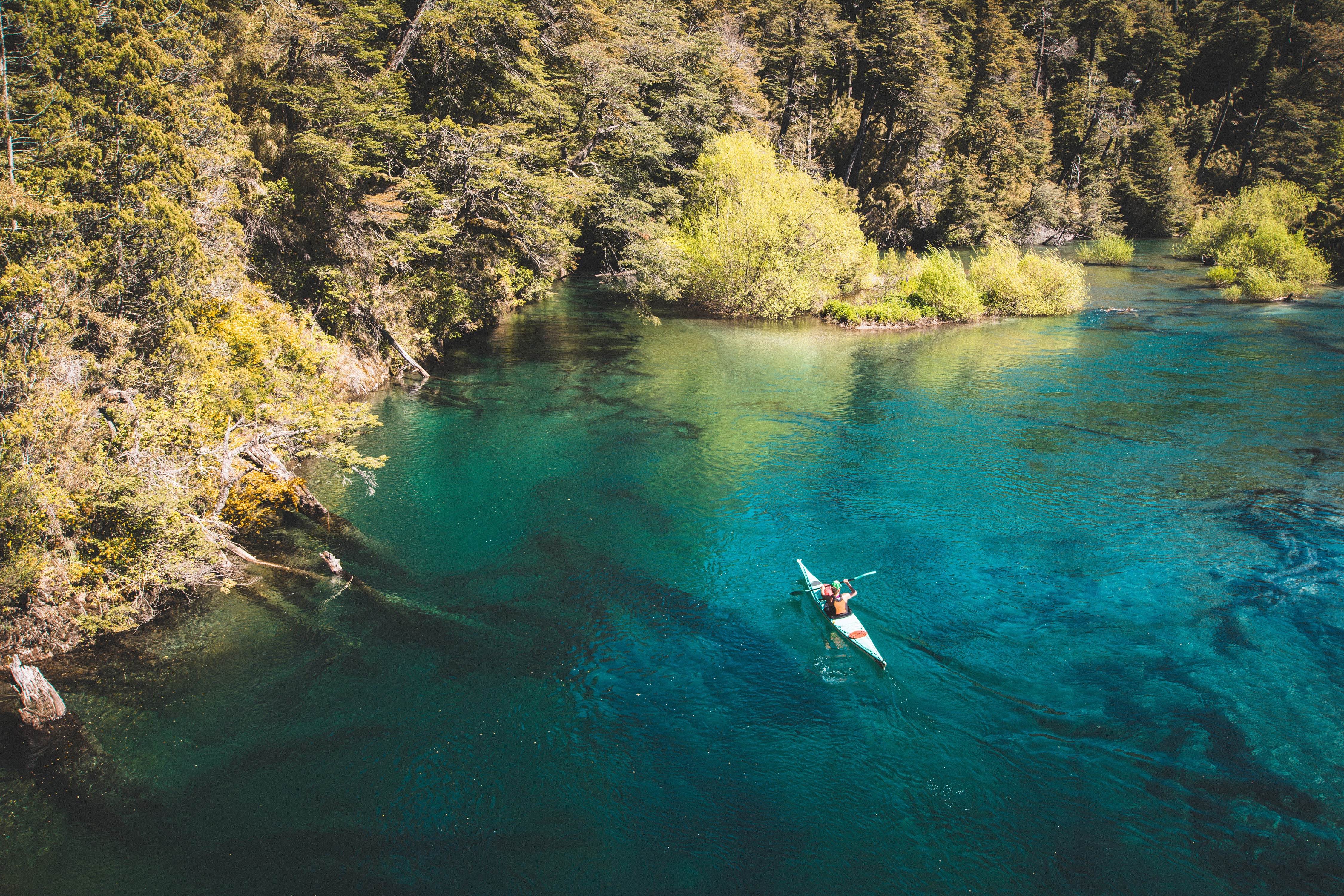
Villa La Angostura is northern Patagonia’s most exclusive alpine resort, a picturesque village of 11,000 nestled between Lago Nahuel Huapi and the Andes mountains. Summer brings hiking through ancient forests, mountain biking flowery trails, kayaking turquoise lakes, and fishing pristine rivers.
Villa La Angostura is northern Patagonia’s most exclusive alpine resort, a picturesque village of 11,000 nestled between Lago Nahuel Huapi and the Andes mountains. Summer brings hiking through ancient forests, mountain biking flowery trails, kayaking turquoise lakes, and fishing pristine rivers.

Villa La Angostura is northern Patagonia’s most exclusive alpine resort, a picturesque village of 11,000 nestled between Lago Nahuel Huapi and the Andes mountains. Summer brings hiking through ancient forests, mountain biking flowery trails, kayaking turquoise lakes, and fishing pristine rivers.

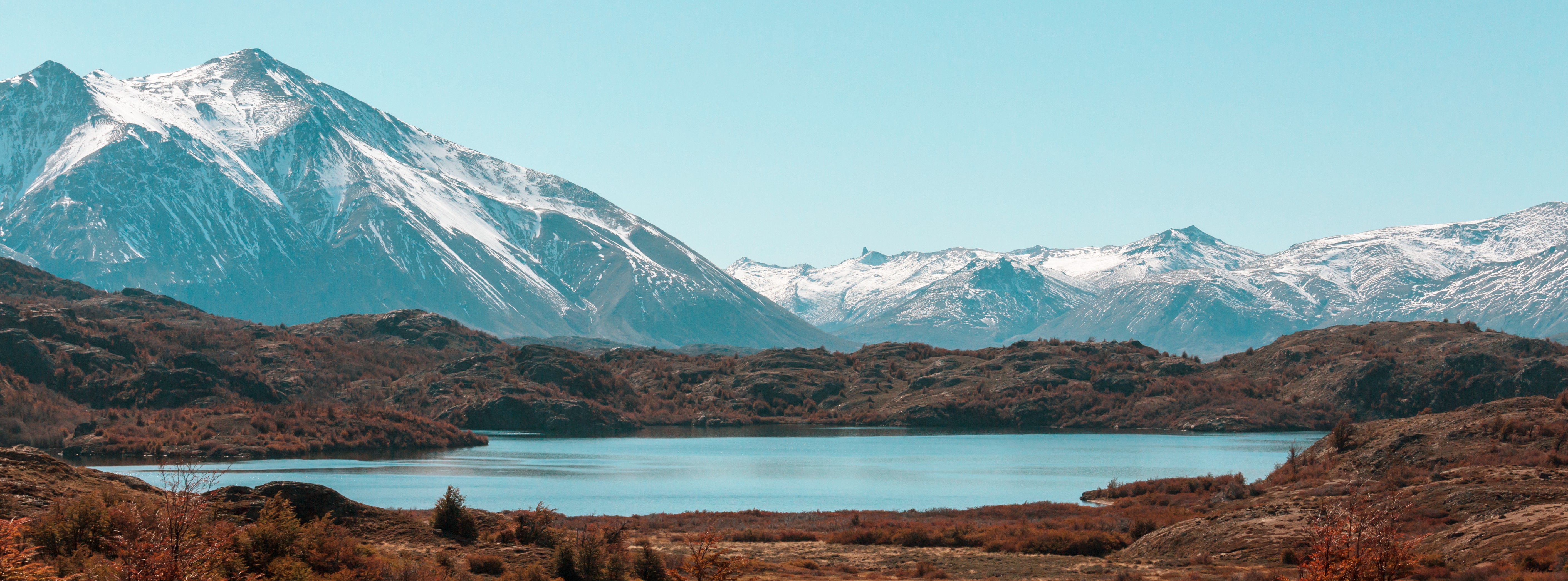
San Martín de los Andes is northern Patagonia’s most sophisticated mountain resort, often called “the Argentine Bariloche without the crowds.” This alpine town of 30,000 sits at the east end of Lago Lácar, surrounded by snow-capped Andean peaks and araucaria forests.
San Martín de los Andes is northern Patagonia’s most sophisticated mountain resort, often called “the Argentine Bariloche without the crowds.” This alpine town of 30,000 sits at the east end of Lago Lácar, surrounded by snow-capped Andean peaks and araucaria forests.

San Martín de los Andes is northern Patagonia’s most sophisticated mountain resort, often called “the Argentine Bariloche without the crowds.” This alpine town of 30,000 sits at the east end of Lago Lácar, surrounded by snow-capped Andean peaks and araucaria forests.

The Carretera Austral (Route 7, “Southern Highway”) is one of the world’s most spectacular and remote road journeys. This 1,240 km gravel road carves through Chilean Patagonia’s wildest terrain, connecting Puerto Montt in the north to Villa O’Higgins near the Southern Ice Field.
The Carretera Austral (Route 7, “Southern Highway”) is one of the world’s most spectacular and remote road journeys. This 1,240 km gravel road carves through Chilean Patagonia’s wildest terrain, connecting Puerto Montt in the north to Villa O’Higgins near the Southern Ice Field.

The Carretera Austral (Route 7, “Southern Highway”) is one of the world’s most spectacular and remote road journeys. This 1,240 km gravel road carves through Chilean Patagonia’s wildest terrain, connecting Puerto Montt in the north to Villa O’Higgins near the Southern Ice Field.

Punta Arenas is Chile’s southernmost continental city (population 130,000), strategically positioned on the Strait of Magellan where the Atlantic and Pacific meet. The setting is dramatic: the city faces north across the strait toward Tierra del Fuego, with the Andes rising west. Strong winds blow constantly, and the atmosphere mixes frontier toughness with sophisticated urban culture.
Punta Arenas is Chile’s southernmost continental city (population 130,000), strategically positioned on the Strait of Magellan where the Atlantic and Pacific meet. The setting is dramatic: the city faces north across the strait toward Tierra del Fuego, with the Andes rising west. Strong winds blow constantly, and the atmosphere mixes frontier toughness with sophisticated urban culture.

Punta Arenas is Chile’s southernmost continental city (population 130,000), strategically positioned on the Strait of Magellan where the Atlantic and Pacific meet. The setting is dramatic: the city faces north across the strait toward Tierra del Fuego, with the Andes rising west. Strong winds blow constantly, and the atmosphere mixes frontier toughness with sophisticated urban culture.

Chiloé is Chile’s second-largest island and one of its most culturally distinct regions—a misty, mythological world where Spanish colonial influence blended with indigenous Huilliche culture to create unique traditions, architecture, cuisine, and folklore.

Chiloé is Chile’s second-largest island and one of its most culturally distinct regions—a misty, mythological world where Spanish colonial influence blended with indigenous Huilliche culture to create unique traditions, architecture, cuisine, and folklore.

Chiloé is Chile’s second-largest island and one of its most culturally distinct regions—a misty, mythological world where Spanish colonial influence blended with indigenous Huilliche culture to create unique traditions, architecture, cuisine, and folklore.

Puerto Varas is the jewel of Chile’s Lake District, a charming town of German-influenced architecture perched on the southern shore of Lago Llanquihue, South America’s second-largest lake and with Volcan Osorno in the background. Yet wilderness beckons just beyond town: Osorno’s slopes for skiing and hiking, Vicente Pérez Rosales National Park with Petrohué waterfalls and emerald river, Chiloé Island’s mystical culture, and the start of the Carretera Austral adventure south.
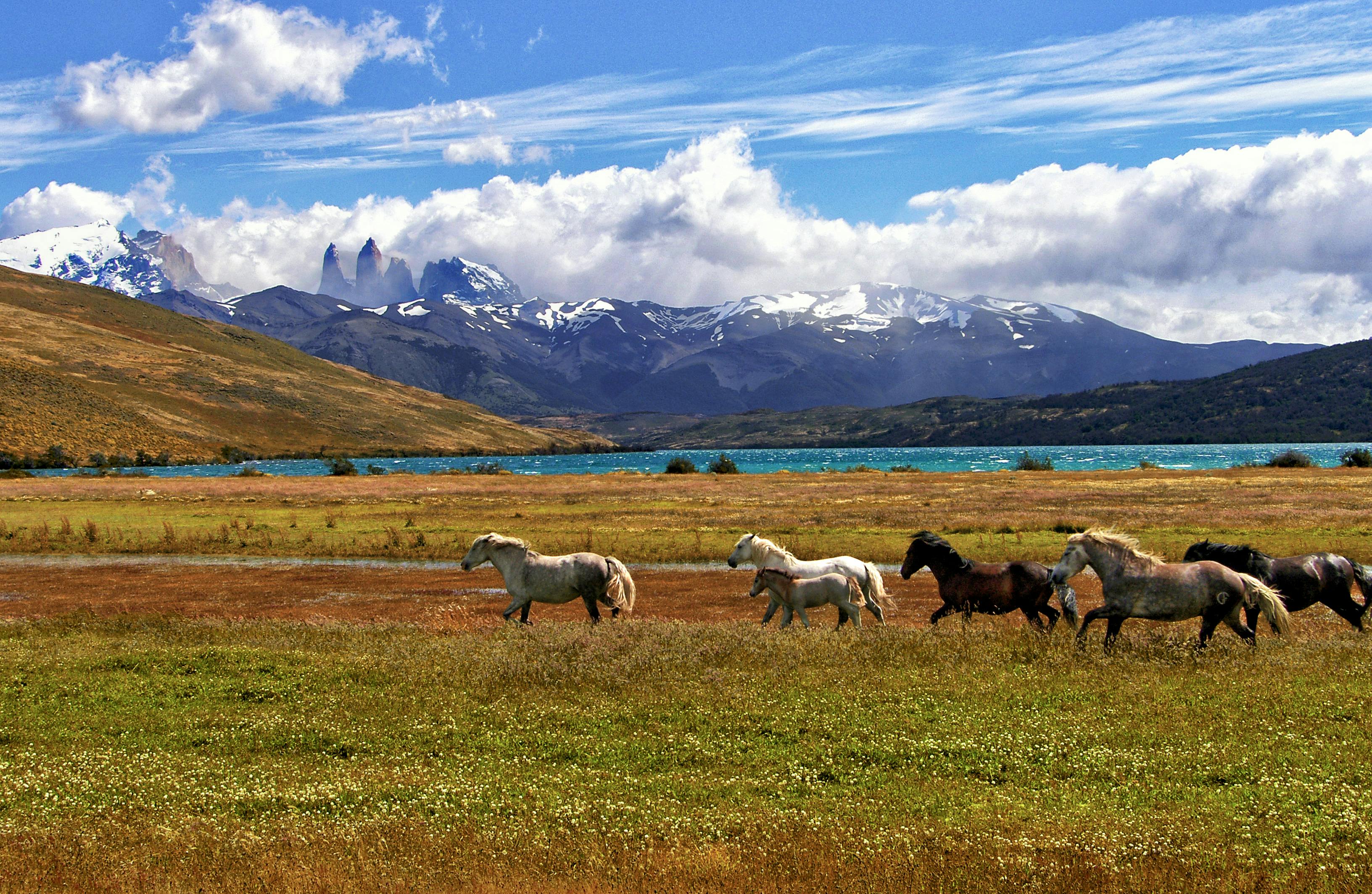
Puerto Varas is the jewel of Chile’s Lake District, a charming town of German-influenced architecture perched on the southern shore of Lago Llanquihue, South America’s second-largest lake and with Volcan Osorno in the background. Yet wilderness beckons just beyond town: Osorno’s slopes for skiing and hiking, Vicente Pérez Rosales National Park with Petrohué waterfalls and emerald river, Chiloé Island’s mystical culture, and the start of the Carretera Austral adventure south.

Puerto Varas is the jewel of Chile’s Lake District, a charming town of German-influenced architecture perched on the southern shore of Lago Llanquihue, South America’s second-largest lake and with Volcan Osorno in the background. Yet wilderness beckons just beyond town: Osorno’s slopes for skiing and hiking, Vicente Pérez Rosales National Park with Petrohué waterfalls and emerald river, Chiloé Island’s mystical culture, and the start of the Carretera Austral adventure south.

Puerto Natales is a charming port town of 20,000 on the shores of Última Esperanza Sound, serving as the primary gateway to Torres del Paine National Park, 115 km north. From here, you can kayak through fjords, explore the mysterious Mylodon Cave (where giant ground sloth remains were discovered), visit remote glaciers and much more.
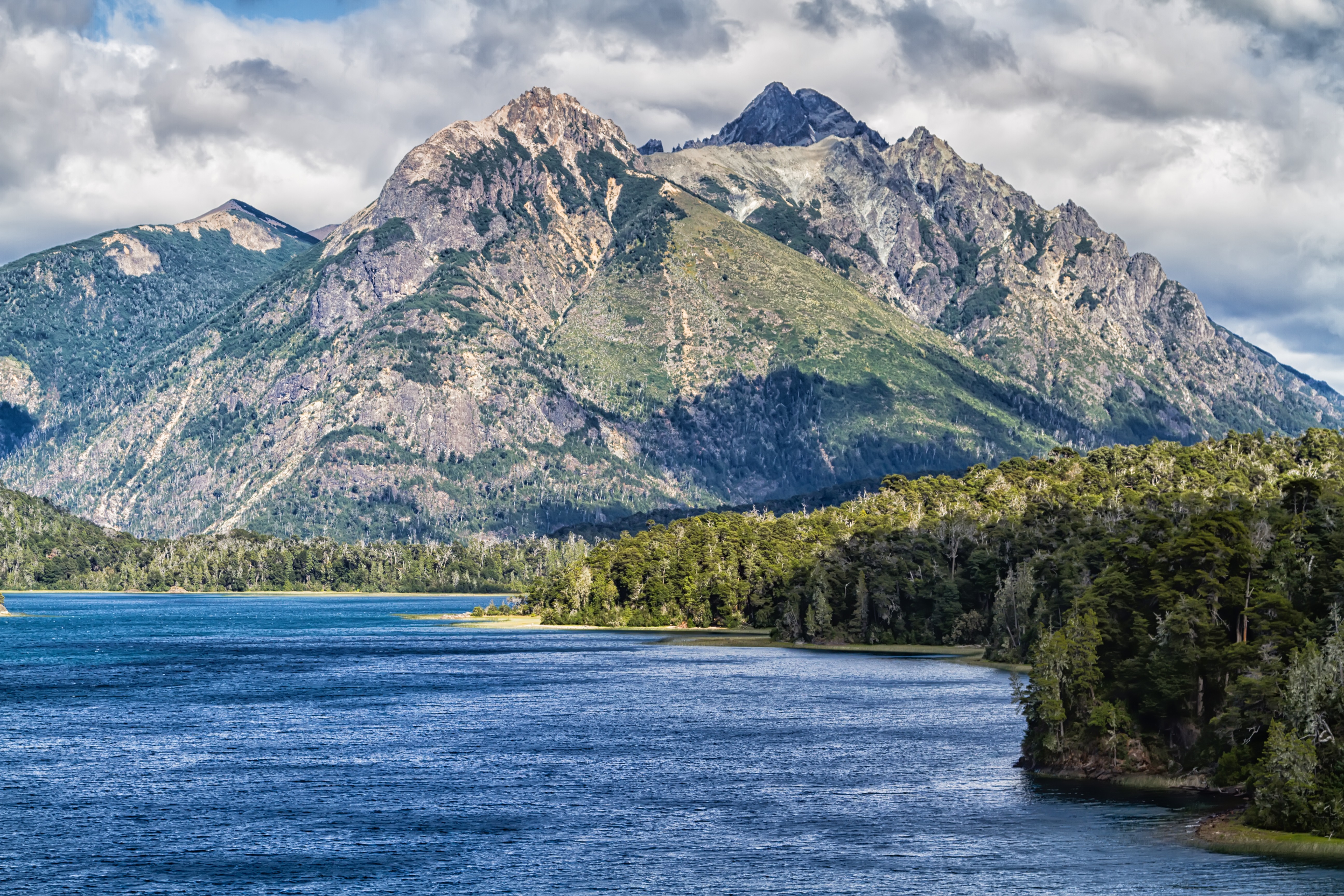
Puerto Natales is a charming port town of 20,000 on the shores of Última Esperanza Sound, serving as the primary gateway to Torres del Paine National Park, 115 km north. From here, you can kayak through fjords, explore the mysterious Mylodon Cave (where giant ground sloth remains were discovered), visit remote glaciers and much more.

Puerto Natales is a charming port town of 20,000 on the shores of Última Esperanza Sound, serving as the primary gateway to Torres del Paine National Park, 115 km north. From here, you can kayak through fjords, explore the mysterious Mylodon Cave (where giant ground sloth remains were discovered), visit remote glaciers and much more.

San Carlos de Bariloche is Argentina’s premier mountain resort city, set on the southern shore of Nahuel Huapi Lake with snow-capped Andes as backdrop. The region offers year-round activities: summer hiking, mountain biking, water sports; winter skiing at Cerro Catedral (South America’s largest ski resort); and spring/autumn scenic drives.
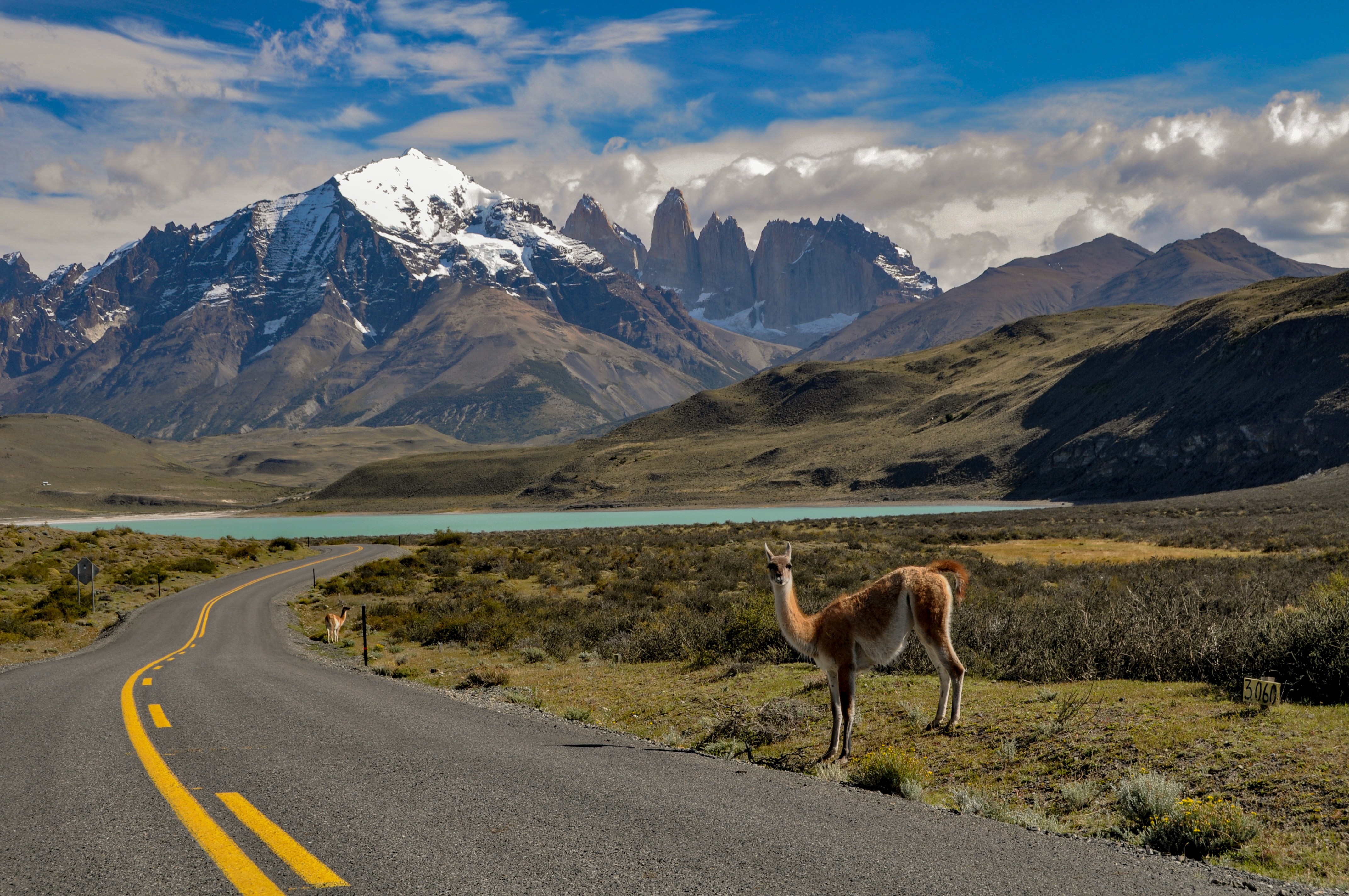
San Carlos de Bariloche is Argentina’s premier mountain resort city, set on the southern shore of Nahuel Huapi Lake with snow-capped Andes as backdrop. The region offers year-round activities: summer hiking, mountain biking, water sports; winter skiing at Cerro Catedral (South America’s largest ski resort); and spring/autumn scenic drives.

San Carlos de Bariloche is Argentina’s premier mountain resort city, set on the southern shore of Nahuel Huapi Lake with snow-capped Andes as backdrop. The region offers year-round activities: summer hiking, mountain biking, water sports; winter skiing at Cerro Catedral (South America’s largest ski resort); and spring/autumn scenic drives.

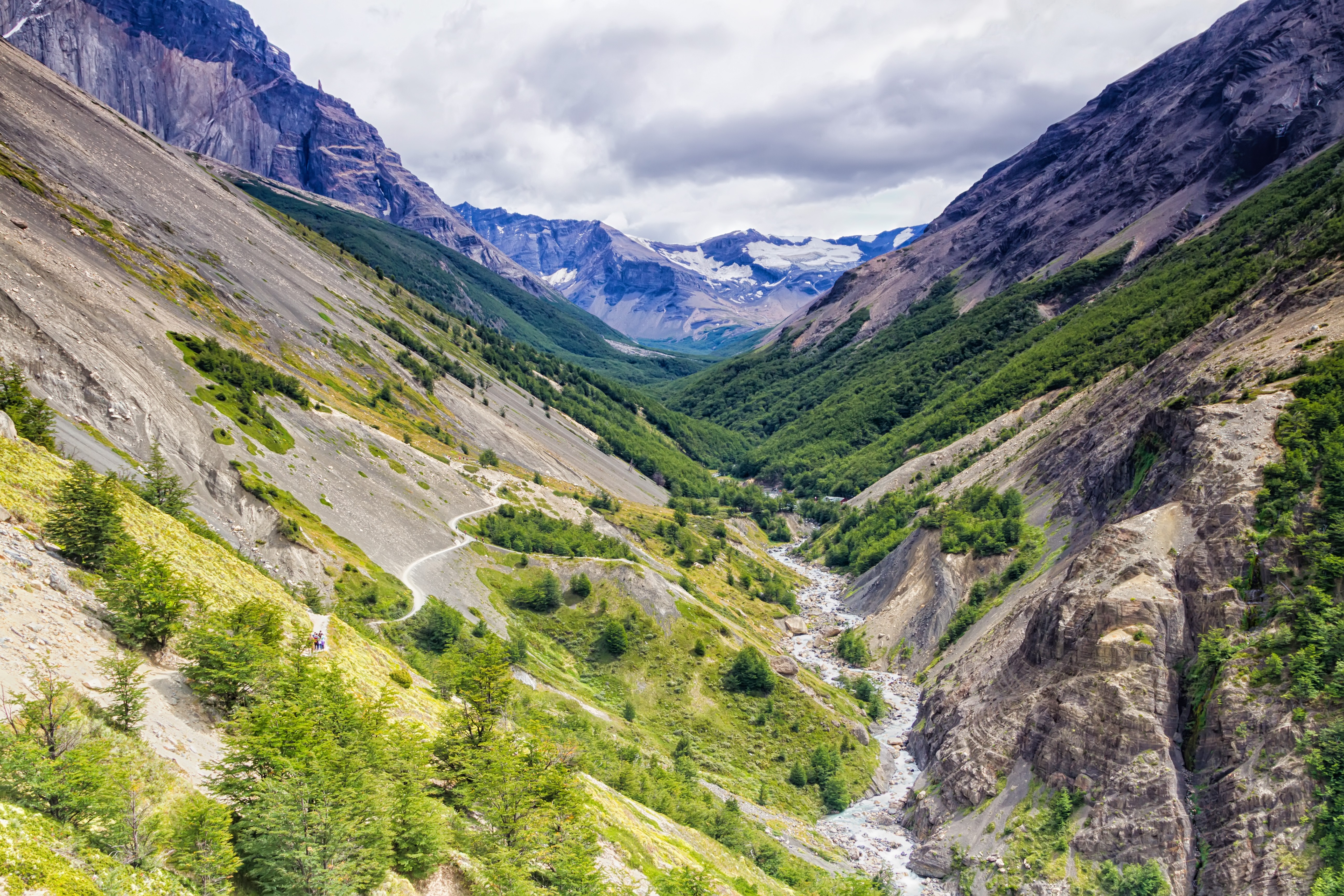
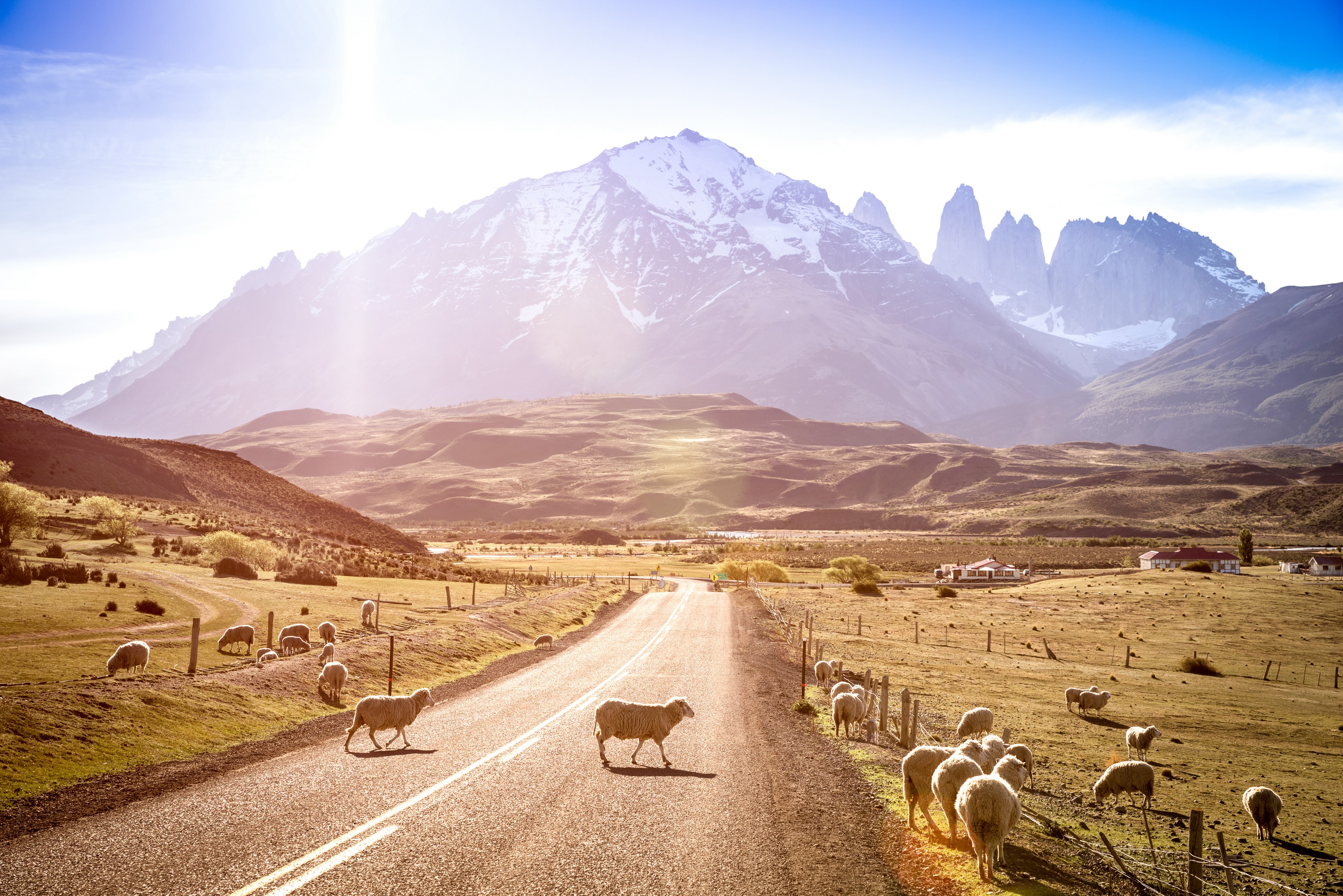
Torres del Paine is arguably the most spectacular national park in South America and one of the world's premier trekking destinations. The park encompasses 227,000 hectares of dramatic Patagonian landscapes: the iconic granite towers (torres), massive glaciers descending from the Southern Ice Field, electric-blue lakes, rolling pampa dotted with guanacos, and the distinctive Cuernos (horns) peaks.
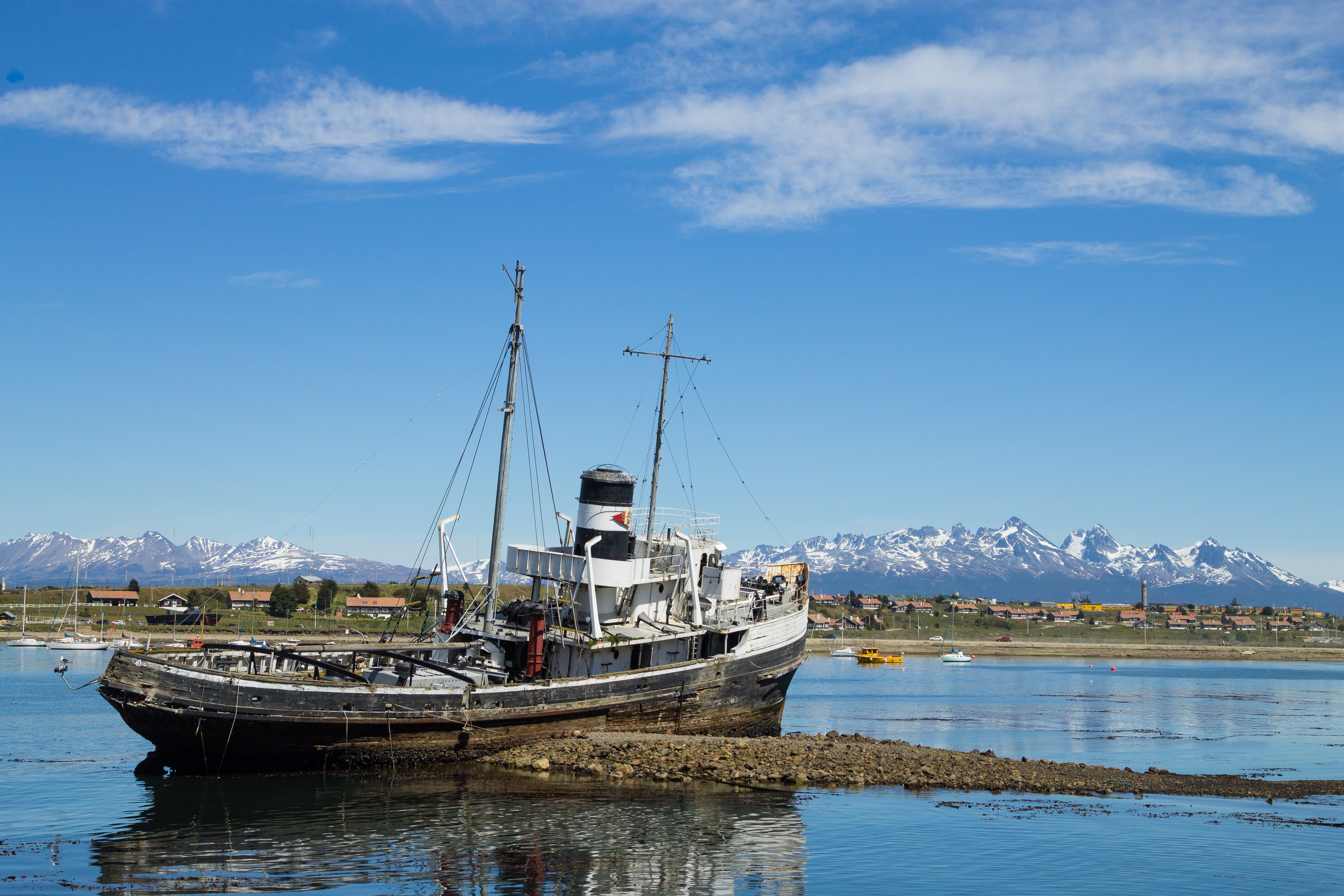
Torres del Paine is arguably the most spectacular national park in South America and one of the world's premier trekking destinations. The park encompasses 227,000 hectares of dramatic Patagonian landscapes: the iconic granite towers (torres), massive glaciers descending from the Southern Ice Field, electric-blue lakes, rolling pampa dotted with guanacos, and the distinctive Cuernos (horns) peaks.

Torres del Paine is arguably the most spectacular national park in South America and one of the world's premier trekking destinations. The park encompasses 227,000 hectares of dramatic Patagonian landscapes: the iconic granite towers (torres), massive glaciers descending from the Southern Ice Field, electric-blue lakes, rolling pampa dotted with guanacos, and the distinctive Cuernos (horns) peaks.

Ushuaia proudly claims the title of the world's southernmost city, nestled between the Beagle Channel and the snow-capped Martial Mountains. This remote port city of 80,000 inhabitants serves as gateway to Antarctica, but it's also a remarkable destination in its own right. The landscape blends sub-Antarctic forest, alpine peaks, and windswept coastline.
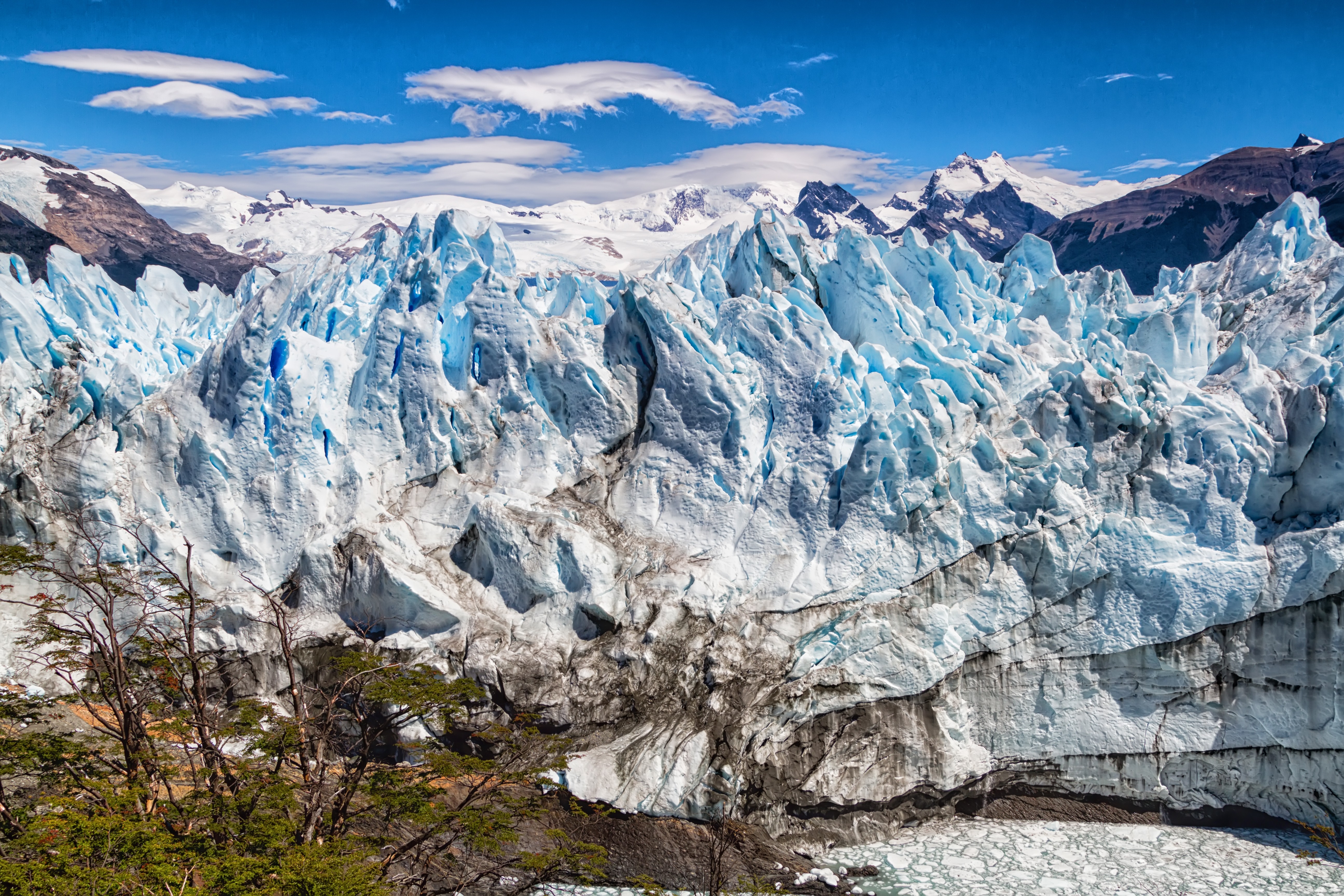
Ushuaia proudly claims the title of the world's southernmost city, nestled between the Beagle Channel and the snow-capped Martial Mountains. This remote port city of 80,000 inhabitants serves as gateway to Antarctica, but it's also a remarkable destination in its own right. The landscape blends sub-Antarctic forest, alpine peaks, and windswept coastline.

Ushuaia proudly claims the title of the world's southernmost city, nestled between the Beagle Channel and the snow-capped Martial Mountains. This remote port city of 80,000 inhabitants serves as gateway to Antarctica, but it's also a remarkable destination in its own right. The landscape blends sub-Antarctic forest, alpine peaks, and windswept coastline.

El Calafate is the tourist capital of Argentine Patagonia, positioned on the shores of turquoise Lago Argentino. While the town itself is a modern service hub with hotels, restaurants, and tour operators, the real draw lies 80 km west: Perito Moreno Glacier, one of the world's most accessible and dynamic ice masses.
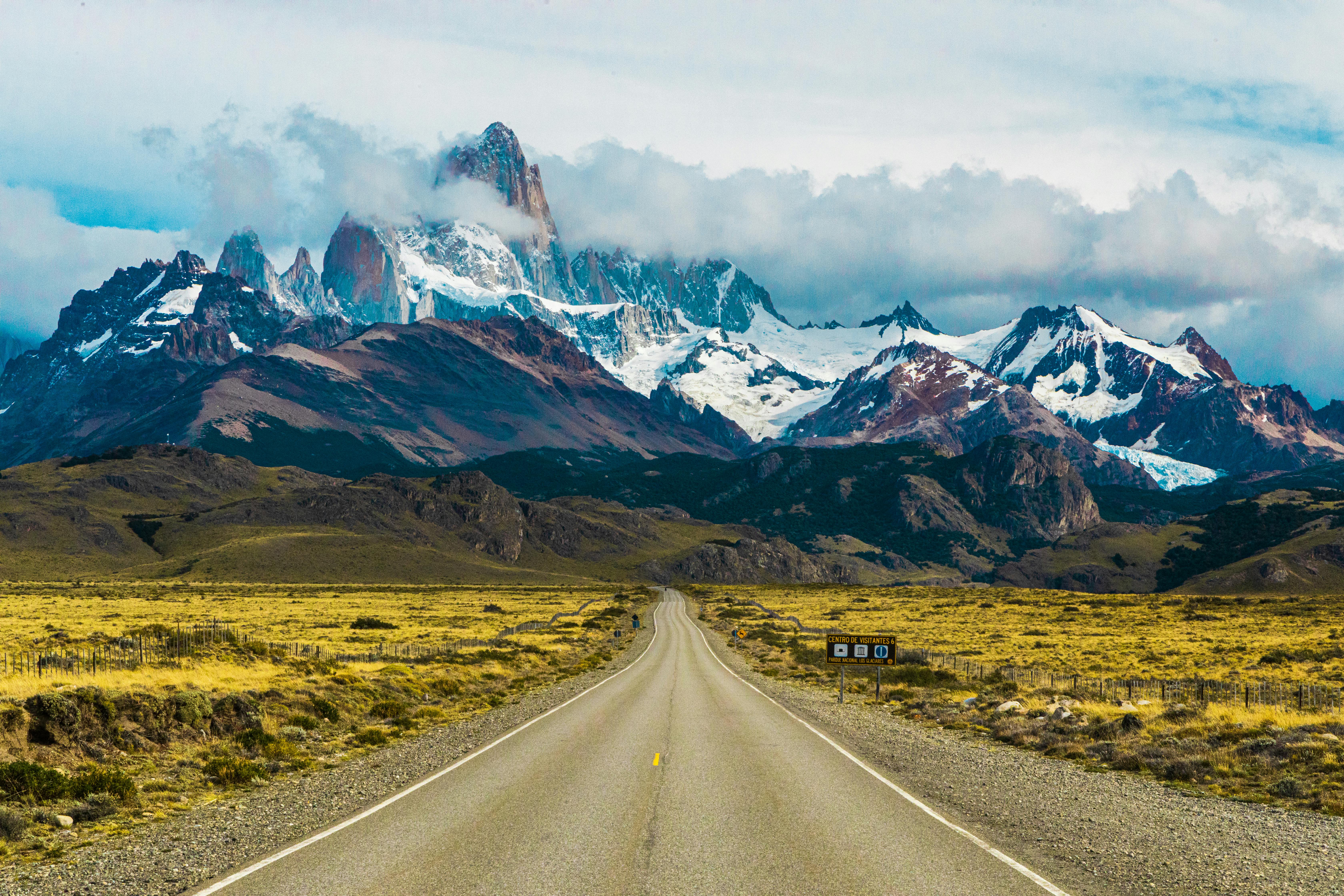
El Calafate is the tourist capital of Argentine Patagonia, positioned on the shores of turquoise Lago Argentino. While the town itself is a modern service hub with hotels, restaurants, and tour operators, the real draw lies 80 km west: Perito Moreno Glacier, one of the world's most accessible and dynamic ice masses.

El Calafate is the tourist capital of Argentine Patagonia, positioned on the shores of turquoise Lago Argentino. While the town itself is a modern service hub with hotels, restaurants, and tour operators, the real draw lies 80 km west: Perito Moreno Glacier, one of the world's most accessible and dynamic ice masses.

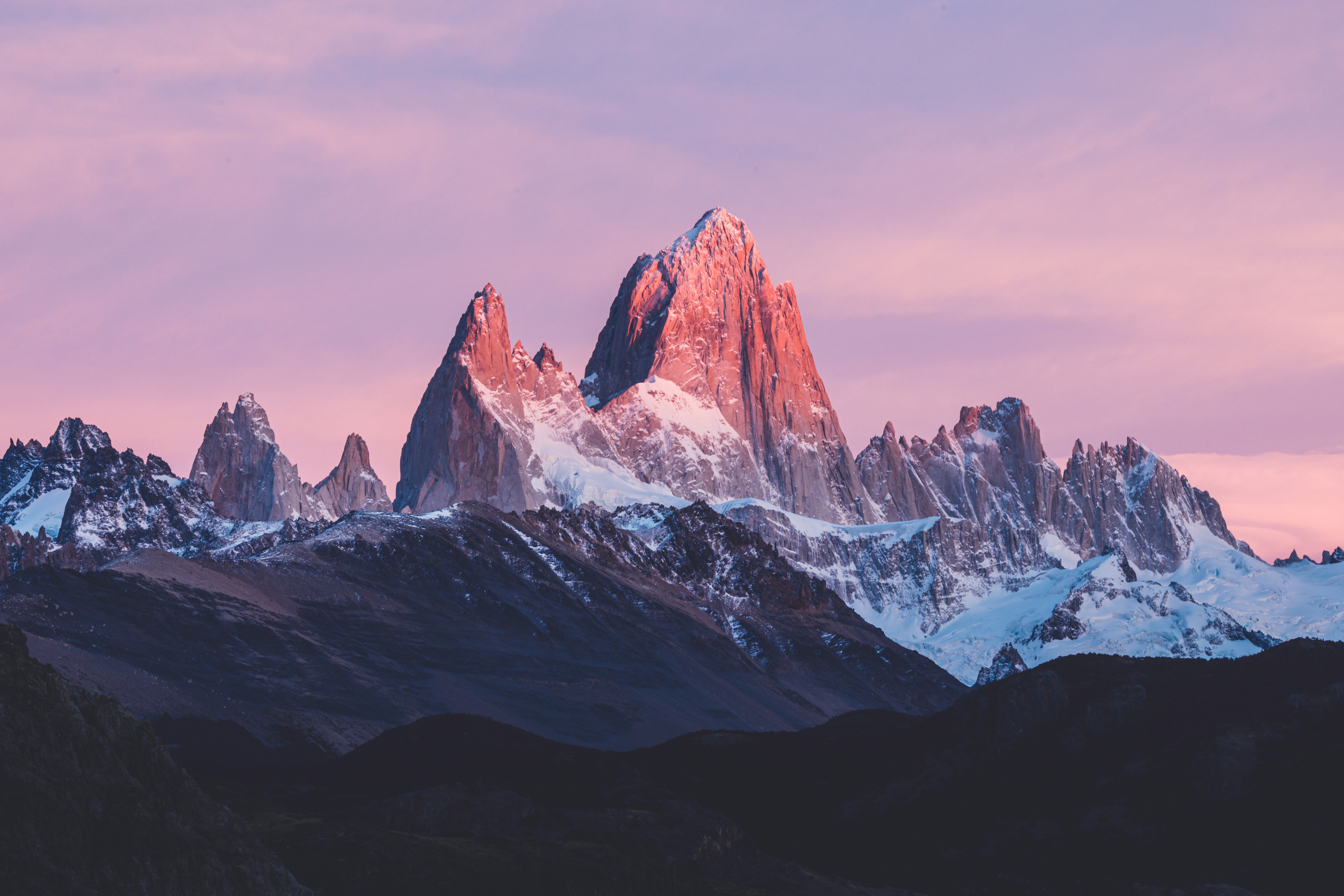
Santa Cruz Province, Argentina — South Patagonia 🗺️ Overview El Chaltén is often called the "Trekking Capital of Argentina." Located within Los Glaciares National Park, this small Andean village sits beneath the jagged peaks of Mount Fitz Roy and Cerro Torre — two of the most iconic mountains in all of Patagonia.
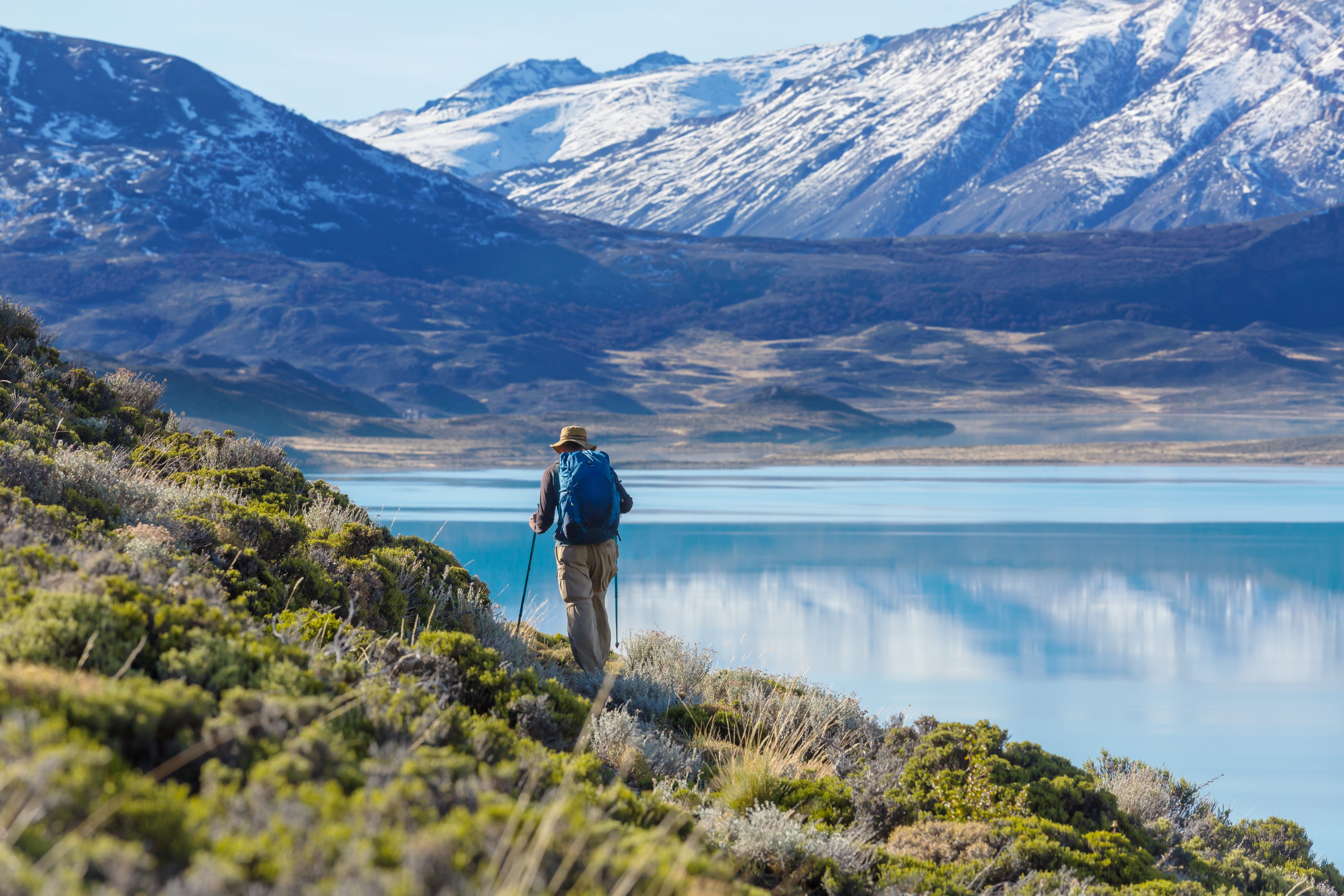
Santa Cruz Province, Argentina — South Patagonia 🗺️ Overview El Chaltén is often called the "Trekking Capital of Argentina." Located within Los Glaciares National Park, this small Andean village sits beneath the jagged peaks of Mount Fitz Roy and Cerro Torre — two of the most iconic mountains in all of Patagonia.

Santa Cruz Province, Argentina — South Patagonia 🗺️ Overview El Chaltén is often called the "Trekking Capital of Argentina." Located within Los Glaciares National Park, this small Andean village sits beneath the jagged peaks of Mount Fitz Roy and Cerro Torre — two of the most iconic mountains in all of Patagonia.

Gateway to the Marble Caves Overview Puerto Río Tranquilo is a small village of 300 on the shores of Lago General Carrera (Chile's largest lake, shared with Argentina where it's called Lago Buenos Aires), serving as gateway to the famous Capillas de Mármol—the stunning blue-and-white marble caves that rank among Chile's most photographed natural wonders.

Gateway to the Marble Caves Overview Puerto Río Tranquilo is a small village of 300 on the shores of Lago General Carrera (Chile's largest lake, shared with Argentina where it's called Lago Buenos Aires), serving as gateway to the famous Capillas de Mármol—the stunning blue-and-white marble caves that rank among Chile's most photographed natural wonders.

Gateway to the Marble Caves Overview Puerto Río Tranquilo is a small village of 300 on the shores of Lago General Carrera (Chile's largest lake, shared with Argentina where it's called Lago Buenos Aires), serving as gateway to the famous Capillas de Mármol—the stunning blue-and-white marble caves that rank among Chile's most photographed natural wonders.

Villa O'Higgins is the southernmost settlement on the Carretera Austral, a frontier village of 500 people where Chile's legendary road journey ends. Villa O'Higgins is the southernmost settlement on the Carretera Austral, a frontier village of 500 people where Chile's legendary road journey ends. Founded in 1966, this isolated community sits 1,240 km south of Puerto Montt at the edge of the Southern Patagonian Ice Field. No road continues south—only wilderness, ice, and eventually the Strait of Magellan 400 km away. The town occupies a narrow valley between Lago O'Higgins (Chile's deepest lake at 836m) and towering mountains, surrounded by hanging glaciers and temperate rainforest. Reaching Villa O'Higgins feels like genuine achievement—the journey itself (via rough gravel roads, ferry crossings, and remote stretches) is half the adventure. Once here, travelers find basic services (hospedajes, simple restaurants, grocery store) and access to spectacular wilderness: O'Higgins Glacier boat trips, backcountry hiking, fishing pristine waters. The town also serves as starting point for the adventurous border crossing to Argentina—a multi-day journey involving boat, horseback/hiking, and trekking that connects to El Chaltén. It's raw, remote, and utterly authentic—Patagonia's true frontier.

Villa O'Higgins is the southernmost settlement on the Carretera Austral, a frontier village of 500 people where Chile's legendary road journey ends. Villa O'Higgins is the southernmost settlement on the Carretera Austral, a frontier village of 500 people where Chile's legendary road journey ends. Founded in 1966, this isolated community sits 1,240 km south of Puerto Montt at the edge of the Southern Patagonian Ice Field. No road continues south—only wilderness, ice, and eventually the Strait of Magellan 400 km away. The town occupies a narrow valley between Lago O'Higgins (Chile's deepest lake at 836m) and towering mountains, surrounded by hanging glaciers and temperate rainforest. Reaching Villa O'Higgins feels like genuine achievement—the journey itself (via rough gravel roads, ferry crossings, and remote stretches) is half the adventure. Once here, travelers find basic services (hospedajes, simple restaurants, grocery store) and access to spectacular wilderness: O'Higgins Glacier boat trips, backcountry hiking, fishing pristine waters. The town also serves as starting point for the adventurous border crossing to Argentina—a multi-day journey involving boat, horseback/hiking, and trekking that connects to El Chaltén. It's raw, remote, and utterly authentic—Patagonia's true frontier.

Villa O'Higgins is the southernmost settlement on the Carretera Austral, a frontier village of 500 people where Chile's legendary road journey ends. Villa O'Higgins is the southernmost settlement on the Carretera Austral, a frontier village of 500 people where Chile's legendary road journey ends. Founded in 1966, this isolated community sits 1,240 km south of Puerto Montt at the edge of the Southern Patagonian Ice Field. No road continues south—only wilderness, ice, and eventually the Strait of Magellan 400 km away. The town occupies a narrow valley between Lago O'Higgins (Chile's deepest lake at 836m) and towering mountains, surrounded by hanging glaciers and temperate rainforest. Reaching Villa O'Higgins feels like genuine achievement—the journey itself (via rough gravel roads, ferry crossings, and remote stretches) is half the adventure. Once here, travelers find basic services (hospedajes, simple restaurants, grocery store) and access to spectacular wilderness: O'Higgins Glacier boat trips, backcountry hiking, fishing pristine waters. The town also serves as starting point for the adventurous border crossing to Argentina—a multi-day journey involving boat, horseback/hiking, and trekking that connects to El Chaltén. It's raw, remote, and utterly authentic—Patagonia's true frontier.

Pucón is Chile's premier adventure tourism destination, a lakeside town of 28,000 on the eastern shore of Lago Villarrica, dominated by the smoking cone of Villarrica Volcano. Pucón transformed in the 1980s-90s into South America's adventure hub: volcano climbing, whitewater rafting, hot springs soaking, canyoning, zip-lining, kayaking, skiing, and mountain biking all within 30 km.
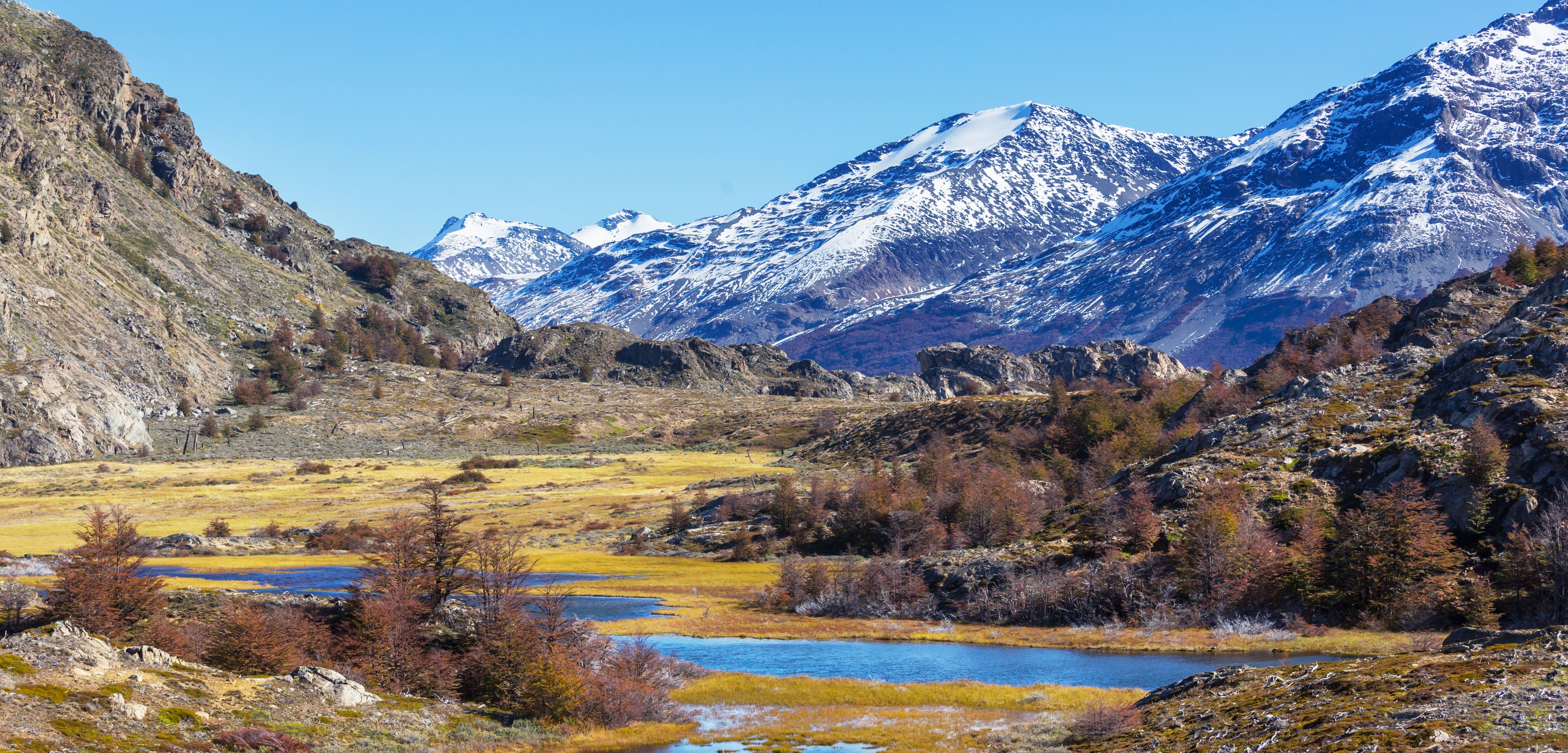
Pucón is Chile's premier adventure tourism destination, a lakeside town of 28,000 on the eastern shore of Lago Villarrica, dominated by the smoking cone of Villarrica Volcano. Pucón transformed in the 1980s-90s into South America's adventure hub: volcano climbing, whitewater rafting, hot springs soaking, canyoning, zip-lining, kayaking, skiing, and mountain biking all within 30 km.

Pucón is Chile's premier adventure tourism destination, a lakeside town of 28,000 on the eastern shore of Lago Villarrica, dominated by the smoking cone of Villarrica Volcano. Pucón transformed in the 1980s-90s into South America's adventure hub: volcano climbing, whitewater rafting, hot springs soaking, canyoning, zip-lining, kayaking, skiing, and mountain biking all within 30 km.

Chile Chico is a surprising oasis in harsh Patagonian landscapes—a town of 4,000 on Lago General Carrera's southern shore where a unique microclimate allows fruit cultivation impossible elsewhere in the region. Chile Chico offers lake activities, access to remote marble formations, proximity to Cueva de las Manos (Argentine side), and serves as staging point for binational Patagonia circuits.
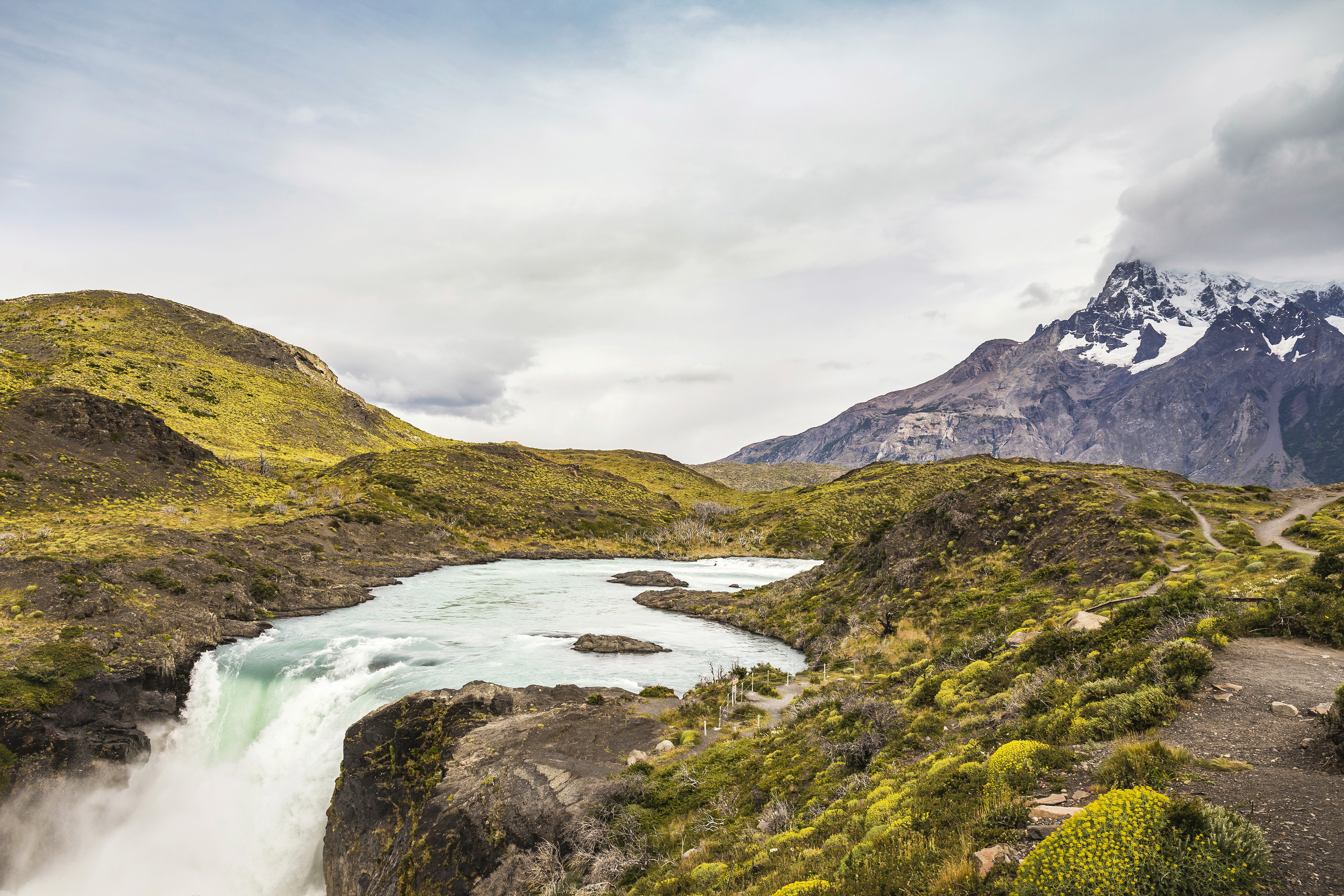
Chile Chico is a surprising oasis in harsh Patagonian landscapes—a town of 4,000 on Lago General Carrera's southern shore where a unique microclimate allows fruit cultivation impossible elsewhere in the region. Chile Chico offers lake activities, access to remote marble formations, proximity to Cueva de las Manos (Argentine side), and serves as staging point for binational Patagonia circuits.

Chile Chico is a surprising oasis in harsh Patagonian landscapes—a town of 4,000 on Lago General Carrera's southern shore where a unique microclimate allows fruit cultivation impossible elsewhere in the region. Chile Chico offers lake activities, access to remote marble formations, proximity to Cueva de las Manos (Argentine side), and serves as staging point for binational Patagonia circuits.

Cochrane is a frontier town of 3,000 souls serving as gateway to the southern Carretera Austral—the last significant services before Villa O'Higgins and the road's end. The surrounding landscapes showcase dramatic contrasts—Patagonian steppe transitions to temperate rainforest, turquoise rivers flow through volcanic rock gorges, and snow-capped peaks dominate horizons.
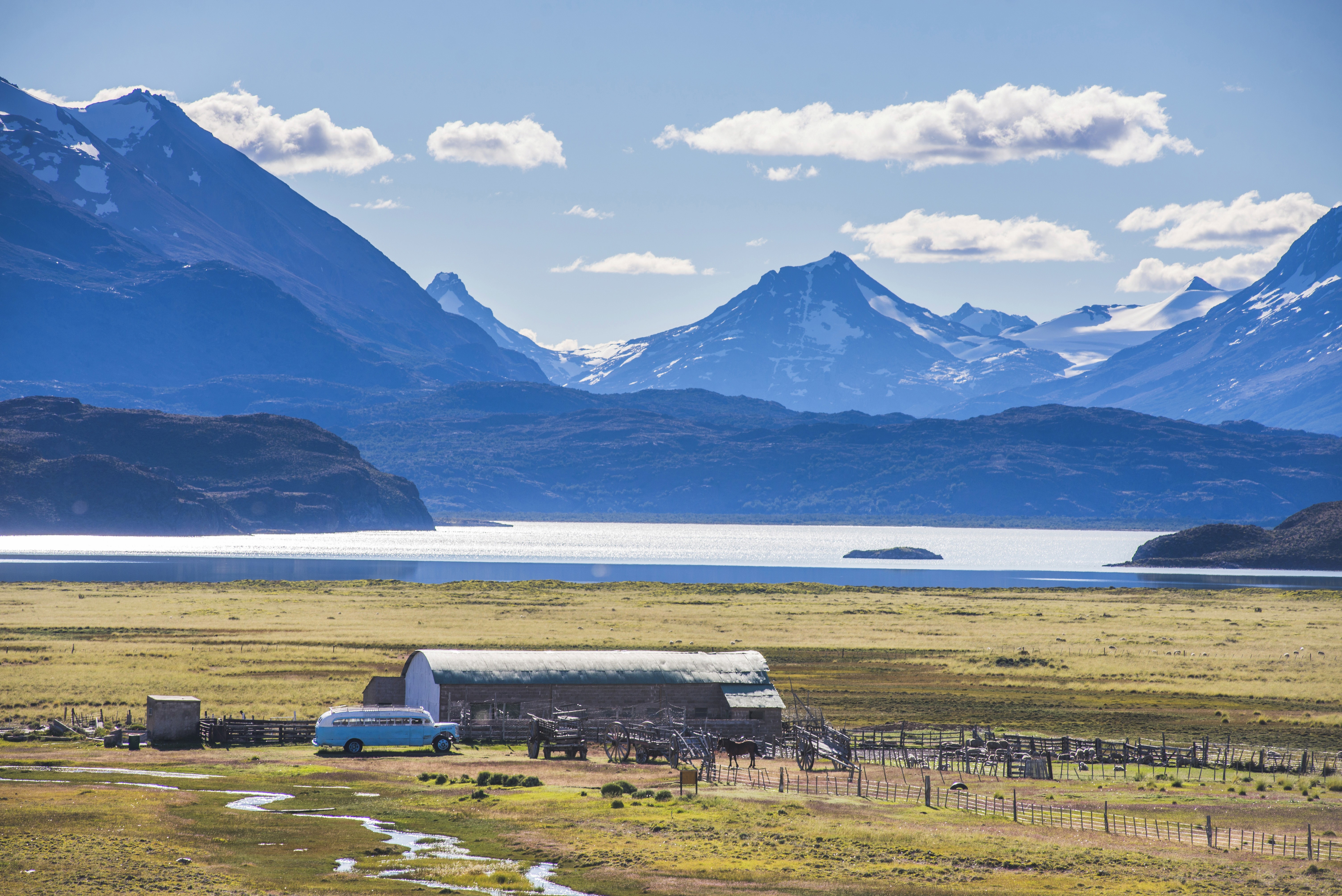
Cochrane is a frontier town of 3,000 souls serving as gateway to the southern Carretera Austral—the last significant services before Villa O'Higgins and the road's end. The surrounding landscapes showcase dramatic contrasts—Patagonian steppe transitions to temperate rainforest, turquoise rivers flow through volcanic rock gorges, and snow-capped peaks dominate horizons.

Cochrane is a frontier town of 3,000 souls serving as gateway to the southern Carretera Austral—the last significant services before Villa O'Higgins and the road's end. The surrounding landscapes showcase dramatic contrasts—Patagonian steppe transitions to temperate rainforest, turquoise rivers flow through volcanic rock gorges, and snow-capped peaks dominate horizons.

Isla Navarino is the southernmost inhabited island on Earth (excluding research stations), separated from Ushuaia, Argentina by the Beagle Channel. Home to Puerto Williams—the world's southernmost town (2,000 people, beating Ushuaia by 40 km of latitude)—and the legendary Dientes de Navarino trek, this remote Chilean island represents Patagonia's absolute edge.

Isla Navarino is the southernmost inhabited island on Earth (excluding research stations), separated from Ushuaia, Argentina by the Beagle Channel. Home to Puerto Williams—the world's southernmost town (2,000 people, beating Ushuaia by 40 km of latitude)—and the legendary Dientes de Navarino trek, this remote Chilean island represents Patagonia's absolute edge.

Isla Navarino is the southernmost inhabited island on Earth (excluding research stations), separated from Ushuaia, Argentina by the Beagle Channel. Home to Puerto Williams—the world's southernmost town (2,000 people, beating Ushuaia by 40 km of latitude)—and the legendary Dientes de Navarino trek, this remote Chilean island represents Patagonia's absolute edge.

Patagonia National Park (formerly Patagonia Park, now officially Parque Nacional Patagonia). Free camping throughout, excellent hiking from easy lakeside strolls to strenuous summit climbs, and world-class wildlife viewing make this a must-visit for conservation-minded travelers.
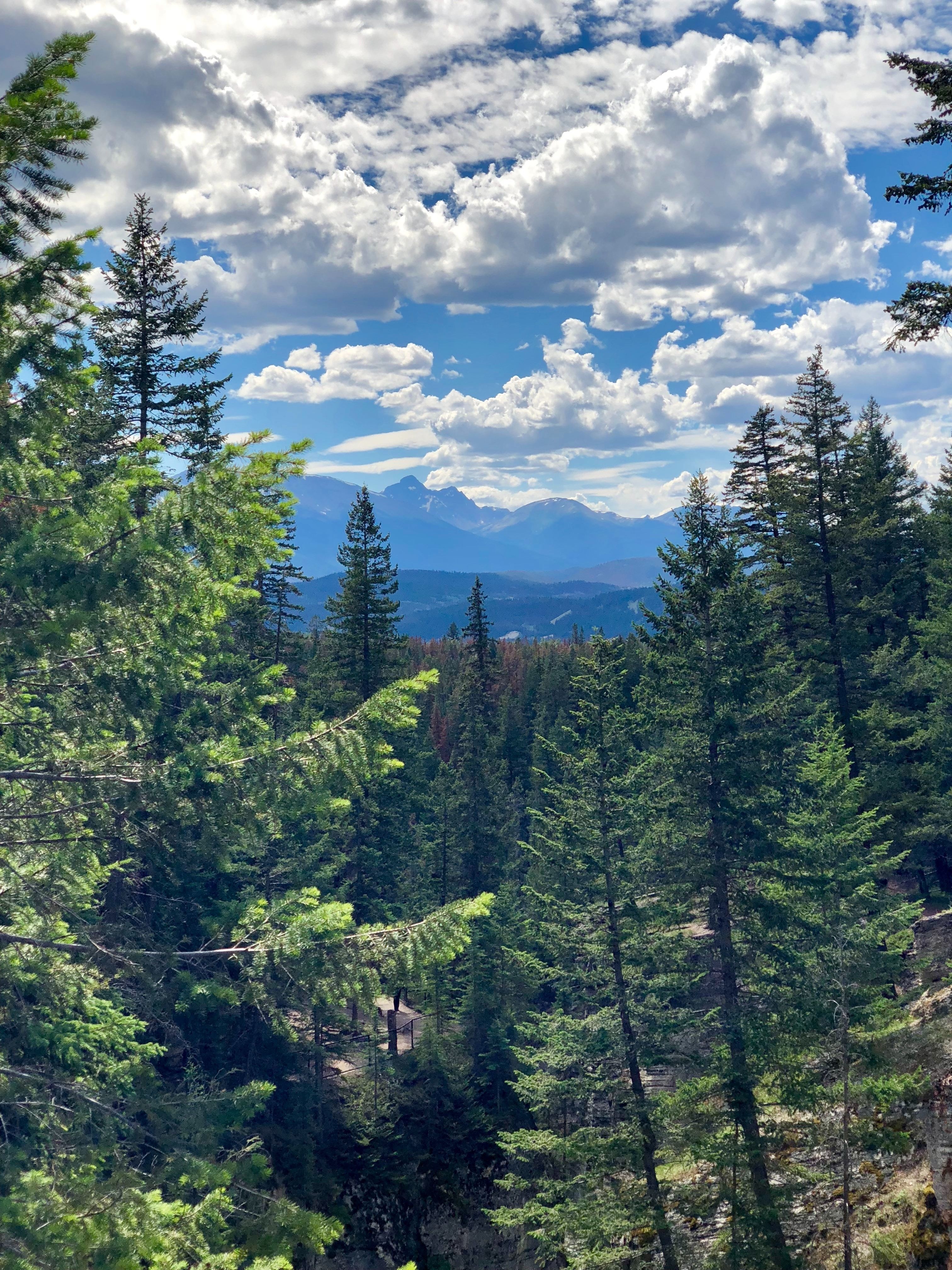
Patagonia National Park (formerly Patagonia Park, now officially Parque Nacional Patagonia). Free camping throughout, excellent hiking from easy lakeside strolls to strenuous summit climbs, and world-class wildlife viewing make this a must-visit for conservation-minded travelers.

Patagonia National Park (formerly Patagonia Park, now officially Parque Nacional Patagonia). Free camping throughout, excellent hiking from easy lakeside strolls to strenuous summit climbs, and world-class wildlife viewing make this a must-visit for conservation-minded travelers.

Pumalín Park is Doug Tompkins' original and most personal conservation project—325,000 hectares (800,000 acres) of pristine temperate rainforest donated to Chile in 2017, now a national park bearing his name posthumously.
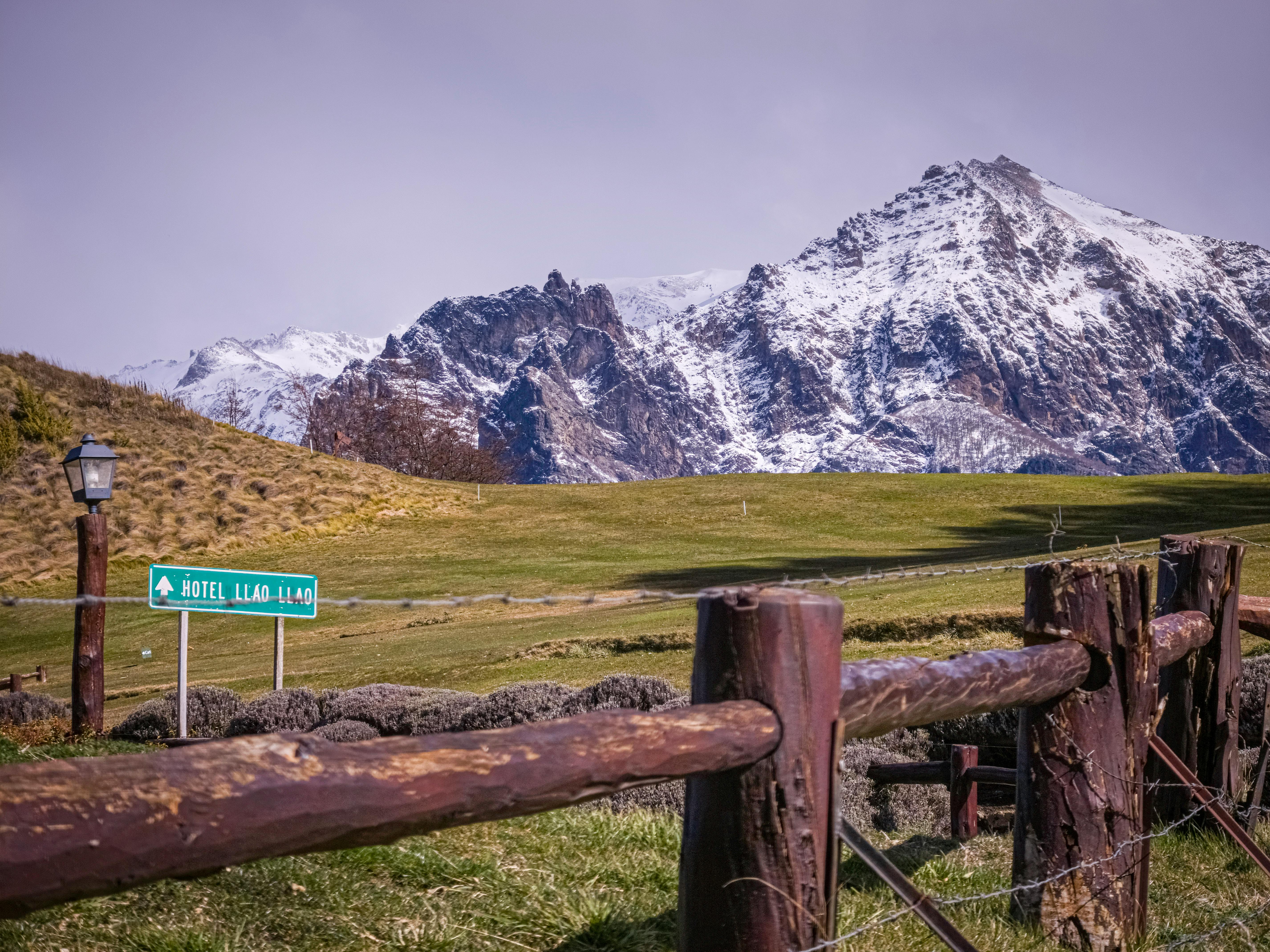
Pumalín Park is Doug Tompkins' original and most personal conservation project—325,000 hectares (800,000 acres) of pristine temperate rainforest donated to Chile in 2017, now a national park bearing his name posthumously.

Pumalín Park is Doug Tompkins' original and most personal conservation project—325,000 hectares (800,000 acres) of pristine temperate rainforest donated to Chile in 2017, now a national park bearing his name posthumously.

Villa La Angostura is northern Patagonia's most exclusive alpine resort, a picturesque village of 11,000 nestled between Lago Nahuel Huapi and the Andes mountains. The town serves as gateway to Los Arrayanes National Park—the world's only pure forest of arrayán (Chilean myrtle) trees—and sits at the southern terminus of the famous Siete Lagos (Seven Lakes) scenic route. Winter transforms the area with world-class skiing at Cerro Bayo.

Villa La Angostura is northern Patagonia's most exclusive alpine resort, a picturesque village of 11,000 nestled between Lago Nahuel Huapi and the Andes mountains. The town serves as gateway to Los Arrayanes National Park—the world's only pure forest of arrayán (Chilean myrtle) trees—and sits at the southern terminus of the famous Siete Lagos (Seven Lakes) scenic route. Winter transforms the area with world-class skiing at Cerro Bayo.

Villa La Angostura is northern Patagonia's most exclusive alpine resort, a picturesque village of 11,000 nestled between Lago Nahuel Huapi and the Andes mountains. The town serves as gateway to Los Arrayanes National Park—the world's only pure forest of arrayán (Chilean myrtle) trees—and sits at the southern terminus of the famous Siete Lagos (Seven Lakes) scenic route. Winter transforms the area with world-class skiing at Cerro Bayo.

Futaleufú is synonymous with world-class whitewater rafting. The region encompasses pristine fly fishing rivers, mountain biking trails through temperate rainforest, horseback riding to remote alpine lakes, canyoning adventures, and access to Patagonia Park - the massive rewilding project created by Doug and Kris Tompkins.

Futaleufú is synonymous with world-class whitewater rafting. The region encompasses pristine fly fishing rivers, mountain biking trails through temperate rainforest, horseback riding to remote alpine lakes, canyoning adventures, and access to Patagonia Park - the massive rewilding project created by Doug and Kris Tompkins.

Futaleufú is synonymous with world-class whitewater rafting. The region encompasses pristine fly fishing rivers, mountain biking trails through temperate rainforest, horseback riding to remote alpine lakes, canyoning adventures, and access to Patagonia Park - the massive rewilding project created by Doug and Kris Tompkins.

Laguna San Rafael National Park protects 1.7 million hectares of pristine wilderness in Chilean Patagonia, centered on the spectacular San Rafael Glacier—one of the Northern Patagonian Ice Field's most accessible tidewater glaciers.
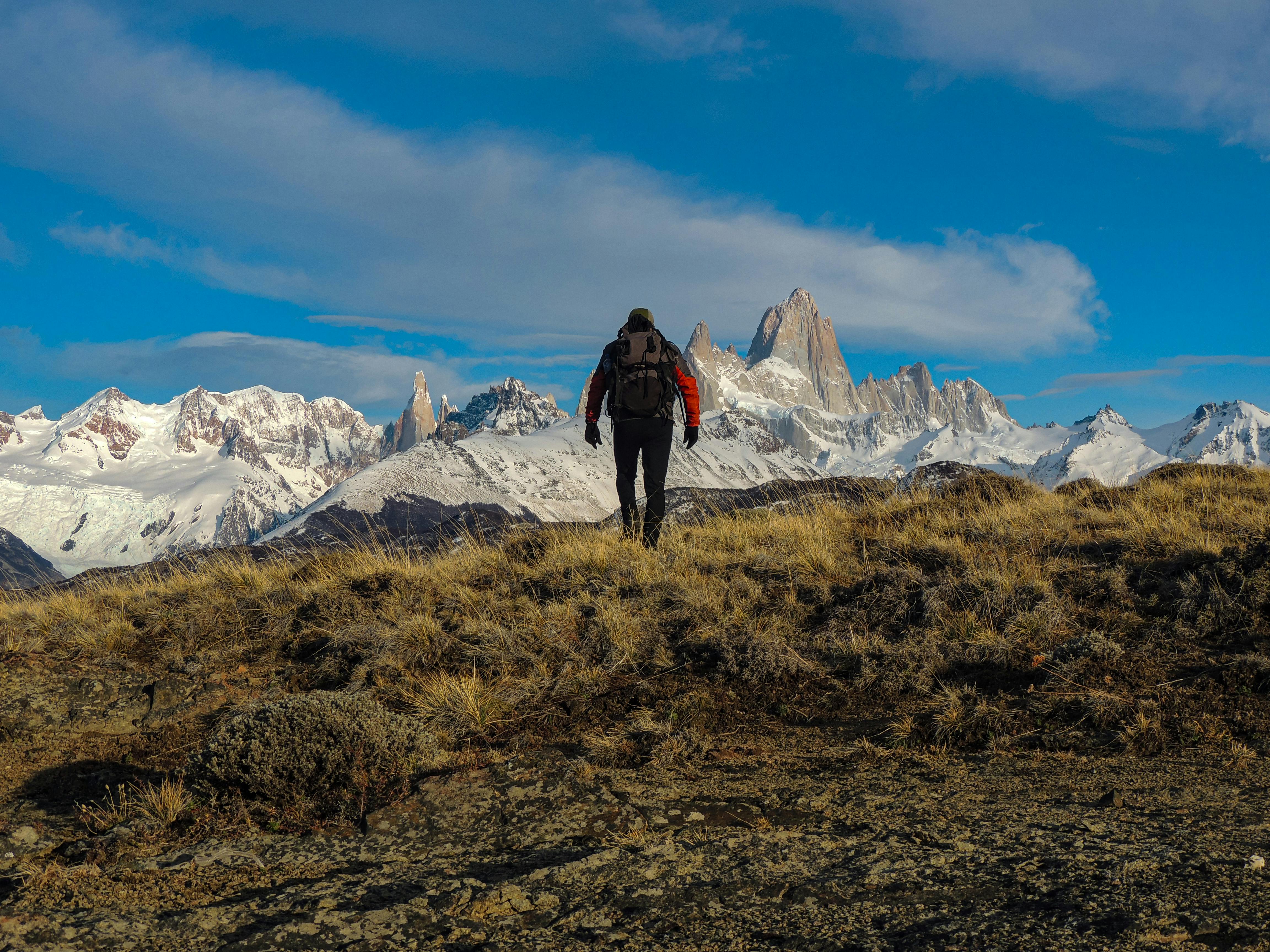
Laguna San Rafael National Park protects 1.7 million hectares of pristine wilderness in Chilean Patagonia, centered on the spectacular San Rafael Glacier—one of the Northern Patagonian Ice Field's most accessible tidewater glaciers.

Laguna San Rafael National Park protects 1.7 million hectares of pristine wilderness in Chilean Patagonia, centered on the spectacular San Rafael Glacier—one of the Northern Patagonian Ice Field's most accessible tidewater glaciers.

Monte Leon National Park is Argentina's first coastal national park, protecting 40 km of dramatic Atlantic shoreline where the Patagonian steppe meets the sea.
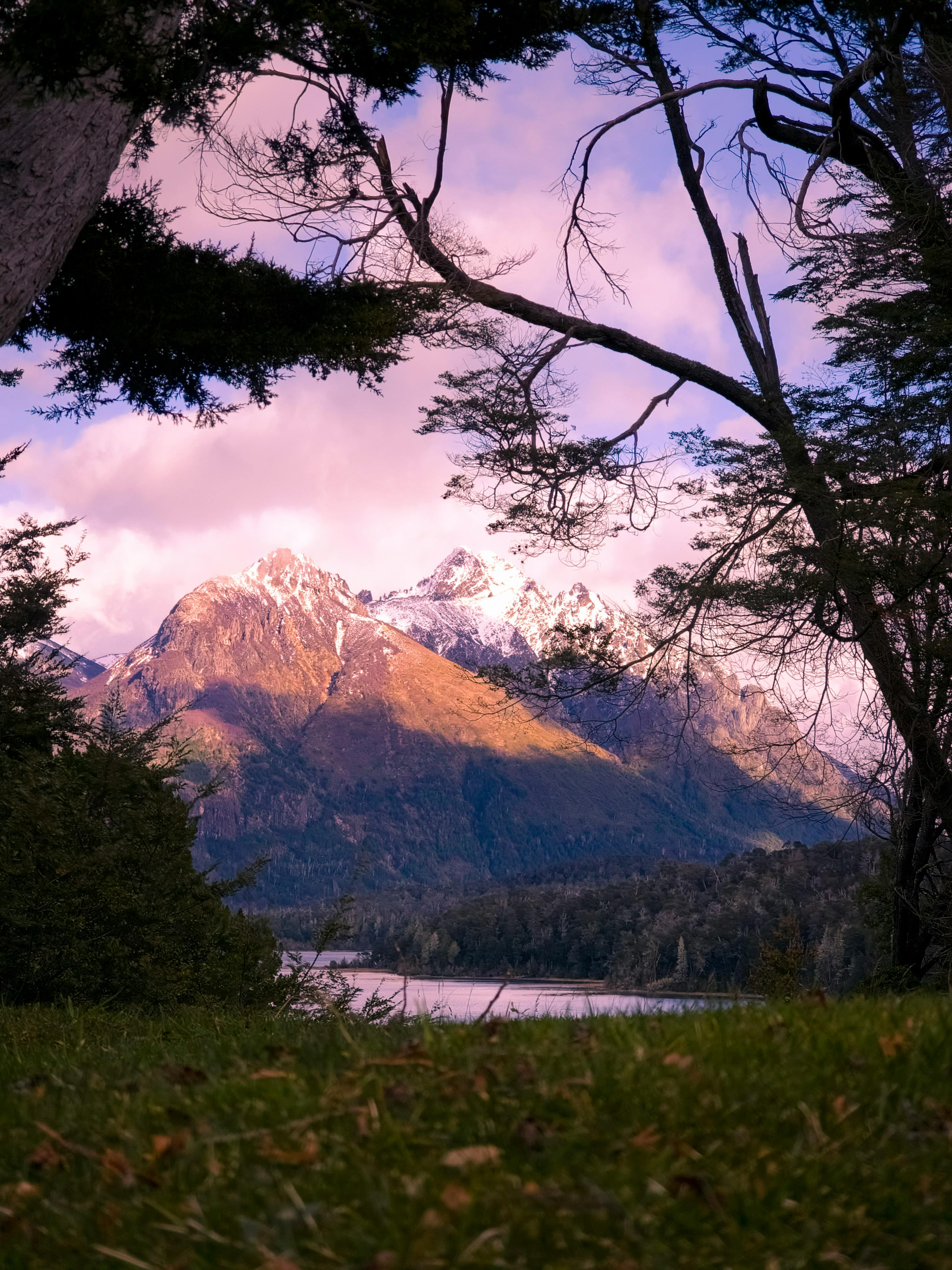
Monte Leon National Park is Argentina's first coastal national park, protecting 40 km of dramatic Atlantic shoreline where the Patagonian steppe meets the sea.

Monte Leon National Park is Argentina's first coastal national park, protecting 40 km of dramatic Atlantic shoreline where the Patagonian steppe meets the sea.

Oct 24, 2025

5 min read

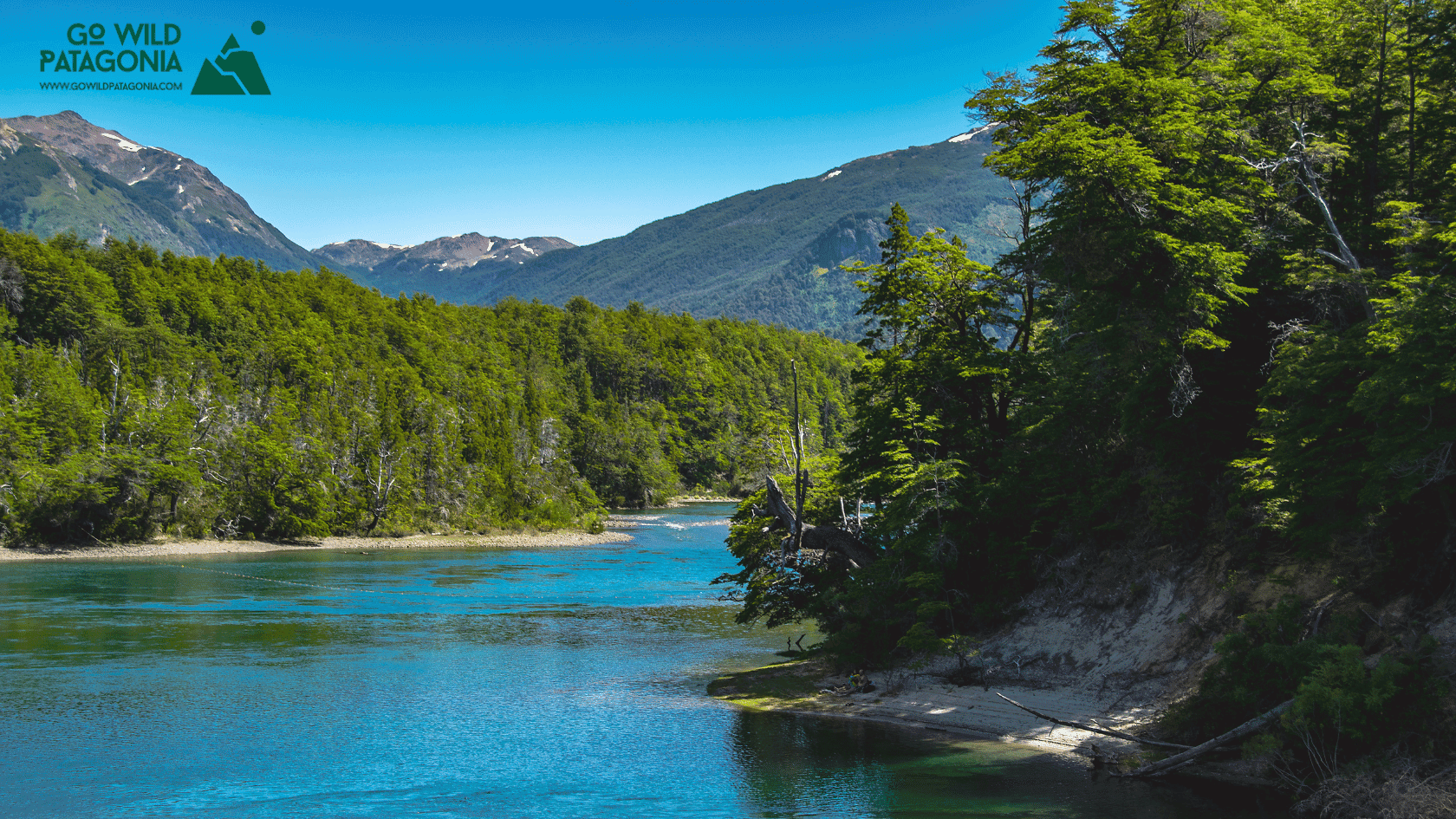
El Bolsón offers world-class hiking: Refugio Hielo Azul and Refugio Cajón del Azul sit in alpine cirques accessible via multi-day treks, Cerro Piltriquitrón (2,284m) provides panoramic summit views, and Cajón del Azul's turquoise canyon ranks among Patagonia's most photographed day hikes.
Oct 24, 2025

5 min read

El Bolsón offers world-class hiking: Refugio Hielo Azul and Refugio Cajón del Azul sit in alpine cirques accessible via multi-day treks, Cerro Piltriquitrón (2,284m) provides panoramic summit views, and Cajón del Azul's turquoise canyon ranks among Patagonia's most photographed day hikes.

Oct 24, 2025

5 min read

El Bolsón offers world-class hiking: Refugio Hielo Azul and Refugio Cajón del Azul sit in alpine cirques accessible via multi-day treks, Cerro Piltriquitrón (2,284m) provides panoramic summit views, and Cajón del Azul's turquoise canyon ranks among Patagonia's most photographed day hikes.

Chubut Province, Argentina — Cathedral of Ancient Trees Overview Los Alerces National Park protects 263,000 hectares of pristine Valdivian rainforest in Argentine Patagonia, home to some of the oldest living trees on Earth. The park's namesake—the alerce tree (Fitzroya cupressoides)—can live over 3,000 years, rivaling California's sequoias and bristlecone pines.

Chubut Province, Argentina — Cathedral of Ancient Trees Overview Los Alerces National Park protects 263,000 hectares of pristine Valdivian rainforest in Argentine Patagonia, home to some of the oldest living trees on Earth. The park's namesake—the alerce tree (Fitzroya cupressoides)—can live over 3,000 years, rivaling California's sequoias and bristlecone pines.

Chubut Province, Argentina — Cathedral of Ancient Trees Overview Los Alerces National Park protects 263,000 hectares of pristine Valdivian rainforest in Argentine Patagonia, home to some of the oldest living trees on Earth. The park's namesake—the alerce tree (Fitzroya cupressoides)—can live over 3,000 years, rivaling California's sequoias and bristlecone pines.

About Me
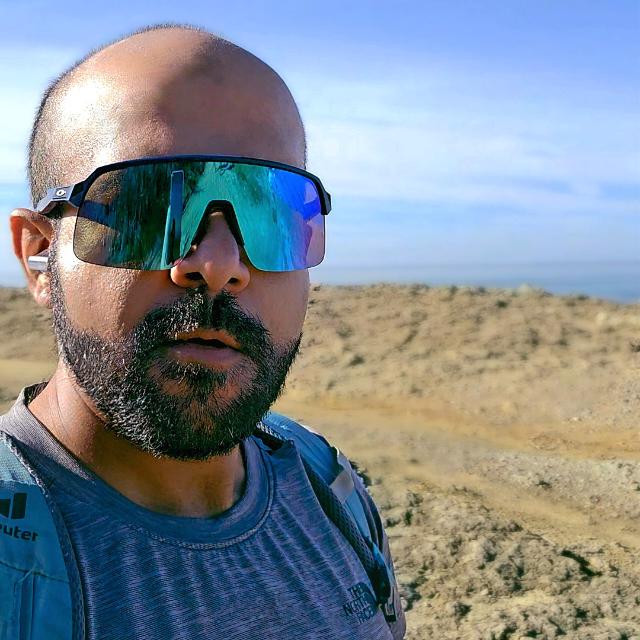
Veb

Hey there! I’m Veb and I've traveled solo and in groups for 10+ years in Patagonia - across both Chile and Argentina.

I started Go Wild Patagonia with a desire to help other travelers plan their journeys in Patagonia with a focus on adventure, nature and being in the wilderness.

Instagram

Say Thanks

Support my mission to make Patagonia more accessible for travelers while supporting local tour operators who organize only sustainable travels in Patagonia.

Join thousands of subscribers!

Get the best Patagonia advice in your inbox

By signing up, you agree to our Privacy Policy

Copyright © 2025 - Go WIld Patagonia. All rights reserved.

Join thousands of subscribers!

Get the best Patagonia advice in your inbox

By signing up, you agree to our Privacy Policy

Copyright © 2025 - Go WIld Patagonia. All rights reserved.

Join thousands of subscribers!

Get the best Patagonia advice in your inbox

By signing up, you agree to our Privacy Policy

Copyright © 2025 - Go WIld Patagonia. All rights reserved.