
San Martin de los Andes - Alpine Elegance in Northern Patagonia
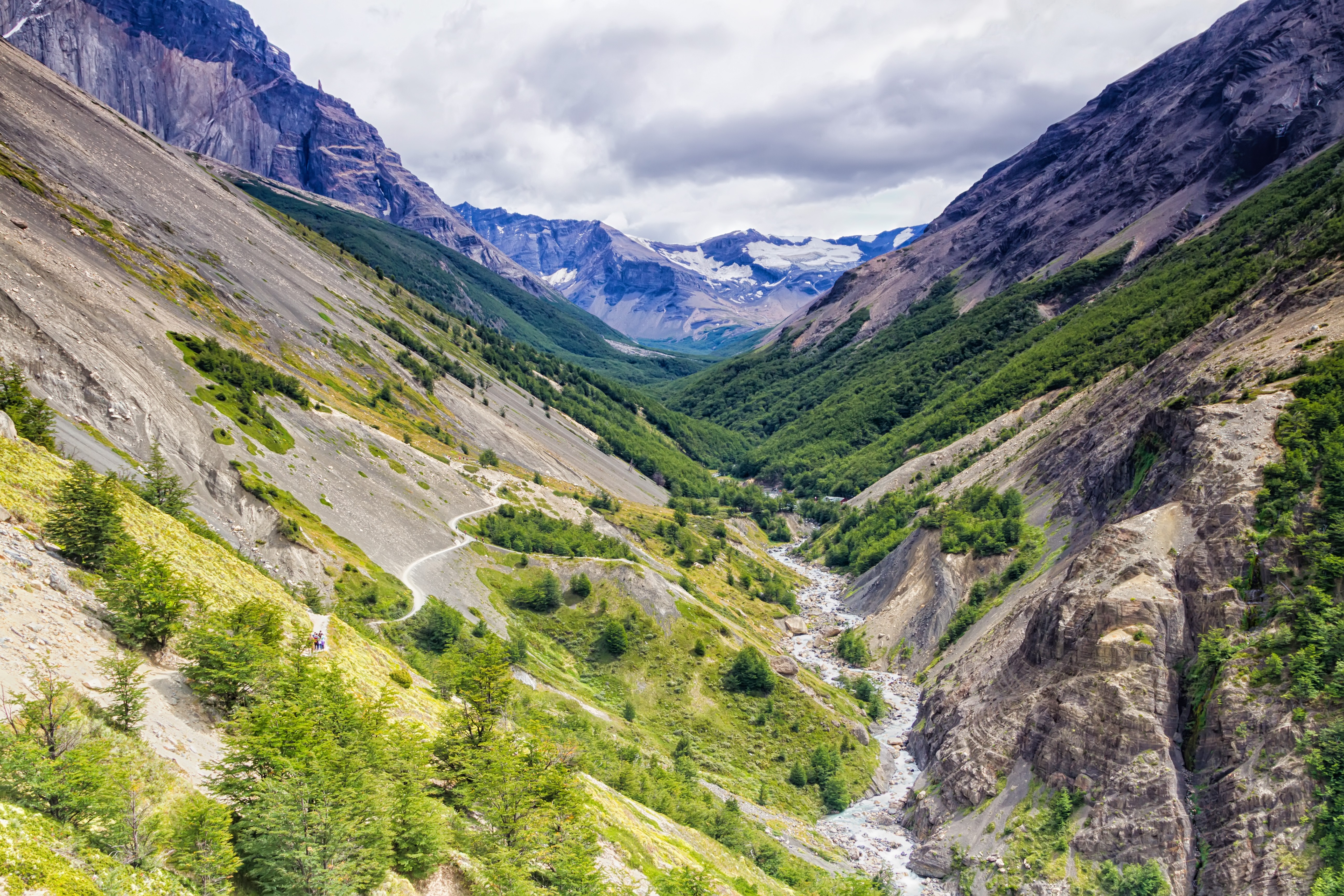
San Martín de los Andes is northern Patagonia’s most sophisticated mountain resort, often called “the Argentine Bariloche without the crowds.” This alpine town of 30,000 sits at the east end of Lago Lácar, surrounded by snow-capped Andean peaks and araucaria forests.
San Martin de los Andes
San Martin de los Andes Neuquén Province, Argentina - Alpine Elegance in Northern Patagonia
San Martin de los Andes
San Martín de los Andes is northern Patagonia’s most sophisticated mountain resort, often called “the Argentine Bariloche without the crowds.” This alpine town of 30,000 sits at the east end of Lago Lácar, surrounded by snow-capped Andean peaks and araucaria forests. Unlike Bariloche’s commercialized chocolate-shop tourism, San Martín maintains understated elegance: stone-and-timber architecture, boutique shops, gourmet restaurants, and upscale lodges without feeling overdeveloped. The town serves as gateway to Lanín National Park—protecting 412,000 hectares of pristine lakes, ancient monkey-puzzle trees (araucarias), and the perfect conical volcano Lanín (3,776m). Summer brings hiking, fishing, mountain biking, and kayaking. Winter transforms the area into Argentina’s premier ski destination at Cerro Chapelco. The famous Siete Lagos (Seven Lakes) scenic route connects San Martín to Villa La Angostura, winding through temperate forest past crystalline lakes—one of South America’s most beautiful drives.
Why Visit
Experience upscale mountain resort atmosphere — San Martín offers refined Patagonian experience: excellent dining (Patagonian lamb, wild boar, trout), wine bars, artisan shops, comfortable hotels—sophistication rare in remote Patagonia.
Hike among ancient araucaria forests — Lanín National Park protects monkey-puzzle trees (Araucaria araucana) thousands of years old. These prehistoric conifers with geometric branches create otherworldly landscapes.
Climb Volcán Lanín — The park’s centerpiece: a near-perfect cone visible from town. Multi-day technical climb (3,776m) rewards with summit views spanning Chile and Argentina.
Drive the Siete Lagos Route — One of Argentina’s most scenic highways: 110 km through pristine forest connecting seven turquoise lakes. Stop for picnics, hikes, photographs at every turn.
Fish legendary waters — Rivers and lakes surrounding San Martín rank among Argentina’s best fly fishing: Chimehuin, Malleo, Collon Cura, Lácar. Trophy browns and rainbows, pristine access.
Ski Cerro Chapelco — Argentina’s top ski resort: excellent powder, tree skiing, modern lifts, long season (June-October). Less crowded than Chilean resorts, more snow-sure than other Argentine areas.
Getting There
By Air: Fly to Chapelco Airport (CPC), 25 km from town. Flights from Buenos Aires (2 hours) via Aerolíneas Argentinas (3-4x weekly, more in winter). Also service from Santiago, Chile (seasonal). Small airport with limited connections. Alternative: Fly to Bariloche (BRC)—more frequent flights—then bus 3 hours north (190 km).
By Bus: Well-connected by long-distance buses. From Bariloche: Via Bariloche, Albus (3-4 hours, $15-20 USD, multiple daily, scenic Route 234 via Seven Lakes). From Buenos Aires: 18-20 hours overnight ($60-90 USD, daily departures with Via Bariloche, Albus, El Valle). From Neuquén: 5-6 hours ($20-25 USD). From Chile (Temuco/Pucón): Via Paso Tromen or Paso Mamuil Malal borders (seasonal, summer only).
By Car: Self-drive offers flexibility for Seven Lakes Route and lake explorations. From Bariloche: 190 km north on Route 234/40 (3 hours, paved, spectacular). From Neuquén: 430 km southwest on Route 40/234 (6 hours). From Chile: Cross at Paso Tromen near Pucón (summer only, verify rental allows crossing). Rentals available in town but book ahead summer/winter peaks.
Important: Town small—book accommodation 1-3 months ahead for January-February (summer peak) and July-August (ski season). Shoulder seasons easy to find lodging.
Top Experiences
Volcán Lanín Summit Climb — The ultimate challenge: 2-3 day technical mountaineering ascent to 3,776m summit. Day 1: Drive/arrange transport to trailhead at Lago Tromen (Chilean border area). Hike 6-8 hours through araucaria forest to base camp at 2,400m (Refugio RIM—basic shelter or camp). Day 2: Alpine start (2-4 AM) for summit push—crampon-and-ice-axe terrain, glacier crossing, steep volcanic scree. Summit sunrise reveals 360° views: Chilean Lakes, Argentine steppe, Pacific Ocean distant. Descend to base camp (12-14 hrs round trip from camp). Day 3: Descend to trailhead. Requirements: Technical mountaineering experience, glacier travel skills, proper equipment (crampons, ice axe, rope), excellent fitness. Guided: Mandatory guide for most climbers—hire certified AAGM guides (~$500-700 USD for 2-3 days). Season: December-March (November possible, April too icy). Permits: Required from National Parks office in San Martín—get 2-3 days ahead. Alternative: Non-technical hike to Termas Lahuen-Có hot springs at Lanín base (10 km round trip, 5-6 hrs), soak in natural pools with volcano views.
Siete Lagos (Seven Lakes) Scenic Drive — Legendary Route 234/231: 110 km connecting San Martín to Villa La Angostura. Lakes encountered: Lácar, Machónico, Falkner, Villarino, Escondido, Correntoso, Espejo. Each distinct color due to different minerals and depths. Stops: Mirador Arrayán (viewpoint over turquoise Lago Lácar), Playa Quila Quina (beach and waterfall hike), Cascada Vullinanco (roadside waterfall), numerous picnic areas and trailheads. Timing: Allow 3-4 hours minimum (2 hours pure driving, but you’ll stop constantly). Full day ideal with hikes and lunch. Direction: Either way works; south-to-north (San Martín to Villa La Angostura) offers best light for photography. Best time: December-April (snow closes sections May-November). Pro tip: Start early morning for best light, fewer vehicles. Bring picnic supplies—limited services mid-route.
Fly Fishing Río Chimehuin & Malleo — World-class fly fishing rivers. Río Chimehuin: Flows from Lago Huechulafquen, powerful current, deep pools. Brown and rainbow trout average 3-5 kg; 8+ kg possible. Technical—wading challenging, heavy flies needed. Float fishing with guide recommended (~$400-500/day for 2 anglers). Río Malleo: Spring creek character near headwaters, freestone lower. Excellent dry fly water. Easier wading. Río Collon Cura: Downstream from Chimehuin, big water, trophy fish. Lago Lácar: Troll for large rainbows and landlocked salmon. Season: November-April (best February-March for largest fish). Flies: Woolly buggers, stone nymphs, caddis, hoppers (Jan-Feb). Licenses: Purchase at shops in town (~$30-40/day foreigners). Guides: Numerous outfitters—Patagonia Outfitters, Lanín Fly Fishing, Rio Manso. Book 2-4 weeks ahead for prime dates.
Mirador Arrayán & Quila Quina — Accessible half-day from town. Mirador Arrayán: 6 km drive on scenic road (or 1.5-hour walk), then 200m trail to breathtaking viewpoint over Lago Lácar’s turquoise expanse with Lanín backdrop. Best sunset spot. Quila Quina: Mapuche community on peninsula. Beach access, short waterfall hike (Cascada Grande—1 hr round trip), artisan crafts, boat launches. Accessible by boat from town pier (scenic 30-min crossing) or drive/bike 19 km gravel road. Combined day trip: Drive to Quila Quina, beach time, waterfall hike, return via boat, stop at Mirador for sunset. Perfect introduction to area’s beauty.
Araucaria Forest Hikes — Experience prehistoric monkey-puzzle trees. Sendero Pucará: 7 km round trip (3-4 hrs) through dense araucaria forest to Mapuche archaeological site with volcano views. Trailhead at Lago Lácar’s west end. Moderate, well-marked. Termas Lahuen-Có: 10 km round trip (5-6 hrs) to natural hot springs at Lanín base. Soak in pools (40°C) with glacier views. Trailhead at Lago Tromen. Lago Huechulafquen Circuit: Drive into park (45 min from town) to massive lake reflecting Lanín. Multiple trails: Playa Canoa (easy beach walk), Laguna Verde (moderate 4 hrs), longer backcountry routes. Araucarias scattered throughout—some 1,000+ years old.
Mountain Biking Trails — Growing network around town. Circuito La Islita: 20 km lakeside loop, moderate, mostly gravel roads with singletrack sections. Town to Quila Quina and return. Cerro Abanico: 15 km climb to communications tower—serious ascent (~800m), rewarded with panoramic views. Downhill excellent. Chapelco Bike Park: Summer, ski resort converts to mountain bike park. Lift-accessed downhill trails—flow trails to technical rock gardens. Rentals and day passes (~$30-40). Rentals: Several shops in town (~$25-35/day). Guided trips: Available through outfitters (~$80-100/day).
Kayaking Lago Lácar — Paddle pristine mountain lake. Half-day trips: From town beach to Quila Quina (7 km one-way), explore coastline, return. Water cold (even summer—12-15°C) but usually calm mornings. Full-day expeditions: Paddle west toward Chilean border—remote beaches, araucaria shores. Multi-day: Advanced paddlers can reach Lago Nonthué (Chilean side) via river connection. Rentals: Available at lakefront (~$30-40/day). Guided tours: Outfitters offer safety and local knowledge (~$80-100/day). Best time: December-March, morning paddles (afternoon wind).
Cerro Chapelco Skiing (Winter) — Argentina’s premier ski resort, 20 km from town. Stats: 140 hectares skiable, 29 runs, 1,980m base to 2,394m summit (400m vertical), 12 lifts including high-speed quad. Terrain: 30% beginner, 40% intermediate, 30% advanced. Tree skiing in lenga forest exceptional. Powder days frequent (average 2m annual snowfall). Season: Mid-June to early October (best July-August). Lift tickets: ~$50-80/day depending on season. Multi-day passes available. Rentals: Base area and town shops. Lessons: Ski school with English-speaking instructors. After-ski: Lively scene in San Martín—wine bars, restaurants, live music. Why choose over Bariloche/Chilean resorts: Less crowded, better snow quality, cheaper, authentic Argentine culture.
Horseback Riding — Ride gaucho-style through mountains. Half-day rides: Through araucaria forests with lake views (~$60-80). Full-day expeditions: To remote viewpoints, estancia visits, traditional asado lunch (~$120-150). Multi-day pack trips: Into Lanín backcountry, camping, exploring volcanic landscapes (~$500-800 for 3-4 days). Season: November-April. Operators: Estancias near town (ask at tourist office). No experience required for basic rides; advanced riding available.
Termas de Lahuen-Có Hot Springs — Natural volcanic hot springs at Lanín’s base. Access: 10 km hike from Lago Tromen trailhead (5-6 hrs round trip) or horseback with guide. Pools: Three natural pools at different temperatures (35-45°C), volcanic rock-lined, crystal clear. Setting: Forest clearing with glacier and volcano views. Free: No fee, maintained by parks. Crowds: Rarely more than handful of people. Best: Midweek, or overnight camp nearby for sunrise soak. Pack out all trash.
Ruta de los Siete Lagos Mountain Biking — Epic full-day or multi-day bike ride. Route: Same as scenic drive but on bike—110 km with 1,000m+ cumulative climbing. Difficulty: Advanced—long, hilly, gravel sections. Support: Some cyclists arrange vehicle support (shuttle gear ahead). Timing: 6-10 hours riding time depending on fitness. Best: Split into 2 days, camp at Lago Falkner or Villa La Angostura. Traffic: Moderate summer—stay alert. Early morning/late afternoon lightest. Reward: Earning those views on two wheels.
Where to Stay
In Town (San Martín de los Andes):
Luxury:
Loi Suites Chapelco: Five-star resort 3 km from town. Spa, pools, mountain views (~$200-350/night)
La Escondida Casa de Huéspedes: Boutique B&B, cozy elegance (~$150-250)
Hotel Patagónico: Downtown, full-service, restaurant (~$180-280)
Mid-Range:
Hostería La Posta del Cazador: Comfortable, central, good breakfast (~$100-150)
Apart Hotel del Viejo Esquiador: Apartments with kitchens, flexible (~$80-120)
Rotui Apart Hotel: Lake views, balconies (~$90-140)
Budget:
Puma Hostel: Social hostel, dorms and privates (dorms ~$20, privates ~$60-80)
Hostel del Esquiador: Budget-friendly, communal kitchen (~$18-25 dorms)
Camping ACA: Organized campground, hot showers (~$12-15 per person)
Outside Town:
Estancias & Lodges:
Estancia Huechahue: Working ranch 40 km away, horseback focus (~$250-350 with meals and activities)
Camping: Multiple campgrounds at Lago Huechulafquen, Lago Lácar shores (parks-operated, basic, ~$8-15 per person)
Best Time to Visit
December-February (Summer Peak): Warmest weather (20-28°C days, 8-15°C nights), full daylight (6 AM-10 PM), all activities operational. Hiking prime, fishing excellent, water sports warm enough. Town bustling—Argentine summer vacation. Book 1-3 months ahead—popular with Buenos Aires residents escaping heat. January busiest (Argentine summer vacation). Prices highest. Can be crowded on lakes/trails by Patagonian standards but still reasonable. February excellent—slightly cooler, fewer families (school starts), mature fish.
March-April (Autumn): Shoulder season gem. Fewer tourists, fall colors spectacular (lenga/ñire forests turn orange-gold), comfortable temps (12-20°C), calm weather. Fishing peaks—browns aggressive pre-spawn. Most services still open through March; April sees some closures. Prices drop. March arguably best month for balanced experience. Easter week busy (Argentines travel) but otherwise quiet. By late April, cold nights begin (near freezing).
May-June (Late Autumn/Early Winter): Transition period. May quite empty—most services closed, too late for hiking, too early for skiing. June ski season begins mid-month—powder fresh, few crowds, bargain prices. Good for budget skiers willing to risk snow coverage (some years thin early season). Very cold (0-8°C days). Town quiet but cozy—wood fires, wine bars, intimate atmosphere.
July-August (Winter Peak): Prime ski season. Cerro Chapelco in full operation, excellent snow coverage. Town transforms into ski resort—bustling, expensive, fully booked. Must reserve lodging 2-3 months ahead. Cold (0-10°C days, -5 to 0°C nights) but manageable. Winter activities: skiing, snowboarding, snowshoeing, cross-country skiing. Perfect for winter sports enthusiasts. Prices highest. After-ski scene lively.
September-October (Spring): Ski season winds down (closes early October), shoulder season begins. Snow melts in valleys, remains on peaks. October wildflowers begin, hiking season opens high trails. Weather unpredictable—can be sunny and warm or snowy and cold within same week. Fishing season opens November 1—some eager anglers come late October. Services gradually reopen. Bargain prices, solitude. For those comfortable with variability.
November (Spring): Excellent shoulder month. Hiking trails fully accessible, fishing season open, weather improving (12-20°C). Wildflowers abundant. Araucaria forests beautiful. Crowds minimal—won’t see another hiker for hours. Services open but not busy. Good prices, availability. Disadvantage: can still have cold snaps, rain common. Pack layers.
3-Day Itinerary
Day 1: Town & Lake Introduction
Morning: Arrive, check into hotel
Walk downtown—stone-and-timber architecture, artisan shops
Lunch: Patagonian lamb at La Costa del Pueblo
Afternoon: Drive or boat to Quila Quina
Hike to Cascada Grande waterfall (1 hr)
Beach time, swim if brave (cold!)
Evening: Return via Mirador Arrayán for sunset over lake
Dinner: Morphen restaurant (wild game)
Day 2: Lanín National Park Immersion
Early departure (8 AM) to Lago Huechulafquen (45 min drive)
Hike Sendero Pucará through araucaria forest (3-4 hrs)
Picnic lunch at trailhead with Lanín views
Afternoon: Explore lake shores, Playa Canoa
Optional: Fishing if licensed (Chimehuin River nearby)
Return to town (evening)
Relax: Wine bar, local beers
Day 3: Seven Lakes Scenic Drive & Departure
Early checkout, load vehicle
Drive Ruta de los Siete Lagos toward Villa La Angostura
Stop every viewpoint—Lácar, Machónico, Falkner, Villarino
Cascada Vullinanco waterfall (roadside)
Lunch: Picnic at Lago Espejo
Continue to Villa La Angostura or Bariloche
OR: Return San Martín same day (loop), depart evening/next day
5-Day Itinerary
Day 1: Arrival & Acclimatization
Arrive, settle into accommodation
Afternoon: Town walking tour, gear rental (fishing, kayak, bike)
Quila Quina boat trip + beach exploration
Sunset at Mirador Arrayán
Evening: Restaurant, plan week
Day 2: Fly Fishing Focus
Full-day guided fly fishing trip
Río Chimehuin or Malleo (depends on conditions)
Learn Patagonian techniques
Trophy browns and rainbows
Riverside asado lunch (if with guide)
Return evening, exhausted but happy
Day 3: Volcano Trek
Drive to Lago Tromen (1 hr)
Hike to Termas Lahuen-Có hot springs (5-6 hrs)
Soak in natural pools with volcano views
Return descent
Evening: Sore muscles, good dinner
Day 4: Seven Lakes & Villa La Angostura
Full-day scenic drive
Multiple hikes: Mirador Bandurrias (Villa La Angostura), waterfall stops
Lunch in Villa La Angostura
Explore town, Arrayanes forest if time
Return San Martín evening
OR: Overnight Villa La Angostura
Day 5: Choose Your Adventure
Option A: Mountain bike Circuito La Islita (half-day), afternoon kayaking
Option B: Horseback riding to remote estancia (full day)
Option C: Relaxed morning, souvenir shopping, afternoon departure
Option D: Araucaria forest hike not yet done
7-Day Itinerary (Complete Experience)
Day 1-2: Arrival, town orientation, Quila Quina, Mirador Arrayán, local hikes (as in 3-day itinerary Days 1-2)
Day 3: Full-day Lanín National Park—Lago Huechulafquen, Sendero Pucará, araucaria immersion
Day 4: Fly fishing with guide—Chimehuin or Malleo, full day on water
Day 5: Seven Lakes scenic drive, hiking stops, lunch Villa La Angostura, explore Los Arrayanes National Park (myrtle forest)
Day 6: Termas Lahuen-Có hot springs hike OR Volcán Lanín multi-day climb begins (experienced mountaineers)
Day 7: Kayaking Lago Lácar + mountain biking afternoon OR Continue Lanín climb/return OR Horseback riding estancia visit
Alternative for Winter (Ski Focus):
Days 1-5: Skiing Cerro Chapelco daily (mix on-piste and tree skiing)
Day 6: Snowshoeing or cross-country skiing in valleys
Day 7: Last ski day, afternoon departure or overnight
Adventure Activities (Comprehensive)
Technical Mountaineering Beyond Lanín summit:
Cerro Chapelco: 2,394m, non-technical scramble from ski resort top (summer). Views over entire region.
Volcán Batea Mahuida: 1,900m, Mapuche-managed area, winter cross-country skiing access.
Winter climbs: Ice climbing frozen waterfalls, advanced skills required.
Multi-Day Backpacking
Huechulafquen Circuit: 3-4 days circling lake, crossing rivers, camping wild. Navigation skills essential.
Rucachoroi Circuit: Remote 2-day loop south of Lago Lácar. Seldom traveled.
Arrangements: Register with rangers, carry bear-safe storage, Leave No Trace principles.
Whitewater Rafting
Río Alumine: 2-3 hours south, Class III-IV rapids, full-day trips (~$80-100). November-March high water.
Operators: Based in Alumine village or San Martín outfitters arrange.
Canyoning
Limited compared to other areas but developing.
Arroyo Partido: Canyoning descent near Villa La Angostura—combine with Seven Lakes drive.
Rock Climbing
Scattered crags: Not major destination but sport routes exist near Chapelco, Lago Lácar areas.
Bring gear: No guiding services—experienced climbers only.
Packrafting
Carry inflatable raft for lake crossings, river explorations.
Lago Nonthué: Access Chilean side via paddle from Lácar.
Bring full packraft setup—no rentals.
Where to Go Next
1. Villa La Angostura — Sister Resort Town Distance: 110 km south (2-2.5 hours via Seven Lakes Route)
Transport:
Bus: Multiple daily Via Bariloche, Albus (~$10-12, 2 hrs). Scenic route on paved highway.
Drive: Self-drive on Route 234/231—the famous Seven Lakes scenic drive. Best option for stopping at viewpoints.
Tour: Some operators offer one-way transfers with stops (~$40-60 per person).
Why Go: Continue Seven Lakes journey to its southern terminus. Villa La Angostura shares San Martín’s alpine elegance but different character—smaller (10,000 people), more exclusive, higher-end. Attractions: Los Arrayanes National Park (unique myrtle forest accessible by boat or bike—10 km peninsula), Cerro Bayo ski resort (smaller than Chapelco but excellent), Lago Nahuel Huapi shoreline, excellent restaurants. Often combined with San Martín in single trip—both towns offer luxury mountain experiences. From Villa La Angostura, easy access to Bariloche (80 km), Chilean border crossings, and Nahuel Huapi National Park backcountry.
Suggested Duration: 2-4 days. Can be quick stop or extended stay depending on activities.
2. Bariloche & Nahuel Huapi — Regional Hub Distance: 200 km south (3.5-4 hours)
Transport:
Bus: Frequent daily service Via Bariloche, Albus, others (~$15-20, 3-4 hrs). Can take Seven Lakes route (scenic) or Route 40 (faster).
Drive: Two options—Seven Lakes Route (longer, scenic via Villa La Angostura) or Route 40 direct (faster but less scenic).
Why Go: Bariloche is Patagonia’s largest tourist city—completely different from San Martín’s quiet elegance. Offers: Nahuel Huapi National Park (Argentina’s oldest, massive lake, countless trails), chocolate shops lining main street (Swiss-influenced), Circuito Chico scenic drive, Cerro Catedral ski resort (larger than Chapelco), sophisticated dining, nightlife, casino. Good for: Resupply, gear shops, variety after small-town pace, access to different lake sectors, transportation hub (flights/buses to everywhere). Some find Bariloche too commercialized after San Martín’s authenticity—but offers conveniences and scale. Refugio Frey hike (stunning alpine lake below Cerro Catedral) is must-do. Budget 3-5 days.
Suggested Duration: 3-5 days for town and major hikes.
3. Pucón & Chilean Lake District Distance: 200 km west to Pucón (4-5 hours via border)
Transport:
Bus: Summer only (Dec-March), weekly service via Paso Tromen border (~$25-35, 5-6 hrs). Advance booking essential—limited seats.
Drive: Via Junín de los Andes, then Paso Tromen border (gravel sections). Verify rental allows crossing. Spectacular route past Lanín’s Chilean flank.
Tour: Some operators offer one-way transfers (expensive ~$100-150).
Why Go: Cross Andes to Chilean Lake District—different culture, landscapes, activities. Pucón: Adventure capital on Lago Villarrica, dominated by Villarrica Volcano (2,847m—active, lava lake visible at night). Activities: Villarrica summit climb (easier than Lanín—guided day trip ~$100-150), hot springs (numerous), volcanic caves, river rafting, lake beaches. More developed tourism than San Martín—international backpacker scene, many tour operators. Prices cheaper than Argentina (usually). Gateway to Huerquehue National Park (araucaria forests, alpine lakes—excellent hiking). From Pucón, continue to Valdivia, Puerto Varas, or return Argentina via different pass. Creates excellent loop: San Martín → Pucón → Chilean Lake District → return via Osorno/Bariloche.
Suggested Duration: 4-7 days for Pucón and nearby parks.
4. Neuquén & Wine Country Distance: 430 km northeast (6 hours to Neuquén city)
Transport:
Bus: Daily service (~$20-25, 5-6 hrs). Route 40/234 through steppe.
Drive: Long day’s drive on paved highways. Landscape transitions from forest to steppe to desert.
Flight: Weekly flights Chapelco to Buenos Aires stop in Neuquén sometimes (check schedules).
Why Go: Transition from mountains to Argentine wine country. Neuquén city: Regional capital (250,000), modern, less touristy. Gateway to Neuquén wine region—emerging area producing excellent Malbec, Pinot Noir in high-altitude desert. Wineries: San Patricio del Chañar area (1 hour from Neuquén) has several bodegas with tastings, tours. Dinosaurs: Neuquén province is paleontology hotspot—museums with Argentinosaurus fossils (world’s largest dinosaur). Villa El Chocón: 80 km from Neuquén—dinosaur footprints, museum, reservoir fishing. Different Patagonia experience—desert, fossils, wine. Can continue to Mendoza (8 hrs) for major wine region or Buenos Aires (12 hrs overnight bus).
Suggested Duration: 2-3 days for wineries and museums, or quick stopover en route elsewhere.
Planning Your Route:
Classic Loop: Buenos Aires → fly San Martín → Seven Lakes drive → Villa La Angostura (2 days) → Bariloche (3-5 days) → fly Buenos Aires
Border-Crossing Adventure: San Martín → Pucón via Paso Tromen (5 days) → Chilean Lake District (Valdivia, Puerto Varas, 5-7 days) → Return via Osorno/Bariloche
Extended Patagonia: San Martín (5 days) → Bariloche (4 days) → El Bolsón (2 days) → Los Alerces (5 days) → Esquel → Return north or continue south
Quick Getaway: Fly Buenos Aires → San Martín (5-7 days) → Seven Lakes → Villa La Angostura (2 days) → Bariloche (1 day) → Fly Buenos Aires. Perfect 8-10 day trip.
Timing Tips:
San Martín best March for fall colors and fishing, or July-August for skiing
Seven Lakes Route closes May-November (snow)—time accordingly
Bariloche very crowded January-February—combine with quieter San Martín
Pucón border crossing summer only (Dec-March)—verify before planning
Budget minimum 5-7 days for San Martín to experience fully
Can easily spend 2+ weeks exploring entire region (San Martín + Villa La Angostura + Bariloche)
Fishing peaks February-March—plan around this if angling is priority
Avoid Easter week if seeking solitude (Argentine holiday, very busy)
About Me
Veb
Hey there! I’m Veb and I've traveled solo and in groups for 10+ years in Patagonia - across Chile and Argentina.
I started Go Wild Patagonia with a desire to help other travelers plan their journeys in Patagonia with a focus on adventure, nature and being in the wilderness.
Say Thanks
Support my mission to make Patagonia more accessible for travelers while supporting local tour operators who organize only sustainable travels in Patagonia.
Read More
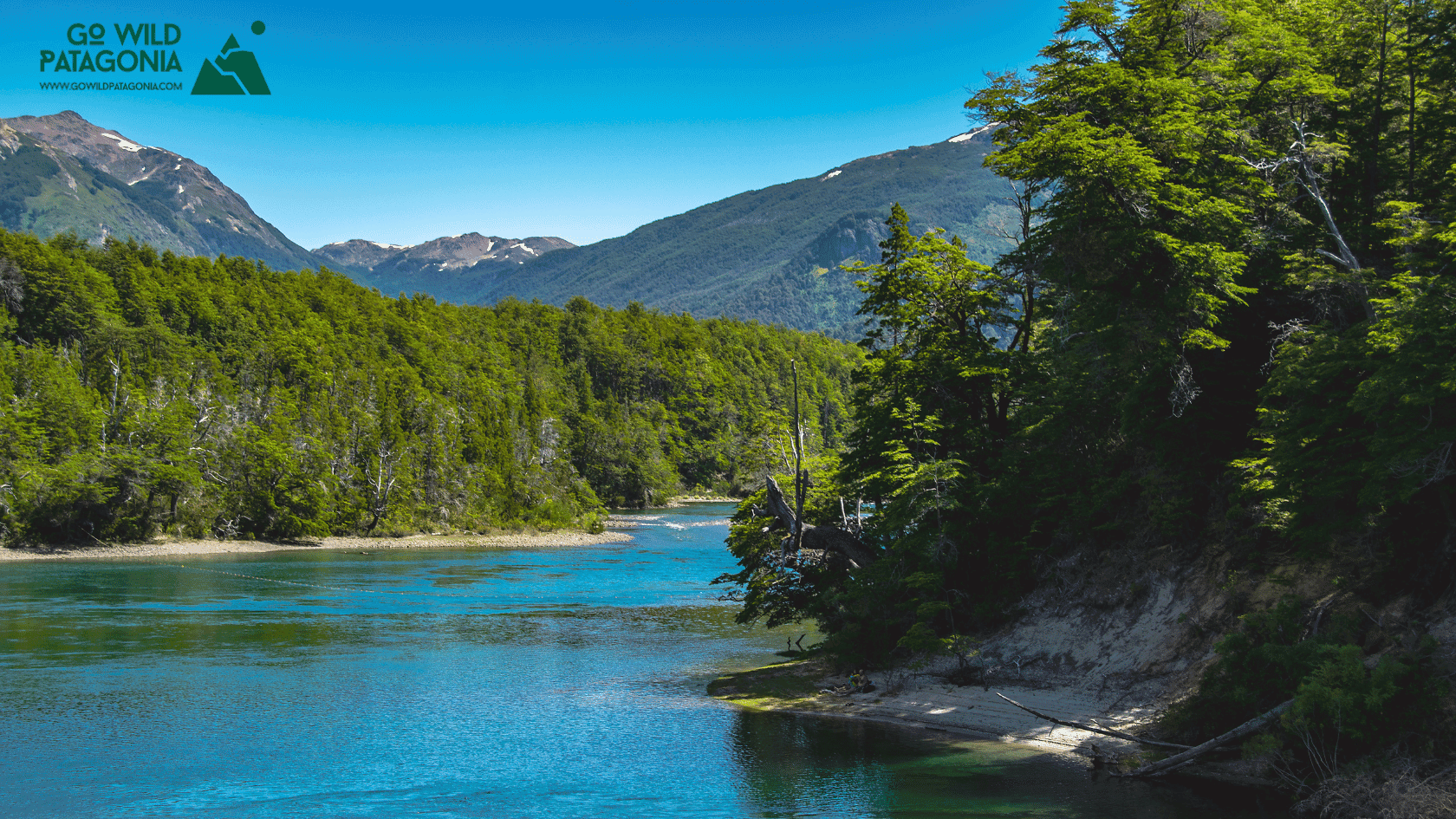
Chubut Province, Argentina — Cathedral of Ancient Trees Overview Los Alerces National Park protects 263,000 hectares of pristine Valdivian rainforest in Argentine Patagonia, home to some of the oldest living trees on Earth. The park's namesake—the alerce tree (Fitzroya cupressoides)—can live over 3,000 years, rivaling California's sequoias and bristlecone pines.
Update on Oct 24, 2025
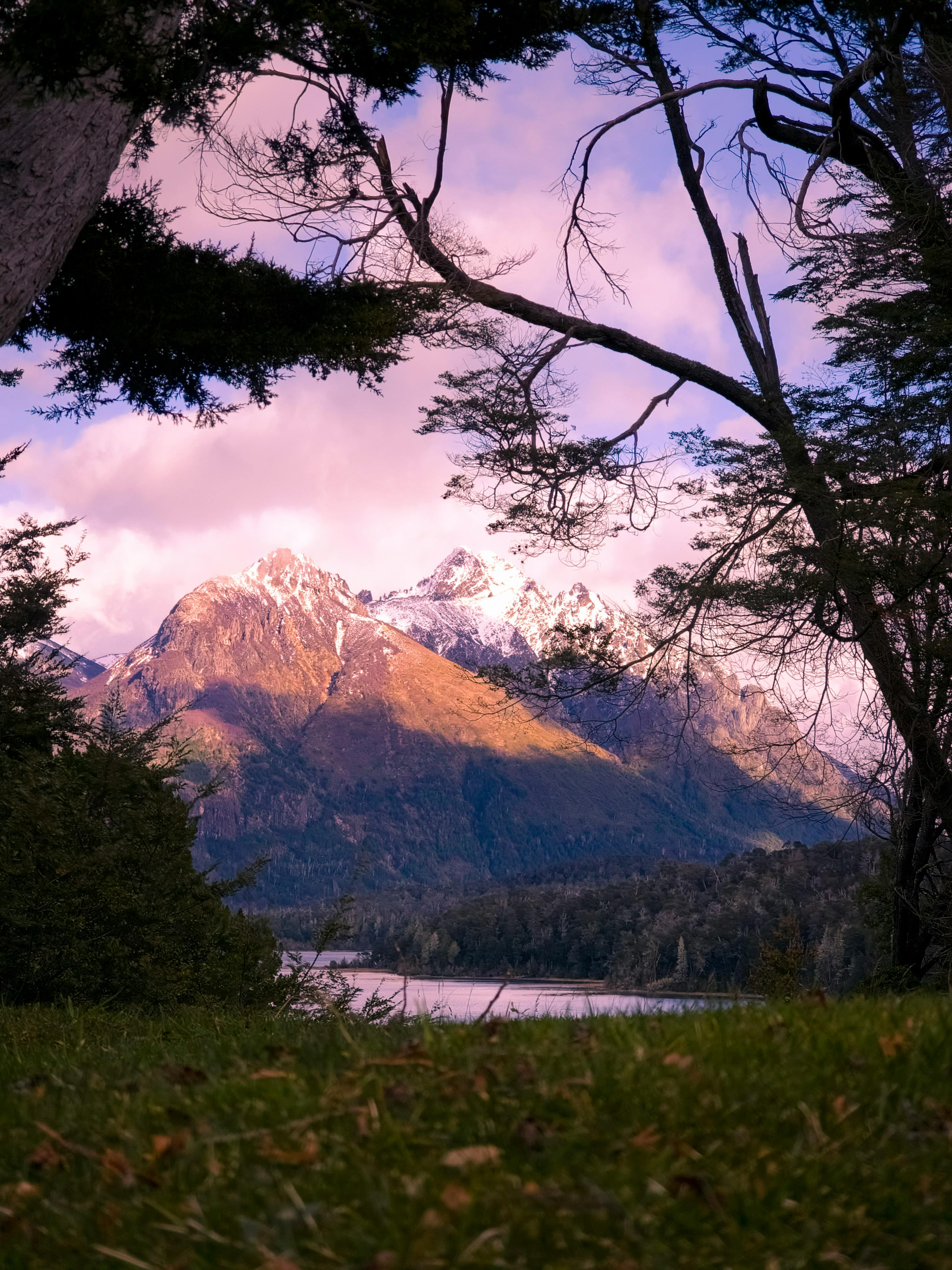
El Bolsón offers world-class hiking: Refugio Hielo Azul and Refugio Cajón del Azul sit in alpine cirques accessible via multi-day treks, Cerro Piltriquitrón (2,284m) provides panoramic summit views, and Cajón del Azul's turquoise canyon ranks among Patagonia's most photographed day hikes.
Update on Oct 24, 2025
Monte Leon National Park is Argentina's first coastal national park, protecting 40 km of dramatic Atlantic shoreline where the Patagonian steppe meets the sea.
Update on Oct 24, 2025