
Monte Leon National Park
Monte Leon National Park is Argentina's first coastal national park, protecting 40 km of dramatic Atlantic shoreline where the Patagonian steppe meets the sea.
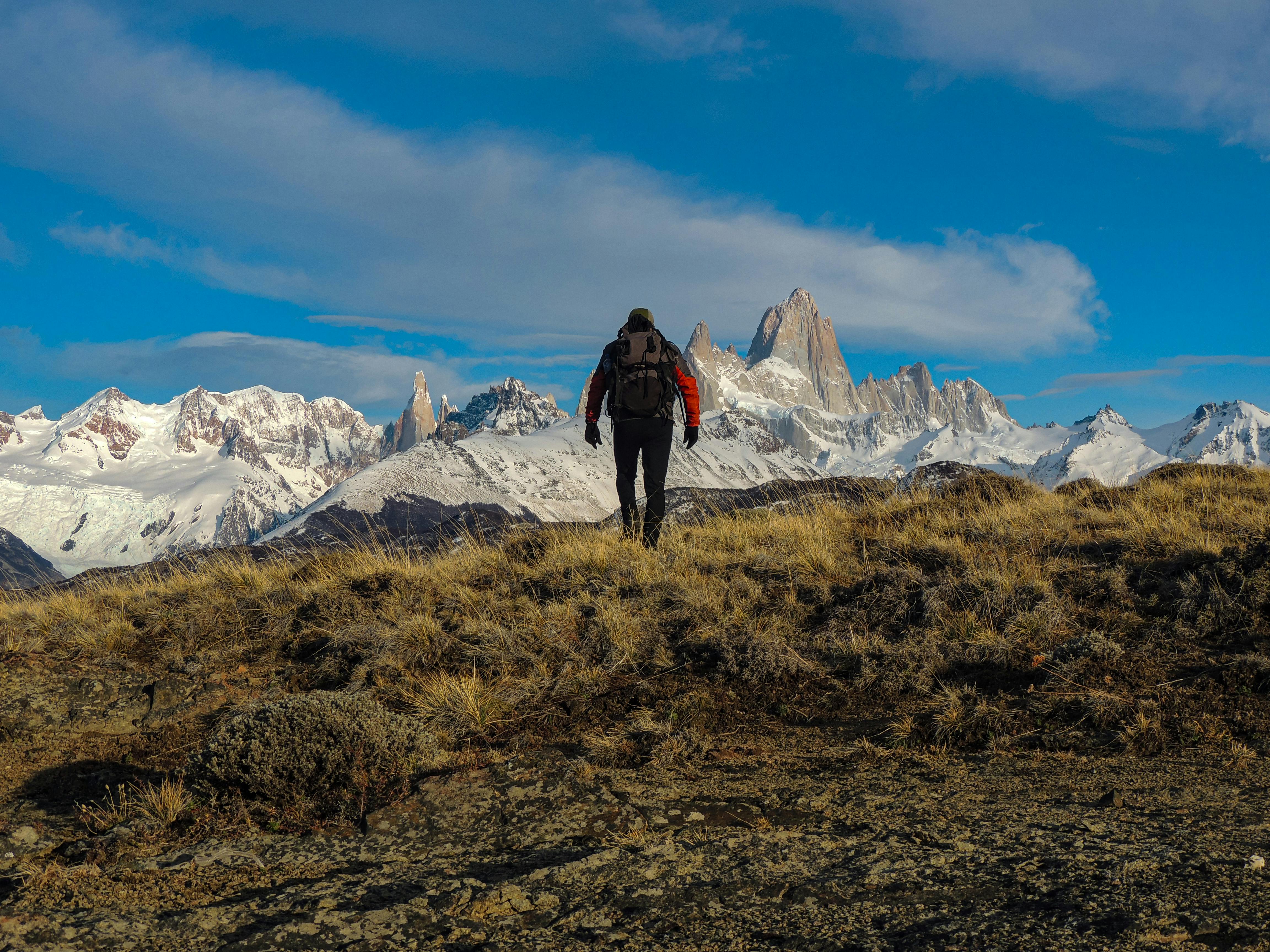
Monte Leon National Park
Santa Cruz Province, Argentina — Atlantic Patagonia's Wildlife Coast
Overview
Monte Leon National Park is Argentina's first coastal national park, protecting 40 km of dramatic Atlantic shoreline where the Patagonian steppe meets the sea. Created in 2004 from a donated estancia (ranch), this 62,000-hectare park showcases a side of Patagonia most travelers miss: towering sea cliffs, hidden beaches accessible only at low tide, sea lion colonies, penguin rookeries, and fossil-rich sedimentary formations. Unlike Torres del Paine's mountain drama or El Chaltén's glacial peaks, Monte León offers coastal solitude—wind-sculpted cliffs, crashing waves, and abundant marine wildlife. The park sits on the often-overlooked Route 3 coastal corridor between Río Gallegos and Comodoro Rivadavia, making it perfect for travelers journeying between Chilean and Argentine Patagonia or those specifically seeking wildlife photography. Massive Magellanic penguin colonies thrive here September-March, southern sea lions bark from offshore islands year-round, and guanacos graze coastal grasslands alongside rheas and foxes. It's raw, windswept, and utterly different from Andean Patagonia—a reminder that Patagonia extends far beyond mountains to wild Atlantic coasts.
Why Visit
Experience Patagonian coastline solitude — Monte León receives fraction of visitors compared to famous Patagonian parks. You'll often have entire beaches, cliffs, and wildlife viewing areas to yourself—rare in South America.
Photograph sea lions up close — Isla Monte León and coastal rocks host hundreds of southern sea lions. At low tide, walk beaches below their colonies, hearing barks echo off cliffs, watching pups play—closer than most sea lion encounters.
Walk among penguin colonies — Two Magellanic penguin rookeries (Punta Norte and Playa del Faro) allow walking through nesting areas September-March. Thousands of burrows, squawking adults, fuzzy chicks—intimate wildlife encounter without boat tours.
Explore tide pools and hidden beaches — Dramatic tides (up to 7 meters) expose vast tide pool networks, kelp forests, and beaches accessible only at low tide. Rocky intertidal zones teem with anemones, starfish, crabs, mussels.
Witness dramatic coastal geology — La Olla (The Pot)—a collapsed cave creating natural amphitheater—showcases millions of years of sedimentary layers. Sea arches, offshore stacks, marine terraces tell geological stories.
See fossil-rich cliffs — Sedimentary cliffs contain marine fossils from when this area was underwater. Shells, gastropods, and trace fossils visible in cliff faces (collecting prohibited).
Getting There
By Car: Essential—no public transport accesses park. From Río Gallegos: 210 km north on Route 3 (2.5 hours, paved). Well-signed turnoff to park entrance (30 km east on gravel road). From Comandante Luis Piedra Buena: 35 km south on Route 3. From Puerto Santa Cruz: 80 km south. Park entrance at old Estancia Monte León headquarters.
By Bus (Difficult): Long-distance buses on Route 3 (Río Gallegos ↔ Comodoro Rivadavia) pass turnoff, but won't stop at park entrance 30 km off highway. Theoretically could get dropped at Route 3 junction and hitchhike remaining 30 km, but traffic very light. Not recommended unless extremely budget-limited and patient.
Rental Car: Best option. Rent in Río Gallegos or El Calafate (drive Ruta 40 to coast). Park roads gravel but well-maintained—2WD adequate. High clearance helpful.
Tour: Some Río Gallegos operators offer day trips (~$100-150 USD per person, minimum group). Check with Río Gallegos tourist office.
Important: Bring all supplies—no services inside park. Nearest gas/food Comandante Luis Piedra Buena (35 km north). Cell service nonexistent in park. Plan around tides for beach access (check at entrance station).
Top Experiences
Isla Monte León & Sea Lion Colony — The park's centerpiece: offshore island connected to mainland by tombolo (sand bar) at low tide. Timing: Critical—only accessible 2-3 hours around low tide. Check tide table at park entrance (rangers provide). Walk: 2 km across exposed sand bar to island (surreal experience—temporarily connecting to island usually surrounded by ocean). Island: Climb to viewpoint. Hundreds of southern sea lions on rocks below—males (300+ kg) bellowing, females with pups, juveniles playing. Also cormorants nesting on cliffs. Return: Must leave before tide returns (gets cut off—dangerous!). Best: Spring (October-November) for sea lion births, or February-March for playful pups. Photography: Bring telephoto lens (200-400mm), protect from salt spray.
Magellanic Penguin Colonies — Two rookeries in park. Punta Norte: Larger colony, thousands of nesting burrows. Playa del Faro: Near lighthouse, smaller but accessible. Season: September-March (penguins migrate to sea April-August). Best months: November-December (courting, nesting), January-February (chicks). Experience: Walk marked trails through colony—penguins everywhere, standing at burrows, waddling to sea, squawking at neighbors. Chicks emerge burrows January onwards—fluffy gray juveniles. Rules: Stay on paths, don't approach burrows (rangers enforce). Photography: Wide angle for landscapes, medium telephoto (70-200mm) for penguins.
La Olla (The Pot) Sea Cave — Stunning collapsed cave creating natural amphitheater. Formation: Wave erosion hollowed sea cliff, roof collapsed, leaving circular basin open to sky with sea access through narrow opening. Visit: Walk into basin at low tide. Vertical stratified walls tower overhead—millions of years of sedimentary layers visible. Waves crash through entrance channel. Geology lesson: Interpretive signs explain formations. Photography: Dramatic at any tide but best low tide for access into bowl. Morning light ideal. Caution: Dangerous at high tide—waves fill basin. Check tide table. Location: 4 km from entrance via marked trail.
Coastal Cliff Trails — Multiple trails explore dramatic coastline. Sendero Costanero: 8 km round trip (3-4 hours) along cliff tops. Views over offshore islands, sea lion haul-outs below, seabirds soaring. Playa del Faro Trail: 5 km to lighthouse and penguin colony (2 hours round trip). Punta Norte Trail: 6 km to penguin colony and viewpoints (2.5 hours). Conditions: Flat—steppe to coast. Always windy—bring windbreaker. Wildlife: Guanacos grazing, rheas running, foxes hunting, eagles soaring. Best: Morning for animal activity, afternoon for photography light.
Tide Pool Exploration — Extreme tides (up to 7 meters) expose vast intertidal zones. Low tide timing: Consult rangers—tide pools accessible only 2-3 hours around lowest tide. Life: Anemones, starfish (multiple species), sea urchins, crabs, mussels, kelp. Exploration: Walk rocky platforms, peer into pools—each a miniature ecosystem. Beach access: Hidden beaches appear at low tide, disappear at high. Photography: Macro lens ideal for tide pool close-ups. Touch nothing: Fragile ecosystems. Wear: Waterproof boots for tide pool walking.
Wildlife Photography — Exceptional opportunities. Species: Southern sea lions (year-round), Magellanic penguins (Sep-Mar), elephant seals (occasional), orcas (rare offshore, Dec-Mar), dolphins, southern right whales (rare, Sep-Nov), Magellanic oystercatchers, kelp gulls, cormorants (rock, imperial, king), petrels, guanacos, rheas, gray foxes, hairy armadillos, southern elephant shrews. Best seasons: October-February for maximum species diversity. Equipment: Telephoto essential (300-600mm ideal), wind protection for gear, rain covers (salt spray). Conditions: Extreme wind—tripod critical (weight it down). Low angle light best (dawn/dusk).
Fossil Hunting (Observation Only) — Sedimentary cliffs rich with marine fossils from when area was underwater (Miocene epoch, 15-20 million years ago). What's visible: Gastropod shells, bivalves, trace fossils (burrows, tracks), occasional whale vertebrae. Where: Cliff faces along coast—visible walking trails. Rules: Observation only—collecting fossils strictly prohibited (national park law). Photography encouraged. Best: After storms when fresh material exposed at cliff base. Safety: Stay back from cliffs—erosion active, falling rocks.
Guanaco & Rhea Watching — Terrestrial wildlife abundant. Guanacos: Herds of 10-50 graze coastal grasslands. Curious—approach trails. Listen for alarm calls (high-pitched whinnies). Rheas: Large flightless birds (similar to ostriches). Males with chick groups January-March. Run impressively fast. Viewing: Dawn/dusk most active. Patient observation from trails. Binoculars helpful. Photography: Medium telephoto (200-300mm) for behavioral shots.
Beach Walks & Solitude — Miles of deserted beaches. Experience: Walk windswept shores picking through kelp, driftwood, shells. Often no other humans visible. Meditation: The wind, waves, vastness create contemplative atmosphere. Safety: Watch tides—some beaches cut off at high water. Tell rangers your plans. Best beaches: Playa Grande, beaches near La Olla (low tide access).
Birdwatching — Over 80 bird species recorded. Seabirds: Kelp gulls, dolphin gulls, Magellanic oystercatchers, Antarctic skuas, cormorants (three species), petrels, albatross (offshore). Raptors: Variable hawks, peregrine falcons, southern caracaras. Shorebirds: Two-banded plovers, Magellanic plovers (rare). Season: September-March best diversity. Equipment: Binoculars essential, field guide helpful. Hotspots: Cliffs near sea lion colonies, lagoons near entrance, shoreline.
Camping & Stargazing — Free camping near entrance (see Where to Stay). Stargazing: Exceptional—no light pollution, clear coastal skies. Milky Way spectacular. Southern Cross prominent. Magellanic Clouds visible (mini-galaxies). Best: New moon periods. Winter (June-Aug) clearest skies but coldest. Summer comfortable temperatures. Aurora Australis: Occasionally visible during geomagnetic storms (rare but possible this far south).
Estancia Museum — Old ranch headquarters converted to visitor center/museum. Exhibits: Estancia history, sheep ranching heritage, wildlife conservation, marine ecology. Architecture: Historic buildings from working ranch era. Photo opportunity: Photogenic restored buildings against coastal backdrop. Staff: Rangers very knowledgeable—ask about wildlife sightings, tide times, trail conditions.
Where to Stay
Inside Park:
Camping Estancia Monte León: Free basic camping near park entrance. Pit toilets, no showers, no water (bring containers—rangers can refill). Wind protection essential—stake tents thoroughly. First-come, first-served (never full outside January). Campfires allowed in designated pits (bring firewood—none available). Sites on open steppe—exposed but functional. Wild camping elsewhere in park prohibited.
Comandante Luis Piedra Buena (35 km north):
Hostería El Alamo: Basic but clean rooms, restaurant (~$50-70)
Hotel Piedra Buena: Slightly nicer, town center (~$60-80)
Camping Municipal: Basic town campground (~$8-12 per person)
Puerto Santa Cruz (80 km north):
Hotel Kolj Aike: Mid-range option (~$70-90)
More services: Supermarkets, restaurants, gas
Río Gallegos (210 km south):
Full range of accommodations from hostels ($20-30) to hotels ($80-150)
Most travelers base here if visiting as day trip
Allows combining Monte León with Cabo Vírgenes penguin colony
Estancia Stays (Near Park):
Some working sheep ranches offer lodging—ask at park entrance or Piedra Buena tourism office
Authentic gaucho experience, meals, horseback riding
Usually ~$100-150 per night with meals
Best Time to Visit
October-November (Spring): Excellent season. Penguin colonies active (October arrivals, November nesting). Sea lion births (pups visible). Wildflowers on steppe. Moderate temperatures (10-18°C). Wind strong but manageable. Good tide pool exploration. Fewer tourists (park never crowded but spring especially quiet). Great for wildlife photography—active animals, new behaviors. Occasional rain—bring waterproof layers.
December-February (Summer): Peak season (though still few visitors compared to famous parks). Warmest temps (15-25°C days). Longest daylight (5 AM-11 PM). Penguin chicks emerge January—fuzzy gray juveniles learning to swim. Sea lion pups playful. All marine life active. Tide pools richest. Best beach access. December can be rainy; January-February more stable. Higher accommodation demand in nearby towns (though rarely fully booked). Perfect for combining wildlife, geology, beach exploration.
March-April (Autumn): Shoulder season. Penguins begin migration late March (juveniles depart first, adults follow—colony empties by mid-April). Sea lions remain year-round. Fewer tourists (nearly zero April). Calmer winds than summer. Temperatures cooling (10-18°C). March good for photography—autumn light, still-active wildlife. April transitional—penguins gone but other wildlife visible. Lower accommodation prices. Good for solitude seekers.
May-September (Winter): Off-season. Cold (5-12°C days, often below freezing nights), short days, fierce winds. Penguins completely absent (at sea). Sea lions remain—winter good for observing males establishing territories. Hardy travelers only. Park accessible but services minimal. Upside: Absolute solitude, winter seascapes dramatic, no tourists. Stargazing best (clearest skies). Camping difficult—extreme wind/cold. Stay in towns. For photographers seeking moody seascapes or adventurers craving isolation.
Tide Considerations: Regardless of season, time visits around low tides for maximum beach/island access. Rangers provide tide charts. Major tides (full/new moons) have most extreme lows—best for tide pools but also fastest incoming tides (dangerous if caught).
Sample Itineraries
1-Day Itinerary (Day Trip from Río Gallegos)
Morning (6 AM):
Depart Río Gallegos early
2.5 hour drive to Monte León
Arrive 8:30 AM, check tide table with rangers
9 AM-12 PM:
Hike to Isla Monte León (timing depends on low tide)
Walk tombolo to island (2 km)
Sea lion colony viewing
Return before tide (critical!)
12-1 PM:
Picnic lunch at estancia (bring food)
Explore estancia museum/visitor center
1-4 PM:
Drive to La Olla, explore collapsed cave
Coastal trail walk (Sendero Costanero portion)
Penguin colony visit (if season)
Tide pool exploration if timing right
4-7 PM:
Return drive to Río Gallegos
Stop at Comandante Piedra Buena for dinner
2-Day Itinerary (Camping)
Day 1:
Morning: Arrive from Río Gallegos, set up camp
Afternoon: Isla Monte León at low tide
Sea lion photography
Evening: Coastal sunset, camp dinner
Night: Stargazing (no light pollution)
Day 2:
Morning: Penguin colony visit (Punta Norte)
Explore nesting areas, photograph chicks
Midday: La Olla cave system
Afternoon: Tide pool exploration
Coastal trails, guanaco watching
Evening: Pack up, drive to next destination
3-Day Itinerary (Complete Exploration)
Day 1:
Arrive, camp setup
Afternoon: Estancia museum, short coastal trail
Evening orientation, sunset photography
Night: Stargazing
Day 2:
Full day coordinated with tides
Morning: Penguin colony (Punta Norte)
Midday: Coastal trail hiking
Low tide: Isla Monte León crossing
Sea lion photography
Afternoon: Beach exploration
Evening: Return, camp dinner
Day 3:
Morning: La Olla at low tide
Fossil observation in cliffs
Midday: Second penguin colony (Playa del Faro)
Afternoon: Tide pools, final beach walks
Evening: Depart for next destination
Where to Go Next
1. Río Gallegos & Cabo Vírgenes
Distance: 210 km south to Río Gallegos (2.5 hours); then 130 km southeast to Cabo Vírgenes
Transport:
Car: Essential for Cabo Vírgenes. Drive south to Río Gallegos, then southeast to cape.
Tour: Río Gallegos operators offer Cabo Vírgenes tours (~$80-100 per person)
Why Go: Continue coastal wildlife theme. Río Gallegos: Provincial capital (100,000), services, resupply. Unremarkable town but gateway. Cabo Vírgenes: Continental South America's second-largest Magellanic penguin colony (150,000+ birds September-March). Walk boardwalks through massive rookery—overwhelming numbers. Also historic lighthouse, Strait of Magellan views, sea lions. Combine Monte León's solitude with Cabo Vírgenes' spectacle. Both coastal parks showcase Atlantic Patagonia wildlife. Budget 1-2 days (day trip from Río Gallegos or camp at Cabo Vírgenes).
Suggested Duration: Day trip or 1-2 days with camping.
2. El Calafate & Perito Moreno Glacier
Distance: 310 km west to El Calafate (4 hours via Ruta 40)
Transport:
Drive: West on Route 3, then Route 40 north through Patagonian steppe. Paved, desolate, beautiful.
Bus: Bus Río Gallegos → El Calafate (4-5 hrs, $25-35, daily). From Monte León, drive to Río Gallegos first.
Why Go: Transition from coastal to mountain Patagonia. El Calafate is gateway to Perito Moreno Glacier—one of world's most spectacular glaciers. Walkways at glacier face witness ice towers calving. Ice trekking with crampons, boat tours navigating icebergs, visits to Upsala and Spegazzini glaciers. Complete Patagonian contrast: Atlantic coast wildlife → Andean ice giants. From El Calafate, continue to El Chaltén (3 hours north) for Fitz Roy trekking. Creates logical route: Coastal Route 3 → inland via Ruta 40 → mountain Patagonia. Budget 3-4 days El Calafate, 4-6 days El Chaltén.
Suggested Duration: 3-4 days El Calafate; 4-6 days El Chaltén.
3. Península Valdés
Distance: 550 km north to Puerto Madryn (7-8 hours via Route 3)
Transport:
Drive: North on Route 3 through coastal steppe. Long but straightforward.
Bus: Buses ply Route 3 (Río Gallegos → Comodoro Rivadavia → Puerto Madryn). Multiple companies, overnight options.
Fly: Río Gallegos → Puerto Madryn (limited flights) or Trelew (more frequent).
Why Go: Peninsula Valdés is Argentina's premier marine wildlife destination—UNESCO World Heritage site. September-December: Southern right whales in Golfo Nuevo and Golfo San José (world's best whale watching). Boat tours from Puerto Pirámides get incredibly close—whales curious, approach boats. Year-round: Massive sea lion and elephant seal colonies at Punta Norte, Caleta Valdés. September-March: Magellanic penguins at Punta Tombo (million+ birds). February-April: Orcas hunt sea lion pups at Punta Norte—dramatic predation. Monte León preview of Valdés' greater scale. Budget 3-5 days for peninsula circuit, whale watching, wildlife photography. Puerto Madryn base (modern city, good infrastructure).
Suggested Duration: 4-6 days for complete peninsula exploration.
4. Ushuaia & Tierra del Fuego
Distance: 650 km south to Ushuaia (requires crossing to Isla Grande de Tierra del Fuego)
Transport:
Drive: South via Río Gallegos, ferry at Primera Angostura (30 min crossing), continue south through Chilean Tierra del Fuego, enter Argentina at San Sebastián border, reach Ushuaia (12+ hours total). Long but scenic.
Fly: Río Gallegos → Ushuaia (1.5 hrs, several weekly flights). Most practical.
Bus: Weekly buses but very long journey (14+ hours). Not recommended.
Why Go: Continue to "End of the World." Ushuaia offers completely different Patagonia: maritime forests, Beagle Channel boat tours (sea lions, penguins, lighthouse), Tierra del Fuego National Park (coastal trails to Pan-American Highway terminus), world's southernmost city mystique, king crab dining, gateway to Antarctica cruises (November-March). Monte León's coastal wildness previews Tierra del Fuego's dramatic meeting of land, sea, and mountains. Creates ultimate south Patagonia journey: Atlantic coast → southernmost extremes. Budget 4-6 days Ushuaia minimum.
Suggested Duration: 4-7 days for Ushuaia and Tierra del Fuego.
Planning Your Route:
Atlantic Coastal Route: Península Valdés (5 days whale watching) → Monte León (2 days) → Cabo Vírgenes (1 day) → Río Gallegos → fly out or continue inland
Coast to Mountains: Monte León (2 days) → inland via Ruta 40 → El Calafate (4 days glacier) → El Chaltén (5 days trekking) → return or continue Chile
Complete Southern Circuit: Ushuaia (5 days) → Río Gallegos → Monte León (2 days) → El Calafate → El Chaltén → Torres del Paine Chile
Road Trip North: Monte León → Comodoro Rivadavia → Península Valdés → Buenos Aires (epic route along entire Patagonian coast)
Timing Tips:
Monte León best November-February for penguin chicks and warmest weather
Combine with Cabo Vírgenes in same trip (both on Route 3 corridor)
If visiting Península Valdés, time for whales (Sep-Dec) or orcas (Feb-Apr)
Allow flexibility for wind and tide timing
Budget minimum 2 days Monte León; 3 days ideal for thorough exploration
Camping saves money and enhances stargazing experience
Bring all food/supplies—nearest stores 35 km away
Route 3 corridor often overlooked—rewards those who explore
About Me
Veb
Hey there! I’m Veb and I've traveled solo and in groups for 10+ years in Patagonia - across Chile and Argentina.
I started Go Wild Patagonia with a desire to help other travelers plan their journeys in Patagonia with a focus on adventure, nature and being in the wilderness.
Say Thanks
Support my mission to make Patagonia more accessible for travelers while supporting local tour operators who organize only sustainable travels in Patagonia.
Read More
Chubut Province, Argentina — Cathedral of Ancient Trees Overview Los Alerces National Park protects 263,000 hectares of pristine Valdivian rainforest in Argentine Patagonia, home to some of the oldest living trees on Earth. The park's namesake—the alerce tree (Fitzroya cupressoides)—can live over 3,000 years, rivaling California's sequoias and bristlecone pines.
Update on Oct 24, 2025
El Bolsón offers world-class hiking: Refugio Hielo Azul and Refugio Cajón del Azul sit in alpine cirques accessible via multi-day treks, Cerro Piltriquitrón (2,284m) provides panoramic summit views, and Cajón del Azul's turquoise canyon ranks among Patagonia's most photographed day hikes.
Update on Oct 24, 2025
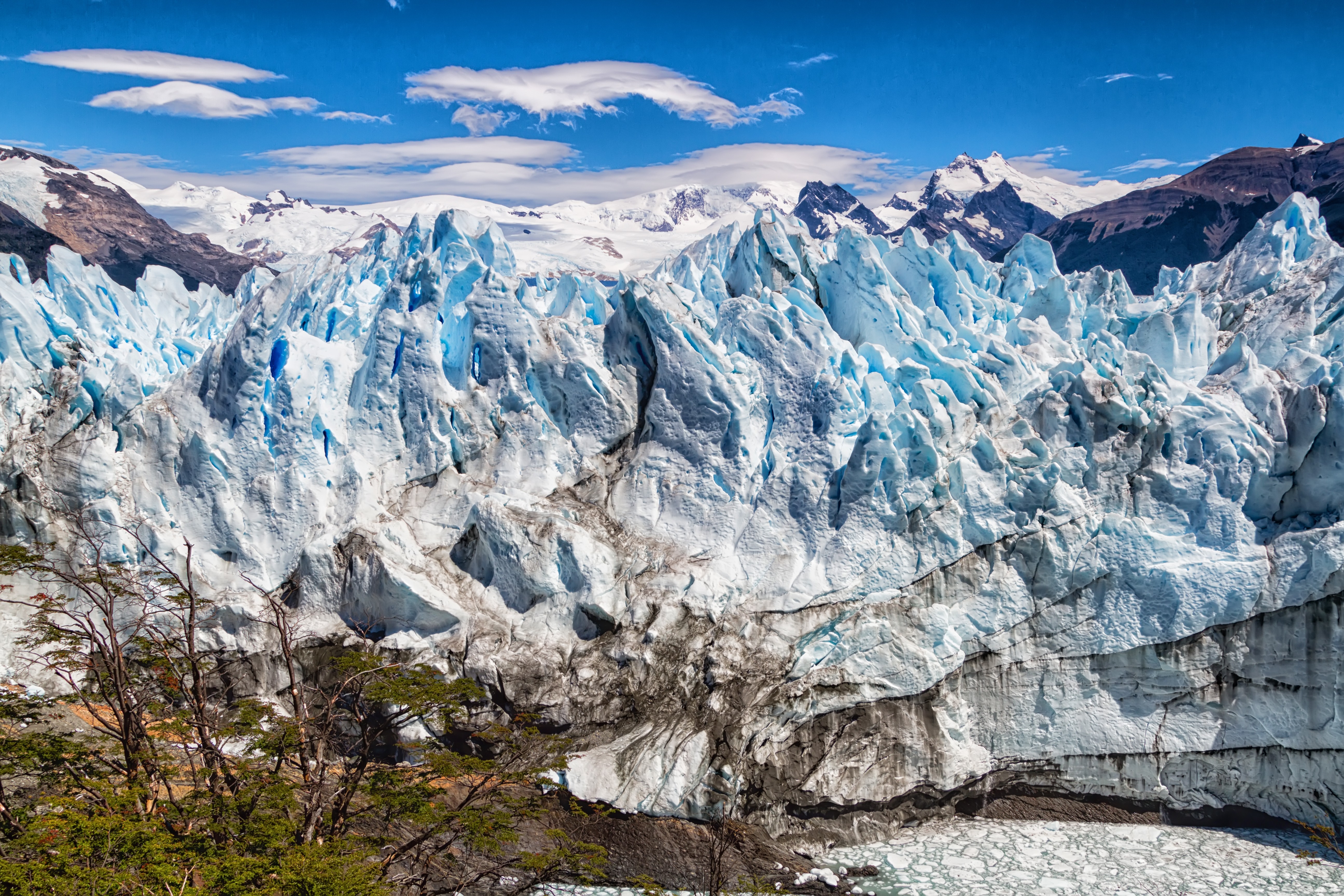
Laguna San Rafael National Park protects 1.7 million hectares of pristine wilderness in Chilean Patagonia, centered on the spectacular San Rafael Glacier—one of the Northern Patagonian Ice Field's most accessible tidewater glaciers.
Update on Oct 24, 2025