
Laguna San Rafael National Park
Laguna San Rafael National Park protects 1.7 million hectares of pristine wilderness in Chilean Patagonia, centered on the spectacular San Rafael Glacier—one of the Northern Patagonian Ice Field's most accessible tidewater glaciers.
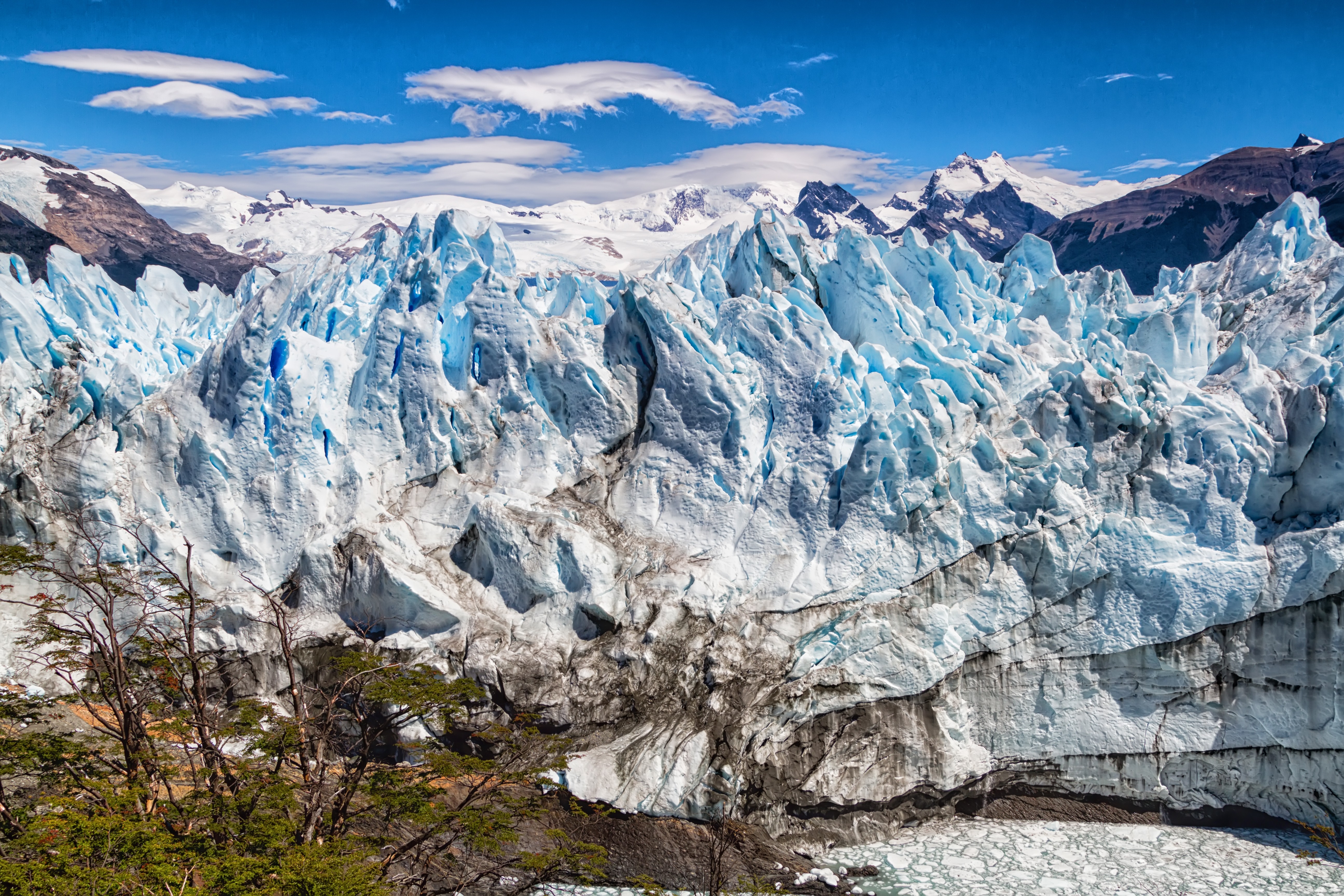
Laguna San Rafael National Park
Aysén Region, Chile — Gateway to the Northern Ice Field
Overview
Laguna San Rafael National Park protects 1.7 million hectares of pristine wilderness in Chilean Patagonia, centered on the spectacular San Rafael Glacier—one of the Northern Patagonian Ice Field's most accessible tidewater glaciers. This massive glacier flows from 4,000m altitude to sea level, calving icebergs into Laguna San Rafael's turquoise waters with thunderous crashes that echo across the fjord. The park remains one of Patagonia's most remote destinations, accessible only by boat or plane (no roads penetrate the area), ensuring pristine character and limited tourism. Beyond the glacier, the park encompasses temperate rainforests, fjords, mountains, and glacial valleys. While expensive and logistically challenging to visit, those who make the journey witness one of nature's most dramatic spectacles: a 3 km-wide ice wall towering 70 meters above water (200+ meters below surface), constantly calving, surrounded by floating icebergs resembling blue-white sculptures. The isolation, raw power of calving ice, and otherworldly landscape of glacier meeting sea create unforgettable memories.
Why Visit
Witness a tidewater glacier calving — San Rafael Glacier's face constantly sheds ice towers into the lagoon. From boat decks, hear the crack, watch massive chunks crash into water, feel spray from impact waves. Nature's power manifest.
Navigate through iceberg fields — Small boats thread between floating icebergs—blue, white, sculpted by waves—creating surreal seascapes. Some boats approach glacier face close enough to touch ancient ice.
Access Northern Patagonian Ice Field — San Rafael provides one of few accessible viewpoints of this massive ice cap (4,200 km²)—second largest ice field in South America after Southern Patagonian Ice Field.
Experience complete wilderness — No roads, no development, minimal human presence. The journey itself—through uninhabited fjords past hanging glaciers—feels like expeditionary travel.
Photograph dramatic ice landscapes — The contrast of white-blue ice, turquoise water, green forest, and gray mountains creates photographer's paradise. Every angle reveals compositions.
Combine with Carretera Austral — Laguna San Rafael trips depart from towns along the Carretera Austral, allowing combination with that legendary road journey.
Getting There & Tour Options
Critical: Laguna San Rafael is NOT accessible by road or independent travel. ALL visits are via organized tours (boat or plane) departing from Puerto Chacabuco, Puerto Montt, or Coyhaique.
Multi-Day Boat Expeditions (Most Common)
From Puerto Chacabuco (near Coyhaique):
Catamaranes del Sur and other operators offer 2-3 day boat expeditions:
Day 1: Depart Puerto Chacabuco morning (7-8 AM), navigate Aysén Fjord system south. Pass hanging glaciers, small icebergs. Stop at hot springs (Termas de Puyuhuapi) for soak. Overnight aboard ship (cabins provided).
Day 2: Early morning arrival Laguna San Rafael. Spend 3-4 hours navigating among icebergs, approaching glacier face, witnessing calving. Zodiac excursions get closer. Onboard naturalist guides explain geology, ecology. Afternoon: Begin return journey. Overnight aboard.
Day 3: Morning navigation through fjords. Arrive Puerto Chacabuco afternoon (2-3 PM).
Cost: $800-1,500 USD per person depending on cabin category and season. Includes meals, excursions, guide.
Boats: Range from basic motor vessels to comfortable catamarans with heated cabins, dining rooms, viewing decks.
Departures: October-April (summer season). Most frequent December-March. Book 2-4 weeks ahead minimum; 2-3 months for high season.
Why multi-day: The ONLY way to fully experience the glacier—spend hours among icebergs, multiple viewpoints, intimate encounter. Also, journey through fjord system is spectacular.
Day Cruise from Puerto Chacabuco
Navimag operates one-day fast catamaran service (select dates only):
Depart Puerto Chacabuco 5-6 AM
Fast navigation (5-6 hours) to lagoon
2-3 hours at glacier
Return same day (arrive 9-10 PM)
Cost: $600-900 USD per person. Includes lunch, guide.
Pros: Cheaper than multi-day, no overnight aboard.
Cons: Exhausting (16-hour day), less time at glacier, misses sunrise/sunset light, rushed.
When offered: Limited departures January-March. Book well ahead.
Scenic Flights from Coyhaique
Aerocord and others offer 1.5-2 hour scenic flights:
Fly over Northern Ice Field
Circle San Rafael Glacier multiple times
Aerial views of ice cap, glaciers, fjords
Land on ice field (some tours) or remain airborne
Cost: $250-400 USD per person (requires minimum passengers—usually 5-6). Private charter much more expensive (~$2,000-3,000 total).
Pros: Cheaper, faster (3-4 hours total vs. 3 days), aerial perspective unique, weather-dependent (only fly VFR clear days).
Cons: Brief time at glacier (30-45 min circling), no ice berg navigation, no calving sounds, altitude diminishes scale, weather frequently cancels.
Timing: Year-round but summer (Dec-Mar) most reliable weather. Book 1-2 weeks ahead, understand cancellation likely.
From Puerto Montt (Northern Access)
Navimag operates 4-5 day ferry expeditions:
Weekly departures Puerto Montt → Puerto Chacabuco
Route passes Laguna San Rafael (adds ~6-8 hours)
Passengers witness glacier from ship rail
Part of larger ferry journey on Carretera Austral route
Cost: $400-800 USD per person (varies by cabin class) for full Puerto Montt → Puerto Chacabuco journey.
Pros: Combines transport with glacier viewing, more affordable way to see it.
Cons: Briefer time at glacier (2-3 hours vs. full day on dedicated tours), less intimate, focused on transport not wildlife.
Alternative: Luxury cruise ships (Stella Australis, others) include Laguna San Rafael in longer Patagonia itineraries (7-14 days, $3,000-8,000 USD).
Top Experiences (On Tours)
Zodiac Excursions Among Icebergs — Small inflatable boats launch from mother ship. Navigate through iceberg maze—weaving between floating ice sculptures, approaching (safely) glacier face, feeling mist from recent calvings. Guides maneuver around ice chunks, some as large as houses. Touch ancient blue ice (thousands of years old). Hear glacier groaning, creaking—alive with movement. Most memorable part of visit for many travelers.
Witnessing Calving Events — San Rafael is active—ice constantly breaks off. From boat deck, watch for cracks, listen for thunder. When tower calves, massive splash, waves radiate outward, new icebergs born. Frequency unpredictable—might see dozen events or few. Patient observation rewarded. Photography challenging (unpredictable timing) but spectacular when captured.
Ice Berg Photography — Floating ice in countless forms: tabular, pinnacled, arched, sculpted. Colors: white, blue (compressed ice), green (algae), black (volcanic ash layers). Every iceberg unique. Zodiac tours position for best shots. Wide angle for scale, telephoto for details, polarizing filter reduces glare. Best light: overcast (soft, even) or golden hour (if fortunate with timing).
Hot Springs Stops (Multi-Day Tours) — Most multi-day tours include stop at Termas de Puyuhuapi or similar fjord-side hot springs. After cold glacier viewing, soak in natural thermal pools overlooking water—blissful contrast. Usually 1-2 hours, natural pools or developed spa facilities depending on tour.
Wildlife Viewing — En route through fjords: dolphins (common), sea lions, penguins (Magellanic—seasonal), cormorants, albatross, petrels. Less wildlife than Peninsula Valdés but fjord fauna present. Guides point out species. Binoculars useful.
Fjord Navigation Experience — The journey is half the attraction. Narrow fjords between mountains, hanging glaciers on cliffs (smaller than San Rafael but beautiful), pristine temperate rainforest shores, mirror-calm waters reflecting peaks. Multi-day tours maximize this—sailing by day, anchoring in protected bays at night. Feeling of true expedition.
Onboard Naturalist Talks — Guides on boats provide lectures: glaciology (how glaciers form, move, calve), climate change impacts (San Rafael retreating rapidly), regional ecology, exploration history. Enhances understanding. Q&A sessions.
Sunrise/Sunset at Sea — Multi-day tours include these magic hours. Sunrise over fjords—alpenglow on peaks, stillness. Sunset—golden light on ice and water. From heated cabins or decks (dress warmly!).
What to Bring
Essential:
Warm layers: Even summer, conditions cold (5-15°C at glacier). Wind chill significant. Thermal underwear, fleece, down jacket.
Waterproof outer layer: Rain common. Gore-tex jacket and pants essential.
Gloves, hat, buff: Extremities freeze quickly. Windproof critical.
Waterproof bag: Protect camera/electronics from spray.
Sunglasses & sunscreen: Glare off ice intense. SPF 50+. Glacier glasses ideal.
Seasickness medication: Fjords usually calm, but open water can be rough. Bring meclizine or similar.
Binoculars: Wildlife spotting, glacier detail observation.
Camera: Long-life batteries (cold drains them). Memory cards. Polarizing filter useful.
Recommended:
Snacks: Though meals provided, having personal snacks helpful.
Reading material: Downtime aboard ships.
Notebook/journal: Recording experience.
Cash: Some boats have small shops; tips for crew.
Not needed: Camping gear, cooking equipment (all aboard ship). Hiking boots unnecessary (no land hiking—boat-based entirely).
Best Time to Visit
December-February (Summer Peak): Warmest weather (though still cold—10-15°C), longest daylight (5 AM-10 PM), most tour departures, calmest seas. Glacier most active (higher melt = more calving). Best wildlife sightings (penguins present, dolphins abundant). Highest prices, book 2-3 months ahead. Weather still variable—rain possible any day. Best overall for first-timers.
March-April (Autumn): Shoulder season. Fewer tours (departures weekly vs. multi-weekly), fewer passengers (more intimate experience), slightly lower prices. Weather cooling (8-12°C), shorter days. Autumn colors in forests. Still excellent glacier viewing. Calving frequency similar to summer. Good for those seeking smaller groups. Book 1-2 months ahead.
October-November (Spring): Season opening. Weather cold (5-10°C), rain/snow possible, unpredictable. Tour frequency building (fewer departures early October, more by November). Advantage: Off-peak pricing, very small groups, glacier beautiful with winter snow backdrop. Disadvantage: Weather gamble, some services limited. For adventurous travelers comfortable with variability.
May-September (Winter): Most tours suspended (except occasional specialty winter expeditions). Extremely cold, short days, heavy precipitation, dangerous seas. Glacier still accessible by flight weather permitting (rare—mostly clouded). Not recommended unless joining specialized winter cruise.
Where to Stay (Pre/Post Tour)
Puerto Chacabuco (Tour Departure Point):
Loberías del Sur Hotel & Cabañas: Waterfront, comfortable (~$120-180)
Hostería Patagonia House: Basic but adequate (~$60-90)
Puerto Chacabuco is port town—minimal attractions. Most stay nearby Coyhaique.
Coyhaique (45 km from Puerto Chacabuco):
Budget: Hostel Nativo ($20-30 dorms, $60-80 privates), Hospedajes ($40-60)
Mid-Range: Hotel Dreams Coyhaique ($100-150), Hotel Diego de Almagro ($90-130)
Services: Full range—supermarkets, gear shops, restaurants, tourism offices. Base here, transfer to Puerto Chacabuco for boat.
Puerto Montt (For Northern Ferry Route):
Full range accommodations (see separate Chile guides)
Often just overnight before/after ferry
About Me
Veb
Hey there! I’m Veb and I've traveled solo and in groups for 10+ years in Patagonia - across Chile and Argentina.
I started Go Wild Patagonia with a desire to help other travelers plan their journeys in Patagonia with a focus on adventure, nature and being in the wilderness.
Say Thanks
Support my mission to make Patagonia more accessible for travelers while supporting local tour operators who organize only sustainable travels in Patagonia.
Read More
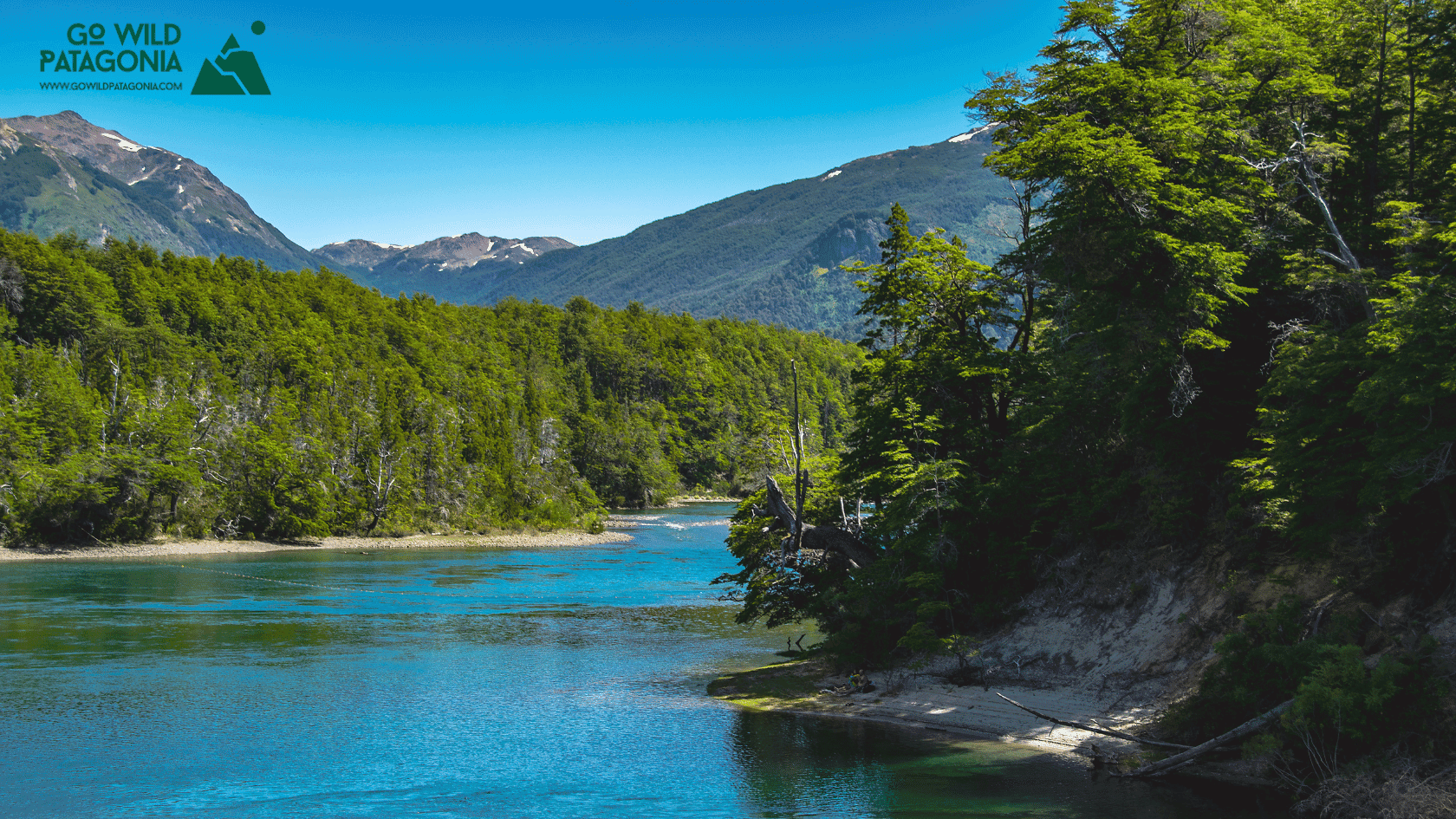
Chubut Province, Argentina — Cathedral of Ancient Trees Overview Los Alerces National Park protects 263,000 hectares of pristine Valdivian rainforest in Argentine Patagonia, home to some of the oldest living trees on Earth. The park's namesake—the alerce tree (Fitzroya cupressoides)—can live over 3,000 years, rivaling California's sequoias and bristlecone pines.
Update on Oct 24, 2025
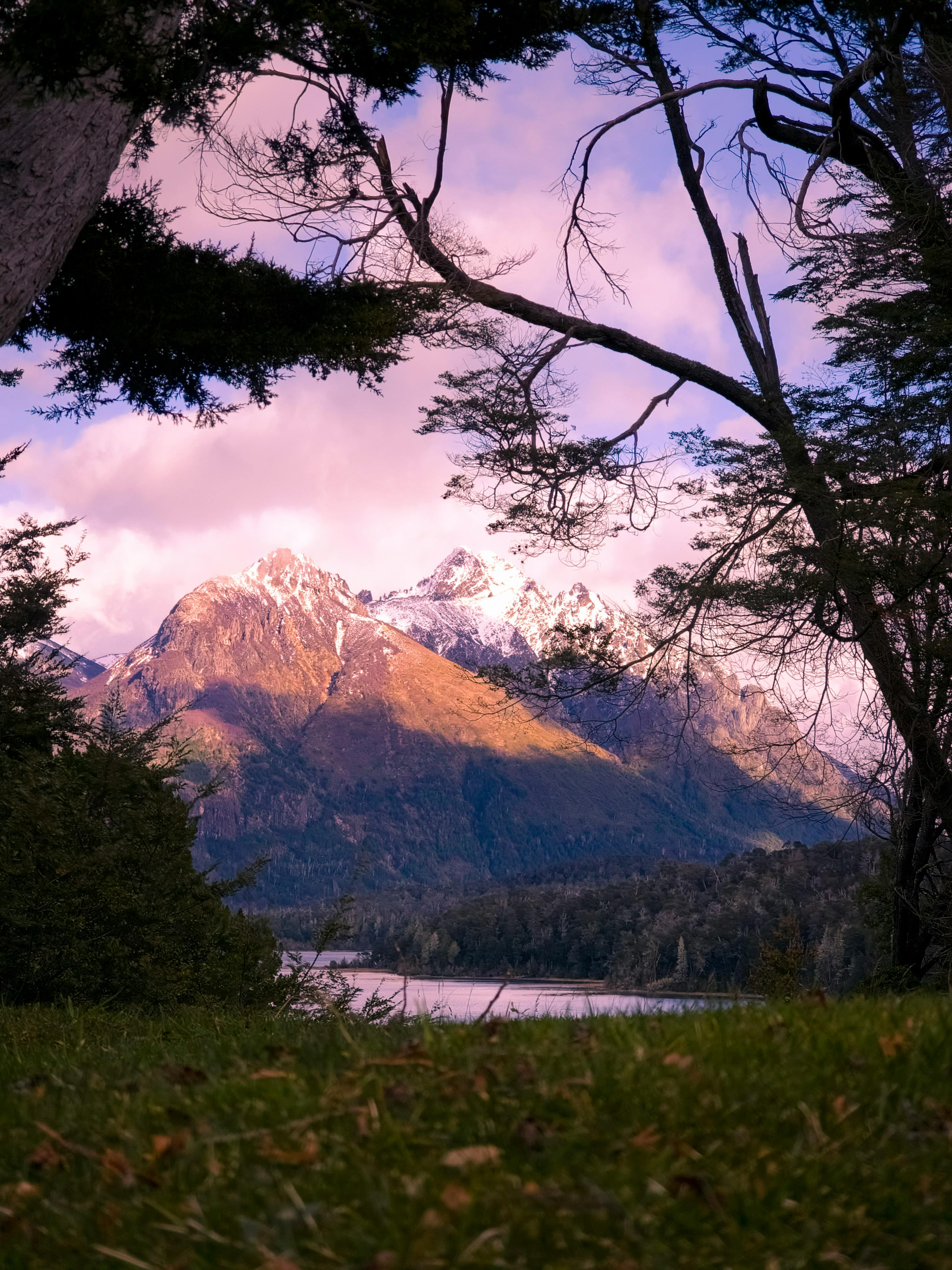
El Bolsón offers world-class hiking: Refugio Hielo Azul and Refugio Cajón del Azul sit in alpine cirques accessible via multi-day treks, Cerro Piltriquitrón (2,284m) provides panoramic summit views, and Cajón del Azul's turquoise canyon ranks among Patagonia's most photographed day hikes.
Update on Oct 24, 2025
Monte Leon National Park is Argentina's first coastal national park, protecting 40 km of dramatic Atlantic shoreline where the Patagonian steppe meets the sea.
Update on Oct 24, 2025