El Bolson
El Bolsón offers world-class hiking: Refugio Hielo Azul and Refugio Cajón del Azul sit in alpine cirques accessible via multi-day treks, Cerro Piltriquitrón (2,284m) provides panoramic summit views, and Cajón del Azul's turquoise canyon ranks among Patagonia's most photographed day hikes.
El Bolson
El Bolson - Río Negro Province, Argentina — The Garden Valley of Patagonia
El Bolson
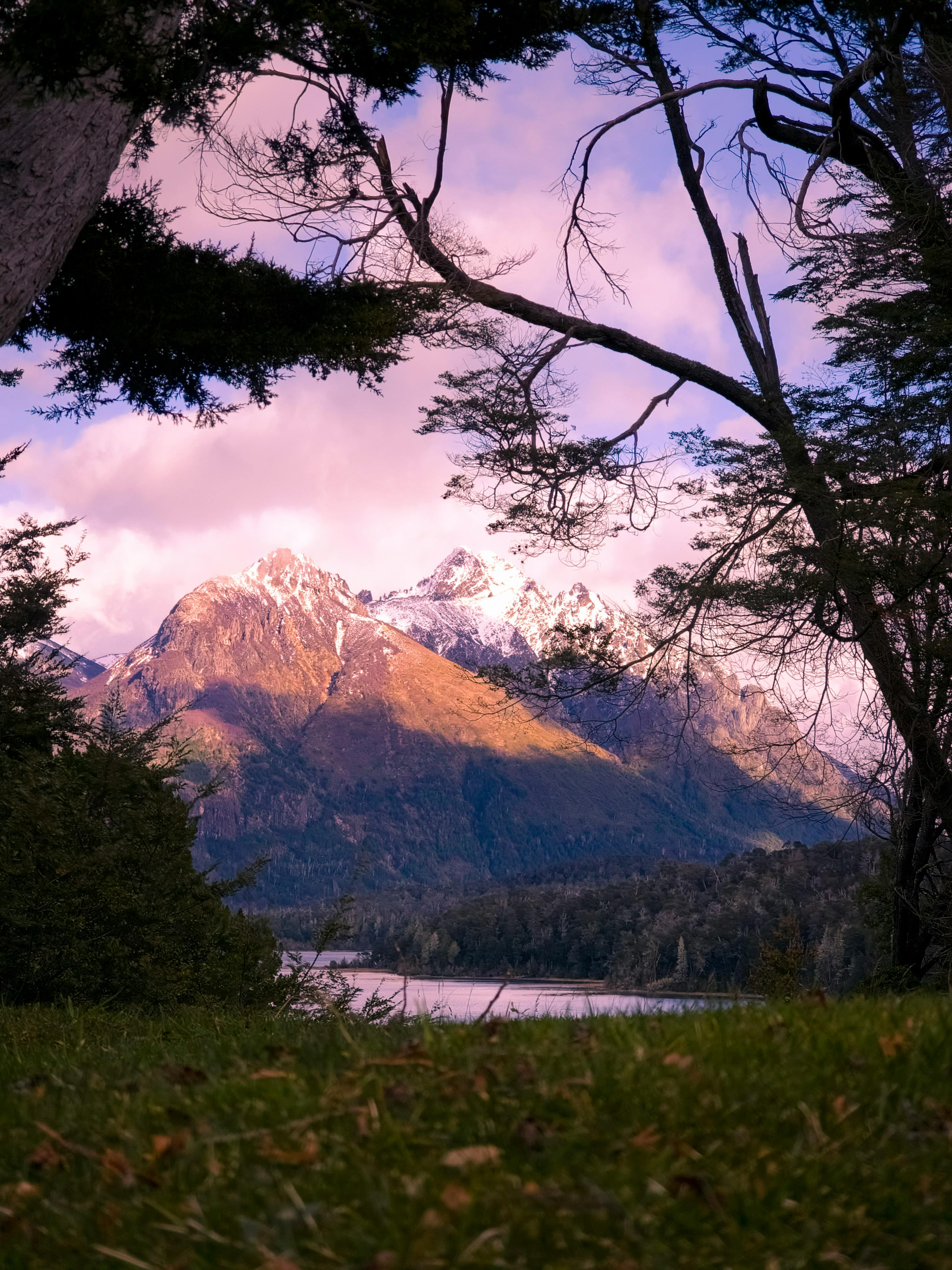
El Bolsón is northern Patagonia's counter-culture heart, a mountain valley town of 20,000 that feels like a 1970s time capsule. Founded as a hippie commune during Argentina's military dictatorship, when draft resisters and idealists fled to this remote valley, El Bolsón retains its bohemian spirit: artisan crafts dominate the famous Feria Regional (craft fair), organic farms practice permaculture, craft breweries outnumber chain stores, and tie-dye remains acceptable daily wear. The valley enjoys a unique microclimate—surrounded by tall Andean peaks that block Patagonian winds—allowing cultivation of hops, berries, cherries, and apples impossible elsewhere in the region. Beyond the hippie charm, El Bolsón offers world-class hiking: Refugio Hielo Azul and Refugio Cajón del Azul sit in alpine cirques accessible via multi-day treks, Cerro Piltriquitrón (2,284m) provides panoramic summit views, and Cajón del Azul's turquoise canyon ranks among Patagonia's most photographed day hikes. The town serves as gateway to Los Alerces National Park (ancient alerce trees) and base for climbing, mountain biking, and fly fishing. It's Bariloche without commercialization—authentic, affordable, adventure-focused.
Why Visit
Experience authentic counter-culture community — El Bolsón maintains the hippie commune spirit that founded it. Organic farms, artisan culture, cooperative businesses, and alternative lifestyles thrive. It's real, not performed for tourists.
Explore the legendary Feria Artesanal — One of South America's largest artisan craft fairs operates Tuesday, Thursday, Saturday, and Sunday year-round. Hundreds of stalls sell handmade leather goods, woodwork, jewelry, preserves, textiles, ceramics—all locally produced.
Hike to spectacular alpine refugios — Multi-day treks to Refugio Hielo Azul (ice-blue glacier lagoon) and Cajón del Azul (turquoise river canyon) offer mountain hut accommodation in stunning cirques. Some of Argentina's best accessible backcountry.
Taste world-class craft beer — El Bolsón pioneered Argentina's craft beer movement. Ten+ breweries produce IPAs, stouts, porters, sours using local hops. Cervecería El Bolsón, Otto Tipp, and Berlina lead the scene.
Summit Cerro Piltriquitrón — The town's iconic mountain (2,284m) provides 360° views spanning Lago Puelo, Nahuel Huapi, Andean peaks, and Argentine steppe. Challenging day hike or overnight at refugio.
Savor the valley's produce — The microclimate grows incredible fruit: cherries, raspberries, blackberries, apples, currants. Artisan ice cream shops (heladerías) showcase these flavors. Jam production (dulces regionales) is an art form.
Getting There
By Air: No airport. Fly to Bariloche (BRC) 130 km north (2 hours drive) or Esquel (ESQ) 130 km south (2 hours). Bariloche has more frequent flights from Buenos Aires (2 hrs). From airports, take bus or rent car to El Bolsón.
By Bus: Well-connected. From Bariloche: Via Bariloche, Don Otto (multiple daily, $10-15, 2 hours, Route 40 south through scenic valleys). From Esquel: Don Otto, Via Bariloche (2-3 daily, $10-12, 2 hours, Route 40 north). From Buenos Aires: Direct overnight buses (20-22 hours, $60-80, Via Bariloche, Don Otto). From Neuquén: 8-9 hours ($25-35). Services reliable year-round.
By Car: Excellent option for exploring area. From Bariloche: 130 km south on Route 40 (2 hours, paved, beautiful valley views). From Esquel: 130 km north on Route 40 (2 hours). From Villa La Angostura: 2.5 hours south via Bariloche. Route 40 corridor is Argentina's scenic spine—can continue south to Los Alerces, north to San Martín.
Important: Town has budget-friendly vibe—hostels plentiful, wild camping common. ATMs limited, bring cash. Craft beer everywhere. Relaxed pace—plan to linger.
Top Experiences
Cajón del Azul (Blue Canyon) Day Hike — El Bolsón's signature trek and most photographed location. Route: 18 km round trip (6-8 hours), moderate difficulty. Trailhead at Wharton Valley (11 km from town—taxi or hitchhike). Trail follows Río Azul upstream through lenga forest, crosses suspension bridges, parallels turquoise river flowing through narrow canyon. Highlights: Electric-blue water caused by glacial flour, smooth rock formations, swimming holes (brave souls—water frigid!), hanging bridges, dense forest. Finale: Reach canyon's end where river emerges from mountain—dramatic rock walls towering overhead. Camping: Refugio Cajón del Azul at trailhead offers basic accommodation and camping (~$10-15 per person). Can extend to overnight trip. Best time: December-March (snow-free). Crowds: Popular—start early (7-8 AM) to avoid midday rush. Pro tip: Bring swimsuit for canyon swimming holes, waterproof bag for river crossings.
Refugio Hielo Azul Multi-Day Trek — Spectacular 2-3 day alpine adventure. Day 1: Hike from Mallín Ahogado trailhead (30 km from town) 12 km to Refugio Hielo Azul (6-8 hours, 800m gain). Trail climbs through forest into alpine zone. Refugio: Mountain hut at 1,600m with bunks, meals, incredible setting (~$30-40 per night with dinner/breakfast). Day 2: Rest day exploring cirque—Laguna Azul (ice-blue glacial lake), surrounding peaks, glacier views. Optional summit attempts for experienced. Day 3: Descend same route or continue to Cajón del Azul (advanced route, navigation required). Difficulty: Moderate-strenuous, good fitness needed. Best time: January-March (December can have snow). Booking: Contact refugio ahead (limited space—30 beds). Or bring tent, camp near refugio (free).
Feria Regional Artesanal — The soul of El Bolsón. Schedule: Tuesday, Thursday, Saturday, Sunday (10 AM-6 PM year-round; summer until 8 PM). Location: Plaza Pagano in town center. Stalls: 300+ artisans selling handcrafted goods—leather bags/belts, woodwork (mates, bowls, cutting boards), silver jewelry, knitted woolens, ceramics, preserves (jams, pickles), organic produce, tie-dye clothing. Quality: High—everything handmade by the seller. Bargaining gentle (not aggressive like markets elsewhere). Food stalls: Empanadas, regional dishes, craft beer stands, dulces. Atmosphere: Musicians playing, dogs wandering, locals socializing. Tips: Bring cash (few accept cards), arrive early for best selection, Thursday-Sunday biggest. Cultural experience: This isn't tourist market—locals shop here. Authentic community gathering.
Craft Beer Brewery Tour — El Bolsón birthed Argentina's craft beer movement. Top breweries:
Cervecería El Bolsón: Pioneer brewery (founded 1984), extensive lineup, brewpub with food, tours available. Try the IPA and Frambuesa (raspberry ale).
Otto Tipp: German-inspired, excellent lagers and Oktoberfest. Taproom with mountain views.
Berlina: American-style craft beer, bold IPAs and stouts.
La Bávara: Small batch, experimental brews.
Self-guided tour: Visit multiple taprooms in afternoon/evening. Most downtown—walkable. Sample flights ($5-8), pints ($3-4), growler fills. Brewery experience: Laid-back, communal tables, outdoor seating. Often live music weekends. Best: Thursday-Sunday when feria visitors pack taprooms.
Cerro Piltriquitrón Summit — Iconic peak looming over town. Route: 16 km round trip (8-10 hours), 1,400m elevation gain to 2,284m summit. Strenuous day hike. Trailhead: 3 km from town center (walk or taxi). Trail: Climbs steadily through forest, emerges into alpine meadows, rocky scramble to summit (non-technical but exposed). Views: 360° panorama—Lago Puelo south, Nahuel Huapi north, Andean chain west, Argentine steppe east. Clear days see Tronador volcano. Alternative: Hike to Refugio Piltriquitrón (5 km, 3-4 hrs, 800m gain), overnight, summit Day 2. Refugio has bunks, meals (~$30-40). Best time: December-March. Weather: Changes fast—bring layers. Start dawn for best visibility. Pro tip: Some drive 4WD partway up—shaves 2 hours but less rewarding.
Cabeza del Indio (Indian Head Rock) — Easy half-day hike to natural rock formation. Stats: 7 km round trip (2-3 hours), moderate. Trailhead: Mallín Ahogado road (taxi or hitchhike 10 km). Attraction: Rock outcrop resembling Native American profile. Nice valley views. Combine: With swimming at Lago Puelo or other Mallín Ahogado trails. Good acclimatization hike or rest-day activity.
Fly Fishing — Excellent rivers and lakes. Río Azul: Beautiful turquoise water, browns and rainbows, wade-able. Access via Cajón del Azul trail. Río Quemquemtreu: Freestone river south of town. Good dry fly. Lago Puelo: Troll for large fish—boat required. Season: November-April (best Feb-March). Licenses: Purchase at shops in town (~$30-40/day foreigners). Guides: Available but DIY common—rivers accessible. Flies: Attractors, nymphs, hoppers (Jan-Feb).
Mountain Biking — Growing trail network. Trails: Numerous forest singletrack, old logging roads, valley loops. Ranging easy to technical. Popular routes: Bosque Tallado (sculpture forest—6 km from town, gentle ride), Río Azul valley roads, Mallín Ahogado area. Rentals: Several shops in town ($15-25/day). Guided: Tours available ($60-80/day). Season: November-April (snow-free).
Horseback Riding — Gaucho-style rides into mountains. Half-day: Forest trails, valley views ($50-70). Full-day: To remote viewpoints, picnic lunch ($100-120). Multi-day: Pack trips into backcountry with camping—arrange custom. Operators: Ask at tourist office or hostels. Season: November-April.
Lago Puelo National Park — Beautiful lake 15 km south. Activities: Beach swimming (cold but refreshing summer), kayaking, fishing, hiking. Trails: Los Hitos trail (border markers—6 km, 3 hrs), Bosque de las Sombras (shaded forest—easy). Camping: Park campgrounds (~$10-15 per person). Access: Bus from El Bolsón or drive. Scenery: Turquoise lake surrounded by peaks, temperate forest.
Bosque Tallado (Carved Forest) — Unique sculpture park. Description: Dead fire-damaged trees carved by local artists into fantastic sculptures—faces, animals, abstract forms. Location: 6 km from town on Cerro Piltriquitrón approach. Access: Walk, bike, or taxi. Time: 1-2 hours wandering sculpture trail. Best: Morning light for photography. Free entry. Quirky, creative, very El Bolsón.
Rock Climbing — Scattered crags around valley. Sectors: Pared de Piedra, other small areas. Sport routes (5.9-5.12). Season: November-March. Bring gear: No rentals—experienced climbers only. Limited beta—ask at climbing shop (La Pared).
Paragliding — Tandem flights over valley. Launch: Cerro Piltriquitrón or Cerro Amigo. Duration: 15-30 min flights (~$80-120). Season: December-March. Operators: Ask at tourist office. Weather-dependent.
Where to Stay
Budget:
La Casona de Odile: Popular hostel, social atmosphere, dorms and privates (dorms ~$15-20, privates ~$50-70)
Hostel Refugio Patagónico: Budget-friendly, kitchen, garden (~$12-18 dorms)
Camping Huemules: Municipal campground, basic facilities (~$8-12 per person)
Camping La Chacra: On outskirts, hot showers, sites (~$10-15 per person)
Mid-Range:
Posada La Casa de Paula: Cozy B&B, breakfast, garden (~$80-120)
Hostería La Escampada: Comfortable, downtown, good value (~$70-100)
Cabañas: Numerous self-catering cabins around valley (~$60-100 per cabin)
Upscale (by El Bolsón standards):
Cordillera Hotel: Best in town, mountain views, restaurant (~$120-180)
Patagonia Mía: Boutique hotel, elegant for the area (~$100-150)
Refugios (Mountain Huts):
Refugio Hielo Azul: Alpine hut, bunks, meals (~$30-40 per night with dinner/breakfast)
Refugio Piltriquitrón: Mountain hut, similar pricing
Refugio Cajón del Azul: Basic, trailhead, cheap (~$15-20)
Wild Camping: Common and accepted. Ask permission on private land. Many free spots near rivers, forests.
Best Time to Visit
December-February (Summer Peak): Warmest weather (20-28°C days, 10-15°C nights), full daylight (6 AM-10 PM), all trails snow-free. Fruit harvest—cherries December-January, berries January-February. Feria Artesanal massive—hundreds of stalls, most crowded. Refugios fully operational. Craft beer gardens packed. Best hiking conditions. Town busy by El Bolsón standards (still relaxed vs. Bariloche). Prices slightly higher but still budget-friendly. January busiest (Argentine vacation). Book refugios 1-2 weeks ahead.
March-April (Autumn): Shoulder season gem. Fewer tourists, autumn colors spectacular (lenga forests turn gold-orange), comfortable temps (15-22°C), stable weather. Fruit preserves (jams) appear at feria as harvest ends. Hiking excellent—trails emptier, fall colors stunning. Refugios less crowded. Craft breweries quieter—easier to chat with brewers. March arguably best month overall. Easter week exception (busy). April sees early snow on high passes—check refugio conditions. Prices drop.
May-September (Winter): Off-season but town doesn't shut down (unlike many Patagonian places). Cold (5-12°C days, below freezing nights), snow in valley, high peaks buried. Winter activities: Cerro Perito Moreno ski area (25 km away—small, cheap, family-friendly), cross-country skiing, snowshoeing. Town atmosphere: Cozy—wood fires, craft beer by fireplace, artisan workshops continue. Feria operates but smaller. Very quiet—budget travelers and hardcore locals. Hiking: Only lower valley trails accessible. Refugios closed. For those seeking off-season solitude, wood-fired hostel vibes, cheap lodging.
October-November (Spring): Shoulder season. October still cold, snowy high trails. November improves—wildflowers emerge, hiking opens progressively. Fruit trees blossom (beautiful!). Weather unpredictable—warm sunny days alternate cold snaps. Feria growing as season builds. Refugios open mid-November usually. Bargain prices, availability. Good for flexible travelers. Late November approaches summer conditions.
3-Day Itinerary
Day 1: Town & Culture Immersion
Morning: Arrive, check into hostel
Explore downtown, organic food shops
Lunch: Empanadas at feria (if Thu/Sat/Sun/Tue)
Afternoon: Feria Artesanal—browse crafts, talk to artisans
Late afternoon: Brewery taproom (El Bolsón or Otto Tipp)
Evening: Dinner, live music (check hostel boards)
Day 2: Cajón del Azul Classic
Early departure (7 AM): Taxi/hitchhike to Wharton trailhead
Hike Cajón del Azul (18 km round trip, 6-8 hrs)
Turquoise canyon, swimming holes, hanging bridges
Return to town (afternoon)
Evening: Celebrate at Berlina brewery, good meal
Day 3: Summit or Chill
Option A (ambitious): Cerro Piltriquitrón day hike (8-10 hrs)
Option B (moderate): Cabeza del Indio + Lago Puelo
Option C (relax): Bosque Tallado sculptures, brewery afternoon, feria shopping
Evening: Depart or stay longer (you'll want to)
5-Day Itinerary
Day 1: Arrival, town exploration, feria, brewery tour (as 3-day Day 1)
Day 2: Cajón del Azul full-day hike (as 3-day Day 2)
Day 3: Rest/cultural day—sleep in, artisan workshops, organic farms visit, brewery lunch, feria if operating, evening live music
Day 4-5: Refugio Hielo Azul multi-day trek (see Top Experiences)—2 days/1 night minimum, can extend to 3 days
Alternative Day 4-5 (if not doing refugio):
Day 4: Cerro Piltriquitrón summit day hike
Day 5: Lago Puelo National Park, swimming, kayaking, hiking
7-Day Itinerary (Complete Immersion)
Day 1: Arrival, orientation, feria, craft beer introduction
Day 2: Cajón del Azul day hike—early start, full day
Day 3: Rest/culture—workshops, organic farm visits, brewery taprooms, massage, music
Day 4-6: Refugio Hielo Azul extended trek (3 days/2 nights)—Day 4: hike in, Day 5: rest day exploring cirque and summit attempts, Day 6: hike out via alternate route or return same
Day 7: Cerro Piltriquitrón summit OR Lago Puelo exploration OR complete rest (you've earned it)
Alternative for non-trekkers:
Day 4: Fly fishing full day with guide
Day 5: Mountain biking trails, Bosque Tallado
Day 6: Horseback riding to remote valley
Day 7: Lago Puelo, final brewery tour, shopping
Where to Go Next
1. Los Alerces National Park — Ancient Forest Sanctuary
Distance: 50 km south to Esquel, then 50 km west to park (2.5 hours total)
Transport:
Bus: El Bolsón → Esquel (2 hrs, $10-12, frequent). From Esquel: taxi/remise to park (~$25), or summer local buses.
Drive: South on Route 40 to Esquel, then Route 71 west to Los Alerces. Easy paved roads.
Why Go: Transition from hippy mountain town to pristine wilderness. Los Alerces protects 3,000-year-old alerce trees (Chile's answer to sequoias), interconnected turquoise lakes, Valdivian rainforest. Much quieter than Torres del Paine—solitude guaranteed. Activities: Boat excursion to ancient Alerzal forest (must-do), multi-day backpack to Lago Krüger, kayaking Lago Futalaufquen, fly fishing legendary rivers (Arrayanes, Frey), summit hikes with glacier views. Camping at beautiful lakeside sites (~$10-15), or simple cabins. Perfect complement to El Bolsón—both authentic, uncrowded, nature-focused. Budget 5-7 days to experience fully. See standalone Los Alerces guide.
Suggested Duration: 5-7 days for complete experience.
2. Bariloche — Regional Hub & Resort
Distance: 130 km north (2 hours)
Transport:
Bus: Frequent daily service Via Bariloche, Don Otto, others (~$10-15, 2 hrs, Route 40 north)
Drive: Easy paved highway through scenic valleys
Why Go: Complete opposite of El Bolsón's counter-culture—Bariloche is Patagonia's largest tourist city. Offers everything El Bolsón doesn't: massive scale, chocolate shops lining main street (Swiss-influenced), sophisticated dining, nightlife, casino, Nahuel Huapi National Park trails, Cerro Catedral ski resort (larger than any near El Bolsón), shopping, gear replacement, transportation hub (flights/buses everywhere). Good for: Resupply after rustic El Bolsón, variety, accessing different trails (Refugio Frey alpine lake—stunning), international connections. Some find Bariloche over-touristed after El Bolsón's authenticity, but conveniences valuable. Budget 2-4 days depending on interests.
Suggested Duration: 2-4 days for city and major hikes.
3. San Martín de los Andes & Seven Lakes Route
Distance: 260 km north (4-5 hours via Bariloche)
Transport:
Bus: Via Bariloche with connection in Bariloche (~$20-25 total, 5-6 hrs including transfer)
Drive: North via Bariloche, then Seven Lakes Route (summer only—May-Nov closed). Spectacular drive.
Why Go: Upscale mountain resort (like anti-El Bolsón in pricing, but similar outdoor focus). Famous Siete Lagos scenic route connects—seven turquoise lakes along Patagonia's most beautiful highway. San Martín offers: Lanín National Park (araucaria forests, Lanín volcano climb), world-class fly fishing (Chimehuin, Malleo rivers), sophisticated dining, Cerro Chapelco skiing. Creates interesting contrast—El Bolsón's hippie culture vs. San Martín's elegance, but both prioritize nature and authenticity over mass tourism. Budget 4-6 days San Martín.
Suggested Duration: 4-6 days plus 1 day for Seven Lakes drive.
4. Esquel & La Trochita Railway
Distance: 130 km south (2 hours)
Transport:
Bus: Frequent service Via Bariloche, Don Otto (~$10-12, 2 hrs, Route 40 south)
Drive: Easy paved highway
Why Go: Frontier town (30,000) with unique attractions. La Trochita: Old Patagonian Express—historic narrow-gauge steam railway from 1920s, immortalized by Paul Theroux. Saturday excursions to Nahuel Pan (Mapuche community), plus other schedules. Nostalgic journey on vintage wooden carriages. Other: Welsh tea houses (Casa de Té Nain—Welsh colonist descendants), La Hoya ski resort (small, excellent powder), gateway to Los Alerces. Retains authentic Patagonian character—ranching town first, tourist destination second. Good resupply point, pleasant stop en route south. Budget 1-2 days unless combining Los Alerces (then 7-10 days total).
Suggested Duration: 1-2 days for town; 7-10 days if including Los Alerces.
Planning Your Route:
Northern Patagonia Loop: Bariloche (3 days) → El Bolsón (5 days) → Los Alerces/Esquel (7 days) → return Bariloche or continue south
Budget Backpacker Trail: Bus Buenos Aires → El Bolsón (base 7-10 days—cheap lodging, free camping, hiking) → Los Alerces (5 days camping) → Esquel → return or continue
Extended Adventure: San Martín (5 days) → Seven Lakes drive → Bariloche (3 days) → El Bolsón (5 days) → Los Alerces (7 days) → Futaleufú Chile via Esquel (5 days rafting)
Quick Escape: Fly to Bariloche → bus El Bolsón (5-7 days) → return Bariloche → fly out. Perfect week.
Timing Tips:
El Bolsón best January-February for cherries/berries and full feria
March excellent for autumn colors, fewer crowds, mature fruit preserves
Combine with Los Alerces (best March-April for fall colors)
Budget 5-7 days minimum for El Bolsón—relaxed pace essential
Refugio treks require 2-3 extra days each
Feria operates year-round but biggest summer (Dec-Feb)
Winter (June-Aug) only for those seeking off-season solitude
Don't rush—El Bolsón's magic is its slowness
About Me
Veb
Hey there! I’m Veb and I've traveled solo and in groups for 10+ years in Patagonia - across Chile and Argentina.
I started Go Wild Patagonia with a desire to help other travelers plan their journeys in Patagonia with a focus on adventure, nature and being in the wilderness.
Say Thanks
Support my mission to make Patagonia more accessible for travelers while supporting local tour operators who organize only sustainable travels in Patagonia.
Read More
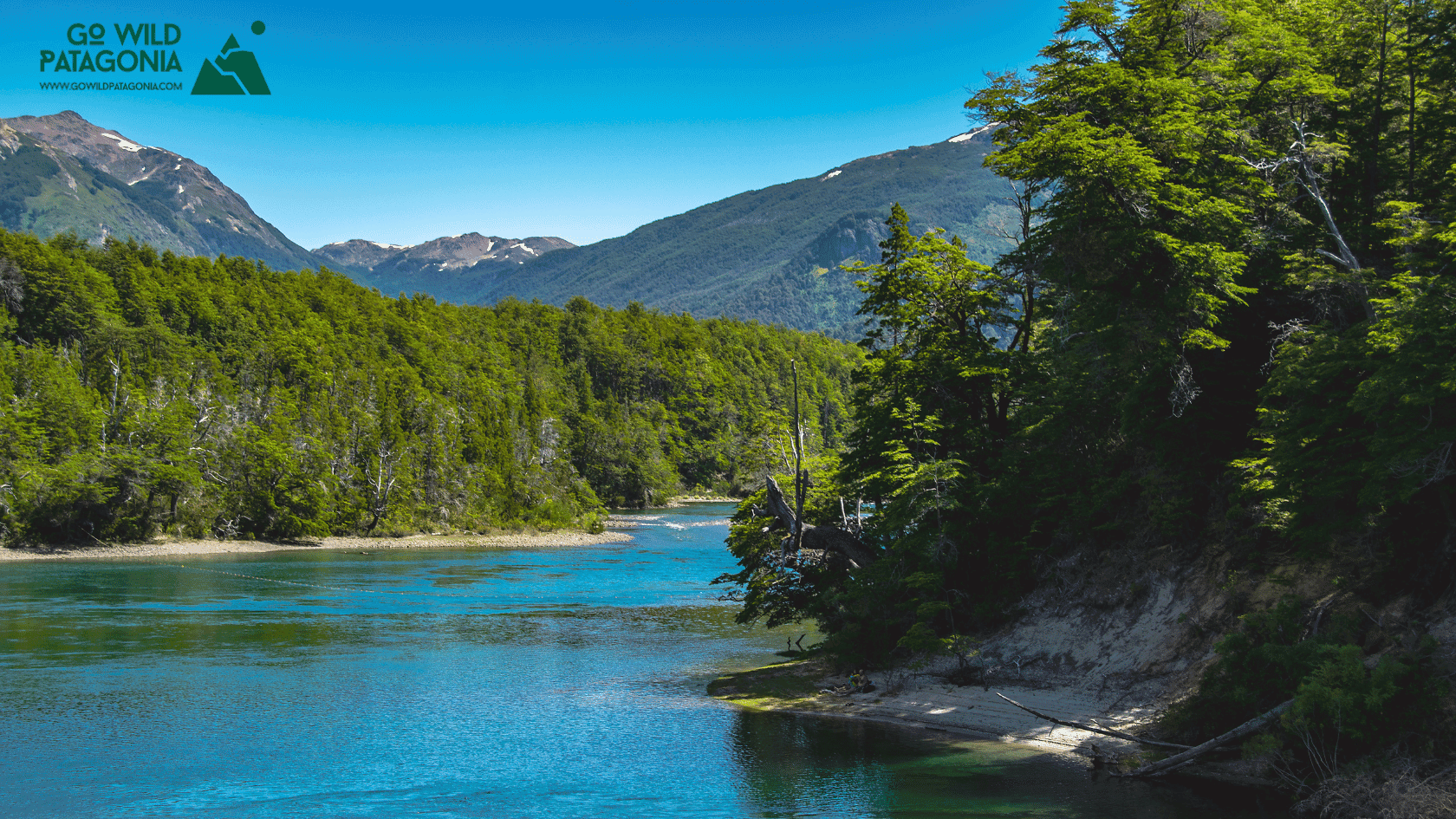
Chubut Province, Argentina — Cathedral of Ancient Trees Overview Los Alerces National Park protects 263,000 hectares of pristine Valdivian rainforest in Argentine Patagonia, home to some of the oldest living trees on Earth. The park's namesake—the alerce tree (Fitzroya cupressoides)—can live over 3,000 years, rivaling California's sequoias and bristlecone pines.
Update on Oct 24, 2025
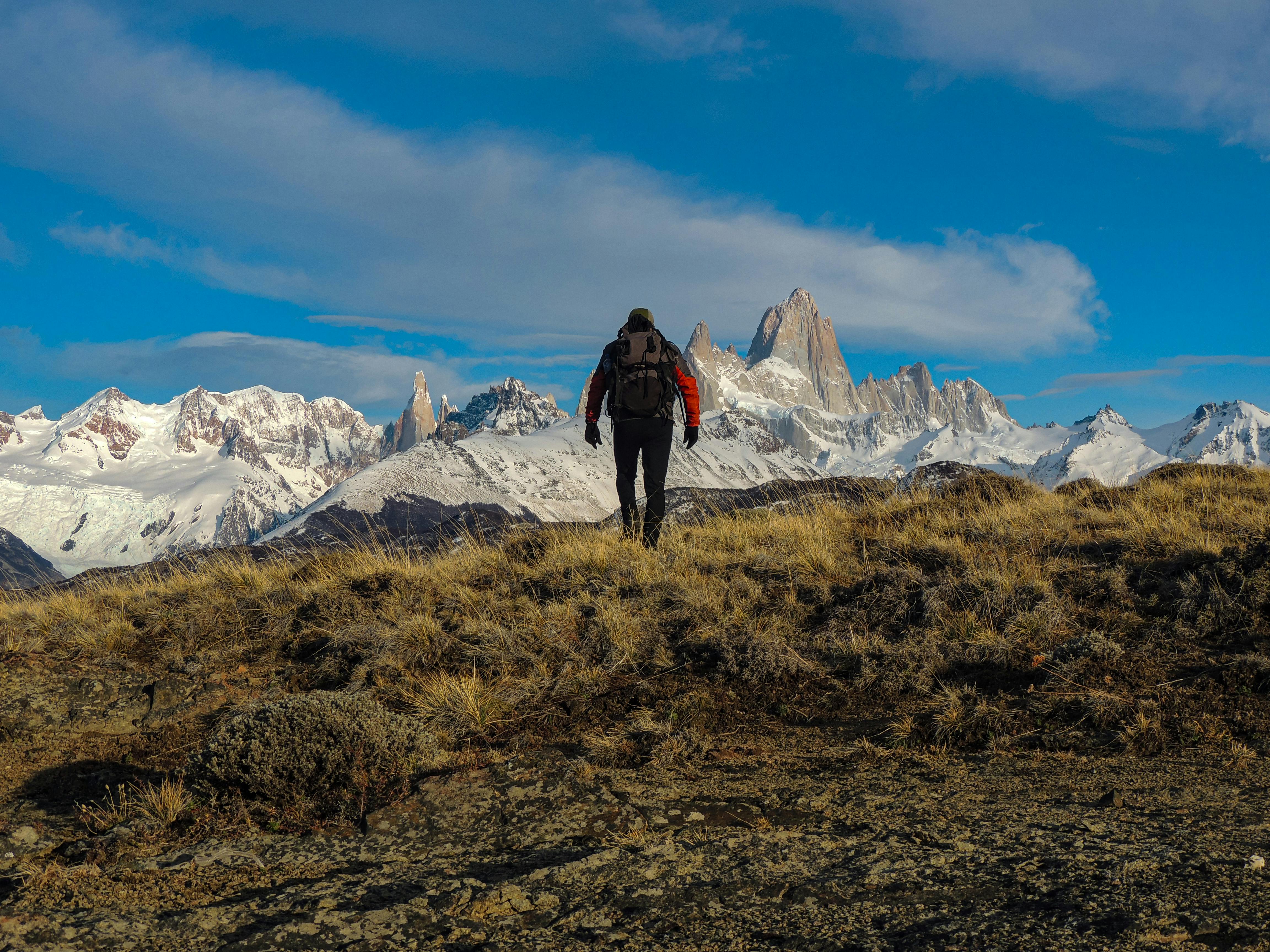
Monte Leon National Park is Argentina's first coastal national park, protecting 40 km of dramatic Atlantic shoreline where the Patagonian steppe meets the sea.
Update on Oct 24, 2025
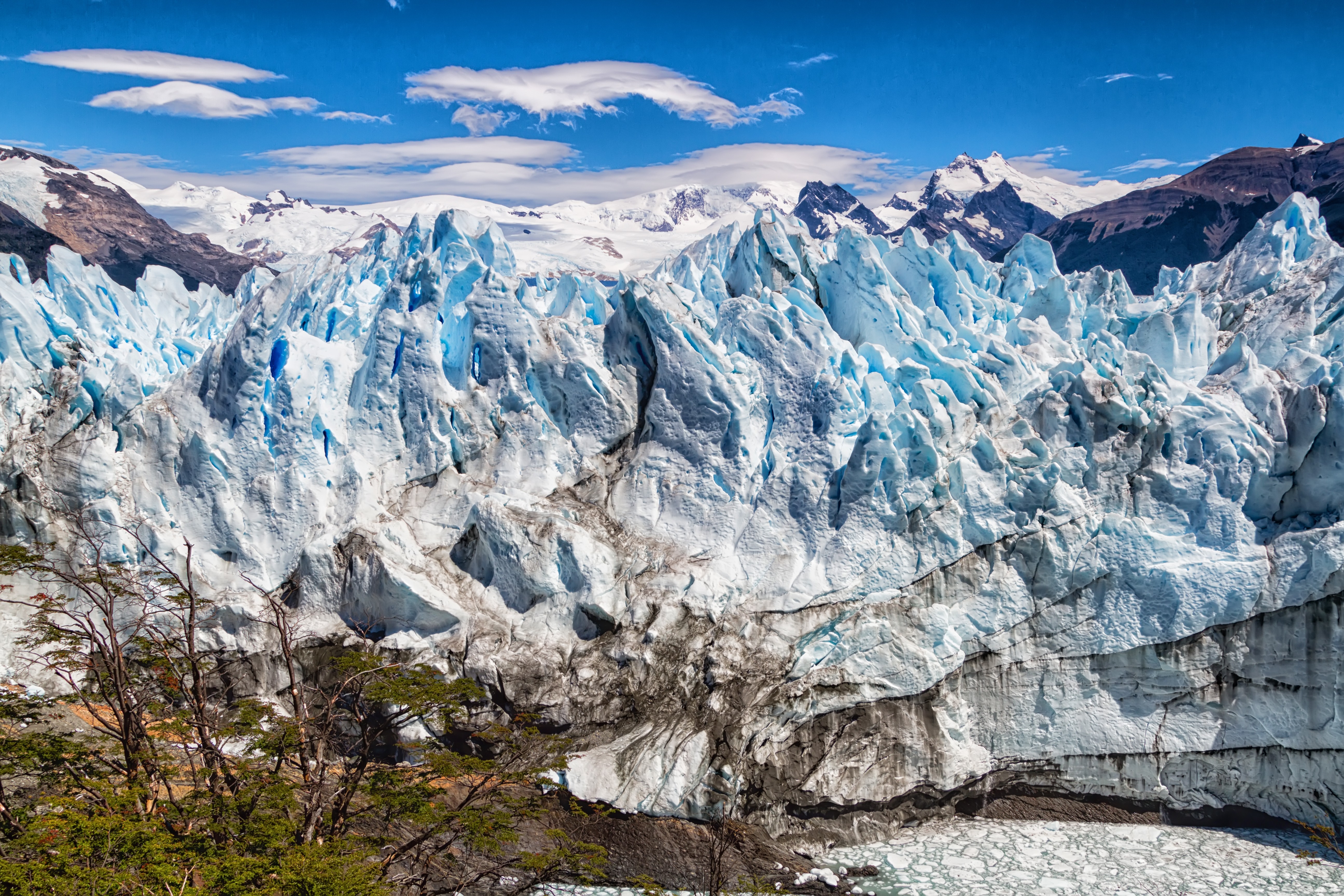
Laguna San Rafael National Park protects 1.7 million hectares of pristine wilderness in Chilean Patagonia, centered on the spectacular San Rafael Glacier—one of the Northern Patagonian Ice Field's most accessible tidewater glaciers.
Update on Oct 24, 2025