
Argentina: Los Alerces National Park
Chubut Province, Argentina — Cathedral of Ancient Trees Overview Los Alerces National Park protects 263,000 hectares of pristine Valdivian rainforest in Argentine Patagonia, home to some of the oldest living trees on Earth. The park's namesake—the alerce tree (Fitzroya cupressoides)—can live over 3,000 years, rivaling California's sequoias and bristlecone pines.
Los Alerces National Park
Chubut Province, Argentina — Cathedral of Ancient Trees
Overview
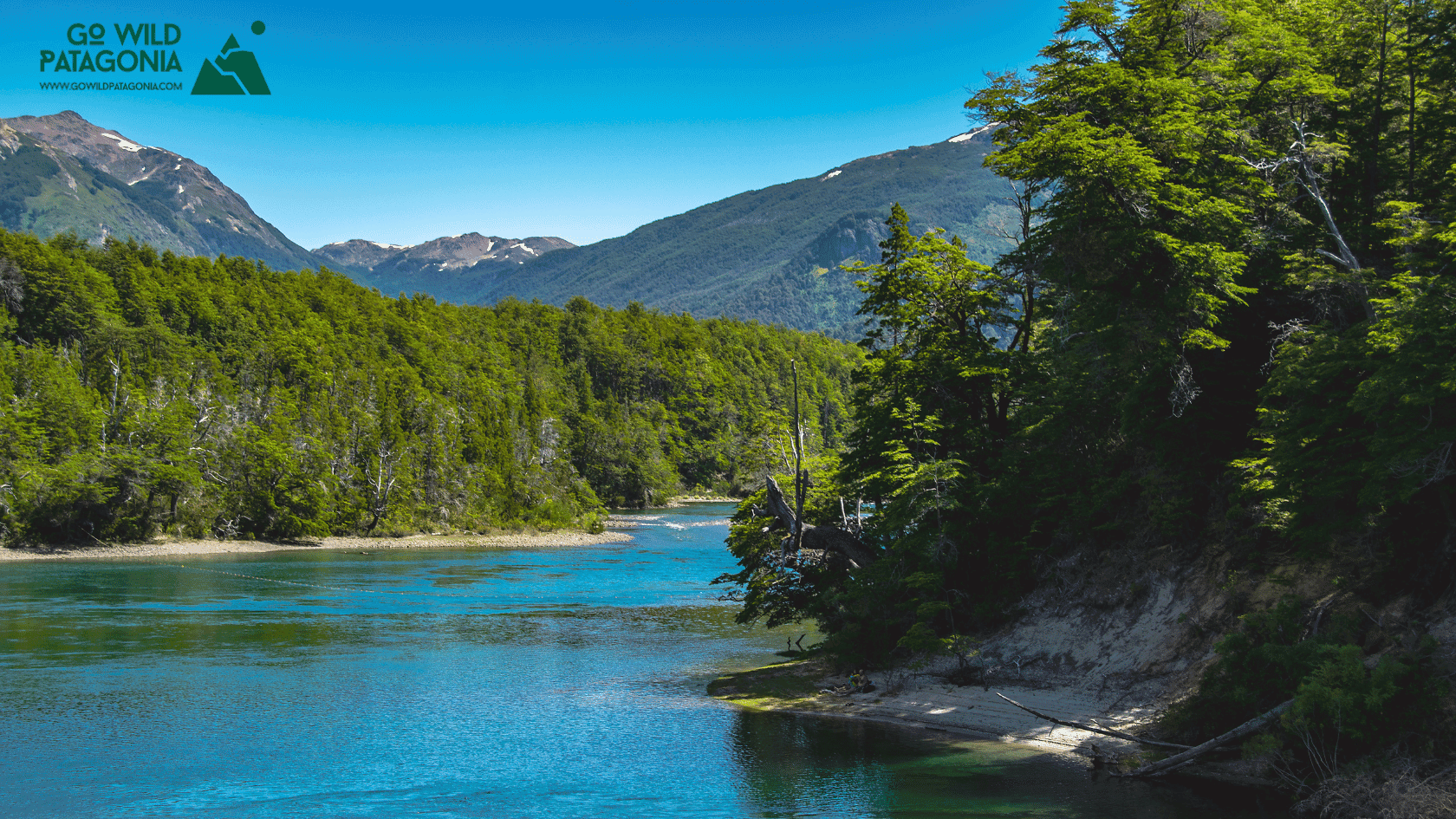
Los Alerces National Park protects 263,000 hectares of pristine Valdivian rainforest in Argentine Patagonia, home to some of the oldest living trees on Earth. The park's namesake—the alerce tree (Fitzroya cupressoides)—can live over 3,000 years, rivaling California's sequoias and bristlecone pines. Created in 1937 specifically to protect these ancient giants, Los Alerces remains remarkably unspoiled compared to more famous Patagonian parks. The landscape features interconnected turquoise lakes fed by hanging glaciers, thundering waterfalls, snow-capped peaks, and old-growth forests where tree trunks 4 meters in diameter tower overhead. While less visited than Torres del Paine or El Chaltén, Los Alerces offers more intimate wilderness encounters: you'll likely have trails to yourself, paddle pristine waters without crowds, and camp beneath stars unobscured by light pollution.
Why Visit
Stand among 3,000-year-old giants — The Alerzal trail leads to El Abuelo (The Grandfather), a 2,600-year-old alerce measuring 2.2 meters in diameter and 57 meters tall. When this tree sprouted, Ancient Rome was just a village.
Navigate crystalline lake systems — Lakes Futalaufquen, Verde, and Menéndez form an interconnected water highway. Their impossible turquoise color—caused by glacial flour suspended in the water—rivals anything in Torres del Paine.
Hike without crowds — Even in peak season, you'll encounter fewer hikers in a week than you'd see in an hour on the W Trek. Most trails see only a handful of visitors daily.
Access remote wilderness — The northern section requires boat access only. No roads penetrate the backcountry, preserving true wilderness character rare in accessible Patagonia.
Fish for legendary trout — Fly fishers consider Los Alerces among South America's premier destinations. Brown and rainbow trout average 3-5 kg; 10+ kg catches not uncommon.
Experience four seasons in one park — Micro-climates create dramatic variety: dense rainforest in valleys, alpine tundra on peaks, arid steppe on the eastern edge, and Patagonian ice fields to the west.
Getting There
By Air: Fly to Esquel (ESQ) from Buenos Aires (2.5 hrs). Small regional airport with limited flights. LADE (military airline) and occasional commercial flights. Alternatively, fly to Bariloche (BRC), more frequent connections, then bus 4 hours south.
By Bus: From Bariloche: 4 hours south on Route 40 to Esquel, then 50 km west to park. Daily buses with Via Bariloche, Don Otto, Andesmar. From El Bolsón: 2 hours south. From Esquel to park entrance: Taxis and remises available (~$25 USD). Local buses to Villa Futalaufquen campground area in summer.
By Car: Self-drive offers maximum flexibility. From Bariloche: Route 40 south through Villa La Angostura, El Bolsón, Epuyén, to Esquel (252 km, 4 hrs paved). From Esquel: Route 71 west 50 km to park entrance and Villa Futalaufquen (1 hr, paved). Inside park: Gravel roads in good condition but narrow; drive carefully.
Important: Park entrance fee ~$10 USD foreigners, paid at entrance station. No advance reservation needed (unlike Torres del Paine). Gas in Esquel only—no services inside park.
Top Experiences
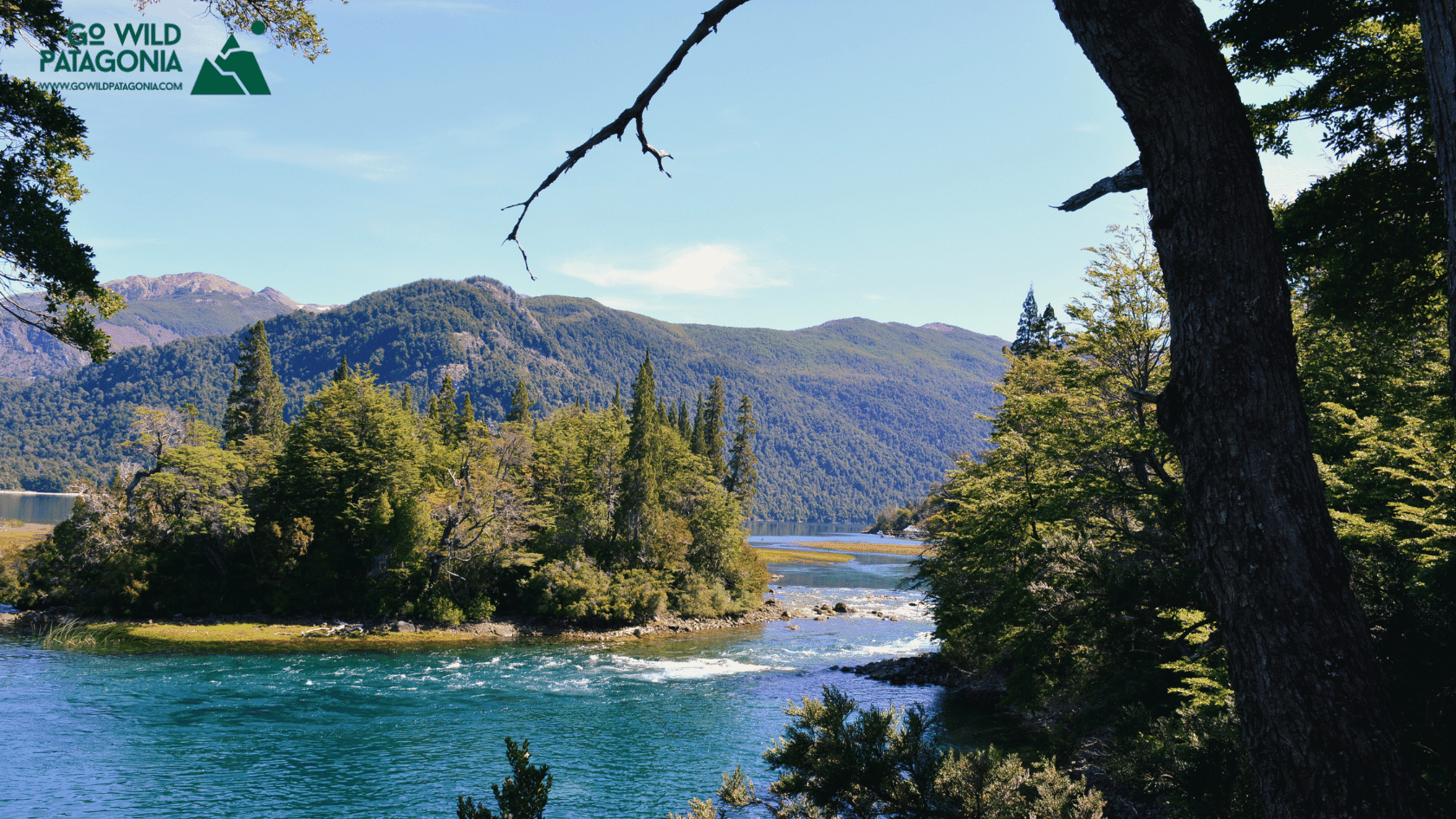
Boat Excursion to Alerzal — The park's signature experience: board the historic "Alerzal" boat at Puerto Limonao for a journey across Lago Menéndez (1.5 hrs). Disembark at northern shore and walk 1 km through virgin forest to El Abuelo, the ancient 2,600-year-old alerce. The entire excursion takes 6-7 hours including boat ride, forest walk, and interpretation. Boats depart morning and early afternoon daily in summer (December-March). Cost: ~$50 USD. Book at park office or Hotel Futalaufquen. This is the ONLY way to see the ancient alerces—highly recommended. Boats limited to 75 passengers; arrive early or book ahead.
Cerro Alto el Dedal Summit — The park's best panoramic hike: 14 km round trip, 1,100m elevation gain, 6-8 hours. Trail climbs steadily through forest, transitions to alpine meadows with wildflowers (December-January), then switchbacks to rocky summit at 2,100m. From top: 360° views spanning Lago Futalaufquen, Cordón Situación peaks, Tronador volcano (80 km north), and Chilean border mountains. Clear days reveal Andean ice fields. Moderate-challenging; good fitness required. Start early for best weather. Trailhead near Villa Futalaufquen campground.
Puerto Limonao to Lago Krüger Trek — Multi-day wilderness backpack: 28 km one-way, 2-3 days. Begins with boat across Lago Menéndez to Puerto Chucao (arrange return pickup), then hikes north through pristine forest alongside Río Arrayanes to Lago Krüger. Camp at free backcountry sites (must register with rangers). Trail maintained but remote—navigation skills essential. See old-growth forest, waterfalls, and complete solitude. Return same route or arrange boat pickup from Lago Krüger (expensive but possible). For experienced backpackers only.
Cascada Irigoyen — Family-friendly waterfall hike: 3 km round trip, 1.5 hours, easy. Flat trail follows Río Arrayanes through humid forest thick with ferns, bamboo (colihue), and mossy trees. Waterfall drops 20 meters into a rocky amphitheater. Great introduction to Valdivian forest ecology. Interpretive signs explain forest layers. Trailhead at north end of Lago Verde, accessible by car. Can combine with Puerto Mermoud picnic area.
Kayaking Lago Futalaufquen — Paddle the park's largest lake: 50+ km of shoreline, dozens of secluded beaches, forested peninsulas. Rent kayaks at Villa Futalaufquen campground (~$15/hour, $40/day). Popular routes: North along west shore to Lago Verde (4 hrs round trip); South to Río Arrayanes outlet (2 hrs); Peninsula exploration with camping on beaches (multi-day). Water calm in morning, wind picks up afternoon. Bring layers—temperature drops fast. No experience needed for near-shore paddling, but winds can be powerful. Multi-day expeditions require advance planning.
Fly Fishing — World-class trout fishing: Río Arrayanes, Río Frey, Lago Verde, and numerous streams. Brown trout, rainbow trout, some landlocked salmon. Season: November-April (best February-March). Wading and float-tubing most common. Catch-and-release mandatory in many areas. Fishing license required ($20/day foreign visitors, purchased at park entrance or Esquel tackle shops). Guides available in Esquel for float trips ($250-300/day). Río Arrayanes famous for large browns in deep pools.
Sendero Pinturas Rupestres (Rock Art Trail) — Short cultural hike: 1.5 km round trip, 1 hour, easy. Visits ancient Tehuelche rock paintings on cliff face overlooking Lago Futalaufquen. Handprints and geometric designs estimated 2,000-3,000 years old. Interpretive panels explain indigenous history. Access via dirt road 3 km from Villa Futalaufquen. Bring binoculars—paintings on high cliff face. Combine with beach picnic at nearby Puerto Mermoud.
Lago Verde Circuit — Moderate day hike: 12 km, 4-5 hours, circuit around stunning emerald lake. Trail hugs shoreline through forest, crosses suspension bridge over Río Arrayanes, climbs to viewpoints with lake-mountain panoramas. Multiple beach access points for swimming (brave souls only—water 10-15°C!). Starts at north campground area. Can shorten by hiking one direction and returning by trail or road.
Wildlife Watching — Los Alerces harbors diverse fauna: Andean deer (huemul—endangered, very rare sightings), pudú (miniature deer, occasionally seen at dawn/dusk), river otters, red fox, Geoffroy's cat, torrent ducks in rapids, black-chested buzzard eagles, Magellanic woodpeckers (huge, spectacular), and numerous songbirds. Best viewing: dawn/dusk on quiet trails. Bring binoculars. Rangers offer occasional interpretive walks (ask at visitor center).
Winter Sports (June-September) — Cross-country skiing and snowshoeing on groomed trails around Villa Futalaufquen. Ski rentals in Esquel. La Hoya ski area 20 minutes from Esquel offers downhill skiing (small but fun resort with powder snow and tree skiing). Ice fishing on frozen lakes (locals only—know ice safety). Winter transforms park: deep snow, frozen waterfalls, aurora australis visible on clearest nights.
Where to Stay
Esquel:
Budget: Hostel Planeta Patagonia, Casa del Pueblo Hostel (climbing-themed)
Mid-Range: Hotel Angelina, Hostería Canela, La Chacra Hostel & Cañadón
Upscale: La Posada Casona de Odile, Cumbres Blancas Hotel
Inside Park (Villa Futalaufquen Area):
Camping: Multiple campgrounds with facilities. Camping Lago Verde: beautiful site on lake shore, hot showers, organized sites (~$10/person). Camping Bahía Rosales: more rustic, cheaper. Free backcountry camping at Lago Krüger (registration required). All campgrounds first-come, first-served except peak weeks (Jan).
Cabins: Hostería Futalaufquen: simple lodge with restaurant, private rooms ($80-120/night). Cabañas Tejas Negras: self-catering cabins with kitchens ($100-150/cabin). Book ahead for January.
Estancia Stay: Estancia Los Ñires (outside park, 30 km): working ranch with comfortable rooms, horseback riding, fishing, meals (~$150-200/night with meals).
Puerto Patriada (North End, Boat Access Only):
Rustic refugio with bunks and meals for backpackers on Lago Krüger trek. Advance arrangement required.
Best Time to Visit
December-February (Summer): Warmest weather (15-25°C days, 5-10°C nights), longest daylight (6 AM-10 PM), all facilities open, wildflowers peak late December-January. Boat excursions run daily. Best for kayaking, camping, long hikes. Potential negatives: afternoon winds strong on lakes, some crowds at main campground (still nothing like Torres del Paine), higher campground prices. Book boat tour ahead for January.
March-April (Autumn): Shoulder season magic: Fewer visitors, fall colors spectacular (lenga forests turn gold-orange), calmer winds, comfortable hiking temps (10-18°C). Boat excursions continue through Easter usually. Excellent fishing. Some facilities close late April. March is arguably the best month—perfect weather, colors, solitude. Book nothing in advance except Easter week.
May-September (Winter): Park stays open but boat tours stop, most campgrounds close. Villa Futalaufquen area remains accessible. Deep snow transforms landscape. Cross-country skiing, snowshoeing, winter camping for experienced. Extremely cold (-5 to 5°C days). Esquel's La Hoya ski resort operates June-September. For winter sports enthusiasts or those seeking complete solitude.
October-November (Spring): Weather unpredictable—spring storms alternating with beautiful days. Wildflowers begin late October. Snow lingers on high trails. Boat tours start mid-November weather-dependent. Excellent time for solitude and shoulder-season prices. Fishing season opens November 1st. Bring layers for variable conditions.
3-Day Itinerary
Day 1: Arrival & Forest Immersion
Morning: Arrive Esquel, buy supplies, collect fishing license if needed
Drive to Villa Futalaufquen (1 hr)
Check into campground or cabin
Afternoon: Cascada Irigoyen hike (1.5 hrs)
Evening: Explore Puerto Mermoud beach, sunset views
Dinner: Cook at camp or eat at Hostería Futalaufquen
Day 2: Boat to Ancient Alerces
Early booking for boat excursion to Alerzal (6-7 hrs total)
Cross Lago Menéndez on historic boat
Walk through virgin forest to El Abuelo (2,600 years old)
Learn about alerce ecology and conservation
Return by afternoon
Evening: Relax at lake shore, share experiences with fellow travelers
Day 3: Summit Views & Departure
Early start: Cerro Alto el Dedal summit hike (6-8 hrs)
Panoramic views from 2,100m
Afternoon: Pack up, drive back to Esquel
Late afternoon: Visit Esquel's Museo Leleque (Welsh-Patagonian history) or Old Patagonian Express station
Evening: Depart or overnight in Esquel
5-Day Itinerary
Day 1: Esquel & Park Entry
Arrive Esquel morning
Visit downtown: bakeries, gear shops, Welsh tea houses
Afternoon: Drive to park, set up camp at Lago Verde
Short evening hike: Pinturas Rupestres (rock art)
Sunset from beach
Day 2: Water Adventures
Morning: Rent kayak, paddle Lago Futalaufquen
Explore hidden coves and beaches
Picnic lunch on secluded shore
Afternoon: Continue paddling or relax
Evening: Wildlife watching at dusk (look for pudú deer)
Day 3: Alerce Forest
Boat excursion to Alerzal (book 7 AM or 1 PM departure)
Experience ancient trees
Photography in virgin forest
Return late afternoon
Evening: Campfire, star gazing (dark sky park quality)
Day 4: Mountain Summit
Early: Cerro Alto el Dedal summit (6-8 hrs)
Pack lunch for summit
360° views spanning park
Descend by afternoon
Evening: Rest legs, hot shower, good meal
Day 5: Choice Day & Departure
Morning options:
Fly fishing on Río Arrayanes
Lago Verde circuit hike
Kayaking to different lake section
Relaxation/wildlife observation
Afternoon: Pack, drive to Esquel
Evening: Depart or spend night (El Bolsón tomorrow?)
7-Day Itinerary (Extended Wilderness)
Day 1: Acclimatization
Arrive Esquel, shop for week's supplies
Drive to park, establish base camp
Short orientation hike: Cascada Irigoyen
Meet rangers, get trail maps and backcountry intel
Gear check for multi-day trek
Day 2: Lake Paddling
Full day kayaking Lago Futalaufquen
Paddle to Río Arrayanes delta
Beach exploration
Practice paddling skills for longer trip
Camp same location
Day 3: Ancient Forest
Boat excursion to Alerzal
Alerce interpretation
Photography workshop
Return for dinner
Prepare backpacks for trek
Day 4-5: Lago Krüger Backpack (Part 1)
Boat to Puerto Chucao (arrange return)
Begin 28 km trek to Lago Krüger
Hike through pristine wilderness
Camp at halfway point along Río Arrayanes
Day 2: Continue to Lago Krüger
Establish camp at lake
Fish, explore, solitude
Day 6: Return Trek
Break camp Lago Krüger
Return hike (can do in one long day or camp again)
Boat pickup at Puerto Chucao (pre-arranged)
Return to Villa Futalaufquen
Celebrate with hot shower and restaurant meal
Day 7: Summit & Farewell
Early: Cerro Alto el Dedal if energy remains
OR: Relaxed morning, Lago Verde walk
Afternoon: Depart for Esquel or continue Carretera Austral/Bariloche
Alternative Day 4-6 (Non-Backpackers):
Day 4: Full day fly fishing with guide
Day 5: Horseback riding at nearby estancia
Day 6: Scenic drives to Chilean border viewpoints, short hikes
Adventure Activities
Multi-Day Backpacking
Extended wilderness treks:
Lago Krüger Circuit: 28 km one-way, 2-3 days, see "Top Experiences." Requires boat access (arrange at park office). Backcountry camping registration mandatory. Carry bear-safe food storage. Navigation skills essential—trail marked but remote.
Northern Wilderness Traverse: Expert only—traverse from Lago Krüger north to Lago Menéndez headwaters, exit via west valleys. 5-7 days, off-trail sections, river crossings, advanced skills required. Arrange logistics with rangers.
Cordón Situación Exploration: Climb peaks west of Lago Verde. Multi-day alpine camping. Mountaineering skills, glacier travel experience required. No established routes—true exploration.
Rock Climbing
Granite walls and volcanic rock:
Cerro Situación faces: Multi-pitch traditional climbing on park's tallest peak (2,244m). Approach hike 4-5 hours. Routes 5.8-5.12. Summer only (Dec-Feb).
Río Arrayanes bouldering: Scattered boulders near river. Sport routes on developed cliff near Puerto Mermoud (bolted, 5.7-5.11).
Bring all equipment—no rentals in park. Esquel has limited climbing gear shops. Guides: Esquel Aventura offers climbing days.
Ice Climbing
Winter specialists:
Frozen waterfalls on north-facing valleys (June-August)
Cascada Irigoyen freezes solid some winters
Requires full ice climbing setup, experience
No guided services—DIY only
Check ice conditions with rangers
Packrafting
Inflatable boat adventures:
Río Arrayanes descent: Put in at Lago Verde outlet, paddle/float 15 km to Lago Futalaufquen. Class I-II whitewater, some portages. Full day. Bring own packraft (no rentals).
Lake crossings: Access remote shoreline areas by packrafting to trailheads. Camp on beaches unreachable by land.
Río Frey sections (advanced): Technical whitewater for expert packrafters
Mountain Biking
Pedal forest and mountain roads:
Lake circuit road: 45 km loop on gravel roads connecting Lago Futalaufquen, Lago Verde, and park roads. Moderate climbing, scenic. Full day. Bring own bike (no park rentals; Esquel has bike shops).
Sendero del Bosque: Singletrack trail sections allow bikes. 8 km through forest. Check ranger station for current bike-legal trails.
Esquel to Park: Epic 50 km ride on Route 71. Paved. Challenging elevation gain entering park.
Horseback Riding
Explore like gauchos:
Estancias near park offer half-day and full-day rides
Estancia Los Ñires: Ride to mountain viewpoints, border fenceline
Multi-day pack trips available (advance booking)
No riding inside park (trails foot-traffic only)
Season: November-April
Fly Fishing — Deep Dive
Premium angling experience:
Techniques: Dry fly, nymphing, streamers. Río Arrayanes pools excellent for dry fly (caddis, mayfly hatches Dec-Feb). Lago Verde trolling for larger fish.
Species: Brown trout (most common, 3-8 kg average, 10+ possible), rainbow trout (2-5 kg), some landlocked salmon in Lago Futalaufquen.
Guides: Esquel outfitters offer full-day float trips (~$300 USD includes equipment, lunch, transport). Solo anglers: Walk-and-wade access throughout park (no boat needed).
Regulations: Single barbless hooks, catch-and-release some areas, size limits. Study regs at ranger station.
Best spots: Río Arrayanes lower pools, Río Frey confluence, Lago Verde outlet, Lago Futalaufquen deep troll.
Season timing: November—runoff high, fishing tough. December-January—peak hatches, best dry fly. February-March—lower water, larger fish concentrated, easiest wading. April—pre-spawn browns aggressive.
Photography Workshops
Capture ancient forests:
Multi-day workshops with pro photographers (occasionally offered)
Focus on forest macro, landscape composition, wildlife
Boat tour with specialized photography guidance
Best light: Dawn/dusk, overcast for forest details
Bring: Wide angle for forest, telephoto for wildlife/mountains, tripod essential for low-light forest
Winter Camping & Ski Touring
Cold-weather adventures:
Cross-country ski or snowshoe to backcountry camp
Winter camping in deep snow (expert cold-weather skills only)
Access Villa Futalaufquen area by car in winter
La Hoya ski resort 20 min from Esquel—sidecountry access to park boundary
Avalanche awareness essential for any winter backcountry
Where to Go Next
1. Esquel & La Trochita Railway
Distance: 50 km to Esquel (1 hour east)
Transport Options:
Car: Own vehicle allows flexibility. Easy 1-hour drive on Route 71 (paved).
Taxi/Remise: Available from Villa Futalaufquen to Esquel (~$25 USD).
Local Bus: Summer months only, limited schedule. Check at park entrance.
Why Go: Esquel serves as park gateway but merits exploration itself. Town of 30,000 retains frontier character with Welsh-Patagonian heritage (descendants of 1865 Welsh colonists). Main attraction: La Trochita (Old Patagonian Express), historic narrow-gauge steam railway immortalized by Paul Theroux. Train operates year-round with Saturday excursions (Dec-Easter more frequent). Journey travels 18 km through steppe to Nahuel Pan, indigenous Mapuche community. Steam engines from 1920s-40s, original wooden carriages, slow scenic travel—pure nostalgia. Town also features Welsh tea houses (Casa de Té Nain), ski area (La Hoya—excellent powder, tree skiing, small but fun), regional museums, and craft breweries. Stock up on supplies, arrange fishing guides, or simply enjoy civilization comforts before next adventure.
Suggested Duration: 1-2 days. Day trip for La Trochita, or overnight to explore tea houses, museums, and restaurants.
2. El Bolsón — Hippie Mountain Town
Distance: 130 km north to El Bolsón (2 hours)
Transport Options:
Bus: Via Bariloche/Don Otto daily service. Esquel to El Bolsón: ~$15 USD, 2 hours. Route 40 through scenic valleys.
Car: Self-drive on Route 40. Paved, excellent condition. Stop at viewpoints over Epuyén valley.
Hitchhiking: Common on Route 40, especially summer (if adventurous and Spanish-speaking).
Why Go: El Bolsón occupies a microclimate valley—the "Garden of Patagonia"—growing hops, berries, cherries in region otherwise too harsh for agriculture. Town established as hippie commune in 1970s; counter-culture vibe persists with artisan fairs (Tuesday, Thursday, Saturday, Sunday), craft beer explosion (10+ breweries), organic farms, and yoga studios. Excellent hiking from town: Cabeza del Indio rock formation, Cajón del Azul's turquoise river canyon, Refugio Hielo Azul alpine hut. Famous Feria Artesanal: huge craft fair with leather goods, woodwork, jams, artisan ice cream. Base for mountain adventures: climbing Cerro Piltriquitrón (2,284m), multi-day treks to high refugios. Relaxed alternative to touristy Bariloche with authentic local culture. Craft beer tourism: Sample IPAs at Cervecería El Bolsón, Otto Tipp, Berlina.
Suggested Duration: 2-4 days. Two days covers town and day hikes; extend for multi-day treks or brewery hopping.
3. Bariloche & Nahuel Huapi — Lakes District Capital
Distance: 250 km north to Bariloche (4 hours)
Transport Options:
Bus: Multiple daily departures Esquel to Bariloche. Companies: Via Bariloche, Don Otto, Andesmar. ~$20-25 USD, 4 hours on Route 40 (paved). Book day-of or 1 day ahead.
Car: Beautiful drive north on Route 40 through El Bolsón. Stop at Cholila (Butch Cassidy's cabin—he hid here 1901-1905), roadside breweries, viewpoints.
Flight: Weekly flights Esquel to Bariloche (30 min) if available—check LADE. Expensive but timesaver.
Why Go: Bariloche is Patagonia's largest city and tourism hub, polar opposite to Los Alerces' solitude. Nahuel Huapi National Park surrounds town: Argentina's oldest park (1934), offering endless adventures. Hike Refugio Frey (stunning alpine lake), climb Cerro Catedral (ski resort, summer gondola), kayak to Isla Victoria, bike Circuito Chico (short road circuit with chocolate shops and viewpoints). Town itself: world-class chocolate shops lining main street (Fenoglio, Rapa Nui, Mamuschka—Swiss-style), sophisticated restaurants, nightlife, casino. Architecture Alpine-influenced, feels like Swiss mountain resort transplanted to Patagonia. Base for adventures: rafting Río Manso, paragliding over lakes, Cerro Tronador glacier trek. Good for resupply, gear replacement, comfort before continuing adventure. Also transportation hub: buses/flights to Chile, Buenos Aires, El Calafate.
Suggested Duration: 3-5 days. Town and Circuito Chico: 1-2 days. Hiking and lake adventures: 2-3 days. Can easily spend a week.
4. Futaleufú, Chile — Whitewater Mecca
Distance: 150 km west to Futaleufú (3-4 hours via border crossing)
Transport Options:
Bus: No direct bus. Take bus Esquel → Trevelin (30 min), then taxi to border (25 km), walk across, catch Chilean transport (infrequent). Complicated.
Private Transfer: Arrange through Futaleufú outfitters. They shuttle clients from Esquel regularly (~$50-80 per person). Email ahead to reserve seat.
Rental Car: If allowed border crossing, drive via Trevelin to Paso Futaléufú border (mostly paved). Car rental one-way expensive, but doable if continuing north on Carretera Austral.
Tour Package: Rafting outfitters include transport in multi-day packages.
Why Go: Pivot from peaceful forests to adrenaline heaven. Futaleufú River: one of world's best whitewater rivers (consistent Class IV-V, turquoise water, stunning canyon). Even non-rafters enjoy the area: kayaking placid sections, horseback riding, fly fishing (world-class), hiking to waterfalls and viewpoints, mountain biking. Tiny town (1,000 people) geared toward adventure tourism. December-March peak season for rafting. Options range from full-day rafting ($150) to week-long packages with camping/lodging ($2,000-3,000). Access Patagonia Park (north)—vast rewilding project with hiking and wildlife. Futaleufú perfectly complements Los Alerces: swap tranquil forest for whitewater excitement.
Suggested Duration: 3-7 days. Multi-day rafting trips popular; or base yourself for various adventures.
Planning Your Route:
Northern Arc: Los Alerces → El Bolsón (2 days) → Bariloche (3-5 days) → continue north toward Lake District or return Buenos Aires
Southern Connection: Los Alerces → Esquel (overnight) → Route 40 south to Perito Moreno town → continue to El Chaltén/El Calafate (long drive, 2-3 days; or fly from Esquel)
Chile Crossing: Los Alerces → Futaleufú (3-5 days rafting) → Carretera Austral north to Coyhaique, Lago General Carrera, etc.
Loop Option: Los Alerces → El Bolsón → Bariloche → Andean Lakes Crossing to Chile (Puerto Varas) → return south via Carretera Austral and Futaleufú
Timing Tips:
Los Alerces ideal March-April for fall colors and solitude
Combine with El Bolsón craft fair (best Thursday-Sunday)
Bariloche very crowded Jan-Feb; March-April or Nov-Dec better
Futaleufú rafting prime Dec-Feb (highest water)
Route 40 passable year-round but Paso Futaléufú border closes in heavy snow (May-Oct sporadic)
Budget 5-7 days minimum for Los Alerces to experience fully
Excellent standalone destination or part of longer Patagonia journey
About Me
Veb
Hey there! I’m Veb and I've traveled solo and in groups for 10+ years in Patagonia - across Chile and Argentina.
I started Go Wild Patagonia with a desire to help other travelers plan their journeys in Patagonia with a focus on adventure, nature and being in the wilderness.
Say Thanks
Support my mission to make Patagonia more accessible for travelers while supporting local tour operators who organize only sustainable travels in Patagonia.
Read More
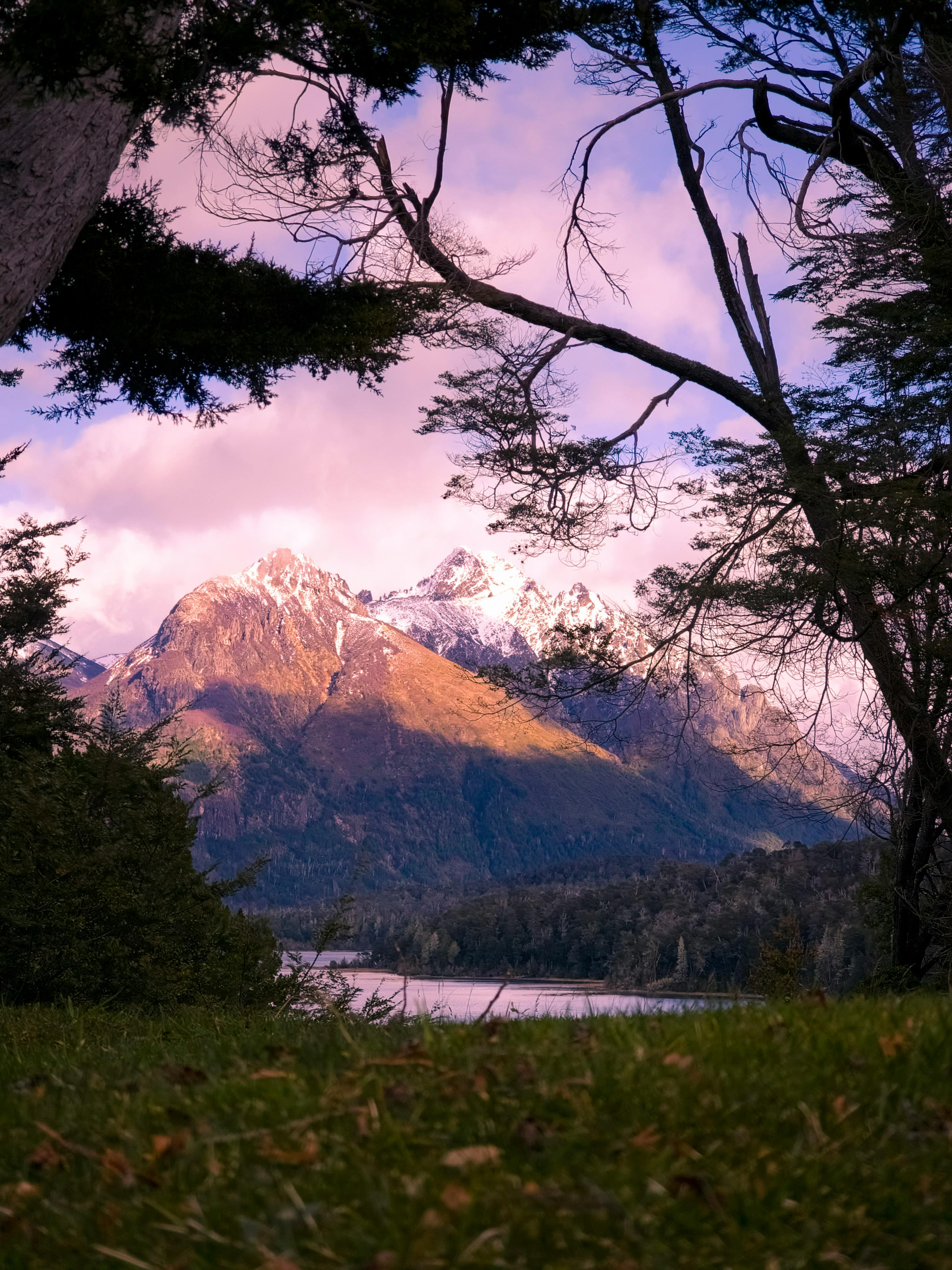
El Bolsón offers world-class hiking: Refugio Hielo Azul and Refugio Cajón del Azul sit in alpine cirques accessible via multi-day treks, Cerro Piltriquitrón (2,284m) provides panoramic summit views, and Cajón del Azul's turquoise canyon ranks among Patagonia's most photographed day hikes.
Update on Oct 24, 2025
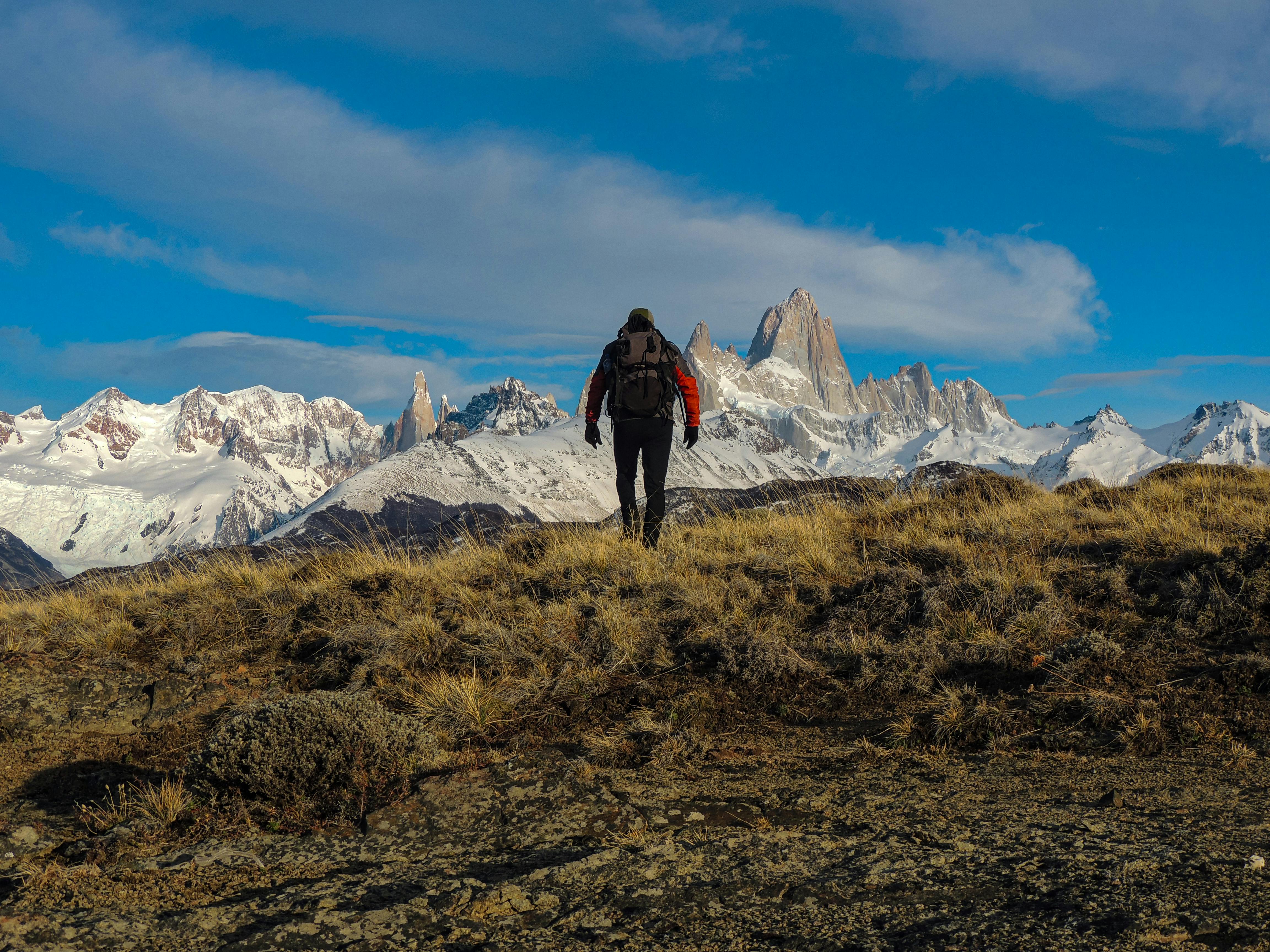
Monte Leon National Park is Argentina's first coastal national park, protecting 40 km of dramatic Atlantic shoreline where the Patagonian steppe meets the sea.
Update on Oct 24, 2025
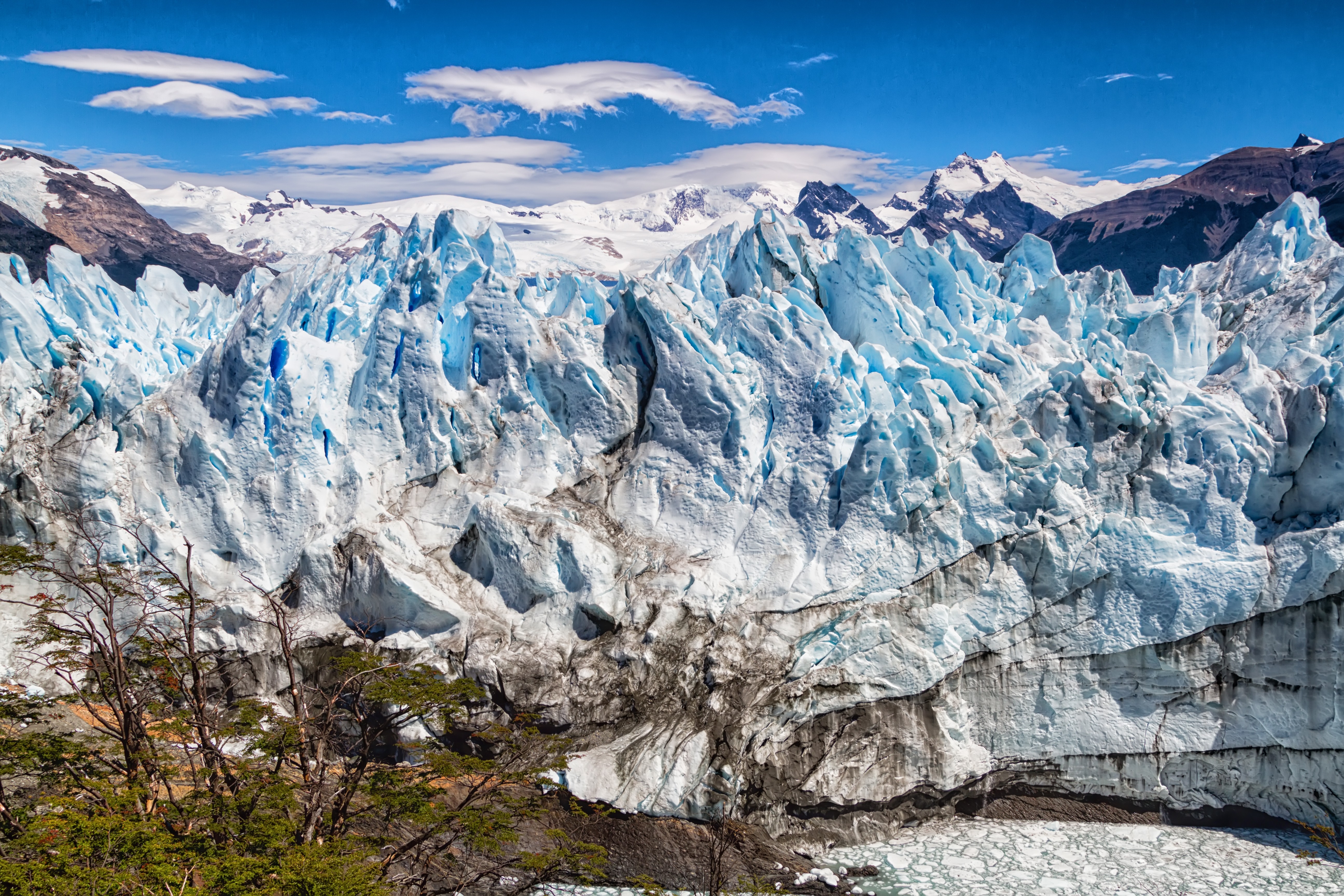
Laguna San Rafael National Park protects 1.7 million hectares of pristine wilderness in Chilean Patagonia, centered on the spectacular San Rafael Glacier—one of the Northern Patagonian Ice Field's most accessible tidewater glaciers.
Update on Oct 24, 2025