
Lago del Desierto - Border Oasis between Chile and Argentina
Lago del Desierto (Desert Lake—ironic name given the surrounding lush forest) is a pristine 15 km-long glacial lake 37 km north of El Chaltén, offering a tranquil counterpoint to that town's trekking intensity. Surrounded by lenga forests, overlooked by Cerro Huemul and Vespignani glaciers, and ending at the Chilean border, this remote valley provides easy hiking, scenic boat rides, wild camping, and the starting point for the adventurous border crossing to Chile's Villa O'Higgins.
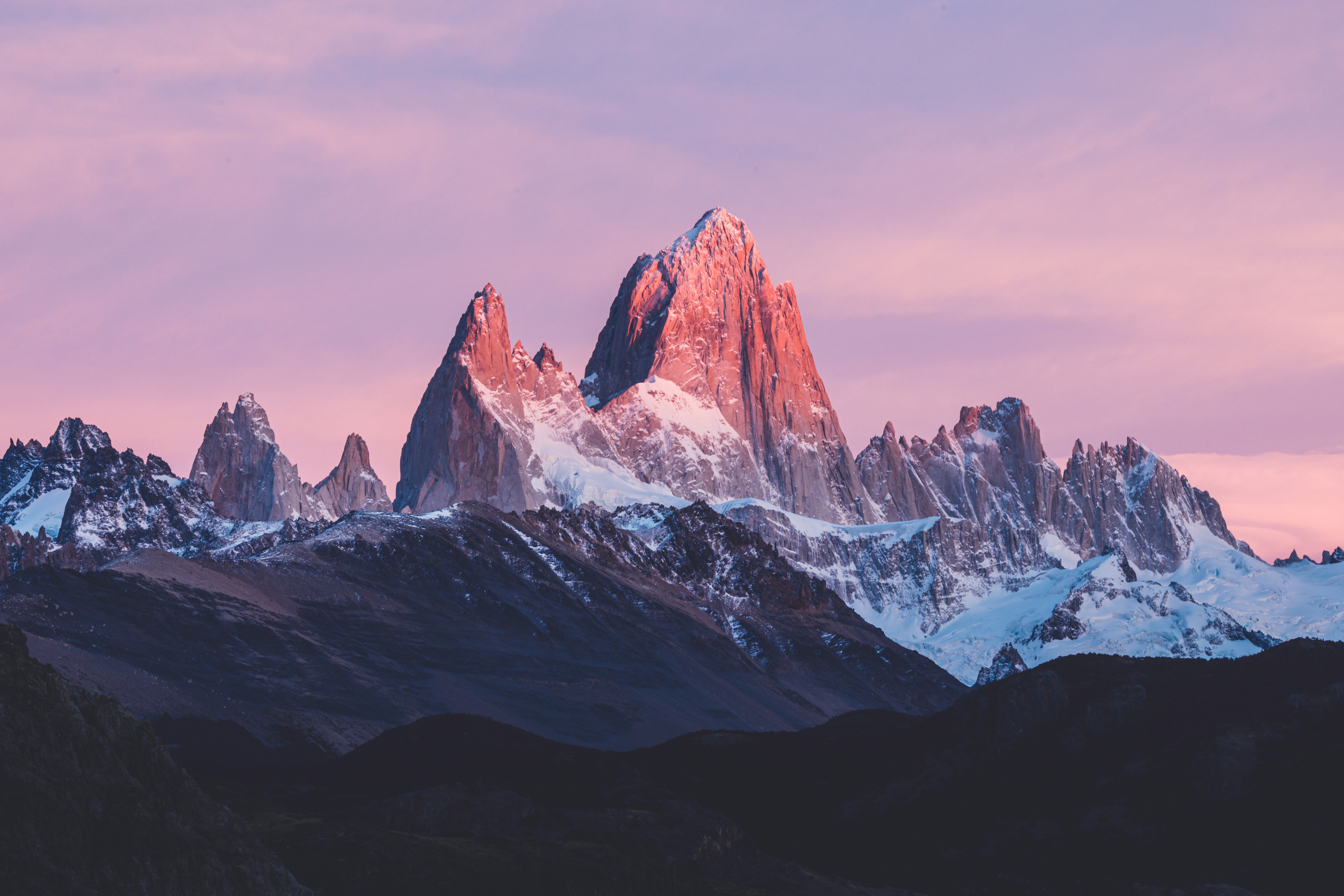
Lago del Desierto
Santa Cruz Province, Argentina — The Peaceful Retreat
Overview
Lago del Desierto (Desert Lake—ironic name given the surrounding lush forest) is a pristine 15 km-long glacial lake 37 km north of El Chaltén, offering a tranquil counterpoint to that town's trekking intensity. Surrounded by lenga forests, overlooked by Cerro Huemul and Vespignani glaciers, and ending at the Chilean border, this remote valley provides easy hiking, scenic boat rides, wild camping, and the starting point for the adventurous border crossing to Chile's Villa O'Higgins. Declared Argentine territory after 1994 border dispute resolution (previously contested with Chile), the lake remains undeveloped: one simple lodge, basic campground, dirt access road, and trails maintained by nature more than rangers. Most El Chaltén visitors skip Lago del Desierto—focused on Fitz Roy and Torre. Those who make the journey discover something rare in popular Patagonia: solitude, gentle trails, and beauty without crowds. It's where trekkers rest between hard-core hikes, photographers find reflections, and adventurers begin the multi-day crossing to Chilean Patagonia.
Why Visit
Escape El Chaltén's crowds — While hundreds hike to Laguna de los Tres daily, Lago del Desierto sees dozens. Peaceful trails, empty campgrounds, quiet waters.
Hike gentle forest trails — Unlike steep Fitz Roy approaches, Lago del Desierto offers easy lakeside walks through old-growth lenga forest. Perfect rest-day activity or family-friendly option.
Boat to the border — Small launches navigate the lake's length (1.5 hrs) to northern shore near Chilean border. Views of Vespignani Glacier, hanging ice, mountain reflections.
Begin Chile border crossing — Starting point for adventurous 2-3 day journey to Villa O'Higgins: boat, hike over pass, boat again. Alternative to flying/busing between countries.
Camp in pristine wilderness — Free wild camping along lake shores, basic campground at south end. Fall asleep to silence, wake to condors—rare commodity near popular El Chaltén.
Photograph mirror reflections — Calm mornings create perfect reflections of mountains/glaciers in glassy water. Classic Patagonian composition without competing photographers.
Getting There
From El Chaltén (37 km north):
By Car: Gravel road (Ruta Provincial 41) from El Chaltén north. First 15 km paved; remainder gravel but decent. 1 hour drive. High clearance helpful but 2WD manageable if dry. Parking: At south shore (Camping Lago del Desierto area). Fuel: Return with what you arrive with—no gas at lake.
By Bus/Shuttle: Summer (Dec-Mar) only. Companies: Chaltén Travel, others. Schedule: Usually 9 AM departure El Chaltén, return 4-5 PM. ~$30-40 USD round trip. Frequency: Daily peak season (Jan-Feb), reduced shoulder. Timing: Allows 4-5 hours at lake—enough for short hike OR boat tour, not both comfortably.
By Tour: Full-day tours from El Chaltén including transport, boat ride, hikes (~$80-120 USD per person). Advantage: All logistics handled. Disadvantage: Group pace, limited flexibility.
By Bike: Adventurous option—37 km from El Chaltén, significant climbing. 3-4 hours pedaling. Dirt road, washboard sections. Bring repair kit. Camp at lake, return next day. For fit cyclists.
Hitchhiking: Limited but possible summer—stand at El Chaltén north exit. Traffic light (maybe 10-20 vehicles daily peak). Can wait hours. Bring tent, food.
Important: No services at lake—no stores, restaurants, gas, medical. Bring everything. Cell service nonexistent. Tell El Chaltén accommodation your plans.
Top Experiences
Boat to Glaciar Vespignani — Classic Lago del Desierto activity. Departure: South shore dock (Camping area). Duration: 3 hours round trip (~1.5 hrs each way). Route: Navigate lake's full length (15 km) to northern shore. Pass hanging glaciers, lenga forest shores, mirror reflections. Destination: Northern end—Vespignani Glacier visible across valley (1 km distant), Argentine-Chilean border nearby. Brief land time (30 min), return. Cost: ~$40-50 USD per person (requires minimum passengers—usually 4-6). Season: December-March. Schedule: Usually 10 AM and 2 PM departures (confirm at dock). Best: Morning—calmest water, best reflections, good light. Photography: Mountains/glaciers reflect perfectly on calm days. Book: Previous evening at camping/lodge, or show up (risky if insufficient passengers).
Sendero Laguna Huemul — Easy lakeside hike. Stats: 7 km one-way (14 km round trip), 3-4 hours total, easy/flat. Trailhead: Camping Lago del Desierto. Route: Follows lake's east shore through lenga forest, occasional lake views, ends at Laguna Huemul (small lake). Scenery: Old-growth forest, mushrooms, ferns, birdsong. Peaceful. Wildlife: Occasional huemul sightings (Andean deer—endangered), woodpeckers, foxes. Best: Morning start, return for afternoon boat OR pack lunch, full day. Crowds: 10-20 people daily (vs. 200+ on Laguna de los Tres trail El Chaltén).
Sendero al Glaciar Huemul — Longer challenge. Stats: 23 km round trip (6-8 hrs), moderate, 600m gain. Destination: Glaciar Huemul viewpoint—close-up glacier views, ice field edge. Trailhead: Continue past Laguna Huemul or separate start (ask locals). Season: January-March only (snow other months). For: Experienced hikers wanting more than easy lakeside walk. Less traveled: Maybe 5-10 people weekly.
Border Crossing to Villa O'Higgins, Chile — Multi-day adventure. Overview: 2-3 days connecting Argentine El Chaltén to Chilean Villa O'Higgins via wilderness pass. Route: (1) Boat Lago del Desierto to northern shore (~1.5 hrs, see above). (2) Hike/horseback to Chilean border (~5-8 hrs depending on option, ~18 km). (3) Cross border into Chile. (4) Hike to Chilean Laguna Redonda and Lago O'Higgins (~6-8 hrs). (5) Boat across Lago O'Higgins to Candelario Mancilla (pre-arranged). (6) Boat or arrange transport to Villa O'Higgins town. Timing: Full Day 1: El Chaltén → Lago del Desierto boat → hike to border refugio (overnight). Day 2: Cross to Chile → descend to Lago O'Higgins → boat/camp. Day 3: Arrive Villa O'Higgins. Requirements: Moderate fitness, navigation skills, proper gear, border crossing logistics. Season: December-March only. Bookings: Coordinate boats both sides in advance. Cost: ~$150-200 USD total (boats ~$40-50 each side, horse optional ~$50, refugio ~$15-20). Reverse: Many do Villa O'Higgins → El Chaltén (slightly easier logistics). Details: See Villa O'Higgins guide for comprehensive border crossing information. For: Adventurous travelers seeking alternative to flying/busing between countries.
Wild Camping — Free camping along lake shores. Sites: Multiple spots along shoreline—pull off road/trail, pitch tent on gravel/grass. Facilities: None—fully self-sufficient required. Legal: Generally accepted if Leave No Trace practiced. Best spots: Hidden coves along east shore (requires short walk from road). Experience: Solitude, stars, silence—rare near El Chaltén. Safety: Bring bear-safe food storage (pumas also present but rare).
Organized Camping — Basic campground at south shore. Facilities: Camping Lago del Desierto—pit toilets, fire pits, covered shelter, lake access. ~$10-15 per person. Advantage: Official, some infrastructure. Disadvantage: Less solitude than wild camping (still quiet—maybe 10-20 tents peak nights).
Fishing — Browns and rainbows. Access: Lake shores, tributaries. Season: November-April. Licenses: Required (purchase El Chaltén). Pressure: Very low. Quality: Good but challenging (cold water, deep lake for trolling). DIY: Bring full setup (no rentals).
Photography — Exceptional conditions. Subjects: Mountain reflections in calm water (morning essential), hanging glaciers, lenga forests, wildlife (huemul rare but possible). Best: Dawn—mirror reflections before wind. Overcast works well (reduces contrast). Autumn (March-April) golden lenga leaves. Advantage: Unlike El Chaltén's popular viewpoints, you'll shoot alone. Gear: Wide angle for reflections, telephoto for glaciers, tripod for low light/long exposures.
Birdwatching — Patagonian species. Notable: Austral parakeets, Magellanic woodpeckers, condors overhead, torrent ducks in streams. Best: Morning forest walks, quiet observation. Bring: Binoculars, field guide.
Kayaking — Bring own packraft/kayak. Paddle: Lake's length, explore coves, access remote shores. Challenges: Large body of water, wind can be fierce (mornings calmest), cold (10-12°C). Rewards: Solitude, unique perspectives. No rentals: Must bring own.
Where to Stay
At Lago del Desierto:
Lago del Desierto Lodge (Hostería Lago del Desierto): Only structure at lake—simple rooms, meals, boat tour bookings (~$80-120 per person with meals). Very basic but functional. Book ahead January.
Camping Lago del Desierto: Organized campground, pit toilets, shelters (~$10-15 per person). First-come basis.
Wild camping: Free along shores (self-sufficient). Beautiful, solitary.
In El Chaltén (37 km south): Most base in El Chaltén, day trip to lake. Full range: hostels (~$20-30 dorms), hotels (~$80-200), camping (~$10-15). See El Chaltén guide.
Border Refugio (for crossing):
Refugio at Argentine side: Basic shelter near border (~$15-20, camping ~$10). For border crossers only.
Best Time to Visit
December-February (Summer): Best weather (15-22°C days, 5-10°C nights), calmest lake conditions, longest days (5 AM-11 PM), boats operating daily, trails dry. Most visitors (still quiet—maybe 30-50 daily vs. 500+ in El Chaltén). Reflections best early mornings (calm water). January peak but never crowded. Border crossing optimal. Best overall.
March-April (Autumn): Shoulder season. Cooler (10-18°C), autumn colors (lenga gold-orange), fewer people. Boat service reduces. Border crossing viable March; risky April (snow returning to pass). Good for photography (colors, moody light). March excellent; April marginal.
October-November (Spring): Cold (8-15°C), variable weather, snow on trails/pass. Services just reopening. Border crossing impossible (snow-blocked pass). Very few visitors. Late November approaching summer. For spring nature lovers only—not ideal for most.
May-September (Winter): Off-season. Snow-covered, freezing, short days. No services (lodge closed, no boats). Border crossing impossible. Road may be impassable. Only for winter camping experts seeking extreme solitude.
Sample Itineraries
Day Trip from El Chaltén:
9 AM shuttle depart El Chaltén
10 AM arrive lake, short Laguna Huemul hike (3-4 hrs)
Lunch at lake
2-4 PM relax, photograph, explore
5 PM return El Chaltén
Overnight Camp:
Morning: Drive/shuttle to lake, set up camp
Afternoon: Laguna Huemul hike
Evening: Camp dinner, sunset photos
Next morning: Dawn photography, boat tour (10 AM), pack out, return El Chaltén
2-Day Border Crossing Start:
Day 1: El Chaltén → Lago del Desierto (arrive early) → boat north shore → hike to border refugio (overnight)
Day 2-3: Cross to Chile, continue Villa O'Higgins (see Villa O'Higgins guide)
Where to Go Next & Timing Tips
El Chaltén (37 km south): Natural pairing—base in El Chaltén for Fitz Roy/Torre hikes, visit Lago del Desierto as rest day or departure activity. Budget 5-7 days El Chaltén total.
Villa O'Higgins, Chile (via border crossing): 2-3 day journey for adventurous. Connects Argentine/Chilean Patagonia uniquely.
El Calafate (220 km): Continue to glacier capital—Perito Moreno ice trekking. 3 hours drive.
Timing Tips: Budget 1 day for Lago del Desierto (day trip) or 2 days (camping). Combine with El Chaltén stay—not standalone destination. Best as rest day between hard treks or departure activity. Morning crucial for reflections. December-February essential for services/border crossing.
Final Thought: Lago del Desierto offers what El Chaltén's popularity sacrificed: quiet. In a region where trails feel like highways, here you'll walk alone. Where viewpoints overflow with selfie-takers, here reflections belong to you. It's Patagonia's palate cleanser—gentle, peaceful, still wild.
About Me
Veb
Hey there! I’m Veb and I've traveled solo and in groups for 10+ years in Patagonia - across Chile and Argentina.
I started Go Wild Patagonia with a desire to help other travelers plan their journeys in Patagonia with a focus on adventure, nature and being in the wilderness.
Say Thanks
Support my mission to make Patagonia more accessible for travelers while supporting local tour operators who organize only sustainable travels in Patagonia.
Read More
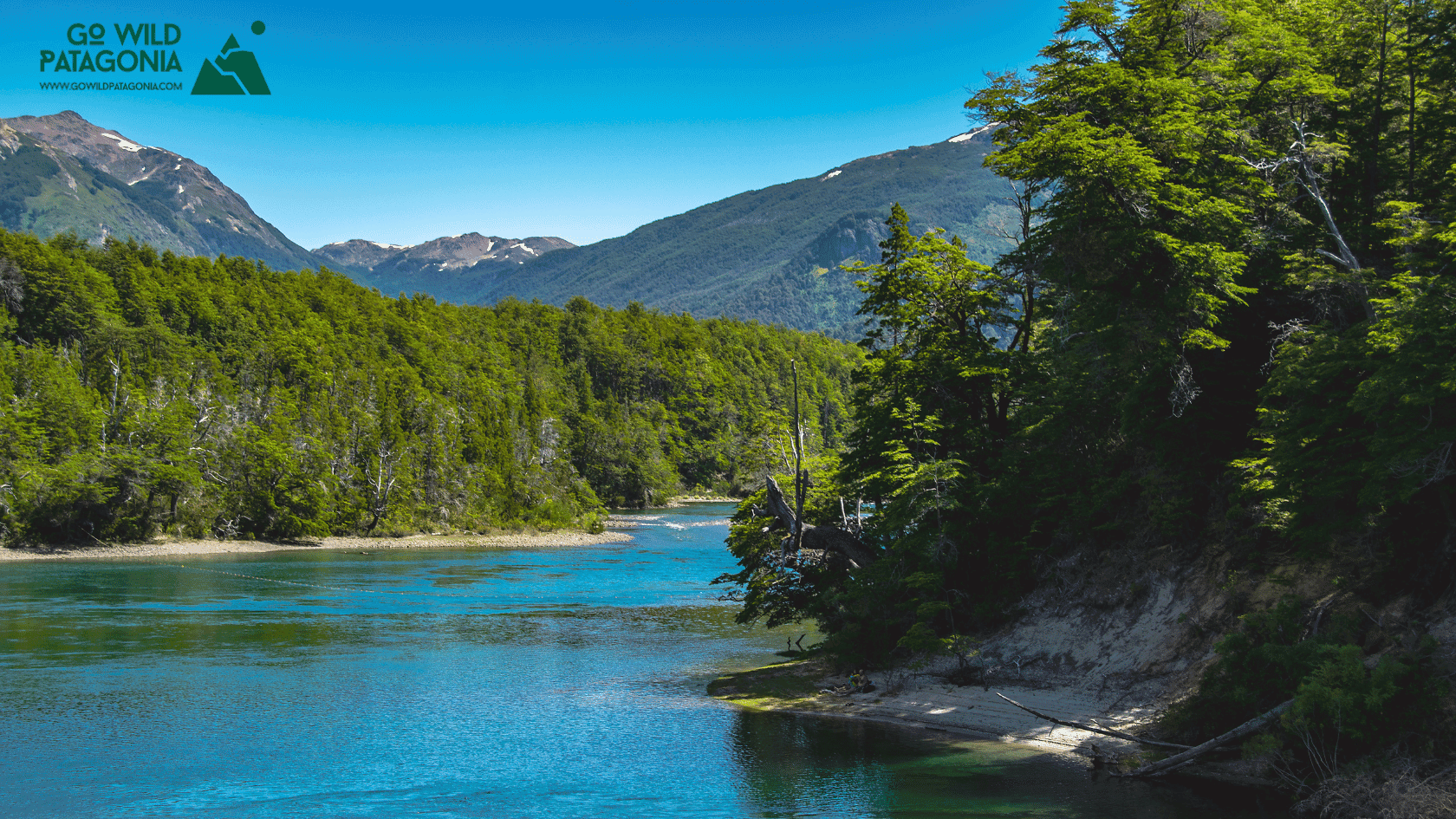
Chubut Province, Argentina — Cathedral of Ancient Trees Overview Los Alerces National Park protects 263,000 hectares of pristine Valdivian rainforest in Argentine Patagonia, home to some of the oldest living trees on Earth. The park's namesake—the alerce tree (Fitzroya cupressoides)—can live over 3,000 years, rivaling California's sequoias and bristlecone pines.
Update on Oct 24, 2025
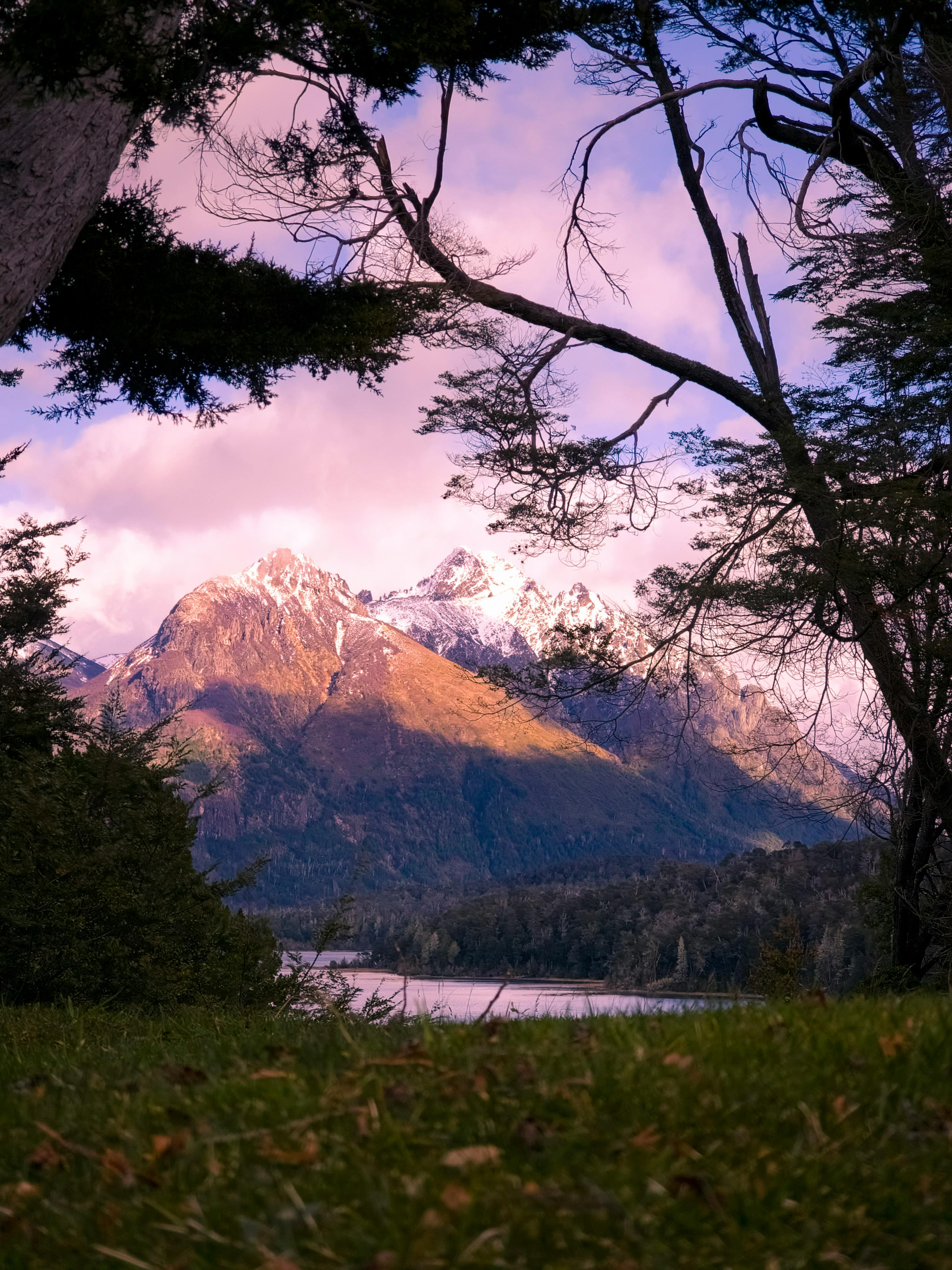
El Bolsón offers world-class hiking: Refugio Hielo Azul and Refugio Cajón del Azul sit in alpine cirques accessible via multi-day treks, Cerro Piltriquitrón (2,284m) provides panoramic summit views, and Cajón del Azul's turquoise canyon ranks among Patagonia's most photographed day hikes.
Update on Oct 24, 2025
Monte Leon National Park is Argentina's first coastal national park, protecting 40 km of dramatic Atlantic shoreline where the Patagonian steppe meets the sea.
Update on Oct 24, 2025