
Isla Navarino and Cape Horn
Isla Navarino is the southernmost inhabited island on Earth (excluding research stations), separated from Ushuaia, Argentina by the Beagle Channel. Home to Puerto Williams—the world's southernmost town (2,000 people, beating Ushuaia by 40 km of latitude)—and the legendary Dientes de Navarino trek, this remote Chilean island represents Patagonia's absolute edge.
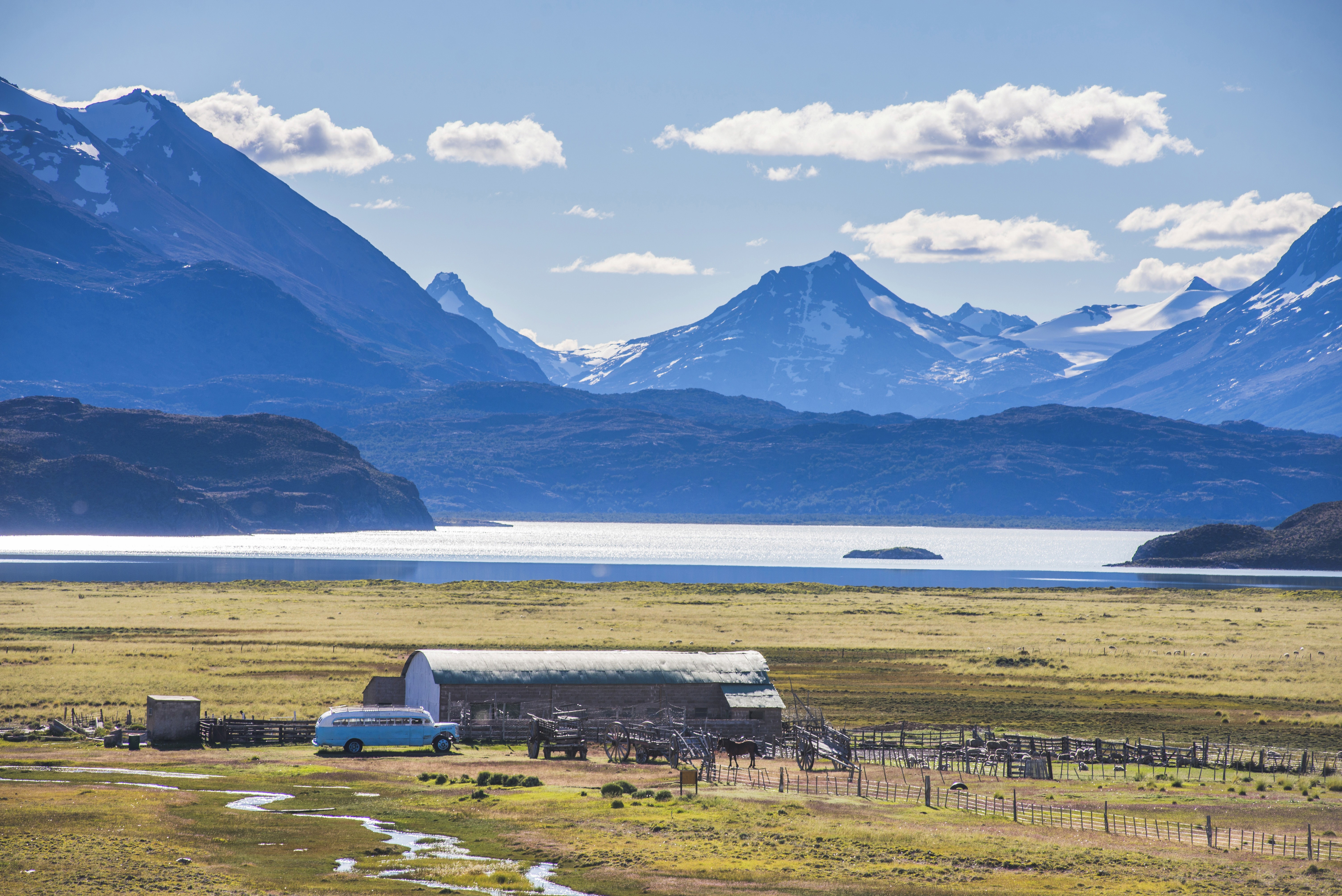
Isla Navarino & Cape Horn
Magallanes Region, Chile — The Ultimate Southern Frontier
Overview
Isla Navarino is the southernmost inhabited island on Earth (excluding research stations), separated from Ushuaia, Argentina by the Beagle Channel. Home to Puerto Williams—the world's southernmost town (2,000 people, beating Ushuaia by 40 km of latitude)—and the legendary Dientes de Navarino trek, this remote Chilean island represents Patagonia's absolute edge. Cape Horn (Cabo de Hornos), the southernmost point of South America's mainland archipelago, lies 100 km south—a windswept rock where Atlantic and Pacific oceans collide. For centuries, Cape Horn was sailing's most feared passage; today, it attracts adventurers seeking to stand at the "End of the World." The island combines extreme remoteness (no road access—boat or plane only), indigenous Yaghan heritage (the southernmost native people), world-class trekking (Dientes Circuit rivals Torres del Paine technically), and pioneering atmosphere. Wildlife includes sea lions, penguins, albatross, and Andean condors. This is for travelers who've "been everywhere" and want the ultimate southern experience—raw, challenging, unforgettable.
Why Visit
Trek the Dientes de Navarino Circuit — Argentina's most technical and remote multi-day trek: 5-7 days circling jagged peaks, scrambling passes, camping beside alpine lakes. Harder than Torres del Paine's O Circuit, with complete solitude.
Reach Cape Horn — Stand at South America's southernmost point where oceans meet. Witness legendary cape's wind-battered cliffs, memorial to lost sailors, seabird colonies. Bucket-list achievement.
Experience world's southernmost town — Puerto Williams: naval base turned frontier town. Yaghan indigenous museum, Antarctic research center, end-of-world atmosphere. More authentic than touristy Ushuaia across the channel.
Encounter Yaghan culture — Learn about indigenous people who survived naked in canoes through Patagonian winters—humanity's southernmost native culture. Museum and occasional community visits.
Wildlife at the edge — Sea lions, Magellanic penguins, imperial cormorants, Antarctic skuas, Andean condors, albatross (including wandering albatross—11-foot wingspan). Marine mammals abundant in Beagle Channel.
Pure adventure remoteness — No roads connect to mainland. Limited services. Self-sufficiency essential. For hardy travelers seeking true wilderness challenge at world's end.
Getting There
By Air (Most Common):
From Punta Arenas: DAP Airlines flies Punta Arenas ↔ Puerto Williams (1.5 hrs, several weekly, ~$200-300 USD round trip). Small propeller planes (20-30 passengers), spectacular views over Darwin Range and Beagle Channel. Weather-dependent—cancellations common (wind, visibility). Book 2-4 weeks ahead summer; reconfirm 48 hrs before.
By Ferry:
From Punta Arenas: Transbordadora Austral Broom operates ferry "Yaghan" (monthly, 30-hour crossing through Strait of Magellan and Beagle Channel, ~$150-200 USD per person + vehicle costs if bringing car). Cargo/passenger hybrid. Departs once monthly roughly. Book far ahead: www.tabsa.cl.
From Ushuaia, Argentina: Irregular crossings by private boats. More common are boat tours from Ushuaia that visit Navarino briefly (day trips, don't allow trekking). Check with Ushuaia tour operators.
Important: No regular passenger ships. No drive-on ferry from Argentina. Access deliberately difficult—adds to remoteness appeal but requires planning.
Top Experiences
Dientes de Navarino Circuit — One of world's most challenging accessible treks. Stats: 53 km loop, 5-7 days, 4,000m+ cumulative elevation gain/loss. Difficulty: Expert-level—technical scrambling, unstable scree, route-finding required (cairns mark way but navigation skills essential), extreme weather, no refugios, complete self-sufficiency. Route: Circuits jagged "teeth" (dientes) peaks via four major passes (highest 900m), circles alpine lakes, traverses exposed ridges. Camping: Wild camping throughout (bring free-standing tent—rocky terrain). No facilities. Scenery: Otherworldly—volcanic spires, turquoise tarns, windswept tundra, views to Beagle Channel and Argentine Andes. Wildlife: Condors, foxes, occasional guanacos. Season: December-March only (rest of year snowbound/dangerous). Permits: Not required but register with carabineros (police) in Puerto Williams before departing for safety. Gear: Four-season tent (wind!), full camping/cooking setup, water filter, GPS/map, emergency beacon recommended. Start/End: Puerto Williams—hike from town (no transport needed). Compared: Harder than Torres W Trek, similar to O Circuit but more technical, less infrastructure. Best for: Experienced backpackers seeking supreme challenge at world's end.
Cape Horn Boat Excursion — Epic journey to legendary cape. Departure: Puerto Williams. Duration: Full-day trips (weather permitting) via zodiac or small boat (8-10 hrs), or multi-day yacht charters. Route: Navigate Beagle Channel south 100 km to Cape Horn (Isla Hornos). At Cape: Land (if conditions allow—often too rough), climb stairs to monument (memorial cross for lost sailors), Chilean lighthouse (lightkeeper family lives there year-round!), albatross colony. Stand at southernmost point South America's mainland territory, witness where Atlantic/Pacific meet, feel legendary winds. Weather: EXTREMELY weather-dependent—50%+ trips cancel due to wind/waves. Multiple days buffer essential. Cost: ~$200-300 USD per person for group day trip; private charters $2,000+ per day. Operators: Based in Puerto Williams—ask at hotels or Turismo Shila. Alternative: Ushuaia operators offer Cape Horn trips from Argentine side (similar price, more frequent departures).
Cerro Bandera Hike — Best day hike from Puerto Williams. Stats: 6 km round trip (3-4 hrs), moderate, 600m gain to viewpoint. Views: 360° panorama—Puerto Williams below, Beagle Channel, Ushuaia across water, Darwin Range, Dientes peaks. Best: Clear days (rare!). Trailhead: Edge of Puerto Williams. Wildlife: Condors soaring. Acclimatization: Good warm-up for Dientes Circuit.
Museo Antropológico Martín Gusinde — Small but excellent museum on Yaghan people. Exhibits: Indigenous culture, canoe-based lifestyle, survival in extreme cold (Yaghan lived naked year-round, using seal fat for warmth), contact with European explorers (Darwin, FitzRoy), language (nearly extinct—few speakers remain), photos by Martin Gusinde (ethnographer who documented Yaghan early 1900s). Emotional: Witnessing humanity's southernmost culture, now nearly vanished. Time: 1-2 hours. Location: Puerto Williams center. Entry: ~$5 USD.
Beagle Channel Boat Tours — Shorter boat trips from Puerto Williams. Destinations: Sea lion colonies, cormorant rookeries, penguin islands, shipwrecks. Wildlife: Magellanic penguins (seasonal Sep-Mar), sea lions year-round, dolphins, albatross, petrels. Duration: Half-day or full-day. Cost: ~$60-100 USD per person. Best: November-February (most wildlife active, penguin breeding).
Villa Ukika Yaghan Community — Small Yaghan settlement 2 km from Puerto Williams. Experience: Visit remaining Yaghan families, learn about traditional culture, see reconstruction of traditional dwelling. Respectful visits only: Arrange through museum or local guides—don't show up unannounced. Cultural exchange: Some families offer storytelling, craft demonstrations. Importance: Last community of world's southernmost indigenous people.
Fly Fishing — Pristine rivers and lakes. Species: Brown trout, rainbow trout, some sea-run browns. Access: Rivers near Puerto Williams, backcountry streams. Season: December-April. Solitude: Extreme—you'll be only angler. Bring: Full setup (no rentals on island). License: Purchase in Puerto Williams.
Antarctic Gateway Experience — Puerto Williams serves Chilean Antarctic program. Naval Base: Active military presence (island strategic). Research: Scientists transit through. Ships: Occasional Antarctic vessels resupply. Atmosphere: Frontier outpost feel—rugged, purposeful, end-of-world mystique.
Winter Adventure (June-September): — For extreme adventurers: snowshoeing, backcountry skiing in Dientes, winter wildlife viewing. Very few tourists (single digits). Deep snow, short days (9-5), brutal cold. Utterly isolated. Puerto Williams services limited but operational. Only for: Hardcore winter specialists.
Where to Stay
Puerto Williams:
Budget:
Refugio El Padrino: Backpacker hostel, dorms and privates, kitchen, social (dorms ~$20-25, privates ~$60-80). Popular with Dientes trekkers.
Residenciales: Family homes renting rooms (~$40-60 per person with breakfast). Ask at tourist info kiosk near plaza.
Camping: Informal wild camping outside town (ask permission). Very basic.
Mid-Range:
Lakutaia Lodge: Best option on island—comfortable rooms, restaurant, hot showers, tours organized (~$150-250 per night with meals). Located slightly outside Puerto Williams. www.lakutaia.cl
High-End:
Limited. Lakutaia is nicest. Some private estancias offer lodging (arrange in advance, expensive).
On Trek (Dientes Circuit):
Wild camping only. Bring everything. No refugios, no facilities.
Cape Horn:
Lighthouse keeper family (not for tourists). Day trips only.
Best Time to Visit
December-February (Summer Only Practical Season): Only time most activities feasible. Temps 8-15°C days (warmest "summer"), 2-8°C nights. Wind ferocious year-round but manageable these months. Dientes Circuit snow-free (mostly). Cape Horn trips have best success rate (still 50/50 weather). Longest daylight (5 AM-11 PM). Wildlife active. Puerto Williams services fully operational. Book flights/lodging 1-2 months ahead. Still challenging conditions—expect wind, rain, cold—but survivable. January-February slightly warmer than December.
March-April (Autumn): Shoulder season. Colder (5-10°C days), shorter days, more storms. Dientes Circuit increasingly snowy/dangerous by late March. Cape Horn trips reduce success rate. Fewer tourists (almost none). For hardcore only. Some services close April.
May-November (Winter-Spring): Extreme. Winter (June-Aug): Snow buries trails, days 9-5 light, brutal cold (0-5°C days, below freezing nights), fierce storms. Dientes Circuit completely closed (impassable). Cape Horn impossible. Puerto Williams quiet—military and researchers only. Spring (Oct-Nov): Improving but still cold/snowy. Late November approaching summer conditions. Not recommended unless seeking ultimate isolation and properly equipped.
Sample Itineraries
5-Day Itinerary (Dientes Circuit Focus)
Day 1:
Fly Punta Arenas → Puerto Williams (morning)
Settle into hostel, register with carabineros
Museum visit, gear check
Final town supplies
Rest, early sleep
Day 2-6:
Dientes Circuit: 5 days trekking (standard pace)
Day 2: Puerto Williams → Laguna del Salto camp (12 km, 6-8 hrs, first pass)
Day 3: Circuit north section → Laguna Escondida camp (10 km, 7-9 hrs, hardest day—technical)
Day 4: Continue circuit → Laguna Martillo camp (9 km, 5-7 hrs)
Day 5: Complete loop → Laguna Guanaco camp (12 km, 6-8 hrs)
Day 6: Return Puerto Williams (10 km, 4-5 hrs)
Evening: Hot shower, restaurant, celebration
Day 7:
Morning: Rest, pack
Afternoon: Fly Puerto Williams → Punta Arenas
OR: Buffer day (weather delays common)
7-Day Itinerary (Complete Island Experience)
Day 1: Arrive, settle, museum, town exploration
Day 2: Cerro Bandera day hike (acclimatization), prepare Dientes
Day 3-7: Dientes Circuit (5 days as above)
Day 8: Rest day Puerto Williams, Beagle Channel boat tour
Day 9: Cape Horn excursion (full day, weather permitting)
Day 10: Buffer for weather delays, final exploration, depart
Alternative (Non-Trekkers):
Day 3-4: Multi-day Cape Horn yacht charter
Day 5-6: Fishing, shorter hikes, Yaghan community visit
Day 7: Beagle Channel wildlife tour
Where to Go Next
1. Ushuaia, Argentina (Across Beagle Channel)
Distance: 40 km across water (no ferry—must fly/boat Punta Arenas route)
Why Go: "Twin" city—Argentina's southernmost. More developed tourism: restaurants, hotels, shops. Tierra del Fuego National Park trails, Beagle Channel tours (different section), End of World Train, king crab dining. Creates "southernmost cities" comparison. Both claim "world's southernmost"—depends on definition.
Access: Fly Puerto Williams → Punta Arenas → Ushuaia OR charter boat direct (expensive).
2. Punta Arenas (Gateway Back to Civilization)
Distance: 240 km north (1.5 hrs by air)
Why Go: Return to Chilean mainland. Resupply, penguin colonies (Cabo Vírgenes, Parque Pinguino Rey), maritime museums, Strait of Magellan. Staging for Torres del Paine (4-5 hrs drive). Budget 2-3 days.
3. Antarctica (November-March)
Why Go: Some Antarctic cruises depart Ushuaia, fewer from Punta Arenas/Puerto Williams. If at world's end, consider ultimate journey—crossing Drake Passage to Antarctic Peninsula. Cost: $5,000-12,000 USD for 10-21 day cruises. Book: 6-12 months ahead. Creates ultimate expedition: Patagonia → Cape Horn → Antarctica.
Planning Your Route:
Extreme South Circuit: Ushuaia (5 days) → fly Punta Arenas → fly Puerto Williams (Dientes 7 days, Cape Horn) → return Punta Arenas → Torres del Paine
Ultimate Patagonia: Torres del Paine → Punta Arenas → Navarino/Cape Horn (8-10 days) → optional Antarctica
Dientes-Only Focus: Fly Buenos Aires → Punta Arenas → Puerto Williams (7 days with trek) → return
Timing Tips:
Visit ONLY December-February (other months too extreme for most)
Budget 7-10 days minimum (trek + buffer for weather delays)
Flights cancel frequently—build 2-3 day buffer
Cape Horn trips have 50% success rate weather—don't count on it
Dientes Circuit requires expert backpacking skills, navigation, self-rescue ability
This is NOT for beginners—serious consequences if underprepared
Bring satellite phone/emergency beacon (no cell service)
Register with carabineros before Dientes trek
Tell someone detailed itinerary
Weather changes FAST—be prepared for everything
Most remote destination in this entire guide—plan accordingly
Final Note: Isla Navarino and Cape Horn represent Patagonia's ultimate challenge. Not for casual travelers or those seeking comfort. For adventurers who've exhausted other destinations and crave something genuinely extreme—this is it. The reward: standing at South America's absolute edge, testing yourself on the Dientes Circuit, and earning the right to say you've been to the End of the World.
About Me
Veb
Hey there! I’m Veb and I've traveled solo and in groups for 10+ years in Patagonia - across Chile and Argentina.
I started Go Wild Patagonia with a desire to help other travelers plan their journeys in Patagonia with a focus on adventure, nature and being in the wilderness.
Say Thanks
Support my mission to make Patagonia more accessible for travelers while supporting local tour operators who organize only sustainable travels in Patagonia.
Read More
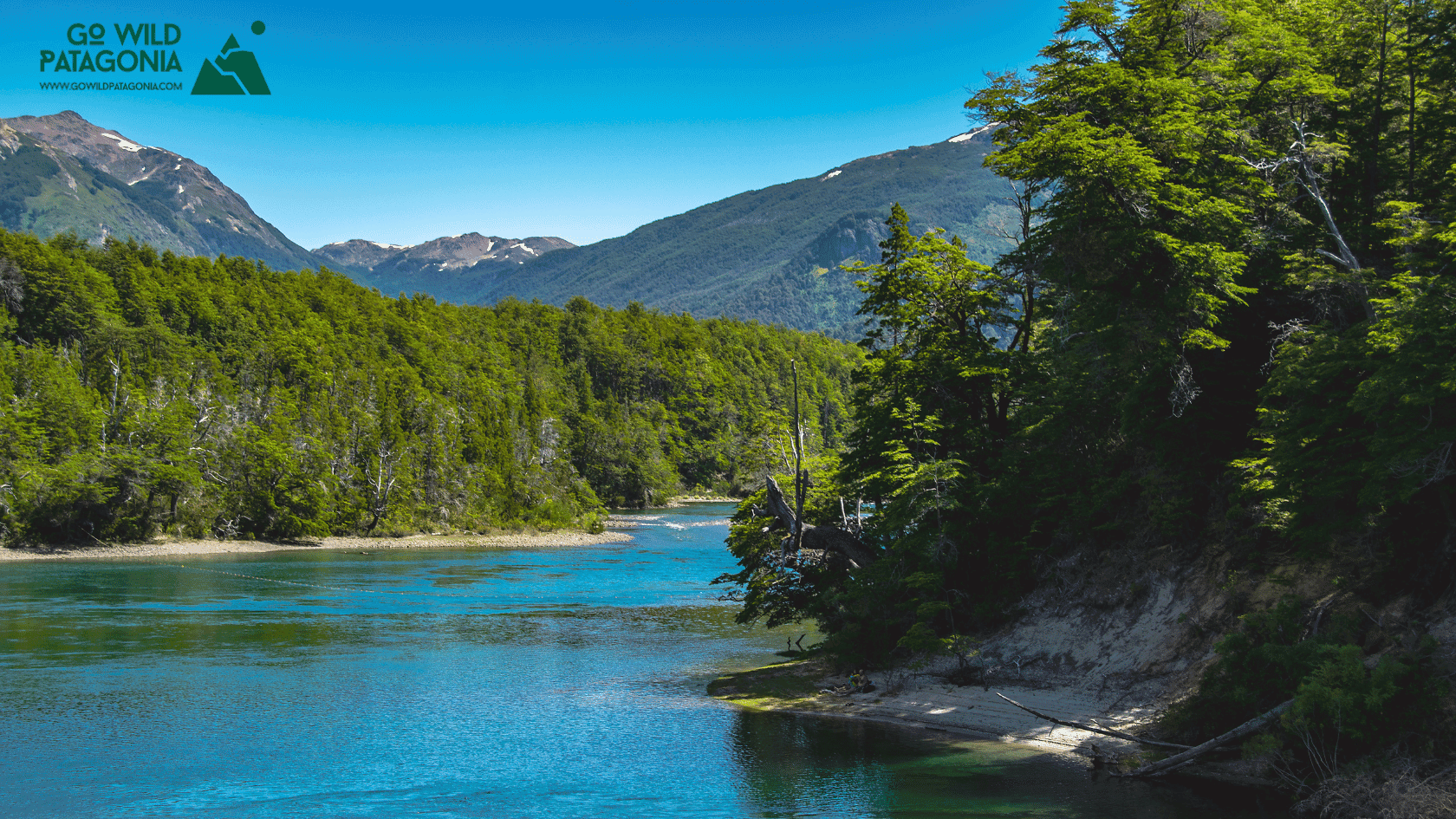
Chubut Province, Argentina — Cathedral of Ancient Trees Overview Los Alerces National Park protects 263,000 hectares of pristine Valdivian rainforest in Argentine Patagonia, home to some of the oldest living trees on Earth. The park's namesake—the alerce tree (Fitzroya cupressoides)—can live over 3,000 years, rivaling California's sequoias and bristlecone pines.
Update on Oct 24, 2025
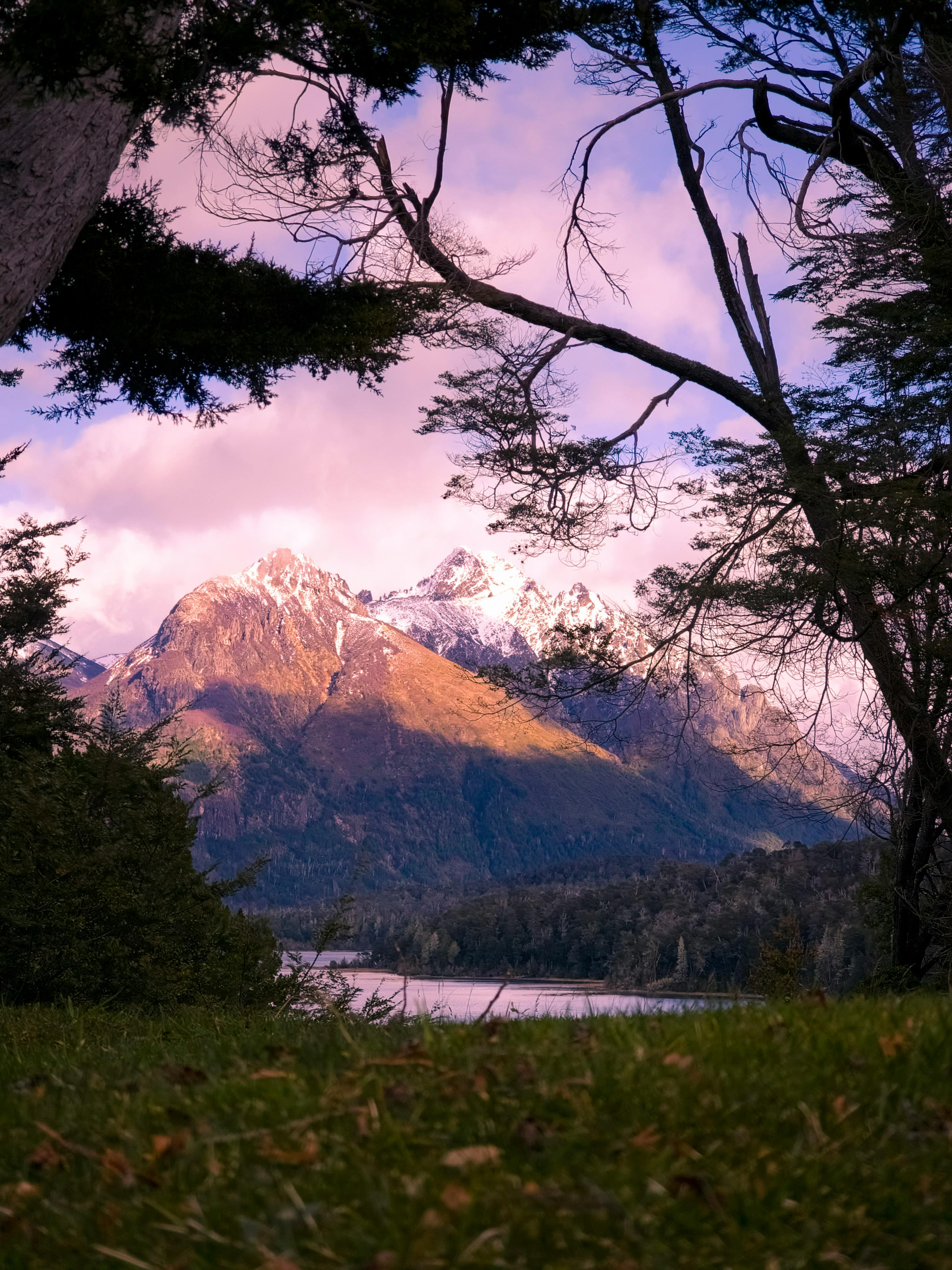
El Bolsón offers world-class hiking: Refugio Hielo Azul and Refugio Cajón del Azul sit in alpine cirques accessible via multi-day treks, Cerro Piltriquitrón (2,284m) provides panoramic summit views, and Cajón del Azul's turquoise canyon ranks among Patagonia's most photographed day hikes.
Update on Oct 24, 2025
Monte Leon National Park is Argentina's first coastal national park, protecting 40 km of dramatic Atlantic shoreline where the Patagonian steppe meets the sea.
Update on Oct 24, 2025