
Puerto Natales - Gateway to Torres del Paine
Puerto Natales is a charming port town of 20,000 on the shores of Última Esperanza Sound, serving as the primary gateway to Torres del Paine National Park, 115 km north. From here, you can kayak through fjords, explore the mysterious Mylodon Cave (where giant ground sloth remains were discovered), visit remote glaciers and much more.
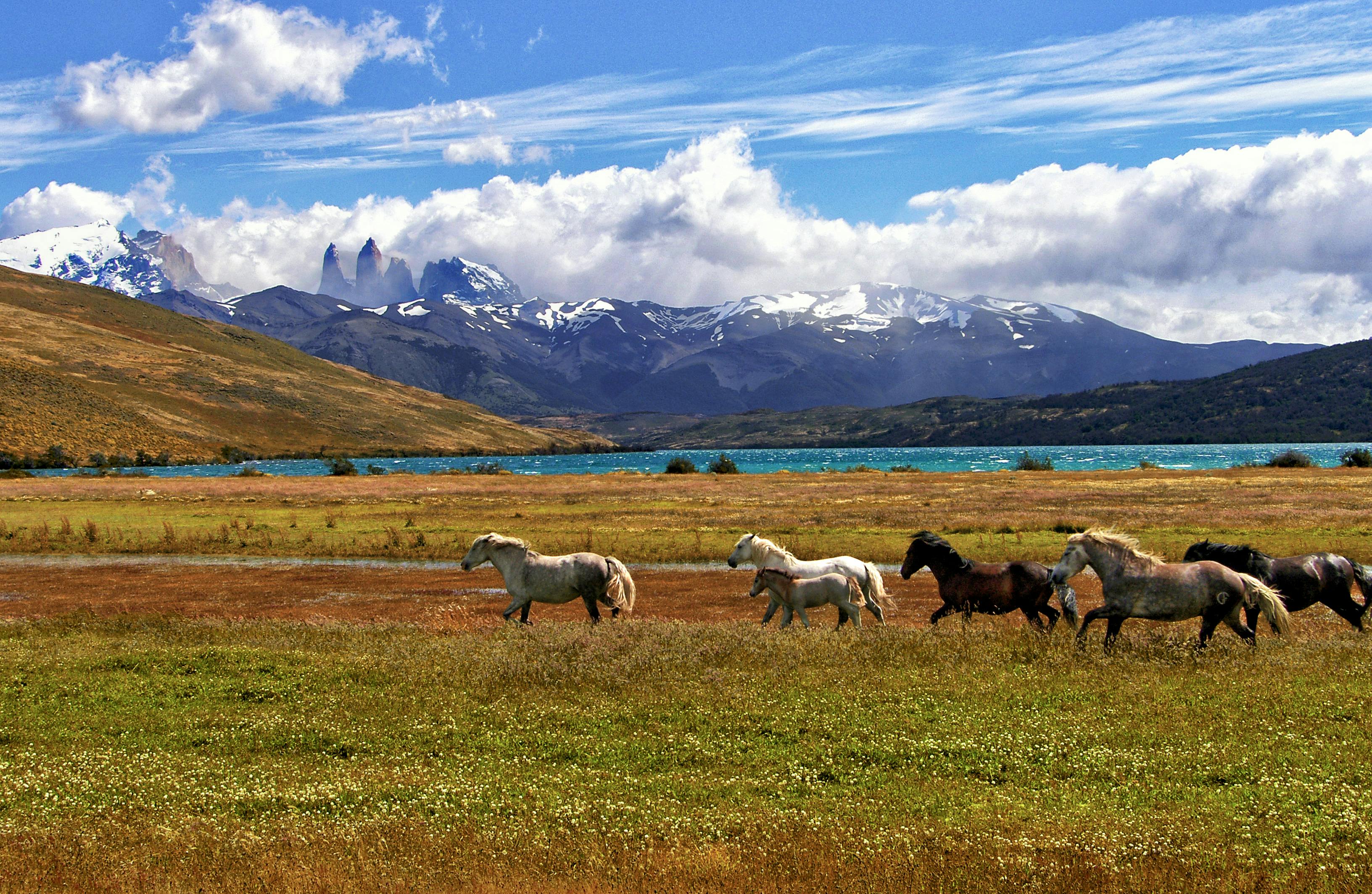
Puerto Natales - Gateway to Torres del Paine
Magallanes Region, Chile
Overview
Puerto Natales is a charming port town of 20,000 on the shores of Última Esperanza Sound, serving as the primary gateway to Torres del Paine National Park, 115 km north. But Natales is far more than just a staging point—it’s a destination with character, excellent restaurants, outdoor gear shops, cozy hostels, and its own adventures. The town sits in a stunning location: fjords and channels stretch west toward the Pacific, while the Patagonian steppe and mountains rise to the east. From here, you can kayak through fjords, explore the mysterious Mylodon Cave (where giant ground sloth remains were discovered), visit remote glaciers, or simply enjoy the frontier town atmosphere with Patagonian lamb dinners and craft beer.
Why Visit
Base for Torres del Paine — Most hikers overnight in Natales before buses to the park. The town has excellent infrastructure: gear rental shops, supermarkets for trek food, gear repair, and restaurants for celebrating.
Explore Última Esperanza fjords — Kayaking or boat tours navigate this intricate waterway system, visiting sea lion colonies, cormorant rookeries, and isolated estancias. The fjord scenery rivals anywhere in Chile.
Visit Cueva del Milodón — This massive natural cave 24 km from town is where giant ground sloth remains (10,000+ years old) were discovered in 1895. A full-size replica shows the 4-meter-tall mylodon. The cave itself is impressive: 30 meters high, 80 meters wide.
Experience authentic Patagonian culture — Natales retains frontier town character. Shop for wool crafts at artisan markets, chat with gauchos in bars, try Patagonian lamb prepared over open fire.
Day trips to remote glaciers — Boat excursions reach Serrano and Balmaceda glaciers, with opportunities to walk on moraine ridges and witness calving. These glaciers descend from the Southern Ice Field.
Getting There
By Air: Nearest airport is Punta Arenas (PUQ), 250 km south (3 hrs by bus). Multiple daily flights from Santiago. Some travelers fly to El Calafate, Argentina, then bus 5 hours to Natales.
By Bus: Excellent connections to Punta Arenas (3 hrs, frequent), El Calafate, Argentina (5-6 hrs daily), and Torres del Paine (2-2.5 hrs multiple times daily). Terminal is central.
By Car: Self-drive from Punta Arenas on Route 9 is straightforward (paved). From El Calafate, border crossing at Cancha Carrera/Cerro Castillo is simple.
Top Experiences
Cueva del Milodón — Easy half-day trip (24 km) to this National Monument. Beyond the cave, trails explore Patagonian steppe with guanaco sightings common. Site includes small museum explaining the mylodon discovery and Pleistocene fauna. Best morning or evening light. Combine with Torres del Paine day trip.
Serrano Glacier Boat Tour — Full-day navigation through Última Esperanza Sound and Señoret Channel to Balmaceda and Serrano glaciers in Bernardo O’Higgins National Park. The journey itself is spectacular, passing waterfalls and sea lions. Short hike to Serrano Glacier face, which descends steeply to the fjord. Some tours include BBQ lunch at remote estancia.
Última Esperanza Kayaking — Half-day or multi-day kayaking trips explore the sound’s protected waters, inlets, and channels. Paddle past cliffs with nesting cormorants, through kelp forests, to isolated beaches. Longer expeditions can camp on remote shores. Guides handle equipment; wetsuits provided.
Cueva del Milodon to Torres del Paine — Combine the cave visit (morning) with day trip to Torres del Paine (afternoon), visiting Salto Grande waterfall, Lago Pehoé viewpoints, and Cuernos photo spots. Returns to Natales by evening. Good for those without time for multi-day treks.
Cerro Dorotea Hike — Local summit (800m) on western edge of town offers panoramic views over Natales, the sound, and distant mountains. 10-km round trip (3-4 hrs) climbs steadily through scrubland. Clear day essential. Trailhead starts from town.
Estancia Visit — Several working ranches near Natales offer day visits or overnight stays. Watch sheep shearing, help with ranch tasks, ride horses across steppe, enjoy traditional asados. Combines gaucho culture with frontier hospitality.
Torres del Paine Day Trip — For those without time to trek, full-day tours from Natales visit park highlights: Lago Grey and glacier, Salto Grande, Cuernos viewpoint, wildlife spotting. While you won’t experience wilderness immersion, you’ll see iconic landscapes in one intense day.
Museo Histórico Municipal — Small museum downtown preserves regional history: early indigenous peoples, European colonization, navigation stories, pioneer life. Helpful for understanding area’s past.
Dining Scene — Natales punches above its weight for food: try Afrigonia (innovative Patagonian-African fusion), Baco (excellent wine list), The Singular Restaurant (upscale, king crab), or budget-friendly pizzerias and empanada joints.
Where to Stay
Budget:
Erratic Rock Hostel (famous W Trek briefing at 5 PM daily, social)
The Singing Lamb (cozy, British-run, intimate)
Hostel Vendaval (central, clean, popular)
Mid-Range:
Remota Hotel (design hotel on outskirts, striking architecture, spa)
Noi Indigo Patagonia (waterfront, modern comfort, helpful tour desk)
Altiplanico Sur (boutique, fjord views, contemporary design)
Luxury:
The Singular Patagonia (converted 1915 cold-storage plant, industrial-chic, outstanding restaurant, museum, spa)
Weskar Lodge (intimate luxury, personalized service, gourmet meals)
Practical:
Hostería Lady Florence Dixie (classic, central, reliable)
Numerous cabañas/apartments (self-catering, kitchens)
Best Time to Visit
December-February (Summer): Peak season—warmest (10-20°C), longest days, all tours operating. Essential for Torres del Paine trekking. Very busy—book ahead. Town buzzes with international trekkers swapping stories.
March-April (Autumn): Shoulder season with fewer crowds, lower prices, decent weather. Some tours still operate, but frequency decreases. Good for visiting without summer crush.
October-November (Spring): Season begins, weather improving, prices reasonable. By November, conditions similar to summer but 30% fewer tourists. Some tours not yet running.
May-September (Winter): Very quiet, most tours closed, many accommodations shut down. Cold (often below freezing), short days, strong winds. Only for extreme solitude seekers.
3-Day Itinerary
Day 1: Arrival & Town Exploration
Arrive from Punta Arenas or El Calafate
Check into accommodation
Walk Costanera (waterfront promenade)
Visit gear rental if trekking soon
Stock up at supermarket
Evening: W Trek briefing at Erratic Rock (5 PM, free)
Dinner at Afrigonia or Baco
Day 2: Cueva del Milodón & Torres del Paine Day Trip
Morning: Visit Mylodon Cave (half day)
Afternoon: Continue to Torres del Paine, Salto Grande, Lago Pehoé, Cuernos viewpoints, wildlife spotting
Return by evening
Celebrate at The Singular’s bar
Day 3: Serrano Glacier Boat Tour
Full-day fjord navigation
Última Esperanza Sound scenery
Balmaceda and Serrano glaciers
Optional estancia BBQ lunch
Return by evening
Last dinner, departure prep or begin W Trek
5-Day Itinerary
Day 1: Arrival & Acclimatization
Arrive and settle in
Town walking tour
Visit Museo Histórico for context
Stroll Costanera at sunset
Dinner at Patagonia Dulce
Early rest
Day 2: Serrano Glacier Expedition
Full-day boat tour
Navigate through fjords and channels
Two glacier encounters
Sea lions and cormorants
Estancia lunch
Return by evening, quiet night
Day 3: Cueva del Milodón & Cerro Dorotea
Morning: Drive to Mylodon Cave, explore cave and trails (2-3 hrs)
Afternoon: Hike Cerro Dorotea summit for town and fjord panoramas
Return for late afternoon rest
Dinner at Baco with wine pairing
Day 4: Torres del Paine Full Day
All-day park tour hitting main highlights
Grey Glacier and lake
Salto Grande thundering waterfall
Multiple Cuernos viewpoints
Lago Pehoé photo stops
Guanaco and condor spotting
Return exhausted but fulfilled
Day 5: Última Esperanza Kayaking & Departure
Morning: Half-day kayaking fjord, paddle to sea lion colony, explore inlets
Afternoon: Last-minute shopping at Artesanías de La Patagonia
Lunch at The Singular
Departure to Punta Arenas or prepare for W Trek
7-Day Itinerary
Day 1: Arrival & Orientation
Arrive from Punta Arenas
Settle into accommodation
Walk downtown and waterfront
Visit gear shops if trekking
Evening: W Trek briefing at Erratic Rock
Welcome dinner at Mesita Grande
Day 2: Serrano & Balmaceda Glaciers
Full-day boat expedition
Early departure for long navigation
Witness both glaciers descending from ice field
Lunch at remote estancia
Wildlife spotting along fjords
Return by evening, rest
Day 3: Cueva del Milodón & Local Exploration
Morning: Mylodon Cave visit
Afternoon: Cerro Dorotea summit hike or Visit Estancia near town
Evening: Cooking class or wine tasting at hotel
Dinner at Afrigonia
Day 4: Torres del Paine Day Trip
Full day in national park
Hit all major viewpoints
Salto Grande, Grey Glacier, Cuernos
Pack lunch or eat at park
Extensive wildlife viewing
Photography opportunities
Return for evening in town
Day 5: Última Esperanza Kayaking
Full-day kayaking adventure
Paddle through sound and channels
Visit sea lion colonies
Remote beach landing and lunch
Cormorant rookeries
Return by late afternoon
Early dinner and rest
Day 6: Bernardo O’Higgins National Park
Alternative boat tour (longer, more remote)
Or: Relaxation day in town, spa treatments at The Singular
Visit local markets, café hopping
Prepare gear if trekking next
Farewell asado dinner
Day 7: Flexible & Departure
Morning: Choose final activity (horseback riding at estancia, mountain biking, visit markets)
Afternoon: Departure to Punta Arenas, El Calafate, or begin W Trek
Or: Rest day before multi-day trek starts
🎿 Adventure Activities
Kayaking
Paddle pristine Patagonian fjords:
Última Esperanza Sound: Half-day to multi-day expeditions
Protected channels: Explore hidden inlets
Sea lion colonies: Paddle near marine life
Multi-day camping: Remote beach camps
Equipment and wetsuits provided
Season: October-April
Mountain Biking
Explore by pedal:
Town to Cueva del Milodón: 24 km each way
Coastal routes: Along Última Esperanza shores
Torres del Paine approach: Ride toward park (challenging)
Estancia trails: Various difficulty
Bike rentals in town
Rock Climbing
Scale Patagonian walls:
Local crags: Sport routes near town
Multi-pitch routes: In surrounding mountains
Via ferrata: Fixed-cable routes (if available)
Guides and equipment rental available
Horseback Riding
Gaucho experiences:
Estancia rides: Half-day to full-day
Steppe exploration: Across Patagonian pampa
Mountain trails: To viewpoints
Traditional Chilean saddles
Suitable for beginners
Stand-Up Paddleboarding
Calm water paddling:
Última Esperanza Sound: Protected bays
Sunset sessions: Evening light on water
Board rentals at waterfront
Season: November-March
Hiking & Trekking
Beyond day hikes:
Cerro Dorotea: Town summit (3-4 hrs)
Torres del Paine approaches: Day hikes from park
Multi-day backcountry: Through surrounding ranges
Various difficulty levels
Ice Trekking
Walk on glaciers:
Serrano Glacier walks: With boat tour operators
Crampons provided: Basic ice walking
Part of glacier excursion packages
Season: November-April
Fly Fishing
Patagonian waters:
Río Serrano: Trophy trout fishing
Local streams: Wade fishing
Última Esperanza tributaries: Pristine waters
Guides available
Equipment rental or BYOD
Season: November-April
Sailing
Explore under sail:
Fjord sailing: Traditional boats
Multi-day expeditions: To remote channels
Wildlife viewing: Silent approach
Charter boats available
Pro Tips:
Book multi-day activities ahead (especially kayaking)
Weather highly variable—flexible planning essential
W Trek briefing at Erratic Rock highly recommended (free, 5 PM daily)
Gear rental quality good in Natales
Many operators bilingual (Spanish/English)
➡️ Where to Go Next
1. Torres del Paine National Park
Distance: 115 km north (2-2.5 hours)
Transport Options:
Bus: Multiple daily buses Puerto Natales to park entrances (Laguna Amarga, Administration). Cost: ~$15-25 USD. Companies: Bus Sur, Maria Jose. Book 1-2 days ahead high season. Buses timed for W Trek logistics.
Rental Car: Drive yourself allows stops at viewpoints (Cueva del Milodón en route, Cerro Castillo village). Essential for day-trippers wanting flexibility.
Organized Tour: Day tours cover main highlights, returning same evening (~$80-120 USD including transport, guide, park fee). Good for limited time.
Why Go: Experience Chile’s crown jewel—one of the world’s most spectacular national parks. Torres del Paine offers the famous W Trek (4-5 days), iconic granite towers, electric-blue lakes, massive Grey Glacier, and the distinctive Cuernos peaks. Wildlife includes guanacos, condors, and pumas. The park is the reason most travelers come to Puerto Natales. Options range from luxury lodge stays to budget camping, day hikes to challenging O Circuit (7-9 days). The landscapes are jaw-dropping—every turn reveals new drama. Puerto Natales serves perfectly as base: arrive, prep, stock up on food, rent gear, get trail briefings, then trek. Return exhausted to celebrate with hot showers, king crab dinners, and craft beer. The combination of frontier town + wilderness park creates classic Patagonia experience.
Suggested Duration: 5-9 days total. Include 2 days in Natales (arrival/prep and recovery/departure), 4-5 days for W Trek, or 7-9 days for O Circuit. Day-trippers can do 1-2 days park + Natales.
2. El Calafate & El Chaltén, Argentina
Distance: 280 km to El Calafate (5-6 hours)
Transport Options:
Bus: Daily buses Puerto Natales to El Calafate crossing border at Cerro Castillo. Straightforward crossing—bring passport, forms provided. Cost: ~$30-50 USD. Companies: Cootra, Bus Sur, Turismo Zaahj. Book 2-3 days ahead high season.
Private Transfer: Shared or private vans available (~$60-80 per person). More expensive but convenient, flexible departure times.
Tour Packages: Some operators combine Torres del Paine + El Calafate/El Chaltén in multi-day packages with transport included.
Why Go: Extend Patagonia adventure into Argentina’s glacier and mountain highlights. El Calafate is gateway to Perito Moreno Glacier—one of the world’s most impressive glaciers, constantly calving into turquoise lake. Walk catwalks at glacier face, ice trek with crampons, boat through icebergs to Upsala and Spegazzini glaciers. From El Calafate, continue to El Chaltén (3 hrs north)—”Trekking Capital of Argentina.” Hike to Laguna de los Tres for iconic Fitz Roy sunrise, trek beneath Cerro Torre, summit Loma del Pliegue Tumbado for 360° views. The combination Torres del Paine + El Calafate/El Chaltén creates ultimate Patagonia experience: Chilean and Argentine highlights, different geology, complementary landscapes. Trails from El Chaltén start in town (no logistics!), breweries after hikes, relaxed mountain village vibe.
Suggested Duration: 7-10 days. El Calafate: 3-4 days (glacier experiences). El Chaltén: 4-6 days (weather buffers essential for hiking).
3. Punta Arenas & King Penguins
Distance: 250 km south (3 hours)
Transport Options:
Bus: Multiple daily buses Puerto Natales to Punta Arenas. Frequent departures throughout day. Cost: ~$10-15 USD. Companies: Buses Fernandez, Pacheco, Bus Sur. No reservation needed except peak season. Simple, straightforward journey.
Rental Car: Easy drive south on paved Route 9. Allows stops at intermediate viewpoints. Can visit Cueva del Milodón en route (if not yet seen).
Private Transfer: Door-to-door shuttles available, slightly more expensive.
Why Go: Extend to Chile’s southernmost continental city and unique wildlife experiences. Punta Arenas offers maritime history museums (Nao Victoria ship replica, historic cemetery with pioneer tombs), downtown architecture from wool-trading era. Main draw: Parque Pingüino Rey (100 km northeast on Tierra del Fuego)—only king penguin colony outside Antarctica/sub-Antarctic islands. These majestic birds (nearly 1m tall, orange neck patches) are extraordinary. Also visit Isla Magdalena for 60,000+ Magellanic penguins (October-March). The Strait of Magellan boat tours explore where oceans meet. Punta Arenas is departure for Antarctic cruises (November-March). Perfect transition from mountains (Torres del Paine) to maritime/wildlife (penguins, strait) before flying out. Combines well: trek Torres del Paine, recover in Natales, penguins in Punta Arenas, fly home from PUQ Airport.
Suggested Duration: 2-4 days. One day king penguins, one day Magellanic penguins/city tours, buffer for weather.
Planning Your Route:
Classic W Trek: Puerto Natales (2 days prep) → Torres del Paine W Trek (5 days) → Puerto Natales (1 day recovery) → Punta Arenas (fly out)
Torres + Argentine Glaciers: Puerto Natales → Torres del Paine (5 days) → return Natales → El Calafate (3 days) → El Chaltén (5 days)
Complete Southern Patagonia: El Calafate → El Chaltén → Torres del Paine → Puerto Natales → Punta Arenas → Ushuaia (fly)
Extended Chile: Torres del Paine → Puerto Natales base → day trips to glaciers/fjords → Punta Arenas → fly Santiago
Timing Tips:
Most spend 2-3 days in Puerto Natales (before/after W Trek)
W Trek requires 6-12 month advance booking (high season)
March-April offers best conditions: fewer crowds, calmer winds, fall colors
El Calafate-El Chaltén logical combination (both Argentina, 3 hrs apart)
Punta Arenas perfect for post-trek relaxation before international departure
Border crossings to Argentina straightforward but add 1-2 hours
Consider timing: complete Torres del Paine, recover in Natales, then decide next based on energy/weather
About Me

Veb
Hey there! I’m Veb and I've traveled solo and in groups for 10+ years in Patagonia - across Chile and Argentina.
I started Go Wild Patagonia with a desire to help other travelers plan their journeys in Patagonia with a focus on adventure, nature and being in the wilderness.
Say Thanks
Support my mission to make Patagonia more accessible for travelers while supporting local tour operators who organize only sustainable travels in Patagonia.
Read More
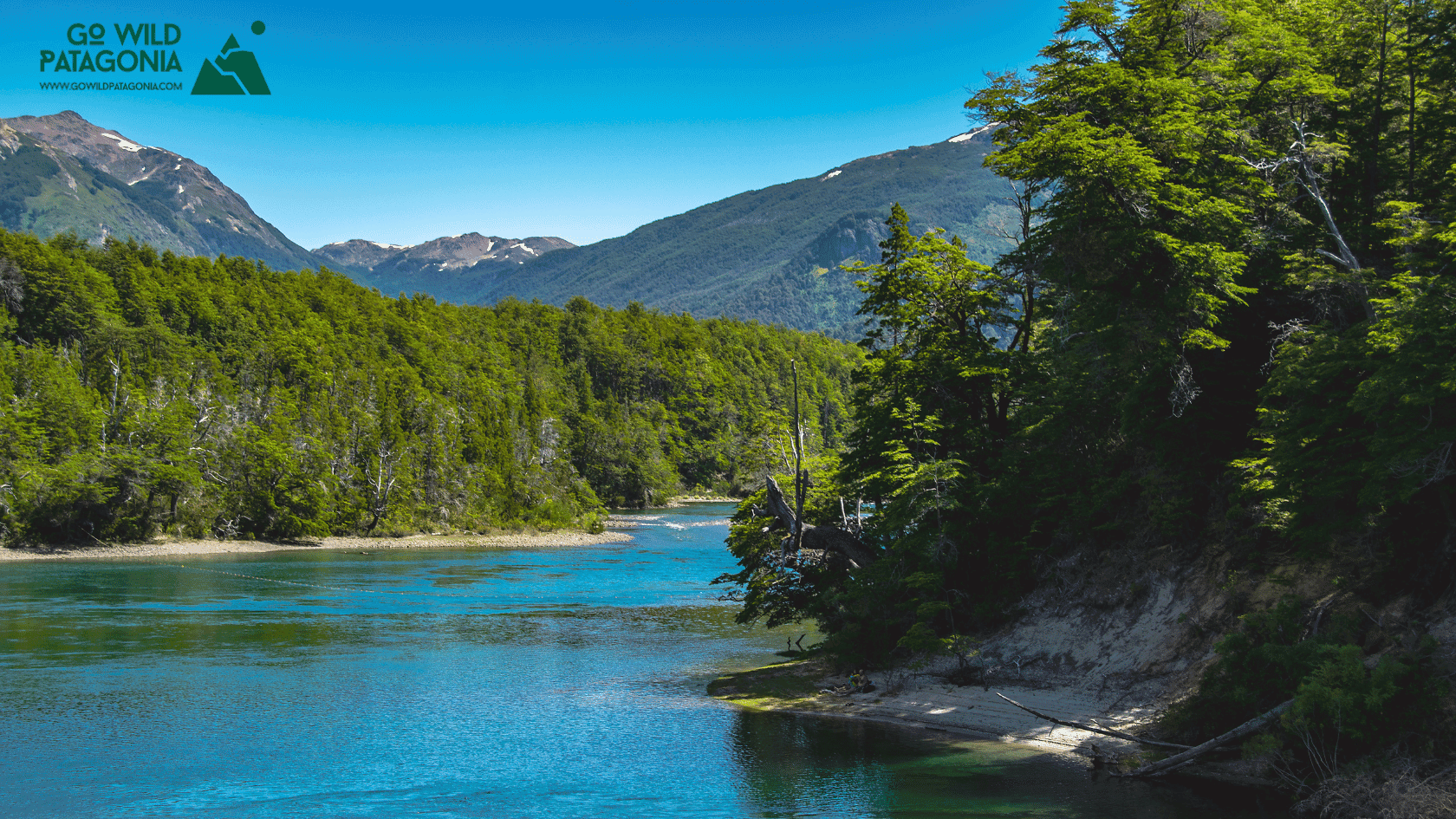
Chubut Province, Argentina — Cathedral of Ancient Trees Overview Los Alerces National Park protects 263,000 hectares of pristine Valdivian rainforest in Argentine Patagonia, home to some of the oldest living trees on Earth. The park's namesake—the alerce tree (Fitzroya cupressoides)—can live over 3,000 years, rivaling California's sequoias and bristlecone pines.
Update on Oct 24, 2025
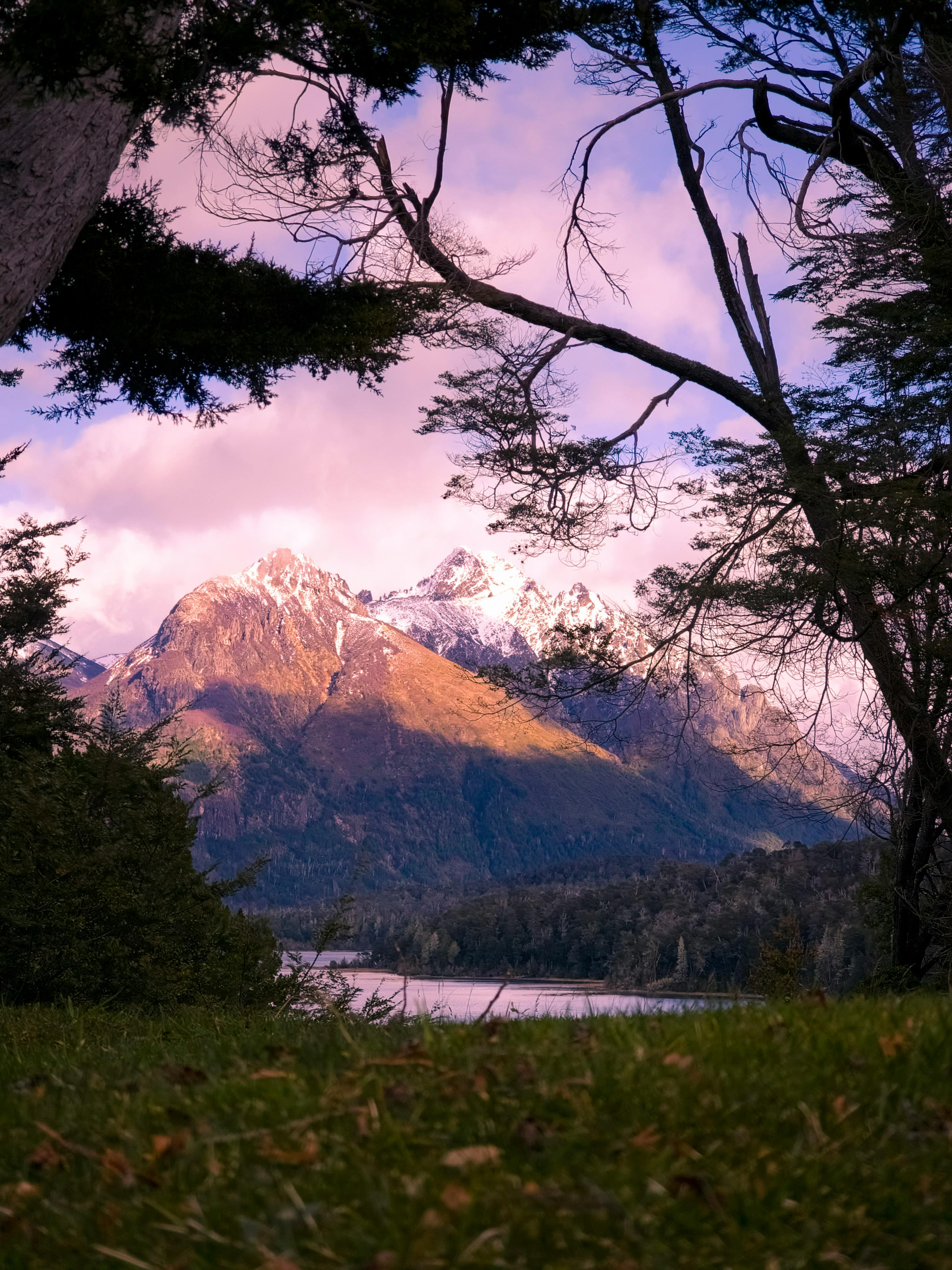
El Bolsón offers world-class hiking: Refugio Hielo Azul and Refugio Cajón del Azul sit in alpine cirques accessible via multi-day treks, Cerro Piltriquitrón (2,284m) provides panoramic summit views, and Cajón del Azul's turquoise canyon ranks among Patagonia's most photographed day hikes.
Update on Oct 24, 2025
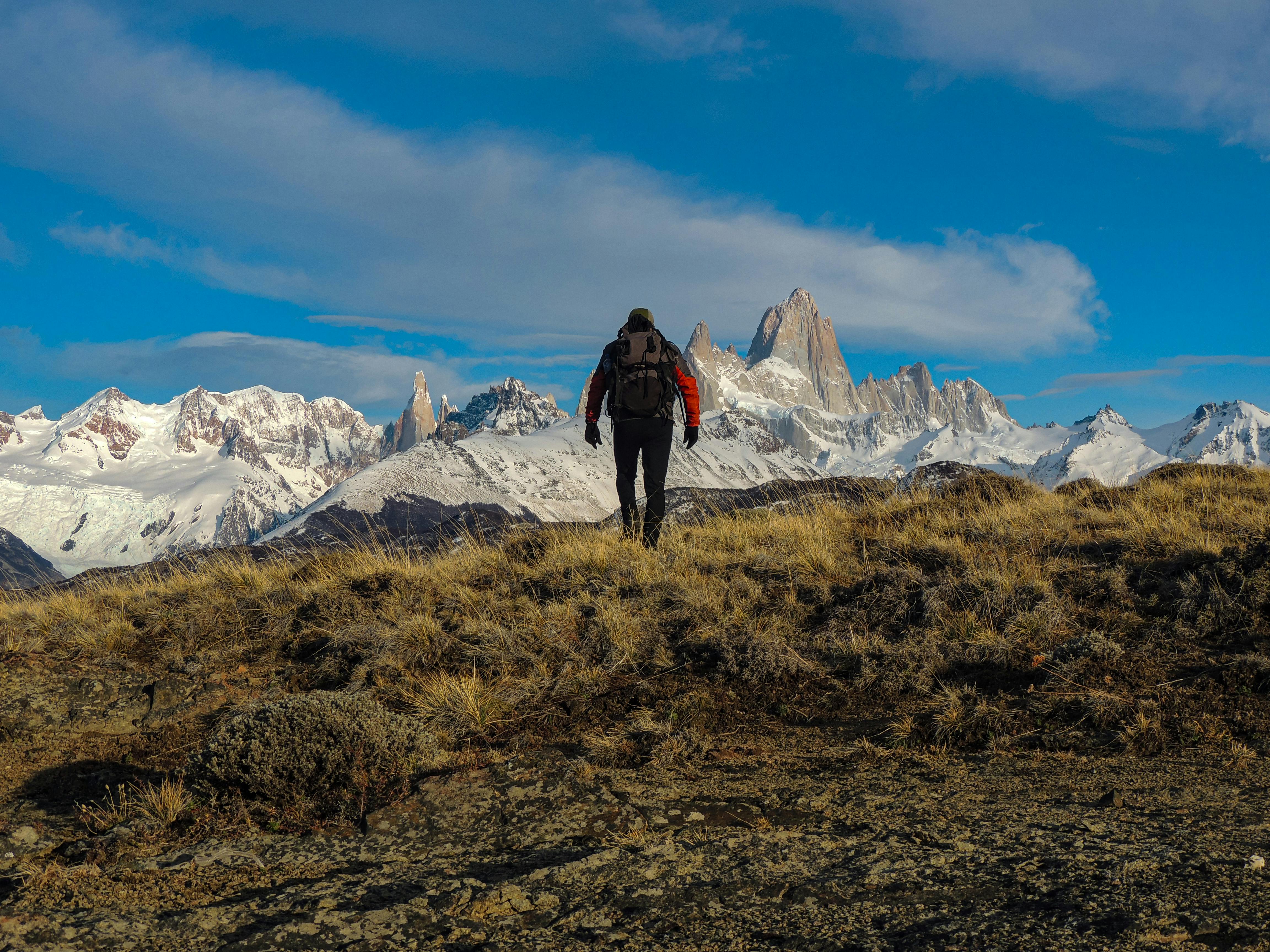
Monte Leon National Park is Argentina's first coastal national park, protecting 40 km of dramatic Atlantic shoreline where the Patagonian steppe meets the sea.
Update on Oct 24, 2025