
Puyuhuapi - The German Fjord Village
Puyuhuapi is a tiny German-founded village of 500 on the eastern shore of Ventisquero Sound, a fjord penetrating deep into Chilean Patagonia. Puyuhuapi offers fjord kayaking, Queulat National Park proximity (45 km south—hanging glacier), and peaceful refuge from Carretera Austral's rough roads.
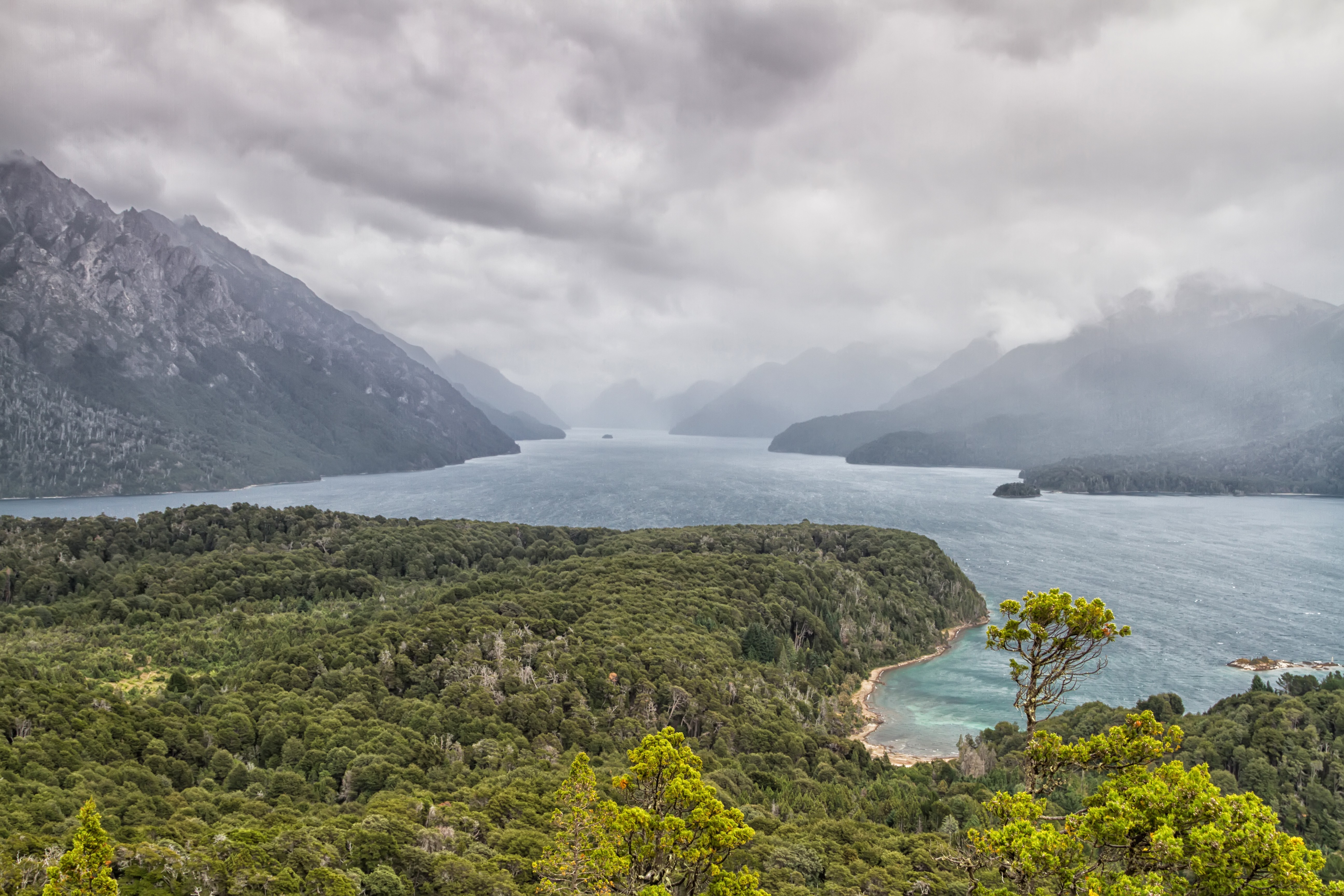
Puyuhuapi
Aysén Region, Chile — The German Fjord Village
Overview
Puyuhuapi is a tiny German-founded village of 500 on the eastern shore of Ventisquero Sound, a fjord penetrating deep into Chilean Patagonia. Established in 1935 by four young German immigrants (Otto Uebel, Carl Ludwig, Walther Hopperdietzel, and Eberhard Schüler), this isolated settlement retains distinctly German character: Bavarian-style houses, German surnames, and European sensibilities transplanted to fjord wilderness. Located on the Carretera Austral 210 km south of Chaitén, Puyuhuapi serves as critical stopover between northern and central sections of the legendary highway. The main attraction: Termas Ventisquero—luxury hot springs resort accessible only by boat, where guests soak in volcanic thermal pools overlooking hanging glaciers and fjord waters. Beyond hot springs, Puyuhuapi offers fjord kayaking, Queulat National Park proximity (45 km south—hanging glacier), carpet-weaving workshops (German tradition continues), and peaceful refuge from Carretera Austral's rough roads. It's where overlanders pause, soak away aches, and experience unexpected European elegance in Patagonian remoteness.
Why Visit
Soak at Termas Ventisquero — Luxury hot springs resort on fjord: multiple thermal pools (38-42°C), spa treatments, hiking trails to hanging glacier viewpoint. Day-spa packages or overnight stays. Accessible only by 20-minute boat ride—adds adventure.
Experience German-Patagonian heritage — Walk village's single main street, visit Alfombras de Puyuhuapi (carpet workshop—traditional German weaving continues), see Bavarian architecture, German cemetery. Unique cultural blend.
Kayak pristine fjords — Paddle Ventisquero Sound: glassy water reflecting mountains, hanging glaciers, sea lion colonies, dolphin sightings. Multi-day expeditions to remote fjord arms possible.
Base for Queulat National Park — 45 km south: hanging glacier (Ventisquero Colgante) suspended on cliff face—one of Carretera Austral's most spectacular sights. Easy day trip from Puyuhuapi.
Rest on Carretera Austral journey — After rough northern sections (Chaitén, ferries, gravel), Puyuhuapi offers comfortable pause: hot springs heal muscles, hospedajes provide beds, restaurants serve meals. Strategic location before continuing south to Coyhaique.
Photograph dramatic landscapes — Fjord setting with peaks plunging to sea, hanging glaciers visible from town, lush temperate rainforest, moody weather creating atmospheric conditions. Photographer's paradise.
Getting There
By Bus (Limited): Carretera Austral route services pass through. From Coyhaique: 165 km north (3-4 hrs, $20-25, 2-3x weekly—Buses Becker, others). From Chaitén: 210 km south (4-5 hrs, $25-30, same buses). Schedule: Summer (Dec-Mar) more frequent; winter very limited. Book: 1-2 days ahead. Note: Buses don't wait—be at roadside stop on time.
By Car: Self-drive ideal for Carretera Austral. From Coyhaique: 165 km north—gravel but well-maintained, scenic along Aysén Fjord then inland. 3-4 hours. From Chaitén: 210 km south—after rough northern Carretera sections, road improves approaching Puyuhuapi. 4-5 hours. Fuel: Fill in Coyhaique (south) or Chaitén (north)—Puyuhuapi has limited/no regular gas. Bring reserve can. Parking: Easy in village—virtually no traffic.
Hitchhiking: Possible summer—tourist traffic on Carretera Austral decent. Stand at village edge. Spanish helpful. Can wait hours. Bring tent.
By Boat: Termas Ventisquero accessible only by boat from Puyuhuapi pier. Included in resort packages.
Important: Puyuhuapi is tiny—one street, handful of services. Arrive with cash (no ATM reliable), camping gear (budget option), food if picky (basic restaurants only). Cell service spotty.
Top Experiences
Termas Ventisquero (Hot Springs Resort) — The primary attraction. Location: Across fjord, 20 min boat ride from Puyuhuapi pier. Accessible only by water. Facilities: Multiple outdoor thermal pools (38-42°C volcanic spring water), indoor pool, spa, hiking trails, glacier viewpoints, dock. Day Spa Package: ~$40-60 USD includes boat transfer, pools access, lunch. 4-6 hours. Book at Puyuhuapi hotels/tour offices. Overnight Stay: Luxury hotel (~$180-250 per night with meals, pools, boat transfers). Private thermal tub rooms available (higher rate). Pools: Terraced overlooking fjord—soak while watching hanging glacier across water, dolphins occasionally surface. Best: Evening soak—watch sunset colors on glacier, stars emerge. Trails: Short hikes from resort to glacier viewpoints (1-2 hrs). Season: Year-round but summer (Dec-Mar) best weather, reliable boats. Worth it: After days on rough Carretera Austral, this is heaven. Book ahead: January-February fills (still not crowded—maybe 20-30 guests max).
Termas El Sauce (Budget Alternative) — Free/cheap rustic hot springs. Location: 7 km south of Puyuhuapi (15 min drive). Facilities: Natural riverside pools, basic changing shelter, pit toilets. No luxury—pure natural. Temperature: 38-40°C. Cost: Free or small donation. Access: Pull off Carretera Austral, short walk to pools. Best: Morning before day heats, or evening for privacy. Combine: With Queulat day trip (en route). Reality: If you can afford Ventisquero, do it—far superior. But El Sauce works for budget travelers.
Alfombras de Puyuhuapi (Carpet Workshop) — Cultural experience. History: Founded 1940s by German settlers using traditional weaving techniques. Today: Still operates—wool carpets handwoven on looms, sold locally and Santiago. Visit: Workshop tour (free, donations welcome)—watch weavers work, see process from wool dyeing to finished carpets. Shop: Purchase carpets (expensive—heirloom quality, ~$500-2,000 USD). Also sells smaller items (table runners, pillows). Location: Main street. Hours: Variable—ask at hospedajes. Unique: Rare to see traditional European craft continuing in remote Patagonia.
Fjord Kayaking — Paddle Ventisquero Sound's glassy waters. Half-day trips: Departing from Puyuhuapi, explore fjord—sea lion colonies, dolphin sightings, hanging glaciers visible, pristine shoreline. ~$60-80 USD per person guided. Multi-day expeditions: 3-5 day kayak camping trips deeper into fjord system—remote arms, glacier approaches, complete solitude. ~$400-600 USD for multi-day with guide/gear/meals. Difficulty: Calm water usually, but cold (10-12°C)—wetsuits essential (provided). Season: December-March optimal (warmer, longer days). Operators: Limited—book through Puyuhuapi lodges or Coyhaique outfitters. Alternative: Rent kayak for DIY (very limited availability—unlikely). Rewards: Pristine fjord wilderness rarely visited.
Queulat National Park Day Trip — Essential Carretera Austral stop. Distance: 45 km south (45 min drive). Main attraction: Ventisquero Colgante (Hanging Glacier)—glacier suspended on cliff face, calving ice into lagoon below. See separate Queulat guide for full details. From Puyuhuapi: Easy day trip—drive south, hike to glacier viewpoint (3 km, 1.5 hrs), return. Half-day minimum. Combine: With Termas El Sauce hot springs (en route). Best: Morning for light on glacier.
Village Walk & German Heritage — Puyuhuapi itself is attraction. Main street: Single paved road along fjord—Bavarian houses, German signs, European gardens. German Cemetery: Small hillside cemetery with German surnames, touching pioneer history. Lookout Points: Various viewpoints over fjord, hanging glaciers visible on clear days. Pace: Ultra-slow—village life revolves around fishing, tourism, quiet. Photography: Moody weather creates atmosphere—mist, drizzle, dramatic light. Best: Early morning walk—village awakens, fjord reflects peaks.
Fishing Río Cisnes & Río Simpson — Both nearby. Río Cisnes: 40 km south (en route Queulat), holds browns and rainbows. Wade-able access. Río Simpson: Closer to Coyhaique (south) but accessible day trips. Season: November-April. Licenses: Purchase in Coyhaaque (Puyuhuapi too small). Guides: Limited locally—DIY or arrange from Coyhaique. Quality: Excellent—minimal pressure, pristine. Bring: Full setup (no rentals).
Dolphin & Sea Lion Watching — Fjord wildlife. Dolphins: Occasionally seen from village shore or boat trips (Chilean dolphins—small species). Sea lions: Haul out on rocks in fjord—visible from boats. Included: In hot springs boat transfers or kayak trips—not separate tours. Seabirds: Cormorants, gulls, petrels. Bring: Binoculars for wildlife spotting.
Hiking Trails Near Town — Limited but present. Sendero Ventisquero: Short trail from village toward hanging glacier viewpoint (partial—full access difficult). Forest walks: Informal trails into temperate rainforest surrounding village. Ask hospedaje owners for local routes. Best: Moody weather hiking—mist through trees, dramatic.
Boat Building Observation — Village has traditional boat builders. Wooden boats: Still constructed using old methods for fishing. Visit: Walk docks, watch craftsmen work (informal—no official tours). Photography: Colorful fishing boats against fjord backdrop.
Where to Stay
Budget:
Hostería Alemana: German-run, simple rooms, breakfast (~$50-70 per person). Authentic German hospitality.
Hospedaje Casa Ludwig: Basic family home, rooms (~$40-60 per person with breakfast)
Camping: Informal camping at village edges (ask permission). No official campground but locals sometimes allow (~$10-15).
Mid-Range:
El Pangue Lodge: Comfortable, good restaurant, fjord views (~$80-120)
Casa de Puyuhuapi: Decent rooms, central (~$70-100)
Upscale:
Termas Ventisquero Hotel: Luxury hot springs resort—accessible only by boat. Multiple pools, spa, gourmet meals, glacier views (~$180-250 per night including meals, pools, transfers). Best option if budget allows—unique experience.
Note: No other upscale options in village itself.
Camping (Outside Village):
Free wild camping along Carretera Austral near Puyuhuapi (pull-offs with fjord views). Self-sufficient.
Best Time to Visit
December-February (Summer Peak): Best weather (15-20°C days—still cool, still rainy!), longest daylight (5 AM-10 PM), all activities operational. Termas Ventisquero fully booked—reserve 2-4 weeks ahead. Kayaking excellent. Queulat hanging glacier best visible (less snow obscuring). Carretera Austral busiest (still quiet by normal standards). Hospedajes can fill January. Warmest water temps, most reliable boat schedules, optimal overall.
March-April (Autumn): Shoulder season. Cooler (12-18°C), more rain (already rainy region—gets wetter). Autumn colors limited (mostly evergreens). Fewer tourists—easy accommodation. Termas still operates. Queulat accessible. Some services reduce April. Good for budget travelers accepting rain. March viable; April marginal.
October-November (Spring): Improving but wet. Cold (8-15°C), heavy rain, unpredictable. November better than October. Services gradually reopening. Termas operates. Very few tourists. Late November approaches summer. For pioneers comfortable with rough conditions.
May-September (Winter): Off-season. Very cold (5-12°C days, freezing nights), extremely wet (this is Chile's wettest region—3,000mm annual rainfall, concentrated winter), short days. Most tourism services close or reduce dramatically. Termas Ventisquero may close or limited access (check ahead). Carretera Austral challenging—snow, mud, washouts. Only for through-travelers or extreme off-season seekers. Not recommended.
Reality Check: Puyuhuapi averages 3,000mm (118 inches) annual rainfall—among Chile's wettest locations. Even summer rains frequently. Expect drizzle, embrace it. Clear days feel like miracles. Moody weather creates atmospheric beauty—mist, low clouds, dramatic light. Pack full waterproofs.
Sample Itineraries
1-Day Itinerary (Quick Stopover)
Morning:
Arrive from Chaitén or Coyhaique
Check into hospedaje, drop bags
Village walk—carpet workshop, main street, fjord views
Afternoon:
Termas Ventisquero day-spa package (4-6 hrs)
Boat transfer, soak pools, lunch, return
OR: Quick drive to Termas El Sauce (budget option)
Evening:
Simple dinner, early sleep (exhausted from hot springs + Carretera driving)
Next Day: Depart continuing Carretera Austral
2-Day Itinerary (Recommended Minimum)
Day 1:
Morning: Arrive, settle in
Afternoon: Village exploration—carpet workshop, cemetery, waterfront
Evening: Hospedaje dinner, plan next day
Day 2:
Morning: Drive to Queulat National Park (45 min)
Hike to hanging glacier viewpoint (3 km, 1.5 hrs)
Stop at Termas El Sauce en route back (soak 1-2 hrs)
OR: Full-day Termas Ventisquero (boat spa package)
Evening: Depart or overnight again
3-Day Itinerary (Complete Experience)
Day 1:
Arrive, village walk, carpet workshop
Evening: Simple dinner, rest
Day 2:
Full day: Termas Ventisquero overnight package
Afternoon boat transfer, check into resort
Multiple hot springs sessions, spa treatment
Hiking trails to glacier viewpoint
Gourmet dinner at resort
Evening soak under stars
Overnight resort
Day 3:
Morning: Final hot springs session, breakfast
Boat return to Puyuhuapi
Afternoon: Fjord kayaking half-day OR drive to Queulat
Evening: Depart or extend
Alternative Day 2-3 (Budget):
Day 2: Queulat National Park full day (multiple hikes, lagoon exploration)
Day 3: Kayaking fjord + Termas El Sauce, then depart
Where to Go Next
1. Queulat National Park — Hanging Glacier (45 km south, 45 min)
Transport: Drive or join tour from Puyuhuapi
Why Go: Ventisquero Colgante (Hanging Glacier) is Carretera Austral icon—glacier suspended on cliff, calving into lagoon, accessible via easy 3 km hike. Essential stop. Also other trails, lagoons, dense temperate rainforest. Budget half-day minimum; full-day for thorough exploration. See separate Queulat guide.
2. Coyhaique — Regional Capital (165 km south, 3-4 hrs)
Transport: Bus 2-3x weekly (~$20-25) or drive
Why Go: Aysén region's main city (50,000). Resupply hub, restaurants, hotels, ATMs, gear shops. Gateway to Laguna San Rafael glacier trips (boat expeditions—expensive but spectacular). Continue south on Carretera Austral toward Marble Caves, Cochrane, Villa O'Higgins. Budget 2-3 days Coyhaique itself; 7-14 days southern Carretera highlights.
3. Chaitén — Volcano Town (210 km north, 4-5 hrs)
Transport: Bus 2-3x weekly (~$25-30) or drive
Why Go: Town buried/rebuilt after 2008 volcanic eruption. Ash-covered beaches, volcano visible, pioneer resilience story. Gateway to Pumalín Park (ancient alerce forests—60 km north), Futaleufú (rafting—150 km east via junction). Continue north on Carretera Austral eventually to Puerto Montt. Budget 1-2 days Chaitén; 3-5 days Pumalín; 5-7 days Futaleufú if detouring.
4. Complete Carretera Austral Journey
Why Go: Puyuhuapi sits roughly midpoint. North: Chaitén, Pumalín, ferry to Puerto Montt (450 km, multiple days). South: Coyhaique, Cerro Castillo, Marble Caves, Cochrane, Villa O'Higgins (600+ km, multiple days). Complete route Puerto Montt to Villa O'Higgins takes 14-21 days with stops. Puyuhuapi offers critical rest/resupply midway.
Planning Your Routes:
Carretera Austral Classic: Puerto Montt → ferry → Pumalín (3 days) → Chaitén → Puyuhuapi (2 days rest/hot springs) → Queulat → Coyhaique (2 days) → Marble Caves → Cochrane → Villa O'Higgins. Total: 14-21 days.
Quick Hot Springs Fix: Fly to Coyhaique → drive/bus north to Puyuhuapi (2 days Termas Ventisquero) → Queulat day trip → return Coyhaique → fly out. Total: 5-7 days.
Futaleufú Detour: Chaitén → Puyuhuapi (2 days) → backtrack Chaitén → east to Futaleufú (5 days rafting) → return Carretera Austral or cross to Argentina.
Winter Thermal Route: Focus on hot springs—Puerto Varas → Termas Puyehue → Puyuhuapi Termas Ventisquero → return (winter refuge tour).
Timing Tips:
Budget 1-3 days Puyuhuapi depending on hot springs interest
Termas Ventisquero overnight is splurge but worth it—unique experience
Book Termas 2-4 weeks ahead January-February; walk-in possible other months
Combine with Queulat (essential Carretera Austral stop)
Village tiny—don't expect activities beyond hot springs, kayaking, relaxation
Perfect "rest day" on rough Carretera Austral journey
Bring cash—no reliable ATM
German heritage interesting but brief—1-2 hours covers village
Embrace rain—it creates the lush scenery and feeds the hot springs
Termas El Sauce budget alternative but Ventisquero far superior if affordable
Cell service spotty—download offline maps, entertainment
Final Thoughts:
Puyuhuapi succeeds by offering what overlanders desperately need mid-Carretera Austral: rest, hot water, decent food, and spectacular natural hot springs. The village itself is tiny—you'll "see it all" in an hour. But that's not the point. The point is soaking in Termas Ventisquero's pools, watching hanging glaciers calve while volcanic spring water eases road-weary muscles, and remembering that Patagonia can be gentle, not just harsh.
The German heritage adds charm—unexpected European tidiness in raw Chilean wilderness. The fjord setting provides photogenic drama. And the location makes logistical sense for Carretera travelers needing to break the journey.
Don't skip Puyuhuapi. Even if just overnight en route, stop at Termas Ventisquero. Your body will thank you, and you'll carry memories of that misty fjord, those warm pools, and that hanging glacier long after rougher Carretera sections fade.
About Me
Veb
Hey there! I’m Veb and I've traveled solo and in groups for 10+ years in Patagonia - across Chile and Argentina.
I started Go Wild Patagonia with a desire to help other travelers plan their journeys in Patagonia with a focus on adventure, nature and being in the wilderness.
Say Thanks
Support my mission to make Patagonia more accessible for travelers while supporting local tour operators who organize only sustainable travels in Patagonia.
Read More
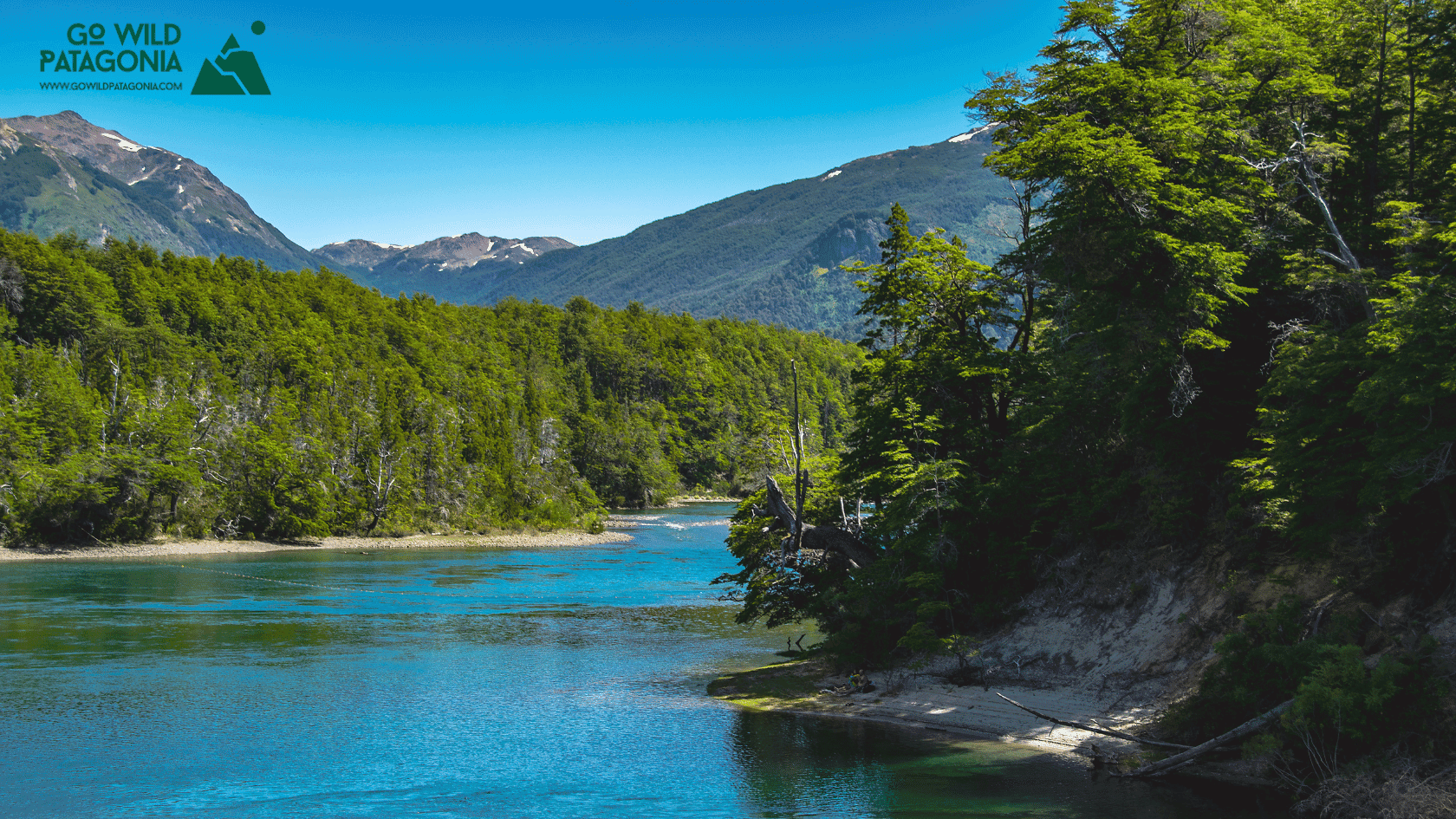
Chubut Province, Argentina — Cathedral of Ancient Trees Overview Los Alerces National Park protects 263,000 hectares of pristine Valdivian rainforest in Argentine Patagonia, home to some of the oldest living trees on Earth. The park's namesake—the alerce tree (Fitzroya cupressoides)—can live over 3,000 years, rivaling California's sequoias and bristlecone pines.
Update on Oct 24, 2025
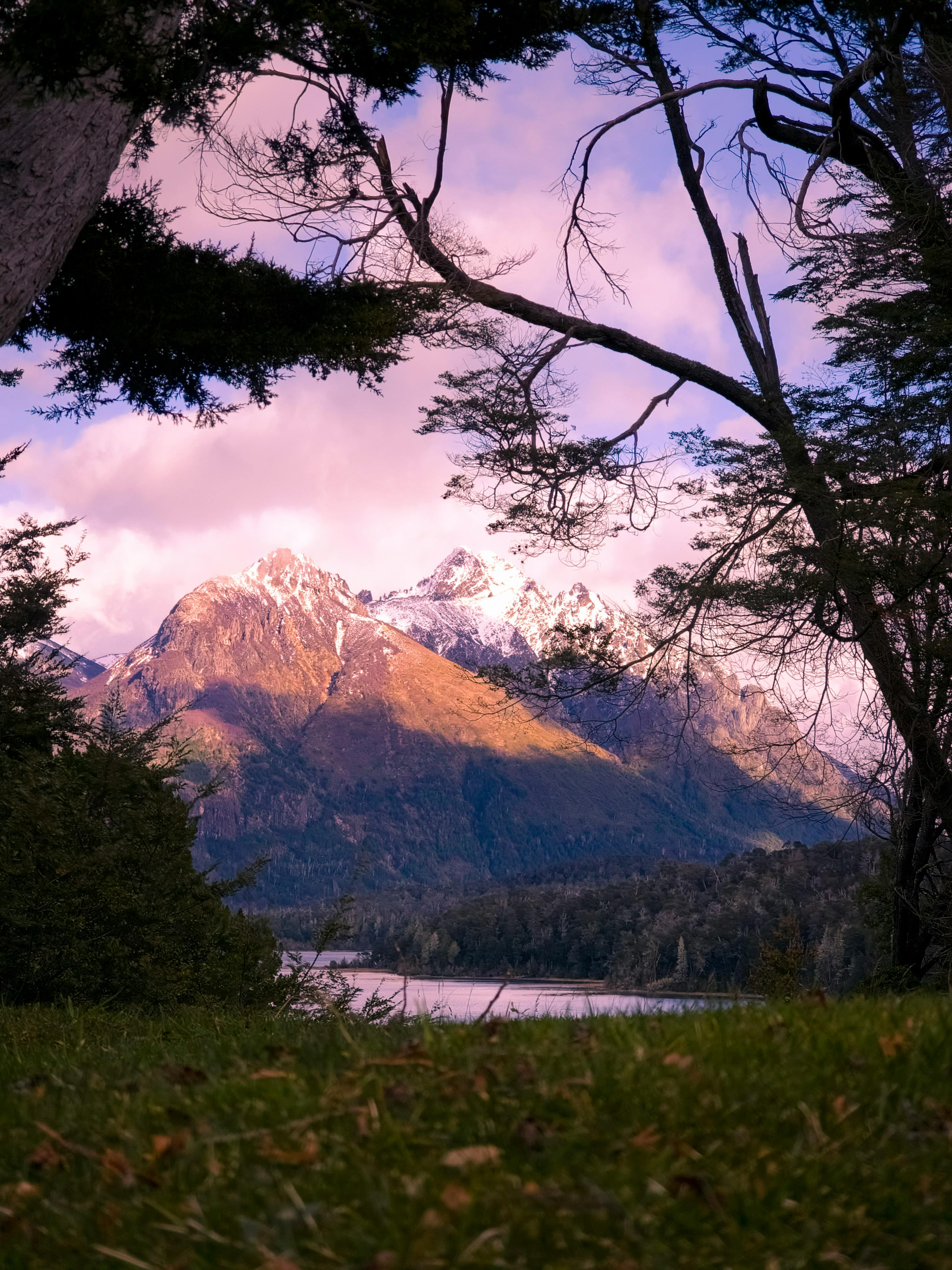
El Bolsón offers world-class hiking: Refugio Hielo Azul and Refugio Cajón del Azul sit in alpine cirques accessible via multi-day treks, Cerro Piltriquitrón (2,284m) provides panoramic summit views, and Cajón del Azul's turquoise canyon ranks among Patagonia's most photographed day hikes.
Update on Oct 24, 2025
Monte Leon National Park is Argentina's first coastal national park, protecting 40 km of dramatic Atlantic shoreline where the Patagonian steppe meets the sea.
Update on Oct 24, 2025