
Chile Chico - The Oasis of Patagonia
Chile Chico is a surprising oasis in harsh Patagonian landscapes—a town of 4,000 on Lago General Carrera's southern shore where a unique microclimate allows fruit cultivation impossible elsewhere in the region. Chile Chico offers lake activities, access to remote marble formations, proximity to Cueva de las Manos (Argentine side), and serves as staging point for binational Patagonia circuits.
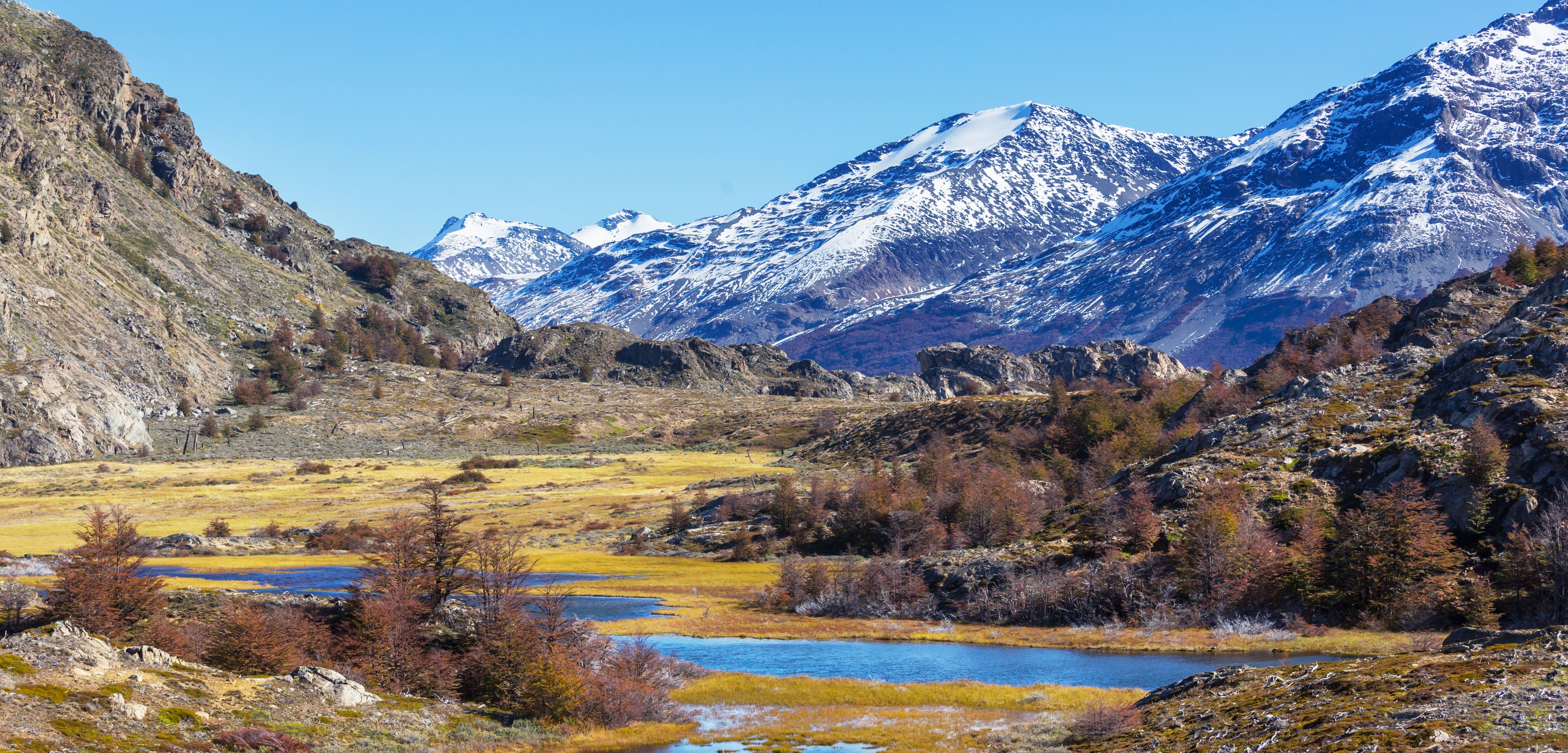
Chile Chico
Aysén Region, Chile — The Oasis of Patagonia
Overview
Chile Chico is a surprising oasis in harsh Patagonian landscapes—a town of 4,000 on Lago General Carrera's southern shore where a unique microclimate allows fruit cultivation impossible elsewhere in the region. Founded in 1909, this border town sits just 8 km from Argentina's Los Antiguos, serving as key crossing point between Chilean Carretera Austral and Argentine Ruta 40. The microclimate, created by the massive lake (Chile's largest, shared with Argentina where it's called Lago Buenos Aires) moderating temperatures, enables cherry, apple, pear, and berry orchards—earning the nickname "Garden of Patagonia." Timing visits during cherry harvest (late December-January) reveals the town at its festive best, with roadside stands selling fresh fruit and local preserves. Beyond agriculture, Chile Chico offers lake activities, access to remote marble formations, proximity to Cueva de las Manos (Argentine side), and serves as staging point for binational Patagonia circuits. It's relaxed, scenic, and offers a gentler side of Patagonia compared to windswept steppe or rugged mountains.
Why Visit
Experience the microclimate oasis — Taste fresh cherries in Patagonia (surreal!), visit orchards, buy local preserves. Cherry Festival (late Dec-early Jan) celebrates harvest with music, food, celebrations.
Cross to Argentina easily — Simple border crossing (8 km) to Los Antiguos, gateway to Cueva de las Manos (ancient rock art), Ruta 40, and southern Argentine attractions (El Chaltén, El Calafate).
Explore Lago General Carrera — Chile's largest lake (1,850 km²): kayaking, fishing, beaches, stunning turquoise water. Different perspective than northern marble caves area.
Access remote marble formations — Less-visited marble caves/formations on southern lake shore. Boat tours from Chile Chico or nearby Puerto Ingeniero Ibáñez.
Base for binational routes — Connect Chilean Carretera Austral with Argentine Ruta 40, creating loops: Torres del Paine → El Calafate → Ruta 40 north → Cueva de las Manos → cross to Chile Chico → Carretera Austral north/south.
Enjoy relaxed border town atmosphere — Slower pace than adventure hubs, affordable, friendly locals, good restaurants, comfortable base for regional exploration.
Getting There
By Bus: Regular services connect to both Chilean and Argentine destinations. From Coyhaique: 280 km (6-7 hrs, $30-40, Buses Ale—3x weekly). Route via Cerro Castillo and Puerto Guadal (lakeside). From Cochrane: 120 km west via lateral road (3 hrs, $20-25, less frequent service). From Argentina (Los Antiguos): 8 km across border—walk, taxi ($5-8), or bus (coordinated Chilean-Argentine service). From Perito Moreno, Argentina: 60 km via Los Antiguos (1.5 hrs, frequent service). Summer schedule more robust; winter reduced.
By Car: Excellent flexibility for binational exploration. From Coyhaique: 280 km via scenic Route X-265 along Lago General Carrera shore—paved and gravel sections, beautiful. From Cochrane: 120 km northeast via mostly gravel road. From Argentina: Drive to Los Antiguos, cross border (straightforward—no vehicle restrictions usually). Border hours: Typically 8 AM-8 PM (confirm). Argentine rental cars: Most allow Chilean entry with paperwork; Chilean rentals vice versa. One-way cross-border expensive.
Hitchhiking: Doable summer—tourist traffic between Carretera Austral and Argentina. Spanish helpful. Border area sees decent traffic.
Top Experiences
Cherry Harvest Experience — Late December through January. Orchards: Many allow picking (small fee) or sell at roadside stands. Cherries: Sweet, delicious—unexpected in Patagonia. Preserves: Buy local jams, dried fruit, liqueurs. Festival: Late Dec/early Jan—Fiesta Nacional de la Cereza (Cherry Festival): music, food stalls, tastings, dancing. Town festive, busy. Photo ops: Orchards with lake/mountain backdrop. Other fruit: Apples, pears, berries depending on timing.
Lago General Carrera Water Activities — Lake dominates landscape. Kayaking: Rent in town (~$30-40/day), paddle turquoise water, explore shoreline, beach access. Usually calm waters. Fishing: Browns, rainbows, salmon. Shore access or boat (rentals/charters available). Swimming: Beaches around town—warmer than you'd expect (lake moderates temp) but still cold (~15°C summer). Refreshing on hot days (yes, Chile Chico gets hot summers—25°C+). Boat tours: To marble formations, islands, fishing spots.
Casa de Cultura & Museo — Small museum in cultural center. Exhibits: Regional history, pioneer settlement, indigenous Tehuelche culture, Chilean-Argentine border history, local industry (sheep, cherries). Time: 1-2 hours. Free or small donation. Cultural events: Sometimes hosts concerts, art shows—check schedule.
Border Crossing to Argentina — Easy international experience. Process: Straightforward—Chilean exit, drive 8 km, Argentine entry. Los Antiguos: Mirror town to Chile Chico—also fruit-growing, pleasant. Worth brief visit. Why cross: Access Argentine side attractions (Cueva de las Manos, Ruta 40, Perito Moreno town), compare prices (Argentina often cheaper for food/lodging), currency exchange.
Cueva de las Manos Day Trip (Argentina) — From Chile Chico, drive to Los Antiguos (8 km), then 80 km north on Ruta 40 to Cueva de las Manos turnoff, then 45 km gravel to site. Total: 130 km from Chile Chico (2.5 hrs). Site: UNESCO World Heritage—9,000+ year-old rock art, hundreds of handprints, hunting scenes. Visit: 2-3 hours on-site, guided tours mandatory ($15-20 USD). Full day trip from Chile Chico. One of Argentina's most important archaeological sites. See separate Cueva guide for details.
Puerto Ingeniero Ibáñez Excursion — 30 km west along lake shore. Small village: Quiet, scenic. Marble caves: Less famous formations than northern Capillas but beautiful. Local boat tours. Drive: Scenic lakeside road. Good half-day trip.
Mountain Biking — Moderate trail network. Routes: Lakeside roads (paved/gravel), valley loops, orchards. Rentals: Limited—ask at hospedajes. Better bring own. Scenic rides: Lake views throughout.
Horseback Riding — Local estancias offer rides. Options: Valley trails, lakeside, mountain foothills. Half-day ~$60-80, full-day ~$120-150. Arrange through tourist info or hotels.
Hiking Cerro Pico del Águila — Moderate day hike to viewpoint. Stats: ~10 km round trip (4-5 hrs), elevation gain ~600m. Views: Lago General Carrera, Chile Chico valley, Argentine pampas, Andes. Trailhead: Edge of town. Best: Clear days (common in microclimate).
Wine & Food Tasting — Some local producers offer tastings: fruit wines, liqueurs, preserves. Quality: Artisanal, small-batch. Ask: Tourist office for current operations open to visitors.
Where to Stay
Budget:
Hostería de la Patagonia: Simple but comfortable, central (~$60-80)
Residenciales: Family homes, budget-friendly (~$30-50 per person with breakfast)
Camping Municipal: Basic campground, lake access (~$8-12 per person)
Mid-Range:
Hotel Elizabeth: Best in town, comfortable rooms, restaurant (~$90-130)
Cabañas Río Baker: Self-catering cabins outside town (~$80-120 per cabin)
Hostería Don Luis: Well-maintained, good value (~$70-100)
Alternative:
Los Antiguos, Argentina (8 km): Similar options, sometimes cheaper. Easy daily crossing.
Best Time to Visit
Late December-January (Cherry Harvest Peak): Town at its festive best. Warm (15-25°C days—hottest Patagonia gets!), long days, cherries everywhere, Fiesta Nacional de la Cereza, orchards open, energetic atmosphere. Lake activities perfect—swimming feasible. Busiest season—book ahead. Accommodation can fill (still manageable). Best overall experience if timing works.
February-March (Late Summer/Autumn): Still warm (12-20°C), cherries ending but other fruit available. Fewer tourists, prices drop. Autumn colors begin. Comfortable weather for activities. Good balance of weather and availability. Border crossing easy.
October-November (Spring): Improving weather, orchards blossoming (beautiful), wildflowers. Cooler (10-18°C). Services reopening. Fishing season begins Nov 1. Less crowded, lower prices. Good for budget travelers. Weather variable—spring storms possible.
December (Early Summer): Building toward peak. Weather good (15-22°C), cherries beginning, services fully open. Good compromise—decent weather, fewer crowds than late Dec/Jan, lower prices.
April-September (Off-Season): Cold (5-15°C), short days, fruit season ended. Many tourist services close. Town quieter—locals and hardy travelers. Border crossing still operates. Only for off-season adventurers or those transiting through.
Sample Itineraries
2-Day Itinerary (Quick Stop)
Day 1:
Arrive from Coyhaique or Argentina
Check into hotel
Afternoon: Town walk, Casa de Cultura museum
Orchard visit if cherry season
Lakeside stroll, sunset views
Dinner: Local restaurant (trout, lamb)
Day 2:
Morning: Border crossing to Los Antiguos (explore Argentine town, compare)
OR: Lago kayaking half-day
Afternoon: Depart for Cochrane (west) or Ruta 40 (east via Argentina)
4-Day Itinerary (Regional Base)
Day 1: Arrive, settle, town exploration, cherry tastings/purchases
Day 2: Full-day Cueva de las Manos trip (Argentina)—drive Ruta 40, ancient rock art, return evening
Day 3: Lake activities—kayaking, fishing, beach time, or Puerto Ingeniero Ibáñez excursion to marble formations
Day 4: Cerro Pico del Águila hike (morning), final orchards/shopping (afternoon), depart or overnight
Where to Go Next
1. Los Antiguos & Argentine Ruta 40 (8 km east, border crossing)
Why Go: Continue binational journey. Los Antiguos: fruit town, pleasant. Then north on Ruta 40: Cueva de las Manos (80 km north), Perito Moreno town (60 km), continue to El Chaltén (400 km south) or Bariloche (800 km north). Creates Chile-Argentina loop.
2. Cochrane & Southern Carretera Austral (120 km west, 3 hours)
Why Go: Continue Carretera Austral journey. Cochrane: supply hub, Baker River rafting, access to Caleta Tortel (stilted village), Villa O'Higgins (road's end). Budget 5-7 days southern Carretera.
3. Coyhaique & Marble Caves (280 km north, 6-7 hours)
Why Go: Return north on Carretera Austral. Puerto Río Tranquilo (200 km): famous Marble Caves. Coyhaique (280 km): regional capital, resupply, Laguna San Rafael glacier trips, continue north toward Queulat/Puyuhuapi. Budget 7-10 days.
4. El Chaltén & El Calafate (via Argentina, 400-500 km south)
Why Go: Cross to Argentina, drive south on Ruta 40 to El Chaltén (Fitz Roy trekking—5-7 days) and El Calafate (Perito Moreno Glacier—3-4 days). World-class Argentine Patagonia. Creates logical binational route: Chilean Carretera → Chile Chico → Argentina Ruta 40 → El Chaltén/Calafate → return Chile (Torres del Paine) or fly Buenos Aires.
Planning Your Routes:
Binational Loop: Puerto Montt → Carretera Austral south → Chile Chico → cross Argentina → Ruta 40 south → El Chaltén → El Calafate → cross back Chile → Torres del Paine → Punta Arenas. Duration: 3-4 weeks minimum.
Carretera Austral Complete: Puerto Montt → entire Carretera south → Chile Chico side trip (explore, cross to Argentina briefly for Cueva de las Manos) → return Carretera → Villa O'Higgins. Duration: 14-21 days.
Argentina-Chile Connector: El Calafate → Ruta 40 north → Cueva de las Manos → Los Antiguos → Chile Chico → Carretera Austral north or south. Shortcut between countries.
Cherry Season Special: Time visit late Dec-early Jan for harvest festival. Combine with either Carretera Austral journey or Argentine destinations.
Timing Tips:
Chile Chico works as pleasant stopover, not primary destination
Budget 1-2 days typically, 3-4 if exploring region thoroughly
Late Dec-Jan essential for cherry experience (otherwise skippable)
Useful connection point between Chile/Argentina routes
Border crossing simple—no complications usually
Microclimate means warmer/drier than surrounding areas—pack lighter than elsewhere
ATM available but bring backup cash (border area)
Good restaurants, comfortable lodging—nice break from rougher Carretera Austral sections
Combine with Cueva de las Manos if crossing to Argentina (worth the detour)
About Me
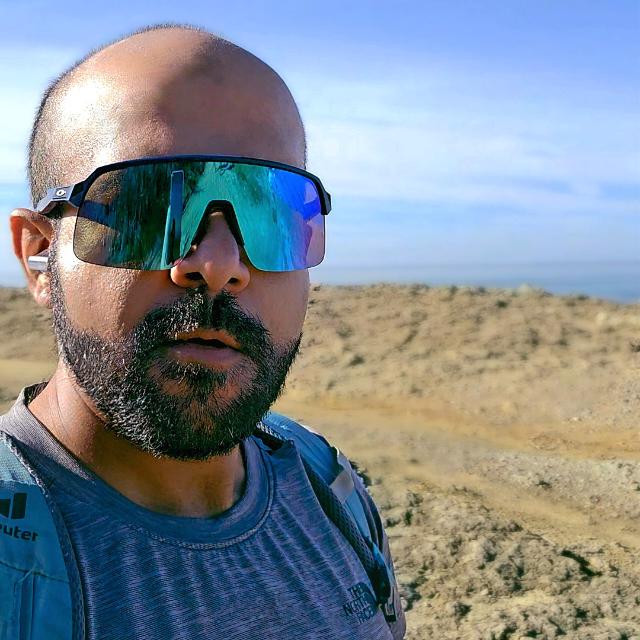
Veb
Hey there! I’m Veb and I've traveled solo and in groups for 10+ years in Patagonia - across Chile and Argentina.
I started Go Wild Patagonia with a desire to help other travelers plan their journeys in Patagonia with a focus on adventure, nature and being in the wilderness.
Say Thanks
Support my mission to make Patagonia more accessible for travelers while supporting local tour operators who organize only sustainable travels in Patagonia.
Read More
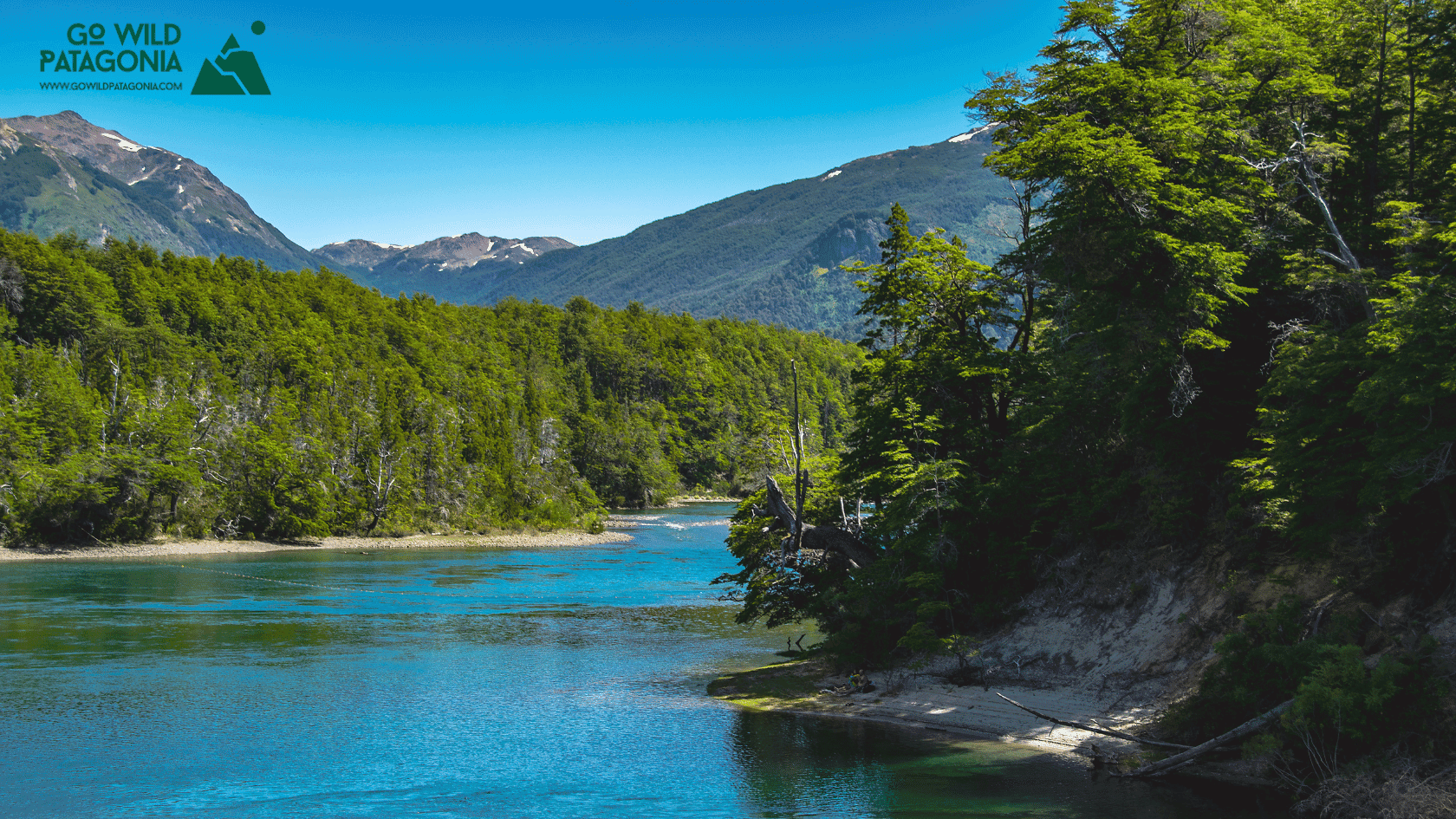
Chubut Province, Argentina — Cathedral of Ancient Trees Overview Los Alerces National Park protects 263,000 hectares of pristine Valdivian rainforest in Argentine Patagonia, home to some of the oldest living trees on Earth. The park's namesake—the alerce tree (Fitzroya cupressoides)—can live over 3,000 years, rivaling California's sequoias and bristlecone pines.
Update on Oct 24, 2025
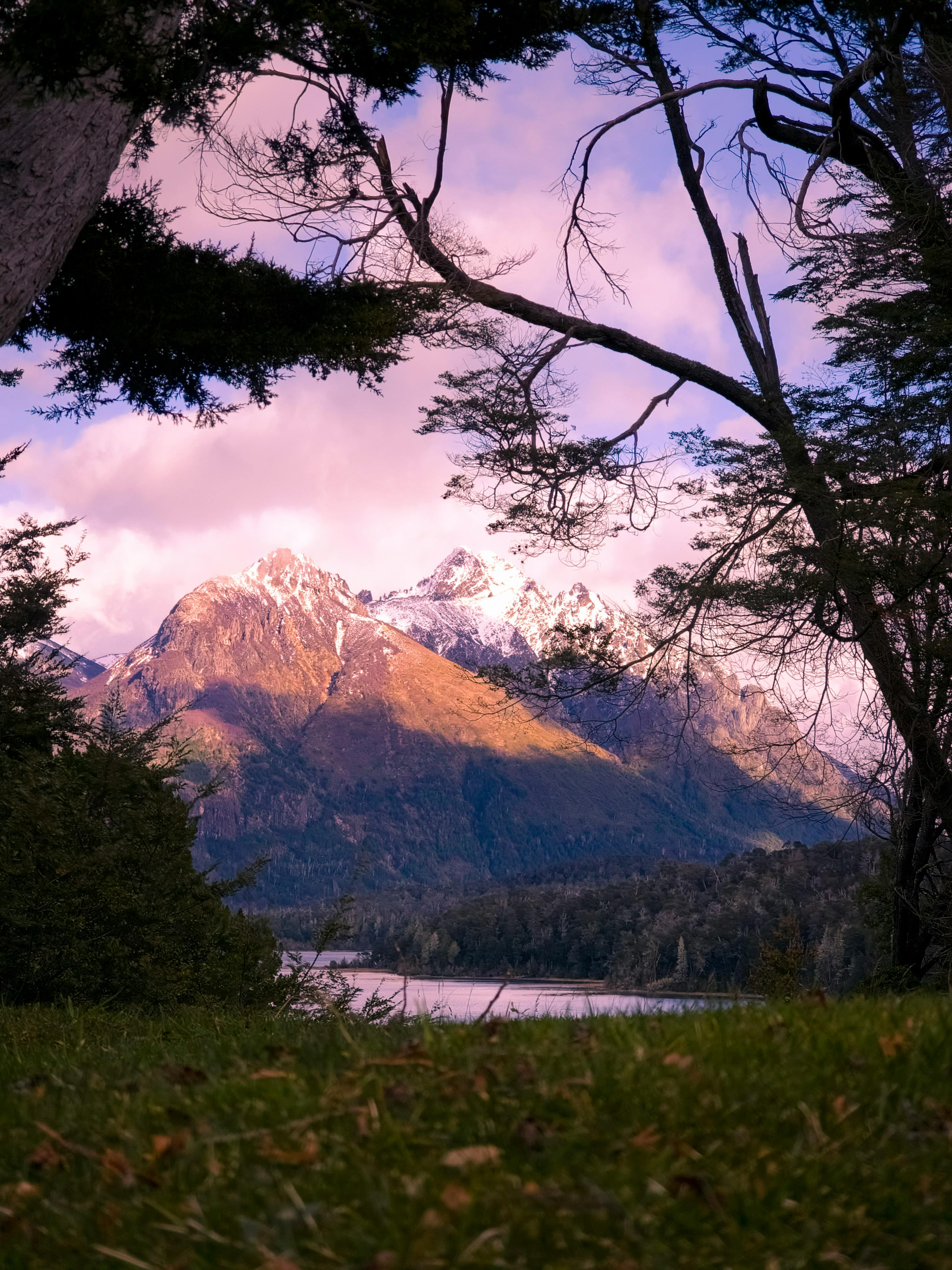
El Bolsón offers world-class hiking: Refugio Hielo Azul and Refugio Cajón del Azul sit in alpine cirques accessible via multi-day treks, Cerro Piltriquitrón (2,284m) provides panoramic summit views, and Cajón del Azul's turquoise canyon ranks among Patagonia's most photographed day hikes.
Update on Oct 24, 2025
Monte Leon National Park is Argentina's first coastal national park, protecting 40 km of dramatic Atlantic shoreline where the Patagonian steppe meets the sea.
Update on Oct 24, 2025