Pucon - Outdoor Adventure Capital of Chile
Pucón is Chile's premier adventure tourism destination, a lakeside town of 28,000 on the eastern shore of Lago Villarrica, dominated by the smoking cone of Villarrica Volcano. Pucón transformed in the 1980s-90s into South America's adventure hub: volcano climbing, whitewater rafting, hot springs soaking, canyoning, zip-lining, kayaking, skiing, and mountain biking all within 30 km.
Pucon
Araucanía Region, Chile — Adventure Capital of Chilean Lake District
Overview
Pucón is Chile's premier adventure tourism destination, a lakeside town of 28,000 on the eastern shore of Lago Villarrica, dominated by the smoking cone of Villarrica Volcano (2,847m). Founded as a logging town in 1883, Pucón transformed in the 1980s-90s into South America's adventure hub: volcano climbing, whitewater rafting, hot springs soaking, canyoning, zip-lining, kayaking, skiing, and mountain biking all within 30 km. The volcano—one of Chile's most active—glows at night with visible lava lake, creating dramatic backdrop. Unlike Patagonia's remote wilderness, Pucón offers accessible adventure: infrastructure excellent, English widely spoken, gear rental everywhere, guided tours abundant. The international backpacker scene thrives here—hostels packed, tour operators line main street, nightlife buzzing. Summer (December-February) brings lake beaches and warm weather; winter (June-September) transforms the area with skiing at Volcán Villarrica resort. Nearby national parks protect ancient araucaria (monkey-puzzle) forests, turquoise alpine lakes, and volcanic landscapes. It's adventure tourism perfected—perhaps too touristy for purists, but unmatched for variety and accessibility.
Why Visit
Summit an active volcano — Villarrica Volcano climb: guided day trip (6-8 hrs) to crater rim. Peer into bubbling lava lake, smell sulfur, witness Earth's raw power. One of world's most accessible active volcano summits. Glissade down snowfields on return—exhilarating.
Soak in natural hot springs — Dozens of termas (hot springs) scattered in forests and mountains. From rustic riverside pools (free/cheap) to luxury spa resorts. Soak muscles after adventures in volcanic thermal water.
Raft world-class rivers — Río Trancura offers Class III-IV rapids (accessible, thrilling), Río Liucura (expert Class V). Beautiful Andean scenery, professional operators, great for first-time rafters or experienced paddlers.
Explore ancient araucaria forests — Huerquehue National Park: trails through monkey-puzzle tree groves (living fossils from dinosaur era), alpine lakes, perfect day hikes. Villarrica National Park: similar forests, volcano ascent routes.
Experience adventure tourism infrastructure — Everything available: gear rental, English-speaking guides, hostels to luxury hotels, international restaurants, nightlife. Easiest place in Patagonia/Lake District to organize adventures.
Enjoy Lake Villarrica — Beach swimming (warmer than Patagonian lakes—18-20°C summer), kayaking, stand-up paddleboarding, jet skiing, sailing. Black sand beaches with volcano views.
Getting There
By Air: No commercial airport. Nearest: Temuco (ZCO) 100 km west (1.5 hrs drive). Flights from Santiago (1 hr). From Temuco airport: buses to Pucón (2 hrs, $10-15), rental cars, or private transfers arranged by hotels. Alternative: Some fly to Santiago, then overnight bus direct to Pucón (9-10 hrs, ~$30-50).
By Bus: Excellent connections. From Santiago: Overnight buses (9-10 hrs, $30-50, multiple companies—Tur Bus, JAC, Pullman). Comfortable semi-cama or full cama beds. Depart Santiago evening, arrive Pucón morning. From Temuco: 2 hours ($10-15, frequent). From Puerto Varas/Puerto Montt: 5-6 hours ($20-30). From Valdivia: 3-4 hours ($15-20). From Bariloche, Argentina: 5-6 hours via border crossing (~$35-45, daily summer, less frequent winter).
By Car: Self-drive allows flexibility for parks and hot springs. From Santiago: 780 km south (9-10 hrs via Temuco). From Puerto Varas: 350 km (5 hrs). From Bariloche: 280 km via Paso Mamuil Malal or Cardenal Antonio Samoré borders (verify rental allows crossing). Rentals available in Pucón but better rates in Santiago or Temuco.
Important: Summer (Dec-Feb) very busy—book accommodation 2-4 weeks ahead. January peak (Chilean summer vacation). Winter (Jun-Aug) slower but ski season demands booking. Shoulder seasons easy.
Top Experiences
Villarrica Volcano Summit Climb — The signature adventure. Stats: 2,847m summit, 1,400m elevation gain from start, 6-8 hours round trip (5 hrs up, 1-2 hrs down via glissade). Difficulty: Moderate fitness required—no technical climbing skills but steep snow ascent, altitude. Equipment: Full gear provided—crampons, ice axe, helmet, gas mask (sulfur fumes), waterproof layers. Guided: Mandatory—agencies don't allow independent climbs. Process: Start 6-7 AM, drive to ski resort base (1,450m), hike/crampon up snow slopes, traverse volcanic terrain, final push to crater rim. Summit: Peer into active crater, see lava lake bubbling (sometimes visible, sometimes obscured by fumes), 360° views spanning Andes, lakes, Pacific (clear days). Descent: Glissade (controlled sliding) down snow—thrilling! Like sledding without sled. Cost: ~$80-120 USD includes transport, guide, gear, insurance. Season: Year-round weather permitting, best December-March (most stable). **Weather cancels ~30% of attempts—build flexibility. Book multiple days if possible. Operators: Summit Chile, Aguaventura, Sol y Nieve (many others).
Hot Springs (Termas) Circuit — Dozens scattered around Pucón. Budget/Rustic: Termas Geométricas (architectural pools in canyon, ~$25-35 entry, beautiful), Termas Los Pozones (natural riverside pools, ~$15-20, authentic), Termas de Huife (rustic but nice, $20-30). Luxury: Termas Geométricas (despite being listed above—both rustic and upscale sections), Termas Menetúe ($30-40, spa services). Free/DIY: Various unnamed riverside hot springs if you know where to look (ask locals). Timing: Evening best—muscles sore from day's adventures, stars overhead. Transport: Most require car/tour. Tours combine volcano climb + hot springs ($150-180 full package).
Whitewater Rafting — Multiple rivers, all levels. Río Trancura Alto: Class III-IV, most popular, 2-3 hour trips, thrilling but accessible for beginners. ~$35-50. Spectacular canyon scenery. Río Trancura Bajo: Class II-III, family-friendly, mellow float. ~$25-35. Río Liucura: Class V, expert only, extreme whitewater. ~$80-100. Multi-day expeditions: Río Fuy (overnight camping trip, Class III-IV, ~$200-300). Season: Year-round but best December-March (warmest, highest water). Every tour agency on main street offers this—shop around.
Huerquehue National Park — Day hike paradise. Sendero Lagos Trail: Most popular—16 km round trip (6-7 hrs), climbs through ancient araucaria forest to three alpine lakes (Lagos Chico, Verde, Toro). Stunning turquoise water, volcano views, monkey-puzzle trees. Moderate-strenuous. Shorter options: Lago Tinquilco (easy lakeside walk), or partial ascent. Entry: ~$8-10 USD. Access: 35 km from Pucón (45 min drive). Best: December-March (snow-free). Start early—trail gets busy midday summer. Pack lunch, swim in alpine lakes if brave.
Lago Villarrica Water Sports — Beach town atmosphere summer. Beaches: Playa Grande (main beach in Pucón—black volcanic sand), Playa La Poza (locals' favorite, quieter). Activities: Swimming (warmest Chilean Lake District lake—18-20°C summer), stand-up paddleboarding (rentals $15-20/hr), kayaking (single/double rentals $10-15/hr), jet skiing, sailing, fishing. Best: January-February (warmest). Sunset: Incredible—volcano silhouette over lake.
Ojos del Caburgua — Beautiful turquoise pools and waterfalls. Location: 15 km from Pucón (20 min drive). Hike: Short easy trail (1 km) to viewpoints over emerald pools fed by underground springs. Swimming: Allowed in pools—cold but refreshing. Entry: ~$5-7 USD. Best: Morning light, weekdays (weekends packed). Combine: With Lago Caburgua beach visit (scenic lake, less crowded than Villarrica).
Canyoning — Descend waterfalls by rappel. Routes: Various canyons near Pucón—rappel 3-5 waterfalls (up to 25m drops), swim through gorges, jump into pools. Difficulty: Beginner to intermediate. Full instruction, gear provided. Duration: Half-day (~4-5 hrs). Cost: ~$60-80 USD. Season: December-March. Thrilling for adrenaline seekers. Operators: Aguaventura, others.
Villarrica National Park & Quetrupillán Volcano — Less-visited park sector. Trails: Multiple, ranging easy to expert. Quetrupillán Volcano: 2,360m, technical climb (harder than Villarrica), multi-day. Termas Palguín: Hot springs in park, natural pools. Araucaria forests: Beautiful groves. Best for: Those seeking less-crowded alternatives to Huerquehue.
Skiing Volcán Villarrica (Winter) — Small ski resort on volcano slopes. Stats: 20 runs, 9 lifts, 1,450m base to 2,050m. Terrain: 20% beginner, 60% intermediate, 20% advanced. Unique: Ski an active volcano! Views incredible. Lava glow visible night skiing some nights. Season: June-September (best July-August). Lift tickets: ~$40-60/day. Character: Small, fun, uncrowded compared to major resorts. Base: Same location as summer volcano climb start.
Mountain Biking — Extensive trail network. Trails: Forest singletrack, old logging roads, volcano approaches (partial). Rentals: Everywhere in town (~$20-30/day). Guided tours: Half-day to multi-day. Villarrica Traverse (expert, multi-day epic). Best: November-April.
Canopy/Zip-lining — Fly through forest on zip-lines. Courses: Multiple operators, 10-15 platforms, some lines 400m+ long. Views: Tree-top perspective, volcano backdrop. Cost: ~$40-60 USD, half-day. Family-friendly.
Stand-Up Paddleboard Yoga — Unique Pucón offering: SUP yoga classes on lake—balance poses on floating board. ~$25-35 for class. Very Pucón.
Fly Fishing — Rivers and lakes around Pucón hold browns and rainbows. Rivers: Liucura, Trancura, others. Season: November-April. Guides: Available (~$300-400/day for 2 anglers). DIY: Possible with licenses (buy in town).
Where to Stay
Budget:
Hostel Backpackers eCamp: Social hostel, dorms/privates, bar, tours (dorms ~$15-20, privates ~$50-70)
¡Écoles! Hostel: Party hostel, young crowd (dorms ~$12-18)
Hostal Geronimo: Quieter, comfortable (dorms ~$15-20, privates ~$60-80)
Mid-Range:
Hotel Malalhue: Central, good value (~$80-120)
Hotel Antumala: Comfortable, nice breakfast (~$90-140)
Cabañas: Hundreds available—self-catering (~$80-150 per cabin)
Upscale:
Hotel Antumalal: Iconic 1950s design, lakeside, luxury (~$200-350)
Villarrica Park Lake Hotel: Full-service resort, spa (~$180-280)
The Mists Hotel & Spa: Boutique, excellent (~$150-250)
Alternative:
Camping: Multiple campgrounds, lakeside sites (~$10-20 per person)
Best Time to Visit
December-February (Summer Peak): Warmest weather (20-28°C days—hot by Chilean standards!), longest daylight (6 AM-10 PM), all activities operational. Best volcano climbing (most stable weather, though still cancels 20-30%), lake swimming comfortable, rafting excellent, Huerquehue snow-free. Town packed—international backpackers, Chilean families. Nightlife buzzing. Beaches crowded. Must book 2-4 weeks ahead. January busiest (Chilean summer vacation). Prices highest. Traffic on popular trails. But best overall conditions for adventure variety.
March-April (Autumn): Shoulder season gem. Fewer tourists, autumn colors beautiful (araucaria forests turn golden), comfortable temps (15-22°C), stable weather. Lake still warm enough for swimming early March. Volcano climbing continues (weather-dependent). Rafting good. Prices drop significantly. Accommodation easy. March arguably best month—weather, availability, lower prices, mature season. Easter week exception (busy). By late April, cold nights, some closures.
May-June (Pre-Winter): Transition. May quiet—summer ended, ski season not begun. Cold (10-15°C days). Many summer activities close. June ski season opens mid-month. Town transforms—winter sports crowd arrives. Book ahead ski season. Volcano climbing unlikely (weather, snow conditions).
July-August (Winter Peak): Prime ski season. Volcán Villarrica resort operating, hot springs perfect (contrast cold/hot), cozy atmosphere. Cold (5-12°C days, below freezing nights). Town busy with Chilean skiers. Different vibe—quieter, more local. Rafting/lake activities closed. Volcano summer climb impossible (too snowy/dangerous). For winter sports enthusiasts only.
September-October (Spring): Ski season ends September. Weather improving, wildflowers emerging October. Volcano climbing resumes (weather-dependent, snow conditions tricky). Rafting begins. Services reopening. Fewer tourists, lower prices. Variable weather—spring storms. Good for budget travelers comfortable with uncertainty. Late October approaches summer.
November (Spring Prime): Excellent shoulder month. Good weather (15-22°C), all summer activities operational, minimal crowds, lower prices. Volcano climbing resumes fully. Rafting strong (spring runoff). Huerquehue accessible. Smart choice for value. Wildflowers abundant.
3-Day Itinerary
Day 1: Volcano Summit
6 AM: Meet tour operator
7 AM-3 PM: Villarrica Volcano climb (weather permitting)
Summit, lava lake viewing, glissade descent
4 PM: Return to town, rest
Evening: Hot springs soak (Termas Los Pozones)
Dinner, early sleep (exhausted!)
Day 2: Water & Forest
Morning: Rafting Río Trancura Alto (Class III-IV, 3 hrs)
Lunch in town
Afternoon: Drive to Huerquehue National Park
Hike to first alpine lake (partial trail, 3-4 hrs)
Return evening
Dinner: Restaurant, bars if energetic
Day 3: Relaxation & Departure
Morning: Ojos del Caburgua waterfalls
Lago Caburgua beach time
Lunch: Picnic
Afternoon: Town shopping, gear return
OR: Canyoning half-day
Evening: Depart or extend stay
5-Day Itinerary
Day 1: Arrival, town orientation, gear rental/booking, lake beach sunset, hostel social scene
Day 2: Villarrica Volcano climb (full day), evening hot springs
Day 3: Rafting morning (Trancura Alto), afternoon Ojos del Caburgua + Lago Caburgua
Day 4: Full-day Huerquehue National Park—complete Lagos trail (16 km), alpine lakes, araucaria forests
Day 5: Canyoning half-day OR mountain biking OR stand-up paddleboarding, afternoon departure or continue
7-Day Itinerary (Complete Adventure)
Day 1: Arrive, settle, town exploration, lake beach, meet fellow travelers
Day 2: Villarrica Volcano climb + hot springs evening
Day 3: Rafting Trancura Alto, afternoon relaxation/lake activities
Day 4: Full-day Huerquehue National Park complete circuit
Day 5: Canyoning half-day, afternoon mountain biking or lake kayaking
Day 6: Day trip to Villarrica National Park (Quetrupillán area) OR Termas Geométricas (architectural hot springs) OR fly fishing
Day 7: Zip-lining/canopy morning, final lake time, shopping, departure
Winter Variation (Ski Focus):
Days 1-5: Skiing Volcán Villarrica daily
Day 6: Hot springs, town exploration
Day 7: Final ski morning, depart
Where to Go Next
1. Huerquehue & Villarrica National Parks — Extended Exploration
Distance: Immediately adjacent (35 km)
Why Go: Multi-day backpacking options. Huerquehue backcountry camping, longer circuits. Villarrica traverse. For serious trekkers wanting more than day hikes.
2. San Martín de los Andes, Argentina (via Paso Mamuil Malal, 200 km, 4 hrs)
Why Go: Cross to Argentine Lake District. San Martín: upscale resort town, Lanín Volcano, Seven Lakes Route, world-class fly fishing. Creates binational loop: Pucón → San Martín → Bariloche → return Chile. Budget 4-6 days San Martín.
3. Puerto Varas & Chilean Lake District South (350 km, 5 hrs)
Why Go: Continue south to Puerto Varas (German-influenced town, Osorno Volcano, chocolate), Chiloé Island (UNESCO churches, penguins), Vicente Pérez Rosales National Park. Budget 5-7 days.
4. Valdivia — Historic Port City (180 km, 3 hrs)
Why Go: Colonial history, riverside markets, sea lion colony, craft beer scene, university town atmosphere. Good stopover between Pucón and Puerto Varas/Valdivia. Budget 1-2 days.
5. Temuco & Araucanía Region
Why Go: Mapuche indigenous culture, markets, museums, gateway to coastal areas. Less touristy. Budget 1-2 days unless deep cultural interest.
6. Santiago (via overnight bus, 9-10 hrs)
Why Go: Return to capital. Museums, wine valleys (Casablanca, Maipo), Valparaíso day trip, urban culture. Or fly internationally from Santiago.
Planning Your Route:
Chile Lake District Circuit: Santiago → Pucón (5-7 days) → Puerto Varas (3-5 days) → Chiloé Island (3-4 days) → return Santiago
Binational Adventure: Pucón (5 days) → San Martín de los Andes (4 days) → Bariloche (4 days) → cross back Chile or continue El Bolsón/Los Alerces
Quick Adventure Fix: Fly Santiago → overnight Pucón (4-5 days volcano, rafting, hot springs, hiking) → overnight bus Santiago. Perfect week.
Extended Patagonia: Pucón start → gradually south → Puerto Varas → ferry to Carretera Austral → eventually Torres del Paine (3-4 weeks)
Timing Tips:
December-February best for variety of activities
Volcano climb requires weather flexibility—build 2-3 day buffer
January busiest—book 1 month ahead
March excellent value—good weather, fewer crowds, lower prices
Winter (June-Aug) completely different experience—skiing focus
Budget 4-7 days for thorough adventure sampling
Every tour operator offers same trips—shop around for prices
Hostels social—easy to meet travel partners, share tours
International backpacker hub—English everywhere, easy logistics
Perhaps too touristy for Patagonia purists but unmatched accessibility
Volcano climb weather cancels frequently—don't pin entire trip on it alone
About Me
Veb
Hey there! I’m Veb and I've traveled solo and in groups for 10+ years in Patagonia - across Chile and Argentina.
I started Go Wild Patagonia with a desire to help other travelers plan their journeys in Patagonia with a focus on adventure, nature and being in the wilderness.
Say Thanks
Support my mission to make Patagonia more accessible for travelers while supporting local tour operators who organize only sustainable travels in Patagonia.
Read More
Chubut Province, Argentina — Cathedral of Ancient Trees Overview Los Alerces National Park protects 263,000 hectares of pristine Valdivian rainforest in Argentine Patagonia, home to some of the oldest living trees on Earth. The park's namesake—the alerce tree (Fitzroya cupressoides)—can live over 3,000 years, rivaling California's sequoias and bristlecone pines.
Update on Oct 24, 2025
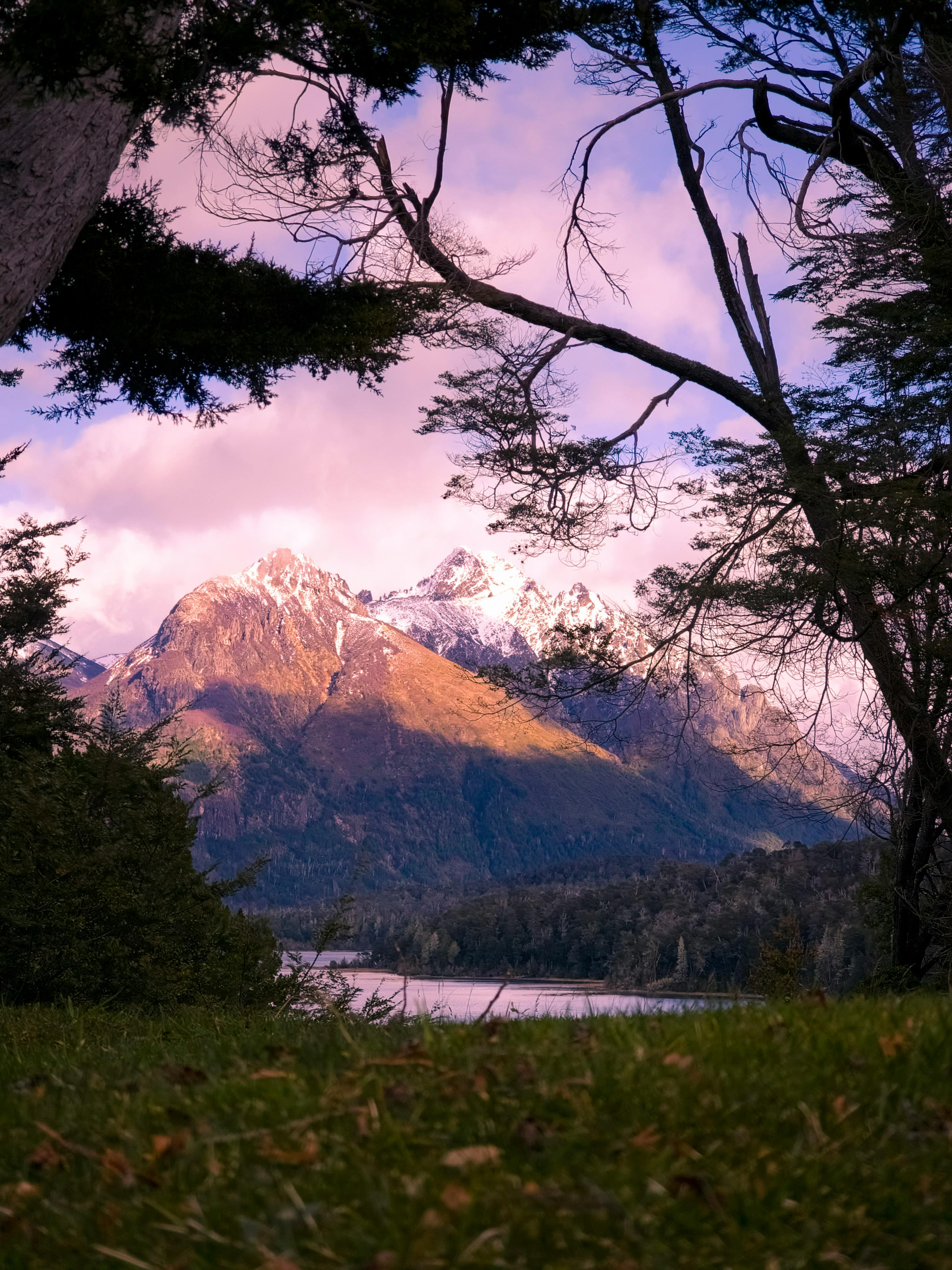
El Bolsón offers world-class hiking: Refugio Hielo Azul and Refugio Cajón del Azul sit in alpine cirques accessible via multi-day treks, Cerro Piltriquitrón (2,284m) provides panoramic summit views, and Cajón del Azul's turquoise canyon ranks among Patagonia's most photographed day hikes.
Update on Oct 24, 2025
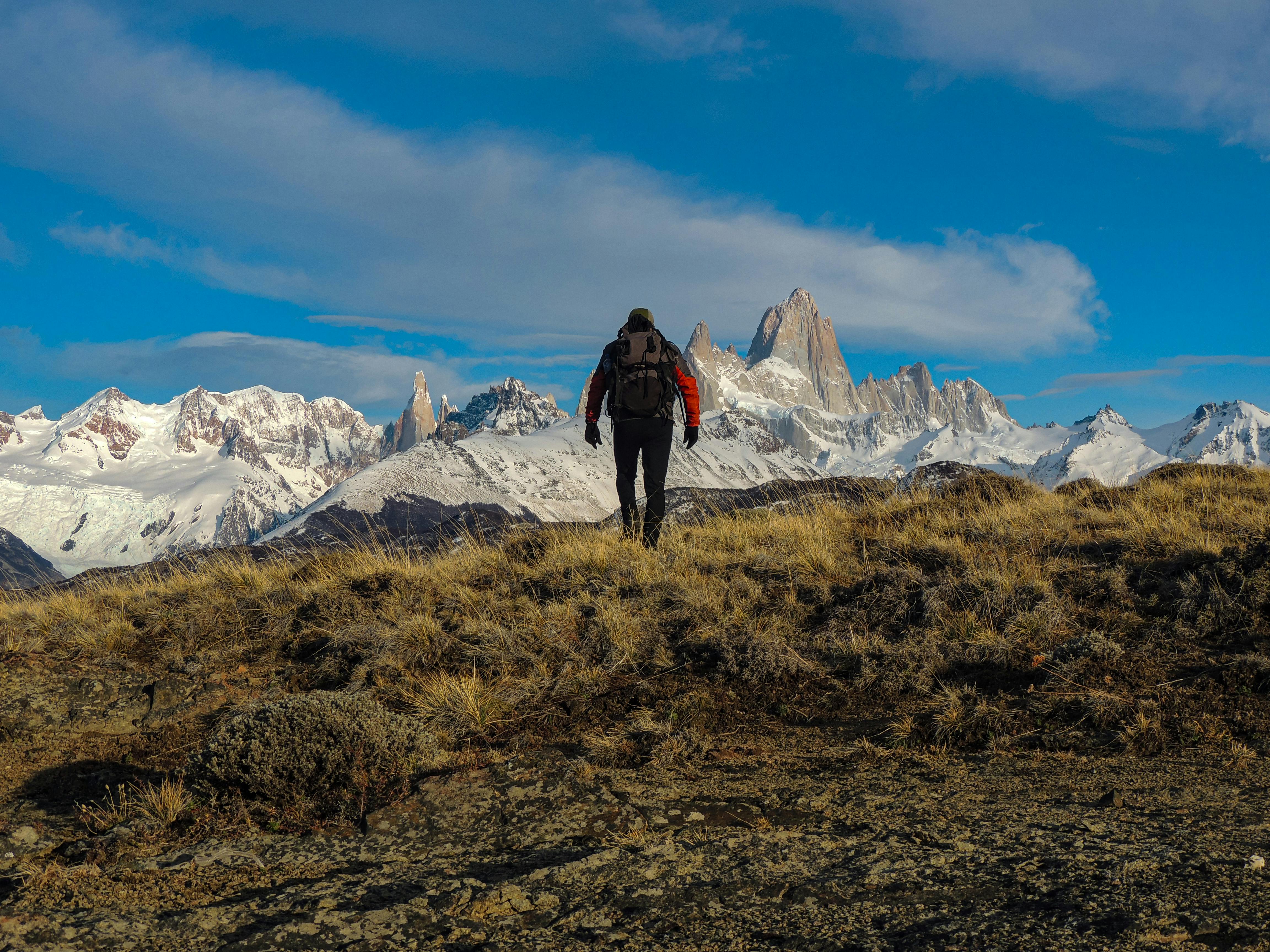
Monte Leon National Park is Argentina's first coastal national park, protecting 40 km of dramatic Atlantic shoreline where the Patagonian steppe meets the sea.
Update on Oct 24, 2025