Bariloche & Nahuel Huapi National Park - Argentine Lake District
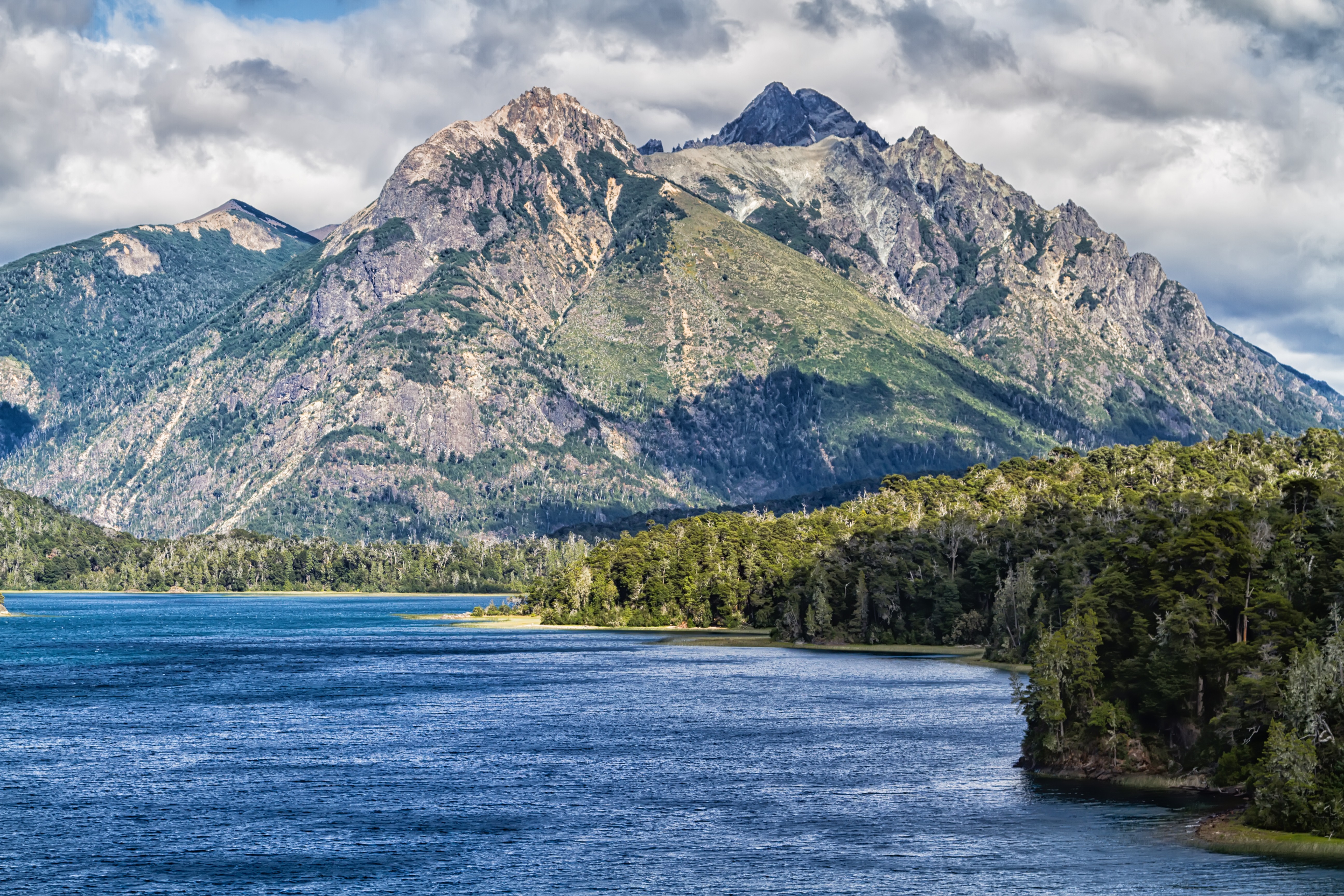
San Carlos de Bariloche is Argentina’s premier mountain resort city, set on the southern shore of Nahuel Huapi Lake with snow-capped Andes as backdrop. The region offers year-round activities: summer hiking, mountain biking, water sports; winter skiing at Cerro Catedral (South America’s largest ski resort); and spring/autumn scenic drives.
Río Negro Province, Argentina — Argentine Lake District
Overview
San Carlos de Bariloche is Argentina’s premier mountain resort city, set on the southern shore of Nahuel Huapi Lake with snow-capped Andes as backdrop. Often called the “Switzerland of South America,” Bariloche combines alpine architecture, chocolate shops, and European-style cafés with access to Argentina’s oldest national park (founded 1934). Nahuel Huapi protects 700,000 hectares of Andean-Patagonian forest, volcanic peaks, crystalline lakes, and diverse ecosystems. The region offers year-round activities: summer hiking, mountain biking, water sports; winter skiing at Cerro Catedral (South America’s largest ski resort); and spring/autumn scenic drives. Bariloche balances urban sophistication with genuine wilderness access.
Why Visit
Explore the famous Circuito Chico — This scenic 65-km loop circles Nahuel Huapi Peninsula, passing through San Pedro Peninsula, Villa Llao Llao (luxury hotel), Cerro Campanario viewpoint, and Puerto Pañuelo. The constantly changing lake and mountain vistas make it one of South America’s most beautiful drives.
Summit peaks or explore refugios — Multiple peaks offer rewarding climbs: Cerro Catedral (2,388m) is a classic day hike; Cerro Tronador (3,554m) requires mountaineering skills but rewards with ice field views. Numerous mountain refugios accessible by foot offer overnight stays with sunrise summit attempts.
Experience chocolate culture — Bariloche is Argentina’s chocolate capital, with dozens of artisan chocolaterías lining Mitre Avenue. Sample Mamuschka, Fenoglio, Rapa Nui. The tradition dates to Swiss-Italian immigrants in the 1940s.
Ski Cerro Catedral — South America’s largest ski area (120 km of runs, 39 lifts) operates June-October. Advanced terrain includes off-piste bowls; beginners have gentle nursery slopes. The base village offers hotels, restaurants, and après-ski.
Seven Lakes Road — The Ruta de los Siete Lagos connects Bariloche to San Martín de los Andes via 110 km of scenic road passing seven named lakes. Kayaking and camping opportunities abound.
Getting There
By Air: Bariloche Airport (BRC) connects with Buenos Aires (2 hrs), plus seasonal flights from Santiago, Córdoba, and other Argentine cities. Airport is 15 km east of downtown.
By Bus: Excellent long-distance bus connections throughout Argentina. From Buenos Aires (20 hrs overnight), comfortable reclining seats. Terminal is central.
By Car: The scenic Ruta 40 runs north-south through Bariloche. Car essential for exploring park freely.
From Chile: The Cruce Andino lake crossing from Puerto Varas combines boats and buses through stunning mountain scenery (12 hours, summer only). Or drive via Paso Cardenal Samoré.
Top Experiences
Cerro Campanario Chairlift & Viewpoint — For minimal effort, maximum reward, take the 7-minute chairlift to the 1,050m summit. National Geographic called the vista “one of the best in the world.” The 360° panorama encompasses Nahuel Huapi, Moreno, and Perito Moreno lakes, Llao Llao Hotel, and surrounding peaks. Open year-round, stunning at sunset.
Refugio Frey Trek — Challenging 28-km round trip (10-12 hrs) or overnight trek to a climbers’ refuge beside a turquoise tarn beneath granite needles. The hike climbs through lenga forest to high Patagonian steppe, then descends into a glacial cirque. The refugio serves simple meals; bring sleeping bag for overnight stays.
Cerro Tronador & Ventisquero Negro — Full-day excursion to the park’s highest peak. The road ends at Pampa Linda, where trails lead to Ventisquero Negro (“Black Glacier,” named for volcanic debris) and waterfalls. The glacier descends from Tronador’s summit icecap.
Isla Victoria & Arrayanes Forest Boat Tour — Classic half-day boat excursion from Puerto Pañuelo visiting Victoria Island (with beaches, forest trails, vistas) and Quetrihué Peninsula’s unique arrayán forest. These cinnamon-barked myrtle trees form a rare pure forest. The trunks feel cold to touch and dappled light is magical.
Cascada Los Alerces Hike — Moderate 10-km round trip (4 hrs) through dense Valdivian rainforest to a multi-tiered waterfall. The trail passes ancient alerce trees (some 1,000+ years old) and crosses streams via wooden bridges.
Mountain Biking Trails — The park has extensive MTB trail networks, from easy lakeside paths to expert downhill runs at Cerro Catedral. Popular routes include the Circuito Chico (paved but scenic) and Pampa de Huenuleo (technical singletrack).
Craft Brewery Tour — Bariloche has a thriving craft beer scene. Visit Cervecería Patagonia (the original, founded 1996), Berlina (German styles), Manush (modern IPA-focused). Many offer tours and tastings with lake views.
Cerro López Trek — Strenuous 13-km one-way hike (7-8 hrs) to López refugio at 1,600m, or continue to the 2,076m summit. The approach through coihue forest opens to alpine terrain with expansive Nahuel Huapi views.
Where to Stay
Downtown:
Budget: Penthouse 1004 Hostel (lake views), Periko’s Hostel (social)
Mid-Range: Hotel Tres Reyes (central), Kenton Palace
Luxury: Llao Llao Hotel & Resort (iconic 1930s hotel, golf, expensive but legendary), Design Suites Bariloche (lakefront)
Near Circuito Chico:
Charming Lodge Patagonia (boutique B&B)
Aldea Bonita Patagonia (hillside cabins)
Villa Huinid Bustillo (lakefront, elegant)
Mountain Refugios:
Refugio Frey, López, Jakob, Laguna Negra (basic huts, bunks, simple meals)
Best Time to Visit
December-March (Summer): Peak season—warm (15-25°C), long days, all trails accessible, water sports. Crowded and expensive but best conditions. Book early.
April-May (Autumn): Spectacular fall colors, fewer tourists, pleasant temperatures. Excellent for photography and quieter trails.
June-September (Winter): Ski season at Cerro Catedral. Cold (0-10°C), snow on mountains, short days. Vibrant winter sports culture. Many summer trails inaccessible.
October-November (Spring): Wildflowers, warming weather, melting snow creating powerful waterfalls. Good value and increasing daylight.
3-Day Itinerary
Day 1: Circuito Chico
Morning: Drive or bike Circuito Chico (65 km loop)
Stop at Cerro Campanario (chairlift, views)
Visit Llao Llao Hotel for coffee
Puerto Pañuelo lakeside
Afternoon: Playa Bonita beach (summer) or short hike
Evening: Chocolate shops on Mitre, dinner at El Boliche de Alberto
Day 2: Isla Victoria & Arrayanes
Morning boat tour from Puerto Pañuelo
Explore Victoria Island trails
Walk through arrayán forest
Return by afternoon
Late afternoon: Craft brewery visit
Evening: Dinner at Butterfly restaurant
Day 3: Cerro Catedral Summit or Refugio Hike
Full-day hike: Cerro Catedral (or chairlift if easier)
Or: Partial Refugio Frey hike
Pack summit lunch
Afternoon return, relax
Evening: Dinner at Alto el Fuego
5-Day Itinerary
Day 1: Arrival & Orientation
Walk Centro Cívico, Museo de la Patagonia
Chocolate shop tour on Mitre
Dinner at Familia Weiss
Sunset at Cerro Otto viewpoint
Day 2: Circuito Chico & Campanario
Rent car or join tour
Complete circuit with multiple stops
Cerro Campanario chairlift (must-do)
Llao Llao Hotel grounds
Beach stop
Evening: Craft beer at Manush
Day 3: Isla Victoria & Arrayanes
Full morning boat excursion
Victoria Island exploration
Arrayán forest walk
Afternoon: Mountain biking or relax
Evening: Fondue at La Marca
Day 4: Refugio Frey Trek
Early start for full-day hike (28 km)
Pack hearty lunch
Turquoise laguna beneath granite spires
Long day but rewarding
Evening: Recovery dinner
Day 5: Cerro Tronador
Full-day tour or self-drive to Tronador
Pampa Linda base
Hike to Ventisquero Negro glacier
Cascada Los Alerces waterfall
Return by evening
Farewell dinner at El Patacón
7-Day Itinerary
Day 1: Arrival & Immersion
Downtown walking tour
Centro Cívico, lakefront
Museo de la Patagonia
Chocolate tasting (Mamuschka, Fenoglio, Rapa Nui)
Dinner at El Boliche de Alberto
Evening: Cerro Otto sunset
Day 2: Circuito Chico Complete
Full day exploring circuit
Cerro Campanario first thing
Llao Llao Hotel grounds
Lunch at Butterfly
Puerto Pañuelo exploration
Colonia Suiza village visit
Evening: Return downtown, craft beer
Day 3: Water Activities & Relaxation
Morning: Kayaking on Nahuel Huapi
Or: Stand-up paddleboarding
Afternoon: Playa Bonita beach (summer) or spa
Optional: Paragliding tandem flight
Evening: Sunset boat cruise
Dinner at Alto el Fuego
Day 4: Isla Victoria & Arrayanes
Classic boat tour
Extended time on Victoria Island
Beach, forest trails
Arrayán forest walk
Return mid-afternoon
Late afternoon: Mountain bike rental
Dinner at Kandahar
Day 5: Refugio Frey Overnight
Hike to Refugio Frey (6-7 hrs)
Check in, afternoon exploring laguna
Sunset over granite needles
Simple dinner at refugio
Stargazing from high alpine
Overnight: Refugio (bring sleeping bag)
Day 6: Frey Return & Cerro Tronador
Morning descent from Frey (3-4 hrs)
Afternoon: Drive to Cerro Tronador
Pampa Linda, Ventisquero Negro
Cascada Los Alerces if time
Return to Bariloche
Recovery dinner, early rest
Day 7: Seven Lakes Road
Drive Ruta de los Siete Lagos toward San Martín
Stop at each lake for photos
Lunch in Villa La Angostura
Optional: Visit Villa Traful
Return by evening
Or: Flexible day for shopping, relaxation, departure
🎿 Adventure Activities
Skiing & Snowboarding (Winter)
Cerro Catedral is South America’s premier ski destination:
600 hectares of terrain, 2,000m base to 2,180m summit
120 km of runs: Beginner to expert, terrain parks, off-piste bowls
39 modern lifts: High-speed quads, gondola
On-mountain lodging: Sleep ski-in/ski-out
Season: June-October (peak July-August)
Day passes: ~$80-120 USD
Equipment rental available
Mountain Biking
Extensive trail networks:
Circuito Chico: Paved 65 km loop (scenic, moderate)
Pampa de Huenuleo: Technical singletrack through forest
Cerro Catedral downhill: Lift-assisted gravity riding
Enduro trails: Multi-day circuits with refugio stays
Bike rentals downtown and at trailheads
Guided tours with support vehicles available
Rock Climbing
Granite and volcanic rock:
Refugio Frey area: Multi-pitch trad routes (5.8-5.13)
Piedra Parada: Sport climbing crag outside town
Via Ferrata routes: Fixed-cable climbing for non-climbers
Climbing courses: Beginner to advanced instruction
Season: November-April
Guides: Andean Mountain Guides, Bariloche Mountain Guides
Kayaking & SUP
Paddle pristine lakes:
Nahuel Huapi: Protected bays and island hopping
Seven Lakes: Multi-day expeditions
Whitewater: Río Manso Class III-IV rapids
Equipment rentals at multiple locations
Guided tours for all levels
Season: November-April
Paragliding
Soar over lake and mountains:
Tandem flights: From Cerro Otto or Campanario (20-40 min flights)
Courses: Learn to fly solo
Cross-country flights: For experienced pilots
Weather-dependent; book flexible dates
Operators: Parapente Bariloche, others
Cost: ~$80-150 USD for tandem
Fly Fishing
World-class trout waters:
Río Limay: Below Nahuel Huapi dam, trophy browns
Río Traful: Cristal-clear water, technical fishing
Lakes: Trolling for large rainbows and browns
Guided full-day trips with boats
Wade fishing or float trips
Season: November-April
Operators: Bariloche Fly Fishing, Patagonia River Guides
Horseback Riding
Explore like a gaucho:
Half-day rides: Through forests and meadows
Full-day excursions: To remote lakes and viewpoints
Multi-day pack trips: Camp in backcountry
Suitable for all levels
Criollo horses (sure-footed, calm)
Operators: Estancia tours, Tom Wesley Horseback Expeditions
Ice Climbing (Winter)
Frozen waterfalls:
Cascadas near Tronador: Vertical ice climbs
Ice climbing courses: Learn techniques with guides
Equipment provided
Season: July-September
Requires good fitness and no fear of heights
Trekking & Mountaineering
Beyond day hikes:
Cerro Tronador summit: 2-day technical climb, glacier travel
Laguna Jakob circuit: Multi-day trek through remote valleys
Alpine climbing courses: Rope skills, crevasse rescue
Refugio-to-refugio treks: 5-7 day circuits
Hire certified mountain guides
Rafting
Whitewater adventures:
Río Manso: Class III-IV rapids, full-day trips
Río Limay: Calmer Class II-III, family-friendly
All equipment provided
Wetsuits (water is cold!)
Season: November-April
Operators: Extremo Sur, Patagonia Rafting
Cross-Country Skiing (Winter)
Nordic skiing trails:
Villa Catedral area: Groomed tracks
Pampa Linda: Backcountry skiing
Refugio-to-refugio tours: Multi-day expeditions
Equipment rentals available
Season: June-September
Pro Tips:
Book ski passes online for discounts
Mountain weather changes rapidly—always carry extra layers
Refugios require reservations (especially Frey on weekends)
Cerro Catedral can be crowded July-August (school holidays)
Many activities require minimum group sizes
English-speaking guides readily available
➡️ Where to Go Next
1. San Martín de los Andes & Seven Lakes Road
Distance: 200 km north (3-4 hours)
Transport Options:
Bus: Daily buses Bariloche to San Martín via Seven Lakes Road (3-4 hrs). Scenic route through mountains and lakes. Cost: ~$20-30 USD. Companies: Via Bariloche, Albus. No reservations needed except peak season.
Rental Car: The famous Ruta de los Siete Lagos is best experienced by car. Stop at all seven lakes, take photos, swim (summer), picnic. One of Argentina’s most scenic drives. Paved road, easy driving.
Organized Tour: Day tours from Bariloche visit San Martín and Seven Lakes Road, returning same day (~10 hours). Convenient but rushed. Better to overnight in San Martín.
Why Go: Continue north through Argentina’s Lake District. San Martín de los Andes is a smaller, more elegant version of Bariloche—Alpine architecture, lakeside setting, access to Lanín National Park and the perfect cone of Lanín Volcano. The Seven Lakes Road connecting the two cities is spectacular: Nahuel Huapi, Espejo, Correntoso, Villarino, Falkner, Machónico, and Lácar lakes. Each has distinct character. Villa La Angostura (halfway point) makes excellent overnight stop. San Martín offers excellent hiking (summit Lanín Volcano with guide), fly fishing, and relaxed atmosphere. Less developed than Bariloche—better for authentic mountain town experience.
Suggested Duration: 3-5 days. One day for scenic drive with stops, 2-4 days exploring San Martín and Lanín National Park.
2. El Bolsón & Los Alerces National Park
Distance: 130 km south to El Bolsón (2 hours)
Transport Options:
Bus: Frequent buses Bariloche to El Bolsón (2 hrs) on Route 40. Multiple daily departures. Cost: ~$10-15 USD. Companies: Via Bariloche, Don Otto. El Bolsón is hub for continuing to Los Alerces National Park (50 km west, 1 hr).
Rental Car: Easy drive south on paved Route 40. Allows stops at scenic viewpoints and flexibility to explore Los Alerces at own pace.
Combo: Bus to El Bolsón, then local bus or tour to Los Alerces.
Why Go: Experience alternative Patagonia. El Bolsón is a counterculture haven—hippie atmosphere, organic farms, craft breweries, artisan markets (famous Tuesday/Saturday feria). Less touristy than Bariloche, more authentic. From El Bolsón, access Los Alerces National Park—protects ancient alerce trees (some 3,000+ years old) and pristine turquoise lakes. The Alerzal Milenario boat tour visits “El Abuelo” tree (2,600 years old). Excellent hiking, kayaking, fly fishing in nearly empty park. Contrast to Bariloche’s resort atmosphere—El Bolsón is laid-back, Los Alerces is wilderness.
Suggested Duration: 4-7 days. 2-3 days El Bolsón (brewery visits, markets, Cerro Piltriquitrón hike), 2-3 days Los Alerces (boat tour, hiking, kayaking).
3. Chilean Lake District (Puerto Varas)
Distance: 215 km west (4-5 hours by land, or 12 hours by lake crossing)
Transport Options:
Cruce de Lagos (Lake Crossing): The famous scenic route combines boats and buses. Bariloche → Puerto Pañuelo (boat across Nahuel Huapi) → Puerto Blest → Puerto Alegre → Puerto Frías (Chile) → Peulla → Petrohué → Puerto Varas. Full day journey (8 AM-8 PM) through spectacular Andean scenery. Summer only (Nov-March). Cost: ~$250-350 USD. Book through Cruce Andino or Turisur. Bucket-list experience.
Bus via Paso Cardenal Samoré: Land route through mountains. Bariloche → Osorno (Chile, 4 hrs) → Puerto Varas (30 min). Daily buses. Cost: ~$30-50 USD. Border crossing straightforward. Companies: Andesmar, Turibus.
Self-Drive: Scenic route via Paso Cardenal Samoré. Paved roads, simple border crossing. Allows stops at Villa La Angostura and Osorno Volcano en route.
Why Go: Cross into Chile’s Lake District for different landscapes and culture. Puerto Varas sits on Lago Llanquihue with views of Osorno Volcano—perfectly conical, snow-capped, iconic. German colonial heritage (chocolate, kuchen, architecture). Access Vicente Pérez Rosales National Park (Petrohué Falls with turquoise river, Todos los Santos emerald lake), Osorno Volcano ski resort (winter) or hiking (summer), Chiloé Island (2.5 hrs south), and start of Carretera Austral. Puerto Varas offers sophistication—excellent restaurants, breweries, boutique hotels—while maintaining access to wilderness. Perfect contrast to Argentine Patagonia. Can combine with Bariloche in grand Lake District loop.
Suggested Duration: 5-7 days. 3 days Puerto Varas area (Osorno, Petrohué, Frutillar), 2 days Chiloé Island, optional extend to Puyehue hot springs or beginning Carretera Austral.
Planning Your Route:
Lake District Loop: Bariloche → San Martín de los Andes (Seven Lakes) → Villa La Angostura → return Bariloche
North to Chile: Bariloche → San Martín → cross to Chile → Pucón → Puerto Varas → Chiloé Island
South Patagonia Connection: Bariloche → El Bolsón → Los Alerces → Esquel → continue south on Route 40 to El Calafate/El Chaltén
Classic Argentine Patagonia: Buenos Aires → fly Bariloche (1 week) → El Calafate/El Chaltén (1 week) → Ushuaia (5 days)
Timing Tips:
Most spend 4-7 days in Bariloche
Winter (Jun-Sep) for skiing; summer (Dec-Mar) for hiking/lakes
Seven Lakes Road best March-April (autumn colors) or November-December (wildflowers)
Cruce de Lagos operates Nov-March only; book months ahead
El Bolsón’s artisan markets are Tuesdays and Saturdays
Los Alerces boat tour requires advance booking (high season)
Chilean Lake District accessible year-round but best Nov-April
About Me
Veb
Hey there! I’m Veb and I've traveled solo and in groups for 10+ years in Patagonia - across Chile and Argentina.
I started Go Wild Patagonia with a desire to help other travelers plan their journeys in Patagonia with a focus on adventure, nature and being in the wilderness.
Say Thanks
Support my mission to make Patagonia more accessible for travelers while supporting local tour operators who organize only sustainable travels in Patagonia.
Read More
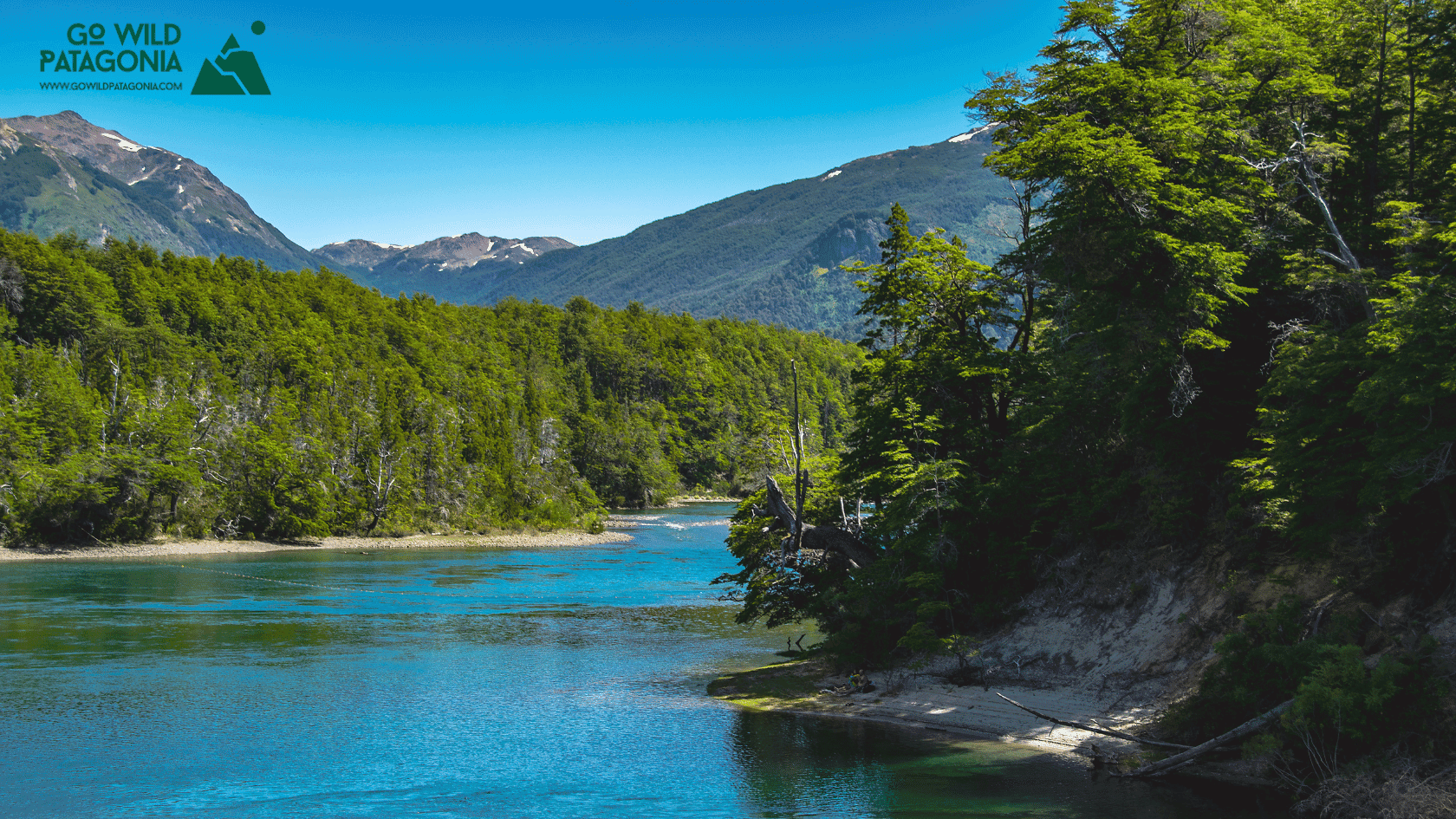
Chubut Province, Argentina — Cathedral of Ancient Trees Overview Los Alerces National Park protects 263,000 hectares of pristine Valdivian rainforest in Argentine Patagonia, home to some of the oldest living trees on Earth. The park's namesake—the alerce tree (Fitzroya cupressoides)—can live over 3,000 years, rivaling California's sequoias and bristlecone pines.
Update on Oct 24, 2025
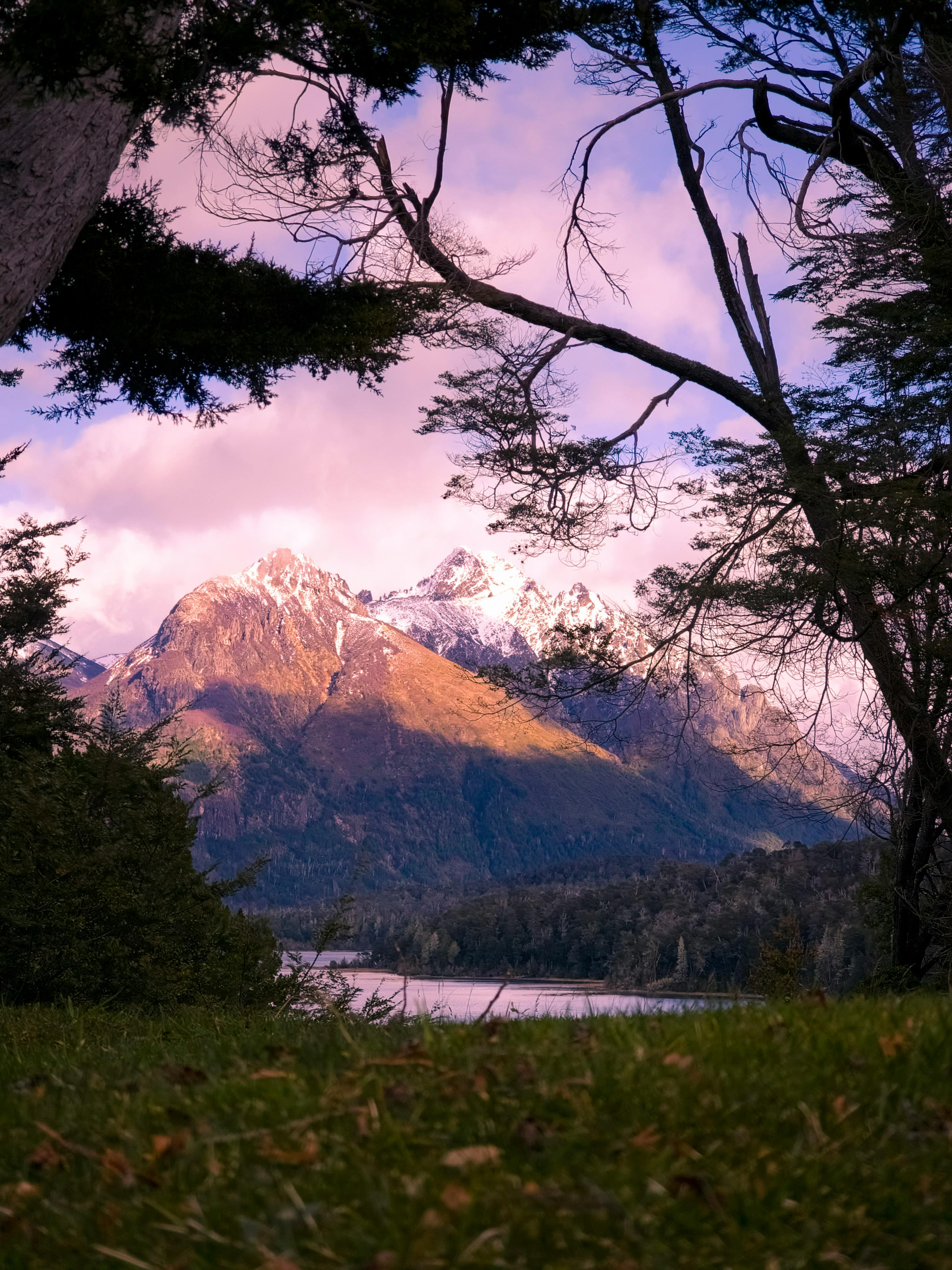
El Bolsón offers world-class hiking: Refugio Hielo Azul and Refugio Cajón del Azul sit in alpine cirques accessible via multi-day treks, Cerro Piltriquitrón (2,284m) provides panoramic summit views, and Cajón del Azul's turquoise canyon ranks among Patagonia's most photographed day hikes.
Update on Oct 24, 2025
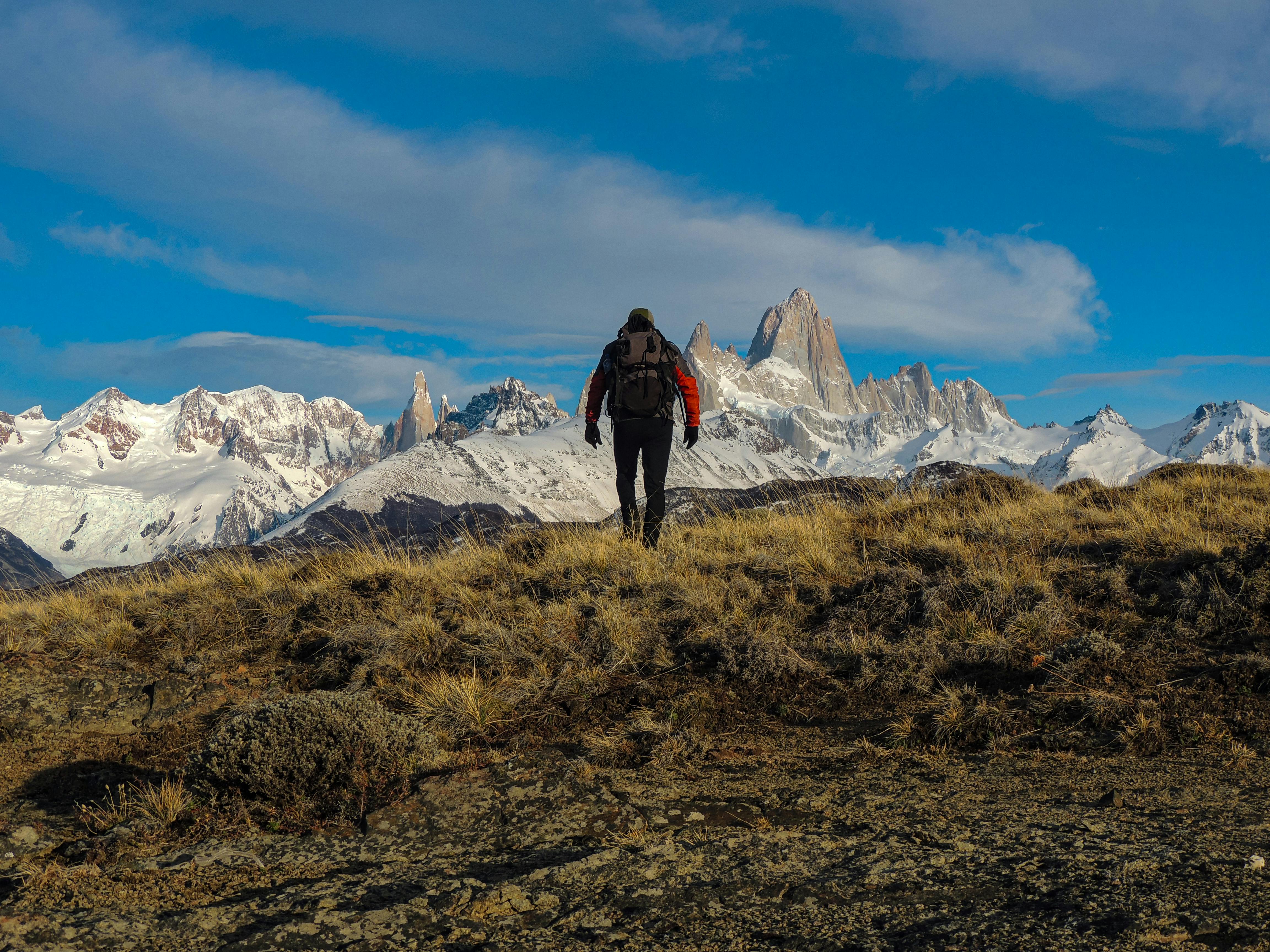
Monte Leon National Park is Argentina's first coastal national park, protecting 40 km of dramatic Atlantic shoreline where the Patagonian steppe meets the sea.
Update on Oct 24, 2025