
Cochrane - Gateway to Southern Carretera Austral
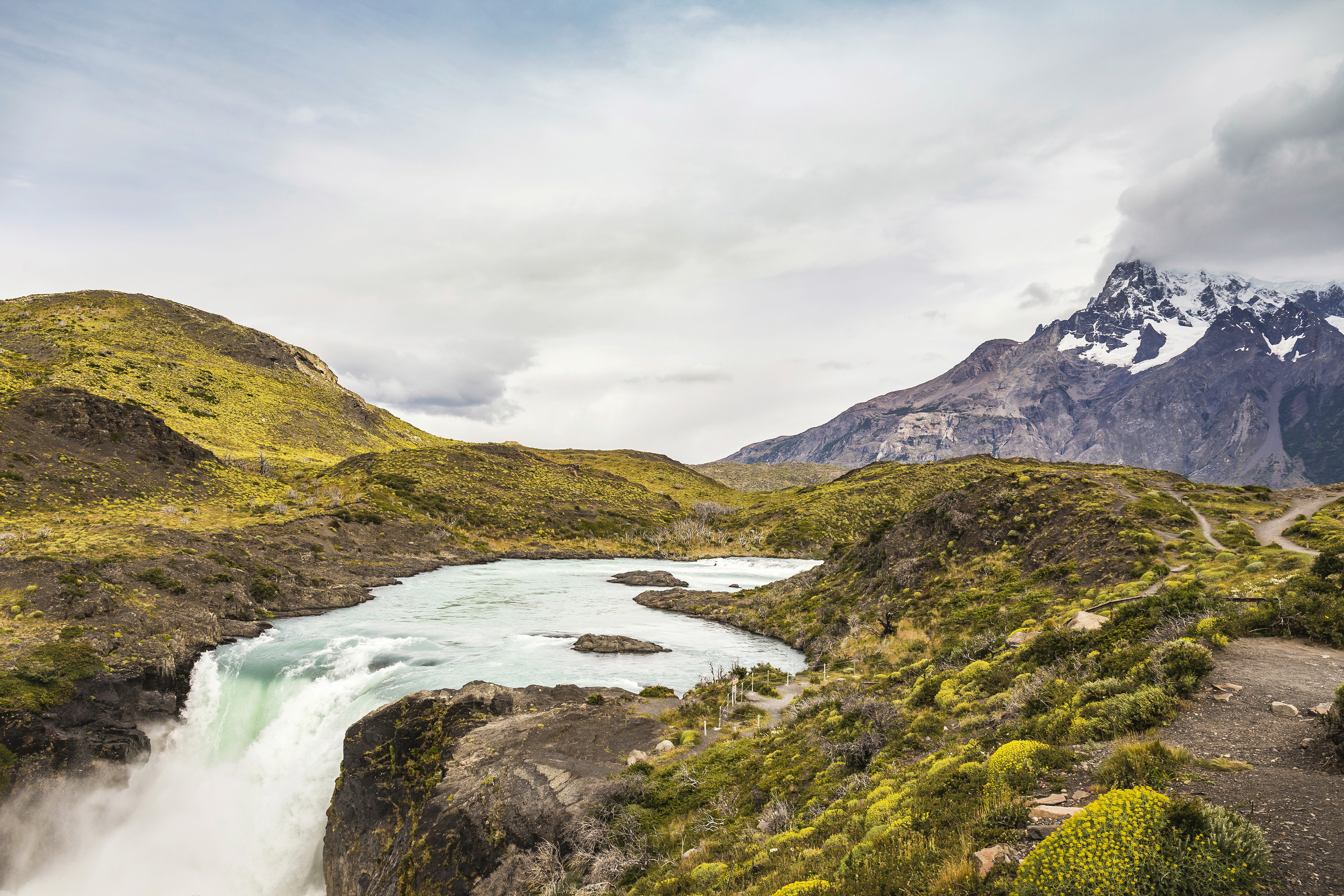
Cochrane is a frontier town of 3,000 souls serving as gateway to the southern Carretera Austral—the last significant services before Villa O'Higgins and the road's end. The surrounding landscapes showcase dramatic contrasts—Patagonian steppe transitions to temperate rainforest, turquoise rivers flow through volcanic rock gorges, and snow-capped peaks dominate horizons.
Cochrane
Aysén Region, Chile — Gateway to Southern Carretera Austral
Overview
Cochrane is a frontier town of 3,000 souls serving as gateway to the southern Carretera Austral—the last significant services before Villa O'Higgins and the road's end. Founded in 1954, this working ranching community sits on the shores of Lago Cochrane where Chile's most powerful river, the Río Baker, begins its 170 km journey to the Pacific. The town retains authentic gaucho character: cowboys ride horses down main street, estancias surround the valley, and tourism feels incidental to daily life. Cochrane serves as staging point for adventures along the remote southern stretch of Carretera Austral: rafting the turquoise Río Baker, visiting Patagonia National Park, accessing Caleta Tortel's stilted boardwalks, and pushing on to Villa O'Higgins. The surrounding landscapes showcase dramatic contrasts—Patagonian steppe transitions to temperate rainforest, turquoise rivers flow through volcanic rock gorges, and snow-capped peaks dominate horizons. It's functional rather than picturesque, but offers essential services (ATM, supermarket, gas, mechanics) and launching pad for some of Chilean Patagonia's most spectacular and least-visited destinations.
Why Visit
Raft/kayak the spectacular Río Baker — Chile's largest river by volume flows electric turquoise through volcanic canyon. Day trips or multi-day expeditions. Class II-III (accessible) to Class IV-V sections (advanced). Stunning scenery.
Access Patagonia National Park — Cochrane is southern gateway (90 km north) to Tompkins' rewilded Valle Chacabuco. Guanaco herds, puma habitat, free camping, world-class hiking.
Experience authentic frontier town — Real working community, not tourist destination. Gauchos, estancias, small-town Patagonia life. Refreshing authenticity after more developed areas.
Fish legendary waters — Río Baker, tributaries, Lago Cochrane hold trophy browns and rainbows. Minimal fishing pressure, pristine access.
Base for southern Carretera Austral — Last major services before remote sections: Caleta Tortel (stilted village 100 km south), Villa O'Higgins (end of road, 230 km south).
Witness dramatic Baker River confluence — Where turquoise Baker River meets milky glacial Río Nef—two-toned water phenomenon visible from town.
Getting There
By Bus: Regular service on Carretera Austral route. From Coyhaique: 330 km south (6-7 hrs, $25-35, Buses Acuario, Don Carlos—2-3x weekly). From Puerto Río Tranquilo (Marble Caves): 130 km south (2.5 hrs, $15-20). From Villa O'Higgins: 230 km north (5-6 hrs, $30-40, weekly). Schedules variable—confirm at terminals. Summer (Dec-Mar) more frequent; winter reduced.
By Car: Self-drive ideal for flexibility. From Coyhaique: 330 km south on Carretera Austral (Route 7)—gravel but well-maintained, 5-6 hours. From Marble Caves: 130 km south. From Chile Chico: 120 km west via lateral road. All routes scenic but slow. High clearance helpful; 4WD not essential unless venturing off main routes.
Hitchhiking: Common on Carretera Austral, especially summer. Traffic light but consistent with tourists and locals. Spanish helpful. Bring tent—waits can be long.
Important: Cochrane is critical resupply point—ATM (bring backup cash—can malfunction), supermarkets (stock up for south), gas station (fill tank—next gas Villa O'Higgins 230 km), mechanics, camping supplies. Plan accordingly.
Top Experiences
Río Baker Rafting/Kayaking — The highlight. Chile's mightiest river: 870 cubic meters/second average flow, electric turquoise color from glacial flour. Day Trips: Float calm sections (Class II)—scenic, family-friendly, 2-4 hours, ~$60-80 per person. Advanced sections: Class IV-V rapids for experienced kayakers/rafters. Multi-day expeditions: 2-3 day trips camping riverbanks, combining calm and whitewater. Scenery: Volcanic canyon walls, turquoise water, hanging glaciers visible, temperate forest. Operators: Baker Patagonia Adventures, Chile Nativo. Season: November-March (best Dec-Feb high water). Alternative: Kayak rentals for calm sections (DIY with experience). Fishing: From rafts—excellent browns/rainbows.
Tamango National Reserve — 7,000-hectare reserve protecting endangered huemul (Andean deer). Trails: Multiple day hikes—Sendero Las Correntadas (3 km, 2 hrs, easy), Sendero Los Carpinteros (5 km, 3 hrs, moderate through lenga forest), Sendero Cerro Tamango (longer, strenuous). Wildlife: Huemul sightings possible (rare but reserve created for them), Magellanic woodpeckers, foxes, condors. Views: Lago Cochrane, Baker valley, mountains. Access: 6 km from Cochrane center—walk, bike, or drive. Entry: Small fee (~$5 USD). Best: Morning wildlife activity.
Lago Cochrane Exploration — Large lake (175 km²) on town's edge. Activities: Kayaking (rentals in town, ~$30-40/day), fishing (browns, rainbows, salmon), beach walks, picnicking. Scenic spots: Multiple access points around lake—turquoise water, mountain backdrop. Swimming: Brave souls only—glacial cold (10-12°C).
Baker-Nef River Confluence — Visible from town viewpoints. Phenomenon: Turquoise Baker meets milky-gray Río Nef (glacial silt)—two distinct colors flowing side-by-side before mixing. Photography: Best from Mirador Río Baker (short walk from plaza). Best light: Afternoon. Free.
Fly Fishing — Premier destination. Río Baker: Wading difficult (powerful current) but float fishing from rafts excellent. Trophy browns 5-10 kg. Lago Cochrane: Troll or cast from shore. Tributaries: Numerous streams—walk-in access. Season: November-April (best Feb-March). Guides: Local operators offer full-day trips (~$350-450 for 2 anglers). DIY: Possible with local knowledge. Licenses: Purchase in Cochrane. Flies: Large streamers, nymphs for Baker; dry flies small streams.
Caleta Tortel Excursion — 100 km south—unique stilted village. Day Trip: Drive 2.5 hours (gravel), explore boardwalk town (no streets—only wooden walkways connecting houses), return. Overnight: Better—hospedajes on stilts (~$40-60), experience evening/morning magic. Why Go: Utterly unique architecture, cypress logging heritage, fjord setting. See standalone description in Carretera Austral guide.
Patagonia National Park — 90 km north via rough gravel. Day Trip: Long but doable—drive 2 hours, hike Laguna Altas or Avilés Trail, return evening. Better: Overnight camping (free sites in park). Wildlife: Guanacos, condors, possible pumas. Valle Chacabuco: Tompkins' rewilded grasslands. Essential for conservation-minded travelers. See separate Patagonia Park guide.
Mountain Biking — Trails and roads around town. Routes: Tamango Reserve trails (technical forest singletrack), Lago Cochrane shore roads (scenic rolling), Carretera Austral sections (epic but challenging). Rentals: Limited—ask at tourist info. Better bring own bike. Season: November-April.
Horseback Riding — Working estancias offer rides. Options: Half-day valley rides ($60-80), full-day to mountains with asado ($120-150). Authentic gaucho culture. Arrange through hospedajes or tourist office.
Glacier Viewpoint Drives — Multiple glaciers visible from roads near Cochrane. Ventisquero Calluqueo: 50 km drive, hanging glacier viewpoint. Soler Glacier: Further afield but spectacular. Best: Clear days, binoculars, photography.
Baker River Valley Scenic Drive — Drive downstream (north) along Baker toward confluence with Río Nef. Viewpoints, picnic spots, fishing access. ~40 km round trip from town.
Where to Stay
Budget:
Hostel Esquel: Backpacker hostel, dorms and privates, kitchen, social (dorms ~$18-25, privates ~$50-70)
Residenciales: Family homes, simple rooms, breakfast (~$30-50 per person). Ask at plaza.
Camping Rio Cochrane: Municipal campground, basic, riverside (~$10-15 per person)
Mid-Range:
Hotel Ultimo Paraíso: Central, comfortable, good restaurant (~$80-120)
Hostería Bellavista: Clean, friendly, lake views (~$70-100)
Cabañas: Self-catering cabins around town (~$80-120 per cabin)
Upscale (by Cochrane standards):
Hacienda Tres Lagos: Best option, outside town, estancia-style (~$150-220 with meals and activities)
Outside Town:
Patagonia National Park: Free camping (90 km north)
Caleta Tortel: Hospedajes on stilts (100 km south, ~$40-60)
Best Time to Visit
December-February (Summer): Best weather (15-22°C days), longest days, all activities operational. Baker River high flow—best rafting. Fishing excellent. Town busiest (still quiet by normal standards). Book 1-2 weeks ahead for best hotels. Wildflowers, green landscapes. Caleta Tortel and Villa O'Higgins fully accessible.
March-April (Autumn): Shoulder season. Fewer tourists, autumn colors (lenga forests gold-orange), comfortable temps (10-18°C). Fishing peaks—browns pre-spawn. Baker River still raftable. Services open through March. Prices lower. Good for budget/solitude seekers. By late April, some closures, cold nights.
October-November (Spring): Improving weather, wildflowers emerging (late Oct onward), fishing season opens Nov 1. Traffic light, services reopening. Weather variable—cold snaps possible. November approaches summer. Good for pioneers.
May-September (Winter): Off-season. Cold (5-12°C days, freezing nights), short days, heavy rain. Most tourism services close. Baker River too low/cold for rafting. Town very quiet—locals and hardy travelers only. Road south to Tortel/Villa O'Higgins can be challenging (snow, mud). Only for off-season adventurers or those connecting through.
Where to Go Next
1. Villa O'Higgins — End of the Road (230 km south, 5-6 hours)
Why Go: Reach Carretera Austral's southern terminus. Tiny village (500 people), frontier atmosphere, O'Higgins Glacier boat trips, adventurous border crossing to Argentina (boat + trek to El Chaltén). Accomplishment feeling reaching road's end. Budget 2-3 days.
2. Caleta Tortel — Stilted Village (100 km south, 2.5 hours)
Why Go: Unique architecture—entire village on boardwalks above water (no streets). Founded by cypress loggers. Explore maze of wooden walkways, fjord setting, authentic culture. Worth overnight. Budget 1-2 days.
3. Patagonia National Park (90 km north, 2 hours)
Why Go: Tompkins' rewilding project. Guanacos, pumas, condors, free camping, excellent hiking (Cerro Tamango summit 20 km round trip). Conservation tourism. Budget 3-4 days.
4. Puerto Río Tranquilo & Marble Caves (130 km north, 2.5 hours)
Why Go: Stunning blue-and-white marble formations on Lago General Carrera. Boat tours (~$15-20). Chile's most photographed natural wonder. Combine with Cochrane in southern Carretera Austral journey. Budget 1-2 days.
5. Coyhaique & Northern Carretera Austral (330 km north, 6-7 hours)
Why Go: Regional capital, resupply hub, continue north on Carretera Austral toward Queulat (hanging glacier), Puyuhuapi (hot springs), eventually Puerto Montt. Or fly out from Coyhaique. Creates complete Carretera route.
6. Argentina via Chile Chico (120 km east to border, 4 hours total)
Why Go: Cross to Argentina at Los Antiguos, connect to Ruta 40, access El Chaltén (Fitz Roy trekking) and El Calafate (Perito Moreno Glacier). Creates binational Patagonia loop.
Timing Tips:
Cochrane is logistics/resupply base, not destination—budget 1-2 days
Use as hub for Baker rafting, Patagonia Park, Tortel, Villa O'Higgins
December-February optimal for all activities
Stock up thoroughly—next services 230 km south (Villa O'Higgins) or 130 km north (Tranquilo)
ATM essential stop (may not work—bring backup cash)
Baker rafting prime Dec-Feb (high water, warm weather)
Combine with longer Carretera Austral journey for context
Town functional, not scenic—manage expectations
About Me
Veb
Hey there! I’m Veb and I've traveled solo and in groups for 10+ years in Patagonia - across Chile and Argentina.
I started Go Wild Patagonia with a desire to help other travelers plan their journeys in Patagonia with a focus on adventure, nature and being in the wilderness.
Say Thanks
Support my mission to make Patagonia more accessible for travelers while supporting local tour operators who organize only sustainable travels in Patagonia.
Read More
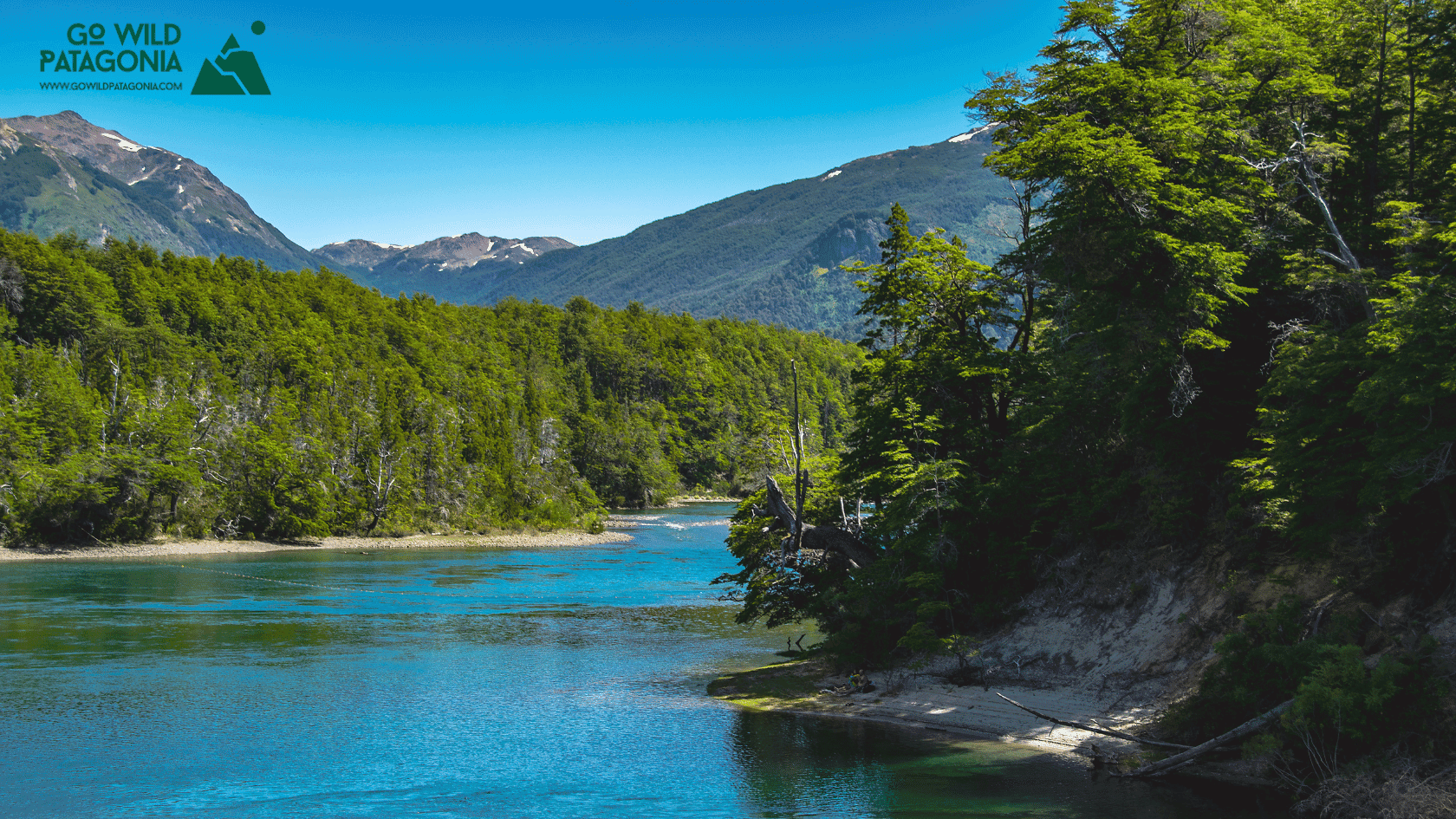
Chubut Province, Argentina — Cathedral of Ancient Trees Overview Los Alerces National Park protects 263,000 hectares of pristine Valdivian rainforest in Argentine Patagonia, home to some of the oldest living trees on Earth. The park's namesake—the alerce tree (Fitzroya cupressoides)—can live over 3,000 years, rivaling California's sequoias and bristlecone pines.
Update on Oct 24, 2025
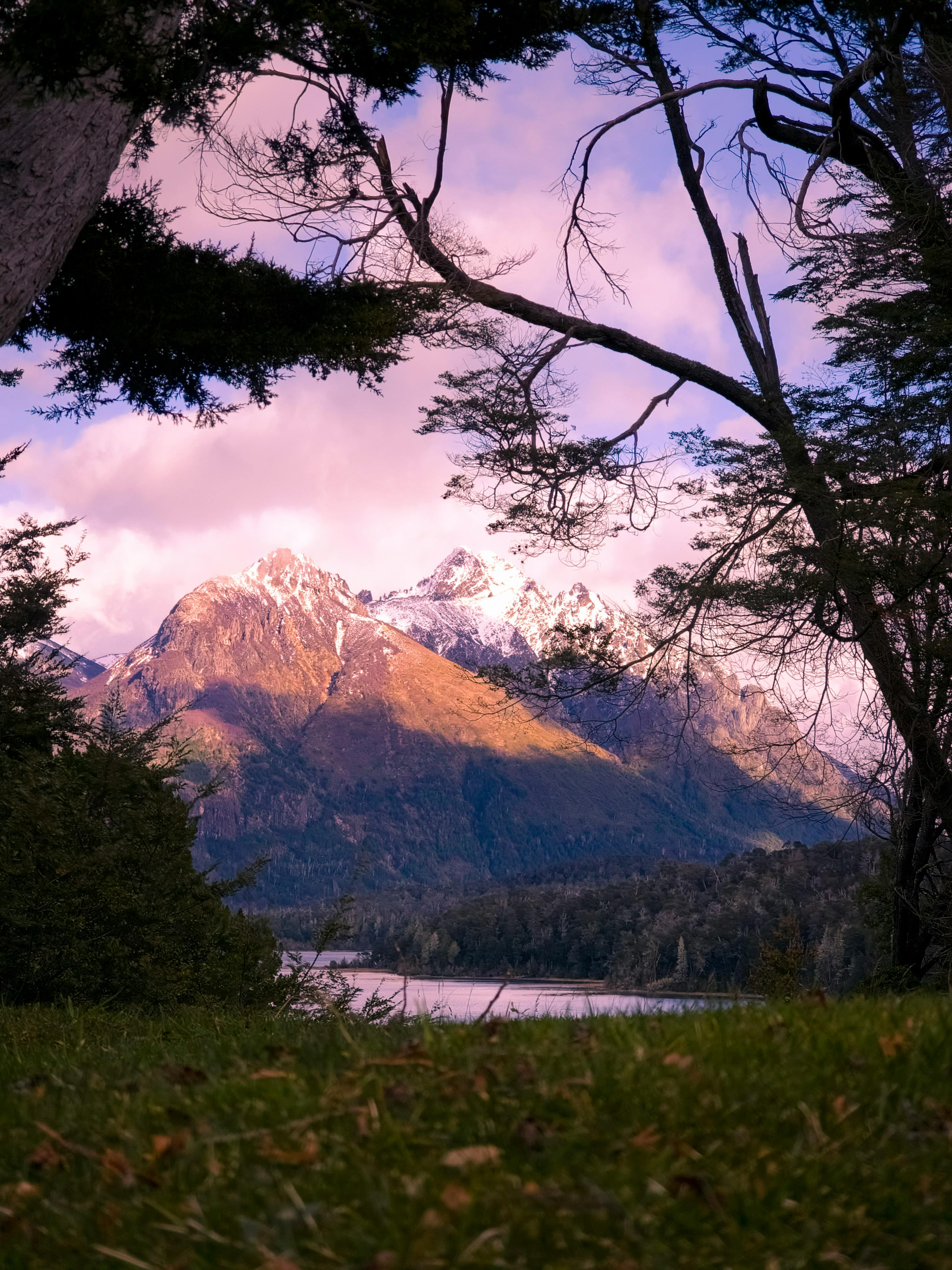
El Bolsón offers world-class hiking: Refugio Hielo Azul and Refugio Cajón del Azul sit in alpine cirques accessible via multi-day treks, Cerro Piltriquitrón (2,284m) provides panoramic summit views, and Cajón del Azul's turquoise canyon ranks among Patagonia's most photographed day hikes.
Update on Oct 24, 2025
Monte Leon National Park is Argentina's first coastal national park, protecting 40 km of dramatic Atlantic shoreline where the Patagonian steppe meets the sea.
Update on Oct 24, 2025