
Punta Arenas and Magellan Strait - Gateway to the End of the World
Punta Arenas is Chile’s southernmost continental city (population 130,000), strategically positioned on the Strait of Magellan where the Atlantic and Pacific meet. The setting is dramatic: the city faces north across the strait toward Tierra del Fuego, with the Andes rising west. Strong winds blow constantly, and the atmosphere mixes frontier toughness with sophisticated urban culture.
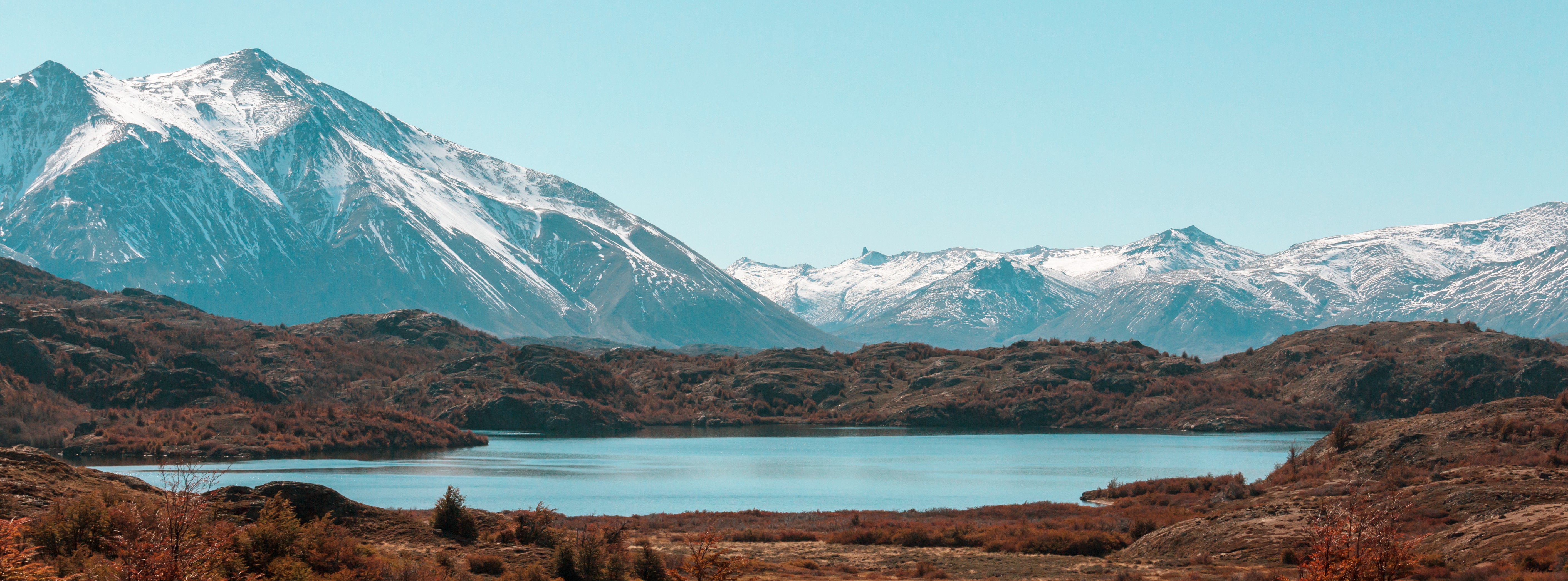
Punta Arenas & Strait of Magellan
Magallanes Region, Chile — Gateway to the End of the World
Punta Arenas Chile
Punta Arenas is Chile’s southernmost continental city (population 130,000), strategically positioned on the Strait of Magellan where the Atlantic and Pacific meet. Founded in 1848 as a penal colony, it grew wealthy during the late 1800s from sheep ranching and its critical position on pre-Panama Canal shipping routes. Today, elegant mansions from that golden era line downtown streets, and the city serves as gateway to Torres del Paine (5 hrs north), Antarctica expeditions, penguin colonies, and Tierra del Fuego. The setting is dramatic: the city faces north across the strait toward Tierra del Fuego, with the Andes rising west. Strong winds blow constantly, and the atmosphere mixes frontier toughness with sophisticated urban culture.
Why Visit
Witness king penguin colonies — Parque Pingüino Rey, 100 km northeast, hosts the only king penguin colony outside Antarctica and sub-Antarctic islands. These regal birds (second-largest penguin species) with orange neck patches can be observed from meters away.
Explore maritime history — The Nao Victoria Museum (full-size replica of Magellan’s ship), historic cemetery (monumental tombs of pioneer families), and various museums document exploration history, indigenous peoples, sheep ranching era, and Antarctic expeditions.
Base for Torres del Paine — While Puerto Natales is closer (100 km), many travelers fly directly to Punta Arenas and travel to Torres del Paine same day (280 km). The city has better flight connections internationally.
Visit nearby Fuerte Bulnes — This reconstructed 1843 fort, 60 km south, marks the first permanent Chilean settlement in the Magellan region. The wooden structures, costumed guides, and dramatic strait-side location tell colonization stories.
Experience Patagonian urban culture — Unlike small mountain villages, Punta Arenas offers sophisticated restaurants (king crab specialties), craft breweries, museums, theater, and nightlife. It’s the “big city” of deep Patagonia.
Embark to Antarctica — November-March, Punta Arenas is departure point for some Antarctic cruises and main port for Antarctic tourism logistics. Even if not cruising, you’ll feel the polar atmosphere.
Getting There
By Air: Punta Arenas Airport (PUQ) has daily flights from Santiago (3.5 hrs), plus connections to Buenos Aires, Puerto Montt, and seasonally to other cities. Most connected airport in far southern Patagonia.
By Bus: Buses connect to Puerto Natales (3 hrs), Ushuaia, Argentina (12 hrs including ferry), and Río Gallegos, Argentina (6 hrs).
By Cruise Ship: Some Antarctic cruises begin/end here, docking at city port.
By Car: Self-drive from Puerto Natales (250 km, 3 hrs) or longer distances from Argentine Patagonia. Strait crossing requires ferry at Primera Angostura.
Top Experiences
King Penguin Colony at Parque Pingüino Rey — Full-day excursion (100 km each way) to Tierra del Fuego’s northern coast. These majestic king penguins—nearly a meter tall with vibrant orange markings—breed, molt, and raise chicks visible year-round (best November-March). Unlike Magellanic penguins in burrows, kings stand in open terrain. Observation hides allow close viewing without disturbance. The colony (about 100 penguins) is growing. Access road crosses beautiful Patagonian steppe with guanaco sightings.
Magellanic Penguin Colonies — Several sites closer to Punta Arenas: Isla Magdalena (ferry from city, October-March, 60,000+ breeding penguins) is most popular—walk among thousands of nesting burrows. Seno Otway colony (60 km from city, land-based) allows walking boardwalk paths through active colony. Both offer incredible encounters.
Historic Cemetery Tour — Cementerio Municipal is one of South America’s most impressive, with elaborate mausoleums of European immigrant families who made fortunes in sheep and shipping. The Braun-Menéndez family tomb resembles a small palace. Cypress-lined paths, Victorian angels, poignant stories of pioneers and shipwreck victims. Self-guided or tour available.
Nao Victoria Museum — Life-size replica of Ferdinand Magellan’s flagship that completed the first circumnavigation (1519-1522). Board the ship, explore decks, appreciate the insanity of sailing this small wooden vessel around the globe. Adjacent replicas include James Caird (Shackleton’s lifeboat) and HMS Beagle (Darwin’s research ship). Excellent for understanding exploration history.
Plaza Muñoz Gamero & Downtown Walking — The central plaza features a Magellan monument—tradition says kissing the toe of the Patagonian Indian statue ensures return to Punta Arenas. Surrounding: Club de la Unión (gentlemen’s club in Braun mansion), Casa Braun-Menéndez (regional museum in sheep baron’s palace), cathedral, historic architecture. Walk Bories Street to see mansions from golden era.
Fuerte Bulnes — This reconstructed wooden fort 60 km south marks where Chile established sovereignty over the Strait in 1843. The fort overlooks the windswept strait where three oceans meet. Walk inside log walls, see period reconstructions, absorb isolation early settlers endured. Combine with coastal viewpoints along the drive.
Cerro de la Cruz Viewpoint — Short but steep staircase climb (15 min) rewards with panoramic city, strait, and Tierra del Fuego views. Best at sunset when light turns the strait golden and city lights begin twinkling.
King Crab Dining — Punta Arenas is famous for centolla (king crab) harvested from Strait waters. Try it at restaurants like Santino, La Marmita, or Damiana Elena. The sweet, delicate meat served grilled, in pies, or as “chupe de centolla” (crab casserole) is extraordinary.
Strait of Magellan Cruises — Boat tours navigate the historic strait, visiting sea lion colonies, cormorant rookeries, and islands. Longer expeditions reach glaciers and remote channels. Some tours visit Argentine side (Estancia Harberton in Tierra del Fuego).
Museums: Beyond Nao Victoria—Museo Regional Braun-Menéndez (sheep ranching wealth), Museo del Recuerdo (pioneer artifacts), Museo de Historia Natural Río Seco (taxidermy-heavy natural history).
Where to Stay
Budget:
Hostal del Estrecho (backpacker central, good kitchen)
Dientes de Navarino Hostel (social, helpful staff)
Keoken Patagonia Hostel (comfortable, central)
Mid-Range:
Hotel Diego de Almagro (reliable chain, comfortable rooms)
Hotel Rey Don Felipe (historic building, character)
Cabo de Hornos Hotel (central plaza location)
Luxury:
The Singular Patagonia Hotel Boutique (converted cold-storage facility, museum, excellent restaurant)
Hotel Dreams del Estrecho (modern, casino, spa)
Remota (design hotel, 6 km from city, architectural showpiece)
Best Time to Visit
December-February (Summer): Warmest weather (8-18°C), longest days (17+ hours light), all penguin colonies active. Best for wildlife. Very windy—always prepare for gusts. Peak season—book ahead.
March-April (Autumn): Fewer crowds, cheaper flights, acceptable weather. King penguins still present. Some penguin colonies close (Magdalena after March). Less wind but cooler (5-15°C).
October-November (Spring): Shoulder season, penguins returning (Magdalena opens October), improving weather. Good value. Unpredictable conditions but rewarding.
May-September (Winter): Cold (0-8°C), very short days (8-9 hours light), strongest winds, many tours closed. Only for those needing winter timing or extreme budget. The city functions year-round with museums, restaurants, urban activities.
3-Day Itinerary
Day 1: City Exploration
Morning: Walk Plaza Muñoz Gamero, kiss statue toe
Visit Casa Braun-Menéndez Museum
Lunch: King crab at Santino
Afternoon: Historic Cemetery tour
Climb Cerro de la Cruz for sunset
Dinner downtown
Day 2: King Penguins
Full-day excursion to Parque Pingüino Rey
Early departure (8 AM typically)
2+ hours each direction driving
Extended time with king penguins
Packed lunch or return for late lunch
Evening rest (long day)
Day 3: Maritime History & Departure
Morning: Nao Victoria Museum, board Magellan’s ship replica
Afternoon: Fuerte Bulnes fort or prepare for Torres del Paine transfer
Or: Departure from PUQ airport
Final centolla dinner if overnight
5-Day Itinerary
Day 1: Arrival & Orientation
Arrive, check into accommodation
Gentle downtown walk
Plaza and surrounding architecture
Visit tourism office for maps
Dinner at Damiana Elena
Early rest for adventures
Day 2: King Penguins
Full-day Parque Pingüino Rey
Observe majestic king penguins
Photography opportunities
Tierra del Fuego landscapes
Return by evening
Quiet dinner
Day 3: Magellanic Penguins & Fort
Morning: Isla Magdalena ferry (if season) or Seno Otway colony (land-based)
Afternoon: Fuerte Bulnes historic fort
Coastal viewpoints
Evening: Maritime atmosphere downtown
Day 4: Museums & Culture
Morning: Nao Victoria Museum, board ship replicas
Afternoon: Historic Cemetery, Casa Braun-Menéndez Museum
Evening: Craft beer at Austral Brewery
Dinner and folk show
Day 5: Strait Cruise & Departure
Morning: Boat tour on Strait of Magellan (sea lions, cormorants, islands)
Afternoon: Last-minute shopping (wool crafts, regional products)
Departure to Puerto Natales, Torres del Paine, or airport
7-Day Itinerary
Day 1: Arrival & City Discovery
Arrive and settle in
Walk downtown thoroughly
Plaza Muñoz Gamero architecture
Waterfront promenade
Welcome dinner
Day 2: King Penguins Full Day
Early departure for Parque Pingüino Rey
Extended time with colony
Photography from hides
Guanaco spotting en route
Tierra del Fuego landscapes
Return by evening
Day 3: Magellanic Penguins
Isla Magdalena ferry tour
Walk among 60,000+ penguins
Lighthouse museum
Or: Seno Otway colony (alternative)
Afternoon rest
Evening: King crab feast
Day 4: Maritime History
Morning: Nao Victoria Museum, explore ship replicas and exhibitions
Afternoon: Strait of Magellan boat tour (sea lions, birds, historic waters)
Evening: Sunset at Cerro de la Cruz
Day 5: Historic Sites
Morning: Fuerte Bulnes fort excursion, understand colonization history, coastal viewpoints
Afternoon: Historic Cemetery tour, Casa Braun-Menéndez Museum
Evening: Traditional dinner
Day 6: Tierra del Fuego Exploration
Day trip across strait to Porvenir
Ferry crossing (2.5 hrs)
Chilean Tierra del Fuego landscapes
Visit Porvenir museum
Steppe and coast exploration
Return by evening ferry or overnight on TDF
Day 7: Flexible & Departure
Morning: Choose final activity (wool shopping at Zona Franca duty-free, Museo Regional if not visited, relaxed breakfast and packing)
Afternoon: Transfer to Puerto Natales for Torres del Paine OR depart from PUQ to Santiago/Buenos Aires OR begin Antarctica expedition!
🎿 Adventure Activities
Sea Kayaking
Paddle Strait of Magellan:
Protected bays: Near city for calm paddling
Multi-day expeditions: To remote channels
Wildlife viewing: Sea lions, dolphins
Cold water—wetsuits essential
Season: November-April
Sailing & Boat Tours
Maritime exploration:
Strait navigation: Historic waters
Wildlife tours: Sea lion colonies, seabirds
Glacier expeditions: To nearby ice masses
Multi-day charters: To Tierra del Fuego
Weather-dependent
Cycling
Explore by bike:
Coastal routes: Along strait shoreline
Fuerte Bulnes ride: 120 km round trip (challenging)
City to Otway: 120 km round trip to penguin colony
Strong winds—be prepared
Bike rentals available
Hiking & Trekking
Beyond city walks:
Reserva Magallanes: Forest trails near city
Coastal walks: Along strait beaches
Backcountry routes: In surrounding ranges
Various difficulty levels
Horseback Riding
Patagonian steppe exploration:
Estancia visits: Day rides at working ranches
Multi-day pack trips: Through Tierra del Fuego
Traditional gaucho experiences
Season: November-April
Wildlife Photography
Capture Patagonian fauna:
Penguin colonies: Both king and Magellanic
Marine mammals: Sea lions, dolphins, occasional whales
Seabirds: Cormorants, gulls, albatross
Guanacos: On steppe drives
Telephoto lens essential
Diving
Cold-water underwater:
Strait diving: Kelp forests, marine life
Wreck dives: Historical shipwrecks
King crab encounters: See them in habitat
Drysuit required (4-8°C water)
Certification needed
Pro Tips:
Wind is constant and fierce—dress in layers
King penguins visible year-round (best Nov-Mar)
Magellanic penguins seasonal (Oct-Mar)
Book penguin tours 2-3 days ahead
City excellent for stocking up before Torres del Paine
Many Antarctic expeditions begin here (book years ahead)
➡️ Where to Go Next
1. Puerto Natales & Torres del Paine
Distance: 250 km north (3 hours)
Transport Options:
Bus: Multiple daily buses Punta Arenas to Puerto Natales. Frequent departures throughout day. Journey: 3 hours on paved Route 9. Cost: ~$10-15 USD. Companies: Buses Fernandez, Pacheco, Bus Sur. No reservation needed except peak season. Continue from Puerto Natales to Torres del Paine (2-2.5 hrs).
Direct to Torres del Paine: Some tour operators offer direct Punta Arenas to Torres del Paine day trips or transfers (~5-6 hrs total). Skip Puerto Natales if short on time.
Rental Car: Drive yourself allows stops at intermediate viewpoints. Flexibility for exploring Torres del Paine. Can drop car in Puerto Natales.
Why Go: Experience Chile’s crown jewel—Torres del Paine National Park. After urban Punta Arenas and penguin/wildlife focus, shift to mountain wilderness. Torres del Paine offers iconic granite towers, W Trek (4-5 days), Grey Glacier, Cuernos peaks, and pristine nature. Puerto Natales serves as base: charming port town on Última Esperanza fjord with excellent restaurants, gear shops, and trek preparation services. The combination is perfect: fly into Punta Arenas (international connections), see king penguins (unique experience), travel to Puerto Natales (frontier town atmosphere), trek Torres del Paine (wilderness immersion). Most visitors follow this sequence. Can also add Serrano Glacier boat tours from Puerto Natales and Cueva del Milodón (giant sloth cave).
Suggested Duration: 7-10 days. Puerto Natales: 2-3 days (arrival, prep, recovery). Torres del Paine: 5-9 days (W Trek 4-5 days, O Circuit 7-9 days, or day hikes).
2. Ushuaia, Argentina — The End of the World
Distance: 600 km (12 hours by bus, or 3.5 hours by air via connections)
Transport Options:
Fly: No direct flights. Must route through Santiago or Buenos Aires. Punta Arenas (PUQ) → Santiago/Buenos Aires → Ushuaia (USH). Total travel time: 8-12 hours with layovers. Cost: $300-500+ USD. Book well ahead for reasonable prices.
Bus: Weekly buses Punta Arenas to Ushuaia (12+ hours). Route crosses Strait via ferry, enters Argentina, continues through Río Gallegos and Río Grande to Ushuaia. Long journey but scenic. Cost: ~$60-80 USD. Company: Pacheco. Limited departures—book ahead.
Via El Calafate: Alternative route—fly or bus to El Calafate (Argentina), then continue to Ushuaia. Allows glacier visit en route.
Why Go: Continue to the absolute southern tip of South America—the world’s southernmost city. Ushuaia offers completely different experiences from Punta Arenas: Beagle Channel boat tours with penguins at Isla Martillo and sea lions; Tierra del Fuego National Park’s coastal trails to Pan-American Highway terminus; End of the World Train through historic prison camp; king crab dining; and mystique of civilization’s edge. Maritime and forest adventures. Also departure point for Antarctica cruises (November-March)—many travelers position here for polar expeditions. Winter (June-August) adds skiing at Cerro Castor, dog sledding, aurora australis viewing. The shift from Chilean to Argentine Patagonia, from Strait to Beagle Channel, from urban to end-of-world creates compelling journey narrative.
Suggested Duration: 4-7 days. Core Ushuaia experiences (Beagle Channel, national park, penguins, museums) take 3-4 days. Remoteness and unique atmosphere warrant longer exploration.
3. El Calafate & El Chaltén, Argentina
Distance: 650 km to El Calafate (10-12 hours by bus, or fly via Buenos Aires)
Transport Options:
Fly via Buenos Aires: Punta Arenas → Santiago or Buenos Aires (3.5-4 hrs) → El Calafate (3 hrs). Total: 8-10 hours with layover. Cost: $300-600 USD depending on routing and advance booking. Most practical for time-limited travelers.
Bus: Long overland journey Punta Arenas → Río Gallegos (Argentina, 6 hrs) → El Calafate (4 hrs). Typically requires overnight stop in Río Gallegos. Total journey: 2 days. Cost: ~$80-120 USD. Only for those with time and interest in overland travel. Scenic Patagonian steppe landscapes.
Via Puerto Natales: Many travelers route through Puerto Natales anyway (for Torres del Paine), making bus from there to El Calafate more logical (5-6 hrs).
Why Go: Transition to Argentine Patagonia’s glacier and mountain highlights. El Calafate is gateway to Perito Moreno Glacier—one of the world’s most spectacular glaciers, actively calving into turquoise lake. Walk catwalks viewing ice towers collapse, ice trek with crampons, boat through icebergs to Upsala and Spegazzini glaciers. From El Calafate, continue to El Chaltén (3 hrs north)—”Trekking Capital.” Hike to Laguna de los Tres for Fitz Roy sunrise, trek beneath Cerro Torre, summit panoramic peaks. Perfect complement to Torres del Paine: similar dramatic mountains but different geology, trails from town (simpler logistics), breweries and relaxed vibe. Creates comprehensive Patagonia experience: Chilean and Argentine sides, diverse landscapes, complete adventure. Many travelers do circular route: Punta Arenas → Torres del Paine → El Calafate → El Chaltén → fly out from El Calafate.
Suggested Duration: 7-10 days. El Calafate: 3-4 days (glacier experiences, estancia visits). El Chaltén: 4-6 days (multiple day hikes, weather buffers essential).
Planning Your Route:
Classic Torres + Penguins: Fly into Punta Arenas → king penguins (1 day) → Puerto Natales → Torres del Paine (5 days) → return Punta Arenas → fly out
Grand Patagonia Loop: Punta Arenas → Torres del Paine → El Calafate → El Chaltén → fly out from El Calafate
Chilean Patagonia Focus: Punta Arenas → Puerto Natales/Torres del Paine → return north via Carretera Austral → Puerto Varas → fly out Santiago
Antarctica Extension: Punta Arenas → Puerto Natales/Torres del Paine → return Punta Arenas → Antarctic cruise (10-21 days, Nov-Mar) → return Punta Arenas
Timing Tips:
Most spend 2-4 days in Punta Arenas
King penguins best November-March (but visible year-round)
Magellanic penguins October-March only
Torres del Paine W Trek requires 6-12 month advance booking
Ushuaia worth extra travel time for unique end-of-world experience
Consider routing through Buenos Aires for international flights
Antarctic cruises book 1-2 years ahead (depart from Ushuaia or Punta Arenas)
Strong winds year-round—always have windproof layers
About Me

Veb
Hey there! I’m Veb and I've traveled solo and in groups for 10+ years in Patagonia - across Chile and Argentina.
I started Go Wild Patagonia with a desire to help other travelers plan their journeys in Patagonia with a focus on adventure, nature and being in the wilderness.
Say Thanks
Support my mission to make Patagonia more accessible for travelers while supporting local tour operators who organize only sustainable travels in Patagonia.
Read More
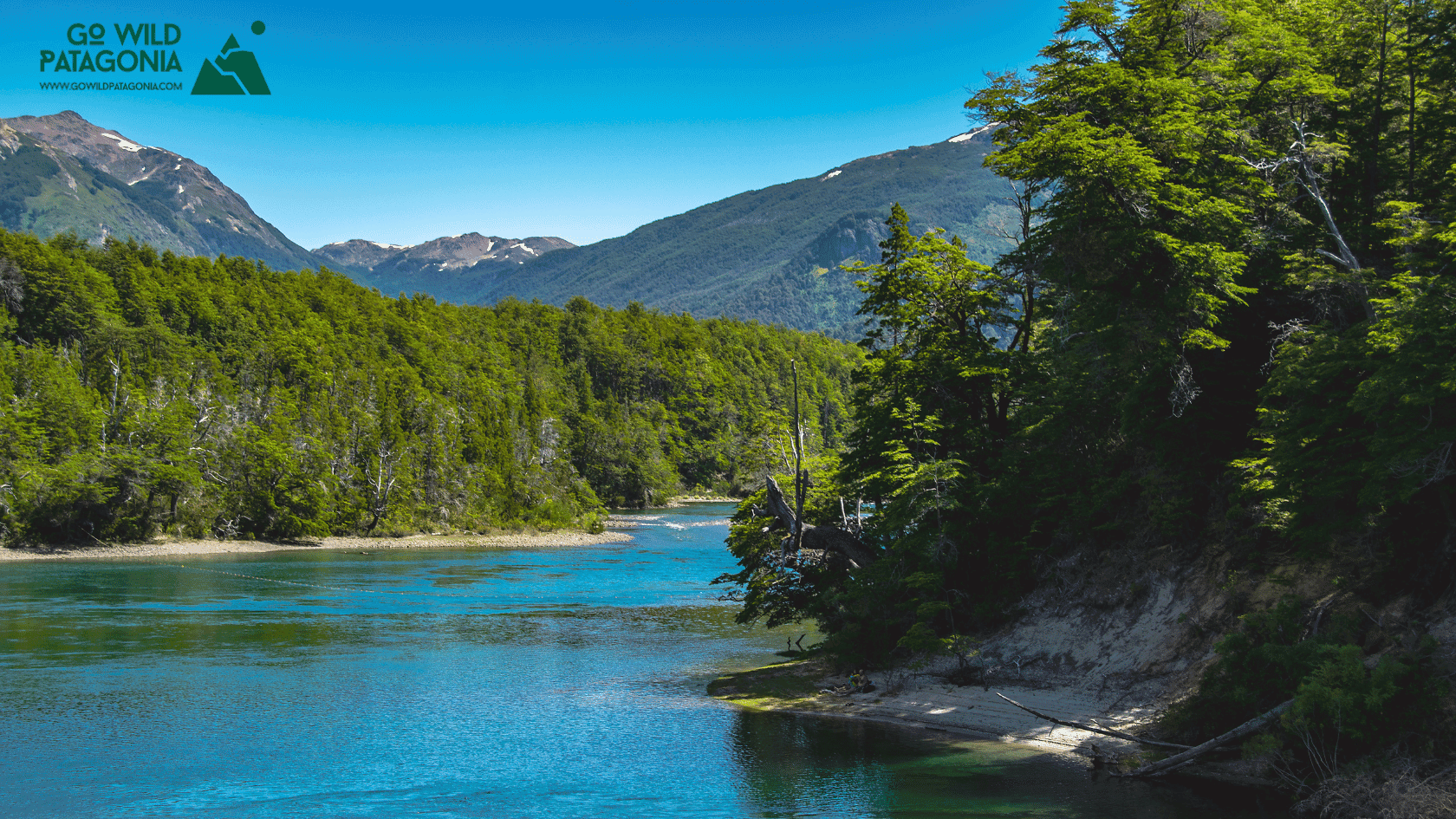
Chubut Province, Argentina — Cathedral of Ancient Trees Overview Los Alerces National Park protects 263,000 hectares of pristine Valdivian rainforest in Argentine Patagonia, home to some of the oldest living trees on Earth. The park's namesake—the alerce tree (Fitzroya cupressoides)—can live over 3,000 years, rivaling California's sequoias and bristlecone pines.
Update on Oct 24, 2025
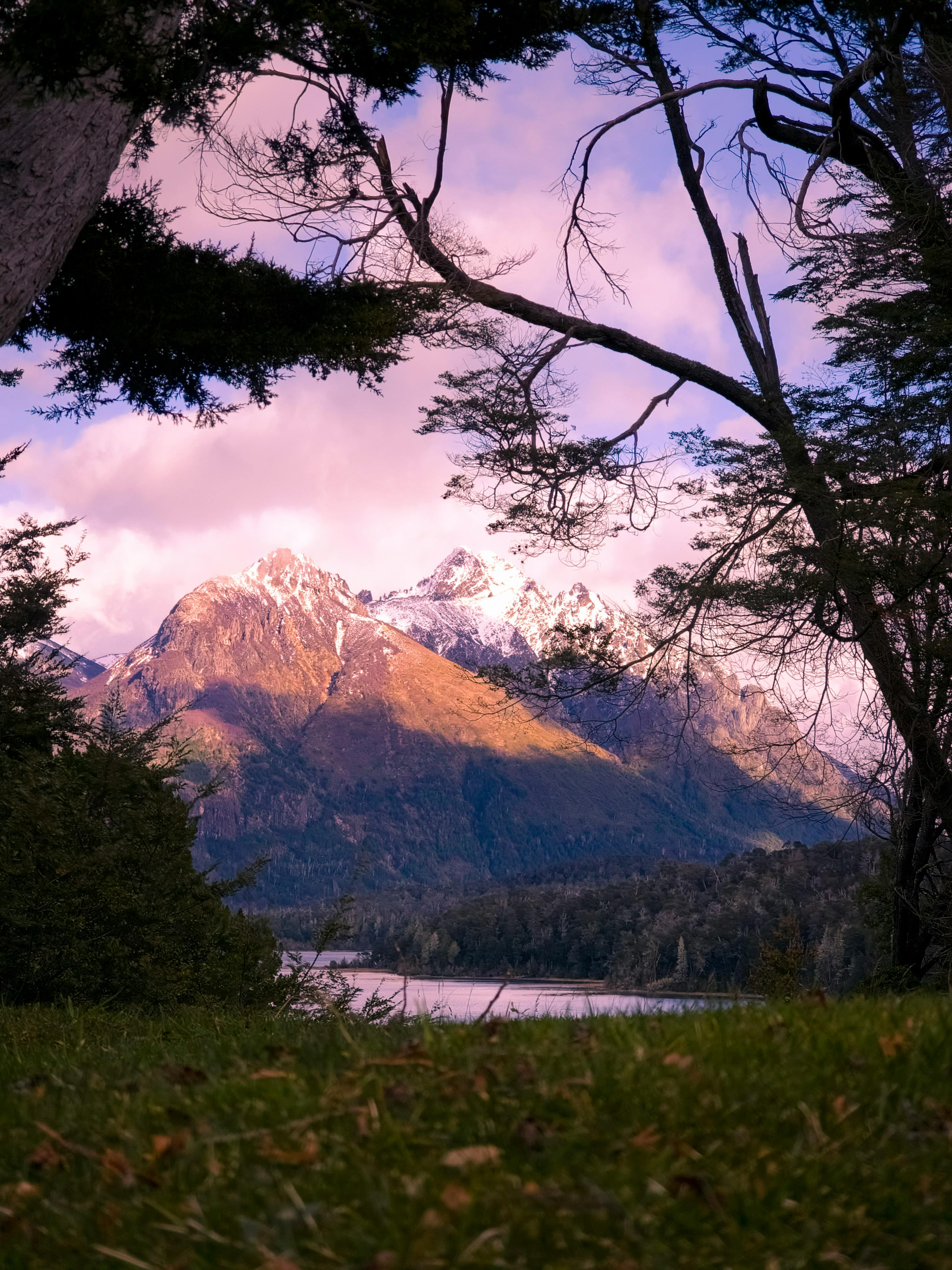
El Bolsón offers world-class hiking: Refugio Hielo Azul and Refugio Cajón del Azul sit in alpine cirques accessible via multi-day treks, Cerro Piltriquitrón (2,284m) provides panoramic summit views, and Cajón del Azul's turquoise canyon ranks among Patagonia's most photographed day hikes.
Update on Oct 24, 2025
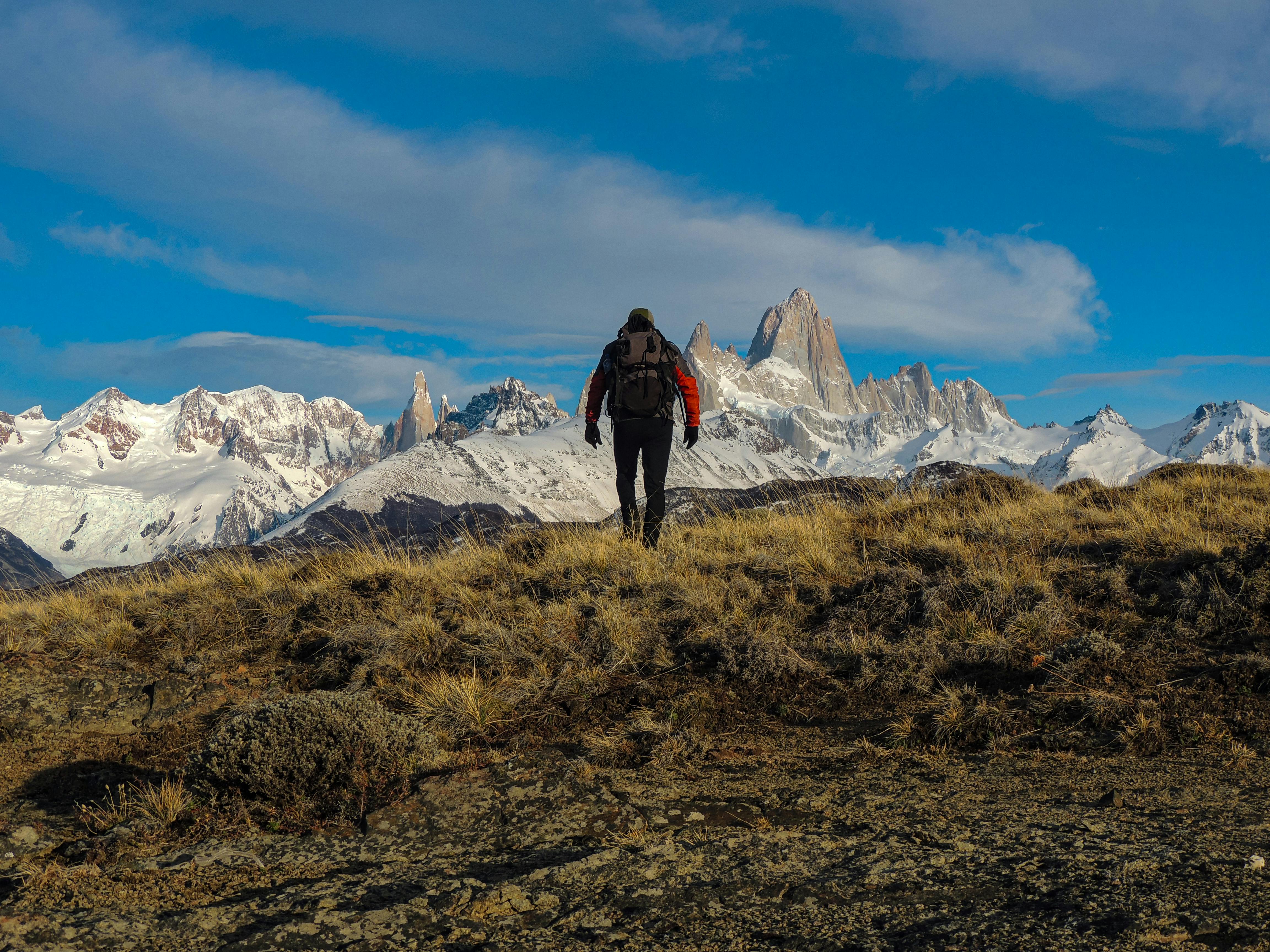
Monte Leon National Park is Argentina's first coastal national park, protecting 40 km of dramatic Atlantic shoreline where the Patagonian steppe meets the sea.
Update on Oct 24, 2025