
Torres del Paine National Park - The Crown Jewel of Patagonia
Torres del Paine is arguably the most spectacular national park in South America and one of the world's premier trekking destinations. The park encompasses 227,000 hectares of dramatic Patagonian landscapes: the iconic granite towers (torres), massive glaciers descending from the Southern Ice Field, electric-blue lakes, rolling pampa dotted with guanacos, and the distinctive Cuernos (horns) peaks.
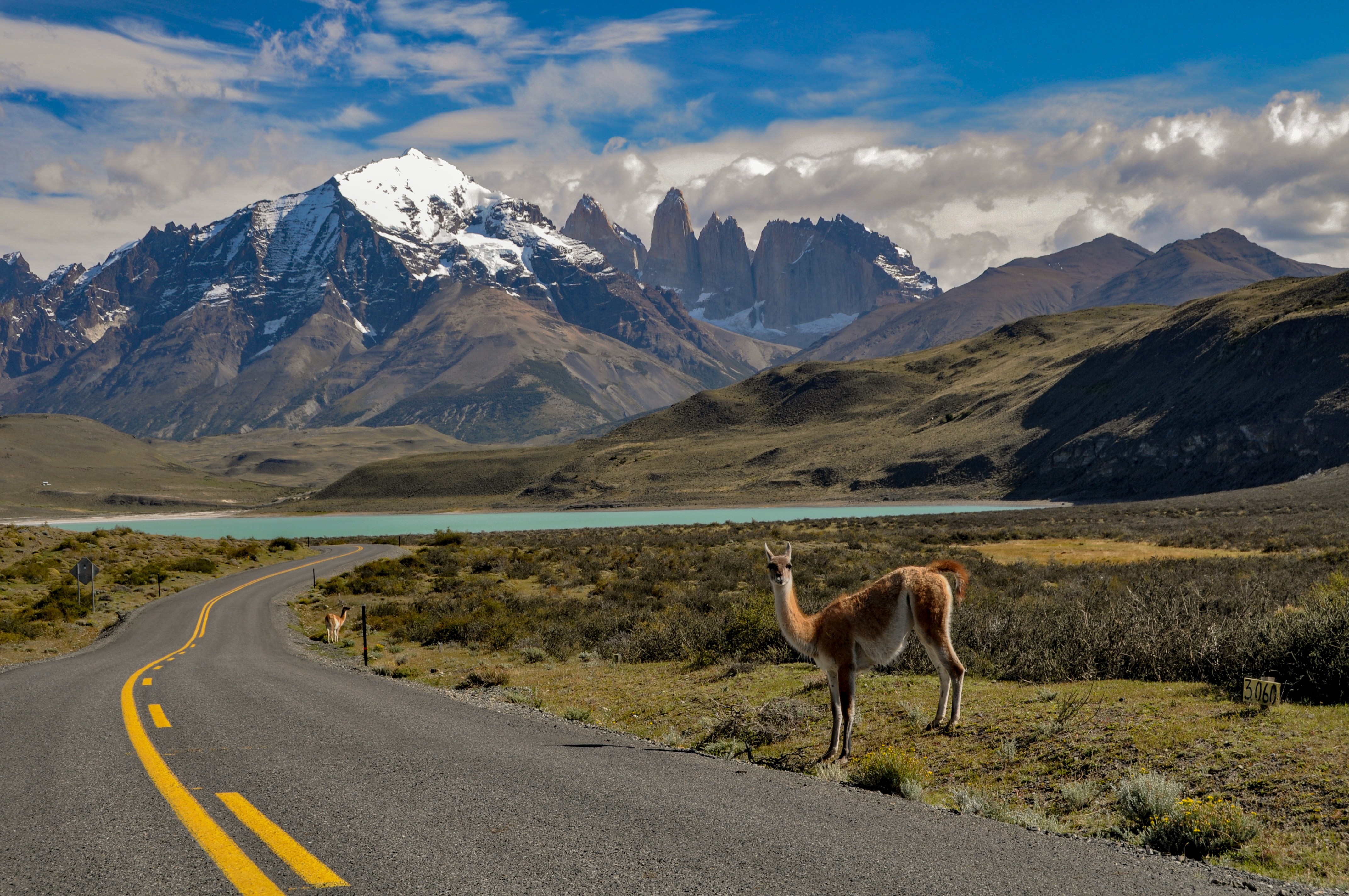
Torres del Paine National Park - The Crown Jewel of Patagonia
Magallanes Region, Chile — The Crown Jewel of Patagonia
Overview
Torres del Paine is arguably the most spectacular national park in South America and one of the world's premier trekking destinations. The park encompasses 227,000 hectares of dramatic Patagonian landscapes: the iconic granite towers (torres), massive glaciers descending from the Southern Ice Field, electric-blue lakes, rolling pampa dotted with guanacos, and the distinctive Cuernos (horns) peaks. Two famous multi-day circuits—the W Trek and the O Circuit—draw trekkers from around the globe, but the park also offers exceptional day hikes, wildlife viewing, and luxury lodge experiences.
Why Visit
Trek among world-famous granite spires — The three Torres del Paine towers rise 2,500 meters above sea level, vertical granite monoliths that have captivated mountaineers and photographers since their first ascent in 1963.
Experience the W Trek or O Circuit — These multi-day hikes rank among the world's most celebrated treks. The W (4-5 days) covers the park's highlights; the O Circuit (7-9 days) adds a remote backside loop.
Photograph the Cuernos at sunrise — The distinctive horned peaks reflected in Lago Pehoé at dawn create Patagonia's most iconic image.
Witness massive glaciers — Grey Glacier stretches 28 km from the Southern Ice Field, with a 30-meter-high face that regularly calves icebergs. You can kayak among the bergs or ice-trek on the glacier itself.
Encounter diverse Patagonian wildlife — Guanacos graze in herds across the steppe, Andean condors soar on thermals, pumas hunt (rare but regularly sighted), and flamingos wade in certain lagoons.
Choose your adventure style — From budget camping on the W Trek to all-inclusive luxury lodges like Explora or Awasi, the park accommodates all styles and budgets.
Getting There
By Air: Fly to Punta Arenas (PUQ) from Santiago (3.5 hrs) or Buenos Aires. From there, it's 250 km (3 hrs) north to Puerto Natales. Some fly to El Calafate, Argentina, then bus 5 hours to Puerto Natales.
By Bus: Daily buses from Puerto Natales to park entrances (2 hrs to Laguna Amarga, 2.5 hrs to administration).
By Car: Self-drive offers flexibility. Rent in Punta Arenas or Puerto Natales. Three entrance points; roads inside mostly gravel but well-maintained.
Important: Park entrance must be reserved online in advance, and camping/refugio bookings must be made months ahead for peak season.
Top Experiences
Base Torres Hike — The park's signature day hike: 19 km round trip (8-10 hrs) ascending through forest to a boulder field, culminating at a glacial lagoon beneath the three towers. Most hikers start at 5 AM to catch sunrise.
Glacier Grey Trek & Boat Tour — Multiple ways to experience this massive glacier: hike to viewpoints (11 km), take a boat tour navigating among icebergs, or sign up for ice trekking with crampons.
Valle del Francés (French Valley) — Part of the W Trek but doable as long day trip: 25 km round trip ascending into a hanging valley between the Cuernos and Paine Grande massif.
Cuernos del Paine Circuit — Moderate full-day circuit (12 km, 5-6 hrs) circling Lago Nordenskjöld with constantly changing Cuernos views.
Lago Grey Kayaking — Paddle among floating icebergs with the glacier face as backdrop. Tours provide wetsuits and guides.
Mirador Condor — Easy 2 km trail to viewpoint where Andean condors nest and soar. Bring binoculars.
Puma Tracking Safaris — Specialized tours (Dec-Apr) venture into areas where pumas hunt guanacos. Success rates high, though sightings not guaranteed.
The W Trek (4-5 days) — The classic backpacking route: Base Torres, Valle Francés, Glacier Grey. Sleep in refugios or campsites. Book 6-12 months ahead.
The O Circuit (7-9 days) — For serious trekkers: complete the W, then continue around the backside via Paso John Garner with ice field views.
Where to Stay
Puerto Natales:
Budget: Erratic Rock Hostel, The Singing Lamb
Mid-Range: Remota Hotel, Noi Indigo Patagonia
Luxury: Altiplanico Sur, Weskar Lodge
Inside/Near Park:
Budget/Camping: Campsites along W Trek (book ahead)
Mid-Range Refugios: Mountain huts with bunks and meals
Full-Service Lodges:
Hotel Las Torres (park entrance)
Patagonia Camp (luxury yurts)
Tierra Patagonia (award-winning design)
Explora Patagonia (all-inclusive luxury)
Awasi Patagonia (ultra-luxury villas)
Best Time to Visit
December-February (Summer): Warmest (8-18°C), 17-hour days, wildflowers. Peak season but very crowded. Must book 6-12 months ahead.
March-April (Autumn): Fewer crowds, calmer winds, stunning fall colors. Many consider this the best time. Book 3-6 months ahead.
October-November (Spring): Good weather returns, snow still on high passes early October. Shoulder season pricing.
May-September (Winter): Park stays open but many facilities close. Deep snow, extreme cold, short days. Only for experienced winter trekkers.
3-Day Itinerary (Day Hikes)
Day 1: Base Torres Day Hike
4 AM departure from Puerto Natales
Start hike 6:30 AM for sunrise
8-10 hour hike (19 km)
Return by evening
Day 2: Glacier Grey & Lago Pehoé
Drive to administration center
Hike to Mirador Glacier Grey (11 km)
Or take Grey boat tour
Afternoon: Salto Grande, Cuernos photos
Day 3: Wildlife & Culture
Morning: Mirador Condor, Laguna Azul
Wildlife spotting
Afternoon: Cave of the Mylodon
Return to Punta Arenas or El Calafate
5-Day Itinerary (W Trek Highlights)
Day 1: Puerto Natales to Park
Morning bus to Laguna Amarga
Catamaran to Paine Grande
Short hike to refugio
Settle in, sunset Cuernos views
Day 2: Valle del Francés
Day hike into French Valley (25 km)
Climb to Mirador Francés
Mountain amphitheater
Return to Paine Grande
Day 3: Glacier Grey
Hike to Refugio Grey (11 km)
Afternoon: Glacier viewpoints or boat
Overnight: Refugio Grey
Day 4: Grey to Las Torres
Retrace to Paine Grande
Bus to Las Torres area
Rest and prepare
Overnight: Camping or Refugio Chileno
Day 5: Base Torres & Return
3 AM wake-up for sunrise
Hike to Base Torres (4:30-5 AM start)
Witness sunrise on towers
Descend by midday
Afternoon bus to Puerto Natales
7-Day Itinerary (Complete W Trek)
Day 1: Prep in Puerto Natales
Arrive, gear check
Trek briefing at Erratic Rock (5 PM)
Organize pack and food
Early sleep
Day 2: W Trek Start
Early bus to Laguna Amarga
Hike to Refugio Chileno (12 km)
If energetic: Continue to Base Torres
Overnight: Refugio Chileno
Day 3: Base Torres Sunrise
4 AM departure for sunrise
Summit for alpenglow
Return for breakfast
Descend, bus/catamaran to Paine Grande
Day 4: Valle del Francés
Full-day French Valley (25 km)
Mirador Francés
Return to Paine Grande
Day 5: Glacier Grey
Hike to Refugio Grey
Afternoon: Glacier boat tour
Or: Mirador Grey hike
Overnight: Refugio Grey
Day 6: Exit & Exploration
Hike back to Paine Grande
Catamaran to Pudeto
Visit Salto Grande, Lago Pehoé
Return to Puerto Natales
Celebratory dinner
Day 7: Cueva del Milodón & Departure
Morning: Mylodon Cave
Or: Kayaking Última Esperanza fjord
Afternoon: Travel to Punta Arenas or El Calafate
🎿 Adventure Activities
Beyond the famous W Trek, Torres del Paine offers diverse adventures:
Ice Trekking on Grey Glacier
Walk on ancient Patagonian ice:
Big Ice Trek: 3-4 hours on glacier with crampons, exploring blue ice caves, deep crevasses, seracs. Includes boat crossing and forest approach. Full-day. Challenging but spectacular.
Mini Ice Trek: 1.5 hours on ice, easier route exploring glacier edge. Good introduction.
All equipment provided
Moderate fitness required; age restrictions (typically 18-55)
Book with Grey III or Chile Nativo
Season: October-April
Kayaking Among Icebergs
Paddle Grey Lake surrounded by icebergs:
Half-day tours: Kayak from Grey Beach with glacier backdrop
Full-day expeditions: Extended paddling
Multi-day trips: Camp on shores (advanced only)
Wetsuits provided (water frigid!)
No experience necessary for half-day
Season: October-April
Operators: Big Foot Patagonia, Chile Nativo
Rock Climbing & Mountaineering
Technical climbing on granite spires:
Sport climbing: Bolted routes for all levels
Multi-pitch traditional: On Torres themselves (expert, permits required)
Cerro Castillo ascent: Challenging scramble to 2,675m
Mountaineering courses: Glacier travel, ice climbing, rope work
Hire certified guides
Season: November-March
Horseback Riding
Explore like a gaucho:
Half-day rides: Valley trails with Cuernos views
Full-day excursions: Ride to remote viewpoints and Torres bases
Multi-day pack trips: Backcountry camping with horses
Estancia experiences: Ride at working ranches
Suitable for beginners to experienced
Season: October-April
Operators: Hotel Las Torres, Explora, local estancias
Mountain Biking
Pedal through Patagonian landscapes:
Park roads: Ride between sectors (uphill challenges!)
Laguna Azul circuit: 40 km scenic loop
Puerto Natales to park: Epic 115 km ride (experienced only)
Downhill shuttle rides: Get driven up, ride down
Bike rentals in Puerto Natales; limited in park
Via Ferrata Routes
Fixed-cable climbing for non-climbers:
Mirador Ferrata near Paine Grande: Steel cables, suspension bridges, vertical ascents with safety
Half-day adventures: Access dramatic viewpoints without technical skills
Equipment and guides included
Adrenaline with safety of fixed anchors
Minimum age 12; good fitness required
Trail Running
Ultra-runners love Torres del Paine:
W Trek speed attempts: Elite runners complete in 8-12 hours (vs. 4-5 days hiking)
Base Torres sunrise run: Start before dawn, summit for alpenglow
Training for ultra races: Perfect terrain
Annual Ultra Trail Torres del Paine: Competitive race (usually April)
Requires serious fitness
Carry mandatory safety gear
Sailing & Catamaran Tours
Navigate park's waterways:
Lago Pehoé crossings: Catamaran between Pudeto and Paine Grande
Private boat charters: Explore lakes at own pace
Grey Glacier boat tours: Navigate among icebergs
Sunrise/sunset cruises: Golden hour on Lago Pehoé
Weather-dependent
Wildlife Tracking & Photography Safaris
Specialized wildlife experiences:
Puma tracking expeditions: Dec-Apr, expert trackers find these elusive cats. Success rate ~50%. Full-day with radio telemetry.
Condor viewpoints: Visit nesting areas with ornithologists
Guanaco behavior tours: Learn herd dynamics
Photography workshops: Multi-day with professional photographers
Bring telephoto lens (400mm+ recommended)
Winter Mountaineering (June-August)
For extreme adventurers only:
Snow and ice climbing: Technical ascents
Winter camping: Deep snow, sub-zero temps
Ski touring: Backcountry skiing
Aurora australis viewing: Southern lights on clear nights
Advanced skills required
Very few services; self-sufficiency essential
Canyoning & Rappelling
Descend waterfalls and gorges:
Canyoning tours: Rappel down waterfalls near park
Gorge exploration: Navigate narrow canyons
Waterfall descents: Multiple rappels with guides
Equipment provided; wetsuits essential
Season: December-March
Operators in Puerto Natales
Packrafting
Lightweight boat adventures:
Río Serrano packrafting: Float from park to Puerto Natales
Backcountry lake crossings: Carry inflatable rafts
Multi-day expeditions: Combine hiking and paddling
Requires experience and specialized gear
For self-sufficient adventurers
Heli-Hiking
Helicopter access to remote areas:
Fly to ice field edge: Land on glaciers
Summit flights: Helicopter to peaks for 360° views
Backcountry drops: Access trails without long approaches
Extremely expensive but bucket-list
Weather-dependent
Operators in Puerto Natales and Punta Arenas
Pro Tips:
Ice trekking books months ahead for high season
Weather cancels many activities—build flexibility
W Trek logistics complex—book refugios 6-12 months ahead
Puma tracking requires patience and luck
Many activities need minimum group sizes
English-speaking guides readily available
Park rules strict—respect all regulations
➡️ Where to Go Next
After Torres del Paine, these destinations offer logical next steps:
1. El Calafate & El Chaltén, Argentina
Distance: 280 km to El Calafate (5-6 hours by bus)
Transport Options:
Bus: Regular buses Puerto Natales to El Calafate operate daily. Route crosses Chilean exit at Cerro Castillo, then Argentine entry at Cancha Carrera. Straightforward crossing—bring passport, forms provided. Journey: 5-6 hours with border stops. Cost: ~$30-50 USD. Companies: Cootra, Bus Sur, Turismo Zaahj. Book 2-3 days ahead high season.
Private Transfer: Shared or private vans available. More expensive (~$60-80 per person) but convenient. Flexible departure times.
Rental Car: If rented in Argentina, return easy. If Chile rental, check if allows Argentine entry (some don't). One-way expensive. Benefits: stop at viewpoints.
Via Punta Arenas: Alternative—Puerto Natales to Punta Arenas (3 hrs), then Punta Arenas to El Calafate (5 hrs). Longer but more frequent departures.
Why Go: Shift from Chilean to Argentine Patagonia, exploring glacier giants and mountain trekking. El Calafate is gateway to Perito Moreno Glacier—one of the world's most spectacular glaciers. Watch ice towers calve, walk on glacier with crampons, or boat through icebergs to Upsala and Spegazzini. From El Calafate, continue to El Chaltén (3 hrs north)—"Trekking Capital." Hike to Laguna de los Tres for Fitz Roy sunrise, trek beneath Cerro Torre, or summit Loma del Pliegue Tumbado for 360° views. Perfect complement: similar dramatic mountains but different geology, trails from town (no logistics!), and breweries after hikes. Creates complete Patagonian experience combining Chilean and Argentine highlights.
Suggested Duration: 7-10 days. El Calafate: 3-4 days. El Chaltén: 4-6 days (weather buffers essential).
2. Punta Arenas & Strait of Magellan
Distance: 250 km to Punta Arenas (3 hours by bus)
Transport Options:
Bus: Multiple daily buses Puerto Natales to Punta Arenas. Frequent departures throughout day. Journey: 3 hours on paved Route 9 through steppe. Cost: ~$10-15 USD. Companies: Buses Fernandez, Pacheco, Bus Sur. No reservation needed except peak season.
Rental Car: Easy drive north on Route 9. Stop at viewpoints over Última Esperanza Sound. Allows Cueva del Milodón en route.
Private Transfer: Shared shuttles available, slightly more expensive but door-to-door.
Why Go: Experience Chile's southernmost continental city and gateway to unique wildlife. Punta Arenas offers maritime history museums (Nao Victoria ship replicas, Museo Regional), historic cemetery with pioneer tombs, downtown architecture from wool-trading golden era. Main draw: Parque Pingüino Rey—only king penguin colony outside Antarctica/sub-Antarctic islands, 100 km northeast on Tierra del Fuego. These majestic penguins (nearly 1m tall, orange neck patches) breed year-round; best November-March. Also visit Isla Magdalena for 60,000+ Magellanic penguins (October-March ferry). Strait of Magellan boat tours explore where three oceans meet. Also departure for Antarctic cruises (November-March). Perfect transition from mountains to maritime/wildlife before flying out.
Suggested Duration: 2-4 days. One day king penguins, one day Magellanic penguins/city, buffer for weather.
3. Ushuaia, Argentina — The End of the World
Distance: 650 km (12 hours by bus, or 3.5 hours by air via Punta Arenas)
Transport Options:
Fly via Punta Arenas: Most practical. Bus Puerto Natales → Punta Arenas (3 hrs, $15), then fly Punta Arenas → Ushuaia (1.5 hrs, $150-300 USD). Total: 6-8 hours with transfers. Flights 2-3x weekly (more high season). Airlines: LATAM, Sky, JetSmart. Book 2-4 weeks ahead.
Direct Bus: Weekly buses Puerto Natales → Ushuaia (12+ hours). Route crosses into Argentina, continues through Río Gallegos and Río Grande, enters Tierra del Fuego via ferry, reaches Ushuaia. Long but scenic. Cost: ~$60-80 USD. Company: Pacheco. Book well ahead—limited departures.
Fly via El Calafate: Alternative—Bus to El Calafate (5 hrs), fly El Calafate → Ushuaia (1.5 hrs). Sometimes cheaper. Allows stopping in El Calafate for glacier visit.
Epic Road Trip: Self-drive requires 2-3 days with stops. Only for adventurous travelers with time.
Why Go: Continue to absolute end of South America—world's southernmost city. Ushuaia offers completely different experiences: Beagle Channel boat tours with sea lions, penguins at Isla Martillo, Les Éclaireurs Lighthouse; Tierra del Fuego National Park's coastal trails to Pan-American Highway terminus; End of the World Train through historic prison camp; world-class king crab dining; mystique of standing at civilization's edge. Maritime and forest adventures contrast perfectly with Torres del Paine's mountain trekking. Also departure for Antarctica cruises (November-March)—if on bucket list, build trip around this. Winter (June-August) transforms Ushuaia: skiing at Cerro Castor, dog sledding, aurora viewing. Seasonal contrasts extreme and fascinating.
Suggested Duration: 4-7 days. Core experiences take 3-4 days, but remoteness and unique atmosphere warrant longer.
Planning Your Route:
Classic W Trek + Glaciers: Torres del Paine (5 days) → El Calafate (3 days) → El Chaltén (5 days) → fly home from El Calafate
Chilean South: Torres del Paine → Punta Arenas → Ushuaia (fly) → explore Tierra del Fuego → fly Buenos Aires
Complete Loop: El Calafate → El Chaltén → Torres del Paine → Punta Arenas → fly Santiago or return Buenos Aires
Extended Patagonia: Add Bariloche, Chilean Lake District, or Carretera Austral before or after Torres
Antarctica Extension: Torres del Paine → Puerto Natales → Punta Arenas → Ushuaia → Antarctic cruise (10-21 days) → return
Timing Tips:
Most spend 5-9 days at Torres del Paine (including Puerto Natales prep/recovery)
W Trek: 4-5 days; O Circuit: 7-9 days
Book W Trek refugios 6-12 months ahead (December-February)
March-April offers best conditions: fewer crowds, calmer winds, fall colors
El Calafate-El Chaltén combination logical (both Argentina, 3 hrs apart)
Ushuaia worth extra travel time—unique experiences
Flying between distant points saves days but costs more
Consider seasonal wildlife timing if visiting Peninsula Valdés or penguin colonies
About Me
Veb
Hey there! I’m Veb and I've traveled solo and in groups for 10+ years in Patagonia - across Chile and Argentina.
I started Go Wild Patagonia with a desire to help other travelers plan their journeys in Patagonia with a focus on adventure, nature and being in the wilderness.
Say Thanks
Support my mission to make Patagonia more accessible for travelers while supporting local tour operators who organize only sustainable travels in Patagonia.
Read More
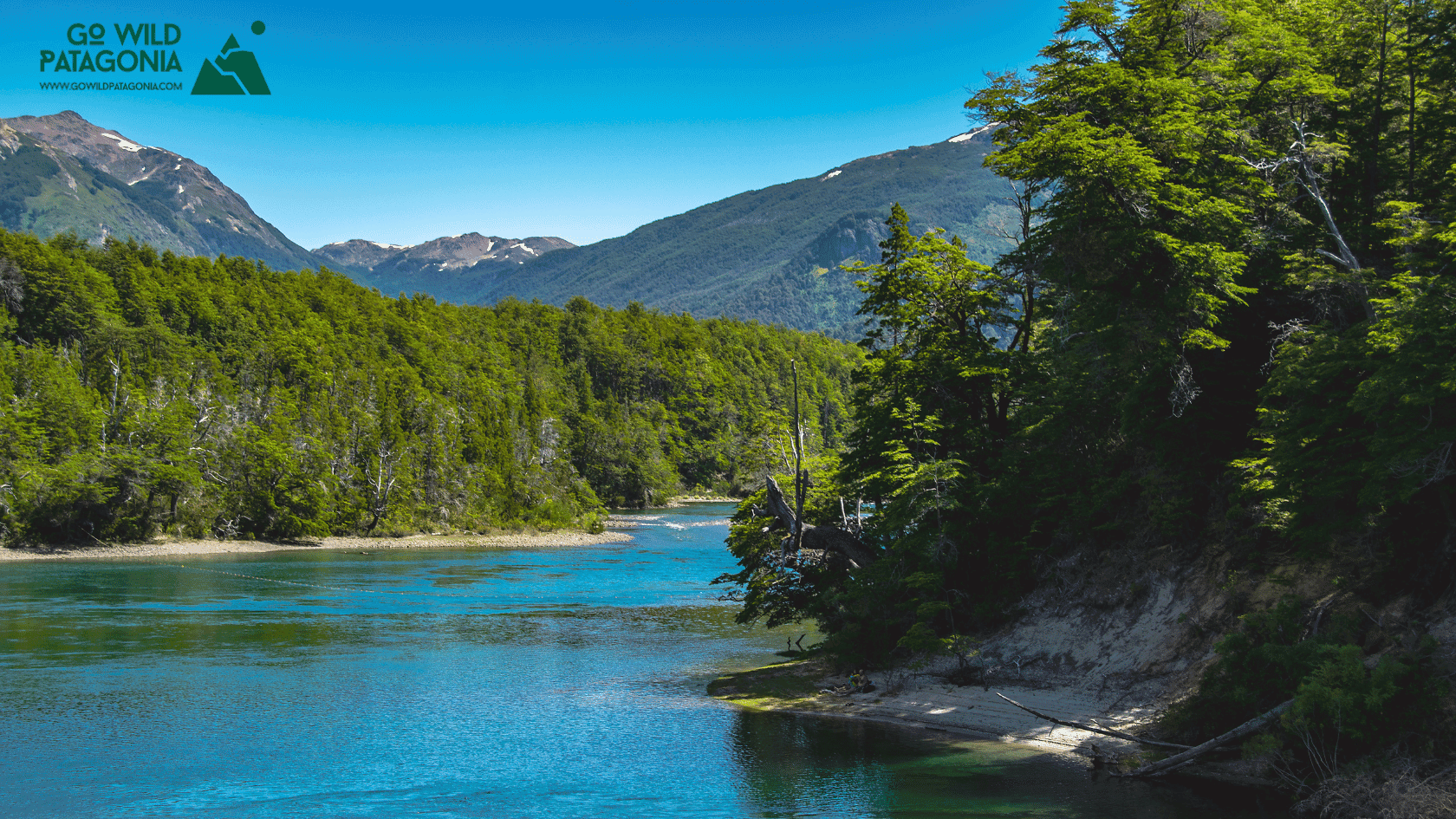
Chubut Province, Argentina — Cathedral of Ancient Trees Overview Los Alerces National Park protects 263,000 hectares of pristine Valdivian rainforest in Argentine Patagonia, home to some of the oldest living trees on Earth. The park's namesake—the alerce tree (Fitzroya cupressoides)—can live over 3,000 years, rivaling California's sequoias and bristlecone pines.
Update on Oct 24, 2025
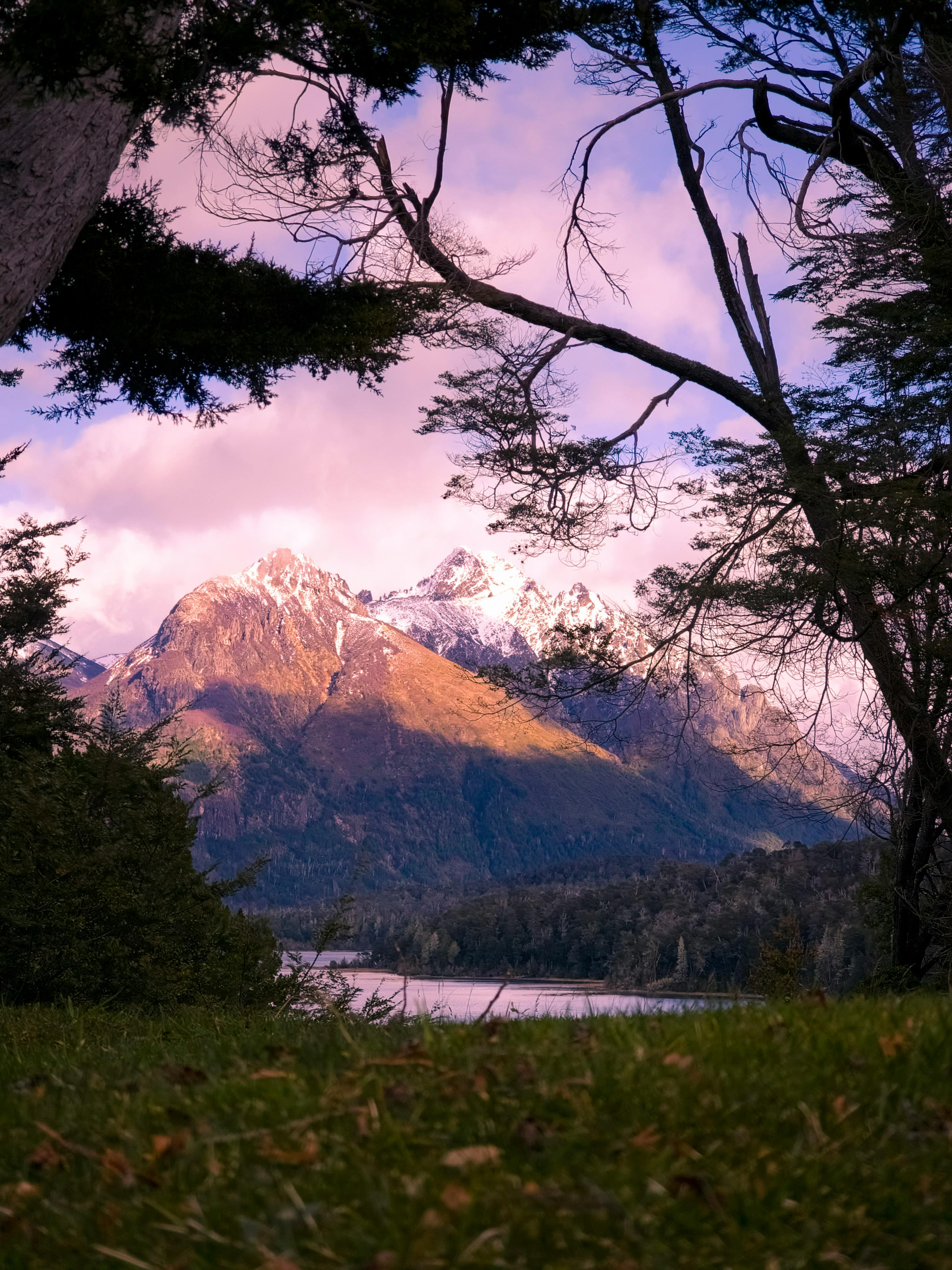
El Bolsón offers world-class hiking: Refugio Hielo Azul and Refugio Cajón del Azul sit in alpine cirques accessible via multi-day treks, Cerro Piltriquitrón (2,284m) provides panoramic summit views, and Cajón del Azul's turquoise canyon ranks among Patagonia's most photographed day hikes.
Update on Oct 24, 2025
Monte Leon National Park is Argentina's first coastal national park, protecting 40 km of dramatic Atlantic shoreline where the Patagonian steppe meets the sea.
Update on Oct 24, 2025