
Villa O'Higgins - The End of the Carretera Austral
Villa O'Higgins is the southernmost settlement on the Carretera Austral, a frontier village of 500 people where Chile's legendary road journey ends. Villa O'Higgins is the southernmost settlement on the Carretera Austral, a frontier village of 500 people where Chile's legendary road journey ends. Founded in 1966, this isolated community sits 1,240 km south of Puerto Montt at the edge of the Southern Patagonian Ice Field. No road continues south—only wilderness, ice, and eventually the Strait of Magellan 400 km away. The town occupies a narrow valley between Lago O'Higgins (Chile's deepest lake at 836m) and towering mountains, surrounded by hanging glaciers and temperate rainforest. Reaching Villa O'Higgins feels like genuine achievement—the journey itself (via rough gravel roads, ferry crossings, and remote stretches) is half the adventure. Once here, travelers find basic services (hospedajes, simple restaurants, grocery store) and access to spectacular wilderness: O'Higgins Glacier boat trips, backcountry hiking, fishing pristine waters. The town also serves as starting point for the adventurous border crossing to Argentina—a multi-day journey involving boat, horseback/hiking, and trekking that connects to El Chaltén. It's raw, remote, and utterly authentic—Patagonia's true frontier.

Villa O'Higgins
Aysén Region, Chile — The End of the Carretera Austral
Overview
Villa O'Higgins is the southernmost settlement on the Carretera Austral, a frontier village of 500 people where Chile's legendary road journey ends. Founded in 1966, this isolated community sits 1,240 km south of Puerto Montt at the edge of the Southern Patagonian Ice Field. No road continues south—only wilderness, ice, and eventually the Strait of Magellan 400 km away. The town occupies a narrow valley between Lago O'Higgins (Chile's deepest lake at 836m) and towering mountains, surrounded by hanging glaciers and temperate rainforest. Reaching Villa O'Higgins feels like genuine achievement—the journey itself (via rough gravel roads, ferry crossings, and remote stretches) is half the adventure. Once here, travelers find basic services (hospedajes, simple restaurants, grocery store) and access to spectacular wilderness: O'Higgins Glacier boat trips, backcountry hiking, fishing pristine waters. The town also serves as starting point for the adventurous border crossing to Argentina—a multi-day journey involving boat, horseback/hiking, and trekking that connects to El Chaltén. It's raw, remote, and utterly authentic—Patagonia's true frontier.
Why Visit
Reach the end of the road — Standing in Villa O'Higgins means you've completed the Carretera Austral—one of world's great road journeys. Genuine accomplishment feeling. The sign marking road's end is pilgrimage site for overlanders.
Boat to O'Higgins Glacier — Full-day boat journey across massive Lago O'Higgins to glacier face. Navigate icebergs, witness calving, approach blue ice walls. Remote, spectacular, rarely visited.
Cross to Argentina adventurously — Multi-day border crossing to El Chaltén: boat across lake, horseback or hike to border, trek to Lago del Desierto, boat to Argentine road. Epic journey for adventurous travelers.
Experience frontier atmosphere — Villa O'Higgins retains end-of-world character: cowboys, pioneer families, self-sufficient community. Tourism feels incidental. Authentic Patagonian life.
Fish pristine waters — Río Mayer, Lago O'Higgins, numerous streams—trophy trout with zero fishing pressure. True wilderness angling.
Hike into complete solitude — Trails into backcountry receive handful of visitors yearly. Multi-day treks to glaciers, alpine valleys, ice field edges. For experienced, self-sufficient trekkers.
Getting There
By Bus (Only Public Transport): The journey itself is adventure. From Cochrane: 230 km south (5-6 hrs, $30-40, 2-3x weekly summer, reduced winter). Route via Caleta Tortel turnoff. Schedule: Check current times at Cochrane terminal—departures usually Mon/Wed/Fri mornings (summer), less winter. Companies: Buses Ale, others. Book: 1-2 days ahead summer; day-of usually fine winter. Road condition: Rough gravel, washboard sections, beautiful but slow.
By Car: Self-drive offers flexibility. From Cochrane: 230 km—last stretch of Carretera Austral. Allow 4-5 hours (slow going). Road maintained but rough. From Puerto Río Tranquilo (Marble Caves): 360 km via Cochrane. Fuel: Fill in Cochrane—no gas Villa O'Higgins (small supplies available emergency). Vehicle: High clearance recommended; 4WD helpful but not essential if road dry.
Hitchhiking: Possible summer—limited but consistent traffic with tourists finishing/starting Carretera. Bring tent (waits can be long). Spanish helpful. Traffic drops to near-zero winter.
From Argentina (El Chaltén): The adventurous route—see "Border Crossing" section below. Requires 2-3 days minimum.
Important: Villa O'Higgins is dead-end—must return north same route unless crossing to Argentina. Plan accordingly. No airport, no alternative routes.
Top Experiences
O'Higgins Glacier Boat Trip — The primary attraction. Journey: Full-day boat expedition across Lago O'Higgins (50 km, 3 hrs each way). Navigate Chile's deepest lake, pass hanging glaciers, witness stark mountain landscapes. Glacier: Approach O'Higgins Glacier face—towering blue ice wall descending from Southern Ice Field. Boat maneuvers among icebergs. Witness calving (ice chunks crashing into water). On Ground: Land on shore (weather permitting), short hike to viewpoints, picnic lunch. Duration: 8-10 hours total. Cost: ~$120-150 USD per person. Operator: Boat Robinson Crusoe (only one—book at tourist office or Hostería Villa O'Higgins). Departures: Daily December-March (weather permitting); sporadic shoulder seasons. Minimum passengers: Usually 6-8 (can be challenging early/late season). Weather-dependent: ~30% trips cancel wind/rain—build flexibility. Essential: This is why most people come. Book immediately upon arrival.
Border Crossing to El Chaltén, Argentina — Epic multi-day adventure crossing. Duration: 2-3 days minimum. Route: Villa O'Higgins → boat across Lago O'Higgins to Candelario Mancilla (Chilean shore, 3 hrs) → horseback (6 hrs, ~$50) OR hike (8-10 hrs, free but strenuous) to Chilean border post → hike over border pass to Laguna Redonda (Argentina, 4-5 hrs) → descend to Lago del Desierto (2-3 hrs) → boat across Lago del Desierto to Argentine road (1 hr) → bus/hitchhike to El Chaltén (37 km). Season: December-March only (snow blocks pass Oct-Nov, April dangerous). Logistics: Complex—coordinate boat times, horseback booking (if using), Argentine boat schedule. Services: Basic refugio at Chilean border (bunks, camping). Wild camping elsewhere. Best: Start early (boat departs 9-10 AM Villa O'Higgins), overnight at border, continue next day. OR do in long single day if ultra-fit and lucky with connections. Reverse (El Chaltén → Villa O'Higgins): Same route, similar logistics. Many cyclists do this. Cost: Boats ~$50 each lake, horse ~$50, border refugio ~$15-20. Total ~$150-200 plus food. Difficulty: Moderate-strenuous hiking, heavy pack, navigation required. Not for beginners. Reward: Ultimate adventure route connecting Chilean/Argentine Patagonia. Book boats: Day before at tourist office.
Mosco Valley Trek — Beautiful day hike from town. Stats: 12 km round trip (5-6 hrs), moderate, 500m gain. Route: Follows Río Mosco valley through lenga forest to viewpoints over valley and Lago O'Higgins. Hanging glaciers visible. Trailhead: Walk from town center (signed). Wildlife: Condors, woodpeckers, possibly pumas (tracks common, sightings rare). Best: December-March. Solitude: You'll likely be alone. Free.
Cerro Santiago Trek — More challenging summit. Stats: 14 km round trip (7-8 hrs), strenuous, 900m gain to ~1,200m summit. Views: 360° panorama—Lago O'Higgins, ice field peaks, town below. Route: Steep climb through forest, alpine zone, rocky scramble (non-technical). Best: Clear days (rare!), December-February. Trailhead: Edge of town. Bring: Lunch, layers, camera. Free.
Fishing Río Mayer & Lago O'Higgins — Pristine waters, trophy fish. Species: Brown trout (3-8 kg average, 10+ possible), rainbow trout. Access: Río Mayer walk-in from town. Lago O'Higgins shore access. Technique: Fly fishing preferred; spinning works. Season: November-April (best Feb-March). Pressure: Essentially zero—might be only angler. Licenses: Purchase in Villa O'Higgins (small shop/tourist office). Guides: None—DIY only. Bring full setup. Solitude: Extreme. Reports: Limited—exploring yourself part of adventure.
Kayaking Lago O'Higgins — Paddle massive lake (if experienced). Challenge: Large body of water, wind can be fierce, cold (10-12°C). Only for experienced paddlers with proper gear. Rewards: Access remote shoreline, glaciers, camping beaches. Rentals: None—bring own packraft/kayak. Multi-day: Possible for advanced—wild camp on shores. Best: January-February (calmest). Safety: Tell someone plans, have emergency communication.
Town Exploration & Frontier Life — Villa O'Higgins itself is attraction. Experience: Watch gauchos ride horses down main street, visit tiny grocery (limited selection!), chat with locals (Spanish essential), see pioneer houses, observe frontier self-sufficiency. Pace: Extremely slow—nothing happens quickly here. Atmosphere: Time-capsule Patagonia, refreshingly uncommercial.
Ventisquero Mosco (Mosco Glacier) Trek — Advanced multi-day option. Duration: 2-3 days, ~30 km round trip. Route: Extends beyond Mosco Valley hike to glacier at valley head. Camping: Wild camping (free, no facilities). Navigation: Skills required—trail faint in places. Reward: Approach glacier, complete solitude. Register: With carabineros before departing. Season: January-March only.
Mountain Biking — Town to trailheads, valley roads. Limited infrastructure: No rentals—bring own bike. Routes: Mosco Valley approach, roads to lake shore. Carretera Austral: Some cycle Villa O'Higgins → Cochrane → eventually Puerto Montt (epic, weeks-long). Condition: Bring repair kit—no bike shops.
Where to Stay
Hospedajes (Guesthouses):
Hostería Villa O'Higgins: Most established option. Simple rooms, restaurant, tour desk, owner speaks English (~$50-80 per person with breakfast)
El Mosco Hospedaje: Basic, friendly, cheaper (~$30-50 per person)
Residencial families: Several families rent rooms. Ask at tourist info kiosk in plaza (~$25-40 per person)
Camping:
Camping El Mosco: Basic municipal campground, pit toilets, cold water (~$8-12 per person)
Wild camping: Outside town with permission (free). Common along Río Mosco trail.
Border Refugio (for crossing):
Refugio at Chilean border post: Basic shelter with bunks, camping outside (~$15-20, camping ~$10)
Limited Options: This is frontier town—don't expect variety or luxury. Book ahead January only; rest of year walk-ins fine (few tourists).
Best Time to Visit
December-February (Summer—Only Practical Season): Warmest weather (12-18°C days, 3-8°C nights—still cold!), longest daylight (5 AM-10 PM), all activities operational. O'Higgins Glacier boat trips daily (weather permitting). Border crossing possible. Trails snow-free. Most visitors. Hospedajes open. Still challenging conditions—wind, rain common. But manageable. January busiest (relative—maybe 20-30 tourists in town at once). Book glacier boat upon arrival—can fill up. Best overall: January-February for stable weather, reliable boat departures.
March-April (Autumn): Shoulder season. Colder (8-15°C days), autumn colors beautiful. Glacier boat trips reduce frequency—weather increasingly cancels. Border crossing dangerous by late March (snow returning to pass). Some services close April. Very few tourists. Good for pioneers seeking solitude. March viable; April risky.
October-November (Spring): Improving but still harsh. Snow lingers on trails, border pass closed/dangerous. Glacier boat sporadic. Cold (5-12°C days). Services gradually reopening. Very few visitors. Late November approaches summer conditions. For extreme adventurers only—most wait until December.
May-September (Winter): Essentially closed to tourism. Deep snow, brutal cold (-5 to 5°C), short days, heavy precipitation. Glacier boat doesn't operate. Border crossing impossible. Trails buried. Most hospedajes close. Town isolated—only locals and occasional hardy cyclist passing through. Not recommended—no activities possible.
Reality Check: Even summer weather is unpredictable. Expect rain, wind, cold. One day might be 18°C and sunny; next day 8°C with horizontal rain. Build flexibility. This is raw Patagonia.
Sample Itineraries
2-Day Itinerary (Minimum Visit)
Day 1:
Morning: Arrive from Cochrane (bus ~11 AM typically)
Check into hospedaje
Afternoon: Town walk, "End of Road" sign photo, tourist office (book glacier boat for next day)
Visit tiny museum (if open), grocery store exploration
Evening: Simple dinner, early sleep (long day ahead)
Day 2:
8 AM: Depart for O'Higgins Glacier boat trip
8-10 hours: Lake crossing, glacier viewing, icebergs, lunch on shore
5-6 PM: Return to town
Evening: Celebratory dinner, pack for departure next day
Day 3 (if staying):
Morning: Depart for Cochrane or begin Argentina border crossing
4-Day Itinerary (Complete Experience)
Day 1:
Arrive, settle in
Afternoon: Mosco Valley day hike (5-6 hrs)
Evening: Book glacier boat, dinner
Day 2:
Full day: O'Higgins Glacier boat expedition
Evening: Rest, swap stories with fellow travelers
Day 3:
Fishing day on Río Mayer (DIY)
OR: Cerro Santiago summit hike (7-8 hrs)
Evening: Relax, prepare for departure
Day 4:
Morning: Final town exploration, breakfast
Midday: Depart north on bus/car
OR: Begin Argentina border crossing (see below)
5-Day Itinerary (Border Crossing to Argentina)
Day 1:
Arrive Villa O'Higgins
Afternoon: Town, book boats for border crossing (Day 2 boat, coordinate with Argentine side)
Prepare: Buy food for 2-3 days crossing, gear check
Evening: Early sleep
Day 2:
9-10 AM: Boat to Candelario Mancilla (3 hrs)
Afternoon: Horseback to border (6 hrs) OR start hiking (8-10 hrs, plan to camp en route)
Evening: Arrive Chilean border refugio, overnight
Day 3:
Morning: Cross border pass to Argentina (4-5 hrs to Laguna Redonda)
Afternoon: Descend to Lago del Desierto (2-3 hrs)
Evening: Camp lakeside OR catch late boat (if lucky with timing)
Day 4:
Morning: Boat across Lago del Desierto (1 hr)
Argentine road: Bus or hitchhike to El Chaltén (37 km, 1 hr)
Afternoon: Arrive El Chaltén, celebrate!
Days 5+: Fitz Roy trekking from El Chaltén
Alternative if doing crossing reverse (El Chaltén to Villa O'Higgins):
Follow same route in reverse
Slightly easier logistically (Argentine side more developed)
Most cyclists do this direction
Adventure Activities (Deep Dive)
Border Crossing Logistics (Detailed):
Required Preparation:
Passport: Obviously. Stamped out Chile, stamped into Argentina.
Boat reservations: Book both sides—Chilean boat Villa O'Higgins to Candelario Mancilla; Argentine boat Lago del Desierto. Coordinate timing carefully.
Food: 2-3 days self-sufficient. No services between Villa O'Higgins and El Chaltén except border refugio (basic).
Camping gear: Tent, sleeping bag (cold!), stove, bear-safe food storage.
Navigation: Map, GPS, compass. Trail marked but conditions change.
Emergency: Satellite communicator recommended. No cell service.
Fitness: Moderate-high required. Long days with heavy pack.
Horseback Option:
Saves 2-4 hours hiking, $50 USD
Book at tourist office day before
Horse carries you + pack
Still need basic riding ability
Weather can cancel
Timing Windows:
Chilean boat: Departs 9-10 AM (confirm exact time)
Must reach border refugio before dark
Argentine boat: Usually early afternoon—coordinate
Miss connections = wild camping
Weather Considerations:
Pass exposed—high winds, rain, possible snow even summer
Hypothermia risk real
Turn back if conditions deteriorate
Not for beginners
Chilean vs. Argentine Border Posts:
Chile: Basic refugio at pass. Carabineros stamp passports.
Argentina: Gendarmería at Lago del Desierto. More developed.
Alternative Routes:
Some attempt in single day (ultra-long, fit only)
Multi-day more reasonable—overnight at border, relaxed pace
Fishing — Detailed:
Río Mayer: Walk upstream from town. Pools hold large browns. Wade carefully—powerful current. Nymphing and streamers effective.
Lago O'Higgins: Shore access limited. Deep trolling from boat would be ideal but no boat rentals.
Tributaries: Numerous unnamed streams—explore.
Flies: Large attractors, nymphs, woolly buggers.
Season: November opens; Feb-March prime (large pre-spawn fish).
Regulations: Catch-and-release encouraged. Study local rules.
Solitude: Extreme—might fish days without seeing another angler.
Multi-Day Backcountry Treks:
Ventisquero Mosco: 2-3 days to glacier at Mosco Valley head
Ice Field Approaches: Various routes toward Southern Ice Field edge (expert only, glacier travel skills)
Valle de los Ñadis: Remote valley north of town, multi-day
All require: Navigation skills, self-sufficiency, registration with carabineros, emergency communication
Trails: Faint or non-existent—true wilderness
Reward: Complete solitude, pristine landscapes
Not for beginners
Where to Go Next
1. Cochrane — Return North on Carretera Austral (230 km, 5-6 hours)
Transport: Bus 2-3x weekly (~$30-40), or drive back
Why Go: Essential—Villa O'Higgins is dead-end (unless crossing Argentina). Cochrane offers resupply, Río Baker rafting, connections north on Carretera Austral. From Cochrane, can continue to Marble Caves (Puerto Río Tranquilo), Coyhaique, eventually Puerto Montt. Or access Patagonia National Park (90 km north of Cochrane). Completing Carretera Austral journey (Villa O'Higgins to Puerto Montt) takes 7-14 days with stops. Budget 1-2 days Cochrane itself.
Suggested Duration: 1-2 days Cochrane; 7-14 days complete Carretera Austral return.
2. El Chaltén, Argentina — Via Border Crossing (2-3 days crossing + 5-7 days El Chaltén)
Transport: Adventurous crossing detailed above—boat, hike/horse, boat
Why Go: World-class trekking destination. El Chaltén: hiking capital with trails to Laguna de los Tres (Fitz Roy views), Laguna Torre (Cerro Torre), Loma del Pliegue Tumbado (360° panorama). All day hikes from town—no logistics! Breweries, restaurants, comfortable hostels after Villa O'Higgins' frontier simplicity. From El Chaltén, continue to El Calafate (3 hrs south)—Perito Moreno Glacier, ice trekking. Creates ultimate binational route: Villa O'Higgins → border crossing → El Chaltén → El Calafate → Torres del Paine (or return Argentina). Epic Patagonia circuit. Budget 5-7 days El Chaltén, 3-4 days El Calafate.
Suggested Duration: 2-3 days crossing; 5-7 days El Chaltén; 3-4 days El Calafate.
3. Caleta Tortel — Stilted Village (130 km north, 3 hours)
Transport: En route to Cochrane—bus stops or drive
Why Go: Unique architecture—village built entirely on boardwalks (no streets). Cypress logging heritage. Fjord setting. Utterly distinct from anywhere else. Worthwhile overnight (hospedajes on stilts ~$40-60). Walking maze of wooden walkways, photographing stilted houses, experiencing unusual community. Budget 1-2 days.
Suggested Duration: 1-2 days (or quick stop en route Cochrane).
4. Complete Carretera Austral Journey (1,240 km, 10-21 days)
Transport: Drive or bus segments
Why Go: Villa O'Higgins is endpoint—now complete the journey north. Highlights returning: Caleta Tortel, Cochrane (Baker River), Puerto Río Tranquilo (Marble Caves), Cerro Castillo (trekking), Coyhaique (resupply), Queulat (Hanging Glacier), Puyuhuapi (hot springs), Futaleufú (rafting, if detour), Pumalín Park (ancient alerce), eventually Puerto Montt. Each segment offers unique attractions. Carretera Austral considered one of world's great road journeys—Villa O'Higgins to Puerto Montt is bucket-list drive/ride. Budget minimum 10-14 days for highlights; 21+ days for thorough exploration.
Suggested Duration: 10-21+ days depending on depth.
Planning Your Route:
End-to-End Carretera: Puerto Montt → drive/bus south → progressively → Villa O'Higgins (endpoint photo!) → return north same route or cross Argentina. Duration: 14-21 days one-way; 21-30 days round trip with stops.
Binational Epic: Villa O'Higgins → Argentina border crossing → El Chaltén (5 days trekking) → El Calafate (3 days glacier) → Torres del Paine Chile (7 days W Trek) → Punta Arenas → fly out. Duration: 21-30 days.
Reverse Carretera: Some start south (fly Punta Arenas → bus Villa O'Higgins region) and drive/bus north—avoids backtracking. Logistics trickier but possible.
Cyclist Route: Many cycle Carretera Austral—Villa O'Higgins to Puerto Montt takes 2-4 weeks pedaling. Or reverse. Border crossing popular for cyclists connecting to Argentina.
Quick End-of-Road Pilgrimage: Fly to Coyhaique → drive/bus south to Villa O'Higgins (2-3 days transit) → 2 days Villa O'Higgins (glacier boat, hiking) → return Coyhaique → fly out. Minimal 7-10 day trip just to reach end.
Timing Tips:
Visit ONLY December-March (other months impractical/dangerous)
Budget minimum 2 days Villa O'Higgins; 3-4 days ideal
Build flexibility for weather (glacier boat cancels ~30%, border crossing ~20%)
January-February most stable weather, reliable services
Glacier boat essential—book immediately upon arrival
Border crossing requires fitness, experience, proper gear—not casual undertaking
Accommodation limited—book January only (rest of year walk-ins fine)
Bring cash—no ATMs (tiny grocery accepts cards sometimes)
Stock supplies in Cochrane—Villa O'Higgins very limited selection
This is genuine frontier—embrace simplicity, slow pace, isolation
Reaching Villa O'Higgins is achievement itself—savor the remoteness
Most remote destination in entire guide except maybe Navarino—plan accordingly
Return journey often as interesting as arrival—see Carretera from different perspective
Final Notes:
Villa O'Higgins represents Patagonia at its most authentic and remote. You won't find chocolate shops, souvenir stalls, or tour buses. What you will find: genuine frontier hospitality, spectacular untouched landscapes, and the satisfaction of reaching a place few travelers make the effort to visit. The journey to get here—whether completing the Carretera Austral or crossing from Argentina—is transformative. And standing at Chile's road end, knowing only wilderness extends south for hundreds of kilometers, creates perspective on both Patagonia's vastness and your own insignificance in these landscapes. It's humbling, inspiring, and utterly memorable.
About Me
Veb
Hey there! I’m Veb and I've traveled solo and in groups for 10+ years in Patagonia - across Chile and Argentina.
I started Go Wild Patagonia with a desire to help other travelers plan their journeys in Patagonia with a focus on adventure, nature and being in the wilderness.
Say Thanks
Support my mission to make Patagonia more accessible for travelers while supporting local tour operators who organize only sustainable travels in Patagonia.
Read More
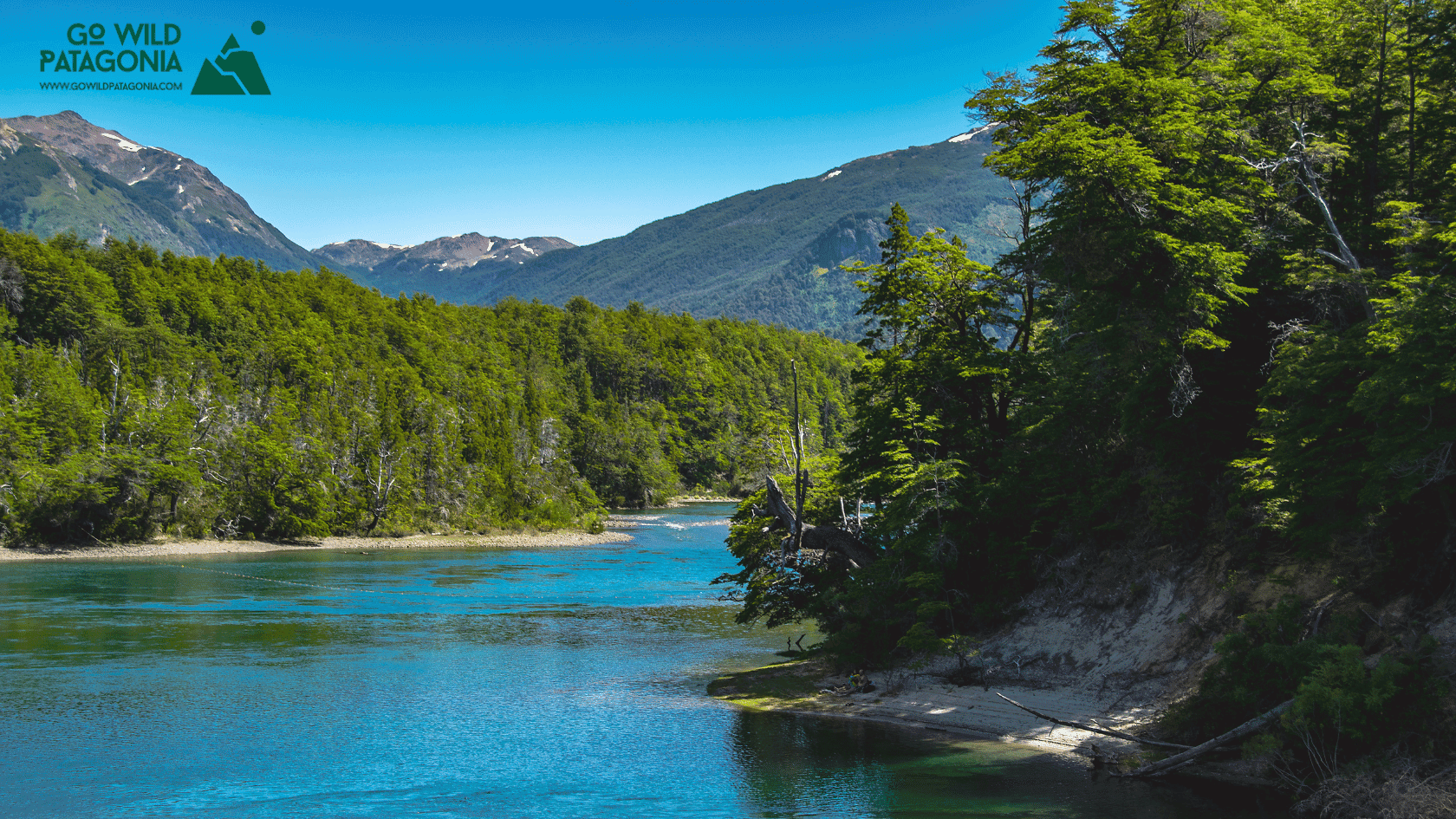
Chubut Province, Argentina — Cathedral of Ancient Trees Overview Los Alerces National Park protects 263,000 hectares of pristine Valdivian rainforest in Argentine Patagonia, home to some of the oldest living trees on Earth. The park's namesake—the alerce tree (Fitzroya cupressoides)—can live over 3,000 years, rivaling California's sequoias and bristlecone pines.
Update on Oct 24, 2025
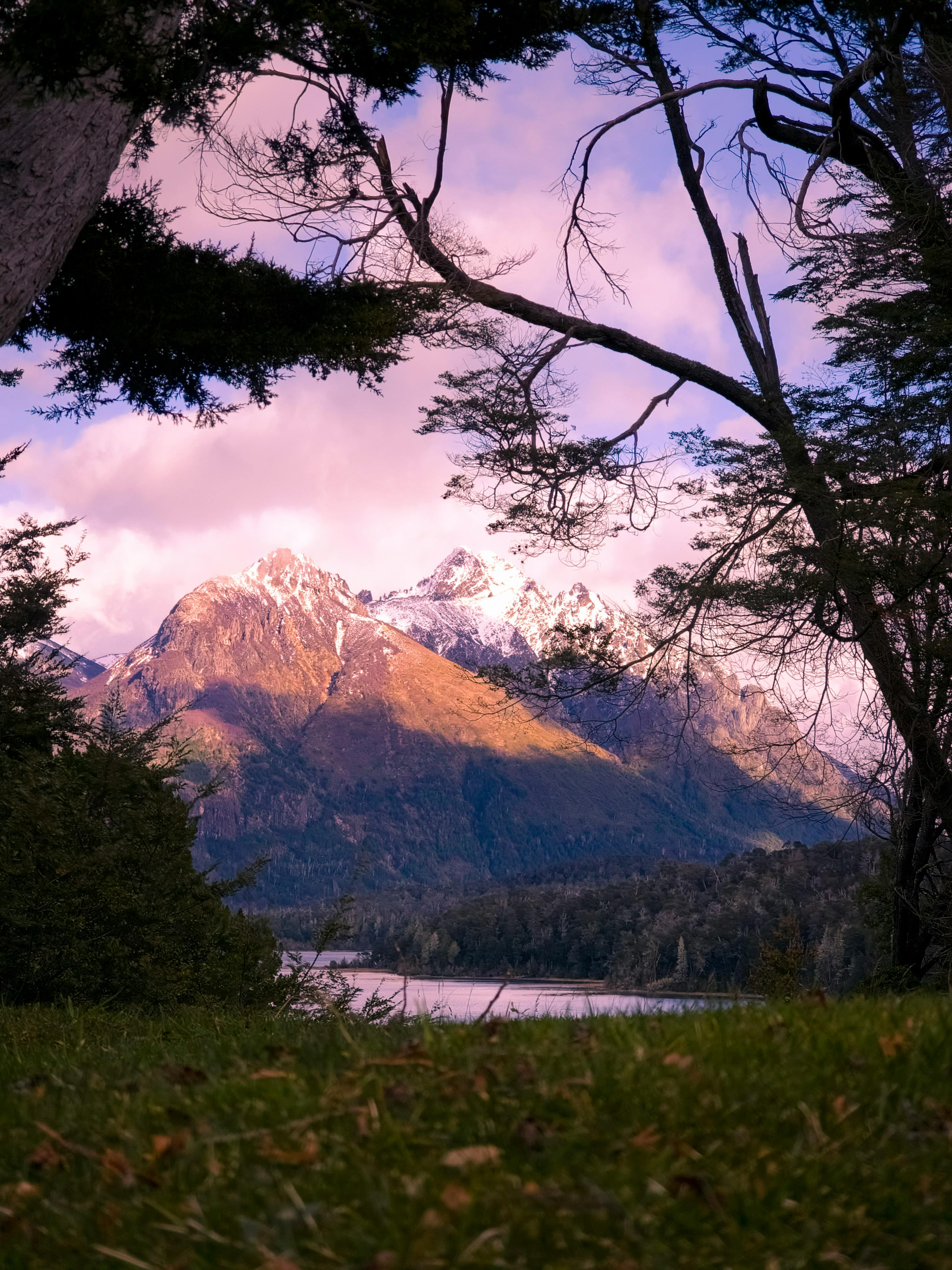
El Bolsón offers world-class hiking: Refugio Hielo Azul and Refugio Cajón del Azul sit in alpine cirques accessible via multi-day treks, Cerro Piltriquitrón (2,284m) provides panoramic summit views, and Cajón del Azul's turquoise canyon ranks among Patagonia's most photographed day hikes.
Update on Oct 24, 2025
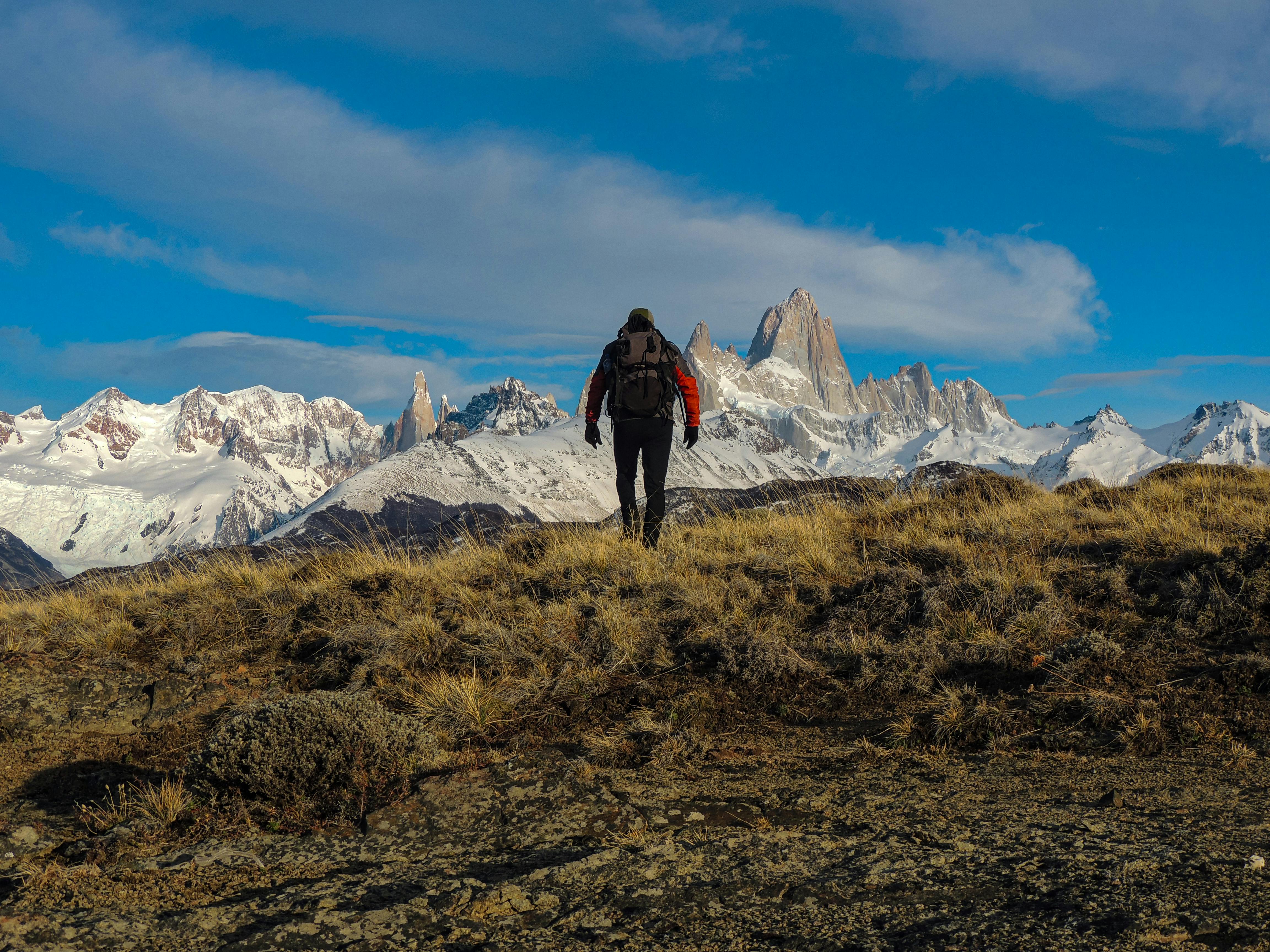
Monte Leon National Park is Argentina's first coastal national park, protecting 40 km of dramatic Atlantic shoreline where the Patagonian steppe meets the sea.
Update on Oct 24, 2025