
Patagonian Lakes Region: Adventure Guide for Chile and Argentina
Patagonian Lakes Region is a lush, lake-studded wilderness of snow-capped volcanoes, ancient forests, and impossibly turquoise water that rewards hikers, kayakers, and wild campers in ways the southern ice fields simply cannot. Whether you're planning a road trip through Argentina's iconic Seven Lakes route or exploring the forested shores of Chile's lake district, this guide will clear up the confusion, define the region properly, and give you the practical tools to plan an unforgettable adventure.
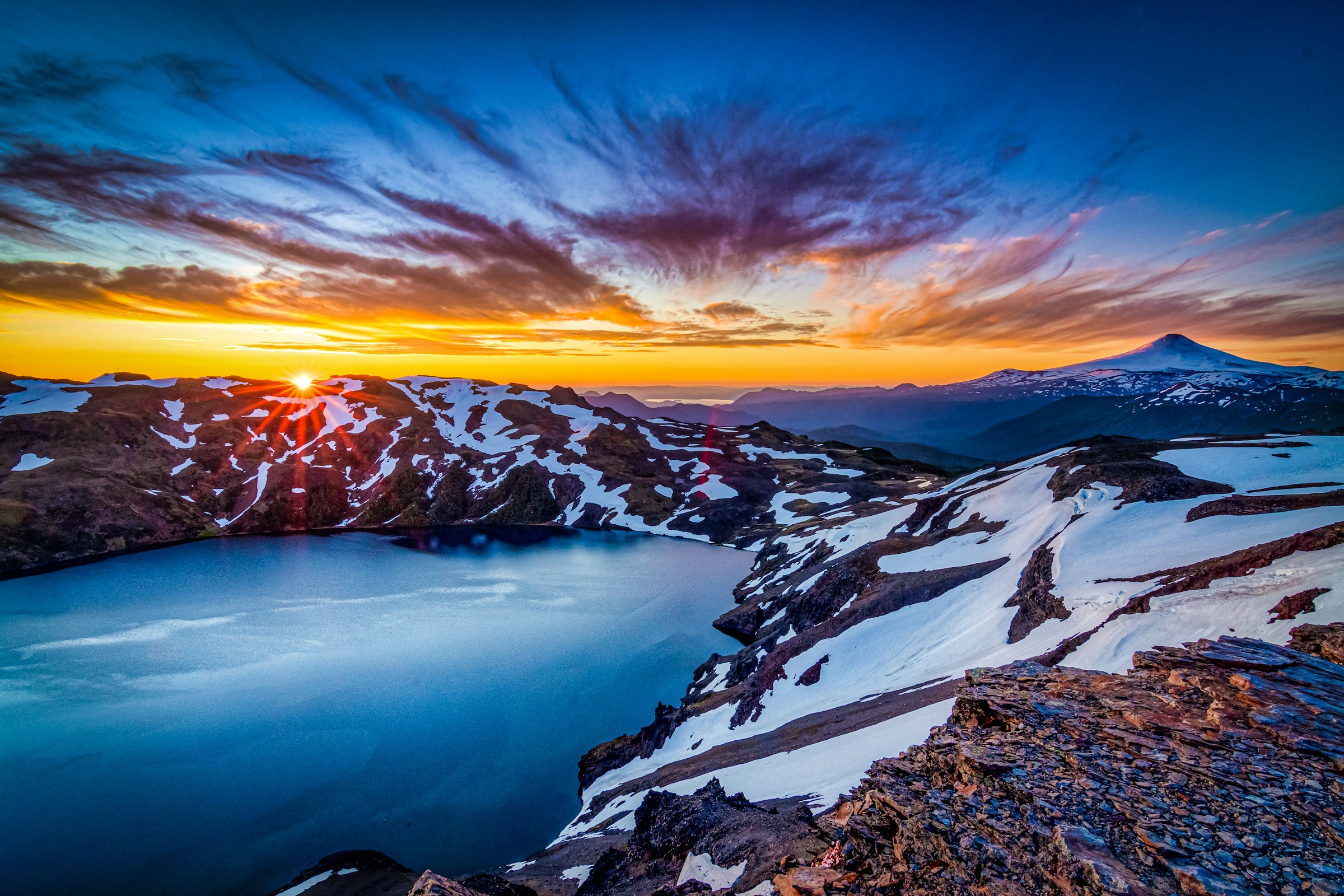
Patagonian Lakes Region: A guide for adventurers
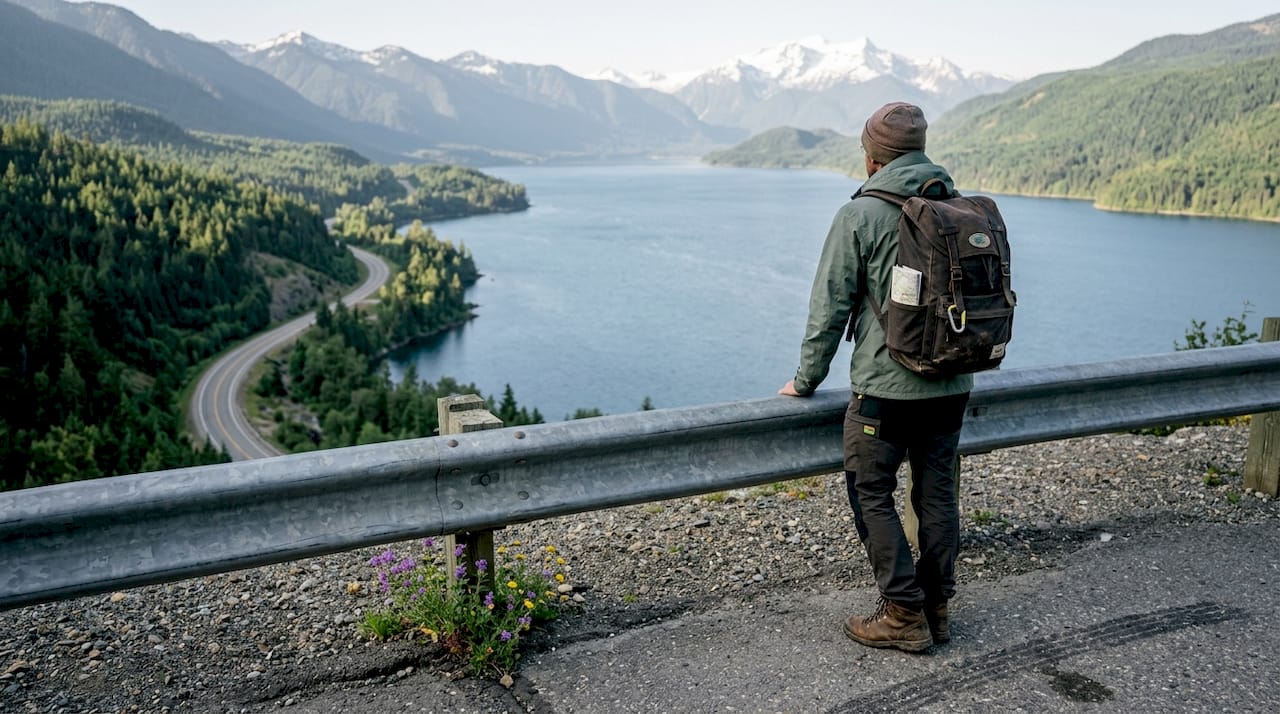
Most travelers picture crumbling glaciers and wind-battered towers when they hear "Patagonia." That mental image is vivid, but it misses an entire world sitting further north.
The Patagonian Lakes Region is a lush, lake-studded wilderness of snow-capped volcanoes, ancient forests, and impossibly turquoise water that rewards hikers, kayakers, and wild campers in ways the southern ice fields simply cannot.
Whether you're planning a road trip through Argentina's iconic Seven Lakes route or exploring the forested shores of Chile's lake district, this guide will clear up the confusion, define the region properly, and give you the practical tools to plan an unforgettable adventure.
Table of Contents
What makes the Patagonian Lakes Region unique for outdoor adventure
How to plan your adventure: Road trips, hiking, and when to visit
Why the Patagonian Lakes Region requires a flexible travel mindset
Begin your Patagonian lakes adventure with Go Wild Patagonia
Key Takeaways
Point | Details |
|---|---|
Region definition varies | The Patagonian Lakes Region includes different lakes and borders depending on Argentine and Chilean perspectives. |
Adventure hub | The region is famous for scenic road trips, world-class hiking, and diverse wild landscapes. |
Flexible trip planning | Optimal travel requires adjusting plans for weather, seasonal changes, and evolving local recommendations. |
Distinct from Patagonian glaciers | This area is centered on lush lakes and forests, not the iconic glaciers of southern Patagonia. |
What is the Patagonian Lakes Region?
The term "Patagonian Lakes Region" gets tossed around loosely in guidebooks, travel blogs, and tourism brochures, which creates real confusion for first-time visitors. At its core, the region refers to northern Patagonia in Argentina's Neuquén and Río Negro provinces, centered around the scenic Ruta de los Siete Lagos (Road of the Seven Lakes). This iconic route threads together a chain of glacially carved lakes through some of the most dramatic Andean scenery on the continent.
The seven principal lakes along the Argentine route are Lácar, Machónico, Falkner, Villarino, Escondido, Correntoso, and Espejo. Beyond these, the broader region also includes Lago Traful and the vast Lago Nahuel Huapi, which anchors the city of Bariloche. The route spans two national parks: Lanín in the north and Nahuel Huapi in the south, together protecting over 1.7 million hectares of wilderness.
On the Chilean side, the "Chilean Lake District" or northern Los Lagos Region is sometimes grouped under the "Patagonian Lakes" label. This area stretches from Temuco south to Puerto Montt and includes lakes like Llanquihue, Ranco, and Todos los Santos. The landscapes here lean toward dense temperate rainforest, active volcanoes, and Germanic-influenced towns like Puerto Varas.
Here's a quick reference to orient yourself:
Lake | Country | Main town nearby | National park |
|---|---|---|---|
Lácar | Argentina | San Martín de los Andes | Lanín |
Nahuel Huapi | Argentina | Bariloche | Nahuel Huapi |
Traful | Argentina | Villa Traful | Nahuel Huapi |
Llanquihue | Chile | Puerto Varas | Vicente Pérez Rosales |
Todos los Santos | Chile | Petrohué | Vicente Pérez Rosales |
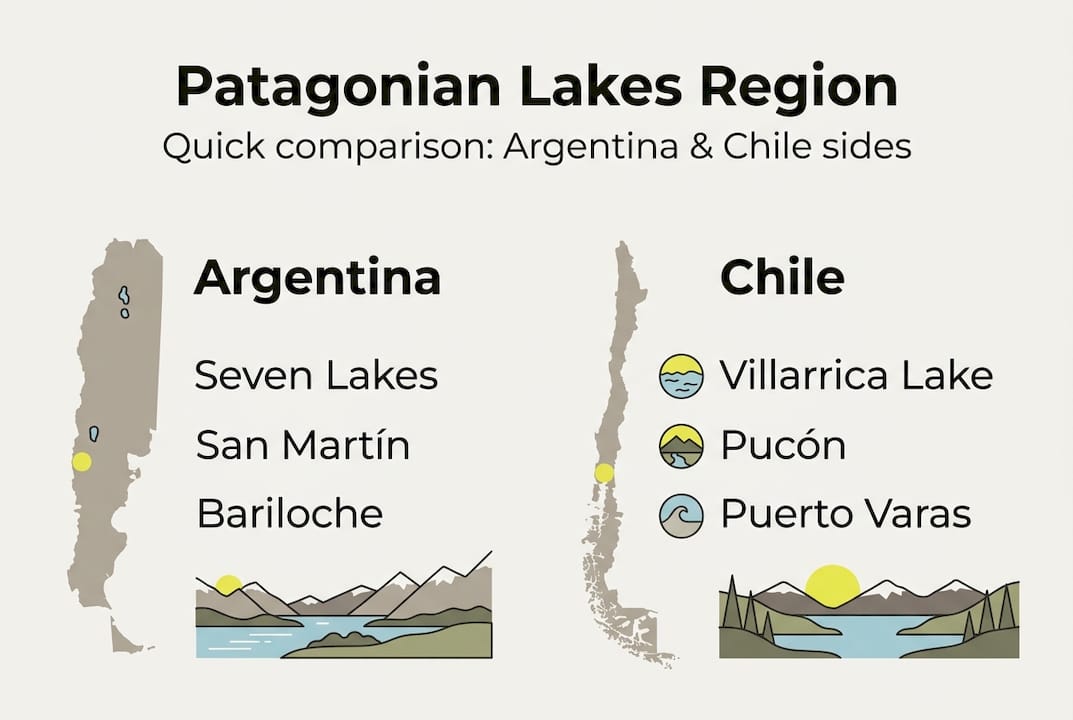
For a broader look at how Patagonia is defined across both countries, it helps to understand that the region's northern lakes sit in a completely different ecological zone from the southern glaciers, and they deserve to be planned as a separate trip entirely.
Why definitions vary: Argentine and Chilean perspectives
Once you understand the geography, the next puzzle is why maps and guidebooks rarely agree on where the "Patagonian Lakes Region" actually begins and ends. The answer comes down to national identity, tourism marketing, and genuinely different landscapes.
Argentina's version of the lakes region is tightly associated with the Seven Lakes route and its gateway towns. Tourism literature frequently uses "Patagonian Lakes Region" for this Argentine area because of its iconic status for road trips and hiking, treating it as distinct from the glacier zones of southern Patagonia. San Martín de los Andes and Villa La Angostura are the classic bookend towns, with Bariloche serving as the region's urban hub. The Argentine experience leans toward scenic drives, lakeside camping, and well-maintained trail networks.
Chile's definition is broader and anchored differently. The Chilean Lake District is shaped by Andean foothills lakes formed during Quaternary glaciation, running from Temuco south to Puerto Montt. Here, active volcanoes like Osorno and Villarrica dominate the skyline, and the culture carries a strong German immigrant influence. Activities skew toward volcano trekking, white-water rafting, and exploring misty forest trails.
Feature | Argentine lakes region | Chilean lake district |
|---|---|---|
Key lakes | Lácar, Nahuel Huapi, Traful | Llanquihue, Todos los Santos, Ranco |
Main towns | Bariloche, San Martín de los Andes | Puerto Varas, Pucón |
Top activities | Road trips, hiking, kayaking | Volcano trekking, rafting, hot springs |
Landscape feel | Alpine, open valleys | Dense forest, volcanic peaks |
For a fascinating look at how borders shape the travel experience, check out cross-border differences between the two countries. If you want to go deeper into Chilean adventure areas, the options are genuinely wild.
Pro Tip: If you crave dramatic road scenery and well-marked hiking trails with easy town access, start on the Argentine side. If you want volcano summits, thermal pools, and denser forests, Chile's lake district is your match. Many adventurers do both on a two-week loop.
What makes the Patagonian Lakes Region unique for outdoor adventure
Once you've decided which side of the Andes calls to you, the next question is what actually makes this region worth choosing over other Patagonian destinations. The answer is variety. Raw, staggering variety.
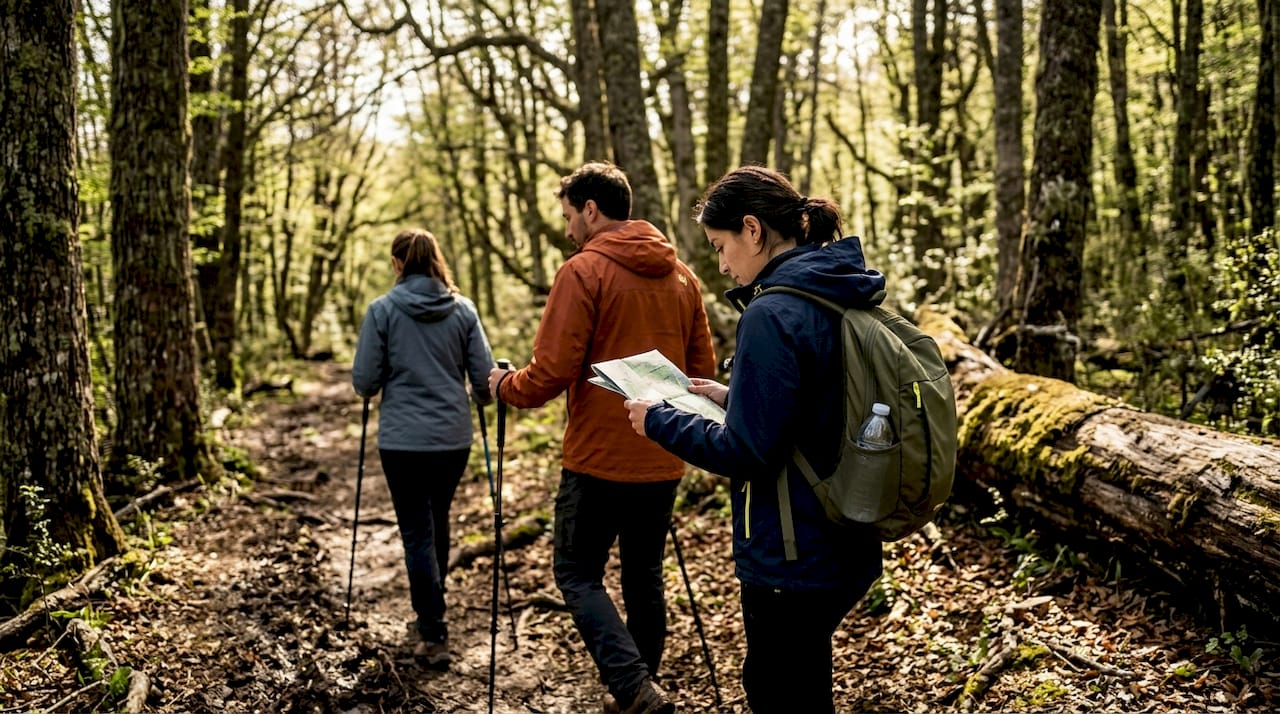
The route spans Lanín and Nahuel Huapi National Parks, connecting forests, lakes, and peaks in a single continuous landscape. Within a single day of hiking, you can move from dense lenga beech forest to open alpine ridgelines with views stretching across multiple lake basins. That kind of ecological range is rare anywhere on Earth.
Here's what sets the region apart for serious outdoor travelers:
Lakes for kayaking and wild camping: Many shorelines remain undeveloped, giving you the freedom to paddle to a quiet cove and pitch your tent under the stars.
Volcanic terrain: The presence of dormant and active volcanoes adds a raw, otherworldly texture to the landscape. Volcán Lanín, rising to 3,776 meters, is a technical climb that rewards summit seekers with views across both countries.
Ancient alerce forests: The alerce tree (Fitzroya cupressoides) can live for over 3,000 years. Walking among these giants feels like stepping into another era entirely.
Wildlife encounters: Condors soar above ridgelines, huemul deer (an endangered Andean deer) move quietly through valley forests, and foxes and armadillos are common trail companions.
Microclimates: The western slopes catch heavy Pacific moisture, creating lush rainforest conditions, while eastern valleys are drier and sunnier. This means you can often find good weather somewhere in the region even on mixed-forecast days.
Pro Tip: Seasons matter enormously here. Summer (December to February) brings the most reliable weather and the longest days, but also the most visitors. For the best hiking conditions with fewer crowds, target November or March. If you're planning Argentina adventures from glaciers to peaks, the lakes region pairs beautifully with a southern extension.
How to plan your adventure: Road trips, hiking, and when to visit
Planning a trip to the Patagonian Lakes Region is genuinely exciting once you understand the layout. The region is accessible, well-connected, and endlessly rewarding for travelers who put in a little preparation.
Starting points and getting oriented
The three best gateway towns are:
San Martín de los Andes (northern end of the Seven Lakes route, excellent trail access to Lanín)
Villa La Angostura (midpoint, charming village with direct lake access and forest trails)
Bariloche (southern hub, largest city, best infrastructure for gear, guides, and onward travel)
Driving the Ruta de los Siete Lagos
The route covers 107 to 110 km and takes 2 to 3 hours of pure driving time, but plan for a full day or two to stop at viewpoints, take short hikes, and have lakeside picnics. The road is mostly paved Ruta Nacional 40 with some gravel sections, so a standard car handles it fine. Start early to catch morning mist sitting on the lakes.
Seasonal timing
November to April is the primary window for hiking and road trips, with the best trail conditions and longest daylight hours.
March to May brings spectacular autumn foliage, with lenga beech turning gold and red across the hillsides. This is prime time for photographers.
Winter (June to August) closes many trails but opens ski resorts near Bariloche and San Martín de los Andes.
For a detailed breakdown of Patagonia hiking seasons, including trail-specific timing, that guide covers everything you need. If you're considering a longer Patagonia trip, the lakes region makes an excellent northern anchor.
Packing essentials for the lakes region
Waterproof layers (weather shifts fast, especially near the Andes)
Trekking poles for uneven forest trails
Water filtration for wild camping near streams
Detailed offline maps (cell coverage is patchy outside towns)
Bear canister or hang kit for food storage at backcountry campsites
Why the Patagonian Lakes Region requires a flexible travel mindset
Here's something most travel guides won't tell you: the exact boundaries of the Patagonian Lakes Region don't actually matter once you're there. What matters is your willingness to follow the landscape wherever it leads.
Every local you speak to in San Martín de los Andes or Puerto Varas will describe "their" lakes region slightly differently. A park ranger might point you toward a hidden lake not on any tourist map. A hostel owner might mention a trail that only locals use in late autumn. These conversations are where the real adventure lives, and you can only access them if you've let go of a rigid itinerary.
The travelers who get the most out of this region are the ones who build in buffer days, stay open to weather-driven detours, and treat a changed plan as an opportunity rather than a setback. Weather in the Andes shifts fast, and a closed pass might redirect you to a valley you'd never have found otherwise.
For more inspiration and Patagonia travel guides covering specific parks, towns, and trails, there's a deep library of resources waiting for you.
Begin your Patagonian lakes adventure with Go Wild Patagonia
The Patagonian Lakes Region rewards travelers who come prepared and stay curious. Go Wild Patagonia brings together destination-specific expertise, curated itineraries, and on-the-ground knowledge to help you plan a trip that actually matches your adventure style.
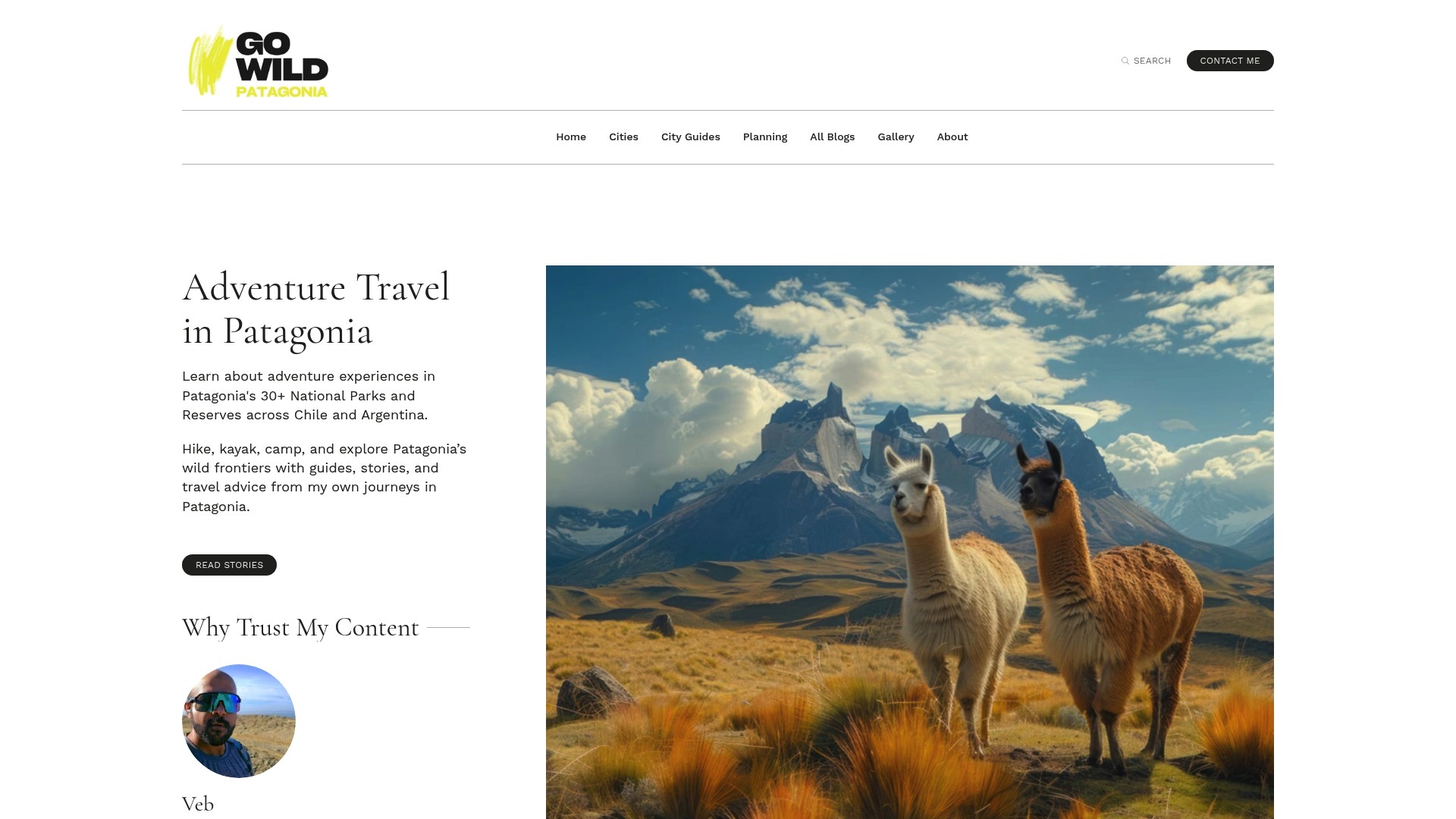
Browse detailed guides for Patagonian national parks covering trail conditions, access points, and seasonal tips. If you're building a broader southern Patagonia itinerary, El Calafate makes a powerful base for glacier exploration to complement your lakes experience. Whether you're planning a solo road trip or a guided multi-day trek, Go Wild Patagonia has the resources to turn your ideas into a real, well-planned adventure.
Frequently asked questions
What are the main lakes included in the Patagonian Lakes Region?
The core Argentine lakes are Lácar, Machónico, Falkner, Villarino, Escondido, Correntoso, and Espejo, plus Traful and Nahuel Huapi. Chile's version includes Llanquihue, Todos los Santos, and Ranco in the northern Los Lagos Region.
How long does it take to drive the Road of the Seven Lakes?
The route is 107 to 110 km and takes 2 to 3 hours without stops, but most travelers spread it across a full day or two to enjoy viewpoints and short hikes along the way.
When is the best time to visit the Patagonian Lakes Region?
November to April offers the best overall conditions for hiking and road trips, while March to May delivers stunning autumn foliage that makes the region especially rewarding for photographers.
Is the Patagonian Lakes Region the same as southern Patagonia's glacier areas?
No. The lakes region sits in northern Patagonia and is defined by forests and lakes, while southern Patagonia's glacier zones like Torres del Paine and El Calafate are a separate destination requiring different planning and logistics entirely.
Recommended
About Me
Veb
Hey there! I’m Veb and I've traveled solo and in groups for 10+ years in Patagonia - across Chile and Argentina.
I started Go Wild Patagonia with a desire to help other travelers plan their journeys in Patagonia with a focus on adventure, nature and being in the wilderness.
Say Thanks
Support my mission to make Patagonia more accessible for travelers while supporting local tour operators who organize only sustainable travels in Patagonia.
Read More
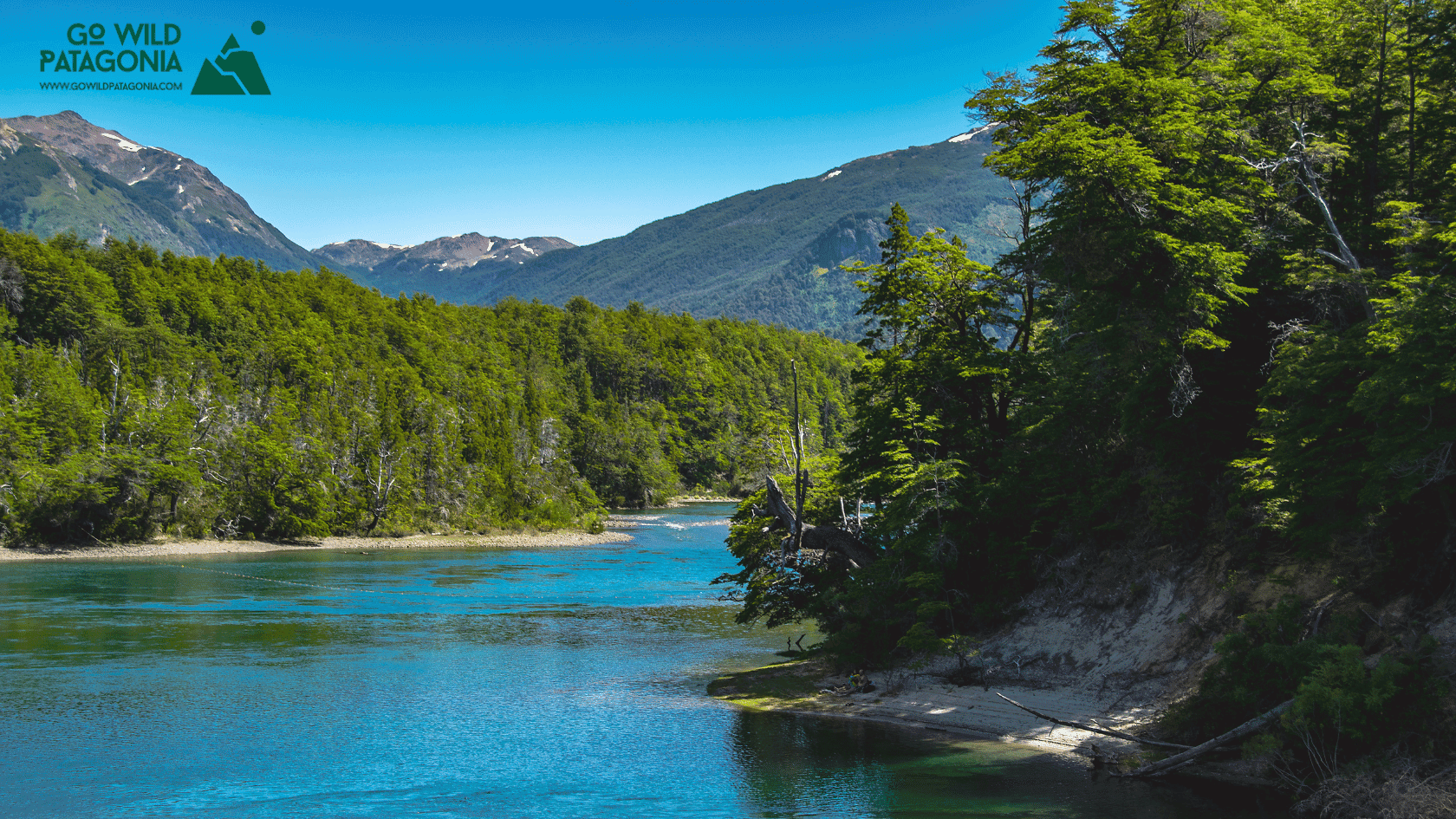
Chubut Province, Argentina — Cathedral of Ancient Trees Overview Los Alerces National Park protects 263,000 hectares of pristine Valdivian rainforest in Argentine Patagonia, home to some of the oldest living trees on Earth. The park's namesake—the alerce tree (Fitzroya cupressoides)—can live over 3,000 years, rivaling California's sequoias and bristlecone pines.
Update on Oct 24, 2025
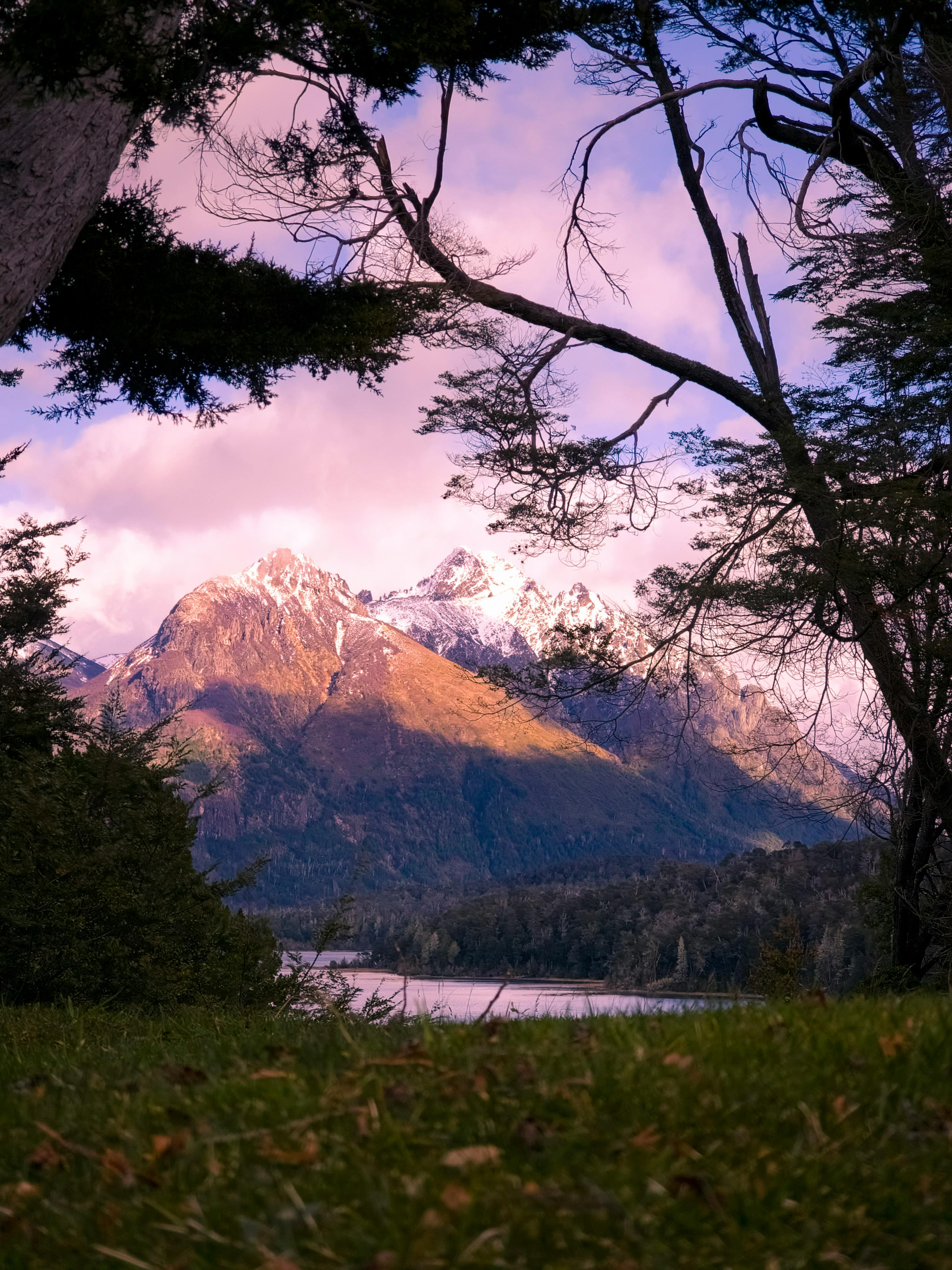
El Bolsón offers world-class hiking: Refugio Hielo Azul and Refugio Cajón del Azul sit in alpine cirques accessible via multi-day treks, Cerro Piltriquitrón (2,284m) provides panoramic summit views, and Cajón del Azul's turquoise canyon ranks among Patagonia's most photographed day hikes.
Update on Oct 24, 2025
Monte Leon National Park is Argentina's first coastal national park, protecting 40 km of dramatic Atlantic shoreline where the Patagonian steppe meets the sea.
Update on Oct 24, 2025