Patagonia Hiking for 3 Months: The Ultimate Patagonia Adventure Guide for Remote Workers
This guide is different from the typical Patagonia hiking articles because it's built for the reality of working remotely while hiking some of the world's most spectacular trails. You'll find detailed month-by-month breakdowns of which hikes to tackle when, where the WiFi actually works, how to build your hiking fitness progressively while maintaining your income, and how to integrate into the community of long-term travelers who make Patagonia their temporary home each summer.
Patagonia Hiking for 3 Months: The Ultimate Patagonia Adventure Guide for Remote Workers
The alarm goes off at 6:30 AM in your El Chalten hostel. You grab your phone and check two things: the weather forecast and your calendar. Clear skies, light winds—perfect. Your only meeting today is at 4 PM. You do the math: seven hours to knock out Laguna de los Tres and be back at your laptop with time to shower. You smile. This is exactly why you came to Patagonia for three months instead of two weeks.
Most people think extended Patagonian hiking requires either quitting your job or being independently wealthy. They're wrong. The sweet spot isn't a two-week vacation where you're racing against the clock, stressed about missing trails, and exhausted from trying to fit everything in. It's three months of sustainable rhythm where work funds your adventure and adventure fuels your work.
I spent a full Patagonian season doing exactly this, and I watched dozens of other remote workers do the same. We weren't trust-fund kids or digital nomad influencers. We were software developers, writers, designers, consultants, and teachers who figured out that Patagonia's hiking season perfectly accommodates a work-adventure lifestyle if you approach it strategically.
This guide is different from the typical Patagonia hiking articles because it's built for the reality of working remotely while hiking some of the world's most spectacular trails. You'll find detailed month-by-month breakdowns of which hikes to tackle when, where the WiFi actually works, how to build your hiking fitness progressively while maintaining your income, and how to integrate into the community of long-term travelers who make Patagonia their temporary home each summer.
Get a realistic, flexible framework for experiencing the best hikes in Patagonia over 90 days. Not a rigid itinerary, but a strategic approach to progressive skill-building, work-life balance, and the kind of deep cultural immersion that only happens when you stay long enough to watch the seasons change on Fitz Roy's granite walls.
Month 1: Building Your Base in El Chalten
Weeks 1-2: Acclimatization & Easy Wins
El Chalten isn't just the trekking capital of Argentina—it's the perfect launchpad for remote workers planning an extended Patagonian adventure. The town's combination of world-class trails, reliable infrastructure, and tight-knit community makes it ideal for finding your rhythm during those crucial first weeks.
Start with Laguna Torre on day two or three. It's the classic introduction to Patagonian hiking: 11 kilometers out and back, moderate difficulty, and that jaw-dropping first glimpse of Cerro Torre's impossible spire reflected in glacial water. The trail is forgiving enough that you won't be wrecked for your afternoon work session, but spectacular enough to confirm you made the right decision coming here.
Your first week should prioritize short, high-reward hikes that build leg strength without destroying you. Laguna Capri offers a quick morning hit—just 90 minutes up to crystalline pools with Fitz Roy views. Mirador de los Cóndores gives you altitude gain practice and wildlife spotting opportunities. Save your work-heavy days for when weather rolls in, which it will.
The WiFi situation is better than you'd expect but requires strategy. Patagonia Brewing Company has solid internet and becomes the unofficial remote worker headquarters each afternoon. B&B Burger Joint offers reliable connection and craft beer. Most hostels have WiFi, but it's typically only strong enough for email and light browsing—don't count on it for video calls.
For dedicated coworking, Viento Oeste has desks, good coffee, and a community of other digital nomads. You'll pay around 10,000 pesos per day, but it's worth it when you need focused work time. The library (biblioteca) offers free WiFi and is surprisingly well-equipped, though hours are limited.
Accommodation-wise, your first two weeks should focus on hostels that balance social atmosphere with work-friendly spaces. Condor de los Andes offers private rooms with desks, strong community vibes, and excellent kitchen facilities. Rancho Grande is the legendary party hostel—great for meeting hiking partners, terrible for morning video calls. Nothofagus B&B sits in the sweet spot: quiet enough to work, social enough to connect.
The solo traveler scene in El Chalten is unlike anywhere else. Everyone's here for the same reason, everyone's looking for hiking partners, and the barriers to connection are remarkably low. Show up at Patagonia Brewing at 6 PM any evening and you'll find tables of hikers planning the next day's routes. Join them. Ask questions. Offer to share a taxi to the trailhead. By week two, you'll have a rotating crew of trail companions from a dozen countries.
Weeks 3-4: Pushing Limits
By week three, your legs have adapted to Patagonia's demands and your work routine has stabilized. Now it's time to tackle the challenging hikes that separate casual visitors from people who actually know these mountains.
Laguna de los Tres is the iconic El Chalten day hike—the one that appears in every "best hikes in Patagonia" list for good reason. The final 400-meter ascent from Base Camp feels impossible until you crest that ridge and see Fitz Roy towering above turquoise glacial pools. Start at 5 AM to catch sunrise on the peaks, which means scheduling your day carefully: early morning hike, back by noon, lunch and shower, work from 2 PM to 7 PM. It's doable, but you need to commit.
Loma del Pliegue Tumbado offers the single best panoramic view in the region—the entire El Chalten massif spread out like a topographical map. It's also brutally steep and requires about 10 hours round trip. Make it a light work day or, better yet, save it for a Saturday. The summit arrives after 1,200 meters of elevation gain through lenga forest and across windswept ridges where condors ride thermals. Pack extra layers; the weather changes fast up there.
Piedra del Fraile opens up multi-day possibilities. The 17-kilometer trail follows Río Eléctrico through forest and meadow to a basic campsite with stunning views of Cerro Torre's north face. Many remote workers do this as a two-day trip: hike in after a morning work session, camp overnight, explore the Piedra del Fraile area in the morning, and hike out to arrive back for evening work if needed.
The real progression in weeks three and four isn't just physical—it's learning to read Patagonian weather systems. You'll start to recognize the cloud patterns that signal incoming storms, understand why locals obsessively check wind forecasts, and develop intuition about when to push for summits versus when to turn around. This weather literacy becomes crucial for planning work days around hiking days.
Recovery days matter more than most remote workers initially accept. The pressure to "maximize" your time in Patagonia can lead to hiking six days a week while maintaining a 40-hour work schedule. This is a recipe for burnout, injury, or both. Build in strategic rest days where you work a full eight hours, do laundry, resupply groceries, and maybe take an evening walk to Laguna Capri just to watch sunset. Your body and your work quality will thank you.
The social scene intensifies as you become a familiar face. You'll have your regular table at Patagonia Brewing, your favorite barista at Ahonikenk who knows your coffee order, and a group chat with other long-term travelers coordinating everything from grocery runs to weather-dependent hiking plans. This community becomes your support system for both work challenges and trail beta.
Month 2: Torres del Paine Deep Dive
Week 5: Transition to Puerto Natales
The bus from El Chalten to Puerto Natales takes about five hours and costs around 35,000 pesos depending on the season. Book with Bus Sur or Cootra for the most reliable service. Most remote workers make this transition in early to mid-December, after establishing their base in Argentina and before tackling Chilean Patagonia's crown jewel.
Puerto Natales operates on a completely different frequency than El Chalten. It's a proper town with 20,000 residents, supermarkets, pharmacies, outdoor gear shops, and crucially for remote workers, more stable infrastructure. The WiFi is generally more reliable, accommodation options are more diverse, and you can actually get consistent cell service.
For accommodation, Erratic Rock Hostel dominates the backpacker scene and runs nightly presentations about hiking Torres del Paine—mandatory viewing before your W Trek. The dorms are fine, but the private rooms are worth the upgrade if you need quiet for calls. Singing Lamb offers a mellower vibe with excellent kitchen facilities and work-friendly common areas. Budget-conscious remote workers often rent monthly apartments through local Facebook groups for 400,000-600,000 pesos, which works out cheaper than hostels if you're staying three weeks.
The coworking situation improved dramatically in recent years. Cowork Patagonia offers dedicated desks, fast internet, and a community of other digital nomads and local entrepreneurs. It costs about 15,000 pesos per day or 200,000 pesos per month. Coffee Maker Patagonia has become the unofficial headquarters for remote workers who need strong WiFi but prefer cafe atmosphere to coworking spaces.
Use this transition week for planning logistics and enjoying day hikes that don't require the commitment of Torres del Paine. The coastal walk along Última Esperanza Sound offers easy mileage with spectacular views. Cerro Dorotea provides a moderate ascent with panoramic views over Puerto Natales and the distant Paine massif—perfect for gauging conditions before committing to the W Trek.
This week is also crucial for W Trek logistics. You'll need to book refugios or campsites if you haven't already, arrange bus transportation to Torres del Paine (about 2 hours), and prepare your pack. The gear shops in Puerto Natales rent everything from tents to trekking poles to sleeping bags—quality varies, so inspect carefully before committing.
Weeks 6-7: The W Trek (Your Way)
The W Trek is Patagonia's most famous multi-day route, and doing it as a remote worker requires different strategy than the typical tourist approach. You have time and flexibility on your side, which means you can break conventional rules and create a more sustainable, enjoyable experience.
The standard approach is five days with four nights in refugios, following the classic west-to-east route: Paine Grande to Valle Francés to Base Torres. This works fine if you're on a two-week vacation, but as a remote worker with three months, you can do better.
Consider the split approach: hike the western section (Glacier Grey and Valle Francés) over three days, return to Puerto Natales for 2-3 days of work, then tackle the eastern section (Base Torres) over two days. This strategy has multiple advantages. You avoid carrying a full week's worth of food, you can resupply and do laundry between sections, you maintain income flow, and you reduce the physical and mental fatigue that comes from five straight days of trekking.
Refugio bookings for remote workers who want flexibility get creative. Book the popular refugios (Paine Grande, Chileno) for specific dates, but leave some nights for camping, which has more availability. Many long-term travelers book just the refugio beds and bring their own food to avoid expensive refugio meals—a dinner at Refugio Torre costs 35,000 pesos, while cooking your own pasta costs 3,000.
The extended W variations add depth beyond the standard route. From Refugio Grey, you can hike to Glaciar Pingo for spectacular ice views with almost no crowds. The Perros Valley route connects to the Paine Circuit for those wanting a taste of the full O Trek without committing to eight days. Mirador Ferrier offers a challenging side trip from Valle Francés with unmatched views of the entire valley system.
Where to work between trek sections becomes a legitimate question for remote workers doing the split approach. If your trek schedule allows for a Puerto Natales interlude, you'll have full infrastructure access. Some ambitious souls actually work from refugios—Paine Grande has WiFi (unreliable) and charging stations. I watched a software developer debug code at Refugio Torre between hikes to Base Torres. It's not ideal, but it's possible if your work is truly location-independent.
The community of long-term travelers on the W Trek differs from El Chalten's scene. You'll meet more people on career breaks, sabbaticals, or major life transitions. The multi-day format creates deeper connections—the group you share a refugio with on night two becomes your trail family, swapping stories over instant coffee and comparing blister treatment strategies.
Weather on the W Trek requires even more attention than El Chalten hiking. The Patagonian wind in Torres del Paine reaches legendary intensity. Gusts of 100+ km/h can make the Valle Francés traverse genuinely dangerous and the final ascent to Base Torres nearly impossible. Check forecasts obsessively, stay flexible with your schedule, and don't hesitate to take refuge days when conditions deteriorate. Refugios have common areas perfect for catching up on work while storms blow through.
Week 8: Post-W Exploration
After completing the W Trek, most people immediately leave Torres del Paine. This is a mistake, especially for remote workers with time and flexibility. The park offers dozens of incredible day hikes that see a fraction of W Trek traffic, and your acclimatization from the W means you're in peak form to tackle them.
The Salto Grande and Cuernos Mirador circuit is a relatively easy 5-kilometer loop from Hostería Pehoe that showcases the park's diversity: roaring waterfalls, turquoise rivers, and the iconic Cuernos del Paine (Horns of Paine) from multiple angles. It's perfect for a recovery day or a morning hike before afternoon work.
Laguna Verde provides a longer option at 12 kilometers round trip with moderate elevation gain. The trail climbs through lenga forest to an emerald-green glacial lake with Paine Grande reflected in its surface. You'll likely see guanacos, potentially pumas (tracks at minimum), and almost certainly condors. Weekday visitation is minimal.
For those wanting to sample the Paine Circuit without committing to the full eight-day trek, the section from Refugio Paine Grande to Refugio Dickson offers two days of stunning hiking through areas that see far less traffic than the W. The trail follows Lago Paine and Lago Dickson with ever-changing views of glaciers and peaks. You can organize this as a there-and-back trip, returning to Paine Grande after reaching Dickson.
The hidden valleys around Laguna Azul in the park's northeastern section offer exploration opportunities for hikers willing to venture beyond marked trails. These routes require backcountry navigation skills and comfort with route-finding, but they provide the kind of solitude that's increasingly rare in Torres del Paine. Always inform CONAF (park rangers) of your plans when heading into less-traveled areas.
Puerto Natales becomes your recovery base during week eight. The rhythm shifts to more work-focused days interspersed with gentle hiking, excellent meals (treat yourself to lamb at El Asador Patagónico after subsisting on W Trek refugio food), and social time with the community you've been building for two months.
This is also the week when many remote workers start processing their Torres del Paine experience. The W Trek has a way of recalibrating your sense of what's possible, both on the trail and in your broader life. The evening conversations at Erratic Rock or Coffee Maker during week eight tend toward the philosophical: what comes next, whether to extend your time in Patagonia, how to maintain this adventure-work balance when you eventually return to "normal" life.
Month 3: Going Deeper
Week 9: El Calafate & Glaciers
The transition from Puerto Natales to El Calafate marks a shift from technical mountain hiking to ice-focused adventures. The 5-hour bus ride crosses the Argentine border at Cerro Castillo and delivers you to Argentina's glacier tourism capital, where the hiking style changes dramatically.
El Calafate exists primarily for Perito Moreno Glacier tourism, but savvy remote workers discover that the town offers excellent infrastructure for extended stays and access to hiking experiences that complement the previous two months of peak-bagging and valley trekking.
The Perito Moreno Glacier walk isn't a hike in the traditional sense—it's walking on ice with crampons strapped to your boots. Several outfitters offer "Big Ice" and "Mini Trekking" options that put you on the glacier surface for 3-5 hours of navigating crevasses, ice caves, and cerulean pools. For remote workers who've spent eight weeks in boots on trails, walking on a moving river of ancient ice provides perspective-shifting contrast.
Viedma Glacier trek delivers a more serious commitment: boat across Viedma Lake, gear up with crampons and harness, and spend 5-6 hours traversing one of the Southern Patagonian Ice Field's most accessible sections. The scale is overwhelming—Viedma stretches 70 kilometers from its source to the lake. You'll walk past ice formations that are millennia old, through landscapes that feel more Antarctic than Patagonian.
The unexpected hiking trails around El Calafate deserve more attention than they typically receive. Laguna Nimez offers easy lakeside walking with flamingo watching (yes, flamingos in Patagonia). Cerro Cristal provides moderate climbing to panoramic views over Lago Argentino and the distant Andes. Walichu Caves combines hiking with indigenous archaeology—a 4-kilometer trail leads to rock art sites with views across the turquoise lake.
Working from El Calafate is easier than either El Chalten or Puerto Natales. The town is larger, more developed, and sees significant domestic Argentine tourism, which means infrastructure is built for reliability. Viva La Pepa and Kau Kaleshen offer excellent coffee and WiFi. Several hostels have dedicated workspaces, and cell service is consistently good.
The remote worker community in El Calafate skews slightly older and more professional than the El Chalten backpacker scene. You'll meet location-independent consultants, writers on book deadlines, entrepreneurs running online businesses—people who've chosen El Calafate as a base for weeks or months while working seriously but wanting access to glaciers and hiking.
Week nine is often lighter on strenuous hiking than previous weeks. Your body has accumulated two months of trail miles and elevation gain. The glacier treks provide adventure without the grinding ascents you've been doing. Use this week to work more hours, catch up on projects you've been partially neglecting, and let your knees and ankles recover before the final push.
Weeks 10-11: Choose Your Adventure
By week ten, you've been in Patagonia for more than two months. You have trail fitness, weather-reading skills, a network of hiking partners across three countries, and enough perspective to know what you want from your final two weeks. This is where the three-month approach shows its greatest advantage: you can make informed decisions based on actual experience rather than guidebook recommendations.
Option A: Return to El Chalten for Advanced Routes
Many remote workers circle back to El Chalten for their final weeks, tackling routes that would have been beyond their abilities in month one. The Paso del Viento provides sustained challenge—a 25-kilometer trail to the continental divide with options to extend into multi-day exploration. The approach to Cerro Torre takes you to Laguna Torre and beyond, into the serious mountaineering zone where you'll need ice axe skills and comfort with glacier travel.
The advantage of returning is familiarity. You know the town, have your established work spots, understand the weather patterns, and have friends in the community. The hiking feels different when you've built two months of conditioning—routes that seemed daunting in November feel manageable in January.
Option B: Explore Bariloche and the Lake District
The 1,600-kilometer bus ride from El Calafate to Bariloche represents a significant commitment, but it opens up completely different Patagonian landscapes. The Lake District offers subalpine hiking through araucaria forests, lake-to-lake trekking circuits, and the Nahuel Huapi National Park system. Refugio Frey, Refugio Jakob, and Refugio San Martín create a network for multi-day adventures.
Bariloche functions as a real city with 130,000 residents, multiple coworking spaces, reliable infrastructure, and amenities you haven't seen since leaving Buenos Aires. It's simultaneously a hiking destination and a place where you could legitimately live and work for months. The chocolate shops and craft breweries don't hurt either.
The hiking difficulty in Bariloche ranges from easy lakeside walks to technical peaks like Cerro Catedral and Cerro Tronador. After two months of Patagonian granite and glaciers, the volcanic peaks and forested valleys provide refreshing variety. Laguna Jakob offers Fitz Roy-quality beauty with a fraction of the crowds.
Option C: Head South to Tierra del Fuego
Ushuaia represents the end of the world literally and metaphorically. The 12-hour bus from El Calafate delivers you to the planet's southernmost city, where the Andes finally meet the sea and hiking trails blend mountain and coastal environments.
Tierra del Fuego National Park offers day hiking through lenga and ñire forests along the Beagle Channel. The circuit to Laguna Esmeralda presents moderate challenge with spectacular payoff—an impossibly turquoise lake surrounded by peaks and beaver dams (yes, beaver dams). The longer trek to Martial Glacier provides elevation gain and ice field views just minutes from downtown Ushuaia.
The remote work infrastructure in Ushuaia is excellent—the city has multiple coworking spaces, strong WiFi throughout, and a developed digital nomad scene. It's also significantly more expensive than anywhere else in Patagonia due to its remoteness and status as a free-trade zone.
How to Decide
Your choice should factor in weather (El Chalten weather improves through January; Tierra del Fuego can be temperamental year-round), physical state (if you're battling injuries, Bariloche's easier trails make sense), and what you're craving after two months. Some remote workers split the difference, spending one week in El Chalten and one in Ushuaia, or doing a week in Bariloche followed by return to El Calaften for final farewells.
The beauty of the three-month approach is that there's no wrong choice. You have enough time to pursue what genuinely interests you rather than checking boxes on someone else's list of must-do Patagonia experiences.
Week 12: Integration & Next Steps
The final week of a three-month Patagonian odyssey rarely looks like week one. You're not rushing to fit in one more hike or desperately trying to see everything you missed. Instead, you're processing, integrating, and beginning to think about reentry into whatever life you left behind.
Many remote workers spend week twelve back in their favorite base—often El Chalten, sometimes Puerto Natales, occasionally Ushuaia. They revisit beloved trails with fresh perspective, noticing details they missed when the landscapes were overwhelming in their novelty. That first hike to Laguna Torre feels completely different when you're carrying two months of experience and dozens of other trails for comparison.
The reflection that happens during this final week goes beyond hiking. You've spent three months proving that remote work and serious adventure are compatible, that you can maintain income while living a life most people only dream about. You've watched seasons change on granite peaks, witnessed storms sweep across glaciers, and spent enough time in the mountains to understand them as dynamic systems rather than static postcard images.
The skills you've built extend far beyond technical hiking ability. You can now read weather systems, understand your physical limits and capabilities, navigate in challenging conditions, and make risk assessments in real time. You've learned to manage work deadlines while maintaining adventure, to balance social connection with solitude, and to adapt plans when reality doesn't match expectations.
The Patagonia community you've become part of exists in both physical and digital space. The friends you've made are scattered across continents, but you'll stay connected through Instagram DMs, WhatsApp groups, and shared planning for the next adventure. Many remote workers discover that their Patagonian hiking partners become their tribe—the people they travel with for years to come.
Planning your return starts happening naturally during week twelve, even if you don't want it to. Everyone who spends extended time in Patagonia talks about coming back. The difference is that after three months, you're not saying it wistfully—you're making concrete plans. You know which season you prefer, which routes you want to tackle next time, which refugios to book early, and which mistakes not to repeat.
The practical question of "what next" varies wildly. Some remote workers extend their South American adventure, heading north to Bolivia's high Andes or Peru's Cordillera Blanca. Others return home to save money for the next trip. A few decide Patagonia isn't temporary—they find ways to spend six months a year here, building businesses or freelance careers that support their commitment to these mountains.
Week twelve often includes goodbye rituals. Final dinners with your trail crew at Patagonia Brewing. Last sunset at Laguna Capri. One more coffee at your favorite cafe while you catch up on work. These moments matter because they acknowledge that this hasn't been just a long vacation—it's been a chapter of your life that changes how you understand what's possible.
Practical Information
Budget Breakdown
Three months in Patagonia as a remote worker requires careful financial planning but costs less than many people expect if you're strategic about expenses. Here's a realistic month-by-month breakdown based on 2024-2025 costs:
Month 1: El Chalten ($2,200-2,800 USD)
Accommodation: $600-900 (hostel dorm or shared room, roughly $20-30/night)
Food: $500-700 (mix of grocery store cooking and occasional restaurants)
Work infrastructure: $150-200 (coworking day passes, cafe meals while working)
Transportation: $200-300 (regional buses, taxi shares to trailheads)
Gear and supplies: $300-400 (replacing worn items, fuel, last-minute purchases)
Entertainment/social: $200-300 (beers at Patagonia Brewing add up)
Month 2: Puerto Natales & Torres del Paine ($2,500-3,500 USD)
Accommodation: $500-800 (hostel or monthly apartment rental)
Food: $600-900 (higher in Torres del Paine; refugio meals if not cooking)
W Trek costs: $800-1,500 (refugio bookings, campsite fees, park entrance, gear rental if needed)
Work infrastructure: $150-250 (coworking, cafes)
Transportation: $250-350 (buses to/from Torres del Paine, El Chalten-Puerto Natales)
Month 3: Variable ($2,000-3,000 USD)
Depends heavily on your choice for weeks 10-11
El Calafate week: $600-800 (glacier tours are expensive)
Final weeks: $800-1,200 depending on location and activities
Return transportation: $400-800 depending on where you're going next
Total estimated budget: $6,700-9,300 USD for three months
Where to save: Cook most meals, stay in hostels, share taxi costs, avoid refugio meals on the W Trek, buy alcohol at supermarkets not bars, use free campsites when possible.
Where to splurge: Glacier tours in El Calafate, at least some refugio stays for W Trek comfort and social experience, quality rain gear if yours fails, occasional restaurant meals for sanity.
Managing income needs means being realistic about your earning capacity while traveling. If you need to maintain full-time income, budget 30-35 hours of actual work per week, which leaves 3-4 days for full hiking days and other days for morning/evening hikes around work. If you can survive on reduced income, you have more flexibility.
Gear That Actually Matters
The three-month packing list differs significantly from a two-week trip list because durability and versatility become critical. Here's what actually matters after living out of a backpack for 90 days:
Essential layers:
Base layers: Two sets of merino wool top/bottom (one to wear, one to wash)
Mid-layer: One fleece or lightweight puffy, one heavier insulated jacket
Shell: Quality waterproof jacket and pants (this is where you absolutely cannot cheap out)
Hiking pants: Two pairs quick-dry, one pair warmer softshell
Accessories: Warm hat, sun hat, buff/neck gaiter, gloves (light and heavy)
Footwear:
Hiking boots: One pair quality waterproof boots (expect them to need replacing or repair)
Camp shoes: Lightweight sandals or running shoes for town
Socks: 4-5 pairs merino wool (they will develop holes; accept this)
Technical gear:
Backpack: 50-65L for multi-day trips, 25-30L daypack
Sleeping bag: Rated to at least -10°C for refugio/camping flexibility
Sleeping pad: If camping frequently
Trekking poles: Absolutely essential, not optional
Headlamp: With extra batteries
Water purification: Tablet or filter system
Work essentials:
Laptop with worldwide warranty or insurance
Phone with unlocked SIM capability
Power bank (20,000mAh minimum)
Universal adapter and charging cables
Backup storage device for photos/work files
What you can buy in Patagonia: Basic groceries, fuel, basic camping supplies, some technical gear in El Calaften and Puerto Natales, replacement clothing. Selection is limited and prices are higher than at home, but it's possible.
What to bring from home: Specialized technical gear (headlamps, water filters, quality rain gear), prescription medications, favorite toiletries, work equipment, any specific dietary items you rely on.
Gear that breaks down: Boots wear out faster than expected on Patagonian scree and boulder fields. Trekking poles develop loose joints. Backpacks suffer broken zippers and torn straps. Rain jacket waterproofing degrades. Plan for repairs.
Where to repair: El Chalten has a cobbler who can repair boots and a seamstress who fixes gear. Puerto Natales has better options including outdoor shops that do repairs. El Calafate has the most comprehensive services. Bring duct tape, seam sealer, and needle/thread for field repairs.
Logistics
Visa considerations: Most countries get 90 days visa-free in both Argentina and Chile, but it's not a combined allowance—you get 90 days per country. Your time on the W Trek counts toward your Chilean days. If you're doing all three months in Argentina only, you're fine. If splitting time between countries, track your days carefully.
For stays exceeding 90 days in either country, you'll need to do a visa run or apply for an extension. The easiest visa run is crossing the border at Cerro Castillo between Puerto Natales and El Calafate—the bus journey doubles as a border reset. Some remote workers structure their three months to use exactly 85-89 days per country to avoid complications.
Phone and internet solutions: Get a local SIM card immediately. In Argentina, Personal and Movistar offer prepaid plans with data—expect to pay around 15,000-20,000 pesos monthly for 30GB. In Chile, Entel has the best coverage in Puerto Natales and Torres del Paine. Buy SIMs in larger cities before arriving in Patagonia; availability in small towns is inconsistent.
WhatsApp is the standard communication tool across South America. Everyone uses it for coordinating rides, booking accommodation, and staying in touch. Your hiking partners will create group chats for everything from weather updates to party planning.
Backup internet is essential for remote work. Identify multiple cafes and coworking spaces in each location. Have offline work you can do when connections fail. Download maps, trails, and key documents for offline access. Some remote workers carry portable WiFi hotspots, though coverage in rural Patagonia is limited.
Banking and money management: Bring at least two different credit/debit cards from different banks in case one gets blocked or stopped working. Notify your banks before traveling about your plans. Argentine ATMs have low withdrawal limits (often 20,000-40,000 pesos per transaction) and charge fees; minimize by taking maximum amounts when you do withdraw.
The blue dollar vs. official exchange rate situation in Argentina creates opportunities and complications. Western Union transfers often get better rates than ATMs. Some hostels and tour operators accept payment in USD at favorable rates. Stay current on exchange rate situations as they change.
Chile uses predominantly card payments; Argentina is more cash-heavy, especially in small towns. Always carry cash in both pesos (Argentine and Chilean) for emergencies, bus tickets, and small purchases.
Health insurance and safety: Get travel insurance that covers adventure activities—many standard policies exclude "mountaineering" which can be interpreted to include serious hiking. World Nomads, SafetyWing, and IMG Global all offer policies popular with remote workers that cover hiking and remote work scenarios.
Basic healthcare is available in El Chalten, Puerto Natales, and El Calafate, but serious injuries require evacuation to larger cities. Hospitals in Calafate and Puerto Natales are decent; El Chalten has only a basic clinic. Everyone who spends significant time hiking in Patagonia should carry a comprehensive first aid kit and know how to use it.
Register your hikes with park rangers when entering backcountry areas. Tell hostel staff or friends your plans. Carry emergency communication devices if venturing into truly remote areas, though cell coverage is surprisingly good on many major trails.
The actual safety risks in Patagonia are almost entirely environmental rather than crime-related. You're more likely to get injured from a fall, caught in a storm, or suffer from hypothermia than to encounter any human threat. Standard urban safety awareness applies in cities, but violent crime against tourists is extremely rare.
Work-Life Balance Reality
Managing time zones creates one of the biggest challenges for remote workers in Patagonia. Argentina is typically 4-5 hours ahead of US Eastern Time, which means if you're working with US clients or teams, you're starting your day when they're still asleep. This can be advantageous—knock out focused work in the morning, hike in the afternoon, and be available for end-of-day US meetings in your evening.
For European time zones, Patagonia is 3-4 hours behind, creating the opposite challenge. Your mornings are their afternoons, so early hiking requires flexibility in your work schedule. Australian and Asian time zones are nearly opposite, making synchronous work challenging but enabling a true "work at night, hike during day" schedule if you can swing it.
The best times of day to work versus hike depend heavily on season and weather. During November and early December, sunrise is around 6 AM and sunset extends past 10 PM. Many remote workers develop a split schedule: wake at 6 AM, hike from 7 AM to 1 PM, lunch and shower, work 3 PM to 8 PM, social time in the evening. This maximizes the stable morning weather window that Patagonia typically offers.
By January, the days are even longer, and the summer heat makes midday hiking less pleasant anyway. Working during the warmest hours (2 PM to 6 PM) while hiking in the early morning and evening feels natural. The extended daylight means you can start a hike at 5 PM and still have three hours of good light.
Dealing with bad weather work days becomes an essential skill. Patagonia will give you storms that make hiking impossible or dangerous—70 mph winds, horizontal rain, or complete whiteout conditions on peaks. These days are gifts for remote workers. Embrace them. Catch up on projects you've been neglecting, batch all your administrative tasks, or use the time for deep focus work that's hard to do when epic hikes are beckoning.
The community support for digital nomads in Patagonia is stronger than most people expect. The monthly "Digital Nomad Meetup" in El Chalten happens at Patagonia Brewing (ask around for current schedule). Puerto Natales has a more informal but active remote worker scene centered around Coffee Maker and Cowork Patagonia. You'll find other people managing the same challenges—time zones, unreliable internet, the temptation to hike instead of work—and their strategies and support make the lifestyle sustainable.
Set boundaries and communicate them clearly to clients, employers, and yourself. If you're hiking big trails on Tuesdays and Thursdays, block your calendar. If you're taking a week for the W Trek, give advance notice and set up automatic replies. Most clients and colleagues are more understanding than you'd expect, especially when you're delivering quality work consistently. The key is treating your Patagonian adventure professionally, not apologetically.
Conclusion
Three months in Patagonia changes you in ways two weeks never could. The transformation isn't just physical, though you'll return home with leg muscles you didn't know existed and a cardiovascular capacity that makes your home hills feel like speed bumps. The deeper shift happens in your understanding of what's possible in life.
You've proven that work and adventure aren't opposing forces requiring perfect balance—they're complementary elements that can enhance each other when you're intentional about integration. The focus you bring to work after a morning watching sunrise on Fitz Roy is different from the focus you'd have in an office. The creativity that emerges from solving navigation challenges on the trail translates directly to problem-solving in your professional life.
This pace—90 days instead of 14—allows you to move beyond tourist mode into something closer to temporary residency. You've watched ice calve from Perito Moreno dozens of times instead of once. You've seen the Patagonian seasons transition, observed how the light changes on granite peaks throughout summer, and developed enough pattern recognition to predict weather with surprising accuracy. You know the baristas, the trail conditions, the shortcuts that don't appear in guidebooks.
The community you've built extends across continents now. The Brazilian software developer you hiked with every Tuesday. The German couple who taught you their pre-hike stretching routine. The Argentine guide who showed you the secret viewpoint above Laguna Capri. These people aren't just trail acquaintances—they're genuine connections forged through shared experience in one of Earth's most spectacular landscapes.
Whether you're ready to leave Patagonia or desperately planning your return (most people fall into the latter category), you're taking something irreplaceable with you. The confidence that comes from successfully navigating both literal and metaphorical storms. The knowledge that you can design your life around what matters to you rather than accepting default paths. The certainty that remote work enables adventures most people relegate to "someday."
Start planning your own three-month odyssey. Research the visa requirements, calculate your budget, have the conversation with your employer or clients, and book that first hostel in El Chalten. The trails are waiting, the community is welcoming, and the experience will exceed whatever expectations you're bringing to it.
The mountains don't care about your job title, your income, or your carefully planned five-year career trajectory. They only care whether you show up prepared, humble, and ready to meet them on their terms. Three months gives you enough time to do exactly that.
See you on the trail.
About Me
Veb
Hey there! I’m Veb and I've traveled solo and in groups for 10+ years in Patagonia - across Chile and Argentina.
I started Go Wild Patagonia with a desire to help other travelers plan their journeys in Patagonia with a focus on adventure, nature and being in the wilderness.
Say Thanks
Support my mission to make Patagonia more accessible for travelers while supporting local tour operators who organize only sustainable travels in Patagonia.
Read More
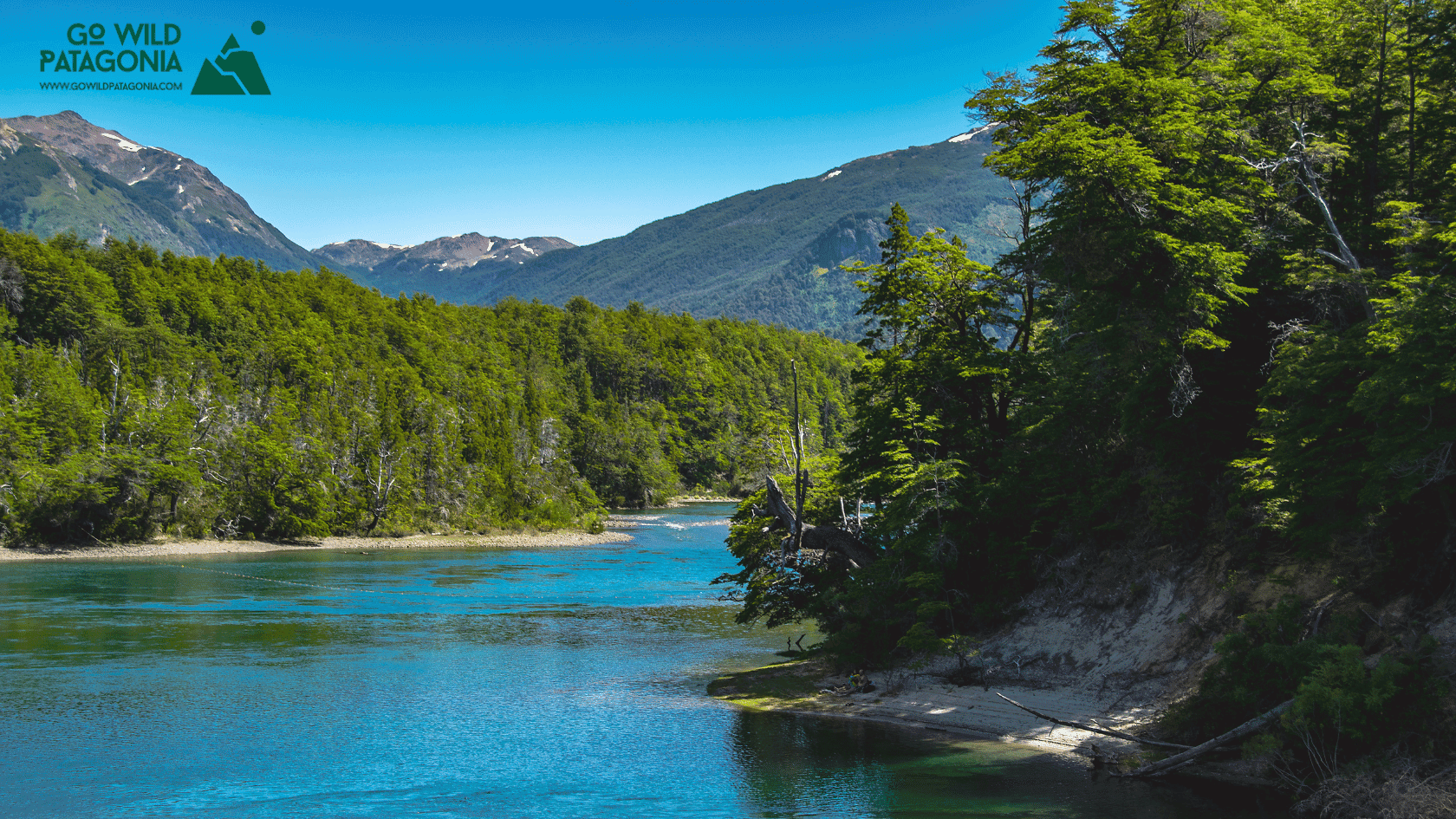
Chubut Province, Argentina — Cathedral of Ancient Trees Overview Los Alerces National Park protects 263,000 hectares of pristine Valdivian rainforest in Argentine Patagonia, home to some of the oldest living trees on Earth. The park's namesake—the alerce tree (Fitzroya cupressoides)—can live over 3,000 years, rivaling California's sequoias and bristlecone pines.
Update on Oct 24, 2025
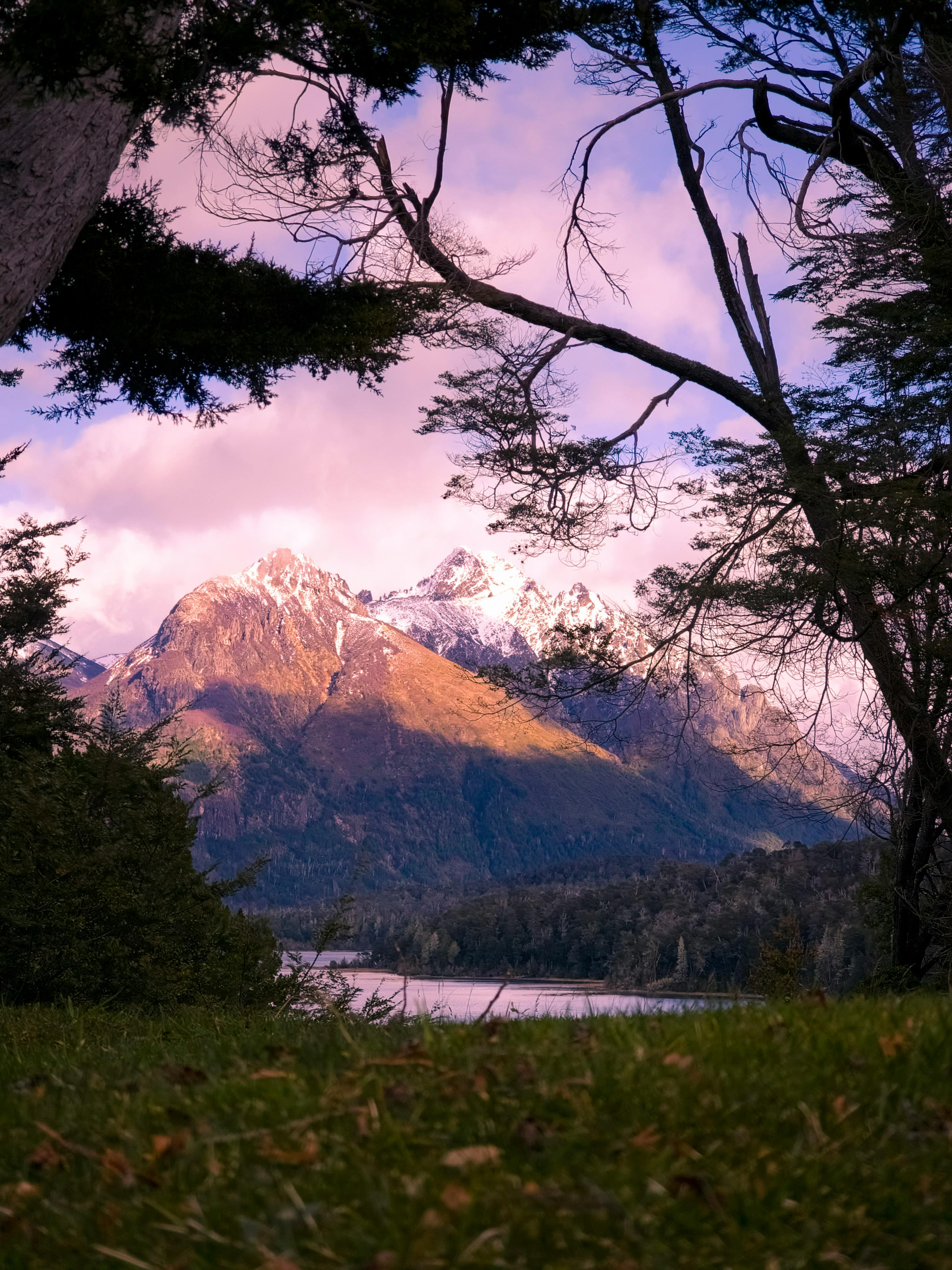
El Bolsón offers world-class hiking: Refugio Hielo Azul and Refugio Cajón del Azul sit in alpine cirques accessible via multi-day treks, Cerro Piltriquitrón (2,284m) provides panoramic summit views, and Cajón del Azul's turquoise canyon ranks among Patagonia's most photographed day hikes.
Update on Oct 24, 2025
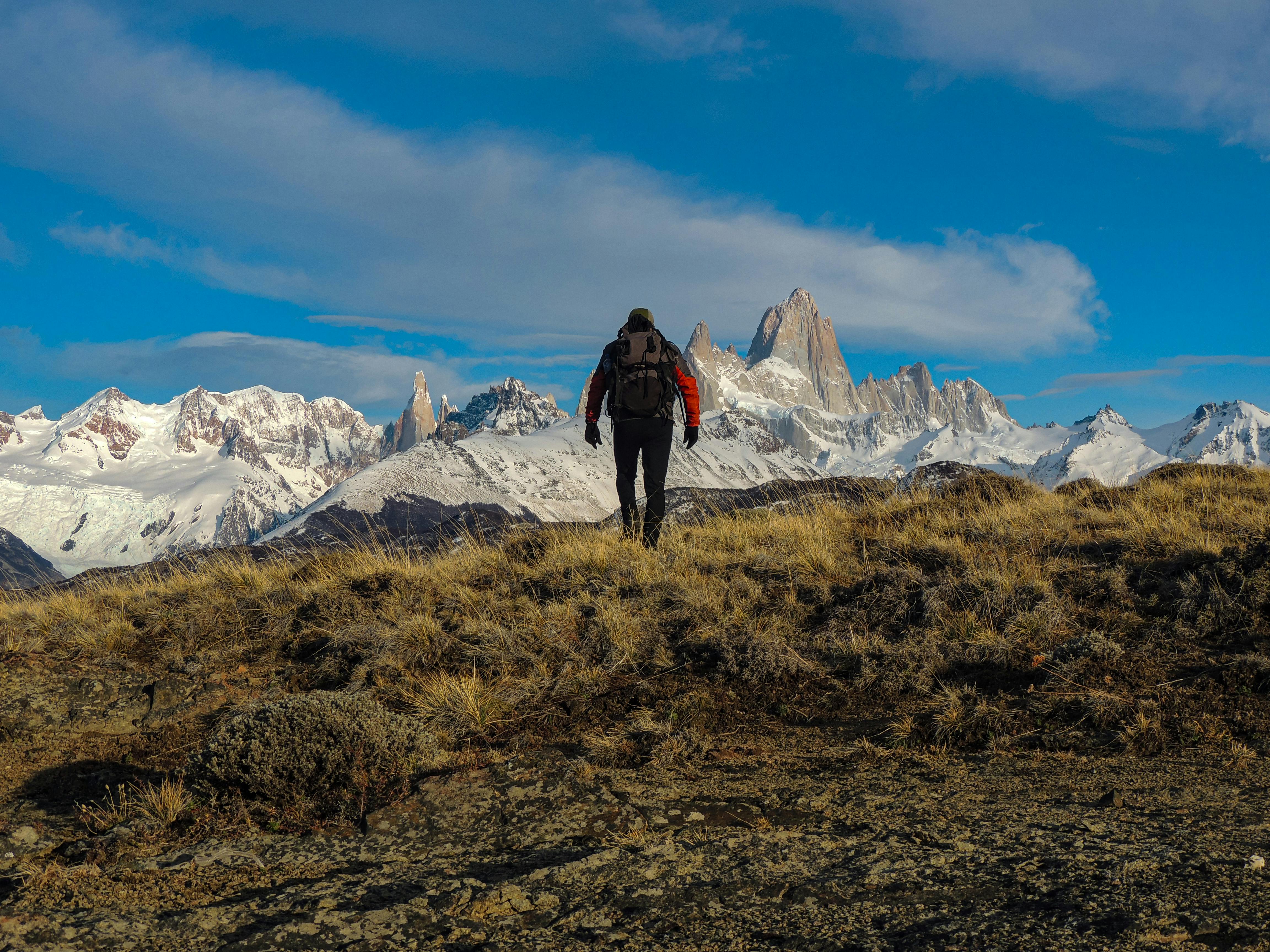
Monte Leon National Park is Argentina's first coastal national park, protecting 40 km of dramatic Atlantic shoreline where the Patagonian steppe meets the sea.
Update on Oct 24, 2025