
The Ultimate Guide to National Parks in Chile: Patagonia and Beyond
Chile's extraordinary geography stretches over 4,300 kilometers from the driest desert in the world to the windswept edges of Antarctica, creating one of the most diverse collections of national parks on Earth. This comprehensive guide explores Chile's most spectacular national parks.
The Ultimate Guide to National Parks in Chile: Patagonia and Beyond
Chile's extraordinary geography stretches over 4,300 kilometers from the driest desert in the world to the windswept edges of Antarctica, creating one of the most diverse collections of national parks on Earth. With 46 national parks protecting over 20% of Chilean territory, these pristine wilderness areas safeguard unique ecosystems ranging from high-altitude salt flats to ancient temperate rainforests and colossal glaciers.
This comprehensive guide explores Chile's most spectacular national parks, detailing the adventure activities that make each one unforgettable and providing practical transportation information to help you plan your journey into these natural wonders.
1. Lauca National Park
Location: Extreme North, Arica and Parinacota Region
Altitude: 3,200 - 6,342 meters above sea level
Named a UNESCO World Biosphere Reserve, Lauca National Park captivates visitors with its high-altitude Andean landscapes, where snow-capped volcanoes tower over crystalline lakes and herds of vicuñas roam the altiplano. Lake Chungará, one of the highest lakes in the world at 4,517 meters, reflects the perfect cone of Parinacota Volcano, creating one of Chile's most iconic panoramas.
Top Adventure Activities
Wildlife Photography & Birdwatching
The park hosts exceptional biodiversity for such extreme altitudes. Photographers can capture images of three flamingo species feeding in the shallow lakes, as well as vicuñas, vizcachas, Andean foxes, and the endangered Andean cat. The Cotacotani Lagoons provide prime opportunities for waterfowl photography, including giant coots, Andean gulls, and puna ibis.
High-Altitude Trekking
Multiple trails traverse the altiplano, offering breathtaking vistas of volcanic peaks and vast pampas. The trek around Lake Chungará provides stunning perspectives of Parinacota and Pomerape volcanoes. Acclimatization is essential given the extreme altitude.
Volcano Climbing
Experienced mountaineers can attempt Parinacota Volcano (6,342m), a technical climb requiring proper equipment, acclimatization, and ideally a local guide. The ascent typically takes two days with a high camp.
Cultural Exploration
Visit the centuries-old Aymara village of Parinacota, with its whitewashed colonial church dating to 1789. The village offers insight into traditional Andean life and handicrafts.
Stargazing
The high altitude and clear desert skies create exceptional conditions for astronomical observation. The Milky Way appears with stunning clarity on moonless nights.
How to Get There
From Arica (165 km): The most common access point. Rent a 4WD vehicle or book a tour from Arica. The drive takes approximately 3 hours via Route 11, which climbs dramatically from sea level to over 4,500 meters. Self-drivers should start early to avoid afternoon winds and ensure proper vehicle preparation for altitude.
Public Transport: Limited bus services run from Arica to Putre (the gateway town), where you can arrange local transportation or tours into the park. Buses depart from Arica's main terminal several times weekly.
Important Considerations: Altitude sickness is a serious concern. Spend at least one night in Putre (3,500m) to acclimatize before ascending to the park. Bring warm clothing as temperatures can drop below freezing even in summer.
2. Salar de Huasco National Park
Location: Tarapacá Region
Altitude: 3,800 - 4,200 meters above sea level
This remote high-altitude salt flat showcases the stark beauty of the Atacama's puna ecosystem. The park's namesake salt flat transforms into a shallow wetland during summer months, attracting thousands of flamingos that create surreal pink clouds against the white salt and blue sky.
Top Adventure Activities
Flamingo Observation
The park's three flamingo species (Chilean, James's, and Andean) gather here in spectacular numbers during the austral summer. The best viewing is from designated observation points that minimize disturbance to these sensitive birds.
4x4 Off-Road Exploration
The park's challenging terrain requires high-clearance vehicles. Guided 4x4 excursions navigate the altiplano landscapes, visiting remote lagoons and viewpoints where vicuñas and Andean foxes can be spotted.
Landscape Photography
The interplay of white salt, blue water, pink flamingos, and volcanic peaks creates otherworldly compositions. Dawn and dusk offer the most dramatic light for capturing the salt flat's ethereal beauty.
Geological Exploration
The park's volcanic formations, mineral deposits, and salt structures fascinate geology enthusiasts. The salar itself demonstrates the dramatic geological processes that continue shaping the Andes.
High-Altitude Hiking
Short walks around the lagoon edges allow closer views of wildlife and geological features, though the altitude demands careful pacing and proper acclimatization.
How to Get There
From Iquique (290 km): Drive east on Route 16 toward Pica, then continue on Route A-65 toward Colchane. The journey takes approximately 5-6 hours and requires a 4WD vehicle. Road conditions can be challenging, especially during the rainy season (December-March).
From Colchane: This border village serves as the nearest access point, about 60 km from the park. Tours can be arranged through local operators who know the difficult access roads.
Guided Tours: Given the remote location, extreme altitude, and navigational challenges, most visitors join organized tours from Iquique that include acclimatization stops and experienced guides familiar with high-altitude safety protocols.
Permits: Check with CONAF (Chilean National Forestry Corporation) regarding current access requirements and conditions before visiting.
3. Pan de Azúcar National Park
Location: Atacama Region, Pacific Coast
Elevation: Sea level to 800 meters
Where the world's driest desert meets the Pacific Ocean, Pan de Azúcar National Park presents an unexpected coastal ecosystem sustained by the camanchaca fog. This maritime mist nourishes a surprising diversity of cacti and wildlife in an environment that receives virtually no rainfall.
Top Adventure Activities
Boat Trips to Pan de Azúcar Island
Small fishing boats depart from Caleta Pan de Azúcar to visit the island sanctuary home to a Humboldt penguin colony. The 30-minute journey also offers opportunities to spot sea lions, marine otters (chungungos), and diverse seabirds including Peruvian pelicans and Guanay cormorants.
Coastal Hiking
Well-marked trails wind through the coastal desert, showcasing unique flora including cardón cacti and copiapoa. The Mirador Pan de Azúcar trail rewards hikers with sweeping ocean views. Look for Culpeo foxes patrolling the beaches for marine carrion.
Wildlife Photography
The park's unusual combination of desert and marine ecosystems creates exceptional photography opportunities. Capture penguins against desert backdrops, foxes on pristine white beaches, and cacti silhouetted against the Pacific.
Beach Camping
The park's designated camping areas offer direct beach access. Fall asleep to ocean waves and wake to stunning sunrise views. The campsites at Playa Piqueros provide basic facilities in an unforgettable setting.
Diving & Snorkeling
The cold, nutrient-rich waters support diverse marine life. Experienced divers can explore kelp forests and rocky reefs, though a wetsuit is essential due to the cold Humboldt Current.
How to Get There
From Copiapó (170 km north): Drive north on the Panamericana Highway (Route 5) to Chañaral, then take the coastal road north approximately 30 km to the park entrance. The journey takes about 2.5 hours total. The coastal access road is unpaved but manageable for most vehicles.
From Chañaral: This mining town serves as the nearest supply point. Local tour operators offer day trips to the park, including boat excursions to the island.
Public Transport: Buses run frequently between Copiapó and Chañaral. From Chañaral, you can hire taxis or arrange tours to reach the park. Some visitors hitchhike along the coastal road, though services are limited.
Park Entrance: The main entrance is at Caleta Pan de Azúcar, where you'll find the CONAF ranger station, camping areas, and boat departure point.
4. Fray Jorge National Park
Location: Coquimbo Region
Elevation: Coastal to 600 meters
Fray Jorge is an ecological marvel—an isolated fragment of temperate rainforest thriving on coastal hills surrounded by semi-arid landscape. This UNESCO Biosphere Reserve survives thanks to coastal fog that creates a microclimate remarkably similar to forests found 1,000 kilometers south.
Top Adventure Activities
Cloud Forest Hiking
Wooden walkways lead through the mystical fog-drowned forest, where ferns, olivillo trees, and canelo trees create an atmosphere more reminiscent of southern Chile than the semi-arid north. The Quebrada de las Vacas trail offers the most accessible forest experience.
Pacific Viewpoints
Trails emerge from the forest to dramatic clifftop viewpoints overlooking the Pacific. On clear days, you can observe the fog banks rolling in from the ocean, delivering the moisture that sustains this unique ecosystem.
Wildlife Spotting
Watch for Culpeo foxes prowling the forest edges, chungungos (marine otters) along the coast, and numerous bird species including peregrine falcons, Chilean mockingbirds, and hummingbirds. The diverse elevation zones support an impressive variety of fauna.
Botanical Studies
The park's unusual flora makes it a living laboratory for understanding plant adaptations and relict ecosystems. Guided interpretive walks explain how these southern species survive in isolation.
Coastal Exploration
Below the forest, pristine beaches offer solitude and beachcombing opportunities. The contrast between the humid forest above and arid coast below creates striking landscape transitions.
How to Get There
From La Serena (110 km): Drive south on the Panamericana Highway (Route 5) to the Ovalle turnoff, then west on Route D-104 toward the coast. Follow signs to the park entrance. The journey takes approximately 1.5 hours. A paved road leads most of the way, with the final section on a good gravel road.
From Ovalle (90 km): Head west on Route D-104. This agricultural city offers better services than the smaller coastal towns and makes a good base for day trips.
Tours: La Serena and Coquimbo tour operators offer day trips to Fray Jorge, often combined with visits to coastal archaeological sites or the Limari Valley vineyards.
Access Restrictions: The park limits daily visitors to protect the fragile ecosystem. Arrive early, especially on weekends and holidays. The forest section may close during periods of high fog when visibility becomes dangerous.
5. Huerquehue National Park
Location: Araucanía Region, Lake District
Elevation: 700 - 2,000 meters
Ancient Araucaria forests tower over crystalline mountain lakes in this magical corner of Chile's Lake District. Huerquehue's network of trails winds through diverse ecosystems, from low-elevation temperate rainforest to alpine lakes cradled among volcanic peaks.
Top Adventure Activities
Lagos Trail Trekking
The park's signature hike climbs through dense Araucaria forests to a series of stunning mountain lakes: Lago Tinquilco, Lago Chico, Lago del Toro, and Lago Verde. The 12-km round-trip trail gains significant elevation but rewards hikers with some of Chile's most beautiful alpine scenery. Allow 5-7 hours for the complete circuit.
Mountain Biking
Several park trails accommodate mountain bikes, including the lower section of the Lagos route and trails connecting to nearby rural areas. The varied terrain challenges riders while offering stunning forest vistas.
Camping
Multiple campgrounds within the park provide opportunities for multi-day immersion in nature. Wake to the calls of Magellanic woodpeckers and austral thrushes. The Tinquilco campground near the lake offers particularly scenic sites.
Photography & Birdwatching
Photograph endemic Araucaria trees silhouetted against mountain lakes or backlit by morning sun. Birdwatchers can spot Chilean flickers, Magellanic woodpeckers, austral parakeets, and if fortunate, the impressive Magellanic woodpecker. The park's varied habitats support over 50 bird species.
Snowshoeing & Winter Hiking
From June to September, snow blankets the higher elevations, transforming Huerquehue into a winter wonderland perfect for snowshoe treks through frost-covered Araucaria forests.
How to Get There
From Pucón (35 km): The most convenient access point. Drive northeast from Pucón on the paved Camino Internacional toward Argentina. The well-signed park entrance appears on the left after approximately 35 minutes. Any vehicle can handle this route during summer; 4WD recommended in winter.
From Temuco (140 km): Drive south on Route 5, then east on Route 199 through Villarrica to Pucón. From Pucón, follow the directions above. Total journey time approximately 2.5 hours.
Tours & Transportation: Numerous tour companies in Pucón offer guided day hikes to Huerquehue, providing transportation and bilingual guides. Some hostels and hotels can arrange shared transportation to the park entrance for independent hikers.
Public Transport: During peak season (December-March), some shuttle services run from Pucón to the park entrance, departing early morning and returning afternoon.
6. Villarrica National Park
Location: Araucanía Region
Elevation: 600 - 2,847 meters (Villarrica summit)
Dominated by the smoking cone of Villarrica Volcano, one of South America's most active volcanoes, this park combines volcanic drama with pristine lakes and ancient forests. The park's centerpiece volcano glows red at night when magma is visible in its crater, creating an unforgettable spectacle.
Top Adventure Activities
Villarrica Volcano Summit Climb
This is Chile's most popular volcano ascent. The climb begins before dawn, ascending through snow and ice fields to the crater rim where molten lava often glows in the central vent. The 6-7 hour ascent requires crampons, ice axes, and a guide (mandatory). The descent involves an exhilarating glissade down snow slopes. This demanding climb requires good fitness but doesn't require technical mountaineering skills.
Lake Calafquén Activities
This beautiful lake within the park offers swimming, kayaking, stand-up paddleboarding, and fishing for introduced rainbow trout. The lakeshore provides numerous picnic spots with volcano views.
Volcano Circuit Trekking
Multi-day trails circumnavigate Villarrica Volcano, passing through diverse ecosystems and offering perspectives on the park's other volcanic peaks: Quetrupillán and Lanín. The full circuit takes 3-4 days and requires backcountry camping experience.
Skiing & Snowboarding
The Villarrica ski resort operates on the volcano's northern slopes from June to October. Lift-accessed runs offer the unique experience of skiing on an active volcano with lake views below.
Hot Springs Exploration
Numerous natural hot springs around the park's periphery provide relaxation after hiking. Termas Geométricas, though technically outside the park, offers spectacular modern thermal baths in a forested canyon setting.
How to Get There
From Pucón (8 km to main entrance): The volcano's northern approach begins just outside Pucón. Drive or taxi south from town toward the ski resort. Various park trails and access points surround the volcano.
Volcano Climbing: All climbs depart from Pucón, with guides picking up clients from hotels at 5-6 AM. Book with reputable operators who provide all necessary equipment.
From Villarrica Town: The western park access is via Villarrica, where you can reach the Calafquén Lake section. Drive south from Villarrica on Route 199.
From Temuco (100 km): Regular buses run to both Villarrica and Pucón. From either town, arrange local transportation or tours into the park.
7. Conguillío National Park
Location: Araucanía Region
Elevation: 900 - 3,125 meters (Llaima summit)
Often called "Chile's Jurassic Park," Conguillío showcases ancient Araucaria forests, obsidian lava fields, and the towering Llaima Volcano. Recent volcanic eruptions have created surreal landscapes of black lava contrasting with vibrant green forests and brilliant blue lakes.
Top Adventure Activities
Sierra Nevada Trail
This spectacular 8-km trail traverses lava fields, Araucaria forests, and lakeshores, offering constantly changing scenery and excellent volcano views. The terrain includes volcanic sand, rocky paths, and forest trails. Allow 4-5 hours for the complete loop.
Laguna Arcoíris Circuit
A shorter family-friendly trail (5 km) circles this beautiful rainbow-colored lagoon, so named for the iridescent algae that create multi-hued water. Ancient Araucarias frame views of Llaima Volcano reflected in the calm waters.
Llaima Volcano Climbing
This challenging ascent to 3,125 meters requires technical skills, proper equipment, and experienced guides. The climb takes 8-10 hours round trip and offers stunning views across the Lake District. Due to ongoing volcanic activity, climbing permissions vary—check current status before planning.
Mountain Biking
The park's dirt roads and some trails accommodate mountain bikes. The route connecting the north and south park entrances offers an adventurous multi-day ride through varied landscapes.
Winter Sports
The Las Araucarias ski center operates on Llaima's slopes when conditions permit, offering both downhill and cross-country skiing opportunities in a spectacular setting.
How to Get There
From Temuco (120 km): Two access routes exist. The northern entrance via Curacautín is the most developed, with paved roads most of the way. Drive east from Temuco on Route 181 to Curacautín (130 km), then follow signs south to the park. Journey time approximately 2.5 hours.
Southern Entrance: From Temuco, drive south on Route 5 to Lautaro, then east through Melipeuco. This route offers spectacular scenery but includes more unpaved sections. Best attempted in 4WD, especially in winter.
Tours: Multiple Temuco operators offer day trips and multi-day excursions to Conguillío. These typically include transportation, guides, and sometimes equipment rental.
Public Transport: Buses run from Temuco to Curacautín, where you can arrange taxis or local tours into the park. During summer, some direct shuttle services operate from Temuco.
8. Vicente Pérez Rosales National Park
Location: Los Lagos Region
Elevation: Sea level to 2,652 meters (Osorno summit)
Chile's oldest national park, established in 1926, remains one of its most visited thanks to the thundering Petrohué Waterfalls and the emerald waters of Lago Todos los Santos. The park's diverse landscapes range from temperate rainforest to volcanic peaks, with the perfect cone of Osorno Volcano providing a dramatic backdrop.
Top Adventure Activities
Petrohué Rapids & Waterfalls
Wooden walkways lead to spectacular viewpoints over the turquoise waters cascading through volcanic rock formations. The contrast of the milky glacial water against black basalt creates stunning photographs. This is easily accessible and suitable for all ages.
Lago Todos los Santos Boat Journeys
Catamaran tours across this stunning emerald lake offer perspectives on Osorno, Puntiagudo, and Tronador volcanoes reflected in calm waters. The scenic crossing to Peulla (near the Argentine border) takes approximately 2 hours and passes remote forested shores.
Osorno Volcano Climbing
At 2,652 meters, Osorno's distinctive cone offers one of Chile's classic volcano ascents. The climb requires ice-climbing equipment, technical skills, and proper acclimatization. Most ascents begin from the ski resort at 1,300 meters. Allow 6-8 hours for the round trip.
Kayaking & Canoeing
Paddle the emerald waters of Lago Todos los Santos or explore the calmer sections of the Petrohué River. Several outfitters in Puerto Varas rent equipment and offer guided tours for all skill levels.
Winter Skiing
The Volcán Osorno ski resort offers skiing and snowboarding with arguably Chile's most spectacular views—across Lago Llanquihue to the Pacific Ocean. The season runs June through October.
How to Get There
From Puerto Varas (60 km to Petrohué): Drive northeast on Route V-555 along the eastern shore of Lago Llanquihue through Ensenada. The paved road continues to Petrohué, passing the Osorno ski resort turnoff. Journey time approximately 1.5 hours. Continue further to reach Lago Todos los Santos.
From Puerto Montt (80 km): Drive north to Puerto Varas, then follow the directions above. Alternatively, take the faster route via Route 5 north, then east on Route 225 to Ensenada.
Tours: Numerous operators in Puerto Varas and Puerto Montt offer day trips combining Petrohué waterfalls and Lago Todos los Santos boat rides. Most hotels can arrange these excursions.
Public Transport: Regular buses run from Puerto Varas to Petrohué during summer months. Year-round, buses serve Ensenada, from where you can catch connecting transport or arrange taxis.
9. Corcovado National Park
Location: Los Lagos Region, Northern Patagonia
Elevation: Sea level to 2,300 meters
Not to be confused with its Brazilian namesake, Chile's Corcovado National Park protects pristine temperate rainforests, volcanic landscapes, and six pristine lakes surrounding the dormant Corcovado Volcano. This remote park harbors significant populations of the endangered huemul deer, Chile's national animal.
Top Adventure Activities
Corcovado Volcano Technical Climbing
The park's namesake volcano presents a serious mountaineering challenge with its steep volcanic rock faces. The ascent requires technical rock-climbing skills, proper equipment, and typically takes 2-3 days with high camps. Only experienced climbers with local guides should attempt this peak.
Huemul Deer Tracking
This park offers one of Chile's best opportunities to observe the endangered southern Andean deer (huemul) in its natural habitat. Early morning and late afternoon forest hikes with experienced guides offer the best chances for sightings.
Lake Exploration & Fishing
The park's six pristine lakes—including Lago Espolón and Lago Vidal Gormaz—offer fishing for introduced trout, kayaking, and wilderness camping along isolated shorelines. Fishing permits are required.
Old-Growth Forest Hiking
Trails wind through some of Chile's most pristine temperate rainforest, featuring massive coigüe, tepa, and ulmo trees. The dense understory and moss-draped forests create an atmosphere of profound wilderness.
Wildlife Photography
Beyond huemul, the park hosts Magellanic woodpeckers, pudú (miniature deer), Patagonian foxes, and potentially pumas. The remote location and low visitation increase wildlife encounter opportunities.
How to Get There
From Puerto Montt (120 km): Drive south on the Carretera Austral (Route 7) to Hornopirén, then continue on the southern section of the Carretera Austral toward Caleta Gonzalo. Park access requires additional travel by boat or challenging hiking. The journey involves ferry crossings at Hornopirén.
Via Chaitén: The southern approach from Chaitén offers another access route. From Chaitén, drive north on the Carretera Austral approximately 60 km, then take park access roads. A 4WD vehicle is recommended.
Important Note: This is one of Chile's most remote national parks with extremely limited infrastructure. Access often requires multiple ferry crossings, which are subject to weather and sea conditions. Plan several days for your visit and be prepared for changing conditions.
Guided Expeditions: Due to the extreme remoteness and navigation challenges, most visitors join organized expeditions from Puerto Montt or Chaitén that include logistics, camping equipment, and experienced guides.
10. Queulat National Park
Location: Aysén Region, Northern Patagonia
Elevation: Sea level to 2,200 meters
Queulat's iconic Hanging Glacier—a massive ice field suspended between mountain peaks with cascading waterfalls plunging from its face—creates one of Chile's most photographed landscapes. This park embodies Patagonian wilderness with its evergreen rainforests, fjords, turbulent rivers, and the dramatic Queulat Volcano.
Top Adventure Activities
Hanging Glacier Viewpoint Hike
Two trails lead to different perspectives on the Ventisquero Colgante (Hanging Glacier). The shorter Mirador Ventisquero trail (3.2 km round trip) climbs through dense forest to a viewing platform with stunning glacier views. The longer Sendero Bosque Encantado continues deeper into the valley for closer perspectives. Both trails feature dramatic waterfalls fed by glacial melt.
Ice Trekking on Ventisquero Colgante
For experienced adventurers, guided ice-trekking expeditions approach and climb onto the glacier itself. This demanding activity requires technical equipment, excellent fitness, and expert local guides who understand the glacier's dangerous crevasse patterns.
Kayaking Puyuhuapi Fjord
The coastal section of the park includes pristine fjords perfect for sea kayaking. Multi-day expeditions paddle through calm waters surrounded by forested mountains, with opportunities to camp on remote beaches and spot marine wildlife including sea lions and dolphins.
Río Queulat Rafting
The park's rivers offer thrilling whitewater rafting through pristine temperate rainforest. Class III and IV rapids challenge experienced rafters while providing unique perspectives on the park's dramatic landscapes.
Carretera Austral Cycling
The section of Chile's legendary southern highway passing through Queulat offers spectacular cycling with frequent views of waterfalls, forests, and distant glaciers. Designated campgrounds and basic lodging options allow multi-day bike touring.
How to Get There
From Coyhaique (165 km north): Drive north on the Carretera Austral (Route 7). The well-maintained gravel road passes directly through the park, with the Hanging Glacier access point clearly marked. Journey time approximately 3-4 hours. The road is passable for all vehicles during summer but can be challenging in winter.
From Chaitén (270 km south): Drive south on the Carretera Austral. This route offers stunning scenery throughout the journey.
Public Transport: Buses traveling the Carretera Austral between Coyhaique and Chaitén pass through the park and can drop passengers at the Hanging Glacier trailhead. However, services are infrequent (2-3 times weekly), so schedule careful planning or arrange pick-up times in advance.
Tours: Coyhaique and Puerto Puyuhuapi operators offer day trips to the Hanging Glacier, multi-day kayaking expeditions, and ice-trekking adventures.
11. Bernardo O'Higgins National Park
Location: Aysén and Magallanes Regions
Area: Over 3.5 million hectares (Chile's largest national park)
Bernardo O'Higgins is a wilderness colossus protecting one of the planet's largest freshwater reserves within the Southern Patagonian Ice Field. This remote park encompasses massive glaciers, pristine fjords, and vast expanses of Magellanic rainforest that have never felt human footsteps.
Top Adventure Activities
Serrano Glacier Navigation
Boat expeditions from Puerto Natales navigate the Última Esperanza Sound and Serrano River to reach the impressive Serrano Glacier. The journey passes dramatic fjord landscapes, waterfalls cascading from cliff faces, and opportunities to spot Andean condors. Some tours include short hikes to glacial viewpoints.
Balmaceda Glacier Excursions
Another spectacular ice field accessible via boat tours from Puerto Natales. The massive blue ice face of Balmaceda Glacier extends down to sea level, regularly calving icebergs into the frigid waters below.
Kayaking Among Glaciers
Multi-day sea kayaking expeditions explore the park's remote fjords, paddling between icebergs calved from massive glaciers. These expeditions require significant experience and typically include camping on remote beaches within the park.
Rainforest Exploration
The park's Magellanic rainforest represents one of Earth's last great temperate wilderness areas. Guided hikes through old-growth forests reveal massive trees, moss-draped branches, and unique Patagonian flora and fauna.
Ice Field Trekking
Ultra-remote expeditions for expert mountaineers can access portions of the Southern Patagonian Ice Field. These demanding adventures require full mountaineering equipment, glacier travel skills, and typically take 7-14 days.
How to Get There
From Puerto Natales: Nearly all access to Bernardo O'Higgins is via boat from Puerto Natales, located approximately 250 km northwest of Punta Arenas. Numerous companies offer full-day and multi-day boat tours to the park's glaciers. Tours typically depart early morning and include meals.
From Villa O'Higgins: The northern park boundary can be accessed from this remote frontier town at the end of the Carretera Austral. Getting to Villa O'Higgins itself is an adventure, requiring either the full drive down the Carretera Austral from Puerto Montt (approximately 1,200 km) or flights to Coyhaique followed by a long drive south.
Important Logistics: There are no roads into the park proper. All access is via boat or, for extreme adventurers, by trekking through some of the world's most challenging terrain. Tours handle all logistics including navigation, meals, and equipment.
Best Time to Visit: November through March offers the most favorable weather for boat trips and glacier viewing, though even summer brings unpredictable Patagonian weather.
12. Cabo de Hornos National Park
Location: Magallanes Region, Tierra del Fuego
Area: 63,000 hectares
At the uttermost end of the Americas, where the Atlantic and Pacific Oceans collide, Cabo de Hornos (Cape Horn) National Park represents one of Earth's most remote and storied locations. This UNESCO Biosphere Reserve protects windswept islands, subantarctic forests, and the legendary cape that has challenged mariners for centuries.
Top Adventure Activities
Cape Horn Landing
Weather permitting, adventurous travelers can make the historic landing on Hornos Island and climb the 160 steps to the iconic Cape Horn monument and lighthouse. Standing at this legendary cape, watching albatrosses soar over the meeting of two oceans, is an unforgettable experience. Only about 30-40% of attempted landings succeed due to weather conditions.
Historical Exploration
Visit the lighthouse keeper's dwelling (now inhabited by a Chilean Navy officer and his family) and learn about the cape's maritime history. The small chapel and museum commemorate the thousands of sailors who perished attempting to round the Horn.
Albatross & Seabird Watching
These waters host spectacular populations of albatrosses, petrels, cormorants, and other seabirds adapted to the extreme southern environment. The cape area provides opportunities to observe several albatross species, including the wandering albatross with its 3-meter wingspan.
Extreme Navigation Experience
The journey itself through the Beagle Channel and around Cape Horn—even if weather prevents landing—offers an adventure unlike any other. Feel the raw power of southern oceans and understand why this passage earned its fearsome reputation.
Sub-Antarctic Forest Hiking
On islands where landing is possible, short hikes through stunted southern beech forests demonstrate plant adaptations to this harsh environment. Winds shape trees into bizarre, horizontal growth patterns.
How to Get There
From Ushuaia, Argentina: Most Cape Horn expeditions depart from Ushuaia, the world's southernmost city. Full-day sailing trips in specialized vessels designed for Drake Passage conditions attempt the landing when weather allows. The journey takes approximately 3-4 hours each way across the notorious Drake Passage.
From Punta Arenas or Puerto Williams, Chile: Some cruises and expeditions depart from Chilean ports, navigating the Beagle Channel and attempting the Cape Horn landing. Puerto Williams, the world's southernmost town, offers closer access but fewer services.
Expedition Cruises: Longer expedition cruises exploring Antarctic Peninsula or Chilean Patagonia often include Cape Horn attempts as part of their itineraries.
Critical Planning Notes:
Weather at Cape Horn is notoriously unpredictable and extreme. Winds can exceed 100 km/h with little warning. Most attempted landings are canceled due to weather.
The Drake Passage ranks among the world's roughest waters. Seasickness medication is essential.
Book well in advance as trips fill quickly during the limited November-March season.
Bring extreme cold-weather gear including windproof layers, even in summer.
13. Laguna San Rafael National Park
Location: Aysén Region, Northern Patagonia
Area: 1.7 million hectares
Home to the world's third-largest ice reserve after Antarctica and Greenland, Laguna San Rafael National Park protects over 20,000 square kilometers of the Northern Patagonian Ice Field. The spectacular San Rafael Glacier calves massive icebergs into its namesake lagoon, creating a constantly changing seascape of floating blue ice.
Top Adventure Activities
San Rafael Glacier Navigation
Multi-day boat expeditions navigate through pristine fjords to reach the San Rafael Lagoon, where the massive glacier face rises 70 meters above the water. Witness and hear the thunderous calving of house-sized ice blocks into the lagoon. Boats navigate among icebergs, some containing ice thousands of years old.
Ice Walking on Exploradores Glacier
The Exploradores Glacier, accessible from the Carretera Austral, offers ice-trekking adventures on a more accessible section of the ice field. Guided walks wearing crampons lead across blue ice formations, crevasses, and meltwater streams. Half-day and full-day options available for various fitness levels.
Kayaking Among Icebergs
Expert kayakers can join specialized expeditions that paddle among the icebergs in San Rafael Lagoon. This unique experience allows intimate encounters with the floating ice while the glacier thunders in the background. Only for experienced cold-water paddlers.
Scenic Flight Over Ice Field
Small aircraft flights from Coyhaique offer aerial perspectives on the vast Northern Patagonian Ice Field. Soar over endless white expanses, observe multiple glaciers flowing between peaks, and gain appreciation for this frozen wilderness's immense scale.
Wilderness Camping & Hiking
Remote sections of the park offer true wilderness camping and hiking experiences for well-prepared adventurers. The valleys leading to the ice field showcase pristine temperate rainforest and alpine meadows.
How to Get There
Boat Expeditions from Puerto Chacabuco: Located near Coyhaique, Puerto Chacabuco serves as the main departure point for boat journeys to San Rafael Lagoon. Multiple operators offer 2-3 day cruises including accommodations, meals, and glacier viewing. These expeditions navigate the stunning Northern Patagonian fjords, passing waterfalls, glaciers, and forested islands.
From Coyhaique to Puerto Chacabuco (80 km): Regular buses and shared taxis connect Coyhaique with the port. The paved road takes approximately 1 hour.
Exploradores Glacier Access: From Coyhaique, drive north on the Carretera Austral approximately 100 km to Puerto Río Tranquilo. From there, take the rough gravel road west toward Bahía Exploradores (52 km, 2-3 hours). 4WD highly recommended, especially in wet conditions. Several lodges near the glacier offer guided ice-trekking tours.
By Air: Flights from Coyhaique offer scenic overflights of the ice field, though weather frequently cancels these trips.
Important Notes:
Boat trips to San Rafael Lagoon book months in advance during peak season (December-February).
Weather in this region changes rapidly. Expeditions can be delayed or modified due to conditions.
No roads reach San Rafael Lagoon itself—all access is by sea or air.
14. Torres del Paine National Park
Location: Magallanes Region, Southern Patagonia
Elevation: 50 - 3,050 meters (Paine Grande summit)
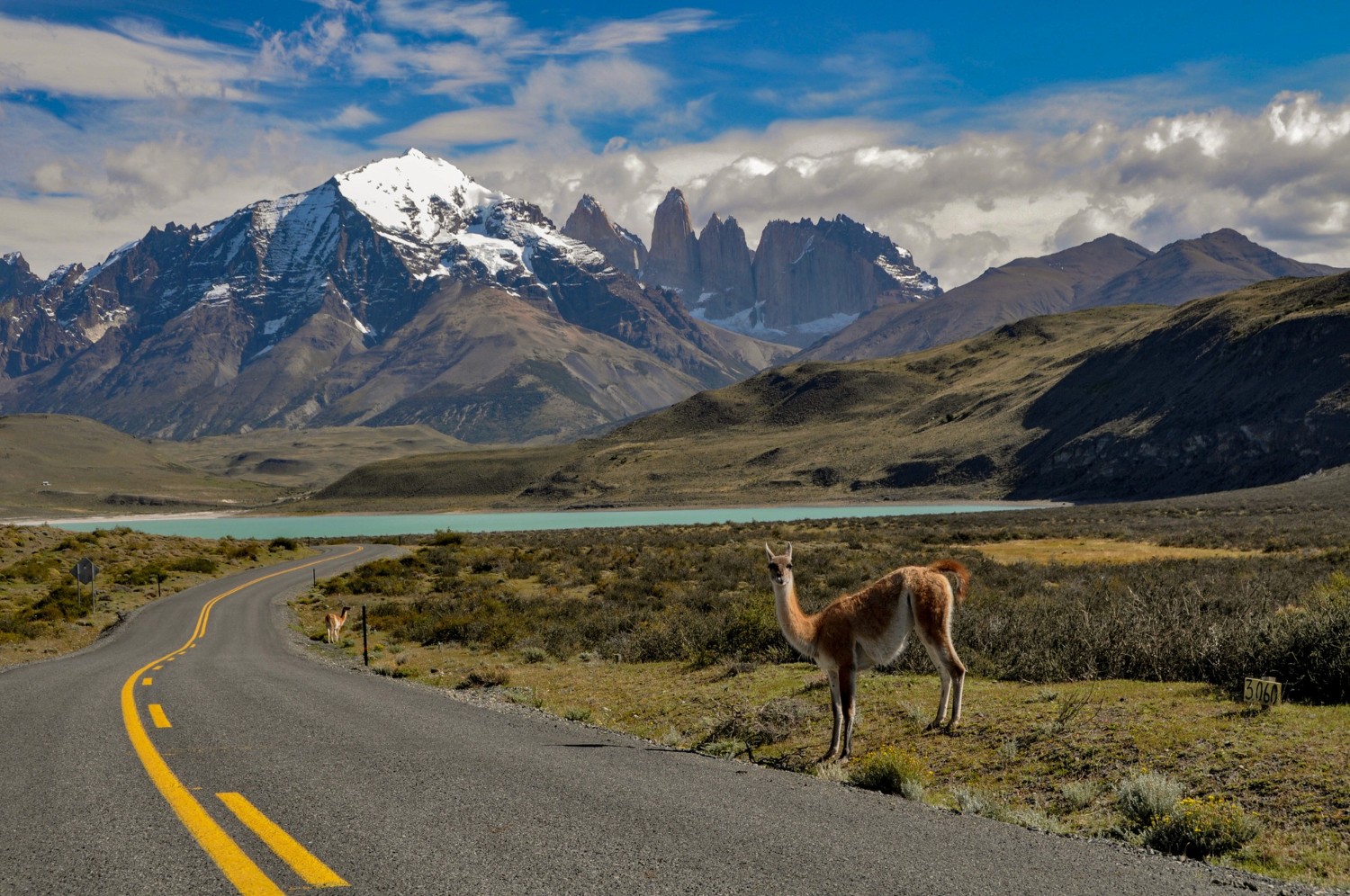
Torres del Paine stands as Chile's most iconic national park and one of the world's premier trekking destinations. The park's namesake granite towers pierce the sky above turquoise lakes, massive glaciers, and windswept pampas where guanacos graze beneath the watchful eyes of pumas. This UNESCO Biosphere Reserve combines dramatic mountain scenery with remarkable wildlife viewing opportunities.
Top Adventure Activities
The W Trek
This 4-5 day classic trek connects the park's highlights: the Base of the Towers, French Valley, and Grey Glacier. The 80-kilometer route traverses varied terrain from forest to glacial moraines, staying in refugios (mountain huts) or campsites. Moderate fitness required. This is one of the world's most spectacular multi-day hikes.
The O Circuit (Full Circuit)
For more adventurous trekkers, the complete circuit around the Paine massif takes 7-9 days and covers approximately 130 kilometers. This route includes the W Trek plus the more remote and challenging backside of the mountains through the John Garner Pass, where hikers cross near the Southern Patagonian Ice Field.
Torres del Paine Base Viewpoint Day Hike
The most popular day hike in the park climbs to the base of the three iconic granite towers. The 18-kilometer round trip gains 800 meters elevation and takes 8-10 hours. The final approach through boulder fields reveals the stunning towers rising above a glacial lake—one of photography's most sought-after compositions.
Glacier Grey Boat Trips & Kayaking
Navigate among icebergs calved from the massive Grey Glacier. Boat tours depart from the Grey Lodge area, offering close approaches to the glacier's ice face. Experienced kayakers can join guided paddling trips through the iceberg-studded waters.
Puma Tracking
Torres del Paine harbors one of Patagonia's highest puma densities. Specialized wildlife guides lead dawn and dusk excursions to areas where these magnificent cats hunt guanacos. Success rates for sightings are remarkably high, especially in autumn and winter (March-August).
How to Get There
From Puerto Natales (112 km): This gateway town serves as the primary base for Torres del Paine visits. Multiple transportation options exist:
Public Buses: Several companies operate daily buses from Puerto Natales to the park (3 hours). Buses drop passengers at various park entrances and key locations. Return buses must be booked separately. Service increases during peak season (November-March).
Private Transfers: Shared and private vans offer more flexible schedules than buses and will drop you at specific trailheads or hotels. Book through tour agencies or your accommodation.
Rental Cars: Paved and good gravel roads connect Puerto Natales to the park via two main routes. The road is suitable for any vehicle in good weather. Having your own vehicle provides flexibility to explore different park sections, though parking can be limited at popular trailheads.
From Punta Arenas (312 km): If arriving by air to Punta Arenas, you can catch buses directly to Puerto Natales (3 hours) and connect from there, or join organized tours that include transportation.
Organized Tours: Countless tour operators offer everything from day trips to luxury multi-day programs with stays in the park's premium hotels.
From Argentina: The park can also be accessed from El Calafate, Argentina, though this involves border crossings and longer travel times.
Within the Park: The park has an internal road system connecting major sites. Some shuttle buses operate between key locations during peak season. Many visitors combine hiking with short bus transfers to optimize their routes.
Entrance Fees: The park charges entrance fees (approximately $38 USD for foreigners in high season, less in low season). Payment must be made at entrance gates—credit cards accepted.
Planning Your Chilean National Park Adventure
When to Visit
Summer (December-February): Peak season offers the most stable weather and longest daylight hours. All facilities operate, but popular parks like Torres del Paine become crowded. Book accommodations and tours months in advance.
Shoulder Season (October-November, March-April): Excellent conditions with fewer crowds. Autumn colors paint the southern forests spectacular reds and golds. Some facilities may be closed in early spring or late autumn.
Winter (June-August): Northern desert parks remain accessible year-round. Southern parks experience heavy snow, limiting access but offering unique winter landscapes and better wildlife viewing (fewer tourists mean less disturbed animals). Many facilities close.
Essential Considerations
Altitude Awareness: Northern parks exist at extreme elevations. Acclimatize gradually, stay hydrated, and recognize altitude sickness symptoms. Spend at least one night at intermediate elevations before ascending above 4,000 meters.
Weather Preparedness: Patagonian weather changes rapidly. Pack layered clothing, quality rain gear, and windproof outer layers even in summer. The saying goes: "If you don't like the weather in Patagonia, wait five minutes."
Environmental Responsibility: Practice Leave No Trace principles. Carry out all trash, stay on marked trails, respect wildlife viewing distances, and follow camping regulations. These parks protect irreplaceable ecosystems.
Physical Fitness: Honestly assess your fitness level when choosing activities. Many park trails involve significant elevation gains and rough terrain. Start with easier hikes if you're unsure of your capabilities.
Permits & Reservations: Popular trails in Torres del Paine require advance camping reservations. Some parks limit daily visitors. Check current regulations and book early.
Getting Around Chile
Domestic Flights: Chile's extreme length makes flying practical for accessing distant parks. LATAM and Sky Airlines connect major cities including Santiago, Punta Arenas, Puerto Montt, and Calama.
Long-Distance Buses: Comfortable, affordable buses connect most Chilean cities. Companies like Turbus and Cruz del Sur offer overnight services with reclining seats.
Car Rentals: Renting vehicles provides maximum flexibility, especially for accessing multiple parks in one region. International driver's licenses recommended. Book in advance during peak season.
The Carretera Austral: This legendary highway through Patagonia connects many southern parks. The mostly gravel road requires careful driving but rewards with spectacular scenery. Multiple ferry crossings add adventure to the journey.
Practical Tips
Learn basic Spanish phrases—English is limited outside major tourist areas
Bring sufficient cash—many remote areas have no ATMs or card acceptance
Chilean pesos are essential, though some tourist services accept US dollars
Cell phone coverage is limited in remote parks—download offline maps
Food and supplies are expensive in park areas—stock up in larger towns
Travel insurance should cover adventure activities and medical evacuation
Inform someone of your itinerary when venturing into remote areas
Conservation & Respect
Chile's national parks protect ecosystems of global importance. As visitors, we have a responsibility to minimize our impact:
Never approach or feed wildlife
Stay on designated trails to prevent erosion
Use established campsites only
Pack out all waste, including organic waste
Use biodegradable soaps away from water sources
Respect quiet hours and other visitors' experiences
Support local communities by using local guides and services
Conclusion
From the flamingo-studded salt flats of the high Andes to the windswept islands at the end of the world, Chile's national parks showcase nature at its most spectacular and diverse. Whether you're summiting active volcanoes, trekking through ancient Araucaria forests, navigating among calving glaciers, or tracking pumas across the Patagonian steppe, these protected areas offer adventures that will remain etched in memory forever.
Chile's commitment to preserving over 20% of its territory as protected areas ensures that future generations can experience these wonders. Each park tells a story of geological forces, evolutionary adaptations, and ecosystem resilience. By visiting responsibly, we contribute to their conservation while enriching our own lives with transformative experiences in some of Earth's last great wilderness areas.
Which Chilean national park calls to you? Whether you have a week or several months, Chile's extraordinary diversity means there's always another glacier to witness, another trail to hike, another volcano to climb. The adventure of a lifetime awaits in Chile's magnificent national parks.
About Me
Veb
Hey there! I’m Veb and I've traveled solo and in groups for 10+ years in Patagonia - across Chile and Argentina.
I started Go Wild Patagonia with a desire to help other travelers plan their journeys in Patagonia with a focus on adventure, nature and being in the wilderness.
Say Thanks
Support my mission to make Patagonia more accessible for travelers while supporting local tour operators who organize only sustainable travels in Patagonia.
Read More
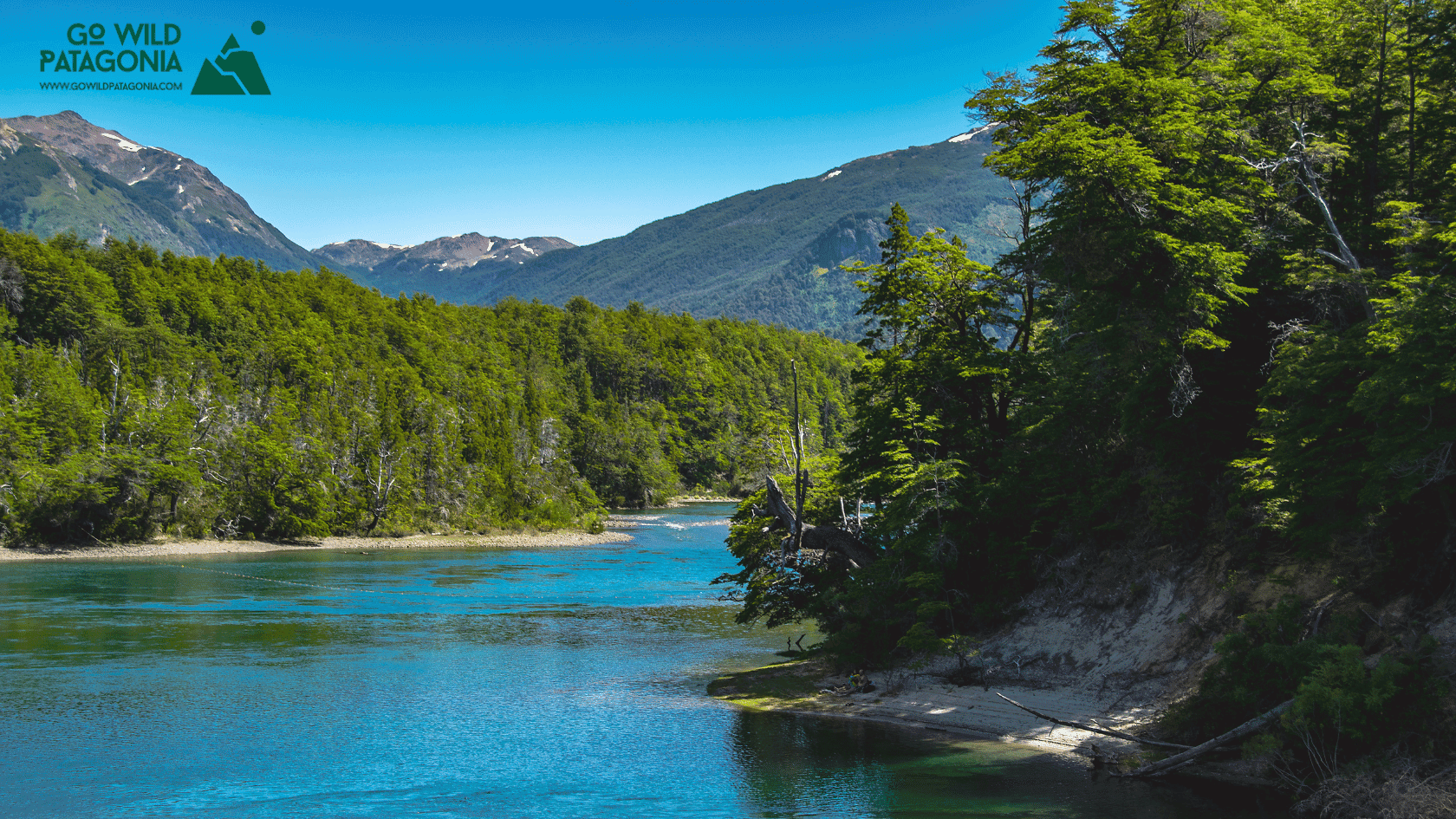
Chubut Province, Argentina — Cathedral of Ancient Trees Overview Los Alerces National Park protects 263,000 hectares of pristine Valdivian rainforest in Argentine Patagonia, home to some of the oldest living trees on Earth. The park's namesake—the alerce tree (Fitzroya cupressoides)—can live over 3,000 years, rivaling California's sequoias and bristlecone pines.
Update on Oct 24, 2025
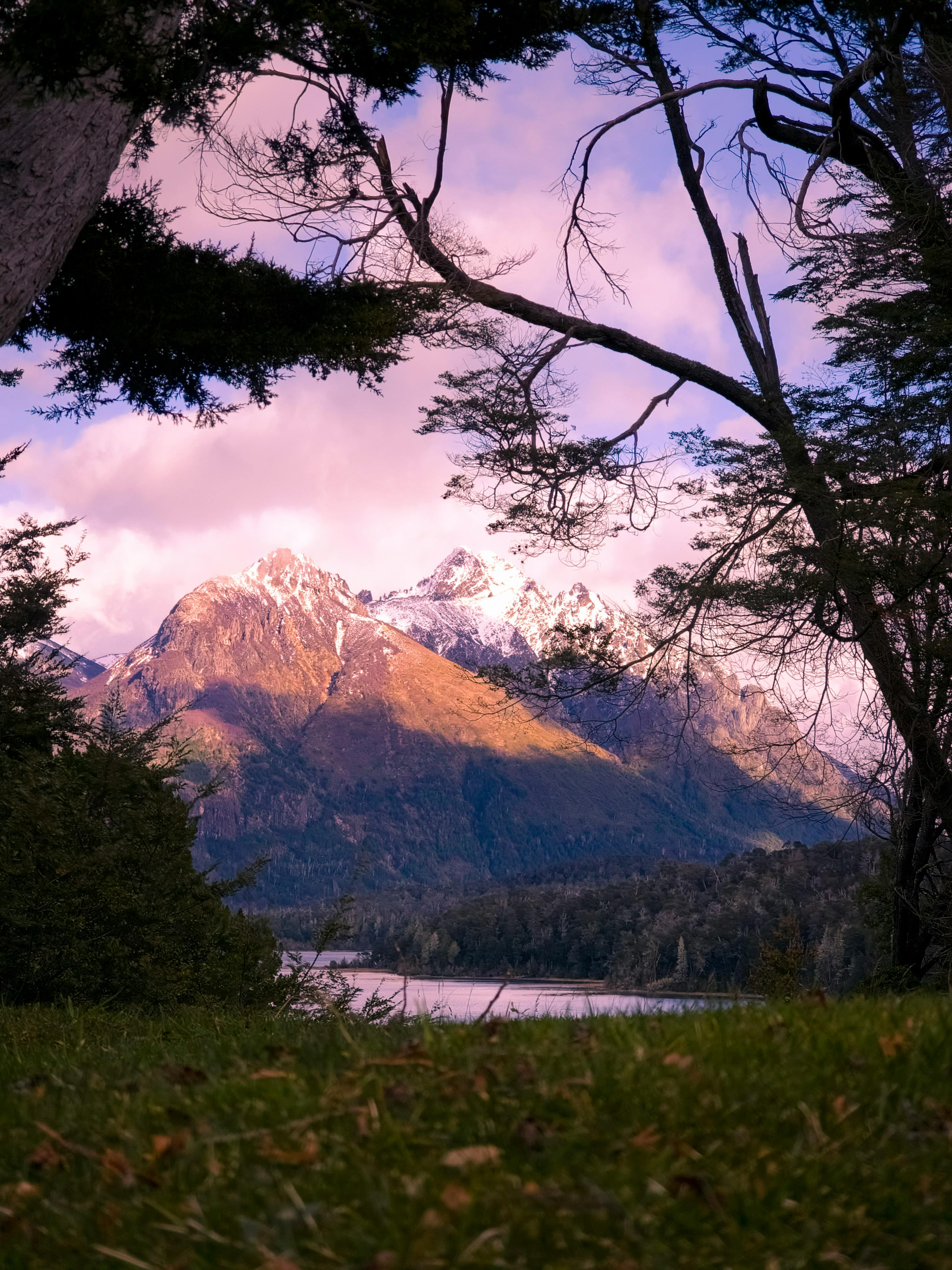
El Bolsón offers world-class hiking: Refugio Hielo Azul and Refugio Cajón del Azul sit in alpine cirques accessible via multi-day treks, Cerro Piltriquitrón (2,284m) provides panoramic summit views, and Cajón del Azul's turquoise canyon ranks among Patagonia's most photographed day hikes.
Update on Oct 24, 2025
Monte Leon National Park is Argentina's first coastal national park, protecting 40 km of dramatic Atlantic shoreline where the Patagonian steppe meets the sea.
Update on Oct 24, 2025