
When to Hike Patagonia's Most Epic Hiking Trails: Season-by-Season breakdown
Understanding Patagonian seasons isn't about finding the mythical "perfect month." It's about matching your timing to what you actually want. Love budget travel and don't mind unpredictable weather? October might be your golden ticket. Willing to pay premium prices for the most stable conditions? January delivers. Want spectacular fall colors with emptying trails? April could be your secret weapon. This guide breaks down what actually happens in Patagonia month by month, trail by trail, so you can stop wondering when to go and start planning the trip that matches your priorities.
When to Hike Patagonia's Most Epic Hiking Trails: Season-by-Season breakdown
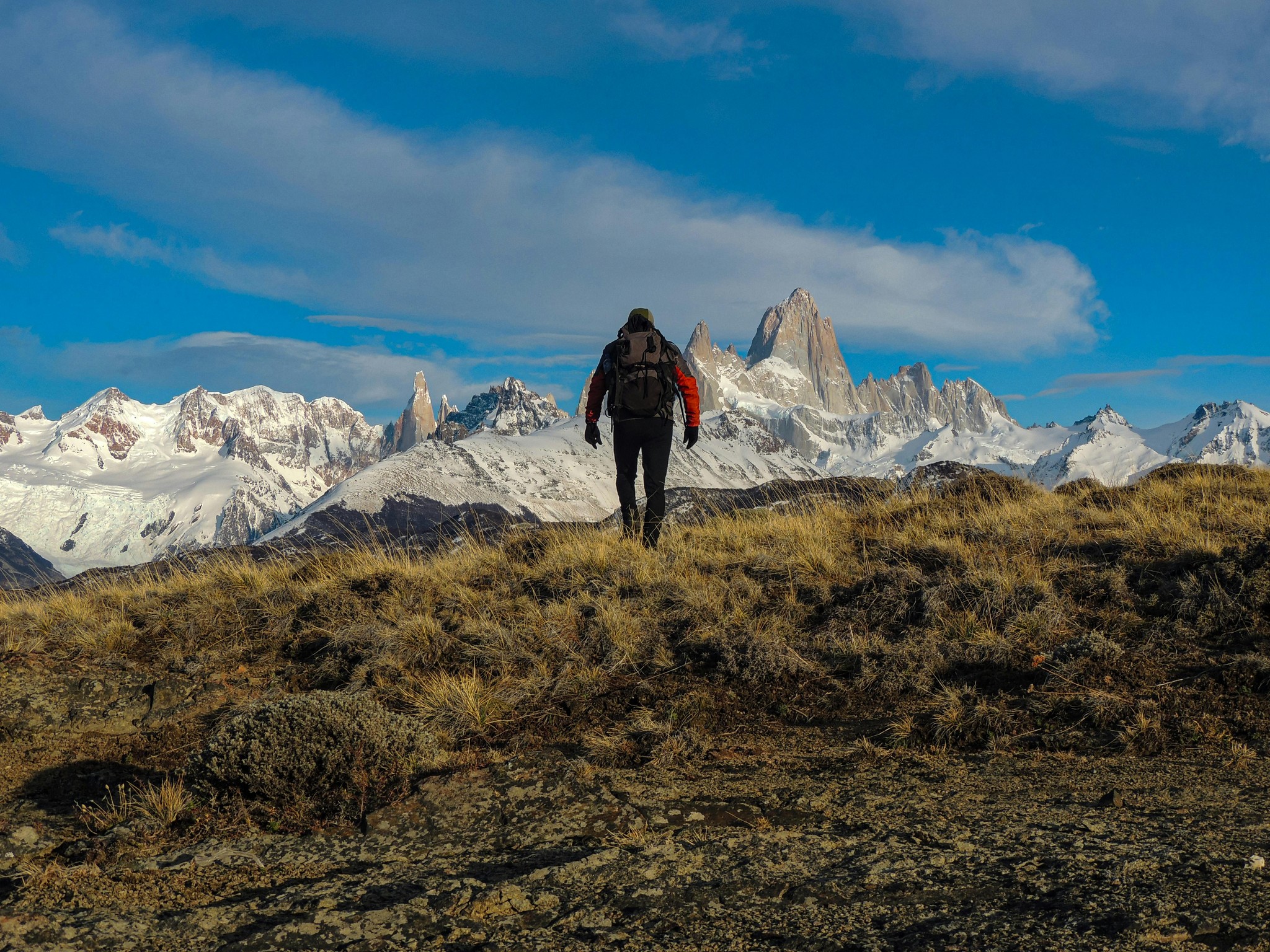
I've hiked the trail to Laguna de los Tres twice - once in late November, once in early March. Same trail. Completely different universe.
In November, I shared the viewpoint with maybe twenty other people, all of us bundled against cutting spring winds, celebrating every glimpse of Fitz Roy between racing clouds. In March, I had fall-golden forests to myself on the way up, stood at the lagoon with just three other hikers, and watched the granite spires glow in stable autumn light for a full hour.
Same distance. Same elevation gain. Radically different experiences.
Here's what nobody tells you about Patagonia: there's no single "hiking season." There are at least seven distinct periods, each offering completely different trail conditions, crowd levels, weather patterns, and experiences. The difference between visiting in January versus March isn't just preference—it fundamentally changes which routes are accessible, how much you'll pay, whether you'll be hiking in a conga line or blissful solitude, and what kind of Patagonia you'll actually see.
Most hiking guides tell you to come "November through March" and call it a day. That's like telling someone to visit Europe "during the warm months" without mentioning the difference between visiting Paris in June versus September. The advice isn't wrong—it's just uselessly broad.
Understanding Patagonian seasons isn't about finding the mythical "perfect month." It's about matching your timing to what you actually want. Love budget travel and don't mind unpredictable weather? October might be your golden ticket. Willing to pay premium prices for the most stable conditions? January delivers. Want spectacular fall colors with emptying trails? April could be your secret weapon.
This guide breaks down what actually happens in Patagonia month by month, trail by trail, so you can stop wondering when to go and start planning the trip that matches your priorities.
Understanding Patagonian Seasons
Climate Fundamentals
First, flip your calendar. Patagonia sits in the Southern Hemisphere, which means seasons run opposite to North America and Europe. When it's summer in New York, it's winter in El Chalten. December through February is peak summer here, while July is deep winter.
But Patagonia isn't just "upside-down seasons." The region's position—wedged between the Pacific Ocean and the Andean spine—creates some of the most dramatic and localized weather patterns on Earth.
On the Chilean side, moisture-laden winds from the Pacific slam into the Andes, dumping enormous precipitation in places like Torres del Paine. Cross over to the Argentine side, and you're in a rain shadow—drier, windier, but generally more stable. This means El Chalten and El Calafate often see clearer skies than Puerto Natales, even though they're barely 200 kilometers apart.
Then there's the wind. The infamous Patagonian wind isn't just strong—it's relentless, personality-altering, and peaks during specific months. Those beautiful photos of Torres del Paine with mirror-still lakes? Those happen during brief calm periods, usually at dawn, usually in shoulder seasons. Midday winds in January can literally knock you sideways on exposed ridges.
Weather systems move fast here. I've experienced all four seasons in a single afternoon: started hiking in sunshine, hit rain by lunch, encountered snow on the pass, and emerged into clear skies for sunset. This volatility is built into Patagonia's DNA, created by the collision of polar air masses with warmer northern systems. No month is immune to sudden shifts, but some are more stable than others.
The Seven Micro-Seasons
Forget the simple "summer hiking season" concept. Patagonia operates on a more nuanced calendar:
Early Spring (September-October) is the gamble. You'll get incredible solitude and rock-bottom prices, but you're essentially betting on weather. Some years see beautiful clear stretches. Other years, it's relentlessly stormy. Snow still blankets high passes, many refugios remain closed, and you need full winter camping gear even for "summer" routes.
Peak Spring (November) hits the sweet spot for many travelers. Weather stabilizes significantly—not perfect, but predictable enough for multi-day treks. Refugios open, services return, and trails see growing traffic but remain far from crowded. This is when savvy hikers book their W Trek permits, getting prime conditions before the hordes arrive. Wildflowers explode across the valleys, and you'll find a genuine hiking community forming in base towns.
Early Summer (December) brings the most dramatic shift. Suddenly, everyone shows up. The weather turns genuinely warm by Patagonian standards, with temps reaching into the low 20s Celsius. Days stretch incredibly long—sunset past 10 PM in some areas. All services operate at full capacity, tour buses arrive, and you'd better have booked your refugios months ago. But the trade-off is access: every route opens, snow melts from high passes, and you can finally attempt those ambitious circuits.
High Summer (January-February) is peak everything. Peak crowds, peak prices, peak services, and statistically the best weather of the year. Torres del Paine's W Trek becomes a literal highway of hikers. Popular viewpoints at Laguna de los Tres can host hundreds of people for sunrise. But here's the thing: the weather reliability makes technical routes accessible, dawn starts let you beat crowds, and the vibrant social scene has its own appeal. Some people thrive in this energy. Others find it soul-crushing.
Late Summer (March) is where magic happens for many travelers. The weather remains remarkably stable—often better than January—but crowds begin their exodus. By mid-March, trails feel spacious again. Refugios have availability. The first hints of fall color appear on beech trees. Temperatures cool slightly, making hiking more comfortable. This month combines peak-season conditions with shoulder-season benefits, and locals will tell you it's the best-kept secret.
Fall (April) appeals to the adventurous. Days shorten noticeably, temperatures drop, and precipitation increases. But the fall colors! The southern beech forests turn electric gold and copper, creating landscapes that summer visitors never see. Trails empty almost completely. Services begin closing. You need to be more self-sufficient and prepared for winter-like conditions, but if you can handle the uncertainty, April rewards you with a mystical, uncrowded Patagonia.
Winter (May-August) is for mountaineers, not hikers. Standard trekking routes close or become genuinely dangerous under snow and ice. Days shrink to barely eight hours of light. This is when you plan, train, and dream about returning.
What Changes Month-to-Month
Daylight hours swing wildly. In December, you get nearly seventeen hours of daylight—enough to hike from 6 AM to 11 PM if you're ambitious. By April, that drops to around eleven hours, forcing tighter schedules on multi-day treks. This affects not just your hiking time but also camp life, safety margins, and photography opportunities.
Temperature ranges tell a deceptive story. Summer "highs" might reach 20°C, but start your hike at 5 AM and you're setting out in near-freezing conditions. Add wind chill, and even January mornings require down jackets. The bigger shift happens between seasons: November mornings might hover around -5°C, while March mornings rarely drop below freezing. This difference means winter sleeping bags in spring, three-season bags in summer and fall.
Snow levels drop dramatically from September through January, opening higher passes and more technical routes. The Paso John Gardner on the O Circuit—treacherous with ice in November—becomes a straightforward (if strenuous) crossing by February. But snow isn't just about accessibility; it's about beauty. Fresh spring snow creates stunning contrasts against granite peaks, while summer's bare rock reveals different textures and colors.
Wind patterns intensify through summer, peaking in January and February. The prevailing westerlies roar across the steppes, making tent camping on exposed sites genuinely challenging. Shoulder seasons—November and March—tend to see calmer conditions, though Patagonia never truly goes windless.
Crowd density follows a predictable arc. September sees only the boldest adventurers. October adds early independent travelers. November brings the first wave of serious trekkers. December explodes. January and February hit maximum capacity. March sees a sharp drop-off. By April, you're back to nearly solitary hiking. This affects everything from trail etiquette to campsite availability to the vibe in mountain towns.
Pricing operates on a ruthless supply-and-demand curve. That refugio bed that costs 80,000 CLP in January? It might be 45,000 in November. Hostels in El Chalten charge double in peak season. Tour operators have high-season and low-season rates with dramatic spreads. If you're budget-conscious, avoiding January-February can cut your costs by 30-40% while barely compromising on weather.
Services availability creates hard limits. Many refugios on the W Trek don't open until late October and close by mid-April. Some mountain huts operate November through March only. Bus schedules reduce in shoulder seasons. This isn't just an inconvenience—it can make certain routes impossible or require significantly more self-sufficiency.
Month-by-Month Trail Guide
September: The Early Bird's Gamble
Let me be straight: September is for gamblers, masochists, or people with unlimited time who can wait out storms.
The weather reality? Still quite wintry. Snowstorms can dump significant accumulation even in the valleys. I've talked to hikers who've had glorious sunny weeks in September and others who've faced relentless storms for ten days straight. There's no pattern—just luck.
The best hikes focus on lower elevations where snow clears earlier. Valley trails around El Chalten—the easy walk to Laguna Capri, the river trail to Laguna Torre's base—work well. Around Puerto Natales, coastal routes and the easier trails in Torres del Paine's southern sections remain accessible. Forget anything that climbs high or requires multi-day camping in exposed locations.
Avoid high-altitude routes entirely. The approach to Laguna de los Tres could have waist-deep snow. Paso del Cuadrado between Laguna Torre and Fitz Roy? Dangerous and potentially impassable. The full W Trek? Refugios aren't open, and camping in potential blizzards requires winter mountaineering skills.
Crowds are nonexistent. You'll have trails to yourself in a way that's impossible to imagine if you've only visited in summer. That famous sunrise at Laguna de los Tres? Just you, the mountains, and total silence.
Why go? Budget prices drop to their absolute lowest. Hostels offer weekly rates that would make January visitors weep. Empty trails mean genuine wilderness solitude. And if you catch a clear week, spring wildflowers start emerging in sheltered valleys—tiny purple and yellow blooms pushing through the last snow patches.
The real story from travelers who've done September: cold camps, lots of reading days waiting out weather, magical moments when the storms break, and a sense of genuine adventure. You need winter sleeping bags, four-season tents, and the flexibility to change plans constantly.
October: The Risk-Taker's Reward
October is September's slightly more responsible sibling. Weather improves but remains volatile enough to keep casual tourists away.
Conditions stabilize compared to September, but you'll still see snow, wind, and cold snaps. The difference is that clear weather windows become more common and last longer. You might get three or four perfect days in a row—enough to knock out a serious day hike or quick overnight.
The best hikes lean toward El Chalten's day hikes. Laguna Torre becomes reliably accessible, offering stunning views with minimal snow. Laguna de los Tres is possible but can still be snowy on the final approach. In Torres del Paine, day trips from Puerto Natales work well—the hike to Base Torres, the French Valley day hike—but the full W Trek remains challenging since not all refugios open until late October.
Avoid the complete W Trek unless you're camping and genuinely prepared for winter conditions. Paso del Cuadrado still holds snow and ice. The full O Circuit isn't worth attempting—Paso John Gardner can be genuinely dangerous with ice on the exposed sections.
Crowds remain light. You'll encounter other hikers—early independent travelers who've done their homework—but trails never feel crowded. There's a camaraderie among October hikers, a shared sense of "we know something others don't."
Why go? The pricing sits between September's bargain basement and November's shoulder-season rates—still significantly cheaper than summer. More services open throughout the month, making logistics easier. And here's the insider tip: October is arguably the best month for glacier hiking. The ice appears brilliantly blue before summer sun dulls it, and tours run with a fraction of the crowds you'd encounter in January.
November: The Sweet Spot ⭐
November is the month I recommend most often to first-time Patagonia hikers who have schedule flexibility.
Weather stabilizes significantly. You'll still get storms—this is Patagonia—but clear stretches become predictable enough to plan multi-day treks. Temperature swings moderate. Snow melts from most hiking routes. The wind hasn't yet reached its summer fury.
The best hikes include basically everything. The W Trek becomes fully accessible as all refugios open, though you need to book now—as in, the moment you decide on November, book your refugios. Waiting until you arrive in Patagonia means finding everything full. All El Chalten day hikes work beautifully. The O Circuit becomes possible for experienced hikers, though Paso John Gardner might still have some snow.
Avoid nothing. This is genuinely the golden month where trade-offs minimize. If I had to nitpick, very high-altitude technical routes might still have challenging snow conditions, but those aren't on most hikers' radar anyway.
Crowds grow steadily but remain manageable. Early November feels like an extension of October—relatively quiet. Late November sees a noticeable increase as summer approaches, but even then, trails never reach the congestion of January. The social aspect hits a sweet spot: enough people to make friends, share trail beta, and create energy in the towns, but not so many that you're navigating human traffic.
Why go? Perfect balance. Weather good enough to trust, crowds light enough to breathe, prices reasonable enough to afford. For remote workers, November offers particular advantages: you're catching pre-summer accommodation rates, internet connectivity works well in the towns, and you'll find an active hiking community forming—people staying long enough to build friendships rather than rushing through on tight schedules.
The vibe in November combines optimism with possibility. Everyone's excited for summer, conditions keep improving through the month, and there's a pioneering feeling despite the growing infrastructure.
December: Summer Arrives
December marks the shift into unambiguous summer. Weather stabilizes dramatically, days stretch long, and suddenly Patagonia fills with people.
Conditions turn genuinely stable by Patagonian standards. Temperatures reach comfortable hiking ranges—15-20°C in the afternoons, rarely dropping below freezing at night. Days extend to sixteen-plus hours of light, allowing ambitious dawn-to-dusk hiking. Rain still happens, wind still blows, but predictability increases.
The best hikes encompass everything on your list. W Trek, O Circuit, all day hikes, technical approaches—it's all accessible. Snow melts from high passes. Rivers become crossable. Refugios operate at full capacity with full kitchens and social areas.
Avoid main viewpoints at midday if crowds bother you. Tour buses disgorge day-trippers to popular spots, creating temporary congestion. The Base Torres viewpoint can host hundreds of people between 11 AM and 3 PM in December.
Crowds reach high-season levels. Refugios fill completely. Campsites buzz with tent villages. Popular trails see steady traffic. This isn't necessarily bad—many people enjoy the social energy—but solitude becomes rare on famous routes.
Why go? Most reliable weather of the shoulder seasons. Longest days maximize hiking time. All services operate, making logistics simple. If you value stability and infrastructure over solitude, December delivers.
The strategy for December: book accommodations and refugios months in advance—like four to six months. Spontaneity becomes expensive or impossible. But if you plan ahead, December rewards you with accessible, reliable conditions.
January: Peak Madness
January is Patagonia's summer at maximum intensity. Best weather, worst crowds, highest prices, most infrastructure.
Weather hits its statistical peak. This doesn't mean perfect—Patagonia never promises that—but your odds of stringing together multiple clear days reach their annual high. Temperatures peak, though "peak" in Patagonia means maybe 22°C on a hot day. Wind reaches its strongest, particularly in exposed areas and around the ice fields.
The best hikes target technical routes requiring good weather. The approach to Cerro Torre, usually too exposed for casual hikers, becomes feasible for experienced mountaineers. Paso del Viento on the O Circuit—spectacular but weather-dependent—sees its best conditions. Any route requiring multiple consecutive clear days benefits from January's stability.
Avoid the W Trek if you hate crowds. Just avoid it. Unless you thrive in social environments and don't mind feeling like you're on a trekking highway, January's W Trek will test your sanity. Popular day hikes on weekends around El Chalten turn into actual lines of people on the final approaches to viewpoints.
Crowds hit absolute peak. Refugios book out months in advance. Campsites overflow. Towns buzz with constant arrivals and departures. Restaurants have waitlists. This is Patagonia at maximum capacity.
Why go? Best weather odds, period. If you have limited time and need reliability, January gives you the highest chance of success. The vibrant social scene appeals to many travelers—constant parties, easy friend-making, energetic town atmospheres. All tours operate, all services function, everything works smoothly.
How to cope: Start hikes at dawn—seriously, like 4 or 5 AM. You'll beat most crowds and catch the best light. Consider less popular routes: while everyone crowds the W Trek, the Dientes Circuit on Isla Navarino sees almost nobody. Embrace the circus: if you can't beat the crowds, make friends with them. Some of my best Patagonia memories come from January's chaotic social energy.
February: Still Summer, Slightly Saner
February is January with a bit of the pressure released.
Weather remains stable, comparable to January in most respects. Days start shortening noticeably—sunset around 9 PM instead of 10 PM—but you still have ample daylight. Temperatures stay warm. Statistically, February sometimes delivers better conditions than January, though the difference is marginal.
The best hikes mirror January's possibilities. All technical routes, all multi-day treks, all ambitious itineraries remain accessible. You get January's weather reliability without quite the same crushing crowds.
Avoid crowded spots midday, still, though the pressure eases compared to January. Weekends around popular areas still see heavy traffic, but weekdays become noticeably calmer.
Crowds remain high through early February, then begin dropping as families return for school and workers exhaust vacation time. By late February, you'll notice the difference—still busy, but breathing room appears.
Why go? Great weather without peak chaos. Many hikers consider February superior to January: marginally fewer people, comparable weather, slightly lower prices in some establishments. It's the "smart peak season" choice.
The wildcard: late February can see weather patterns shifting, previewing fall's arrival. Some years stay stable through the end; others see increased storminess in the final week. It's a small risk but worth knowing.
March: The Golden Month ⭐⭐
If November gets one star, March gets two. This is my personal favorite month, and locals will quietly tell you it's theirs too.
Weather remains remarkably stable—often better than January, honestly. The heat breaks slightly, making hiking more comfortable. Winds calm compared to peak summer. Fall colors begin appearing in the beech forests, first just hints of yellow, then building to spectacular golds by late March. Clear skies become common, though the shortening days mean you lose about an hour of light compared to January.
The best hikes: everything. Seriously, March might be the best month for the W Trek—stable weather, emptying trails, fall colors appearing. The O Circuit hits perfection: Paso John Gardner completely snow-free, stable weather, spectacular colors, and hardly anyone around. All day hikes around El Chalten glow with autumn light.
Avoid nothing. This is the complete package month.
Crowds drop significantly after mid-March. Early March still sees summer traffic, but once kids return to school globally, trails empty dramatically. By late March, you're approaching October's solitude levels while keeping January's weather stability.
Why go? Peak conditions with shoulder-season benefits. The weather stays excellent, colors add visual drama, trails empty, and prices start dropping. You get the best of everything: reliability, beauty, solitude, and reasonable costs.
For remote workers, March is paradise. Empty trails during the day, great weather for exploring, strong hiking community since people staying long-term tend to linger into March, and internet connectivity remains solid in the towns. You can work comfortably in cafes, then hike world-class trails in near-solitude.
I've met hikers who've experienced both January and March Patagonia, and the overwhelming majority prefer March. The fall colors alone—that electric gold of the beech trees against granite and snow—create landscapes January can't match.
April: The Brave Souls
April attracts a particular breed of traveler: those who prioritize beauty and solitude over reliability and comfort.
Weather cools fast. Temperature drops become noticeable, with mornings regularly below freezing and afternoons struggling to reach 10°C. Days shorten significantly—down to about eleven hours of light, meaning tighter schedules. Precipitation increases, and snow can return to higher elevations. Weather windows become shorter and less predictable.
The best hikes focus on day trips and short overnights. The valley hikes around El Chalten remain accessible and stunning with fall colors. Lower-elevation routes in Torres del Paine work well. Anything you can complete in a day or two with easy escape options makes sense.
Avoid multi-day high-exposure routes. The O Circuit becomes genuinely dangerous—early snowstorms can trap hikers on Paso John Gardner with potentially deadly consequences. Even the W Trek pushes into risky territory by late April. If you can't bail easily when weather turns, don't attempt it.
Crowds almost completely vanish. Services begin closing. Refugios shut down for winter. Bus schedules reduce. You need significantly more self-sufficiency—carrying more food, being able to handle emergencies, having backup plans when services aren't available.
Why go? The fall colors reach peak intensity in early April, creating landscapes that feel like Patagonia's secret season. The emptiness borders on eerie—trails that hosted thousands in January now see you alone for hours. There's a mystical, end-of-season atmosphere that some people find magical.
The reality check: be prepared for winter conditions to appear suddenly. That multi-day trek could turn into a survival situation if an early winter storm hits. Have proper gear, conservative plans, and the skills to stay safe when conditions deteriorate.
May-August: The Extreme Minority
Winter in Patagonia is for mountaineers, not hikers.
Weather turns genuinely harsh. Snow blankets the landscape. Storms rage for days. Temperatures drop well below freezing. Days shrink to barely eight hours of light in June-July. This isn't hiking weather—it's winter mountaineering conditions.
The best hikes don't exist for normal trekking. Technical winter mountaineering routes become possible for experts with proper gear and experience. Ski mountaineering attracts a tiny contingent. But standard hiking routes? Closed, dangerous, and buried under snow.
Avoid everything hikers typically do in Patagonia. The trails you came to see are inaccessible.
Crowds are nonexistent except at winter ski resorts near Bariloche and Ushuaia.
Why go? Only if you're specifically into winter mountaineering or skiing. Otherwise, this is when you stay home, plan your next trip, and train for the coming season.
The alternative: use winter for research, planning, and skill-building. Study maps, read trip reports, improve your Spanish, build conditioning, and count down until September.
Route-Specific Timing Deep Dive
W Trek Seasonal Strategy
The W Trek—Torres del Paine's most famous route—deserves its own seasonal breakdown because timing affects it more dramatically than almost any other Patagonian hike.
September is too early. Refugios remain closed, snow covers high points, and weather creates genuine danger. Don't attempt it.
October becomes possible by late in the month, but you're limited. Some refugios open, some remain closed, forcing complicated logistics. Camping in potential snow requires serious experience. Only consider this if you're very experienced and flexible.
November through March represents prime time, but with crucial nuances. November offers the sweet spot of opening season: refugios available, weather stabilizing, crowds manageable, and you can still book permits without months of advance planning. December through February bring peak conditions but also peak crowds—expect packed refugios, busy trails, and a significantly different experience than the "wilderness trek" you might imagine. March combines the best of both: excellent weather, fall colors, and dramatically reduced crowds after mid-month.
April cuts it close. Early April works for experienced hikers who move fast and monitor weather obsessively. Late April risks sudden winter storms that can close routes mid-trek.
The best months if you're optimizing for weather plus crowds: November and March, hands down. You get reliable conditions without the January madness.
The worst month if you hate crowds: January. The W Trek becomes a literal highway of hikers. You'll have company at every viewpoint, refugios feel like hostels during spring break, and solitude becomes impossible. But if you enjoy the social scene and don't mind the crowds, January's stability has appeal.
Booking strategy by season: For January-February, book refugios six months ahead. For November and March, three to four months suffices. December requires four to five months. October might allow more spontaneity, but options will be limited.
O Circuit Timing
The O Circuit—the full loop around Torres del Paine that includes the challenging Paso John Gardner—has harder seasonal limits than the W Trek.
When it's safe: December through March only. Before December, snow and ice on Paso John Gardner create dangerous conditions even for experienced hikers. After March, winter weather returns too unpredictably.
The best month: March, decisively. Weather stability remains high, the pass is completely snow-free, fall colors provide spectacular scenery, and you'll encounter far fewer people than summer months. I've talked to O Circuit veterans who did it in both January and March, and all preferred March.
Why not earlier than December: Paso John Gardner—the circuit's crux—involves exposed hiking at elevation where weather changes rapidly. Snow and ice on the pass create genuine avalanche risk and dangerous footing. November attempts occasionally succeed but involve significant risk. Park rangers actively discourage November attempts.
Solo considerations: Don't attempt the O Circuit solo in shoulder seasons (November, March) unless you're highly experienced with navigation, glacier travel, and winter camping. Summer months (December-February) are safer for solo hikers due to more consistent traffic and better weather reliability.
Camping versus refugios: The O Circuit offers both, but camping gives you flexibility in shoulder seasons when refugios might not all be open. Mid-summer sees both options fully available.
El Chalten Day Hikes
El Chalten's day hikes offer more seasonal flexibility than multi-day treks, but timing still matters.
Year-round options exist for valley trails. The path to Laguna Capri, the river trail partway to Laguna Torre, and the town trail to Mirador de los Condores work even in shoulder seasons, though weather obviously affects conditions.
Best for iconic views: November through March for Laguna de los Tres and Laguna Torre. These high-elevation viewpoints need snow clearance and reasonable weather to deliver their famous vistas. Attempting them in October might work but could involve snow trudging and limited views. April attempts work early in the month but risk deteriorating conditions.
Summer strategy: Start at dawn to beat weather changes. Patagonia's weather typically deteriorates through the day, so hitting viewpoints by 8 or 9 AM gives you the best chance of clear skies. This also beats crowds—sunrise at Laguna de los Tres with ten people feels completely different than midday with two hundred.
Shoulder season magic: April's fall colors transform these trails. The beech forests glow gold, creating foreground interest that summer's green lacks. November offers spring wildflowers and fresher snow on the peaks. Both shoulder seasons provide smaller crowds and more intimate experiences.
The Fitz Roy viewpoint gamble: Fitz Roy notoriously hides in clouds. Your odds of seeing it improve in stable weather months (December-February), but I've had clear views in November and April too. The mountain doesn't follow a schedule.
Glacier Hikes
Glacier hiking—particularly on Perito Moreno and the glaciers around El Chalten—operates on a different seasonal calendar than regular hiking.
Best time: October through November. The ice appears its bluest before summer sun works on it, crevasses are clearly defined, and tours run without summer crowds. I've done glacier walks in both October and February, and the ice color difference is dramatic—October's deep sapphire versus February's paler blue.
Also great: March through early April. The ice has melted out all summer, creating impressive formations, and tourists have largely left. Conditions remain stable enough for safe walking.
Summer considerations: December through February see more meltwater, which creates spectacular runoff and rivers on the glacier surface but also means grayer ice as sediment gets exposed. The glacier remains safe for guided tours but loses some visual punch.
Why winter is impossible: Access roads close, ice conditions become dangerous with snow covering crevasses, and no tour operators run. The glaciers sit dormant until spring.
Perito Moreno specifically: This glacier works year-round for viewing from the walkways, but on-ice tours follow the seasonal pattern above. March offers a special advantage: tour sizes shrink while conditions remain excellent.
Multi-Day Backcountry
For off-trail routes, remote valleys, and backcountry exploration beyond established trails:
Only attempt: December through March. Before December, snow closes routes and creates hazards. After March, winter conditions return too quickly.
Best month: February into early March. Weather stability peaks, snow has melted from all but the highest elevations, river crossings become manageable, and you've got enough daylight for long days. Late March pushes the season as days shorten and weather becomes less stable.
Why not November: Snow still blankets higher elevations, rivers run high with snowmelt, and weather remains too variable for routes without refugios or easy bailout options. The Huemul Circuit—a challenging multi-day trek—barely works in November but shines in February.
Skill requirement increases outside these months: Attempting backcountry routes in shoulder seasons means winter camping skills, snow navigation ability, and serious risk management. These aren't casual trips.
Permit considerations: Some backcountry areas require permits that are only issued during specific months, aligning with safe conditions. Check with local ranger stations.
Weather Strategy & Flexibility
Reading Patagonian Weather
Understanding Patagonian weather patterns transforms you from victim to strategist.
Wind forecasts matter most. While hikers obsess over rain, wind creates the bigger challenges—making tent camping miserable, creating dangerous conditions on exposed ridges, and limiting photography. Learn to read wind forecasts for specific valleys. The Windy app works well in Patagonia, showing wind patterns at different elevations. A forecast showing 60+ km/h winds means reconsider exposed routes; 20-30 km/h is typical and manageable.
How to interpret changing conditions: Patagonia weather moves fast. Lenticular clouds forming over peaks signal incoming storms within 12-24 hours. Clearing skies in the evening often mean good conditions tomorrow morning. Locals talk about "weather windows"—periods of stable conditions lasting 2-4 days between storm systems. Learning to recognize these windows helps you plan.
Using local knowledge and real-time reports: Hostel owners, tour operators, and ranger stations track weather obsessively. They'll tell you what's coming and what's worth attempting. Their forecasts often beat apps because they combine data with decades of local pattern recognition.
Weather apps that actually work: Windy.com provides detailed wind forecasts. Yr.no (Norwegian meteorological service) offers surprisingly accurate Patagonia forecasts. Mountain-forecast.com works for specific peaks. Local apps in Argentina and Chile sometimes give hyperlocal predictions.
The key insight: In Patagonia, weather windows matter more than overall seasonal patterns. A good three-day window in October beats a mediocre week in January for specific objectives.
Building Flexible Itineraries
Rigid schedules fail in Patagonia. Flexibility succeeds.
The "weather window" approach means planning your trip around chunks of good weather rather than fixed dates. Instead of "I'm hiking the W Trek March 15-19," think "I'm hiking the W Trek during the best weather window in mid-March." This requires flexibility, but dramatically improves success rates.
Having Plan A, B, and C: Say you're planning Laguna de los Tres. Plan A is the full hike on a clear day. Plan B is attempting it in marginal weather, knowing you might not see the summit. Plan C is a lower-elevation alternative like Laguna Capri if weather is terrible. Having options prevents wasted days and frustration.
Why rigid schedules fail: I've watched hikers complete the W Trek in complete whiteout because they "had to" stick to their reservations. They saw nothing, suffered through terrible conditions, and left bitter. Meanwhile, flexible travelers waited two days, caught a perfect weather window, and had transformative experiences.
Remote work advantage: If you can work remotely, you have ultimate flexibility. Bad weather day? Work from a cafe. Weather window opens? Drop everything and hike. This approach requires understanding employers and self-discipline, but the payoff is enormous.
Banking good weather: If you wake to perfect conditions, capitalize on it—even if it's not "the day" for that hike. In Patagonia, clear skies are currency. Spend them on high-priority objectives, rearrange other plans around them.
Backup Plans for Bad Weather
Storm days happen. Smart travelers have strategies.
Indoor adventures in each base town: El Chalten offers excellent cafes for working, a brewery for socializing, and a small but good bookstore. Puerto Natales has museums, craft beer bars, and coworking spaces. El Calafate provides glacier museums and lakefront walks. Punta Arenas has historical museums and penguin colonies nearby.
Lower-elevation alternatives: When high routes close, valley hikes work. Around El Chalten, the river trail offers beautiful walking even in mediocre weather. In Torres del Paine, shoreline trails provide scenery without exposure.
When to wait versus when to push: Wait for truly dangerous conditions—high winds, whiteouts, severe storms. Push through light rain or moderate wind if the route is safe and you have proper gear. Patagonia never promises perfect weather; some discomfort is normal.
Making the most of down days: Use storm days for logistics—resupplying food, organizing gear, researching upcoming routes. Socialize with other hikers, sharing beta and building community. Rest genuinely—hiking in Patagonia is demanding, and extra recovery days improve performance.
The mental game: Down days test patience. Accepting them as part of the Patagonia experience rather than fighting them reduces frustration. Some of my favorite memories come from storm days in cozy cafes, swapping stories with other stranded hikers.
Community Intelligence
Other hikers become your best resource in Patagonia.
How hikers share real-time conditions: In every base town, the hiking community shares constant updates. Someone just came down from Laguna de los Tres? They'll report conditions at the hostel that night. This real-time beta beats any app.
Best sources for trail reports: Hostel common rooms, ranger stations, and tour operator offices provide current information. Some hostels maintain whiteboards with recent trip reports. Park ranger stations offer official updates on trail closures and hazards.
Social media groups and WhatsApp networks: Facebook groups like "Torres del Paine Travel Info" and "El Chalten Travelers" share live updates. WhatsApp groups form organically among hostel-mates, creating networks for sharing conditions, arranging rideshares, and coordinating hikes.
Learning from locals versus tourists: Locals provide pattern knowledge—"This weather usually breaks by afternoon"—while fellow tourists offer immediate conditions—"The trail to Laguna Torre was muddy but passable this morning." Combine both perspectives.
The hostel intelligence network: Stay at popular hiking hostels, and you'll plug into an incredible information stream. Evening conversations in common rooms often include detailed route breakdowns, gear recommendations, and weather predictions.
Long-Term Traveler Strategy
Multi-Month Approach
Spending multiple months in Patagonia transforms your experience from tourist to something deeper.
Experiencing multiple seasons intentionally: Arriving in November and staying through March lets you watch the progression. You'll see spring's hesitant blooms, summer's full explosion, and fall's golden transition. Each phase offers different hiking opportunities and challenges.
The September-to-April explorer: This full seasonal arc—spring through fall—gives you the complete Patagonia picture. You'll understand why locals love different months, catch the best conditions for various routes, and develop expertise that brief visitors never achieve.
Building skills progressively: Start with valley hikes in November, progress to day hikes as weather improves, attempt multi-day treks in December, tackle technical routes in January, and finish with fall colors in March. This natural progression builds competence while maximizing success.
Seasonal work opportunities: El Chalten, Puerto Natales, and El Calafate all hire seasonal workers—hostel staff, tour guides, restaurant workers. Working a season while hiking on days off is common among long-term travelers. Peak hiring happens October-November for summer season.
The rhythm of long-term travel: Unlike tourists rushing through highlights, long-term travelers develop routines. Regular cafes, friend groups, favorite trails. You become part of the community rather than passing through it.
Return Visitor Planning
Many Patagonia hikers return multiple times, each visit revealing new layers.
Why people come back different seasons: First-timers often visit summer for reliability. Return visitors explore shoulder seasons for solitude and different scenery. Veterans might attempt April or October, seeking conditions most travelers never see.
The spring explorer versus the fall color chaser: Spring visitors get wildflowers, blue glacier ice, and building excitement. Fall visitors get colors, emptying trails, and mellow energy. Both experiences feel completely different despite covering the same geography.
Lifetime Patagonia strategy: Some hikers plan a lifetime relationship with Patagonia—visiting different seasons over years, attempting progressively harder routes, exploring remote areas. This approach treats Patagonia not as a checkbox but as a relationship.
Building on previous knowledge: Return visitors arrive knowing what worked last time, what to skip, and what to prioritize. They've refined gear, understand weather patterns, and can plan more ambitious trips.
Different companions, different trips: Going solo versus with partners versus in groups creates distinct experiences. Returning with different companions lets you experience familiar places through new perspectives.
Climate Change Considerations
Patagonia's seasons are shifting, requiring awareness and adaptation.
How seasons are shifting: Long-term locals report warming trends, decreasing snowpack, and more erratic weather patterns. Summer heat waves that were rare twenty years ago now occur regularly. Spring comes slightly earlier, fall extends later.
Increasing weather volatility: While overall patterns shift toward warmer, individual weather events become more extreme. Bigger storms, stronger winds, more dramatic temperature swings between systems.
What old-timers say versus current reality: Rangers and longtime residents remember when snow reliably covered passes until mid-December, when January always had stable weather, when fall arrived predictably in late March. Those certainties have eroded. Current reality requires more flexibility than historical patterns suggest.
Planning for uncertainty: Climate change adds another layer of unpredictability to already variable Patagonian weather. This means building even more buffer time, having more backup plans, and accepting that "normal" seasonal patterns are increasingly unreliable.
Glacier retreat: Glaciers throughout Patagonia are retreating noticeably. Routes that once required glacier crossings now expose bare rock. This changes some backcountry routes and affects timing for glacier-dependent hikes.
Practical Planning Tools
Booking Timeline
When to book refugios by month of visit:
January-February visits: Book 5-6 months ahead, seriously. Popular refugios on the W Trek sell out completely.
November and March visits: Book 3-4 months ahead for best selection.
December visits: Book 4-5 months ahead.
October visits: Book 2-3 months ahead, though some refugios may not confirm opening dates until closer to season.
Accommodation booking windows:
Peak season (Dec-Feb): Book hostels and hotels 2-3 months ahead in El Chalten and Puerto Natales.
Shoulder season (Nov, Mar): Book 3-6 weeks ahead for popular places.
Off-season (Sep-Oct, Apr): Can often book week-of, though best places still fill.
Tour reservation timing:
Perito Moreno glacier tours: Book 1-2 weeks ahead in summer, week-of in shoulder seasons.
Multi-day guided treks: Book 3-6 months ahead for summer dates.
Specialty tours (ice climbing, mountaineering): Book 2-4 months ahead.
Flight booking sweet spots:
International to Buenos Aires/Santiago: Book 2-4 months ahead.
Domestic to El Calafate/Puerto Natales/Punta Arenas: Book 6-10 weeks ahead for best prices.
Last-minute deals: Sometimes appear 2-3 weeks before travel in shoulder seasons, but it's a gamble.
Packing by Season
September-October: Winter Gear Required
Four-season tent if camping
-10°C or colder sleeping bag
Down jacket, insulated pants
Full waterproof rain gear
Winter hiking boots
Multiple warm layers
Goggles for wind/snow
November-February: Summer with Winter Backup
Three-season tent sufficient
-5°C to 0°C sleeping bag
Down jacket for camps and mornings
Complete rain gear
Trail runners or light hiking boots work
Layering system: base, mid, shell
Sun protection (surprisingly strong)
Still bring warm hat and gloves
March-April: Transitional Wardrobe
Three-season tent, consider four-season for April
-5°C to -10°C sleeping bag
Heavier down jacket
Comprehensive rain gear
Warmer boots
Extra warm layers
Gloves and warm hat essential
Layering Strategies Year-Round The key in every season: layers. Mornings start cold even in January, afternoons warm up, evenings cool down. Wind changes everything. Having multiple thin layers beats single thick layers. Merino wool base layers work across all seasons. Always pack more warmth than forecasts suggest—Patagonian weather punishes optimists.
Budget Variations
Peak Season Pricing (December-February)
Refugio beds: 80,000-120,000 CLP
Hostel dorms: 25,000-40,000 CLP
Mid-range hotels: 100,000-180,000 CLP
Restaurant meals: 12,000-20,000 CLP
Bus services: Premium pricing
Tours: Full rates, limited discounts
Shoulder Season Deals (November, March)
Refugio beds: 45,000-80,000 CLP
Hostel dorms: 15,000-28,000 CLP
Mid-range hotels: 60,000-120,000 CLP
Restaurant meals: 10,000-18,000 CLP
Bus services: Standard rates
Tours: Early/late season discounts common
Off-Season Bargains (September-October, April)
Refugios: Limited availability, 40,000-60,000 CLP where open
Hostel dorms: 12,000-22,000 CLP
Mid-range hotels: 45,000-90,000 CLP
Restaurant meals: 8,000-15,000 CLP
Bus services: Reduced schedules, lower prices
Tours: Deep discounts, limited options
Where Seasonal Pricing Matters Most Refugios show the most dramatic spreads—sometimes 100% difference between October and January. Accommodation in base towns varies 40-60% between seasons. Food prices stay relatively stable. Tours vary 20-40%. Transportation shows moderate seasonal variation. If budget matters, avoiding January-February can cut total costs by 30-40%.
Physical Preparation
Training Timelines by Season
For summer trips (Dec-Feb): Begin training 12-16 weeks before, building gradually.
For shoulder season (Nov, Mar): Add extra conditioning—marginal weather punishes weakness. Start 16-20 weeks out.
For spring/fall attempts (Oct, Apr): Need higher fitness and technical skills. Begin 20+ weeks before, include winter training.
How Season Affects Difficulty The same trail becomes harder in shoulder seasons. Snow adds difficulty and danger. Wind requires more energy. Cold saps strength faster. Shorter days compress schedules. November's Laguna de los Tres hike involves more elevation gain (snow) and worse weather than January's version.
Altitude and Acclimatization While Patagonia isn't high altitude by Himalayan standards, passes reach 1,200+ meters, and starting from sea level means feeling the elevation. Earlier in the season, when snow covers trails, you're working harder at altitude. Consider arriving a few days early for gentle acclimatization on valley trails.
Season-Specific Conditioning
Spring/fall attempts: Include winter hiking, snow travel, cold weather camping.
Summer trips: Focus on endurance and consecutive day hiking.
Technical routes anytime: Add scrambling practice, glacier skills, navigation training.
Last Words
There is no singular "best" season for Patagonia hiking. There's only the best season for what you want.
If you prioritize stable weather and don't mind crowds or prices: January delivers reliable conditions when you need them most.
If you value solitude and have flexibility for weather gambling: November or March offer spectacular hiking with space to breathe.
If you chase fall colors and mystical atmospheres: April rewards the bold with landscapes summer visitors never see.
If you're budget-conscious and adventurous: October provides access at bargain prices if you can roll with volatility.
If you want the complete Patagonia experience: Spend multiple months watching seasons shift, catching each phase at its peak.
Understanding these seasonal nuances transforms you from a tourist hoping for the best to a strategist maximizing your specific priorities. It lets you book refugios at the right time, pack appropriate gear, set realistic expectations, and ultimately have the Patagonia experience you actually want rather than the one you stumble into.
The hikers I've met who love Patagonia most deeply are those who've experienced multiple seasons. They've seen Torres del Paine in November's fresh snow and March's fall gold. They've hiked Laguna de los Tres in January's crowds and April's solitude. They understand that Patagonia isn't one place—it's seven different places depending on when you visit.
My advice? Pick your first season based on this guide. Experience it fully. Then start planning your return for a different time of year. Patagonia rewards those who come back, who learn its rhythms, who understand that timing isn't about finding perfection—it's about matching conditions to what moves you.
The mountains aren't going anywhere. But the seasons cycle endlessly, each offering something the others can't. Your only job is deciding which version of Patagonia you want to meet first.
Now stop reading and start planning. Pick your month, book those refugios, and get ready for whichever Patagonia you're about to discover.
About Me
Veb
Hey there! I’m Veb and I've traveled solo and in groups for 10+ years in Patagonia - across Chile and Argentina.
I started Go Wild Patagonia with a desire to help other travelers plan their journeys in Patagonia with a focus on adventure, nature and being in the wilderness.
Say Thanks
Support my mission to make Patagonia more accessible for travelers while supporting local tour operators who organize only sustainable travels in Patagonia.
Read More
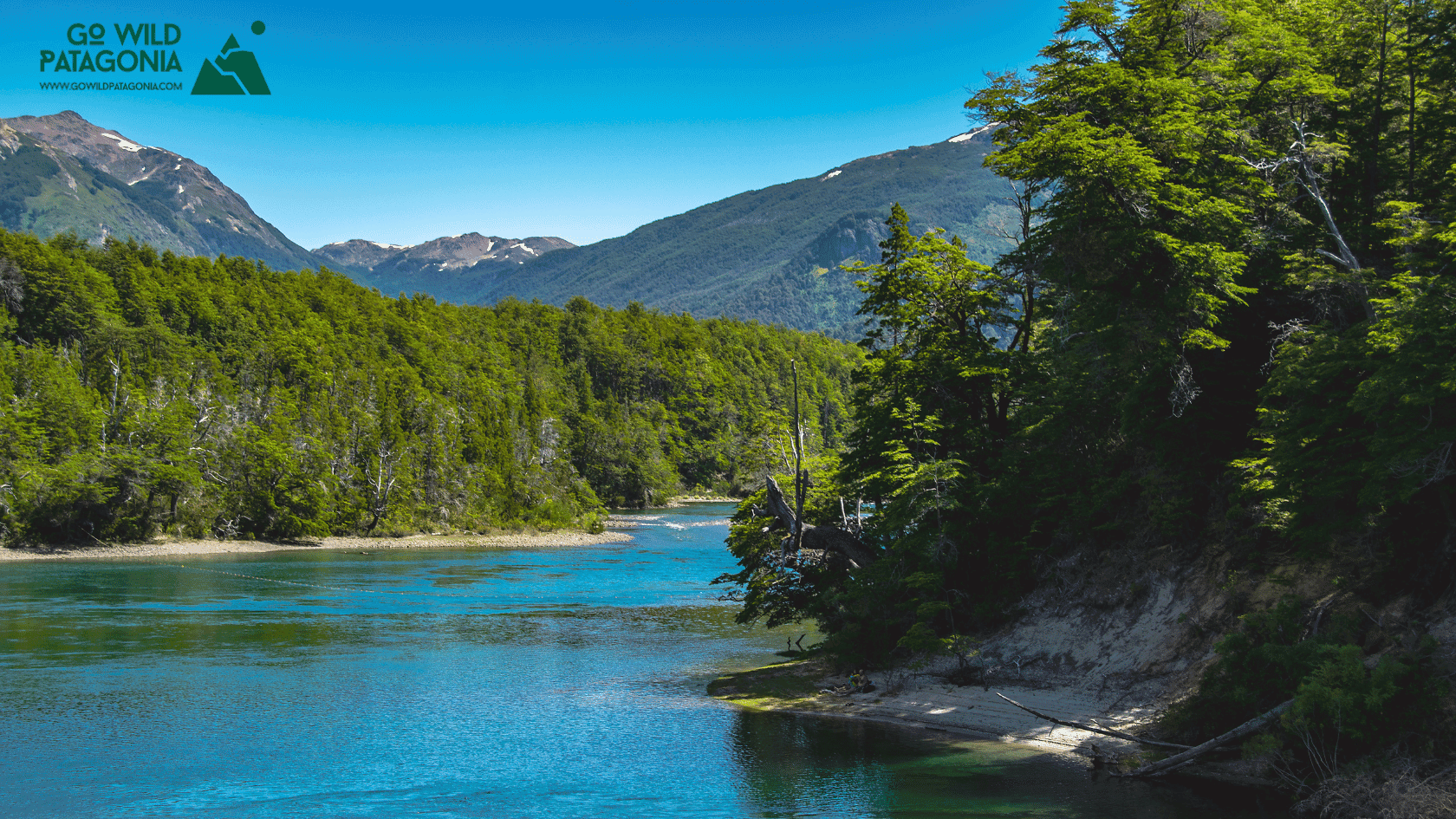
Chubut Province, Argentina — Cathedral of Ancient Trees Overview Los Alerces National Park protects 263,000 hectares of pristine Valdivian rainforest in Argentine Patagonia, home to some of the oldest living trees on Earth. The park's namesake—the alerce tree (Fitzroya cupressoides)—can live over 3,000 years, rivaling California's sequoias and bristlecone pines.
Update on Oct 24, 2025
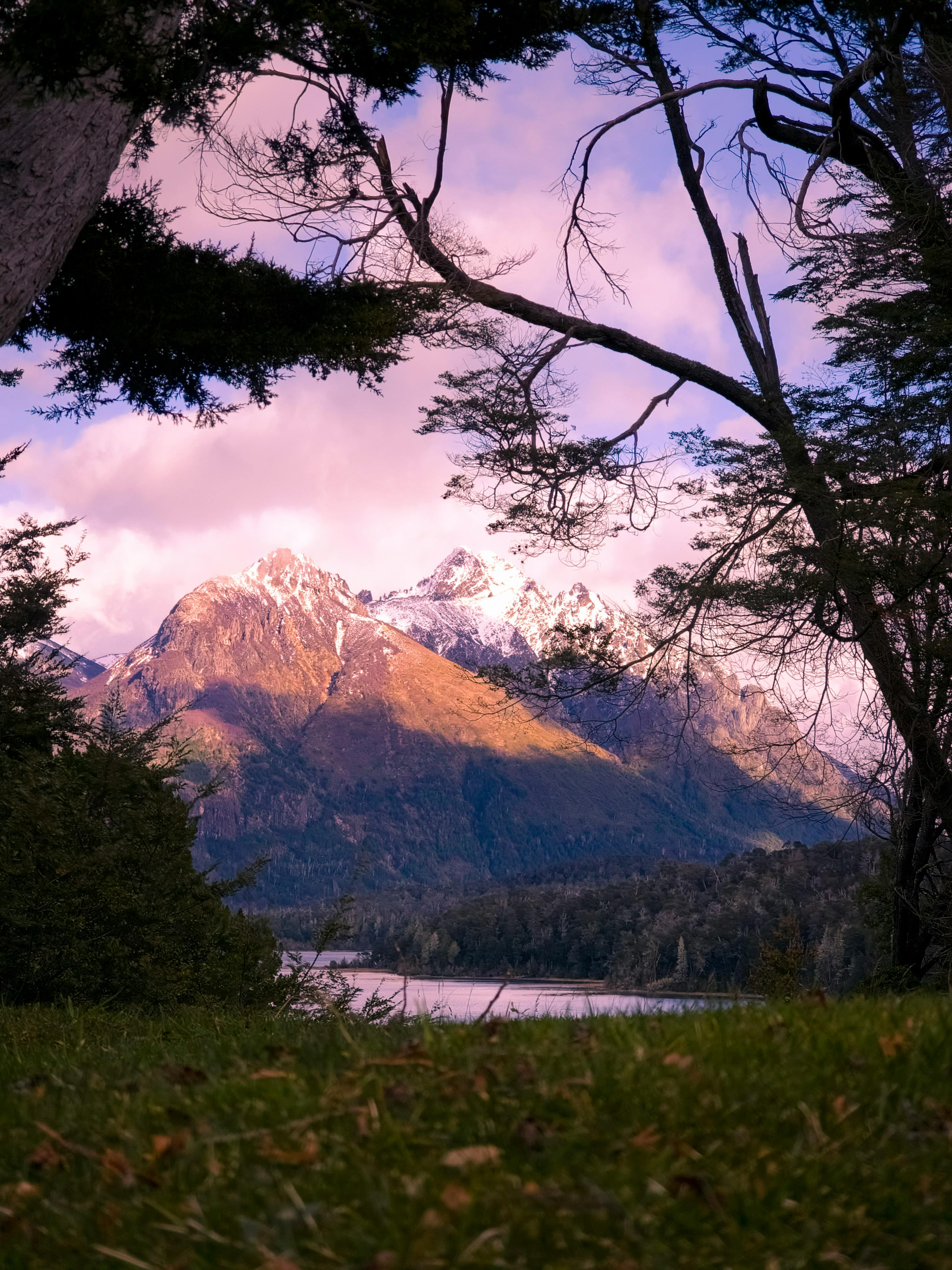
El Bolsón offers world-class hiking: Refugio Hielo Azul and Refugio Cajón del Azul sit in alpine cirques accessible via multi-day treks, Cerro Piltriquitrón (2,284m) provides panoramic summit views, and Cajón del Azul's turquoise canyon ranks among Patagonia's most photographed day hikes.
Update on Oct 24, 2025
Monte Leon National Park is Argentina's first coastal national park, protecting 40 km of dramatic Atlantic shoreline where the Patagonian steppe meets the sea.
Update on Oct 24, 2025