
Patagonia Gear Guide: The Ultimate Packing List and Tips for Gear Rental
With the right gear and a solid plan, Patagonia rewards solo travelers like few places on earth. This guide is written specifically for you. Whether you're figuring out your Patagonia packing list, weighing up Patagonia gear rental options, or just trying to understand what "patagonia gear" actually means for the trails you're planning.
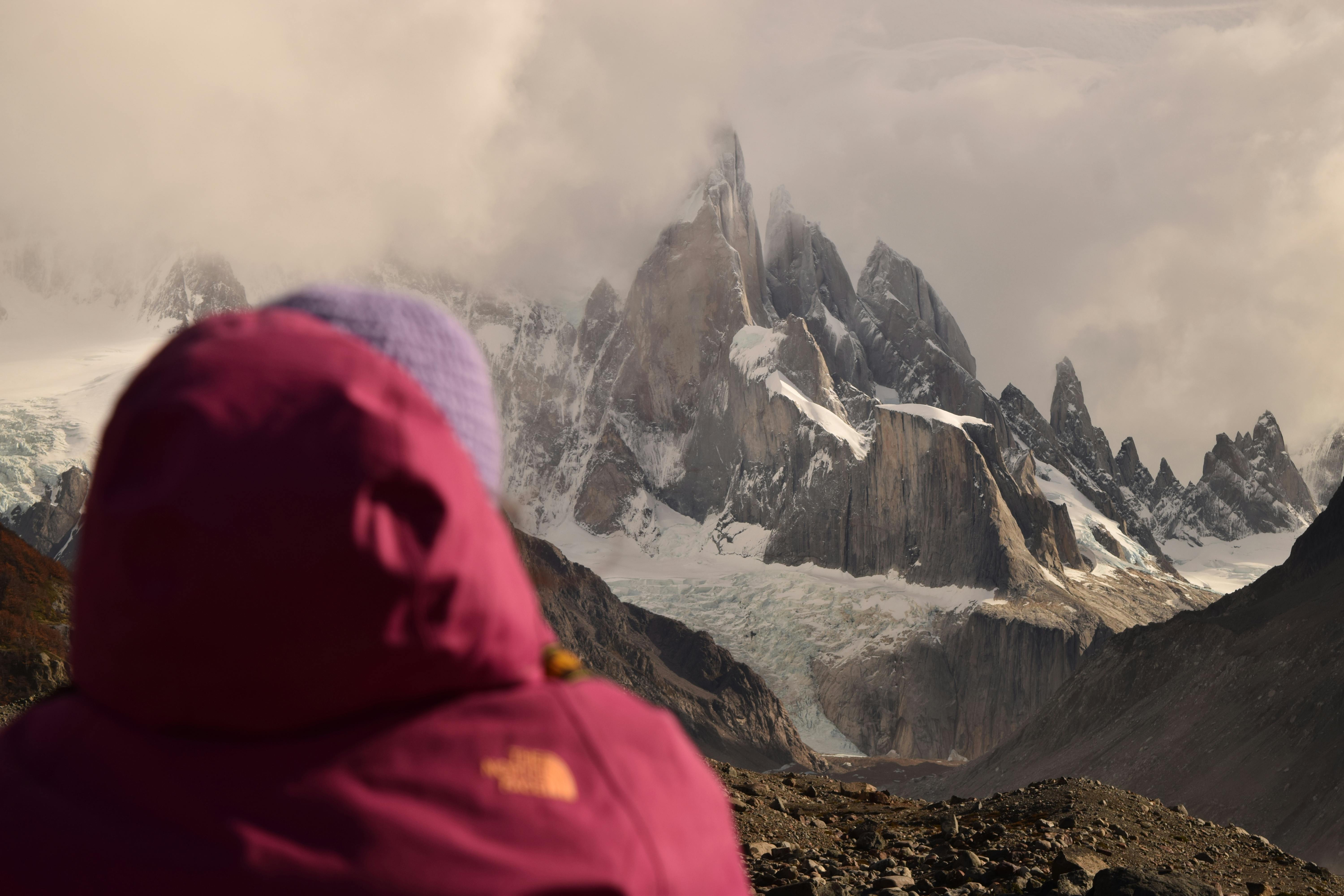
Patagonia Gear Guide: The Ultimate Packing List and Tips for Gear Rental
Everything a solo adventurer needs to know before stepping foot on the trails of Patagonia in Chile and Argentina.
If you've been dreaming about Patagonia — and let's be honest, most long-term travelers have — you already know it's not just a destination. It's a rite of passage. The jagged granite towers, the howling winds that seem to come from nowhere, the glaciers that glow an impossible shade of blue. Patagonia has a way of making you feel incredibly small and wildly alive at the same time.
Patagonia will test you. The weather is notoriously unpredictable, the trails are demanding, and if you show up unprepared, the experience can go from magical to miserable faster than a Patagonian storm rolls in — and those storms roll in fast.
The good news? With the right gear and a solid plan, Patagonia rewards solo travelers like few places on earth. This guide is written specifically for you — the long-haul solo traveler who lives out of a pack, makes decisions on the fly, and values experiences over comfort. Whether you're figuring out your Patagonia packing list, weighing up Patagonia gear rental options, or just trying to understand what "patagonia gear" actually means for the trails you're planning, we've got you covered.
Let's get into it.
Understanding Patagonia's Climate and Terrain
Before we talk gear, we need to talk about what you're actually up against — because Patagonia's environment is the single biggest factor shaping every item on your packing list.
Patagonia spans the southern tip of South America, covering parts of both Chile and Argentina. The region is home to some of the world's most dramatic landscapes: the granite peaks of Torres del Paine, the vast Patagonian steppe, the Southern Patagonian Ice Field, and the windswept archipelagos of Tierra del Fuego. Each of these environments has its own microclimate, but they all share one defining characteristic — unpredictability.
There's a well-worn saying among Patagonia veterans: "Four seasons in one day." That's not an exaggeration. You can wake up to sunshine, get caught in a horizontal hailstorm by noon, bake under a clear sky in the afternoon, and shiver through a cold, windy evening — all on the same trail. Wind in particular is a force to be reckoned with. Gusts in excess of 100 km/h are not uncommon in Torres del Paine, and they don't care how experienced you are.
The best time to visit Patagonia is during the Southern Hemisphere summer, from November to March. This is when trails are accessible, daylight is long, and temperatures are most manageable — though "manageable" is relative. Even in peak summer, nighttime temperatures can drop close to freezing, and storms can appear without warning. The shoulder months of October and April offer fewer crowds and equally dramatic scenery, but with more volatile weather.
Understanding all of this isn't meant to scare you — it's meant to help you pack smart. The right gear for Patagonia isn't about luxury; it's about staying safe, comfortable, and capable of adapting to whatever the land throws at you.
The Ultimate Patagonia Packing List
As a long-term solo traveler, you already know the art of packing light without sacrificing the essentials. Patagonia is one of those rare places where you genuinely cannot cut corners on gear. Let's break it down category by category.
Clothing and Layering System
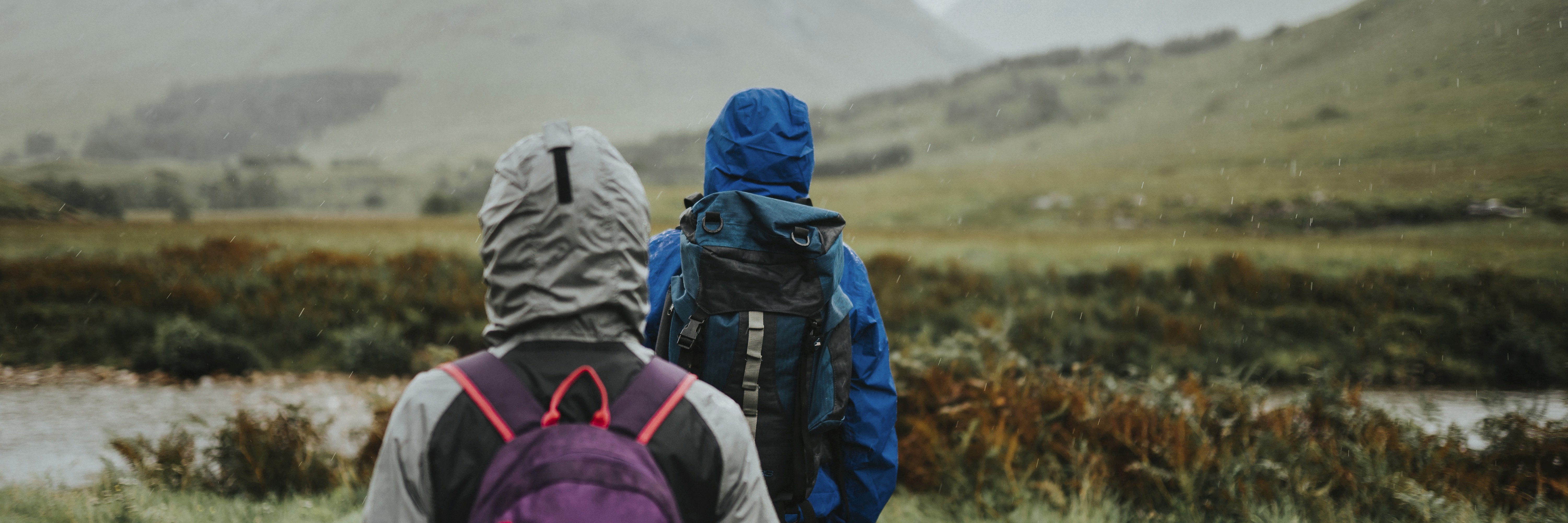
The golden rule in Patagonia is layers, layers, layers. You'll be putting on and taking off clothing multiple times throughout the day as conditions shift, so every layer needs to earn its place in your pack.
Your base layer is the foundation of your entire system. Go with moisture-wicking synthetic or merino wool — merino is particularly beloved by long-term travelers because it resists odor, regulates temperature across a wide range, and can be worn multiple days without becoming unbearable. Avoid cotton at all costs. Wet cotton loses its insulating properties and can lead to hypothermia even in relatively mild conditions.
Your mid layer is your insulation, and this is where you want to invest. A quality fleece or a packable down jacket will be your best friend on cold mornings, windy ridgelines, and chilly camp evenings. Down is lighter and more compressible, but loses its warmth when wet. Synthetic insulation is heavier but maintains warmth even when damp — a meaningful advantage in Patagonia's rainy environment. A synthetic mid layer is generally the safer choice here.
Your outer shell is your armor against the wind and rain, and in Patagonia, it is non-negotiable. A hardshell jacket that is both waterproof and windproof is essential. Look for something with taped seams and a solid hood that cinches tight — because when the wind hits, it will try to rip that hood right off your head. This is not the place for a flimsy packable rain jacket.
For your lower body, a pair of waterproof or water-resistant hiking pants works well for trail days. Some long-term travelers prefer softshell pants for their flexibility and packability, which is a reasonable choice for dry days. Bring a pair of lightweight thermals for cold nights and early starts.
Don't underestimate your extremities. A warm hat and a buff or neck gaiter are essential — the buff in particular is incredibly versatile for managing heat on your face and neck. A pair of lightweight liner gloves and a warmer outer glove or mitt will cover you across most conditions. Sun protection for your face is also important; the UV radiation at higher elevations and southern latitudes is intense.
Footwear
Your feet are your most important asset as a solo trekker, and Patagonia is notoriously hard on footwear. The trails range from well-maintained boardwalks to muddy, root-strewn scrambles to rocky river crossings. You need waterproof hiking boots with solid ankle support. Do not attempt the multi-day circuits in trail runners unless you are an experienced trail runner who knows exactly what you're doing — and even then, think twice.
More importantly, break in your boots before you go. This sounds obvious, but the number of travelers who arrive at Torres del Paine with brand-new boots is astonishing. Blisters on day one of a five-day circuit can derail your entire trip.
A pair of camp sandals or lightweight shoes for evenings at the refugio is a small luxury that makes a big difference after long days on trail. Your feet will thank you.
Gaiters are worth packing if you're doing any extended trekking, especially in wetter conditions. They keep mud, water, and debris out of your boots and make a meaningful difference on soggy sections of trail.
Backpacks and Bags
As a long-term solo traveler, you probably already have a main backpack that you live out of. For Patagonia, you'll want a day pack of 20–30 liters for day hikes and shorter excursions, and a trekking pack of 50–70 liters if you're doing multi-day circuits like the W Trek or the O Circuit.
One thing many travelers overlook: pack covers and dry bags. Patagonian rain is relentless, and most backpacks — even those marketed as water-resistant — will eventually soak through. A pack cover adds a crucial layer of protection, and dry bags inside your pack keep your sleeping bag, electronics, and clothing genuinely dry. This is one of those investments that will save you serious misery.
Camping and Shelter Gear
If you're camping on the W Trek or O Circuit, your tent, sleeping bag, and sleeping pad are the holy trinity of your comfort and safety. The good news is that these are also the bulkiest and most expensive items — and they're widely available through Patagonia gear rental services, which we'll cover in detail shortly.
If you're bringing your own tent, it needs to be able to handle high winds and rain simultaneously. A three-season tent may work during the height of summer, but a four-season or all-condition tent is a more reliable choice. Pay attention to the tent's wind resistance — look for aerodynamic designs, strong poles, and plenty of guy-lines.
Your sleeping bag should be rated for temperatures at least a few degrees lower than the coldest conditions you expect to face. For summer trekking in Torres del Paine, a sleeping bag rated to 0°C (32°F) is a reasonable minimum. If you're traveling in shoulder season or at higher elevations, go lower.
A sleeping pad is just as important as your sleeping bag. The cold ground will sap your warmth regardless of how good your bag is. An insulated sleeping pad — either foam or inflatable with a solid R-value — is essential for staying warm through the night.
Navigation and Safety Gear
Solo travel means there's no partner to bail you out if things go wrong. That makes safety gear especially important, and it's an area where cutting weight can have serious consequences.
A GPS device or offline maps are essential. Cell coverage in Patagonia is extremely limited, and you should never rely on your phone's data connection on the trail. Download offline maps using apps like Gaia GPS or Maps.me before you leave town, and consider a dedicated GPS device like a Garmin inReach, which also has satellite messaging and SOS capabilities — genuinely life-saving for solo trekkers in remote areas.
Trekking poles are not just for older hikers — they provide balance on uneven terrain, protect your knees on descents, and give you extra stability in high winds. In Patagonia's gusts, they can literally keep you on your feet.
A headlamp with extra batteries is essential, not just for camp use but for early starts and unexpected delays on trail. Your first aid kit should cover the basics: blister treatment, antiseptic, bandages, pain relief, and any personal medications. Add an emergency whistle and a lightweight fire starter or waterproof matches.
Nutrition and Hydration
Patagonia's water sources are generally clean and plentiful, but always carry a water filter or purification tablets to be safe. A lightweight filter like a Sawyer Squeeze is a long-term traveler's best friend — compact, reliable, and effective.
For food, think calorie-dense and lightweight: nuts, dried fruit, energy bars, instant oats, and freeze-dried meals for multi-day trips. A cookstove and fuel canister opens up your options enormously and makes camp evenings significantly more enjoyable. Fuel canisters are available in Puerto Natales and other gateway towns, so you don't need to carry them all the way from home.
Accessories and Extras
Sunscreen often catches travelers off guard in Patagonia — the combination of high altitude, southern latitude, and days on open terrain means UV exposure is serious. Apply it even on overcast days. Insect repellent is more relevant in the Lake District and forested areas than on exposed ridgelines, but it's worth having.
A microfiber travel towel, a power bank for keeping your devices charged between towns, and a solid camera setup round out your kit. Patagonia is one of the most photogenic places on earth, and you will regret not having a reliable way to capture it. Whether that's a mirrorless camera, a compact point-and-shoot, or just a quality smartphone setup is entirely up to you — but protect whatever you bring in a waterproof case or dry bag.
Patagonia Gear Rental: Is It Worth It?
This is one of the most common questions solo travelers ask when planning a Patagonia trip, and the honest answer is: for most long-term travelers, renting certain key items makes a lot of sense.
Here's the reality. The bulkiest, heaviest, and most expensive items on your packing list — tents, sleeping bags, sleeping pads, trekking poles, crampons for glacier trips — are all widely available for rent in the gateway towns of Patagonia. Choosing to rent strategically rather than haul everything from home can mean the difference between checking a bag on your flight and traveling entirely carry-on. For someone who moves from country to country over months or years, that's a huge deal.
Where to Rent Gear in Patagonia
Puerto Natales is the primary base for Torres del Paine trekkers on the Chilean side, and it has the most developed gear rental scene. Numerous outfitters along the main street offer tents, sleeping bags, trekking poles, gaiters, and more. Shop around, because prices and quality vary significantly.
El Calafate on the Argentine side is the gateway to Los Glaciares National Park and Perito Moreno Glacier. Gear rental options here are solid, particularly for glacier-specific equipment.
Punta Arenas is the regional capital of Chilean Patagonia and has a wider selection of outdoor gear shops, including some well-established rental operations. It's worth stopping here if you're arriving by air and want to sort your kit before heading to the trailhead.
Bariloche, while farther north in Argentine Patagonia, is a major outdoor hub and an excellent place to rent gear if you're approaching from that direction.
What to Rent vs. What to Bring
As a general rule, rent items that are bulky, heavy, and only needed for the duration of your trek. These typically include tents (which are expensive to own and impractical to carry between countries), sleeping bags (renting makes sense if you're only doing one or two nights of camping), trekking poles (lightweight ones are widely available and perfectly adequate for most trails), and crampons or ice axes if your itinerary includes glacier trekking.
On the flip side, there are items you should always bring yourself. Footwear tops this list — rental boots are a recipe for blisters and misery, and your feet are too important to gamble on. Clothing layers are deeply personal and should fit your body and your specific temperature tolerances. Base layers are a hygiene issue and should always be your own. Your rain jacket and any electronic gear should also come with you.
Rental Cost Breakdown
Costs vary by operator and season, but as a rough guide, expect to pay around $10–20 USD per day for a tent, $8–15 per day for a sleeping bag, and $5–10 per day for trekking poles. Many rental shops offer package deals for multi-day treks, which can bring the daily cost down meaningfully. Always inspect rental gear carefully before accepting it — check tent seams for wear, sleeping bag zippers for smooth operation, and poles for bends or cracks.
One practical tip: book or inquire about rental gear in advance during peak season (December–February). Puerto Natales in particular gets extremely busy, and the best equipment goes quickly.
Buying vs. Renting vs. Bringing Gear from Home
For a long-term solo traveler, this decision comes down to a few key factors: how long you'll be in Patagonia, whether you'll use the gear elsewhere on your trip, and your budget.
Bring from home anything that fits you specifically and that you'll use across multiple destinations — your rain jacket, base layers, boots, and personal electronics. These are investments in your overall travel life, not just your Patagonia trip.
Rent locally for destination-specific, bulky gear that you won't need anywhere else. Tents and sleeping bags fall squarely into this category for most travelers, especially those who don't camp regularly outside of Patagonia.
Buy locally if you arrive and realize you're missing something important. Puerto Natales and El Calafate have solid outdoor gear shops, and you can often find quality second-hand gear from other travelers selling their kit before flying home. Hostels and guesthouses in these towns often have gear swap boards or know of places to find used equipment cheaply.
Gear Tips for Specific Patagonia Adventures
Your ideal gear setup shifts depending on what kind of adventure you're actually pursuing. Here's a quick breakdown by activity.
W Trek and O Circuit (Torres del Paine)
The W Trek is a four-to-five day point-to-point route through the highlights of Torres del Paine, while the O Circuit is a full loop of eight to eleven days that takes you into the more remote back side of the park. Both are achievable for fit, experienced solo hikers, though the O Circuit demands more self-sufficiency. Your full packing list applies here, with particular attention to your shelter and warmth systems. Wind protection is absolutely critical — the mirador at the base of the Torres and the exposed stretches of the O Circuit can be brutally gusty.
Day Hiking
If you're based in town and doing day hikes rather than multi-day treks, your packing list becomes considerably lighter. Focus on solid footwear, your full layering system, a well-stocked day pack, navigation tools, and emergency essentials. You can leave the camping gear behind entirely.
Kayaking and Water Activities
Patagonia's fjords and lakes are breathtaking from the water, but they demand specific gear. A drysuit or wetsuit is essential for any paddling in cold Patagonian waters, and waterproof dry bags take on a whole new level of importance. Most kayak operators provide core equipment, but always confirm what's included before booking.
Glacier Trekking
Glacier trekking is one of Patagonia's most extraordinary experiences — whether that's on the Perito Moreno Glacier, the Grey Glacier, or others in the region. The good news for gear purposes is that crampons, ice axes, and helmets are provided by your guide or tour operator as a matter of course. Dress in your full layering system underneath, and bring waterproof over-pants if you have them.
Wildlife and Photography
Patagonia is home to guanacos, condors, pumas, Magellanic penguins, and an extraordinary range of bird species. If wildlife and photography are your primary focus, pack binoculars, a camera with a telephoto lens, and extra batteries and memory cards. Cold temperatures drain batteries faster than you expect.
Packing Tips and Common Mistakes to Avoid
Even experienced travelers make gear mistakes in Patagonia. Here are the most common ones, offered with love and the hard-won experience of those who've made them first.
Underestimating wind protection is the number one mistake. People prepare for rain and cold but forget that the wind is often the most challenging element. Your rain jacket's hood needs to cinch tight enough to stay on your head in a gale, and you need layers that don't billow and act like a sail on exposed ridgelines.
Not breaking in your boots before the trip can ruin the entire experience. Even a few weeks of regular use before you leave will make an enormous difference.
Relying on cotton clothing is a classic and dangerous mistake. As mentioned, wet cotton loses its insulating ability, and in Patagonia's wet conditions, staying warm is a genuine safety concern. Leave the cotton at home.
Overpacking is a trap that long-term travelers are usually good at avoiding, but Patagonia sometimes makes people panic-pack. Trust your experience, stick to your layering system, and remember that gear rental is available for the bulky stuff.
Underestimating cold nights is a surprisingly common issue even among experienced campers. Patagonian summer nights can drop close to or below freezing, and the cold comes on quickly after sunset. Always have more warmth than you think you'll need.
Forgetting about the sun on multi-day treks is another frequent oversight. Sunscreen, sunglasses with UV protection, and a hat that shades your face are essentials, not extras.
Quick-Reference Patagonia Packing Checklist
Use this as a final sweep before you leave for the trailhead.
Clothing: moisture-wicking base layers (top and bottom), mid layer fleece or synthetic jacket, hardshell waterproof and windproof jacket, hiking pants, waterproof over-pants, thermal leggings, warm hat, buff/neck gaiter, lightweight liner gloves, warm gloves or mitts, sun hat, and merino wool socks (multiple pairs).
Footwear: waterproof hiking boots (broken in), camp sandals, and gaiters.
Backpacks and organization: trekking pack (50–70L) with rain cover, day pack (20–30L), and dry bags in various sizes.
Shelter and sleep: tent (wind and rain rated), sleeping bag (rated to 0°C or below), and insulated sleeping pad.
Navigation and safety: GPS device or phone with offline maps, personal locator beacon or satellite communicator, trekking poles, headlamp with extra batteries, first aid kit, emergency whistle, and lighter or waterproof matches.
Hydration and nutrition: water filter or purification tablets, water bottles or hydration reservoir, cookstove and fuel, and high-calorie trail snacks and meals.
Accessories: sunscreen (high SPF), sunglasses (UV protection), insect repellent, microfiber towel, power bank, camera and memory cards, and extra batteries.
A Final Word to the Solo Traveler
Patagonia has a particular magic for solo adventurers. There's something about facing those wild, windswept landscapes on your own terms — no compromises, no waiting for others, just you and the trail and whatever the day brings. But that independence comes with responsibility. Out here, your gear isn't just equipment; it's your shelter, your warmth, your safety net.
Take your packing list seriously. Do your research on Patagonia gear rental options so you can travel efficiently without leaving yourself vulnerable. Invest in the pieces that matter most — your boots, your rain jacket, your layering system — and trust the rental infrastructure in the gateway towns for the rest.
And when the wind howls at 100 km/h and you're standing at the base of those impossibly beautiful towers, cold and tired and completely alive — you'll be incredibly glad you showed up prepared.
The trail is waiting. Go get it.
Have questions about specific gear or planning your solo Patagonia trip? Drop them in the comments below — we'd love to help.
About Me
Veb
Hey there! I’m Veb and I've traveled solo and in groups for 10+ years in Patagonia - across Chile and Argentina.
I started Go Wild Patagonia with a desire to help other travelers plan their journeys in Patagonia with a focus on adventure, nature and being in the wilderness.
Say Thanks
Support my mission to make Patagonia more accessible for travelers while supporting local tour operators who organize only sustainable travels in Patagonia.
Read More
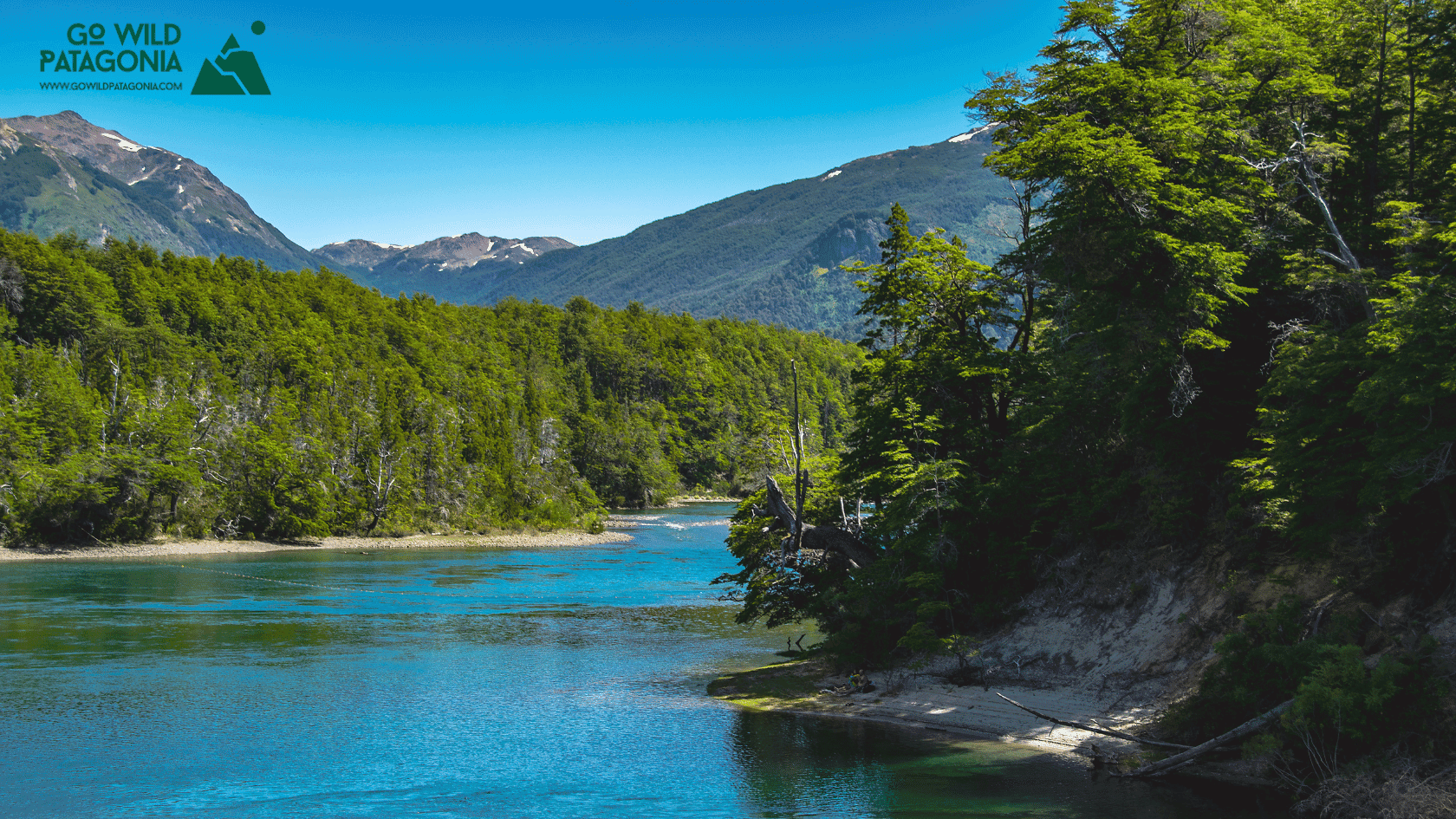
Chubut Province, Argentina — Cathedral of Ancient Trees Overview Los Alerces National Park protects 263,000 hectares of pristine Valdivian rainforest in Argentine Patagonia, home to some of the oldest living trees on Earth. The park's namesake—the alerce tree (Fitzroya cupressoides)—can live over 3,000 years, rivaling California's sequoias and bristlecone pines.
Update on Oct 24, 2025
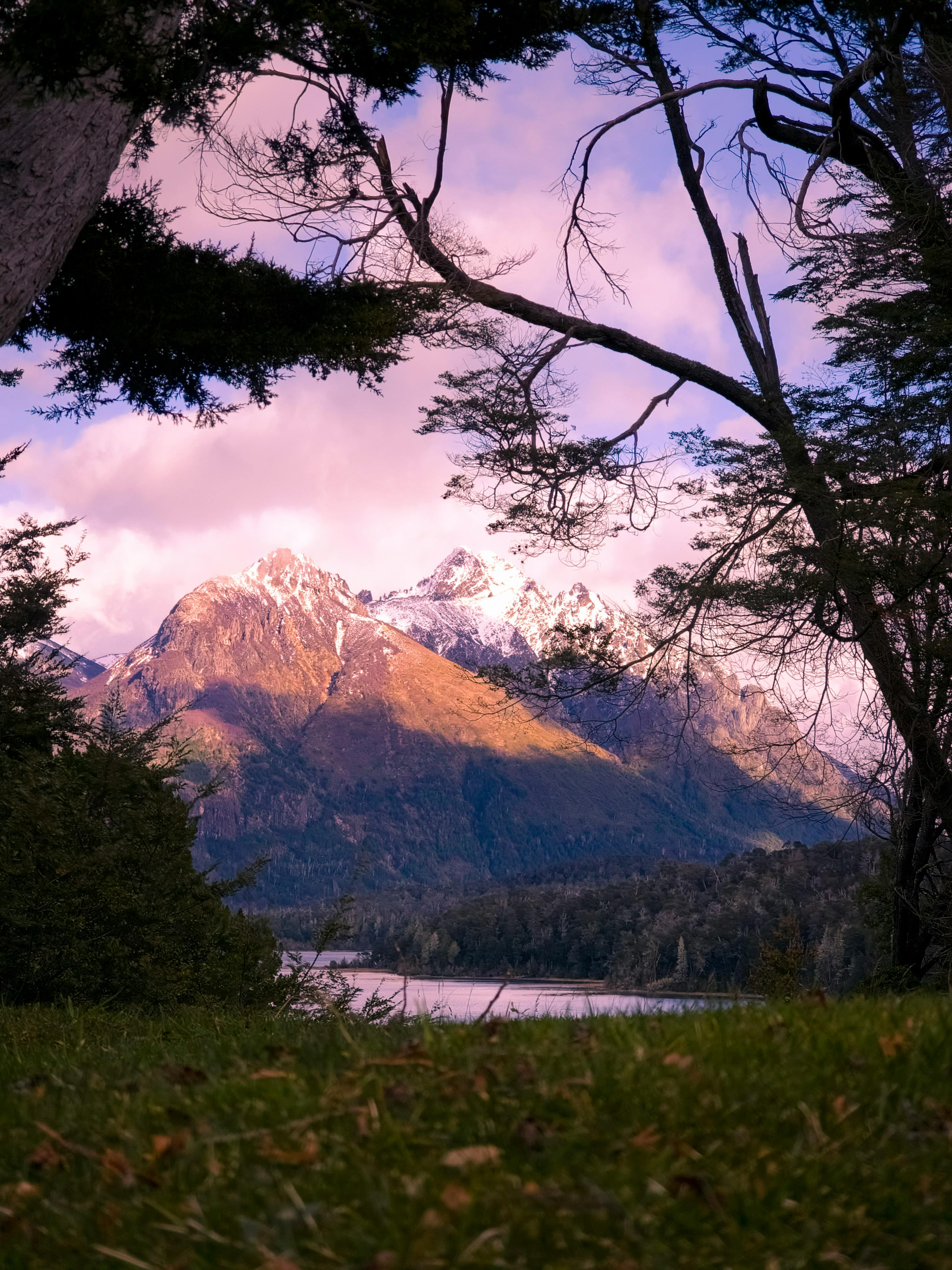
El Bolsón offers world-class hiking: Refugio Hielo Azul and Refugio Cajón del Azul sit in alpine cirques accessible via multi-day treks, Cerro Piltriquitrón (2,284m) provides panoramic summit views, and Cajón del Azul's turquoise canyon ranks among Patagonia's most photographed day hikes.
Update on Oct 24, 2025
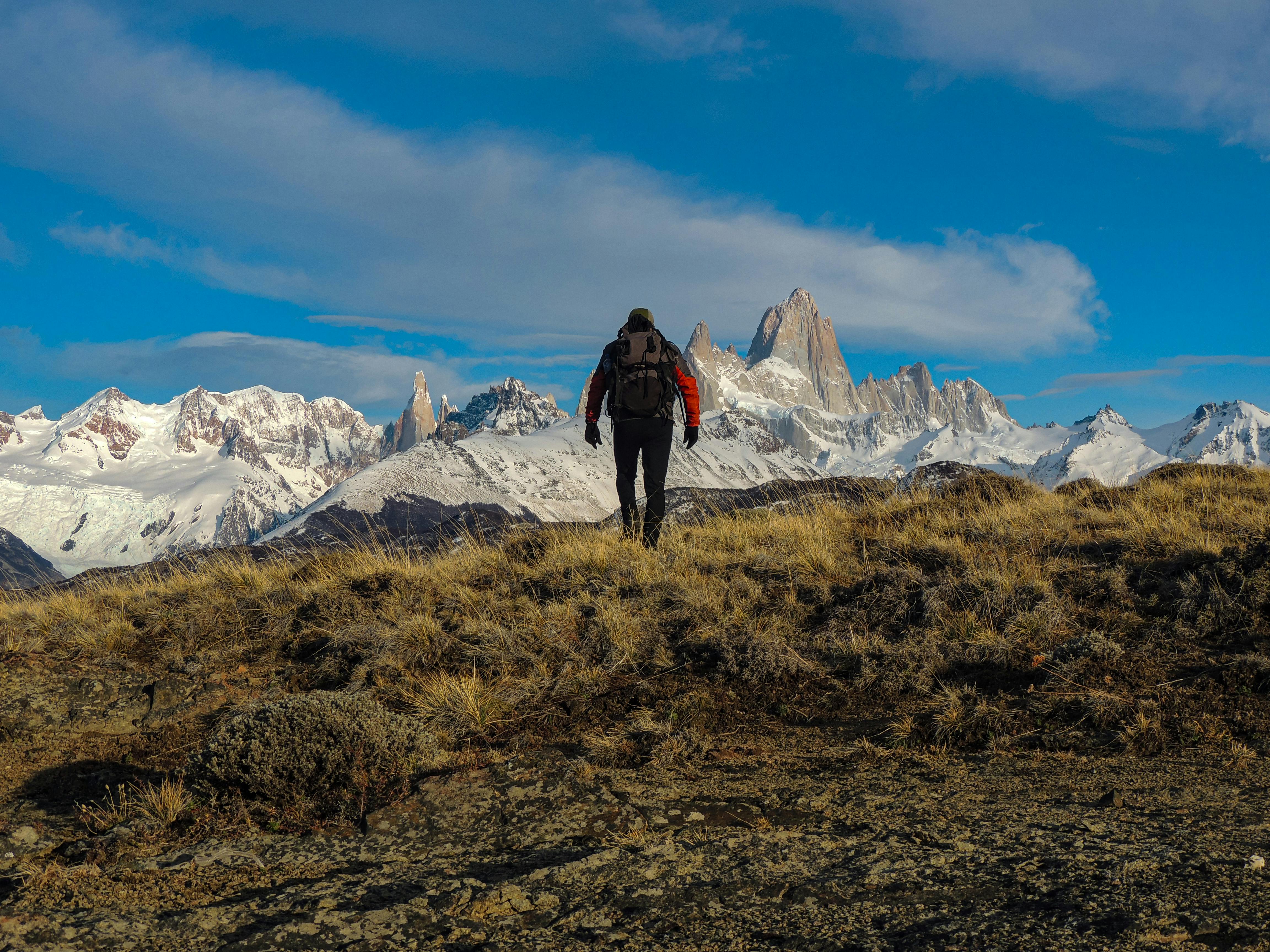
Monte Leon National Park is Argentina's first coastal national park, protecting 40 km of dramatic Atlantic shoreline where the Patagonian steppe meets the sea.
Update on Oct 24, 2025