
Argentina Patagonia Adventures: From Glaciers to Peaks
Discover the ultimate guide to Argentina Patagonia adventures. Explore world-class hiking in El Chalten, witness Perito Moreno Glacier, climb iconic peaks, and trek from Bariloche to Ushuaia.
Argentina Patagonia Adventures: From Glaciers to Peaks
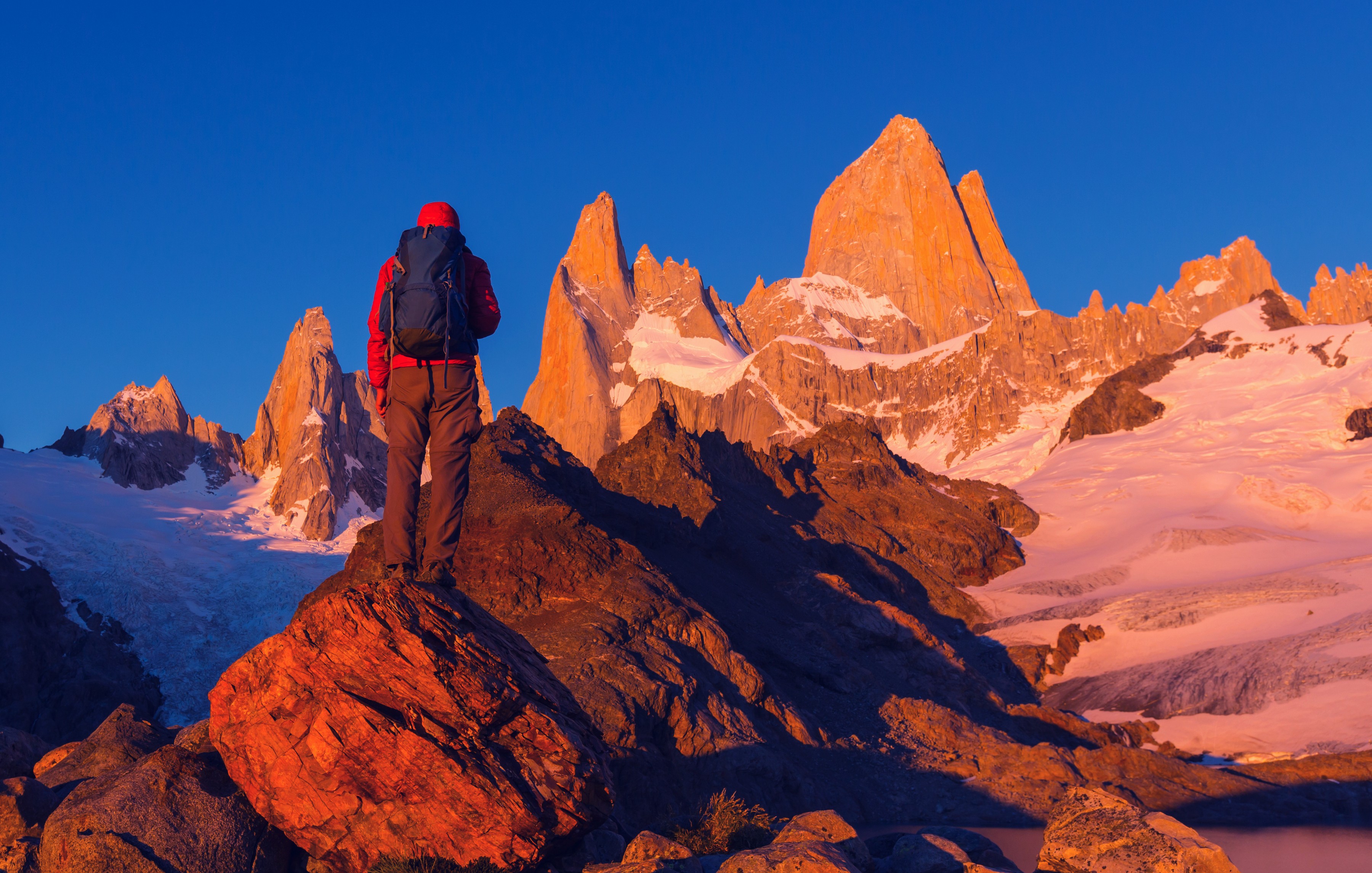
The wind howls across the Patagonian steppe, carrying with it the ancient whispers of glaciers and granite spires that pierce the southern sky. This is Argentine Patagonia—a realm where nature reigns supreme, where condors soar above turquoise lakes, and where every trail promises an encounter with the sublime. From the legendary peaks of Fitz Roy to the thundering ice walls of Perito Moreno Glacier, from the alpine lakes of Bariloche to the windswept shores of Ushuaia at the end of the world, Argentina's Patagonia stands as one of Earth's last great wilderness frontiers.
Argentine Patagonia encompasses the southern cone of South America, stretching from the Andes mountains to the Atlantic coast. This vast region offers unparalleled opportunities for argentina hiking and argentina adventure, drawing trekkers, climbers, and nature enthusiasts from across the globe. Unlike its Chilean counterpart, Argentine Patagonia provides easier access to iconic destinations, more affordable accommodations, and a unique blend of gaucho culture with wilderness exploration.
This comprehensive guide will take you through Patagonia's most spectacular destinations: El Chalten's world-class trekking routes beneath the Fitz Roy massif, the awe-inspiring glaciers of Los Glaciares National Park, Bariloche's alpine wonderland, and Ushuaia's dramatic landscapes at the continent's edge. Whether you're planning a week-long argentina adventure or a months-long expedition, you'll discover everything you need to know about hiking trails, climbing routes, wildlife encounters, and practical planning tips.
The best time to visit Patagonia for hiking is during the Southern Hemisphere summer (October through April), when trails are accessible and weather is most stable. However, each season offers unique experiences—from spring wildflowers to autumn's golden lenga forests to winter's world-class skiing. The region's dramatic weather can shift in minutes, making Patagonia an adventure that demands respect, preparation, and a spirit of adaptability.
El Chalten: Argentina's Trekking Capital
Nestled at the base of the Fitz Roy massif, El Chalten has earned its reputation as the hiking capital of Argentina. This small mountain village of fewer than 2,000 permanent residents transforms each summer into a bustling hub for trekkers from around the world. Founded in 1985 to establish Argentine sovereignty near the Chilean border, El Chalten remains refreshingly undeveloped, with dirt roads, simple hostels, and an atmosphere wholly dedicated to the mountains that loom above.
The town sits within Los Glaciares National Park, surrounded by some of the most spectacular granite peaks in the Southern Andes. The dramatic spires of Fitz Roy and Cerro Torre dominate the skyline, their jagged profiles serving as constant reminders of why adventurers make the pilgrimage to this remote corner of Patagonia.
Fitz Roy: The Smoking Mountain
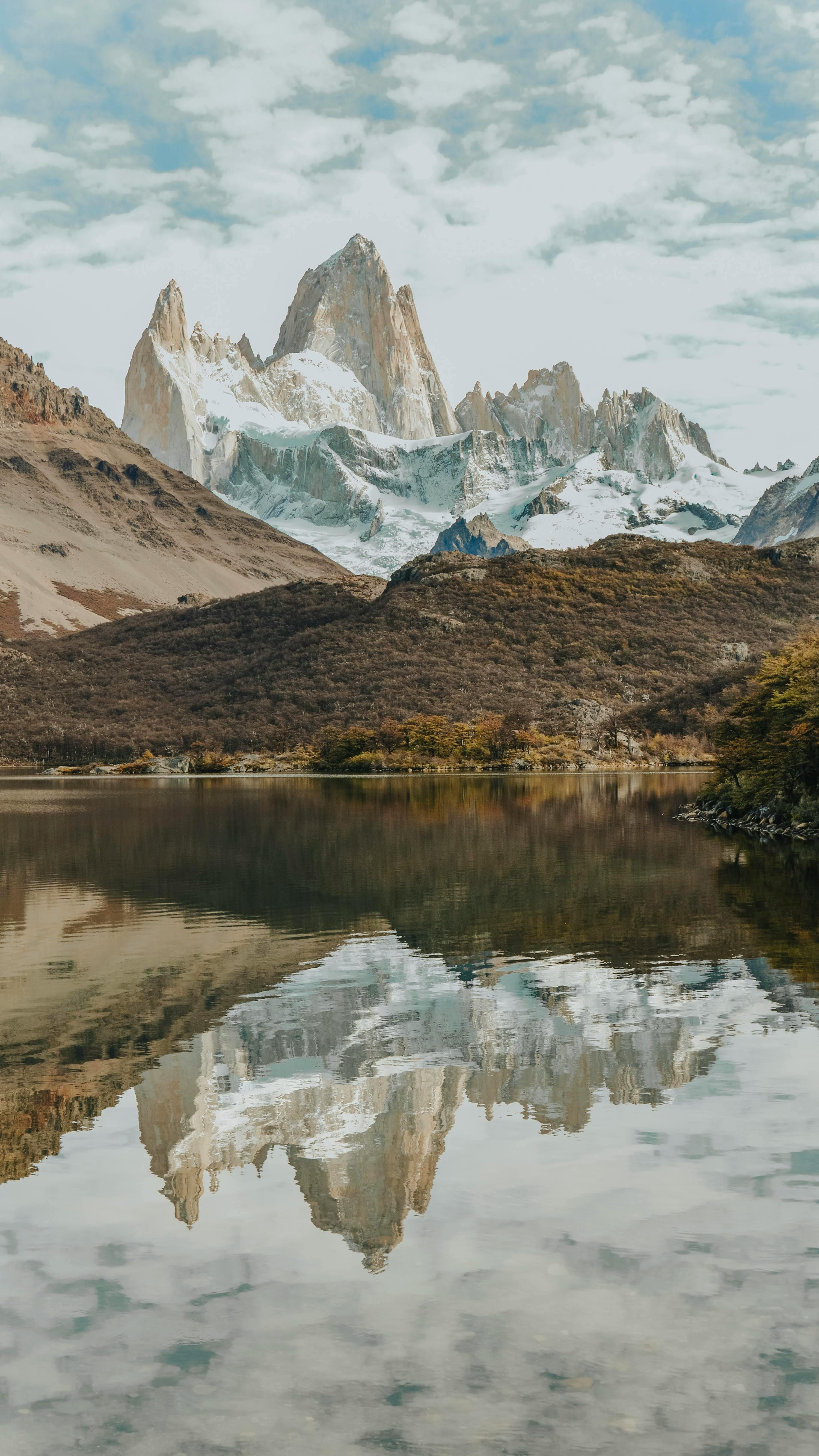
Cerro Fitz Roy (also known as Monte Fitz Roy or Cerro Chaltén) rises 3,405 meters (11,171 feet) above sea level, its distinctive granite spire creating one of the world's most recognizable mountain profiles. The Tehuelche people called it "Chaltén," meaning "smoking mountain," as wind-whipped clouds around its summit often resemble volcanic smoke.
The mountain was first climbed in 1952 by French alpinists Lionel Terray and Guido Magnone, establishing one of mountaineering's most legendary ascents. Today, Fitz Roy remains one of the world's most challenging climbs, with technical difficulties, unpredictable weather, and fierce winds defeating even experienced mountaineers. The mountain sees successful summit attempts only a handful of days each year, making it a prized objective for elite climbers.
For most visitors, the real reward isn't climbing Fitz Roy but witnessing its majesty from the trails that wind through the valleys below. The argentina hiking routes around El Chalten offer some of the most spectacular mountain views accessible to trekkers of all abilities.
Essential Hikes in El Chalten
1. Laguna de los Tres Trek
Distance: 10 km one-way (20 km round-trip)
Duration: 8-10 hours round-trip
Difficulty: Moderate to Challenging
Elevation Gain: 850 meters
The trek to Laguna de los Tres represents the quintessential El Chalten experience. This trail delivers trekkers to a glacial lake beneath the towering east face of Fitz Roy, offering views that have graced countless magazine covers and Instagram feeds.
The route begins at the northern edge of El Chalten and follows the Río Eléctrico valley through lenga forests. The trail is well-marked and relatively gentle for the first 8 kilometers, passing Laguna Capri before reaching Campamento Poincenot. From here, the final 2-kilometer ascent begins—a steep, boulder-strewn climb that gains 400 meters in elevation.
Reaching the ridgeline, you're rewarded with the sudden, breathtaking reveal of Laguna de los Tres, its glacial waters reflecting the granite spires of Fitz Roy, Poincenot, and Saint-Exupéry. Many trekkers start before dawn to witness sunrise illuminating Fitz Roy's east face in shades of pink and gold—a spectacle known as alpenglow that photographers prize above all others.
Tips for Success:
Start early (4-5 AM) for sunrise views and to avoid afternoon winds
Bring layers; temperatures at the laguna can be 10-15°C colder than in town
The final ascent is steep—use trekking poles for stability
Weather changes rapidly; carry waterproof gear even on clear mornings
Consider camping at Poincenot to split the hike over two days
2. Laguna Torre Trek
Distance: 9 km one-way (18 km round-trip)
Duration: 6-8 hours round-trip
Difficulty: Moderate
Elevation Gain: 200 meters
The Laguna Torre trail offers a less strenuous alternative to Laguna de los Tres while delivering equally spectacular views of Cerro Torre, one of the world's most difficult mountains to climb. The relatively flat trail follows the Río Fitz Roy valley through ancient lenga forests, crossing small streams and opening onto expansive viewpoints.
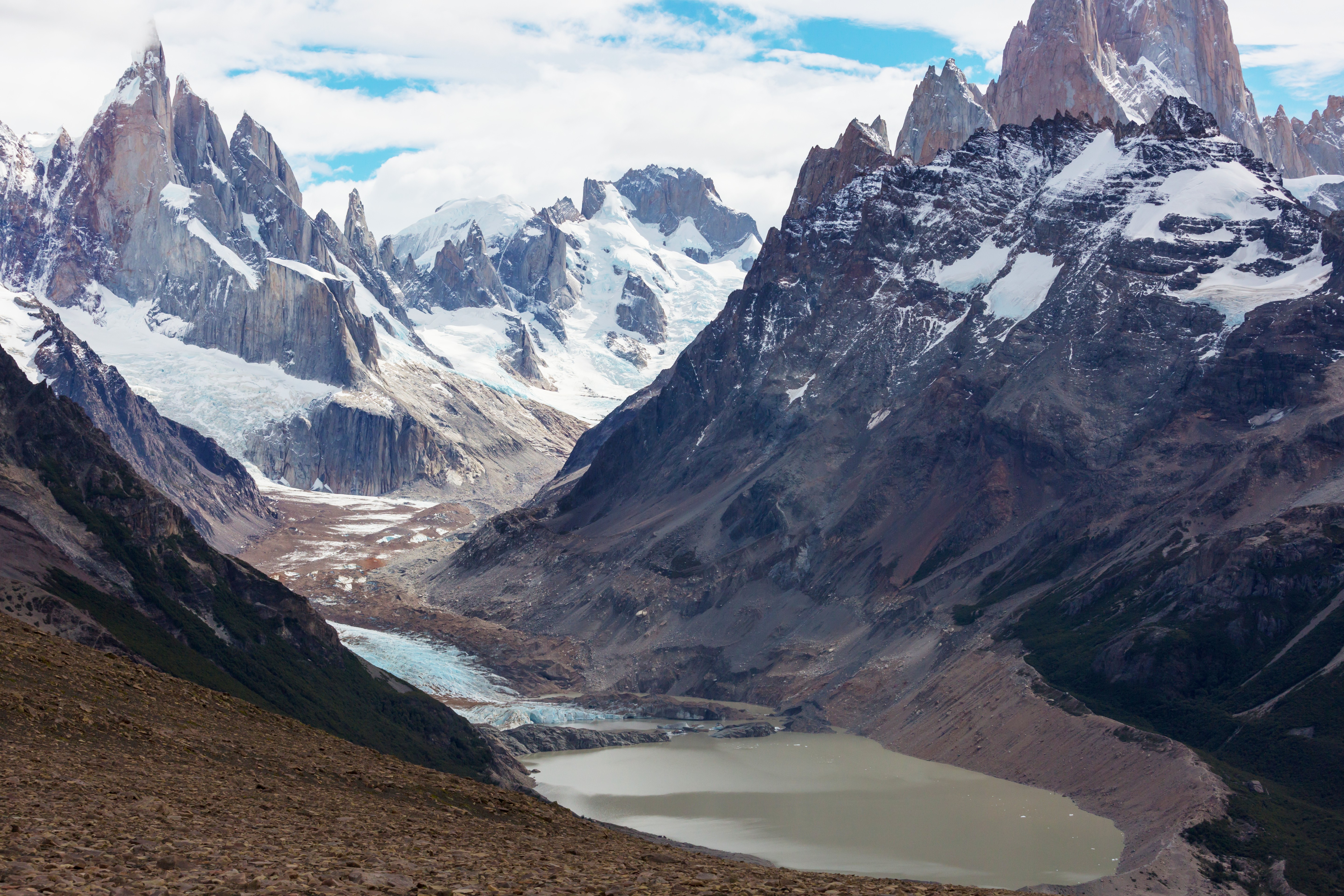
At the trail's end, Laguna Torre spreads before you, often dotted with icebergs calved from Torre Glacier. The massive granite spire of Cerro Torre (3,128 meters) rises beyond the glacier, its mushroom-shaped ice cap creating a surreal silhouette.
This argentina hiking trail is ideal for acclimatization on your first day in El Chalten or as a less demanding option during poor weather. The forest sections provide more shelter from wind than the exposed Laguna de los Tres route.
Best Features:
Less crowded than the Fitz Roy trail
Beautiful lenga forest with interpretive signs about local ecology
Multiple viewpoints along the route
Opportunities to see woodpeckers, condors, and guanacos
Ice calving from Torre Glacier (more frequent in summer afternoons)
3. Laguna Capri
Distance: 2 km one-way (4 km round-trip)
Duration: 2-3 hours round-trip
Difficulty: Easy
Elevation Gain: 150 meters
For those with limited time or seeking a shorter introduction to Patagonian trekking, Laguna Capri provides an accessible taste of the region's beauty. The trail climbs gently through forest to a small glacial lake with stunning views of Fitz Roy.
This short hike is perfect for acclimatization, afternoon strolls, or when weather makes longer treks inadvisable. The lakeside offers camping areas (free with proper permits), making it popular with budget travelers and those wanting to wake up to mountain views.
4. Pliegue Tumbado
Distance: 11 km one-way (22 km round-trip)
Duration: 8-10 hours round-trip
Difficulty: Challenging
Elevation Gain: 1,100 meters
For panoramic views that encompass the entire Fitz Roy massif, Cerro Torre, and the Southern Patagonian Ice Field beyond, the Pliegue Tumbado trail climbs to one of the region's finest viewpoints. This challenging hike rewards those who tackle its steep sections with 360-degree vistas.
The trail is less traveled than Laguna de los Tres and Laguna Torre, offering more solitude despite equally spectacular views. The summit plateau provides unobstructed perspectives of the entire El Chalten valley and the ice fields extending to the horizon.
Multi-Day Trekking Options
The Huemul Circuit offers experienced trekkers a challenging 3-4 day loop through remote wilderness, crossing two mountain passes with stunning views of glaciers and peaks. This argentina adventure requires river crossings, glacier traversing, and complete self-sufficiency. Permits are required and must be obtained in person at the ranger station in El Chalten.
For those wanting to combine multiple day hikes, camping at designated sites (Poincenot, De Agostini, Torre, Capri) allows you to link trails into multi-day itineraries without carrying full backpacking loads. Wild camping is prohibited within the national park except at these established sites.
Practical Information for El Chalten
Getting There: El Chalten is 220 km north of El Calafate via Route 40. Buses run daily (3-3.5 hours), or you can rent a car for flexibility. Some visitors hitchhike successfully during summer months.
Where to Stay: Options range from budget hostels (Rancho Grande, Condor de los Andes) to mid-range hotels (Senderos Hostería, Destino Sur) to luxury lodges (Aguas Arriba Lodge). Book well in advance for December-February.
Gear: While trails are well-maintained, bring proper hiking boots, layered clothing, waterproof shell, hat, gloves, and sunglasses. Wind can be extreme—a buff or balaclava is invaluable. Trekking poles help on steep sections and river crossings.
Trail Conditions: All major trails are free to access and don't require permits (except Huemul Circuit). The ranger station at the town entrance provides current trail conditions, weather forecasts, and safety briefings. Weather changes rapidly—start early and turn back if conditions deteriorate.
Best Season: October-April offers the most stable weather, with January-February being peak season (crowded trails). November and March provide better solitude with slightly less predictable weather. The shoulder seasons often deliver stunning autumn colors (March-April) or spring wildflowers (October-November).
Los Glaciares National Park
Los Glaciares National Park, designated a UNESCO World Heritage Site in 1981, protects 726,927 hectares of Patagonian wilderness. The park encompasses the southern Patagonian Ice Field, the world's third-largest continental ice cap outside polar regions. Forty-seven major glaciers descend from this ice field, creating a landscape of such raw beauty that it seems to belong to another age.
The park divides into two distinct sectors: the northern Fitz Roy section centered on El Chalten, and the southern glaciers section accessible from El Calafate. While the Fitz Roy zone draws trekkers and climbers, the glaciers section attracts visitors seeking to witness the dynamic power of ice in motion.
Perito Moreno Glacier
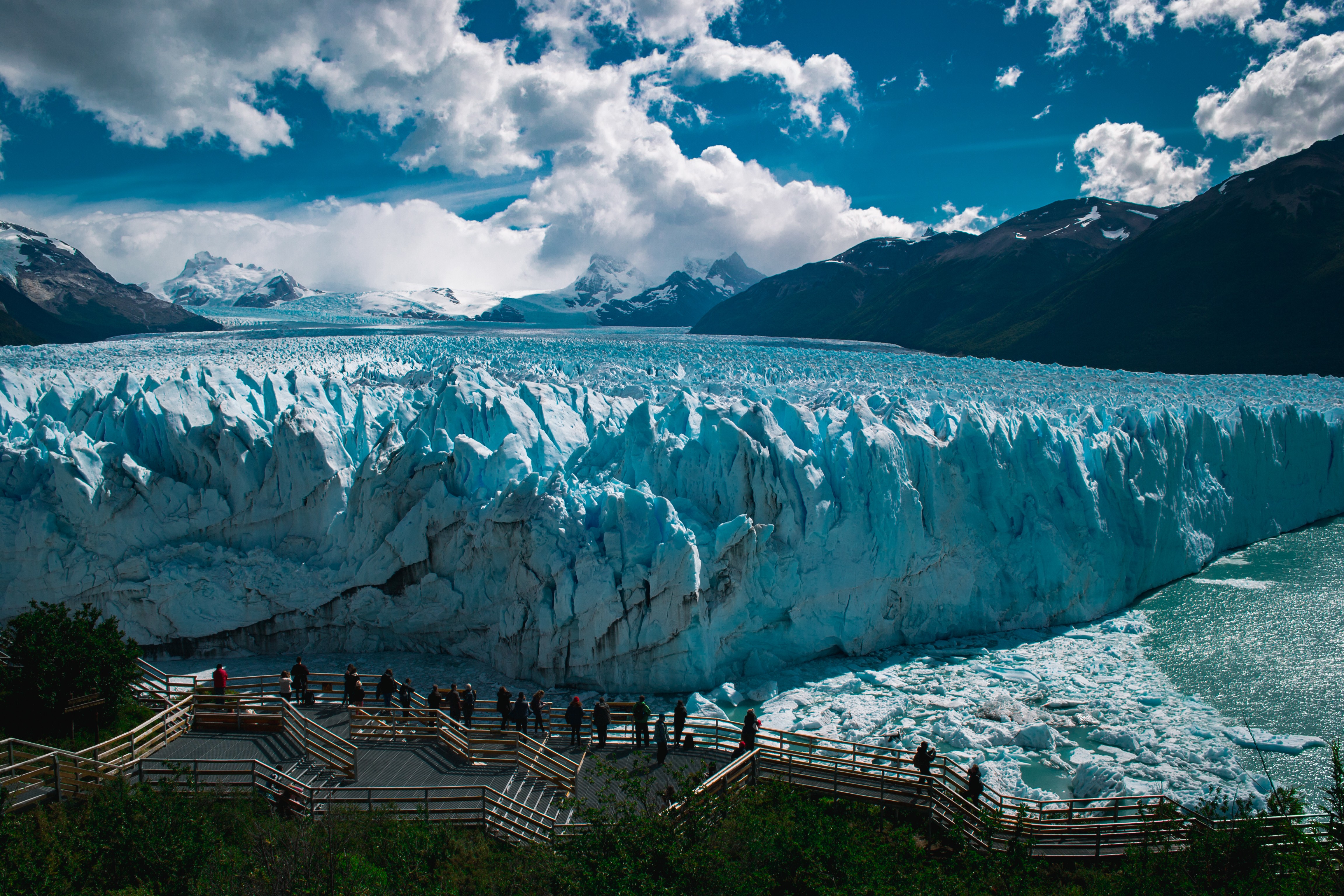
Among Earth's natural wonders, few rival Perito Moreno Glacier for sheer accessibility and dramatic impact. This massive river of ice, measuring 5 kilometers wide and towering 60 meters above Lago Argentino, presents one of the world's few advancing glaciers—a phenomenon that makes it both scientifically significant and spectacularly active.
The glacier advances approximately 2 meters per day at its center, periodically damming the Brazo Rico arm of Lago Argentino. Water pressure builds behind the ice dam until it catastrophically ruptures, sending house-sized ice blocks crashing into the lake in a spectacle that can be heard for kilometers. These rupture events occur every 4-5 years on average, though the intervals vary unpredictably.
Even between major ruptures, Perito Moreno delivers constant drama. Ice calving occurs daily as the glacier's face fractures and massive pieces crash into the water with thunderous reports. The sound resembles artillery fire, and the resulting waves can be dangerous for boats approaching too closely.
Viewing the Glacier:
The park's extensive system of walkways and platforms provides extraordinary access to the glacier. Metal catwalks descend multiple levels on the Península de Magallanes, offering perspectives from above, at water level, and at angles that capture the full scale of this frozen giant. The walkways bring visitors within 400 meters of the ice face—close enough to hear the glacier's groans and creaks as it moves.
Glacier Trekking:
Several tour operators offer ice trekking experiences on Perito Moreno:
Mini Trekking: A 1.5-hour guided walk on the glacier suitable for most fitness levels. Groups of 10-20 people don crampons and explore the ice surface, walking among crevasses, meltwater streams, and ice formations. This option provides an accessible introduction to glacier walking.
Big Ice: A full-day expedition involving 3-4 hours on the glacier, venturing deeper into ice caves, larger crevasses, and more remote formations. This option requires good fitness but offers a more immersive experience. Age restrictions apply (18-50 years old).
Both experiences include boat crossings of Lago Rico, safety briefings, and all necessary equipment. Advance booking is essential during peak season.
Other Glaciers in Los Glaciares National Park
Upsala Glacier
At 60 kilometers long and 10 kilometers wide, Upsala Glacier ranks as South America's largest. However, dramatic recession in recent decades has made it increasingly difficult to approach by boat. The glacier has retreated approximately 3 kilometers since 2000, leaving a lake filled with massive icebergs.
Boat tours from El Calafate visit Upsala's iceberg-choked terminus, navigating between frozen giants sculpted into fantastic shapes by wind and waves. The intense blue color of the ice, caused by extreme compression, creates surreal landscapes.
Spegazzini Glacier
The towering walls of Spegazzini Glacier reach 135 meters above the water—the highest ice cliff in the park. Boats approach the glacier face, offering perspective on its immense scale. Unlike the receding Upsala, Spegazzini remains relatively stable, making it a highlight of multi-glacier boat tours.
Glacier Kayaking
For adventurous visitors, kayaking tours navigate among the icebergs of Lago Argentino and approach glacier faces from the water. Paddling through ice-choked waters provides an intimate, thrilling perspective on these frozen giants. Tours range from half-day excursions to multi-day expeditions.
Wildlife in Los Glaciares National Park
The park's diverse ecosystems support remarkable wildlife. Guanacos (wild relatives of llamas) graze the steppes in herds sometimes numbering hundreds. These elegant animals are perfectly adapted to Patagonia's harsh conditions, their thick coats protecting against wind and cold.
Andean condors soar on thermal updrafts, their 3-meter wingspans making them unmistakable. These massive birds—among the world's largest flying birds—are often seen circling above carcasses or riding winds along cliff faces.
Pumas stalk through the park but remain rarely seen. These apex predators primarily hunt guanacos, and sightings require patience, luck, and often the assistance of expert guides. Puma tracking tours have emerged as a specialized niche for wildlife enthusiasts.
Bird diversity is exceptional, with over 100 species recorded. Magellanic woodpeckers hammer on lenga trees, austral parakeets flock through forests, and buff-necked ibises probe mudflats. The Laguna Nimez reserve near El Calafate provides excellent birdwatching with minimal effort.
El Calafate: Gateway to the Glaciers
Located on the southern shore of Lago Argentino, El Calafate serves as the primary base for exploring the glacier region of Los Glaciares National Park. This town of approximately 20,000 residents has grown dramatically with tourism, offering services ranging from budget hostels to five-star hotels.
The town takes its name from the calafate berry (Berberis microphylla), a native shrub whose blue-black fruits are said to ensure that anyone who eats them will return to Patagonia. The berries feature in local cuisine, appearing in jams, chocolates, liqueurs, and desserts throughout the region.
Activities Beyond Glaciers
While most visitors focus on Perito Moreno Glacier, El Calafate offers numerous other experiences:
Estancia Visits: Traditional Patagonian ranches (estancias) welcome visitors for day trips featuring horseback riding, sheep-shearing demonstrations, asados (traditional barbecues), and glimpses into gaucho culture. Estancia Cristina, accessible only by boat across Lago Argentino, combines ranch history with access to viewpoints overlooking the Upsala Glacier.
Horseback Riding: Multiple operators offer rides through Patagonian steppe, providing a slower-paced way to appreciate the landscape. Full-day rides reach viewpoints and lagoons inaccessible by foot.
Laguna Nimez Reserve: This 80-hectare wetland on El Calafate's edge provides easy birdwatching trails. Over 100 bird species frequent the reserve, including Chilean flamingos, black-necked swans, and numerous waterfowl. The gentle trails make this ideal for families or those seeking less strenuous activities.
Ice Bar: The Glaciobar offers drinks served in ice glasses within a bar constructed entirely from glacier ice, kept at -10°C year-round. While touristy, it provides a fun novelty experience.
Day Trips from El Calafate
Perito Moreno Glacier: The 80-kilometer drive takes about 1.5 hours through Patagonian steppe. Most visitors join organized tours, though rental cars are available for independent exploration. The park entrance fee includes access to the walkways and viewing platforms. Budget 4-6 hours for a comprehensive visit.
Multi-Glacier Boat Tours: Full-day boat excursions visit Upsala, Spegazzini, and smaller glaciers, navigating through iceberg fields and approaching ice faces. Tours include lunch and typically run October through April.
El Chalten: While 220 km away, El Chalten makes an ambitious day trip for those with limited time. However, staying overnight allows proper time for hiking. Regular buses connect the towns.
Estancia Cristina: This remote estancia offers full-day excursions combining boat travel across Lago Argentino with 4WD journeys to viewpoints overlooking Upsala Glacier and the continental ice field.
Practical Information
Getting There: El Calafate International Airport receives flights from Buenos Aires (3 hours), with seasonal international connections. The airport is 20 km from town; taxis and transfers are readily available.
Where to Stay:
Budget: Hostels like America del Sur and Kau Kaleshen offer dorms and private rooms
Mid-range: Hotels like Las Piedras or Quijote provide comfortable stays with breakfast
Luxury: Eolo Patagonia's Spirit and Los Álamos offer high-end estancia-style accommodations
Book well ahead for December-February when the town fills completely.
Best Time to Visit: Summer (December-March) offers the warmest weather and longest days. Shoulder seasons (October-November, March-April) provide fewer crowds and reasonable weather. Winter (June-September) is quiet and cold but possible—some tours operate year-round.
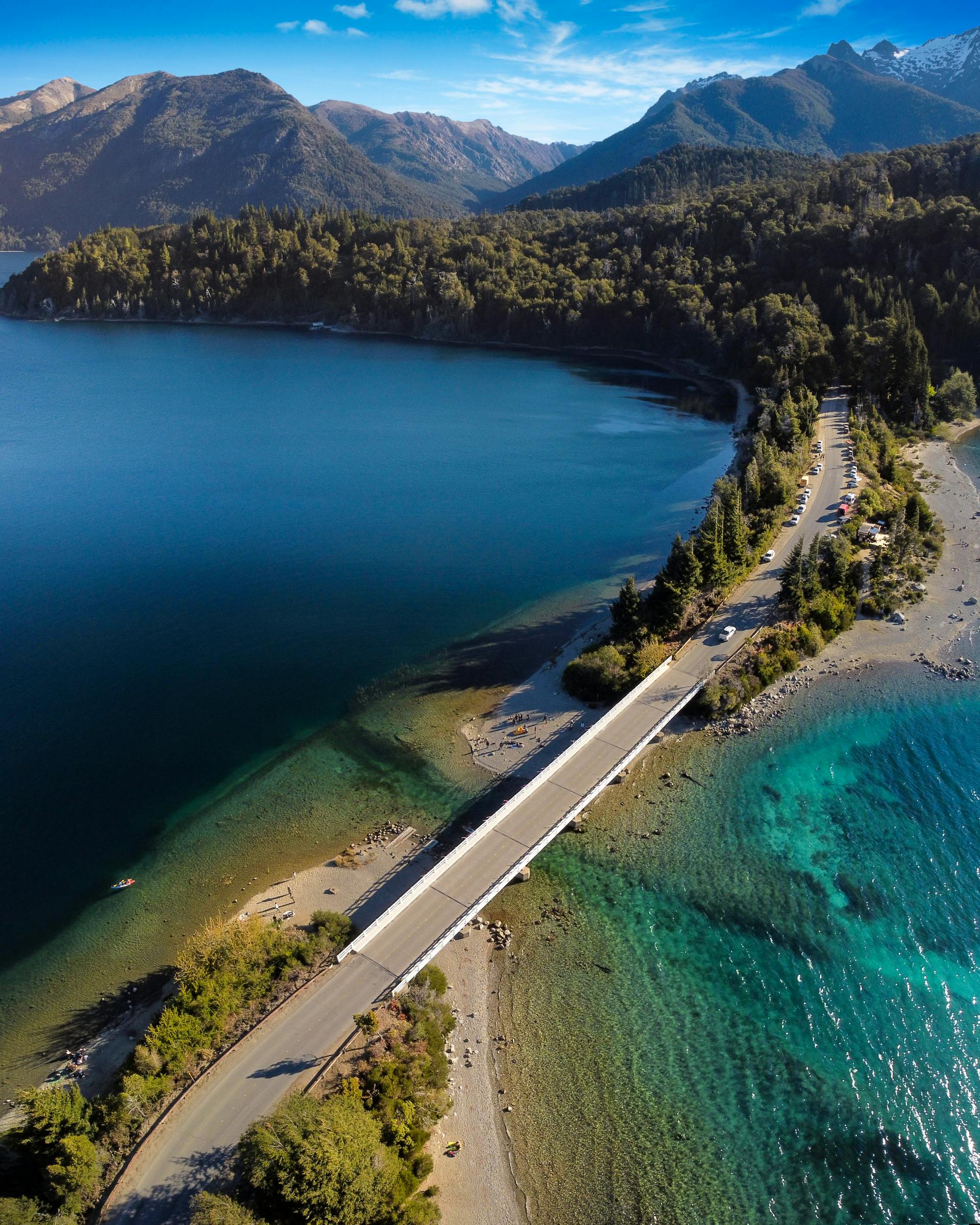
Bariloche and the Lake District
Nearly 1,600 kilometers north of El Calafate, San Carlos de Bariloche introduces a completely different face of Patagonia. Set on the southern shore of Nahuel Huapi Lake and surrounded by alpine peaks, Bariloche combines Patagonian wilderness with Swiss-influenced architecture and culture.
The region's history diverged from other Patagonian areas when German and Swiss immigrants settled here in the late 19th century, bringing alpine building traditions and chocolate-making expertise. Today, Bariloche's Avenida Mitre showcases dozens of artisanal chocolate shops, the city's streets reflect European influences, and the surrounding mountains harbor ski resorts that rival those in the Alps.
Nahuel Huapi National Park, established in 1934 as Argentina's first national park, protects 717,261 hectares of Andean forests, volcanic peaks, and pristine lakes. The park offers exceptional argentina hiking throughout the year, with summer trekking and winter mountaineering providing seasonal alternatives.
Summer Adventures in Bariloche
1. Refugio Frey Trek
Distance: 10 km one-way to Refugio
Duration: 2-3 days typical itinerary
Difficulty: Moderate to Challenging
Elevation Gain: 750 meters
The trek to Refugio Frey represents one of Argentine Patagonia's classic mountain hut experiences. The trail climbs through pristine lenga forest before breaking into alpine terrain surrounding Laguna Toncek, a glacial lake enclosed by distinctive granite spires.
The refugio (mountain hut) provides basic bunk accommodations, meals, and a social atmosphere where climbers, trekkers, and mountain enthusiasts gather. Many visitors spend 2-3 days based at the hut, making day hikes to surrounding viewpoints or attempting rock climbing routes on the granite walls.
Rock Climbing at Frey: The Frey needles—distinctive granite spires rising above the lake—offer over 100 climbing routes ranging from beginner-friendly to extremely technical. The hut maintains a climbing register and provides route information.
Laguna Jakob: A side trail from Frey leads to this more remote lake, surrounded by even more dramatic granite formations. The additional 2-hour hike rewards with solitude and wilderness camping opportunities.
2. Cerro Campanario
Distance: 2 km trail or chairlift option
Duration: 1-2 hours hiking round-trip
Difficulty: Easy
Elevation: 1,050 meters summit
Cerro Campanario provides what National Geographic once called "one of the world's best views"—a 360-degree panorama encompassing Nahuel Huapi Lake, Península San Pedro, Isla Victoria, and surrounding peaks.
A chairlift offers effortless access for those not inclined to hike, making this Bariloche's most accessible viewpoint. The summit café serves refreshments while you absorb the spectacular vista.
Photography: The western view toward the sunset proves particularly photogenic. Many photographers return multiple times to capture different light conditions.
3. Cerro Tronador
Elevation: 3,491 meters
Distance to Black Glacier Viewpoint: 8 km from Pampa Linda
Difficulty: Moderate day hike to viewpoints
Cerro Tronador—"Thunderer Mountain"—earns its name from the constant ice avalanches that rumble down its flanks. This extinct stratovolcano straddles the Argentine-Chilean border, its summit split between three countries.
The Black Glacier (Ventisquero Negro) gets its name from volcanic ash embedded in the ice. A trail from Pampa Linda follows a rushing glacial river to viewpoints of the glacier and surrounding peaks. The hike offers stunning perspectives on alpine ecology as you transition from forest to moraine to ice.
4. Circuito Chico
Distance: 60 km loop
Method: Car, motorcycle, or bicycle
Duration: Half-day to full day
This scenic circuit loops from Bariloche along the shores of Nahuel Huapi Lake, passing viewpoints, beaches, and attractions. The route includes stops at Playa Bonita, Puerto Pañuelo (departure point for Isla Victoria boat tours), the Llao Llao Hotel and Resort, and Punto Panorámico.
Cycling the circuit has become increasingly popular, with bike rentals available in Bariloche. The route includes hills that challenge moderately fit cyclists, but the pavement is good and support services exist along the way.
Colonia Suiza: This Swiss-descended community maintains traditions through its Sunday craft fair (feria) and teahouses serving kuchen (fruit pies) and other alpine specialties.
Winter Activities
Cerro Catedral: Argentina's largest ski resort offers 120 kilometers of runs across 600 hectares. The ski season typically runs June through October, with peak conditions July-September. The resort provides terrain for all abilities, from beginner slopes to challenging expert runs and off-piste opportunities.
Cross-Country Skiing and Snowshoeing: Multiple areas around Bariloche offer Nordic skiing and snowshoeing, providing quieter alternatives to downhill skiing.
Winter Mountaineering: The surrounding peaks offer winter ascents for experienced mountaineers, though these require proper training, equipment, and typically a guide.
Multi-Day Treks
Nahuel Huapi Traverse: This extensive system of trails connects mountain refugios across the park, allowing multi-day trekking similar to European hut-to-hut systems. The Club Andino Bariloche maintains several refugios that provide accommodation and meals.
Popular traverse routes include:
Laguna Negra to Frey (2-3 days)
Pampa Linda to Laguna Frías (3-4 days)
Complete traverse connecting multiple refugios (5-7 days)
These treks require good physical conditioning and navigation skills, as weather can deteriorate rapidly and trails may be poorly marked in sections.
Adventure Activities
Whitewater Rafting: The Río Manso provides Class III-IV rapids through stunning Andean scenery. Rafting tours range from half-day family-friendly floats to full-day technical runs.
Mountain Biking: Trails throughout the region cater to all abilities. The Club Andino maintains trail maps and organizes group rides.
Paragliding: Launching from Cerro Otto or other peaks, tandem paragliding flights offer bird's-eye views of the lakes and mountains.
Kayaking: The calm waters of Nahuel Huapi Lake and surrounding waterways provide excellent sea kayaking, with tour operators offering everything from hour-long paddles to multi-day expeditions.
Bariloche Practical Guide
Chocolate and Cuisine: Bariloche's chocolate tradition dates to the 1940s when Italian immigrants established the first chocolate shops. Today, dozens of chocolaterías line Avenida Mitre. Top choices include Mamuschka, Rapa Nui, and Fenoglio. Beyond chocolate, Bariloche offers excellent restaurants showcasing Patagonian lamb, trout, wild boar, and craft beer.
Accommodation: Options range from hostels in the town center to high-end resorts like Llao Llao, which provides luxury accommodations with spectacular lake and mountain views.
Transportation: Bariloche's airport receives flights from Buenos Aires and other Argentine cities. Within the region, rental cars provide maximum flexibility, though buses connect major attractions. City buses (#10, #20) serve some trailheads and attractions.
Best Seasons:
Summer (December-March): Ideal for hiking, with January-February offering warmest weather
Autumn (March-May): Spectacular fall colors in lenga forests
Winter (June-September): Peak skiing season
Spring (October-November): Shoulder season with fewer crowds and wildflowers
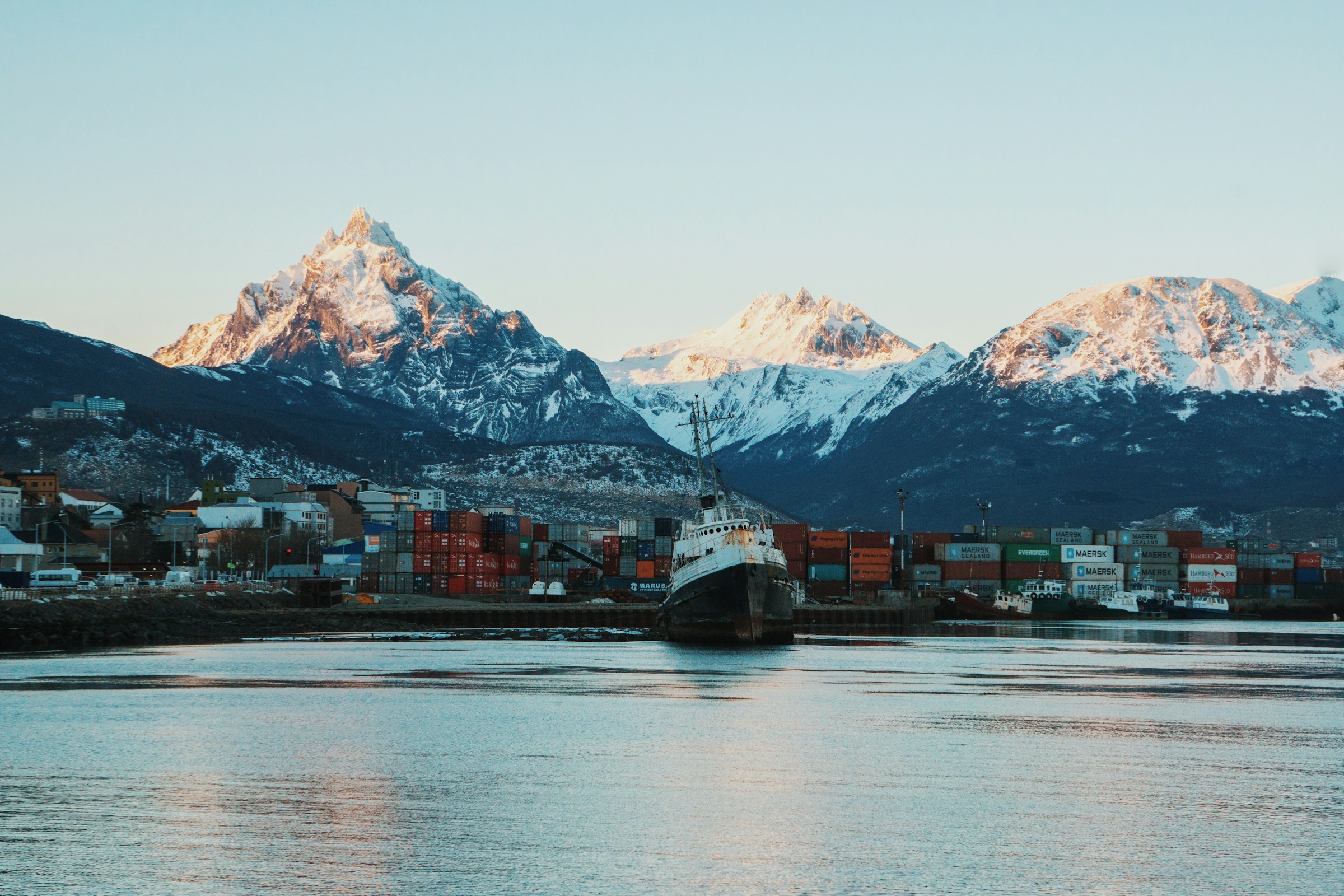
Ushuaia: The End of the World
At 54°48'S latitude, Ushuaia claims the title of world's southernmost city. Dramatically situated between the snow-capped Martial Range and the Beagle Channel, this city of 75,000 offers a unique blend of extreme geography, accessible wilderness, and fascinating history.
Ushuaia's location in Tierra del Fuego—the "Land of Fire"—places it at the very tip of South America. The region's name comes from the fires that indigenous Yámana people kept burning constantly to survive the harsh climate. Today, the city serves as a gateway to Antarctica, a basecamp for argentina adventure in Tierra del Fuego National Park, and a destination offering experiences found nowhere else on Earth.
Tierra del Fuego National Park
Tierra del Fuego National Park protects 63,000 hectares of sub-Antarctic forest, peat bogs, mountains, and coastline along the Beagle Channel. The park represents the southern terminus of the Pan-American Highway and the Andes mountain chain.
1. Coastal Trail (Senda Costera)
Distance: 8 km one-way
Duration: 4-5 hours one-way
Difficulty: Moderate
Trailheads: Ensenada Bay to Lapataia Bay
This trail follows the Beagle Channel coastline through pristine sub-Antarctic forest, offering constant water views and wildlife spotting opportunities. The path winds through lenga and ñire forests, crosses small streams, and emerges onto rocky beaches with views across the channel to Chilean territory.
Wildlife: Steamer ducks, Magellanic oystercatchers, kelp geese, and sometimes sea lions inhabit the coastal zone. In the forests, watch for Magellanic woodpeckers—South America's largest woodpecker species.
The trail can be hiked in either direction or as a point-to-point route using the park's free shuttle buses to return to your starting point.
2. Cerro Guanaco
Distance: 4 km one-way
Duration: 6-8 hours round-trip
Difficulty: Challenging
Elevation Gain: 970 meters
Summit: 1,400 meters
For those seeking a more strenuous challenge, the ascent of Cerro Guanaco rewards with panoramic views encompassing Ushuaia, the Beagle Channel, Chilean mountains, and on clear days, even glimpses of Cape Horn in the distance.
The steep trail climbs through forest before breaking into alpine terrain above treeline. The final approach to the summit crosses loose scree and requires scrambling over rocks. Weather can deteriorate rapidly—only attempt this hike in stable conditions.
3. Laguna Esmeralda
Distance: 4.5 km one-way (9 km round-trip)
Duration: 4-5 hours round-trip
Difficulty: Moderate
Location: Outside park, accessed from Route 3
This trail leads to a stunning turquoise glacial lake nestled beneath mountain peaks. The route crosses extensive peat bogs via wooden boardwalks before climbing through lenga forest to the lake.
The trail's highlight comes when you first glimpse Laguna Esmeralda's impossible turquoise color—a result of glacial flour suspended in the water. On calm days, the surrounding peaks reflect perfectly in the lake's surface.
Trail Conditions: Sections can be extremely muddy, and boardwalks become slippery when wet. Waterproof boots are essential. The trail requires no special permits and can be hiked year-round, though winter brings snow and ice.
Beagle Channel Adventures
The Beagle Channel—named for the HMS Beagle that carried Charles Darwin through these waters in the 1830s—separates Tierra del Fuego's main island from smaller islands to the south. The channel extends 240 kilometers from Ushuaia eastward to the Atlantic Ocean.
Boat Tours: Multiple operators offer excursions ranging from 2-hour trips to full-day adventures:
Isla de los Lobos (Sea Lion Island): Colonies of South American sea lions bask on rocky outcrops, their barking audible from boats that approach within meters.
Isla de los Pájaros (Bird Island): Imperial cormorants nest in large colonies on this rocky islet, sharing space with rock shags and kelp gulls.
Les Éclaireurs Lighthouse: This distinctive red-and-white lighthouse has become an iconic image of Ushuaia, despite being often erroneously called "the Lighthouse at the End of the World."
Penguin Colonies: Martillo Island hosts a colony of Magellanic penguins (and a few Gentoo penguins). Some tours allow visitors to land and walk among the penguins.
Sailing and Kayaking: For more adventurous travelers, sailing expeditions explore remote channels and fjords, while kayaking tours paddle among ice floes and dramatic coastlines.
Winter Sports
Cerro Castor: Located 27 km from Ushuaia, Cerro Castor operates South America's longest ski season (June-October) thanks to its southern latitude and altitude. The resort offers 29 runs across 600 hectares, catering to all abilities.
Dog Sledding: Several operators offer dog sled experiences, continuing a tradition from Tierra del Fuego's early European settlement. Half-day excursions combine mushing through snowy forests with learning about sled dog culture.
Snowshoeing: The valleys and forests around Ushuaia provide excellent snowshoeing terrain, with guided tours ranging from half-day excursions to overnight winter camping trips.
Unique Ushuaia Experiences
End of the World Train (Tren del Fin del Mundo): This heritage railway follows the route that once transported prisoners from Ushuaia's notorious prison to timber-cutting sites. The steam-powered journey travels 7 kilometers through Tierra del Fuego National Park, offering commentary on the region's history.
King Crab Dining: Centolla (king crab) caught in the Beagle Channel appears on menus throughout Ushuaia. Local restaurants like Kaupé and María Lola prepare this delicacy in traditional Fuegian styles.
Museums: The Maritime Museum occupies the former prison building, documenting Antarctic exploration, indigenous history, and the prison's notorious past. The End of the World Museum provides context on Tierra del Fuego's natural history and indigenous cultures.
Antarctica Expeditions: Ushuaia serves as the primary departure point for Antarctic cruises. While expensive, these 10-21 day expeditions offer the adventure of a lifetime for those with the budget and time.
Multi-Day Adventures
Dientes de Navarino Circuit: Across the Beagle Channel in Chile, this challenging 4-5 day trek circumnavigates Navarino Island's "Teeth"—a row of jagged peaks. The route requires complete self-sufficiency, navigation skills, and tolerance for harsh weather. It's considered one of the world's southernmost treks.
Martial Glacier Trek: A demanding day hike or overnight trip climbs to the glacier that feeds waterfalls visible from Ushuaia. The steep trail gains over 1,000 meters, culminating at the glacier's edge with commanding views over the Beagle Channel.
Winter Camping: For experienced adventurers, winter camping in Tierra del Fuego provides an extreme experience. Several guide companies offer supported expeditions with proper cold-weather equipment.
Climbing Adventures in Argentine Patagonia
Beyond trekking, Argentine Patagonia offers world-class climbing across all disciplines—from single-pitch sport routes to multi-day big-wall ascents that rank among mountaineering's greatest challenges.
Rock Climbing Destinations
Refugio Frey: The granite spires surrounding this mountain hut provide over 100 climbing routes from 5.6 to 5.13 in difficulty. The setting allows for multiple days of climbing with comfortable refuge accommodation. Routes range from beginner-friendly single pitches to technical multi-pitch challenges.
El Chalten Sport and Trad Routes: While overshadowed by Fitz Roy and Cerro Torre, El Chalten offers excellent sport climbing on bolted routes and traditional climbing on smaller formations. The Piedra del Fraile area provides quality single and multi-pitch routes in spectacular settings.
Valle Encantado (Enchanted Valley): Near Bariloche, this area offers roadside sport climbing on volcanic rock. The convenient access makes it popular for training and casual climbing days.
Mountaineering Objectives
Cerro Torre (3,128m): Arguably the world's most difficult mountain, Cerro Torre has defeated some of climbing's greatest alpinists. The combination of technical difficulty, vertical ice, and extreme weather creates conditions that allow summit attempts only a handful of days per year. The famous "mushroom" ice cap that crowns the summit adds danger and difficulty.
Fitz Roy (3,405m): First climbed in 1952, Fitz Roy remains an elite objective requiring technical rock climbing skills, ice climbing ability, and the willingness to attempt the route in the brief weather windows Patagonia provides. Most expeditions spend weeks waiting for suitable conditions.
Cerro Solo (2,121m): A more accessible objective near El Chalten, offering technical climbing at high altitude without the extreme difficulties of Fitz Roy. This makes it popular for guided ascents and as preparation for bigger objectives.
Cerro Madsen (1,806m): Another moderate mountaineering objective accessible from El Chalten, featuring glacier travel and some technical rock climbing.
Ice Climbing
Patagonia's glaciers provide exceptional ice climbing opportunities. The Glaciar Piedras Blancas near El Chalten offers accessible ice climbing on the glacier's terminal face. More adventurous climbers seek out hanging ice formations on mountain faces.
The best ice climbing season runs October through March, coinciding with the trekking season. Conditions vary year to year based on snowfall and temperatures.
Guide Services and Schools
For those without extensive mountaineering experience, several reputable guide companies operate in Patagonia:
Patagonia Aventura (El Chalten)
Andescross (El Chalten and Bariloche)
Club Andino Bariloche (Bariloche courses and guides)
These services offer everything from introductory rock climbing courses to fully guided expeditions on major peaks. Equipment rental is available in El Chalten and Bariloche for those not traveling with full climbing gear.
Wildlife and Natural Wonders
Argentine Patagonia's wildlife reflects millions of years of evolution in isolation, creating unique species and behaviors found nowhere else on Earth.
Wildlife Watching
Guanaco Herds: These elegant camelids roam the Patagonian steppe in herds that can number in the hundreds. Related to llamas and alpacas but never domesticated, guanacos represent one of Patagonia's iconic mammals. Their keen eyesight and speed make them difficult to approach, but patient observers can watch herds grazing, interacting, and caring for young.
Andean Condors: With wingspans reaching 3 meters, Andean condors soar on thermal updrafts, scanning for carrion. These massive birds can live over 50 years and mate for life. Their populations faced significant declines but have stabilized thanks to conservation efforts. The best viewing locations include cliff areas and mountain passes where updrafts occur.
Magellanic Penguins: The Punta Tombo colony (near Trelew, northern Patagonia) hosts South America's largest Magellanic penguin colony—over one million birds during peak season. Near Ushuaia, smaller colonies on Martillo Island allow closer interactions during guided visits.
Southern Right Whales: Puerto Madryn and Peninsula Valdés in northern Patagonia provide some of the world's best whale watching. Southern right whales congregate in these protected bays June through December to mate and calve.
Puma Tracking: Torres del Paine in Chile became famous for puma tracking, but Argentine Patagonia increasingly offers similar opportunities. Specialized guides in Los Glaciares National Park lead wildlife photography tours focused on finding and observing these elusive predators.
Orcas (Seasonal): Peninsula Valdés witnesses a unique hunting behavior where orcas intentionally beach themselves to catch seal pups. This spectacular predation occurs February through April.
Flora
Southern Beech Forests: Three species dominate Patagonian forests:
Nothofagus pumilio (Lenga): Deciduous, turning brilliant yellow and red in autumn
Nothofagus antarctica (Ñire): Smaller, twisted trees adapted to harsh conditions
Nothofagus betuloides (Guindo): Evergreen, found in wetter areas
These forests create ecosystems that have remained largely unchanged for millions of years, harboring unique insects, birds, and fungi.
Patagonian Steppe: This seemingly barren landscape bursts into color during spring (October-November) when wildflowers bloom. Hardy grasses, cushion plants, and shrubs have evolved remarkable adaptations to survive the region's harsh winds and temperature extremes.
Wildflower Seasons: Spring brings calafate blossoms, lupines, and dozens of native wildflower species. The timing varies by elevation and latitude, with northern areas blooming earlier than southern zones.
Geological Features
Ancient Glacial Formations: The Patagonian landscape bears the sculptural marks of glaciation—U-shaped valleys, hanging valleys, moraines, and glacial erratics (boulders transported by ice and left isolated).
Volcanic Landscapes: Several extinct volcanoes dot northern Patagonia, including Cerro Tronador near Bariloche. Volcanic soils support unique plant communities.
Turquoise Glacial Lakes: The distinctive color of Patagonian glacial lakes results from "glacial flour"—fine rock particles ground by glaciers and suspended in water. As light penetrates the water, it scatters differently depending on particle size, creating shades from deep blue to bright turquoise.
Petrified Forests: The Bosques Petrificados National Monument protects forests turned to stone 150 million years ago, when Patagonia's climate was dramatically different.
Planning Your Argentina Patagonia Adventure
Successful argentina adventure requires careful planning, realistic expectations, and flexibility to adapt to Patagonia's famously unpredictable conditions.
When to Visit
Summer Season (December-March): Peak hiking season offers the most stable weather, longest days (daylight until 10 PM in January), and fullest access to trails. However, this is also the most crowded and expensive period. December-February sees trails at their busiest.
Shoulder Seasons (October-November, March-April): These periods offer excellent compromise—reasonable weather, fewer crowds, and often lower prices. October and November bring spring wildflowers and less predictable weather. March and April feature spectacular autumn colors in lenga forests and generally good trail conditions.
Winter (June-September): While hiking opportunities decrease dramatically, winter transforms Patagonia into a wonderland for skiing, snowboarding, snowshoeing, and winter mountaineering. Bariloche and Ushuaia become winter sports hubs.
Weather Patterns: Patagonian weather remains notoriously changeable year-round. The region experiences strong westerly winds that can exceed 100 km/h, sudden temperature drops, and rapid weather transitions. A morning of sunshine can become an afternoon snowstorm even in summer. Always carry layers and waterproof gear regardless of forecasts.
How Long to Stay
One Week: Focus on either the glaciers (El Calafate + El Chalten) or the Lake District (Bariloche), with possible day trip to the other region.
Sample itinerary:
Days 1-2: El Calafate and Perito Moreno Glacier
Days 3-6: El Chalten hiking (Laguna de los Tres, Laguna Torre, rest day)
Day 7: Return travel
Two Weeks: Add a second major region (Bariloche or Ushuaia) to the one-week itinerary.
Sample itinerary:
Days 1-2: El Calafate and glaciers
Days 3-6: El Chalten trekking
Days 7-8: Travel to Bariloche
Days 9-13: Bariloche area hiking and activities
Day 14: Return travel
Three+ Weeks: Allows comprehensive exploration of multiple regions, multi-day treks, and time for weather delays without stress.
Sample itinerary:
Week 1: El Calafate and El Chalten
Week 2: Bariloche and Lake District
Week 3: Ushuaia and Tierra del Fuego
Additional time: Puerto Madryn, Peninsula Valdés, or Chilean Patagonia
Getting Around
Flying Between Destinations: Internal flights connect major Patagonian cities, though they can be expensive. Budget carriers like Flybondi and JetSmart offer lower fares than traditional carriers. Book in advance for best prices.
Bus Networks: Argentina maintains an extensive, comfortable long-distance bus system. Companies like Andesmar and Via Bariloche operate modern coaches with reclining seats, meals, and even sleeper berths on overnight routes. Buses are significantly cheaper than flights but much slower.
Key routes:
El Calafate to El Chalten: 3-3.5 hours
Bariloche to El Calafate: 22-24 hours
Bariloche to Ushuaia: Not direct; requires connection through Chile or coastal route
Car Rental: Renting a car provides maximum flexibility for exploring, accessing trailheads, and traveling at your own pace. However, distances are vast, fuel is expensive, and winter driving can be treacherous. Rental cars are available in all major cities.
Border Crossings to Chile: Several routes connect Argentine and Chilean Patagonia. The most popular crossing is from El Calafate to Torres del Paine (Chile). Ensure your rental agreement allows cross-border travel, as many do not.
Budgeting
Budget Travel (USD $50-80/day):
Hostel dorm beds or budget hotels
Self-catering most meals
Self-guided hiking on free trails
Public buses for transportation
Minimal tour booking
Mid-Range Travel (USD $100-200/day):
Private rooms in hostels or mid-range hotels
Mix of restaurants and self-catering
Some guided day tours (glacier treks, boat tours)
Rental car or mix of flights and buses
Comfortable pace with flexibility
Luxury Travel (USD $250+/day):
High-end lodges and hotels
All meals at restaurants
Private guides and tailored experiences
Flights between destinations
Premium activities and tours
Where to Save Money:
Hiking is free on most trails
Self-catering reduces food costs significantly
Hostel accommodations are surprisingly nice
Bus travel costs fraction of flights
Camping at established sites (where permitted)
Where to Splurge:
Glacier ice trekking experiences
Multi-day guided treks
Quality waterproof gear (worth the investment)
At least one nice dinner featuring Patagonian specialties
Boat tours to remote glaciers
Essential Gear
Layering System:
Base layer (merino wool or synthetic)
Insulating layer (fleece or down)
Waterproof/windproof shell (absolutely critical)
Warm hat and gloves (even in summer)
Buff or balaclava for wind protection
Waterproof and Windproof Outerwear: This is non-negotiable. Patagonian winds can make moderate temperatures feel freezing, and rain can appear from clear skies. Invest in quality Gore-Tex or equivalent shells.
Quality Hiking Boots: Broken-in, waterproof boots with good ankle support are essential. Many trails cross streams, traverse wet terrain, and include steep, rocky sections.
Photography Equipment: Patagonia offers extraordinary photographic opportunities. Bring:
Wide-angle lens for landscapes
Telephoto for wildlife
Polarizing filter to enhance skies and reduce water glare
Weather protection for cameras
Extra batteries (cold drains them quickly)
Camping Gear (if trekking):
4-season tent capable of withstanding high winds
Sleeping bag rated to at least -5°C
Insulated sleeping pad
Camp stove (fuel available in outdoor shops)
Water purification (streams are generally safe but treatment recommended)
Booking Considerations
What to Book in Advance:
Accommodations in El Calafate and El Chalten (December-February books out months ahead)
Glacier ice trekking tours (limited daily capacity)
Refugio reservations for multi-day treks
Flights during peak season
Car rentals in peak season
What Can Be Arranged on Arrival:
Most day tours (except peak season)
Camping permits (obtain at ranger stations)
Equipment rental
Bus tickets (usually available same-day)
Restaurant reservations (except high-end establishments)
Peak Season Reservations: For travel December through February, book accommodations 3-6 months in advance. El Chalten has limited beds, and El Calafate fills completely during peak weeks.
Accommodation Types:
Hostels: Budget-friendly with social atmosphere, often featuring well-equipped kitchens
Hotels: Range from simple to luxury, with varying breakfast quality
Refugios: Mountain huts on multi-day treks, providing bunks and meals
Camping: Established sites in national parks; wild camping prohibited in most areas
Estancias: Working ranches offering accommodation and gaucho experiences
Sustainable Travel in Patagonia
With increasing tourism comes growing responsibility to protect Patagonia's fragile ecosystems and support local communities.
Leave No Trace Principles
Pack Out All Trash: Carry bags for all waste, including organic materials. Decomposition is extremely slow in Patagonia's cold climate—an orange peel can take years to break down.
Stay on Marked Trails: Vegetation recovers slowly from trampling. Established trails concentrate impact, preserving surrounding ecosystems.
Respect Wildlife: Maintain distance from all animals. Never feed wildlife—it alters natural behaviors and creates dangerous situations. Use telephoto lenses for close-up photos.
Campfire Regulations: Fires are prohibited in most areas due to fire risk and wood scarcity. Use camping stoves for cooking. The catastrophic fires in Torres del Paine (2011, 2020) demonstrate the devastating consequences of carelessness.
Human Waste Disposal: Use established facilities where available. In backcountry, bury waste 15-20 cm deep, 50+ meters from water sources. Pack out toilet paper in sealed bags.
Supporting Local Communities
Choose Local Guides and Tour Operators: Hiring local companies ensures tourism revenue benefits the communities you visit. Ask about guide certifications and environmental practices.
Stay in Locally-Owned Accommodations: Small hostels and family-run hotels circulate more money within local economies than international chain hotels.
Buy from Local Artisans: Markets in El Chalten, El Calafate, and Bariloche feature crafts made by local artisans. Authentic products support traditional skills.
Respect Gaucho Culture: Patagonia's gaucho (cowboy) traditions remain living culture, not merely tourist attractions. Estancia visits should be approached as cultural exchanges, showing respect for working ranches and the people who maintain them.
Climate Change Impact
Glacier Recession: Patagonian glaciers are retreating at alarming rates. Upsala Glacier has receded over 3 kilometers since 2000. Perito Moreno remains relatively stable but shows signs of change. Scientists predict many smaller glaciers may disappear within decades.
How Tourism Affects the Region: While tourism provides economic benefits, it also contributes to environmental pressures through carbon emissions, waste generation, and ecosystem disturbance. Responsible travelers can minimize their impact through:
Offsetting flight carbon emissions
Using public transportation when possible
Supporting companies with strong environmental commitments
Following all regulations and guidelines
Educating themselves about local ecology
Responsible Tour Operator Selection: Look for operators with:
Leave No Trace training for guides
Small group sizes
Environmental certifications
Participation in local conservation initiatives
Fair wages and good working conditions for staff
Organizations like Conservation Patagonica work to protect ecosystems and can connect travelers with responsible operators.
Conclusion
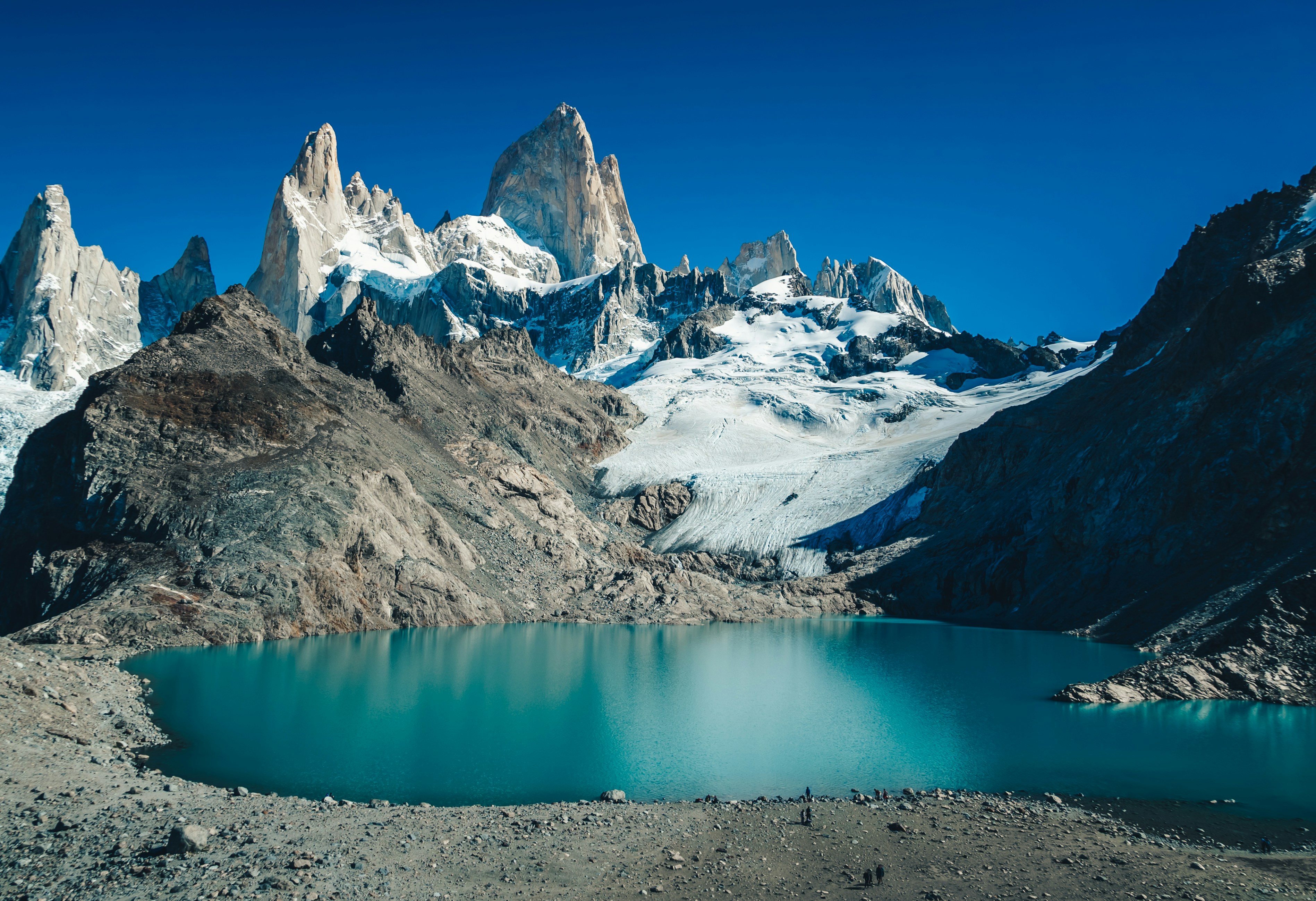
Argentine Patagonia stands as one of Earth's most remarkable wilderness regions—a place where granite spires pierce clouds, glaciers calve into turquoise lakes, condors soar on Andean thermals, and the wind itself seems to speak of ancient forces beyond human comprehension. From El Chalten's iconic argentina hiking trails beneath Fitz Roy's soaring face to the thundering ice walls of Perito Moreno Glacier, from Bariloche's alpine lakes to Ushuaia's position at the world's edge, this region offers argentina adventure at a scale and intensity found in few other places on Earth.
The experiences awaiting in Patagonia extend beyond mere sightseeing. This is a landscape that demands engagement—climbing steep trails that test your limits, standing before glaciers that dwarf human perspective, feeling winds that remind you of nature's raw power. It's a place that changes people, that instills humility alongside exhilaration, that creates memories burned into consciousness by the pure intensity of encounter with wilderness.
Yet Patagonia remains accessible. Well-maintained trails, comfortable accommodations, reliable transportation, and excellent guide services mean that these spectacular experiences don't require extreme mountaineering skills or unlimited budgets. Whether you have one week or three months, whether you're a hardcore alpinist or a casual hiker, Argentine Patagonia welcomes you with experiences scaled to your ambitions and abilities.
Beyond the famous destinations lie countless opportunities for exploration. Side valleys that see few visitors, viewpoints known only to locals, estancias where gaucho culture thrives away from tourist routes—these discoveries often become travelers' most cherished memories. Don't hesitate to venture beyond the guidebook highlights, to ask locals for their favorite spots, to take the unmarked trail that catches your interest.
As you plan your Argentine Patagonia adventure, remember that flexibility enhances the experience. Weather will disrupt plans. Buses will run late. That perfect sunrise photo will elude you on the first attempt. These aren't failures but part of Patagonia's character. The region teaches patience, adaptability, and appreciation for moments when conditions align perfectly.
Start planning your journey to this extraordinary region. Research trails, book accommodations, invest in quality gear, and prepare for an adventure that will challenge and reward in equal measure. Argentine Patagonia awaits with glaciers to witness, peaks to climb, trails to hike, and experiences that will resonate long after you return home.
For more detailed trail guides, gear recommendations, and insider tips, explore additional resources at Go Wild Patagonia. Your Patagonian adventure begins with a single step—make it count.
References and Sources
Administración de Parques Nacionales (Argentine National Parks)
Official information on Los Glaciares, Nahuel Huapi, and Tierra del Fuego National Parks
https://www.argentina.gob.ar/parquesnacionalesLos Glaciares National Park UNESCO World Heritage Site
Cultural and natural significance documentation
https://whc.unesco.org/en/list/145/El Chalten Official Tourism Website
Trail information, accommodation, and practical guide
https://www.elchalten.com/El Calafate Official Tourism Website
Activities, accommodations, and glacier information
https://www.elcalafate.tur.ar/San Carlos de Bariloche Tourism Office
Lake District activities and seasonal information
https://www.bariloche.org/Ushuaia Official Tourism Website
Tierra del Fuego information and activities
https://www.ushuaia.tur.ar/Club Andino Bariloche
Refugio information, trail maps, and mountain conditions
https://www.clubandino.org/Hielo y Aventura (Perito Moreno Glacier Trekking)
Ice trekking tour information and booking
https://hieloyaventura.com/SummitPost - Patagonia Climbing Information
Detailed climbing routes and mountaineering beta
https://www.summitpost.org/Weather and Climate Data
Historical weather patterns for trip planning
https://www.weatherspark.com/Peninsula Valdés Wildlife Information
Whale watching and wildlife viewing seasons
https://www.puertomadryn.tur.ar/Conservation Patagonica
Environmental conservation initiatives and sustainable tourism
https://www.conservacionpatagonica.org/The Guardian - Torres del Paine Fire Coverage
Environmental impact and fire prevention importance
https://www.theguardian.com/world/2015/jan/14/chile-torres-del-paine-fire-patagoniaFlybondi and JetSmart Airlines
Budget airline options for internal Patagonian flights
https://www.flybondi.com/ | https://www.jetsmart.com/Andesmar Bus Company
Long-distance bus routes and schedules
https://www.andesmar.com/
This comprehensive guide was created for Go Wild Patagonia (www.gowildpatagonia.com) to help adventurers plan unforgettable experiences in Argentine Patagonia.
About Me
Veb
Hey there! I’m Veb and I've traveled solo and in groups for 10+ years in Patagonia - across Chile and Argentina.
I started Go Wild Patagonia with a desire to help other travelers plan their journeys in Patagonia with a focus on adventure, nature and being in the wilderness.
Say Thanks
Support my mission to make Patagonia more accessible for travelers while supporting local tour operators who organize only sustainable travels in Patagonia.
Read More
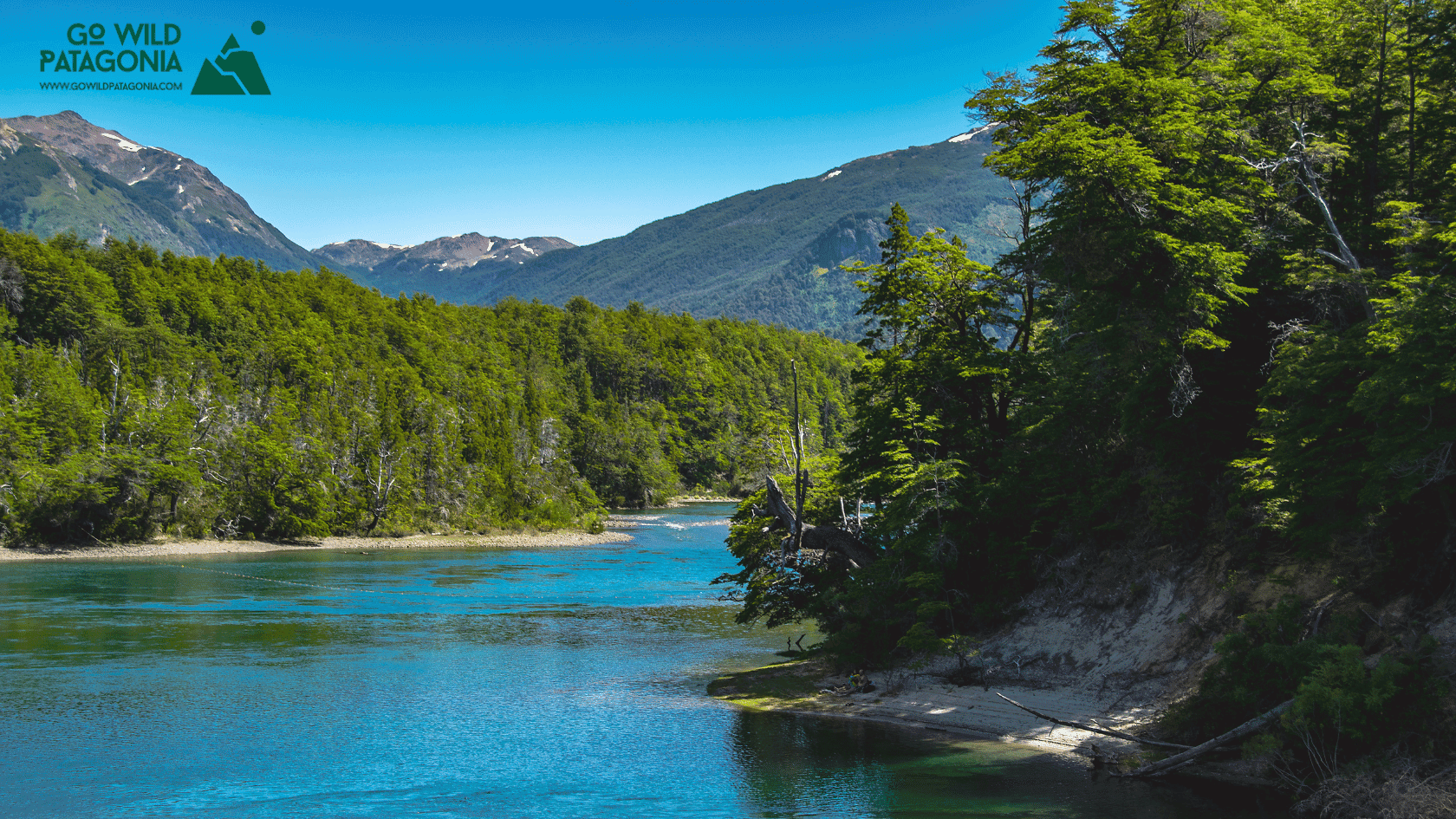
Chubut Province, Argentina — Cathedral of Ancient Trees Overview Los Alerces National Park protects 263,000 hectares of pristine Valdivian rainforest in Argentine Patagonia, home to some of the oldest living trees on Earth. The park's namesake—the alerce tree (Fitzroya cupressoides)—can live over 3,000 years, rivaling California's sequoias and bristlecone pines.
Update on Oct 24, 2025
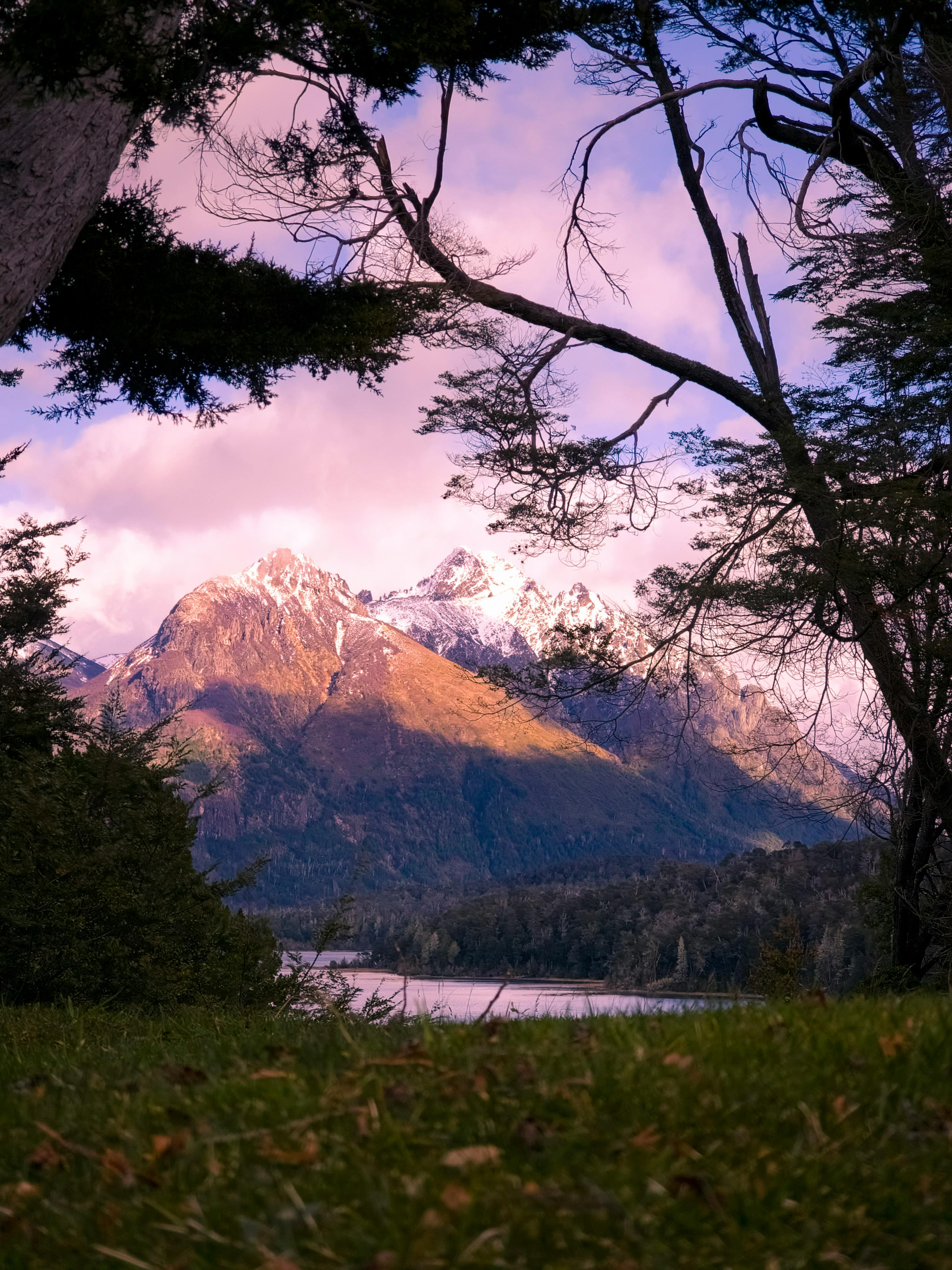
El Bolsón offers world-class hiking: Refugio Hielo Azul and Refugio Cajón del Azul sit in alpine cirques accessible via multi-day treks, Cerro Piltriquitrón (2,284m) provides panoramic summit views, and Cajón del Azul's turquoise canyon ranks among Patagonia's most photographed day hikes.
Update on Oct 24, 2025
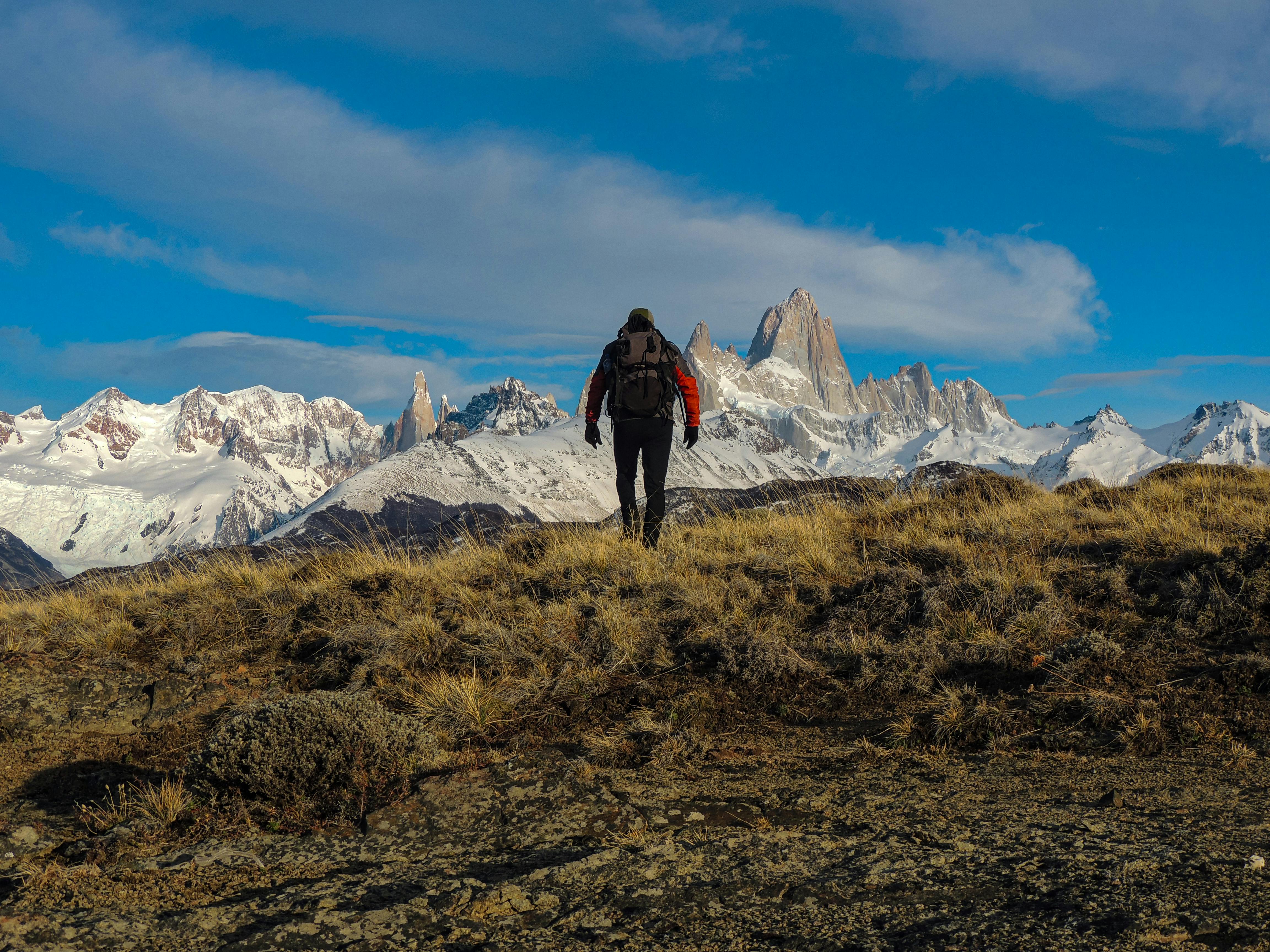
Monte Leon National Park is Argentina's first coastal national park, protecting 40 km of dramatic Atlantic shoreline where the Patagonian steppe meets the sea.
Update on Oct 24, 2025