
Patagonia Trekking Guide for Adventure Travelers and Hikers
Patagonia trekking is unlike anywhere else on Earth. The region's extreme weather can deliver four seasons in a single day, winds strong enough to knock you off your feet are commonplace, and the landscapes range from turquoise glacial lakes to windswept steppes to lush southern beech forests. This comprehensive guide covers everything you need to plan your Patagonia trekking adventure.
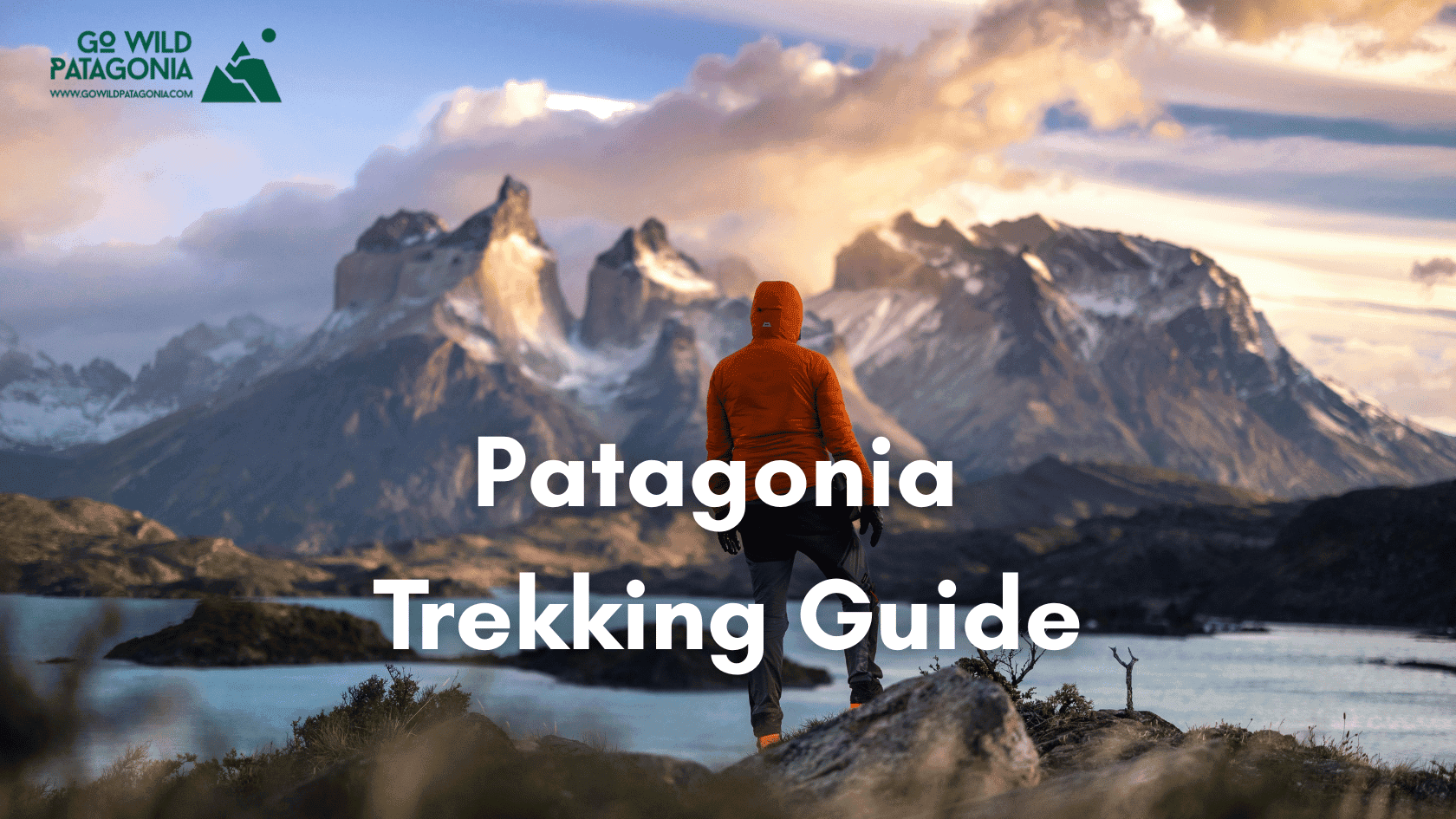
Patagonia Trekking Guide for Adventure Travelers and Hikers
Standing at the base of the iconic granite towers of Torres del Paine, with 100 km/h winds whipping around you and glaciers gleaming in the distance, you'll understand why Patagonia is considered the ultimate trekking destination. This vast wilderness at the southern tip of South America offers some of the most spectacular and challenging hiking on the planet, where dramatic peaks pierce endless skies, massive glaciers carve through ancient valleys, and the raw power of nature is on full display at every turn.
Patagonia trekking is unlike anywhere else on Earth. The region's extreme weather can deliver four seasons in a single day, winds strong enough to knock you off your feet are commonplace, and the landscapes range from turquoise glacial lakes to windswept steppes to lush southern beech forests. Yet despite these challenges, or perhaps because of them, hundreds of thousands of adventurers make the pilgrimage to Patagonia each year seeking the transformative experience that only true wilderness can provide.
This comprehensive guide covers everything you need to plan your Patagonia trekking adventure, whether you're dreaming of the famous W Trek in Torres del Paine, the iconic Fitz Roy trails around El Chalten, or lesser-known gems like the Dientes Circuit in Tierra del Fuego. We'll explore both Argentine and Chilean Patagonia, from the Lake District in the north to the end of the world in Ushuaia, helping you navigate the practical challenges of permits, bookings, gear selection, and logistics.
The Patagonian trekking season runs primarily from October through April, with the highest concentration of trekkers arriving during the summer months of December through February. However, the shoulder seasons offer their own rewards: fewer crowds, lower prices, and in autumn, the spectacular golden colors of the lenga forests. Winter trekking is reserved for experienced mountaineers only, as most trails close and conditions become extreme.
Whether you're a seasoned backpacker looking for your next multi-day challenge or a moderately fit hiker planning your first international trekking experience, Patagonia has routes to match your abilities. This guide will help you choose the right treks, prepare properly, and maximize your chances of having the adventure of a lifetime in one of the world's last great wilderness areas.
Understanding Patagonia: Geography and Climate
Geographic Overview
Patagonia is a geographic region occupying the southern portions of Argentina and Chile, stretching from roughly the Colorado River in the north to Cape Horn in the south. For trekkers, the most relevant areas lie in what's known as Southern Patagonia, where the Andes mountain range forms a dramatic spine dividing the two countries.
The region's key trekking areas include the Torres del Paine National Park in Chilean Patagonia, renowned worldwide for its granite peaks and the famous W and O treks. Just across the border, Argentina's Los Glaciares National Park encompasses the Fitz Roy massif and Cerro Torre, accessed from the trekking mecca of El Chalten. Further south, Tierra del Fuego offers remote, challenging routes in the world's southernmost trekking destinations. The Lake District, spanning both countries near Bariloche and Puerto Varas, provides a slightly more temperate introduction to Patagonian trekking.
The Southern Patagonian Ice Field, the world's third-largest ice cap outside the polar regions, dominates the high Andes here, feeding massive glaciers like Perito Moreno, Grey, and Upsala. These glaciers have carved the distinctive landscapes that make Patagonia trekking so spectacular: U-shaped valleys, turquoise lakes filled with glacial flour, and hanging valleys with thundering waterfalls.
Climate and Weather Patterns
Patagonia's weather is legendary among trekkers, and not always in a good way. The region sits in the path of the "Roaring Forties" and "Furious Fifties," where powerful westerly winds circle the globe unimpeded by landmasses. These winds, compressed and accelerated by the Andes, regularly reach 50-70 mph (80-110 km/h), and gusts over 100 mph (160 km/h) are not uncommon. The winds are strongest during spring and summer, often peaking in the afternoon.
The weather's extreme variability is another defining characteristic. Patagonia's position where different air masses collide creates rapidly changing conditions. It's entirely normal to experience sunshine, rain, sleet, and snow within a few hours. The saying "four seasons in one day" isn't an exaggeration here, it's a planning necessity.
Microclimates vary dramatically across the region. The western slopes facing the Pacific receive substantially more precipitation, creating lush forests on the Chilean side, while eastern Argentine Patagonia is much drier, characterized by open steppe. Torres del Paine, sitting in a transition zone, can see up to 200 rainy days per year, though often as brief squalls rather than all-day downpours.
Temperature-wise, Patagonia is cooler than its latitude might suggest, thanks to glacial influence and strong winds. Summer highs in trekking areas typically range from 50-65°F (10-18°C), with nighttime lows dropping to 35-45°F (2-7°C). At higher elevations or during storms, freezing temperatures can occur even in mid-summer. Spring and fall are cooler, with daytime temperatures around 40-55°F (4-13°C).
Best Time for Patagonia Trekking
High Season (December-February) represents the peak trekking window. December through February offers the warmest weather, with January typically being the warmest month. Days are incredibly long during this period, with sunrise around 4:30am and sunset near 10pm in late December, providing maximum daylight for trekking. All trails are open, refugios and campsites operate at full capacity, and services are readily available. However, this is when trails are most crowded, particularly the W Trek in Torres del Paine, which can feel like a highway during peak weeks. Prices are at their highest, and advance bookings (6-12 months for Torres del Paine refugios) are absolutely essential.
Shoulder Season (October-November and March-April) offers compelling advantages for flexible travelers. In spring (October-November), the season is just ramping up, with fewer trekkers on the trails and significantly lower prices for both accommodations and flights. The weather becomes more unpredictable, but the crowds are a fraction of summer levels. Some facilities may not open until late October or early November. Autumn (March-April) brings spectacular fall colors as the southern beech forests turn golden and crimson. The weather is increasingly variable, with a higher chance of snow at elevation, but trekkers who don't mind uncertainty are rewarded with near-empty trails and dramatic landscapes.
Winter (May-September) closes most trekking areas entirely. The combination of extreme weather, heavy snow, and short days makes conventional trekking impossible. Only specialist winter mountaineering expeditions venture into the backcountry during these months. However, the Lake District areas around Bariloche and Puerto Varas become ski destinations.
A month-by-month breakdown: October sees trails opening with wildflowers beginning to bloom but highly variable weather. November offers the best balance for those seeking fewer crowds with reasonable weather. December brings the longest days and warming temperatures as high season begins. January is the warmest and busiest month. February maintains good weather with slightly fewer crowds. March transitions to fall with beautiful colors appearing. April sees facilities beginning to close as winter approaches.
Flora and Fauna
Patagonia's ecosystems range from dense southern beech (Nothofagus) forests to open steppe grasslands. The forests, dominated by lenga, ñire, and coihue trees, create stunning autumn displays in March and April. At higher elevations, these give way to hardy shrubs and eventually barren alpine zones.
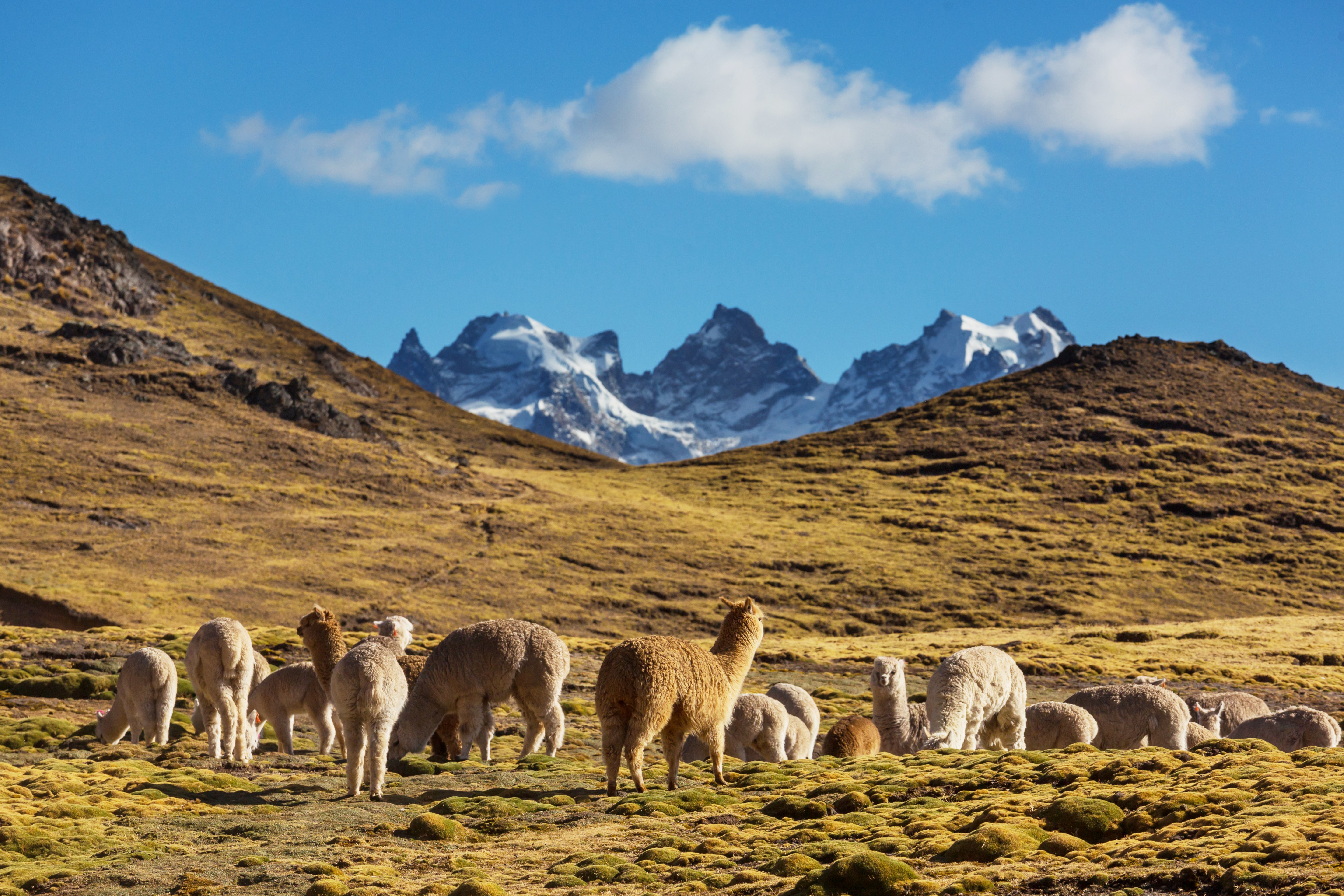
Wildlife encounters add magic to any Patagonia trek. Guanacos, the wild relatives of llamas, are ubiquitous across the steppes and often seen along trails. Andean condors, with wingspans up to 10 feet, soar on thermals above the peaks. Keen-eyed trekkers might spot the endangered Andean deer (huemul) in remote valleys. Pumas inhabit the region but are rarely seen, though tracks and scat are common. Grey foxes are often spotted near campsites, particularly in Torres del Paine.
Birdlife is diverse, including Magellanic woodpeckers, upland geese, and numerous species of waterfowl on the lakes. In some areas, particularly during summer, biting flies called tabanos can be a nuisance, though they're generally not as problematic as mosquitoes in other wilderness areas.
Responsible wildlife viewing means maintaining distance (especially from pumas if encountered), never feeding animals, and properly storing food to avoid attracting wildlife to campsites.
Iconic Multi-Day Treks in Patagonia
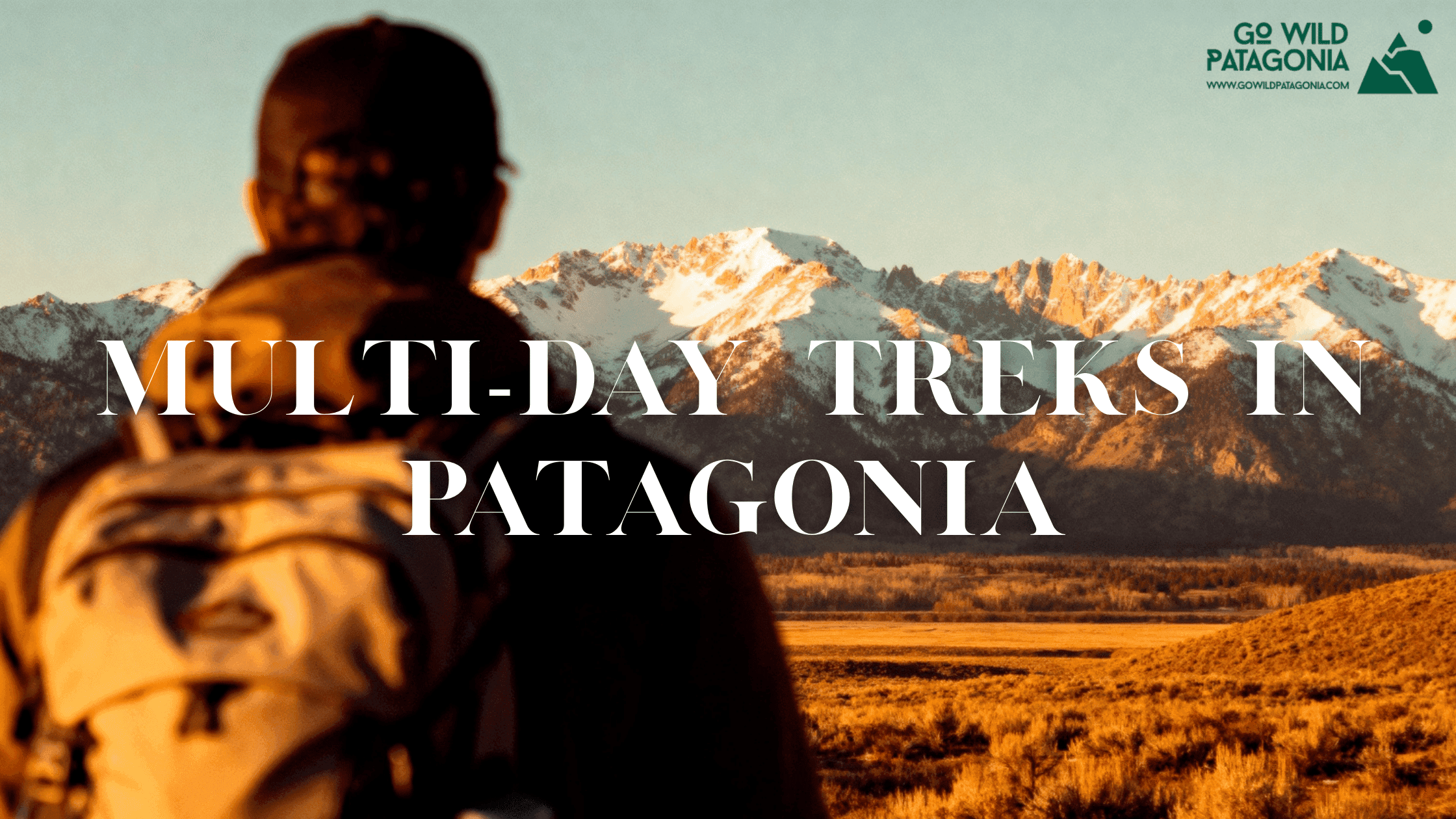
Torres del Paine W Trek (Chile)
The W Trek is Patagonia's most famous route, drawing thousands of trekkers annually to Torres del Paine National Park. This 4-5 day journey covering approximately 80 km (50 miles) earns its name from the W-shaped path it traces through the park's highlights. The trek is considered moderate in difficulty, suitable for anyone with regular fitness and some backpacking experience.
Most trekkers walk the W from west to east, starting at Paine Grande lodge after a catamaran ride across Lago Pehoé, though it can be done in reverse. The route visits the park's three valleys, each offering distinct spectacular scenery. The first section leads to Grey Glacier, where massive ice walls calve into the lake with thunderous cracks. The central valley, Valle del Francés (French Valley), penetrates deep into the massif, surrounded by hanging glaciers and granite spires known as the Cuernos (Horns). The eastern section culminates at the base of the Torres themselves, three granite towers rising nearly 3,000 feet above their cirque. The final push to Mirador Las Torres typically begins before dawn to catch sunrise illuminating the towers in brilliant orange light.
Accommodation options include staying in refugios (mountain lodges with meals included) or camping. Refugio packages provide bed, breakfast, and dinner, plus packed lunches, making them popular despite higher costs. Camping requires carrying more gear but offers more flexibility and lower prices. Note that all accommodations must be booked well in advance through concessionaire websites like Vertice Patagonia or Fantastico Sur, typically 6-12 months ahead for high season.
The best season for the W Trek is November through March, with December and January being busiest. The trek requires reasonable fitness for days of 4-8 hours of hiking with elevation gains up to 2,500 feet, plus the ability to handle variable weather and strong winds.
Torres del Paine O Circuit (Chile)
The O Circuit (or Paine Circuit) represents the complete experience of Torres del Paine, a challenging 8-10 day trek covering approximately 130 km (80 miles) around the entire massif. This route includes all the highlights of the W Trek plus the remote "backside" of the park, offering much greater solitude and wilderness experience.
The circuit's most challenging section is the John Garner Pass at 1,241 meters (4,072 feet), where trekkers cross between the Grey Glacier and the Los Perros valley. This exposed pass can be treacherous in bad weather, with strong winds, snow, and poor visibility even in summer. The climb up requires scrambling over rocky terrain and sometimes crossing snow patches, while the descent on the far side is steep and can be slippery.
The backside of the park sees a fraction of the W Trek's crowds, offering a true wilderness experience. Wildlife is more abundant, and the sense of remoteness is profound. The circuit requires higher fitness levels than the W, with longer daily distances, more elevation gain, and several demanding sections. Self-sufficiency is more important here, as facilities are more basic and spaced farther apart.
Booking requirements are similar to the W Trek, with the added consideration that the circuit is typically done with camping rather than refugios for most sections. The circuit must be completed in a clockwise direction as per CONAF regulations. Allow 8-10 days, with one or two potential weather days built into your itinerary.
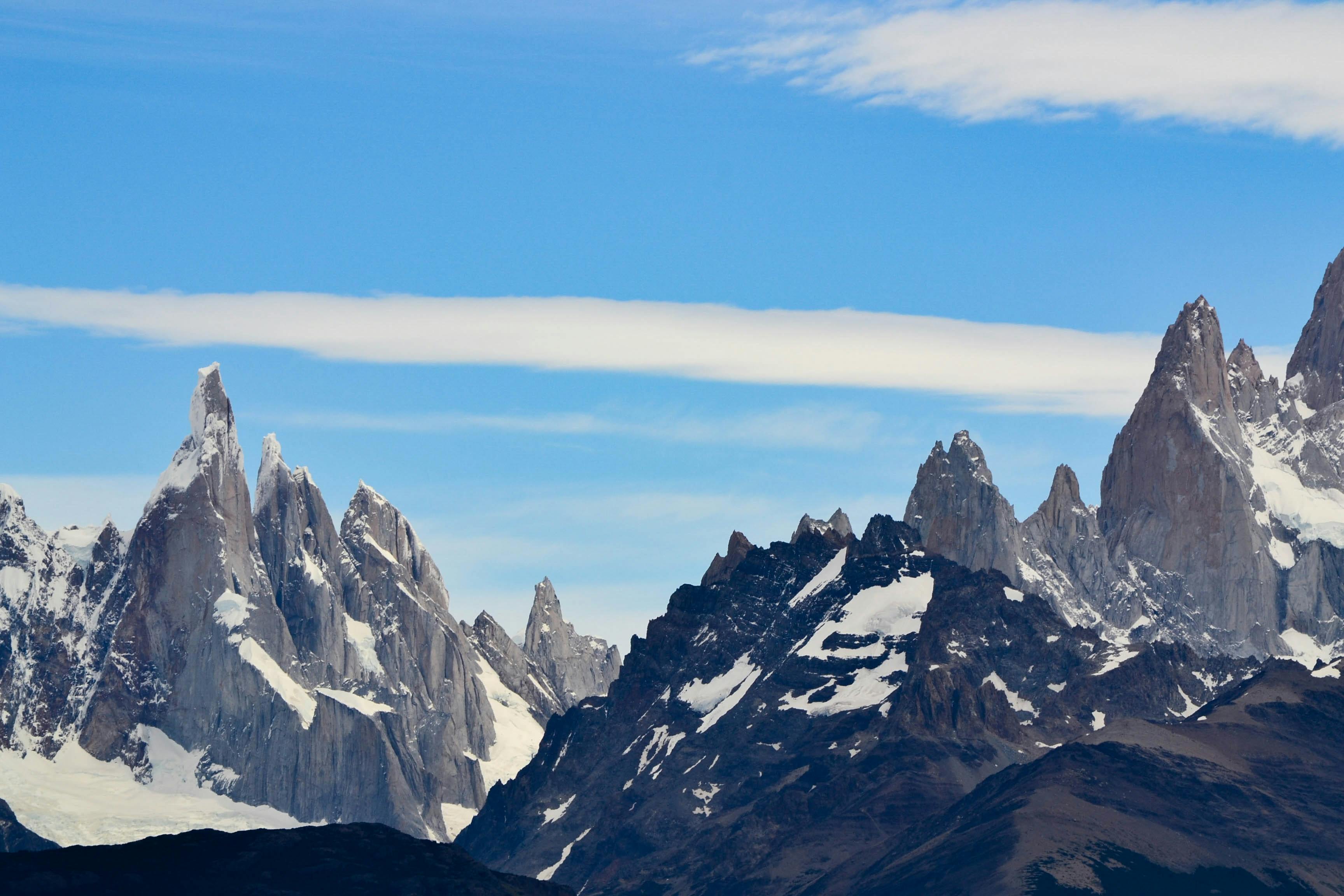
Fitz Roy & Cerro Torre Treks (El Chalten, Argentina)
El Chalten, Argentina's trekking capital, offers a completely different experience from Torres del Paine. Here, all trails are free with no advance booking required, and the infrastructure is refreshingly simple. The village sits at the base of the Fitz Roy massif, with world-class day hikes departing directly from town.
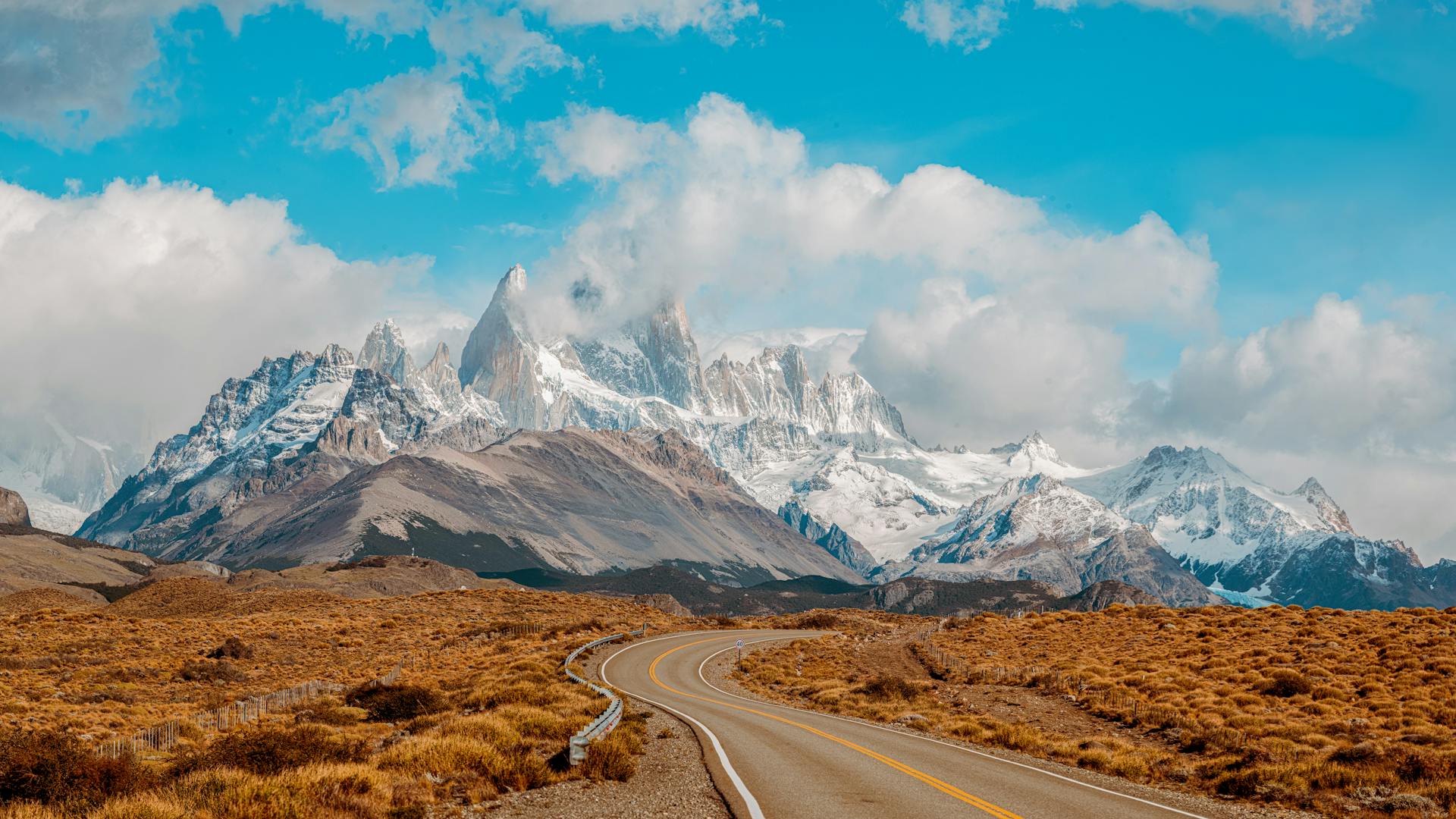
The iconic Laguna de los Tres trail is a 20 km (12.4 miles) round-trip journey to a glacial lake at the base of Cerro Fitz Roy (3,405m). Most trekkers camp at Poincenot campsite (free, about 2 hours from town) and make a pre-dawn push to the laguna for sunrise. The final hour is a steep climb up loose scree gaining 400 meters, but the reward is one of trekking's most spectacular viewpoints. Fitz Roy and its satellites, Poincenot and Saint-Exupéry, rise directly above the turquoise lake, with glaciers tumbling down their flanks.
Laguna Torre is a slightly easier 18 km (11 miles) round-trip to a lake with views of Cerro Torre, considered one of the world's most difficult climbs. The trail is relatively flat, passing through lenga forests to reach the terminal moraine overlooking the glacier and lake. Strong winds are common here, funneled down the valley.
Loma del Pliegue Tumbado is the area's finest panoramic hike, a challenging 18 km (11 miles) round-trip with 1,100 meters of elevation gain. From the summit plateau, you get 360-degree views encompassing Fitz Roy, Cerro Torre, Lake Viedma, and the Southern Patagonian Ice Field. This hike is often overlooked by rushed visitors, meaning you'll likely have the summit to yourself.
Multi-day options include the Huemul Circuit, a challenging 4-day, 60 km loop requiring two glacier crossings (crampons necessary) and several potentially dangerous river fords. This trek is for experienced backpackers only and requires registering with the Parque Nacional Los Glaciares office. Another option is to combine various trails with wild camping at designated sites (Poincenot, Capri, Torre, Toro, Madre e Hija).
El Chalten's major advantage is flexibility. You can day-hike from town or camp for multi-day adventures, adjusting plans based on weather. No reservations mean spontaneity is possible, a refreshing change from Torres del Paine's rigid booking system.
Dientes de Navarino Circuit (Chile/Tierra del Fuego)
The Dientes Circuit on Isla Navarino represents Patagonia trekking at its most remote and challenging. This 4-5 day, 53 km (33 miles) circuit is the world's southernmost trekking route, starting and ending near Puerto Williams, Chile's southernmost town.
This trek is not for beginners. The route is poorly marked, requiring strong navigation skills, and the terrain is extremely rugged with constant steep ascents and descents over loose rock and mud. Weather is notoriously harsh, even worse than Torres del Paine, with snow possible any month and winds that can pin you to the ground. Route-finding is difficult, and there are no facilities whatsoever, you must be completely self-sufficient.
The Dientes ("teeth") are a range of jagged peaks that the route winds through, offering spectacular views on clear days (which are rare). Lakes dot the alpine landscape, providing water sources and camping spots. The isolation is profound, you may see no one else for days.
This trek should only be attempted December through March, and even then, allow extra days for weather. Experience with off-trail navigation, wilderness camping, and self-rescue is essential. Most trekkers hire a guide or go with experienced partners. Getting to Puerto Williams requires a flight from Punta Arenas or a ferry across the Beagle Channel from Ushuaia.
Huemul Circuit (El Chalten, Argentina)
The Huemul Circuit offers 4 days and 60 km of remote trekking in the southern section of Los Glaciares National Park. Less traveled than the Fitz Roy trails, this circuit is rated difficult due to two glacier crossings, multiple river fords that can be dangerous after rain, and exposed sections subject to extreme weather.
The highlight is crossing Paso del Viento (Pass of the Wind), an aptly named gap with reliably fierce winds and stunning views of the Southern Ice Field. The two glacier crossings require crampons and basic glacier travel knowledge. River crossings, particularly Río Túnel, can be knee-to-thigh deep and require careful timing and technique.
Registration is mandatory at the national park office in El Chalten, where rangers will check your gear and experience level. They may deny permits if conditions are dangerous or you're inadequately prepared. Allow 4 days, though strong trekkers can complete it in 3. The best time is late December through February when snowpack is minimal.
Other Notable Multi-Day Treks
Cerro Castillo Circuit in Chile's Aysen region is a 4-day, 60 km alternative to Torres del Paine, with spectacular turquoise lakes, dramatic peaks, and far fewer crowds. The trek passes Cerro Castillo itself and requires crossing a challenging pass, but rewards with stunning and varied scenery.
Paso de las Nubes is a 2-3 day trek in Argentina connecting Puerto Blest with Pampa Linda, traversing between two major Patagonian lakes through pristine forest and offering glimpses of glaciers.
The Nahuel Huapi Traverse in the Bariloche region offers refuge-to-refuge trekking through the Lake District's mountains. This can be extended for a week or more, staying in mountain huts operated by Club Andino Bariloche.
Best Day Hikes in Patagonia
Around El Chalten (Argentina)
El Chalten is uniquely suited for day hiking, with world-class trails starting directly from town. Laguna de los Tres is the must-do hike, a 20 km round-trip taking 8-10 hours. Starting in darkness for sunrise at the laguna is the classic approach, with the reward being Fitz Roy's granite faces glowing orange in early light. The trail is well-marked, starting through forest before emerging onto the Rio Blanco valley with increasingly dramatic views. The final climb to the laguna is steep and loose but manageable with care.
Laguna Torre provides easier access to spectacular scenery, an 18 km round-trip requiring 6-8 hours. The relatively flat trail passes through lenga and ñire forest, with views of waterfalls and Cerro Solo before reaching the lake. The Torre massif, often shrouded in clouds, creates an otherworldly scene when visible. This trail can be windy, as it channels directly down from the ice field.
Loma del Pliegue Tumbado is underrated and less crowded, offering the best panoramic viewpoint in the area. The 18 km round-trip involves 1,100 meters of elevation gain over 7-9 hours. The summit plateau provides 360-degree views encompassing both Fitz Roy and Torre, Lake Viedma, the ice field, and the steppe extending to the horizon. Weather permitting, this is the finest photography spot near El Chalten.
Laguna Capri is an easier option, just 4 hours round-trip for 10 km, suitable for acclimatization or a rest day. The lake provides beautiful Fitz Roy views and serves as a pleasant camping spot for those continuing to Poincenot.
Torres del Paine Day Hikes (Chile)
Even without doing the full W or O Trek, Torres del Paine offers excellent day hikes. The Base Torres lookout can be accessed as a long day hike from Hotel Las Torres, requiring about 9 hours round-trip and gaining significant elevation. The final approach through boulder fields and the stunning reveal of the towers makes this one of Patagonia's finest day objectives.
Mirador Cuernos from Hotel Las Torres offers easier trekking with spectacular views of the Cuernos del Paine, suitable for half a day and moderate fitness levels.
Salto Grande is an easy walk to powerful waterfalls between Lago Nordenskjöld and Lago Pehoé, accessible to all fitness levels and perfect for those with limited time or mobility.
Ushuaia and Tierra del Fuego (Argentina)
Laguna Esmeralda is Ushuaia's signature day hike, a 9 km round-trip taking 4-5 hours. The trail crosses extensive peat bogs (wear waterproof boots) before reaching a stunning turquoise glacial lake beneath the mountains. The forest scenery is beautiful even in poor weather.
Cerro Guanaco offers challenging summit hiking above Ushuaia with panoramic views of the Beagle Channel and surrounding peaks. This is a full day commitment with significant elevation gain.
Martial Glacier trail starts above Ushuaia, accessible by a chairlift or hiking from town. The trail leads toward the glacier tongue with views over the city and channel. In summer, it's possible to approach quite close to the ice.
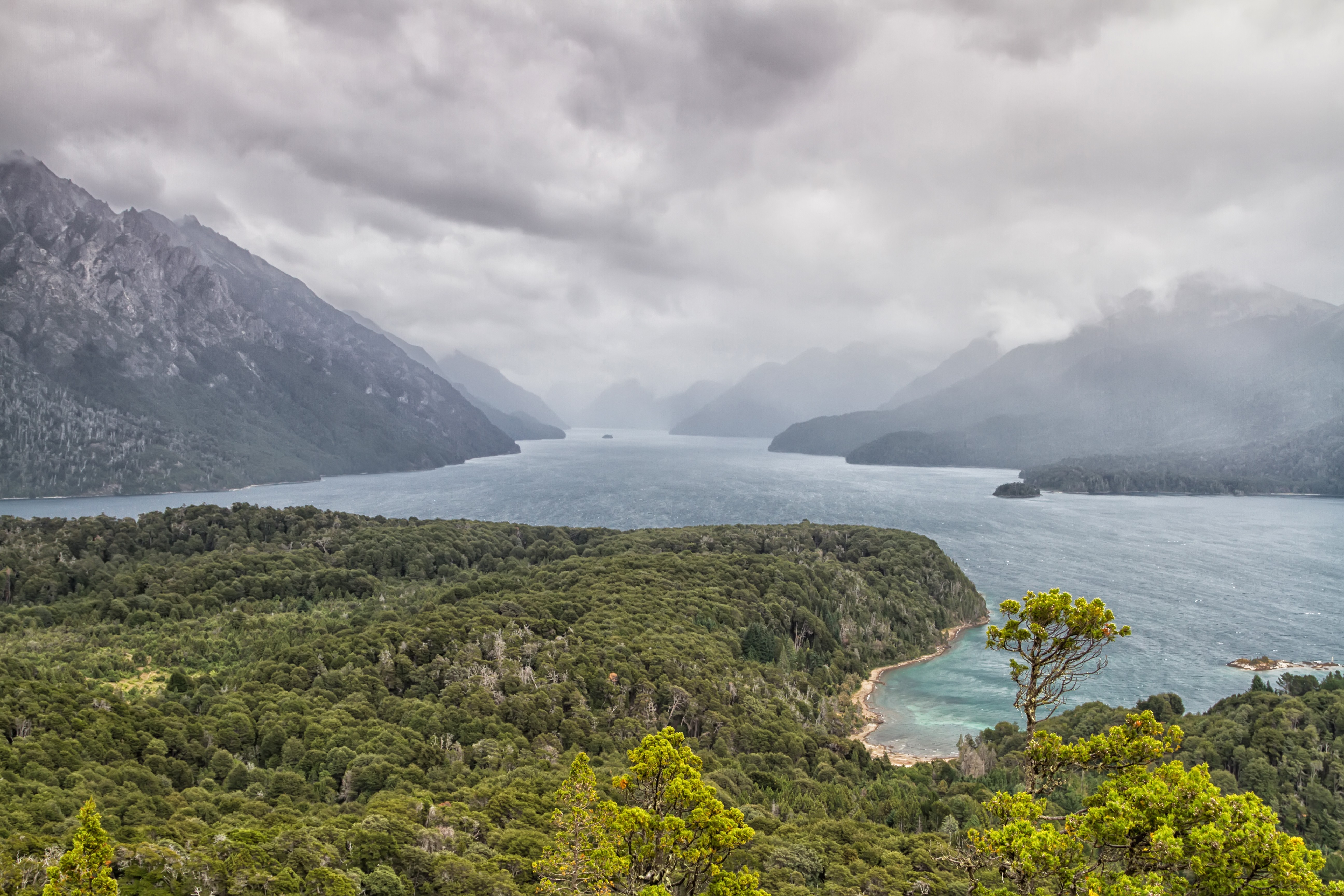
Lake District Day Hikes
The Bariloche region offers numerous options. Refugio Frey can be reached as a long day hike (8-9 hours round-trip) from Villa Catedral, climbing to a beautiful alpine lake beneath dramatic granite needles. Cerro Campanario provides the Lake District's finest viewpoint, accessible via chairlift or a short but steep trail. Volcan Osorno on the Chilean side offers hiking on volcanic slopes with views across multiple lakes.
Tips for Day Hiking in Patagonia
Always prepare for rapid weather changes, even on clear mornings. Start early to avoid the strongest afternoon winds, which typically peak between 2-4pm. Carry sufficient water (3-4 liters per person) as sources can be limited, plus snacks or lunch. Know the trail marking system, which varies by country (red marks in Argentina, stakes or cairns in Chile). Have emergency protocols in place, noting that cell coverage is limited or nonexistent on most trails.
Trekking Difficulty Levels and Fitness Requirements
Understanding trek difficulty helps match routes to your abilities, ensuring safety and enjoyment. Patagonia treks range from easy strolls to technical mountaineering.
Easy treks like Salto Grande or short forest walks in Torres del Paine are suitable for beginners and families, generally under 5 km with minimal elevation gain and good trails.
Moderate routes like Laguna Torre or the W Trek require regular fitness and some hiking experience. Expect 4-8 hours of hiking daily, 10-20 km distances, and elevation gains of 300-600 meters. You should be comfortable carrying a backpack for multiple hours.
Challenging treks like Loma del Pliegue Tumbado, Laguna de los Tres, or the O Circuit demand advanced fitness and experience. Daily distances may reach 20+ km with elevation gains exceeding 1,000 meters. Multi-day challenging treks require carrying heavier packs and hiking consecutive long days.
Difficult routes like the Huemul Circuit require high fitness levels, technical skills (glacier travel, river crossings), and wilderness experience. Weather tolerance and self-sufficiency are essential.
Expert treks like the Dientes Circuit demand mountaineering skills, advanced navigation, extreme weather management, and self-rescue capabilities.
Physical Preparation
Start training 3-6 months before your trip. Build cardiovascular endurance through running, cycling, or stair climbing, aiming for 3-4 sessions weekly. Include regular hikes with loaded packs, gradually increasing weight from 10 lbs to match your expected trek load. Strengthen legs, core, and back through squats, lunges, and core exercises. Practice hikes should include terrain similar to Patagonia: steep ascents and descents, rocky trails, and variable conditions.
Altitude is generally not a major concern in Patagonia, as most trekking occurs below 2,000 meters, though a few passes exceed this elevation.
Technical Skills Needed
Glacier travel skills are required for treks like the Huemul Circuit. Learn proper crampon use, rope team travel, and crevasse awareness. Navigation abilities become critical on poorly marked routes like the Dientes Circuit, where GPS, map, and compass skills are essential. River crossing technique is vital for routes with major fords. Basic mountaineering, including scrambling on steep terrain, is needed for some passes and summits. Self-rescue knowledge, including basic first aid and emergency shelter, is important for remote treks.
Guided vs. Independent Trekking
Torres del Paine's W Trek is commonly done independently given its well-marked trails and infrastructure, while guided options provide logistical ease and local knowledge. The O Circuit can be done either way, though guides help with navigation and conditions on the backside. El Chalten trails are easily done independently given their free access and proximity to town.
Remote and technical treks like the Dientes Circuit or Huemul Circuit are strongly recommended with guides unless you have extensive wilderness experience. Guides cost significantly more ($200-400/day per group) but provide safety, knowledge, equipment, and permitting assistance.
Essential Gear for Patagonia Trekking
Proper gear is critical in Patagonia's harsh conditions. The weather's severity means equipment failures can be dangerous, not just uncomfortable.
The Layering System
Layering allows quick adaptation to rapidly changing conditions. Base layers should be merino wool or synthetic (avoid cotton), with both lightweight and midweight options. Merino wool excels in Patagonia for its warmth when wet, odor resistance, and comfort. Bring 2-3 base layer tops and 2 base layer bottoms.
Mid layers provide insulation. Pack at least one fleece or synthetic insulation jacket, and consider a down or synthetic puffy jacket for camp and cold days. A light grid-fleece is excellent for active warmth.
Outer layers are your critical defense. A high-quality waterproof/breathable jacket is non-negotiable, look for Gore-Tex or equivalent with a storm hood. Waterproof pants are equally essential, as Patagonia's rain often comes horizontally. A wind jacket adds versatility. Don't cheap out on rain gear, it will face severe testing.
Footwear
Hiking boots should be waterproof, supportive, and broken in completely before arrival. Mid to high-cut boots provide ankle support on rocky terrain. For glacier crossings, boots must be crampon-compatible. Bring camp shoes or sandals for evenings and stream crossings.
Gaiters are highly recommended for wet conditions, keeping pants dry and debris out of boots. Sock systems should include liner socks plus midweight hiking socks, with extras for multi-day treks.
Backpacks
Day hikes require 20-30L capacity. Refugio-based W Trek needs 40-50L (you're not carrying tent/sleeping bag/stove). Camping treks demand 60-70L to fit tent, sleeping bag, food, and equipment. Ensure proper fitting and adjustment at a specialty store. Pack covers or internal waterproof liners are essential, as even "waterproof" packs let water in during Patagonian storms.
Sleeping Systems (for camping)
Sleeping bags should be rated to at least 20°F (-7°C) for summer camping, lower for shoulder seasons. Down bags provide the best warmth-to-weight ratio but must be kept dry. Synthetic bags work when wet but are heavier.
Sleeping pads need high R-values (4.0+) given cold ground temperatures. Inflatable pads are compact but vulnerable to punctures (carry a repair kit). Foam pads are bombproof but bulky.
Tents must withstand extreme winds. Four-season or robust three-season models with strong poles and guying are essential. Free-standing designs are easier to pitch. Set up tents with the narrow end facing prevailing winds and use all guy lines and stakes. Practice setup at home in windy conditions. Bring a footprint or extra ground sheet for protection.
Navigation and Safety
GPS devices like Garmin inReach provide navigation plus emergency communication via satellite. Smartphone apps (Gaia GPS, Maps.me) work well with downloaded offline maps. However, always carry paper maps as backup, batteries die quickly in cold weather. A compass and knowledge to use it remains essential.
Headlamps with extra batteries enable early starts and evening use. Personal locator beacons (PLB) are worth considering for remote routes. First aid kits should cover blisters, sprains, cuts, pain relief, and any personal medications. Emergency shelters or bivy sacks provide backup protection.
Other Essential Items
Trekking poles are highly recommended, reducing knee stress on descents, improving stability on river crossings, and providing support against wind. Two poles are better than one.
Water filtration is necessary. Options include filters (Sawyer, Katadyn), chemical treatment (Aquamira, iodine), or UV purifiers (SteriPen). Carry capacity for 3-4 liters between sources.
Sun protection is critical at Patagonia's latitude and with reflective glaciers. High-SPF sunscreen, lip balm, glacier glasses (for glacier approaches), and sunglasses with full UV protection are essential.
Insect repellent is needed for tabanos in some areas, particularly summer. Dry bags protect electronics, documents, and spare clothes. Bring multiple sizes, including one for your sleeping bag. A multi-tool or knife has endless uses. Carry repair kits for tent poles, sleeping pads, and clothes (needle, thread, duct tape, zip ties).
Photography Gear
Patagonia offers world-class photography. Protect cameras from wind-blown rain and dust with covers or plastic bags. Carry extra batteries as cold drains them rapidly. Lenses in the 16-35mm (wide-angle for landscapes), 24-70mm (versatile), and 70-200mm (wildlife, distant peaks) ranges cover most situations. A lightweight tripod enables long exposures of waterfalls and night shots.
What NOT to Bring
Avoid overpacking common items: excessive clothing (you'll wear layers repeatedly), heavy books (bring e-reader), big cameras if you won't use them, cotton clothes, and new boots. Leave valuables and non-essential electronics behind.
Planning Your Patagonia Trekking Trip
Creating Your Itinerary
One week allows the Torres del Paine W Trek with a day or two buffer for travel. Fly into Punta Arenas, bus to Puerto Natales, then to the park. This is tight but achievable.
Two weeks enables the W Trek plus several days around El Chalten for Fitz Roy and Torre hikes. Add El Calafate for Perito Moreno Glacier. This is an excellent first Patagonia trip: major highlights without feeling rushed.
Three weeks allows the O Circuit (8-10 days) plus El Chalten explorations and perhaps Ushuaia day hikes or a Lake District extension. This timeframe lets you handle weather delays without stress.
Four+ weeks opens comprehensive exploration: both Torres del Paine and multi-day routes around Fitz Roy, Tierra del Fuego, Lake District refugio trekking, and lesser-known areas. You could include Cerro Castillo or even the Dientes Circuit.
Build in weather days and flexibility. Patagonian weather may close trails or make conditions miserable, having alternate plans reduces frustration.
Booking Accommodations
Torres del Paine requires the most advance planning. Refugios are booked through Vertice Patagonia and Fantastico Sur, the two main concessionaires. High season (December-February) refugios sell out 6-12 months in advance, booking early is not optional if you want refugios. Camping spots also require reservations through the same companies. CONAF (Chile's national park service) oversees all bookings and collects park entrance fees at checkpoints.
El Chalten is blessedly simple. Village accommodations range from hostels to boutique hotels, bookable through normal channels. Campsites along trails (Poincenot, Capri, Torre, etc.) are mostly first-come, first-served, though some now require online registration. Check current requirements with the Parque Nacional Los Glaciares office.
For other regions, research specific requirements. Bariloche's refugio system requires booking through Club Andino Bariloche. Ushuaia and other areas generally have more availability.
Permits and Regulations
Torres del Paine charges entrance fees (around $50 USD for high season, less for shoulder season) payable at park entrances. All camping and refugio stays require advance booking permits. Leave No Trace principles are strictly enforced, violations can result in heavy fines. Campfires are completely banned throughout the park due to past devastating fires.
Argentine national parks generally don't require pre-booking for most trails (El Chalten, Ushuaia), but some routes like the Huemul Circuit require registration with ranger stations. Park entrance fees are modest ($10-20 USD typically).
Getting to Patagonia
International flights arrive primarily at Santiago, Chile or Buenos Aires, Argentina. Both cities have good connections to Patagonia.
Regional flights from Santiago reach Punta Arenas (gateway to Torres del Paine, 5-hour bus to Puerto Natales). From Buenos Aires, fly to El Calafate (gateway to El Chalten, 3-hour bus), Bariloche (Lake District), or Ushuaia (Tierra del Fuego). Book internal flights early, as they fill up and prices rise during high season. Airlines include LATAM, Sky Airline, Aerolineas Argentinas, and Jetsmart.
Overland travel is possible via extensive bus networks. Long-distance buses in Argentina and Chile are comfortable with reclining seats. Buenos Aires to El Calafate takes 30+ hours but saves flight costs. Puerto Natales to El Calafate (crossing the border) is a popular 5-6 hour route.
Border crossings between Chile and Argentina are straightforward at official checkpoints, though bring your passport and be ready for agricultural inspections (don't bring fresh food across). Bus companies handle border procedures.
Transportation Within Patagonia
Buses connect major towns, with companies like Bus-Sur, Marga Tata, and Caltur operating routes. Shuttles run from Puerto Natales to Torres del Paine, and from El Calafate to El Chalten. Book popular routes ahead, especially in high season.
Rental cars offer flexibility for exploring but come with challenges: gravel roads, high winds (be careful opening doors), and expensive one-way fees. International driving permits are recommended though not always required.
Hitchhiking has a strong culture in Patagonia, particularly around El Chalten and along the Carretera Austral. It's generally safe and common, though never guaranteed.
Budgeting
Budget breakdown for a two-week Patagonia trip might include: International flights ($800-1,500), domestic flights ($300-600), Torres del Paine W Trek refugios ($800-1,200) or camping ($300-500), park fees ($100), El Chalten accommodations ($300-500), food and supplies ($400-600), and miscellaneous transport and activities ($300-500). Total: $3,000-5,000 USD depending on choices.
Cost-saving strategies include camping instead of refugios, visiting during shoulder season, cooking your own meals, taking buses instead of flights where practical, and doing free trails like El Chalten. Splurge-worthy items include refugios for comfort if budget allows, internal flights to save time, and quality rain gear that will last.
Travel Insurance
Travel insurance is essential for Patagonia trekking. Look for coverage including medical evacuation (helicopter rescues are extremely expensive), trip cancellation due to weather (common in Patagonia), and lost/damaged gear. Recommended providers include World Nomads, Travel Guard, and specialized adventure travel insurance companies. Read policies carefully to ensure trekking is covered, some exclude activities above certain altitudes or specific regions.
Food and Nutrition on the Trail
Multi-day trekking requires 3,000-4,000 calories daily, more in cold weather or challenging terrain. Lightweight, high-energy foods are priorities when carrying everything on your back.
Breakfast ideas include instant oatmeal with dried fruit and nuts, granola with powdered milk, energy bars, or instant coffee/tea. Lunch typically consists of bread or wraps with cheese, salami, peanut butter, plus trail mix, energy bars, chocolate, and dried fruit. Dinner options include freeze-dried meals (available in outdoor stores in gateway towns), instant rice or pasta with olive oil and spices, dehydrated soups, and instant mashed potatoes. Don't forget electrolyte drinks for hydration.
Refugio meals in Torres del Paine include breakfast and dinner, plus box lunches for the trail. Meals are substantial and designed for hikers, though menu variety is limited. This eliminates the weight of food and cooking gear, a major advantage of refugio trekking.
Buying food in gateway towns: Puerto Natales and El Chalten have supermarkets where you can stock up before treks. El Calafate and Punta Arenas offer more variety. Freeze-dried meals and camp food are available but expensive and limited. Bring specialty items from home if you have strict requirements. Once on trail, there are almost no resupply options.
Water sources are generally abundant in Patagonia from streams and lakes. However, treatment is recommended given increasing human use. Filters, chemical treatment, or boiling are all reliable methods. Glacier-fed streams are very cold but clean.
Cooking systems must use gas canisters (readily available) as campfires are banned. Bring a reliable canister stove (MSR, Jetboil, or similar), plus fuel consumption calculated at roughly 100g per person per day. Wind protection for stoves is essential, integrated systems like Jetboil work well in Patagonia's conditions.
For special dietary needs, vegetarian options are easily managed with pasta, rice, beans, and vegetables. Vegan trekking requires more planning but is feasible with careful food selection. Gluten-free options exist but require bringing specialty items. Refugios may struggle with strict dietary requirements, inquire when booking.
Health and Safety in Patagonia
Blisters are the most common ailment. Prevent them with properly broken-in boots, good sock systems (liners plus hiking socks), and immediate treatment of hot spots with moleskin or Leukotape. Bring blister treatment supplies in your first aid kit.
Hypothermia risk is real given wet, windy, cold conditions. Symptoms include uncontrollable shivering, confusion, and slurred speech. Prevention involves staying dry (good rain gear), maintaining energy levels (eat regularly), and knowing when to stop and make camp. Always carry emergency shelter.
Sunburn occurs even on cloudy days due to Patagonia's latitude and high UV levels. Use high-SPF sunscreen and reapply frequently, especially on glacier approaches where snow reflects UV radiation. Don't forget lips, ears, and neck.
Dehydration happens surprisingly quickly despite cold weather. Force yourself to drink regularly even when not thirsty. Carry insulated bottles to prevent water freezing in cold conditions.
Ankle injuries on rocky terrain are common. Trekking poles help prevent them, and supportive boots reduce risk. Know basic treatment for sprains including RICE (rest, ice, compression, elevation). Serious injuries may require evacuation.
Weather hazards include winds strong enough to knock people down or blow tents away. Pitch tents carefully with all guy lines secured. In extreme winds, stay put rather than trying to hike. Sudden storms can bring snow even in summer, carry warm layers always. Lightning is less common than in other mountain regions but can occur. River crossings become dangerous after heavy rain, when in doubt, wait or find alternatives.
Wildlife safety: Puma encounters are rare. If you see one, never run, make yourself large, back away slowly, and make noise. Do not approach wildlife for photos, maintain respectful distances. Store food in bear-proof containers or hung in trees where possible to avoid attracting animals. Tabanos (horseflies) and mosquitoes are annoying but not dangerous, insect repellent helps.
Emergency procedures: Cell phone coverage is essentially nonexistent on trails. In Torres del Paine, refugios have communication equipment. In Argentine parks, you're more reliant on self-sufficiency. GPS devices with SOS features (Garmin inReach) provide satellite emergency communication. Know your location and route so you can communicate effectively if rescue is needed. Helicopter evacuation costs tens of thousands of dollars, another reason travel insurance is essential.
Know when to turn back. If weather is deteriorating, someone is injured or ill, you're behind schedule, or conditions exceed your ability, there's no shame in retreating. Mountains and trails will be there another day.
Sustainable Trekking in Patagonia
Leave No Trace principles are critical in Patagonia's fragile ecosystems. Pack out all trash including toilet paper (bring ziplock bags). Trails are heavily used and erosion is a major problem, stay on established paths even through mud or puddles. Cutting switchbacks damages slopes.
Human waste disposal follows LNT guidelines: dig cat holes 6-8 inches deep at least 200 feet from water sources, or use designated facilities where available. Pack out toilet paper. Some areas like Torres del Paine are instituting stricter requirements including packing out all waste.
Campfires are banned throughout most Patagonian parks. Past fires have caused devastating damage (Torres del Paine lost large areas in 2011 due to a careless camper). Use stoves for all cooking. Anyone caught making fires faces severe fines and potential legal consequences.
Protect water sources by camping at least 200 feet away, using biodegradable soap sparingly and far from streams, and never washing directly in lakes or rivers. Respect wildlife by observing from distance, never feeding animals, and storing food properly.
Support local communities by hiring local guides, staying in locally-owned accommodations, eating at local restaurants, and buying from local shops. Learn basic Spanish phrases, respect gaucho culture and traditions, and be a considerate visitor.
Climate change is visibly affecting Patagonia. Glaciers like Grey, Perito Moreno, and Upsala are receding (though Perito Moreno's advance/retreat cycle is stable). Trekking itself has environmental impact, but you can minimize it through carbon offsetting flights, choosing responsible tour operators, supporting conservation organizations, and advocating for environmental protection.
Beyond the Famous Treks: Off-the-Beaten-Path Options
Cerro Castillo Reserve in Chile's Aysen region offers a spectacular 4-day circuit with stunning turquoise lakes and jagged peaks. The Cerro Castillo massif is dramatic, and the trail crosses a challenging pass with snow possible even in summer. Crowds are a fraction of Torres del Paine, and the nearby town of Villa Cerro Castillo provides rustic charm. Access is from Coyhaique along the Carretera Austral.
Cochamó Valley, nicknamed the "Yosemite of South America," features massive granite walls rising from lush rainforest. The valley is accessed via a long approach trail, creating a remote wilderness feel. Horse trekking is traditional here, with arrieros (horse handlers) assisting multi-day trips. Rock climbers are drawn to the big wall routes. Access is from Puerto Varas in the Lake District.
Lago del Desierto area near El Chalten offers multi-day trek options crossing into Chile. The area is less developed with only basic infrastructure, but the scenery rivals better-known areas. Boat transfers across the lake add adventure. This region saw border disputes until recently, adding historical intrigue.
Karukinka Natural Park on Chile's portion of Tierra del Fuego provides pristine wilderness for expert trekkers only. Infrastructure is minimal, navigation difficult, and weather brutal. Only for experienced wilderness travelers with complete self-sufficiency.
The Marble Caves region on General Carrera Lake combines trekking with kayaking to explore stunning marble formations carved by wave action. This remote area along Chile's Carretera Austral sees few visitors.
Combining trekking with other adventures expands your Patagonia experience. Ice trekking on glaciers like Perito Moreno or Viedma adds another dimension. Rock climbing draws enthusiasts to Frey near Bariloche and Chalten's granite. Sea kayaking in the Beagle Channel near Ushuaia offers wildlife encounters. Horseback riding at estancias provides authentic gaucho culture experiences. Mountain biking is increasingly popular around Bariloche and along the Carretera Austral.
Urban base camps each offer distinct characters. Puerto Natales serves Torres del Paine with good restaurants, gear shops, and excursion options. El Chalten is Argentina's trekking capital, a small village with excellent hostels, breweries, and trail access. El Calafate is larger and more tourist-oriented, gateway to glaciers and Chalten. Bariloche in the Lake District has Swiss-influenced architecture, chocolate shops, and ski resorts. Ushuaia bills itself as the "End of the World" with a frontier feel, maritime history, and Tierra del Fuego access.
Cultural Aspects of Patagonia Trekking
Indigenous peoples have inhabited Patagonia for thousands of years. The Tehuelche people roamed the steppes, their name given to the winds. The Mapuche culture extends from central Chile into Patagonia, with rich traditions still evident today. The Selk'nam people of Tierra del Fuego were tragically decimated by European colonization. Respect for cultural sites and awareness of this history enriches your Patagonia experience.
Gaucho culture remains strong, especially in Argentine Patagonia. Visiting estancias (ranches) offers glimpses of this horseback-centered lifestyle. Traditional asados (barbecues) cook lamb or beef over open fires. Mate tea, shared from a gourd passed around, is a social ritual. Don't refuse mate when offered, it's a gesture of friendship.
Language considerations: Spanish is essential for deeper interaction, though English is common in tourist areas. Essential phrases include: "¿Dónde está el sendero?" (Where is the trail?), "¿Cuánto cuesta?" (How much does it cost?), "Ayuda" (Help), "Refugio" (mountain hut), "Agua" (water), and "Gracias" (thank you). Numbers, weather terms, and basic navigation vocabulary prove useful.
Patagonian etiquette includes greeting everyone you meet on trails with "Hola" or "Buen día." In refugios, respect quiet hours and shared spaces. On narrow trails, uphill hikers typically have right of way, though practice varies. In camping areas, maintain distance from other parties and keep noise down, especially at night.
Patagonia Trekking FAQs
Q: Do I need to be an experienced trekker for Patagonia?
Not necessarily. Patagonia offers options from easy day hikes to expert-level expeditions. The Torres del Paine W Trek is suitable for anyone with regular fitness and basic backpacking experience. El Chalten day hikes accommodate various fitness levels, from moderate (Laguna Torre) to challenging (Pliegue Tumbado). However, Patagonia's weather and terrain demand more preparation than many other destinations. If you're new to trekking, build experience beforehand, choose well-established routes, consider guided options, and allow flexibility for weather.
Q: How far in advance should I book?
For Torres del Paine refugios during high season (December-February), book 6-12 months in advance, they sell out quickly. Camping in Torres del Paine also requires advance booking, though with somewhat more availability. Argentine parks like El Chalten are much more flexible, with many trails requiring no booking. Town accommodations should be booked 1-3 months ahead for high season. Shoulder season (November, March) offers more last-minute availability.
Q: What's the hardest part about trekking in Patagonia?
Weather unpredictability tops the list. You must be mentally prepared for rain, wind, cold, and sudden changes regardless of forecast. The wind is relentless and exhausting, affecting balance, morale, and tent camping. Physical demands are significant on major treks, multiple consecutive long days with heavy packs. Logistics in Torres del Paine can be stressful with rigid booking requirements. The remoteness means self-sufficiency is critical, help isn't always available.
Q: Can I trek solo in Patagonia?
Yes, many people solo trek safely. Well-established routes like the W Trek and El Chalten trails see enough traffic that you're rarely truly alone. However, register with park offices where required, let someone know your plans, carry communication devices for emergencies, and honestly assess your abilities. True solo wilderness routes like the Dientes Circuit or Huemul Circuit require extensive experience. Solo trekking means complete self-reliance for navigation, injuries, and emergencies.
Q: Do I need special permits?
Torres del Paine requires entrance permits (purchased at entry points) and camping/refugio reservations booked through concessionaires. Argentine national parks generally don't require advance permits for popular trails, but some routes (Huemul Circuit) require registration at ranger stations. Entrance fees apply to most national parks ($10-50 USD depending on location and season). Always check current requirements as policies change.
Q: What about cell phone service?
Essentially nonexistent on trails. In Torres del Paine, refugios may have WiFi (often expensive and slow). Towns have good coverage. Don't rely on phones for navigation or emergencies in the backcountry. Satellite communication devices (Garmin inReach, SPOT) provide emergency contact where there's no cell service.
Q: Can I rent gear in Patagonia?
Yes, gateway towns have rental shops. Puerto Natales and El Chalten offer tents, sleeping bags, backpacks, trekking poles, and stoves. Quality varies, inspect carefully before accepting. Costs are reasonable ($5-15 per day per item). This is good for bulky items like tents if flying in. Bring your own boots, clothing layers, and personal items. In El Calafate and Punta Arenas, rental options also exist.
Q: How do I deal with the wind?
Accept it as part of the Patagonia experience. Use trekking poles for stability. Pitch tents with narrow ends facing prevailing winds (usually westerly) and stake everything down. In extreme winds, don't hike exposed sections, wait it out. Hard shell jackets and wind pants help. Don't open car doors carelessly, wind can rip them off hinges. Stay low in exposed areas during gusts.
Q: Are there ATMs on the trails?
No. Carry sufficient cash from gateway towns. Torres del Paine refugios accept credit cards but it's wise to have cash backup. El Chalten has ATMs in town but none on trails. Chilean pesos are needed in Chile, Argentine pesos in Argentina. Some tourist businesses accept US dollars but at poor exchange rates. Plan cash needs carefully as ATMs can run dry in small towns during high season.
Q: What if the weather is terrible?
Build flexibility into your itinerary. Having extra days allows waiting out storms. Some refugios and hostels will extend bookings if possible. Bad weather is part of Patagonia, mental preparation helps. Have alternative activities planned (museums, town exploration, rest days). Sometimes you push through in rain, sometimes you wait, judgment comes with experience. Don't let weather ruin your trip, it's normal here.
Q: How crowded are the trails?
Torres del Paine W Trek during peak season (December-February) can feel like a highway, with hundreds of trekkers on the same route. The Base Torres trail on busy days sees massive crowds. The O Circuit is much quieter, especially the backside. El Chalten trails vary: Laguna de los Tres gets crowded, especially at sunrise, while Pliegue Tumbado remains relatively empty. Strategies for avoiding crowds include visiting shoulder seasons (November, March), starting very early or later in day, choosing less-famous routes (Cerro Castillo instead of Torres del Paine), and trekking midweek rather than weekends.
Q: Do I need crampons?
For most popular treks, no. The W Trek, O Circuit (summer), and El Chalten day hikes don't require crampons. However, the Huemul Circuit requires crampons for two glacier crossings. Early or late season attempts at higher routes may encounter snowfields requiring crampons. If your route might need them, rentals are available in El Chalten and other towns. Know how to use them properly before attempting glacier crossings.
Month-by-Month Trekking Calendar
September-October (Early Spring) marks the shoulder season's beginning. Weather remains highly unpredictable with frequent snow, strong winds, and cold temperatures. Many refugios and trails don't open until late October. However, crowds are minimal and prices significantly lower. This period suits experienced trekkers comfortable with winter conditions and solitude. Wildlife activity increases as spring arrives.
November (Late Spring) sees the season ramping up. Most trails and facilities open by mid-November. Weather improves but remains variable. Wildflowers begin blooming across the landscape. The W Trek becomes feasible with much lower demand than summer, booking easier. Days lengthen rapidly. This is an excellent time for those seeking balance between decent weather and avoiding peak crowds.
December (Early Summer) begins high season. Days are incredibly long (sunrise around 4:30am, sunset near 10pm), maximizing hiking time. All services operate fully. Weather improves though wind remains strong. Prices increase substantially. Reservations become essential. This is prime time for photography given the long light and clearer skies. Wildlife babies (guanaco chicks, etc.) appear.
January (Peak Summer) offers the warmest temperatures (relative term in Patagonia) and highest visitation. Trails are most crowded, especially Torres del Paine. Prices peak. Weather is generally best, though still variable. This suits families and first-time trekkers wanting optimal conditions and full services. Book everything well ahead.
February (Late Summer) maintains good weather with slightly fewer crowds than January. Conditions remain excellent for trekking. Prices stay high but accommodation availability improves slightly. This is often the best compromise month, with good weather but marginally less crowding. Days begin shortening noticeably toward month's end.
March (Early Fall) transitions to shoulder season. Fall colors emerge in lenga forests, creating spectacular golden and red landscapes. Weather becomes more unpredictable, with increasing rain and wind. Some facilities begin closing toward month's end. Crowds thin considerably. Prices drop. This is outstanding for photographers seeking autumn colors and those tolerant of variable weather.
April (Fall) winds down the season. Most refugios close, camping becomes more challenging in cold, wet conditions. Fewer tourists mean solitude on trails. Weather is unpredictable, with snow increasingly common. Only for experienced trekkers prepared for harsh conditions. Fall colors peak early in month. By late April, most trekking infrastructure closes.
May-August (Winter) shuts down conventional trekking. Extreme weather, heavy snow, and short days make most routes impassable. Only specialist winter mountaineering expeditions venture out. However, Bariloche and Ushuaia become ski destinations. Towns are quiet, prices low, but trekking is essentially off the table.
Final Thoughts
Patagonia trekking represents one of the world's great wilderness adventures. From the iconic granite spires of Torres del Paine to the soaring peaks of Fitz Roy, from the wild remoteness of Tierra del Fuego to the accessible beauty of the Lake District, this region offers unparalleled landscapes and challenges that transform those who venture here.
What makes Patagonia world-class isn't just the scenery, though the turquoise lakes, massive glaciers, and dramatic peaks certainly deliver. It's the complete wilderness experience: the wind that tests your resolve, the weather that demands respect, the distances that require fitness, and the solitude available for those willing to venture beyond the most popular routes. It's the diversity of options, from comfortable refugio-based treks to technical mountaineering expeditions, accommodating everyone from families to extreme adventurers.
Whether you're attempting your first multi-day trek or you're a veteran of mountain ranges worldwide, Patagonia rewards proper planning and preparation. Book early for high season, especially Torres del Paine. Prepare for wind and weather with quality gear and mental readiness. Respect the fragile environment through Leave No Trace practices. Embrace flexibility, as weather will likely force plan adjustments.
Most importantly, allow yourself to be transformed by this landscape. Take time beyond just hiking: watch condors soar overhead, listen to glaciers crack and groan, feel the power of the wind, observe guanacos grazing the steppe, share mate with gauchos, and experience the profound silence of true wilderness. These moments between the miles matter as much as reaching summits or completing circuits.
Start planning your Patagonia trekking adventure today. Research routes matching your abilities and interests. Book those Torres del Paine refugios if attempting the W or O Trek. Build your fitness over coming months. Invest in quality gear. Learn basic Spanish. But above all, prepare your mind for an experience that will challenge you, humble you, and ultimately reward you with memories of one of Earth's most spectacular wildernesses.
The mountains, glaciers, and endless Patagonian sky await. Your adventure starts now.
For more detailed guides, trip planning resources, and gear recommendations, visit gowildpatagonia.com and start turning your Patagonia trekking dreams into reality.
Sources and References
Torres del Paine National Park (Official) - https://www.parquetorresdelpaine.cl/en/
CONAF (Chile National Forest Corporation) - https://www.conaf.cl/
Administración de Parques Nacionales Argentina - https://www.argentina.gob.ar/parquesnacionales
Parque Nacional Los Glaciares - https://www.argentina.gob.ar/parquesnacionales/losglaciaresargentina
Parque Nacional Tierra del Fuego - https://www.argentina.gob.ar/parquesnacionales/tierradelfuego
Vertice Patagonia (Torres del Paine Refugios) - https://www.verticepatagonia.com/
Fantastico Sur (Torres del Paine Refugios) - https://fantasticosur.com/
El Chalten Official Tourism - https://elchalten.com/en/
Chile Travel (Official Tourism) - https://www.chile.travel/en/
Argentina Tourism (Official) - https://www.argentina.travel/en
Weather Underground Patagonia - https://www.wunderground.com/
Gaia GPS (Trail Maps & Navigation) - https://www.gaiagps.com/
Leave No Trace Center for Outdoor Ethics - https://lnt.org/
REI Expert Advice: Patagonia Trekking - https://www.rei.com/learn/expert-advice
Cicerone Press: Trekking Guidebooks - https://www.cicerone.co.uk/
Last Updated: January 2026
About Me
Veb
Hey there! I’m Veb and I've traveled solo and in groups for 10+ years in Patagonia - across Chile and Argentina.
I started Go Wild Patagonia with a desire to help other travelers plan their journeys in Patagonia with a focus on adventure, nature and being in the wilderness.
Say Thanks
Support my mission to make Patagonia more accessible for travelers while supporting local tour operators who organize only sustainable travels in Patagonia.
Read More
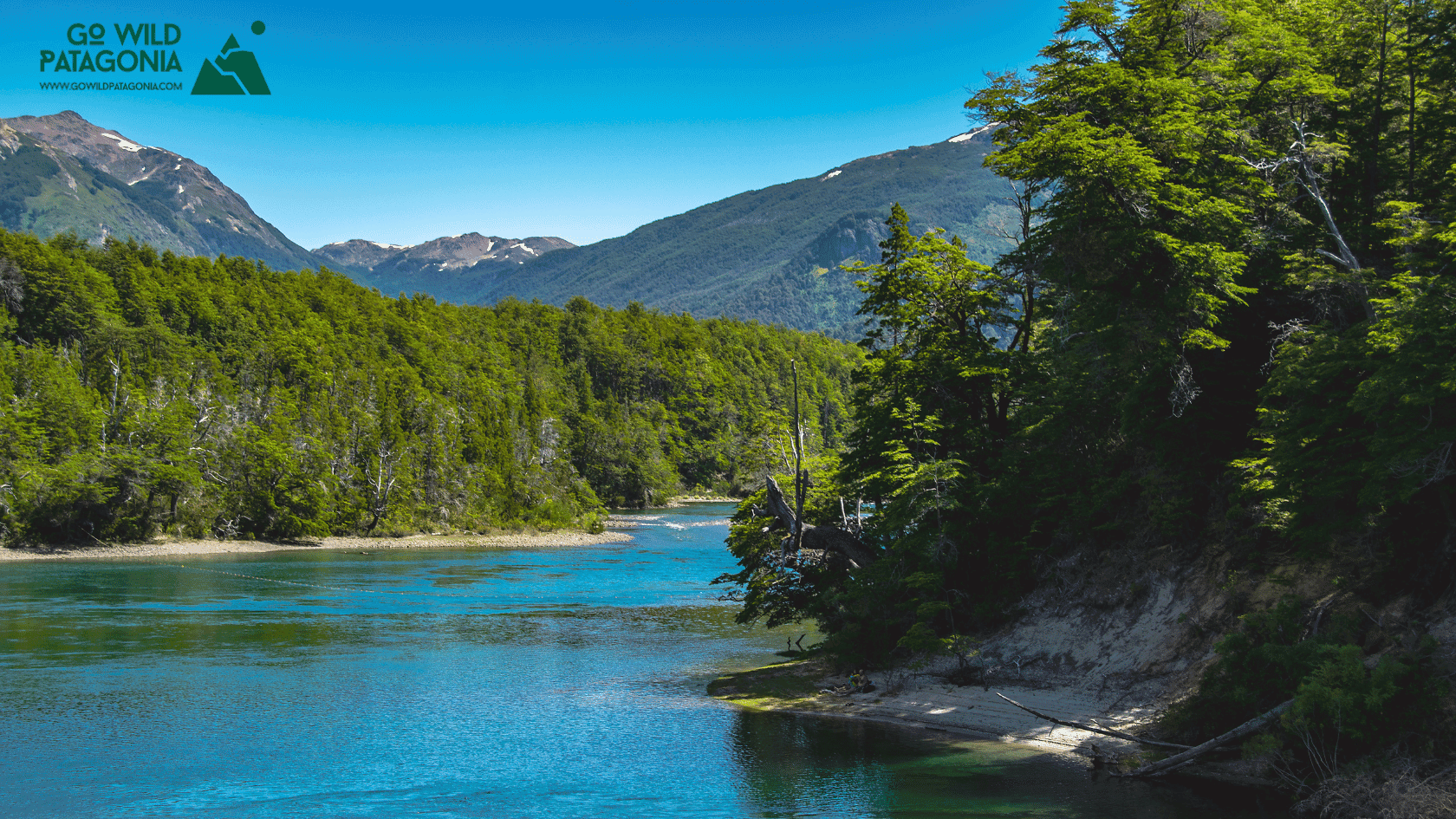
Chubut Province, Argentina — Cathedral of Ancient Trees Overview Los Alerces National Park protects 263,000 hectares of pristine Valdivian rainforest in Argentine Patagonia, home to some of the oldest living trees on Earth. The park's namesake—the alerce tree (Fitzroya cupressoides)—can live over 3,000 years, rivaling California's sequoias and bristlecone pines.
Update on Oct 24, 2025
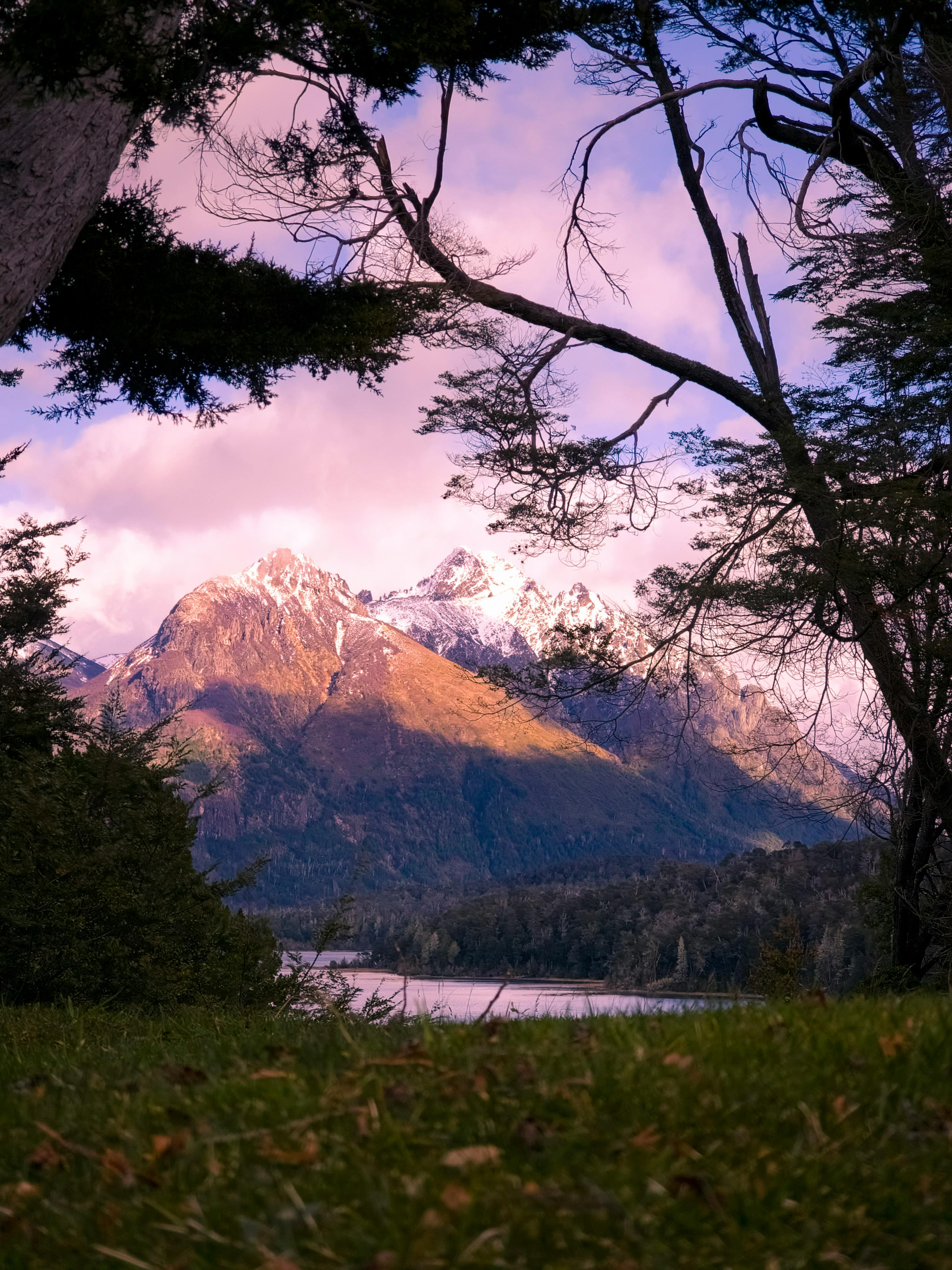
El Bolsón offers world-class hiking: Refugio Hielo Azul and Refugio Cajón del Azul sit in alpine cirques accessible via multi-day treks, Cerro Piltriquitrón (2,284m) provides panoramic summit views, and Cajón del Azul's turquoise canyon ranks among Patagonia's most photographed day hikes.
Update on Oct 24, 2025
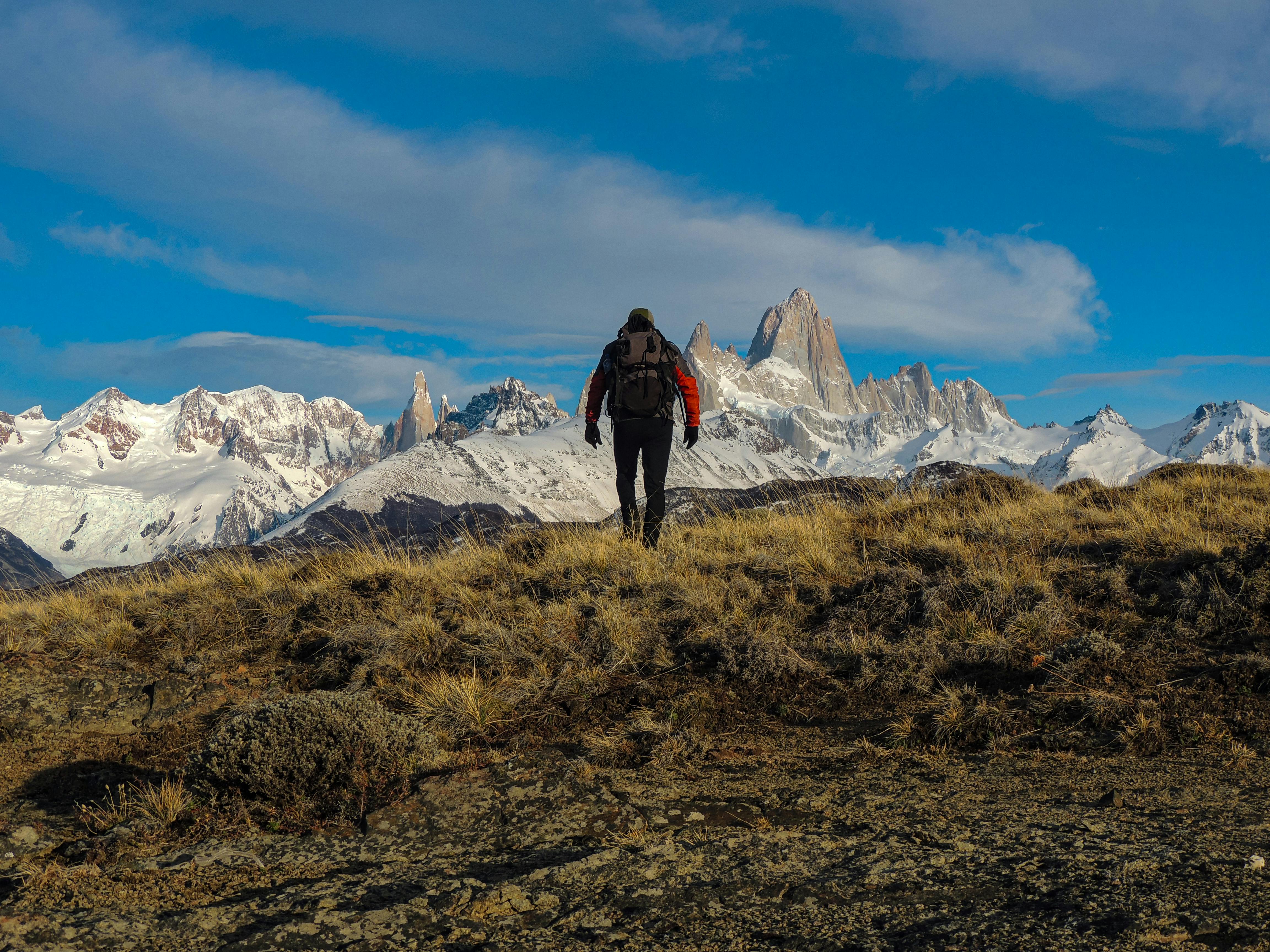
Monte Leon National Park is Argentina's first coastal national park, protecting 40 km of dramatic Atlantic shoreline where the Patagonian steppe meets the sea.
Update on Oct 24, 2025