Chiloé Island - Land of Myths and Wooden Churches
Chiloé is Chile’s second-largest island and one of its most culturally distinct regions—a misty, mythological world where Spanish colonial influence blended with indigenous Huilliche culture to create unique traditions, architecture, cuisine, and folklore.
Chiloé Island - Land of Myths and Wooden Churches
Los Lagos Region, Chile
Overview
Chiloé is Chile’s second-largest island and one of its most culturally distinct regions—a misty, mythological world where Spanish colonial influence blended with indigenous Huilliche culture to create unique traditions, architecture, cuisine, and folklore. The island is famous for its 150+ wooden churches (16 UNESCO World Heritage Sites), colorful palafitos (houses on stilts), distinct potato varieties (200+ types originated here), maritime culture centered on fishing and seafood, and mythology populated by witches, ghost ships, and magical creatures. The landscape is gentle hills, native forests, wild Pacific coast, protected eastern shore, and farms. Visiting Chiloé feels like entering a parallel Patagonia—more mysterious, intimate, folkloric, and culturally rich.
Why Visit
Explore UNESCO wooden churches — These 18th-century Jesuit mission churches, constructed entirely from native timber without nails, represent unique architectural style blending European and indigenous influences. The shingled exteriors and colorfully painted interiors create extraordinary beauty. Most famous include Achao (oldest, 1730), Castro, Dalcahue, and Tenaún.
Experience palafitos — Castro’s waterfront palafitos—brightly painted houses built on stilts over water—create one of Chile’s most photogenic scenes. Originally built by fishermen for tidal access, today they house restaurants, hotels, and shops. Walk the boardwalks and watch tides rise and fall.
Discover rich mythology — Chiloé folklore includes El Trauco (forest dwarf), La Pincoya (sea goddess), El Caleuche (ghost ship carrying witches), and Los Brujos de Chiloé (warlocks). These stories permeate local culture; many islanders still reference mythological beings seriously.
Taste unique cuisine — Curanto is the signature dish: shellfish, meat, potatoes, and milcao (potato bread) cooked in an earth pit lined with hot stones. Also try licor de oro (golden berry liqueur), cazuela de mariscos (seafood stew), and dishes featuring hundreds of native potato varieties.
Visit penguin colonies — The western coast hosts Humboldt and Magellanic penguin rookeries (best at Puñihuil), plus blue whale feeding grounds (January-April). Boat tours navigate rocky coastlines.
Wander artisan markets — Dalcahue’s Thursday and weekend market is famous for wool crafts, woven textiles, carved wood figures, and fresh seafood. Purchase authentic Chiloé sweaters directly from artisans.
Getting There
By Ferry: From mainland Chile at Pargua, ferries cross the Chacao Channel to Chacao (Chiloé) continuously (30 min, frequent departures). Pargua is 60 km southwest of Puerto Montt.
By Bus: Frequent buses from Puerto Montt (2.5 hrs to Castro including ferry) and Puerto Varas (2 hrs). Buses continue to Ancud, Quellón, and other island towns.
By Car: Drive from Puerto Montt/Puerto Varas, crossing via Pargua ferry. Having a car allows exploring remote churches, beaches, and villages. Ferry takes vehicles.
By Air: Mocopulli Airport near Castro has limited flights from Santiago and Puerto Montt.
Key Towns
Castro (Capital): Largest city (45,000), famous for palafitos, painted wooden cathedral, central plaza, museums, restaurants. Best base—decent lodging and services.
Ancud (Northern Gateway): Historic port town, Spanish fort ruins, interesting regional museum, access to Puñihuil penguin colony. Quieter than Castro.
Dalcahue: Small town with famous artisan market (Thursday and weekend), wooden church, ferry to Quinchao Island. Very authentic, less touristic.
Quemchi: Tiny village on eastern shore with unique cemetery on small island connected by pedestrian bridge. Little visited.
Cucao (West Coast): Village on wild Pacific side within Chiloé National Park. Access to rainforest trails, empty beaches, surfing.
Quellón (Southern Terminus): Island’s southernmost port, departure for ferries to Chaitén (Carretera Austral). Working fishing port.
Top Experiences
Church Circuit Tour — Visit multiple UNESCO churches in one day: Castro (painted cathedral), Dalcahue (turquoise exterior), ferry to Achao (oldest, beautiful wood craftsmanship), then Tenaún (hilltop setting) and Colo. Each church has distinct character. Best with car for flexibility.
Curanto Feast — Essential Chiloé experience. Traditional curanto is cooked in earth pits lined with heated stones—layers of shellfish, pork, chicken, potato, and milcao covered with leaves and earth. 90-minute cooking creates smoky, deeply flavorful food. Seek authentic earth-pit curanto at rural communities or restaurants like Sacho in Castro.
Puñihuil Penguin Colony — On the northwest coast, this beach hosts both Humboldt and Magellanic penguins—the only place worldwide where both species share breeding grounds. Boat tours (1 hr) from Puñihuil beach approach the rocky islands. September-March. Respectful operators maintain distance.
Chiloé National Park — West coast park has trails through Valdivian temperate rainforest to remote Pacific beaches. Pristine forest, wildlife (pudu deer, foxes, woodpeckers), and solitude. Cucao village provides access.
Isla Quinchao & Curaco de Vélez — Ferry from Dalcahue reaches this rural island with traditional villages, beautiful churches (Curaco’s is stunning), and slower-paced life. Few tourists venture here—excellent for cultural immersion.
Mythology Walking Tour — Specialized guides in Castro and Ancud offer tours explaining Chiloé mythology, visiting sites connected to stories, and contextualizing how beliefs shape island culture.
Castro Palafitos at Sunset — Walk the waterfront (Calle Pedro Montt) as sunset bathes the colorful palafitos in golden light. Reflections in water create magical scenes. Visit restaurants inside palafitos for seafood dinners.
Artisan Market at Dalcahue — Thursday and weekend, this waterfront market explodes with activity: wool sweaters and ponchos, carved wood items, smoked fish, fresh produce, native potatoes. Bargain respectfully. Best market on island.
Coastal Explorations — Eastern shore has numerous quiet beaches, coves, and fishing villages. Drive or cycle between Dalcahue, Quemchi, and other communities. Western Pacific coast is wilder—hiking Chiloé National Park reaches empty beaches.
Where to Stay
Castro:
Budget: Hospedaje Mirador (family-run), Hostal Cordillera (central)
Mid-Range: Hotel Unicornio Azul (palafito hotel—stay in stilted room!), Casa Lobo (boutique)
Luxury: Tierra Chiloé (contemporary lodge outside town, all-inclusive), Palafito 1326 Hotel Boutique (luxury palafito)
Ancud:
Hostal Mundo Nuevo (backpacker favorite)
Hotel Galeón Azul (waterfront, comfortable)
Rural:
Refugio Chiloé (eco-lodge near Cucao)
Homestays in small villages (authentic immersion)
Camping: Sites in national parks and some beaches
Best Time to Visit
December-March (Summer): Warmest and driest (15-22°C), though Chiloé is rainy year-round. Best for penguins, festivals, outdoor activities. Busy.
April-May (Autumn): Cooler, wetter, fewer tourists. Good for cultural experiences and churches. Seafood excellent.
June-September (Winter): Coldest (5-12°C), rainiest, shortest days. Very quiet. Cozy guesthouses, empty churches, mythological atmosphere enhanced by mist. Off-season prices.
October-November (Spring): Shoulder season with improving weather, fewer crowds. Penguins return late October. Unpredictable but rewarding.
3-Day Itinerary
Day 1: Castro & Introduction
Arrive via ferry
Check into palafito hotel
Walk waterfront, photograph palafitos
Visit painted cathedral and Regional Museum
Dinner: Curanto at Travesía or Sacho
Evening harbor stroll
Day 2: Church Circuit & Markets
Morning: Drive to Dalcahue for artisan market
Visit Dalcahue church
Ferry to Achao (oldest church)
Lunch: Local seafood in Achao
Afternoon: Curaco de Vélez village
Return via Tenaún church
Evening: Palafito restaurant dinner
Day 3: Penguins & Ancud
Early drive to Ancud
Continue to Puñihuil
Penguin colony boat tour
Lunch in Ancud
Spanish fort ruins and museum
Return to Castro or depart to Puerto Montt
5-Day Itinerary
Day 1: Castro Immersion
Arrive and settle in
Explore palafitos neighborhood
Visit cathedral and plaza
Museo Regional de Castro
Evening: Traditional curanto dinner
Mythology stories with locals
Day 2: Church Circuit
Full day visiting churches
Dalcahue market and church
Ferry to Achao (1730)
Curaco de Vélez
Tenaún hilltop church
Pack lunch or restaurant stops
Day 3: West Coast & National Park
Drive to Cucao
Chiloé National Park trails
Hike Tepual rainforest trail
Cole Cole beach (wild Pacific)
Wildlife sightings
Return to Castro or camp/stay in Cucao
Day 4: Ancud & Penguin Colony
Morning: Drive to Ancud
Visit Fort San Antonio ruins
Regional Ancud Museum (excellent)
Afternoon: Puñihuil penguin tour
Both Humboldt and Magellanic species
Return via coastal road
Overnight Castro or Ancud
Day 5: Quinchao Island & Departure
Morning: Ferry to Isla Quinchao
Explore Curaco de Vélez thoroughly
Visit smaller villages
Artisan workshops
Local lunch
Afternoon: Return to mainland
Departure to Puerto Montt
7-Day Itinerary
Day 1: Castro Welcome
Ferry arrival and check-in
Walking tour of downtown
Palafitos photography
Cathedral and plaza
Evening: Curanto dinner and mythology tour
Day 2: Complete Church Circuit
Comprehensive day visiting churches
Dalcahue, Achao, Curaco, Tenaún, Colo
Market shopping at Dalcahue
Photography at each location
Traditional lunch in Achao
Day 3: Chiloé National Park
Full day at Cucao/national park
Multiple rainforest trails
Pacific beach hiking
Wildlife spotting (pudu, foxes)
Overnight camping or return to Castro
Day 4: Ancud & North Coast
Transfer to Ancud
Visit fort and museum
Coastal exploration
Afternoon: Puñihuil penguin colony
Sunset on northern beaches
Overnight Ancud
Day 5: Rural Immersion
Full day exploring small villages
Quemchi and island cemetery
Chonchi (painted houses)
Queilén (fishing village)
Homestay or local lodging
Cultural exchanges
Day 6: Southern Chiloé
Drive to Quellón (southern terminus)
Working fishing port
Fresh seafood markets
Coastline exploration
Option: Ferry to Chaitén (Carretera Austral)
Or: Return north via eastern coast
Overnight Castro
Day 7: Relaxation & Departure
Leisurely morning in Castro
Final palafito walk
Shopping for wool sweaters and crafts
Last curanto lunch
Afternoon: Ferry to mainland
Depart Puerto Montt
🎿 Adventure Activities
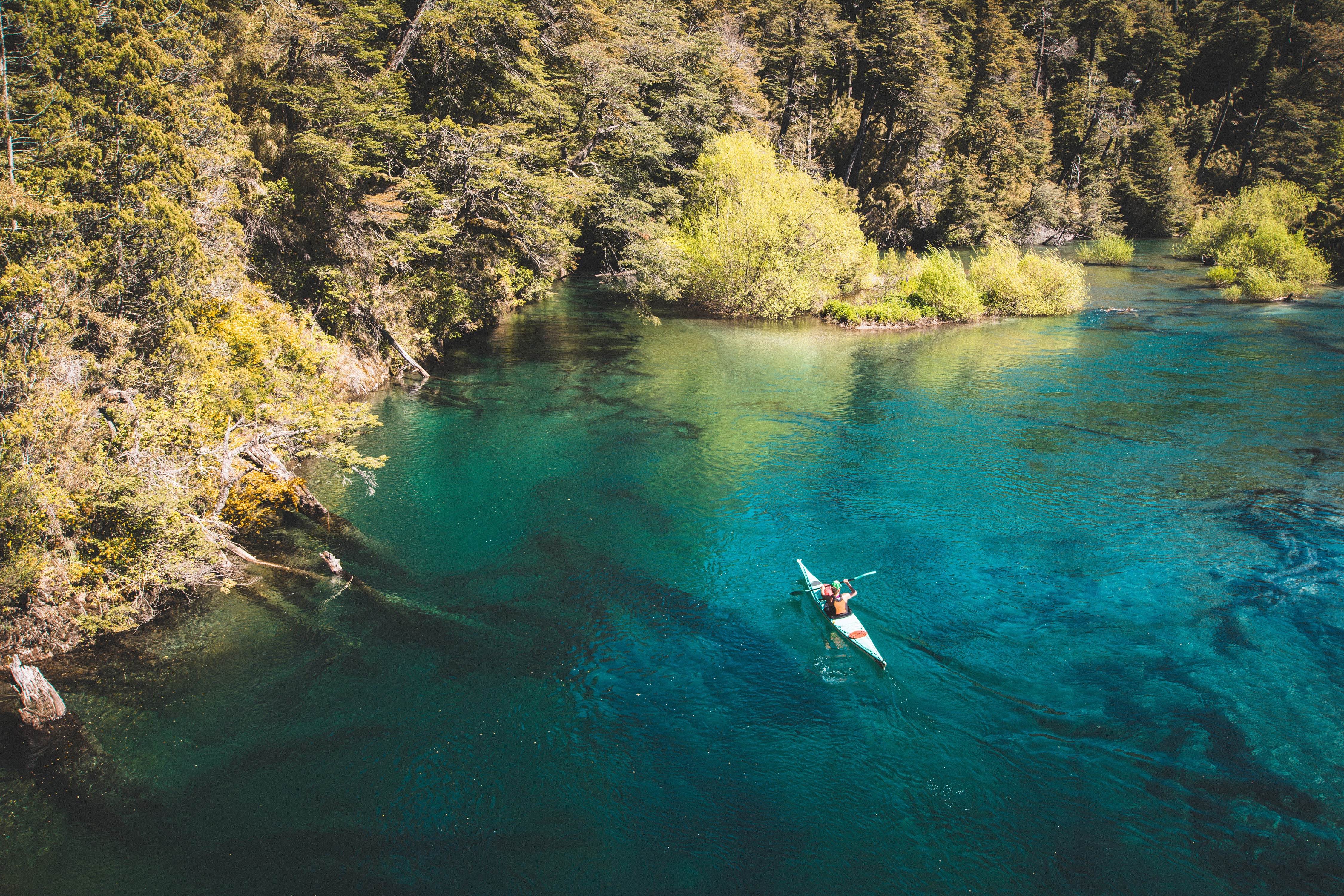
Kayaking
Explore Chiloé’s protected waters:
Eastern shore bays: Calm paddling with village stops
Dalcahue to Quinchao: Island hopping by kayak
Multi-day coastal expeditions: Camp on beaches
Equipment rentals limited; bring own or join tours
Season: November-April
Hiking & Trekking
Beyond park trails:
Chiloé National Park circuits: Multi-day through rainforest to Pacific
Coastal trekking: Beach-to-beach routes (no formal trails)
Forest exploration: Temperate rainforest immersion
Backcountry camping options
Wildlife viewing opportunities
Mountain Biking
Pedal island roads and trails:
Coastal circuits: Dalcahue-Achao-Curaco loop
Forest trails: Single track through parks
Village-to-village routes: Experience rural Chiloé
Gravel roads, rolling hills
Bring own bike (limited rentals)
Surfing
Pacific coast breaks:
Cucao beaches: Consistent waves, cold water
Northern Pacific coast: Various breaks
Wetsuit essential (water 10-14°C)
Bring own board (minimal rentals)
Season: Year-round, best summer
Bird Watching
Rich avian diversity:
Penguin colonies: Humboldt and Magellanic (Sep-Mar)
Wetlands: Black-necked swans, coots, ducks
Forest species: Magellanic woodpecker, Chilean flicker
Seabirds: Cormorants, gulls, albatross offshore
Guided tours with ornithologists available
Horseback Riding
Explore like locals:
Beach rides: Pacific or sheltered eastern shores
Forest trails: Through native woodlands
Farm visits: Ride between rural properties
Traditional Chilean saddles
Local guides in villages
Cultural Workshops
Hands-on experiences:
Wool weaving: Learn traditional techniques
Wooden boat building: Observe craftspeople
Curanto preparation: Help dig pit and cook
Mythology storytelling: Evening sessions with elders
Potato cultivation: Learn about 200+ varieties
Fishing
Maritime tradition:
Shore fishing: Beaches and rocky coasts
Boat fishing: Hire local fishermen
Shellfish gathering: Learn sustainable harvesting (with permission)
Salmon fishing: Rivers and lakes (seasonal)
Traditional methods and modern techniques
Pro Tips:
Rain gear essential year-round (even summer)
Activities weather-dependent—flexibility crucial
Locals welcoming but respect cultural sensitivity
Learn basic Spanish (less English than mainland)
Many experiences informal—ask locals for connections
➡️ Where to Go Next
1. Puerto Varas & Lake District
Distance: 90 km to Puerto Varas (2.5 hours)
Transport Options:
Bus: Frequent buses Castro to Puerto Varas via Puerto Montt. Ferry crossing included. Cost: ~$10-15 USD. Companies: Cruz del Sur, Queilen Bus. Multiple daily departures.
Rental Car: Drive north, ferry crossing, continue to Puerto Varas. Allows stops at lakeside viewpoints. Return to mainland civilization gradually.
Why Go: Transition from mystical island culture to Chilean Lake District’s volcano landscapes. Puerto Varas sits on Lago Llanquihue with views of perfectly conical Osorno Volcano. Shift from wooden churches and palafitos to German architecture, chocolate shops, and alpine activities. Access Osorno Volcano ski resort (winter) or hiking (summer), Petrohué Falls with turquoise river, Vicente Pérez Rosales National Park, and hot springs. Puerto Varas offers more tourist infrastructure, better restaurants, and serves as base for exploring northern Lake District. Perfect contrast: Chiloé’s maritime folklore vs. volcano adventures. Can combine in 7-10 day Lake District trip.
Suggested Duration: 4-7 days in Puerto Varas area. Includes day trips to Osorno, Petrohué, Frutillar, and potential extension to Pucón.
2. Carretera Austral via Ferry
Distance: 50 km to Quellón, then ferry to Chaitén (varies)
Transport Options:
Ferry: From Quellón (southern Chiloé) to Chaitén on mainland. Service limited (2-3x weekly in summer only). Journey: 8-10 hours overnight. Must book vehicle space well ahead. Cost: ~$150-300 USD including vehicle. Company: Naviera Austral.
No Other Options: This is the only connection between southern Chiloé and northern Carretera Austral. Requires vehicle (motorcycles, cars, trucks).
Why Go: Begin Chile’s most adventurous road trip—the Carretera Austral (Southern Highway). This 1,240 km gravel road threads through remote Chilean Patagonia: temperate rainforests, glaciers, turquoise rivers, fjords, and tiny villages. From Chaitén, drive south to Pumalín Douglas Tompkins National Park (ancient alerce forests), Futaleufú (world-class whitewater), Queulat National Park (hanging glacier), Marble Caves (on Lago General Carrera), and eventually Villa O’Higgins (road’s end). Requires serious time (minimum 10-14 days one-way), self-sufficiency, and adventurous spirit. Rewards with pristine nature few tourists experience. Can continue south to connect with Torres del Paine (via Argentina). Only for travelers with flexible schedules, appropriate vehicles, and appetite for remote adventure.
Suggested Duration: 14-28 days. 14 days covers northern-central section; 21-28 days reaches far south. Most turn around midway or fly back from Balmaceda/Coyhaique.
3. Osorno & Puyehue National Park
Distance: 120 km to Osorno (2.5 hours)
Transport Options:
Bus: Buses Castro/Ancud to Osorno on mainland. Via Puerto Montt or direct. Cost: ~$12-20 USD. Then local buses to Puyehue (1 hr). Companies: Cruz del Sur, Buses Thaebus.
Rental Car: Drive north from Chiloé, continue past Puerto Varas to Osorno, then east into Andes to Puyehue. Allows exploration at own pace.
Why Go: Extend Lake District exploration with different character. Puyehue National Park protects pristine temperate rainforest, volcanic landscapes, and famous hot springs resorts. The Termas de Puyehue and Aguas Calientes offer upscale hot springs experiences—multiple thermal pools of varying temperatures, spa treatments, forest settings. Excellent for relaxation after Chiloé’s active exploration. Puyehue also offers hiking through ancient forests to crater lakes, mountain biking, and winter activities. The park is less visited than others—peaceful, uncrowded. Can combine with Osorno city (small urban center) and nearby Lago Rupanco. Also gateway to Argentina via Paso Cardenal Samoré (Bariloche 4 hrs).
Suggested Duration: 3-5 days. 2-3 days hot springs and Puyehue hiking, optional 1-2 days Osorno city or cross to Argentina.
Planning Your Route:
Lake District Complete: Puerto Varas (4 days) → Chiloé Island (4 days) → return Puerto Varas → extend to Pucón or south
Chiloé to Carretera Austral: Explore island → Ferry Quellón-Chaitén → Carretera Austral south (multi-week adventure)
Chile North to South: Santiago → Pucón → Puerto Varas → Chiloé → Carretera Austral → Torres del Paine
Relaxed Lake District: Puerto Varas (5 days) → Chiloé (5 days) → Puyehue hot springs (3 days) → return Puerto Varas
Timing Tips:
Most spend 3-5 days on Chiloé (longer for deep immersion)
Churches accessible year-round; penguins September-March
Summer (Dec-Feb) busiest but best weather odds
Curanto traditional cooking best witnessed at festivals (February)
Artisan markets best weekends (especially Dalcahue Thursday/Saturday)
Ferry to Chaitén operates December-March only; book months ahead
Puyehue hot springs excellent year-round (especially after Chiloé rain!)
Consider timing: dry spells rare, embrace the mist and rain as part of atmosphere
About Me
Veb
Hey there! I’m Veb and I've traveled solo and in groups for 10+ years in Patagonia - across Chile and Argentina.
I started Go Wild Patagonia with a desire to help other travelers plan their journeys in Patagonia with a focus on adventure, nature and being in the wilderness.
Say Thanks
Support my mission to make Patagonia more accessible for travelers while supporting local tour operators who organize only sustainable travels in Patagonia.
Read More
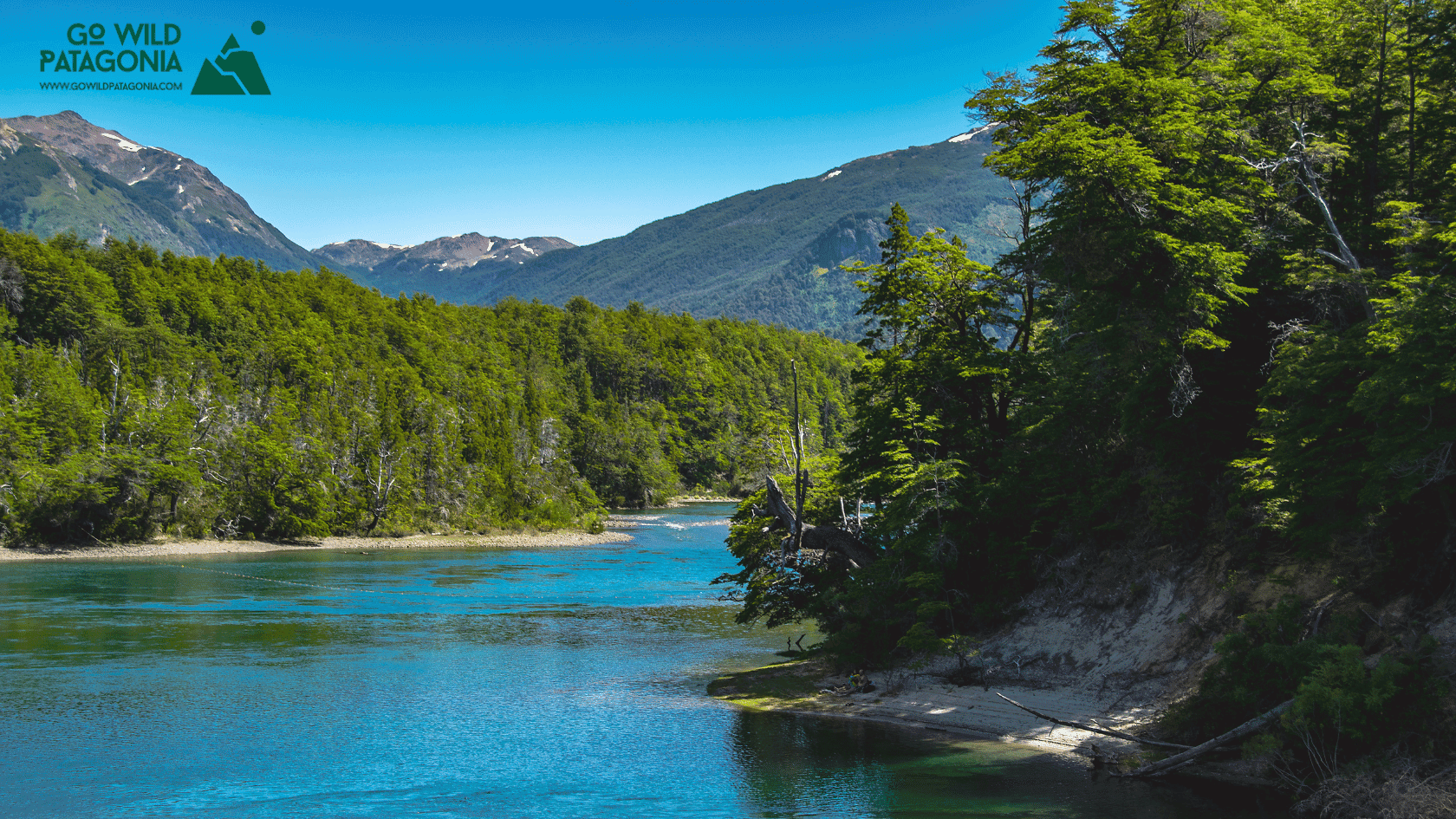
Chubut Province, Argentina — Cathedral of Ancient Trees Overview Los Alerces National Park protects 263,000 hectares of pristine Valdivian rainforest in Argentine Patagonia, home to some of the oldest living trees on Earth. The park's namesake—the alerce tree (Fitzroya cupressoides)—can live over 3,000 years, rivaling California's sequoias and bristlecone pines.
Update on Oct 24, 2025
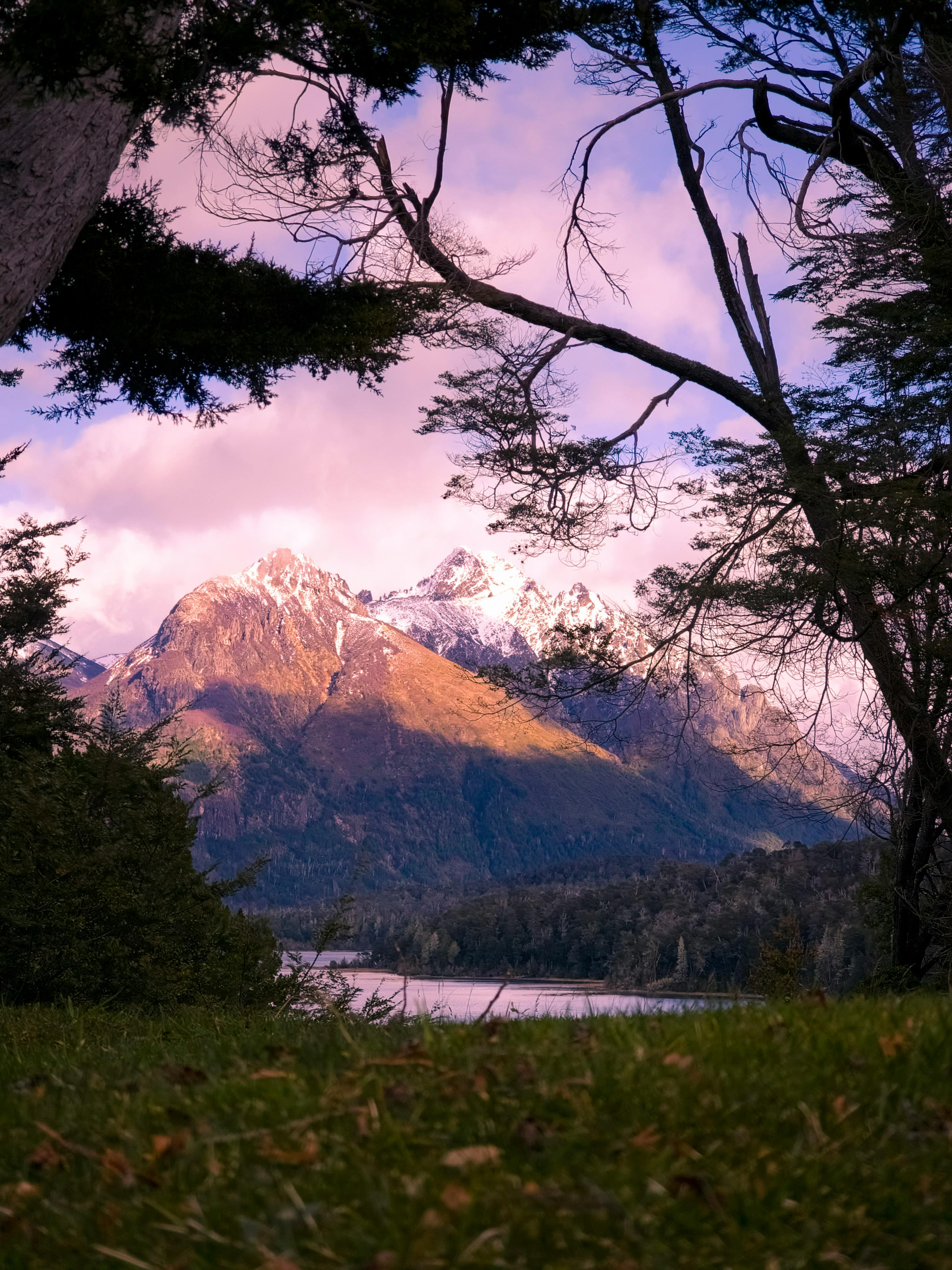
El Bolsón offers world-class hiking: Refugio Hielo Azul and Refugio Cajón del Azul sit in alpine cirques accessible via multi-day treks, Cerro Piltriquitrón (2,284m) provides panoramic summit views, and Cajón del Azul's turquoise canyon ranks among Patagonia's most photographed day hikes.
Update on Oct 24, 2025
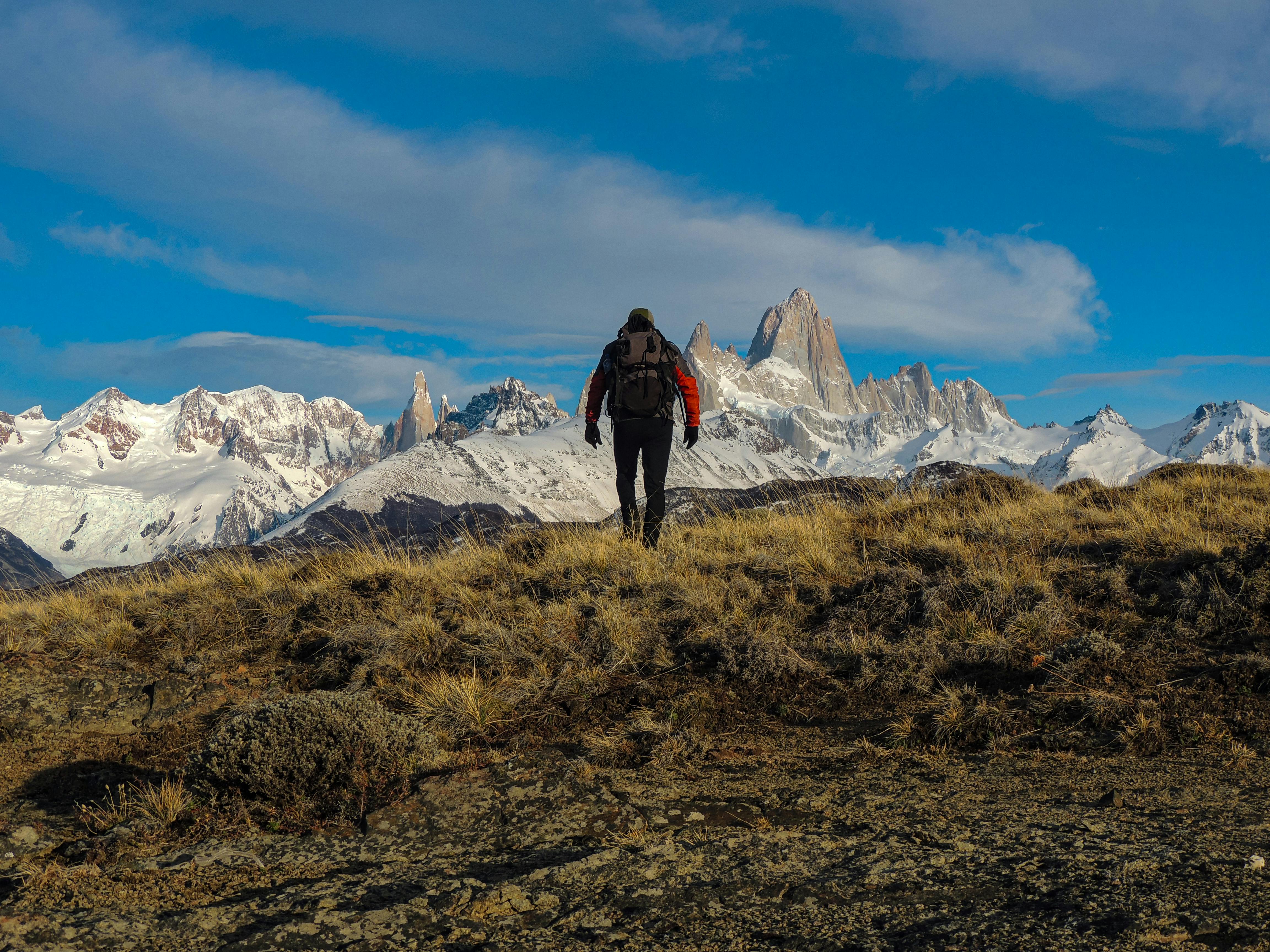
Monte Leon National Park is Argentina's first coastal national park, protecting 40 km of dramatic Atlantic shoreline where the Patagonian steppe meets the sea.
Update on Oct 24, 2025