
Chile
Futaleufu
Futaleufu - Ultimate Whitewater Playground in Chile
Futaleufú is synonymous with world-class whitewater rafting. The Río Futaleufú (“Big River” in Mapudungun) carves through a spectacular canyon, creating consistent Class IV-V rapids with water so turquoise it defies photography. Kayakers and rafters worldwide consider this the holy grail: 50+ km of continuous whitewater, warm summer air (rare in Patagonia), and dramatic mountain backdrop.
Last Update
Nov 27, 2025
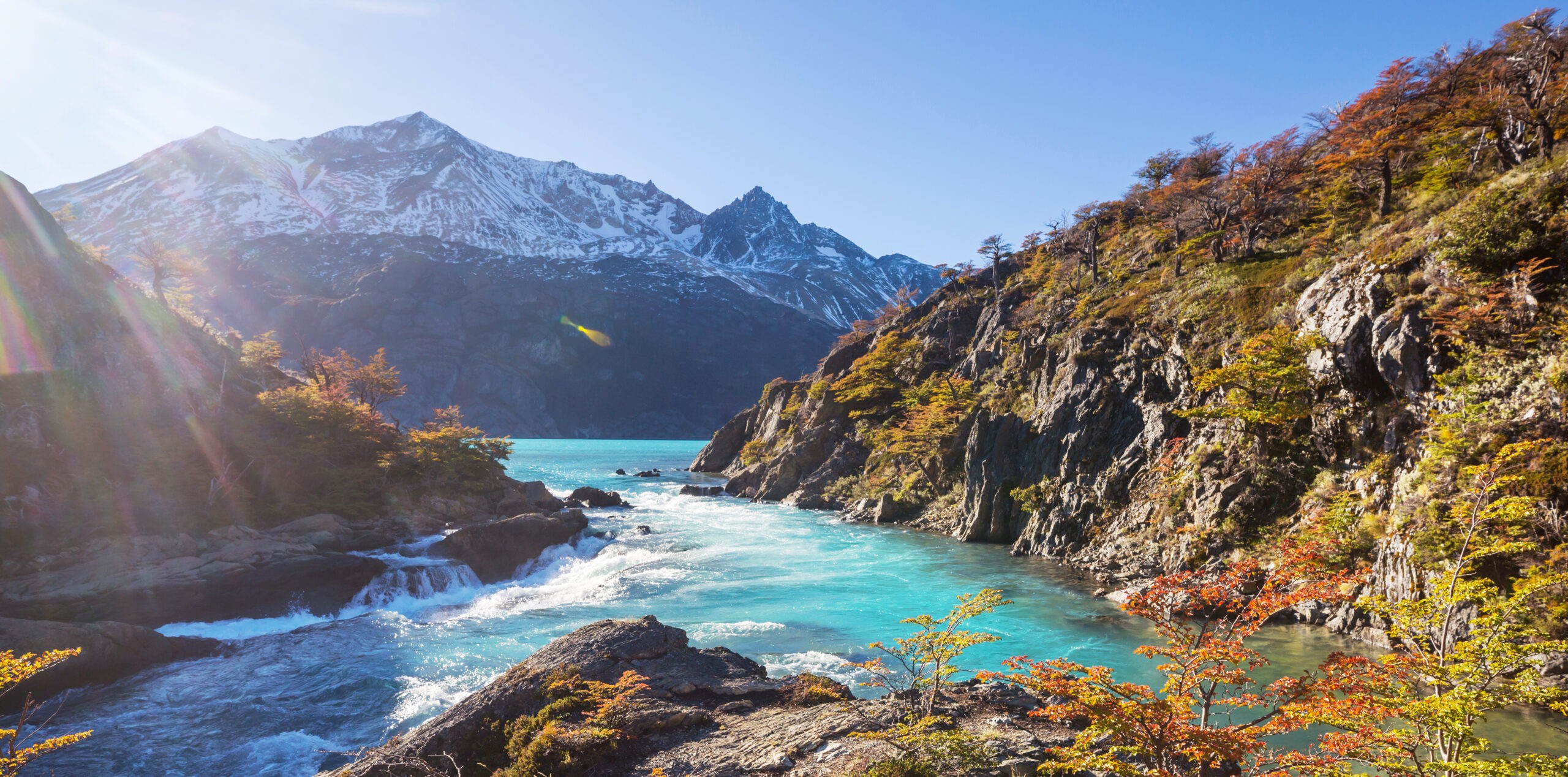
Futaleufu – Watersports Paradise
Futaleufú is synonymous with world-class whitewater rafting. The Río Futaleufú (“Big River” in Mapudungun) carves through a spectacular canyon, creating consistent Class IV-V rapids with water so turquoise it defies photography. Kayakers and rafters worldwide consider this the holy grail: 50+ km of continuous whitewater, warm summer air (rare in Patagonia), and dramatic mountain backdrop. But Futaleufú offers far more than rafting. The region encompasses pristine fly fishing rivers, mountain biking trails through temperate rainforest, horseback riding to remote alpine lakes, canyoning adventures, and access to Patagonia Park—the massive rewilding project created by Doug and Kris Tompkins. The tiny town (population 1,500) buzzes with international adventurers December-March, then transforms into a quiet outpost for hardy locals fishing and tending sheep. Unlike many Patagonian destinations dominated by trekking, Futaleufú revolves around water: rivers, lakes, and the rain that keeps this pocket of northern Patagonia luxuriantly green.
Top Reasons to Visit Futaleufu Chile
Raft one of Earth’s best rivers — The Futaleufú ranks consistently among the world’s top five whitewater rivers. Sections like “The Terminator,” “Casa de Piedra,” and “Infierno Canyon” are legendary. Crystal-clear turquoise water, big volume, technical rapids, warm weather—perfect combination.
Kayak paradise waters — Beyond expert kayaking on Class V rapids, the region offers mellow rivers (Espolón), alpine lakes (Lago Espolón, Yelcho), and turquoise pools for all skill levels. Kayak clinics run by world champions attract paddlers for week-long intensives.
Fish trophy trout — Brown and rainbow trout average 3-6 kg. The Futaleufú, Espolón, and Yelcho rivers produce trophy fish. Float fishing on the Rio Azul offers solitude and consistent action. Dry fly heaven December-January.
Mountain bike pristine trails — Singletrack through temperate rainforest, old logging roads climbing to alpine zones, bike-packing routes into Patagonia Park. Trails range from flowy intermediate to technical expert-only.
Experience Patagonia Park — Access the northern gateway to this 750,000-acre conservation project. Hike among rewilded puma populations, camp at free designated sites, witness grassland restoration where cattle once grazed.
Escape the crowds — While famous among paddlers, Futaleufú receives fraction of visitors compared to Torres del Paine or El Calafate. You’ll have trails and rivers largely to yourself.
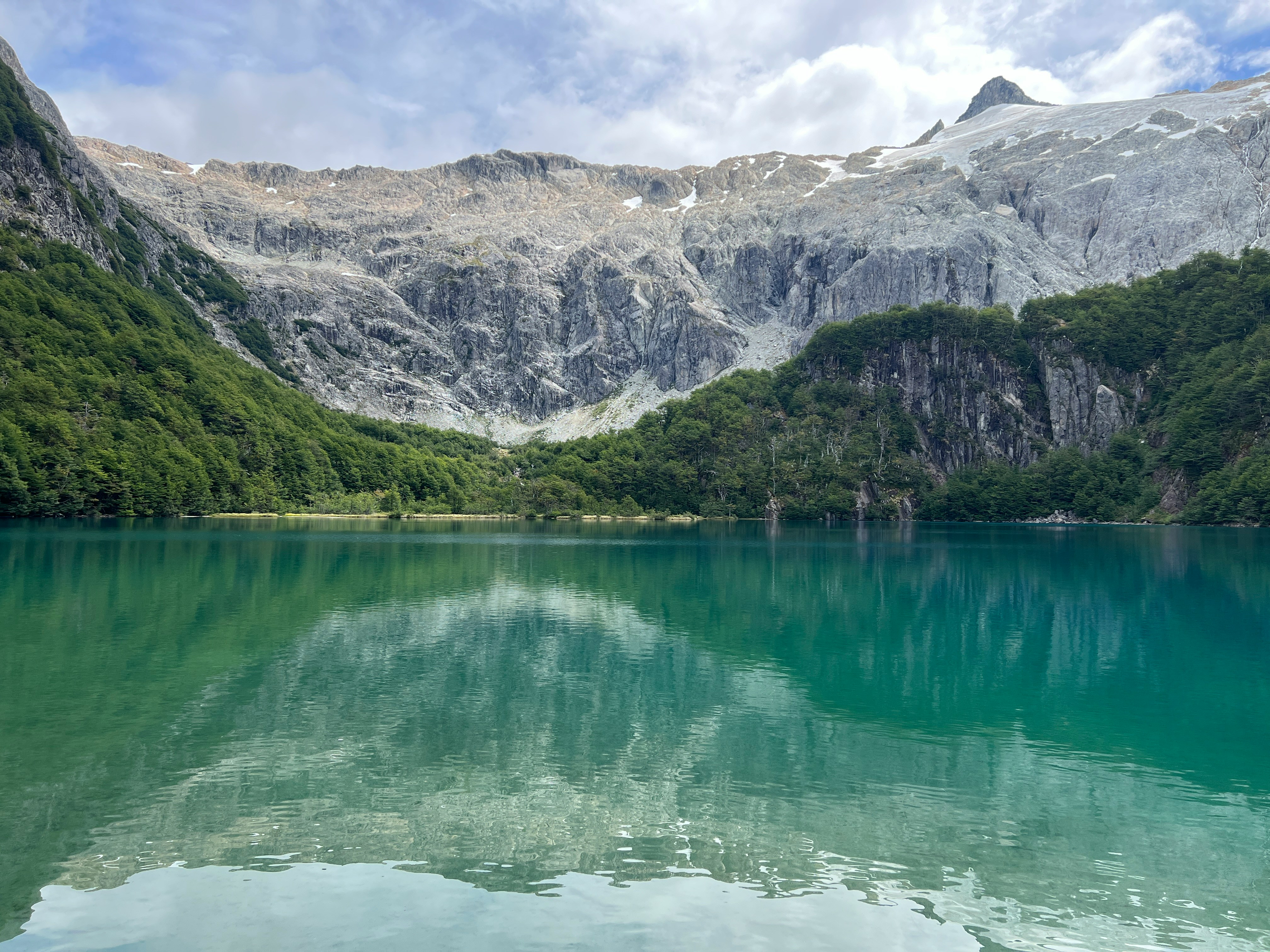
Laguna Torro
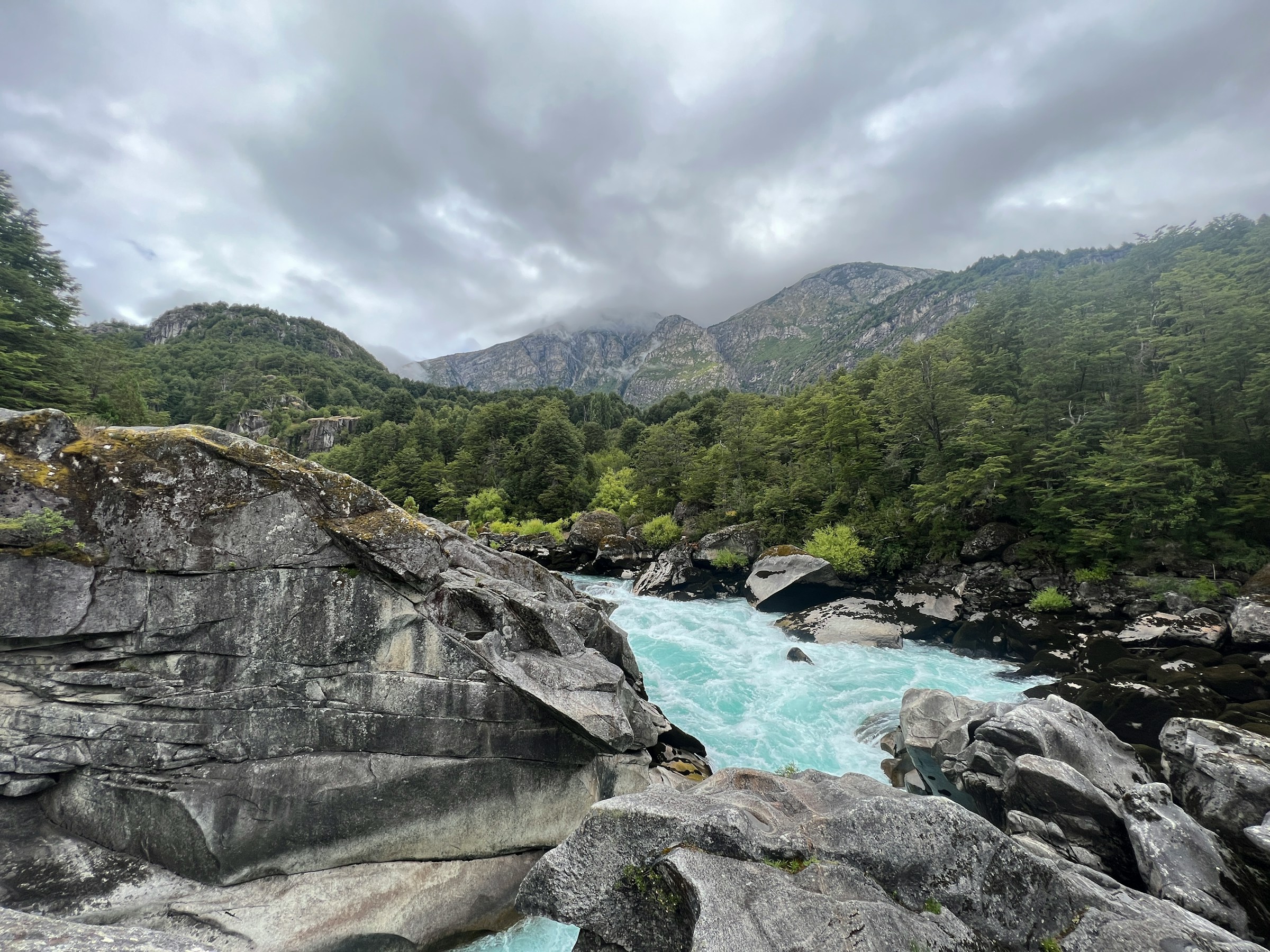
Rapido La Ze
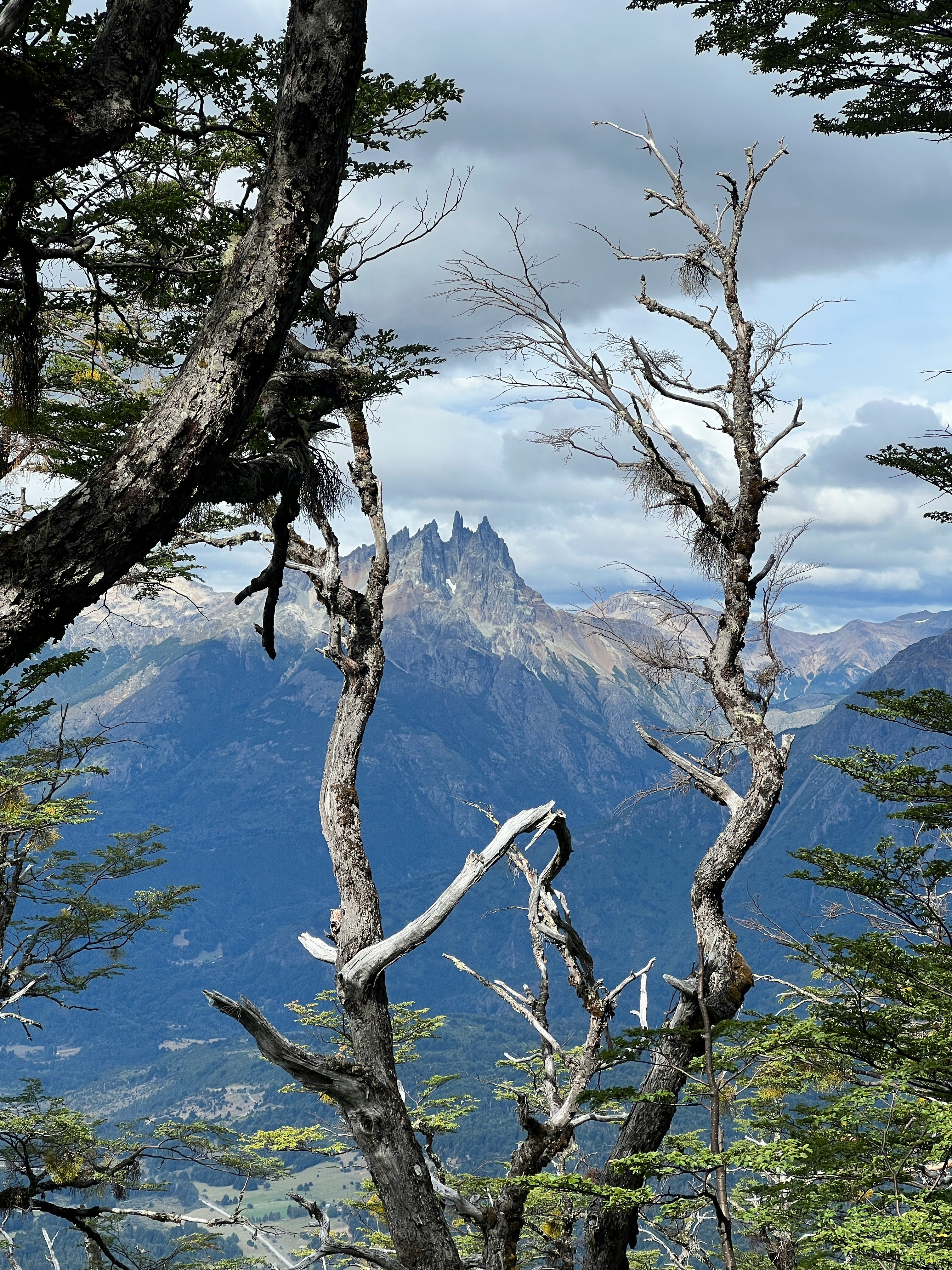
Monjas Mountain
Futaleufu in Autumn
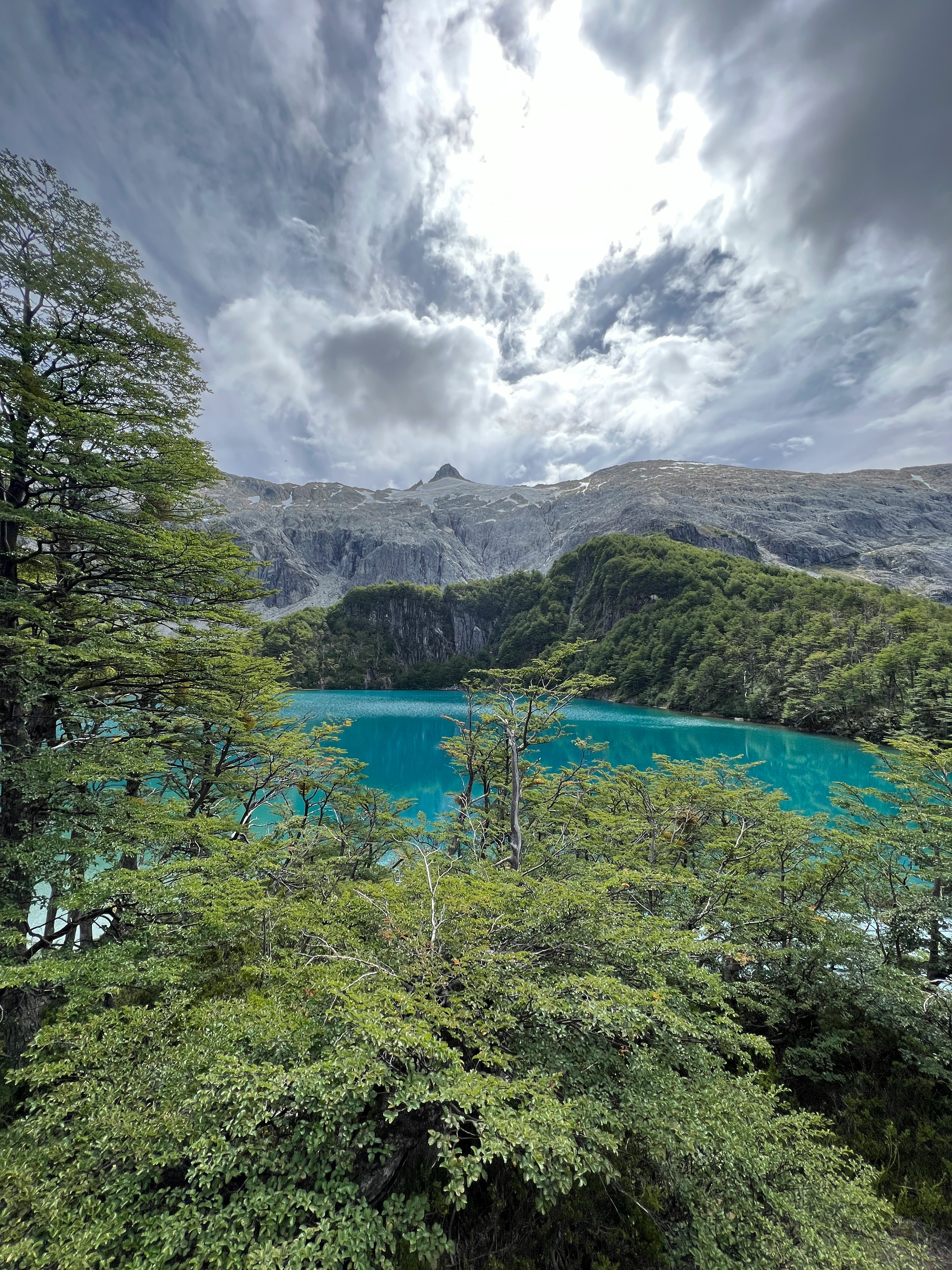
Laguna Torro
Adventure Experiences in Futaleufu
Multi-Day Rafting Expeditions — The signature experience: 2-5 day rafting trips with camping along riverbanks. Classic 3-Day: Put in at “Bridge to Bridge” section, raft through Infierno Canyon (most dramatic), Casa de Piedra, Mundaca Canyon, take out before Yelcho confluence. Camp on white sand beaches. Outfitters provide gear, guides, meals. Cost: ~$800-1,200 USD depending on luxury level (camping vs. glamping). 5-Day Expedition: Adds upper sections and more rapids. Day Trips: Available for those with limited time (~$150-200 USD for half/full day). Top outfitters: Bio Bio Expeditions, Expediciones Chile, Earth River Expeditions. Book 2-6 months ahead for peak season. No experience necessary—guides extremely skilled—but moderate fitness required.
Class V Kayaking — For expert kayakers, Futaleufú offers ultimate challenge. Sections like Terminator (Class V+) and Infierno’s Throne Room test world-class paddlers. Many come for kayaking clinics with pros like Rush Sturges or Nouria Newman. Week-long clinics run December-February (~$1,500-2,500 USD all-inclusive). Also mellower sections (Casa de Piedra—Class IV) for advanced-intermediate. Bring own kayak or rent in town (limited selection). Safety kayakers mandatory for serious sections—arrange through outfitters.
Fly Fishing — World-class fishery often overshadowed by rafting. Río Futaleufú: Trophy browns and rainbows (4-8 kg not uncommon). Technical—strong currents, deep pools. Float fishing easiest (hire guide with boat ~$350-450/day). Río Espolón: Beautiful smaller river, wade-able, dry fly paradise. Walk-and-wade access. Río Azul: Remote tributary with brookies and rainbows, stunning turquoise color. Lago Yelcho: Troll for large fish (boat required). Season: November-April (best Feb-March). Fishing licenses purchased in town. Catch-and-release encouraged. Guides: Futaleufú Fishing, Patagonia Fly Fisher.
Mountain Biking — Rapidly developing as biking destination. Sendero La Junta: 15 km singletrack through forest, moderate, flowy. Sendero Las Escalas: Technical climb with amazing viewpoints (expert only). Patagonia Park trails: Miles of trails ranging from easy lakeside to serious alpine. Many developed by Tompkins organization. Bike rentals at Futaleufú Mountainbike (~$30-40/day). Guided day trips (~$80 USD). Multi-day bike-packing trips to Valle Chacabuco (Patagonia Park headquarters) possible—arrange with outfitters.
Canyoning — Descend waterfalls and slot canyons: rappel down cascades, swim through gorges, cliff jump into pools. Half-day adventures in side canyons near town. Beginners welcome—all equipment provided. Cañón La Caja: Most popular, 5-6 rappels including 30m waterfall. Espolón Canyon: More technical, full-day. Cost: ~$100-150 USD per person. Wetsuits provided (water cold!). Operators: Futaleufú Explore, Patagonia Elements. Season: December-March.
Horseback Riding to Alpine Lakes — Ride to remote high-country lakes: Laguna Espejo: Full-day ride through forest, climb to alpine lake with mountain reflection views. Valle Espolón: Multi-day pack trips into wilderness valley, camp near pristine lakes. Horses carry gear. Working estancias offer authentic gaucho experiences. No riding experience required for day trips. Multi-day requires intermediate riding. Estancia Río Espolón operates most trips (~$120/day, ~$500-700 multi-day). Season: November-April.
Patagonia Park Exploration — Drive 1.5 hours north to Valle Chacabuco—the heart of Patagonia Park. This 750,000-acre project created by Tompkins Conservation removed cattle, restored grasslands, and reintroduced wildlife. Hiking: Numerous trails from easy (Laguna Altas loop—5 km, 2 hrs) to strenuous (Cerro Tamango—20 km, 8+ hrs with 1,200m gain). Wildlife: Guanacos by the hundreds, Andean deer (huemul), pumas (elusive but present), Andean condors. Camping: Free designated campsites (first-come first-served). Visitor Center: Modern, excellent exhibits on conservation. Park connects north to future Route of Parks (Patagonia National Park network stretching to Cape Horn). No entrance fee. Bring all supplies—no services except at lodge.
Lago Espolón Kayaking — Paddle this stunning alpine lake: 10 km long, surrounded by peaks, turquoise water, usually calm. Put in at north end, paddle to beaches and hidden coves. Full-day trip. Bring lunch, fishing rod (good trolling). Kayak rentals in Futaleufú (~$40/day). Access via 45-minute drive on rough road (4WD helpful but not essential). Camp on lakeshore (free, no facilities). Season: November-April.
Rock Climbing — Developing area with granite cliffs: Sector El Columpio: Sport routes (5.9-5.13), 15 minutes from town. Sector Piedra del Aguila: Multi-pitch traditional, long approaches. Bring full trad rack. Climbers still establishing routes—pioneering opportunities. No guide services—experienced climbers only. Check online resources (Futa Climbs) for beta.
Termas El Sauce Hot Springs — Natural hot springs 45 minutes south: simple pools beside cold river, rustic wooden tubs, changing huts. Not fancy but authentic. Soak muscles after rafting. ~$5-8 USD entry. Accessible by car (gravel road). Open year-round. Combine with short waterfall hike nearby (Salto Padre García).
Winter Sports (June-September) — Town transforms in winter: Backcountry skiing: Earn turns on surrounding peaks. No lifts—skin up, ski down. For experienced with avalanche knowledge. Ice climbing: Frozen waterfalls in side valleys. Snowshoeing: Explore snow-covered forests. Fishing: Brown trout spawn—catch-and-release window fishing excellent. Very few tourists—town nearly empty. Snow can close Paso Futaléufú border sporadically.
Plan Your Trip
Where to next?
Chile
Futaleufú is synonymous with world-class whitewater rafting. The Río Futaleufú (“Big River” in Mapudungun) carves through a spectacular canyon, creating consistent Class IV-V rapids with water so turquoise it defies photography. Kayakers and rafters worldwide consider this the holy grail: 50+ km of continuous whitewater, warm summer air (rare in Patagonia), and dramatic mountain backdrop.
Chile
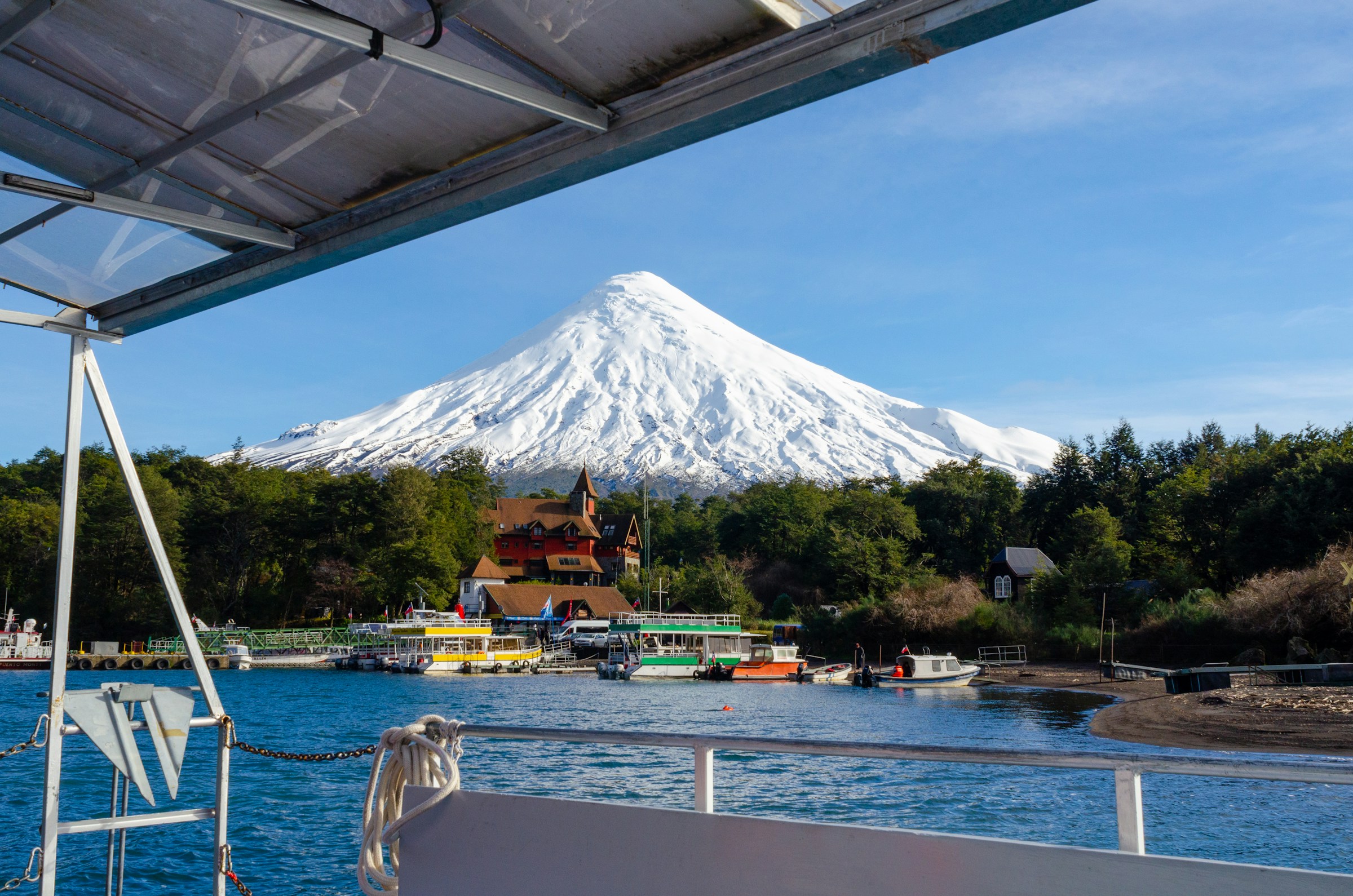
Puerto Varas is the jewel of Chile’s Lake District, a charming town of German-influenced architecture perched on the southern shore of Lago Llanquihue, South America’s second-largest lake.
Argentina
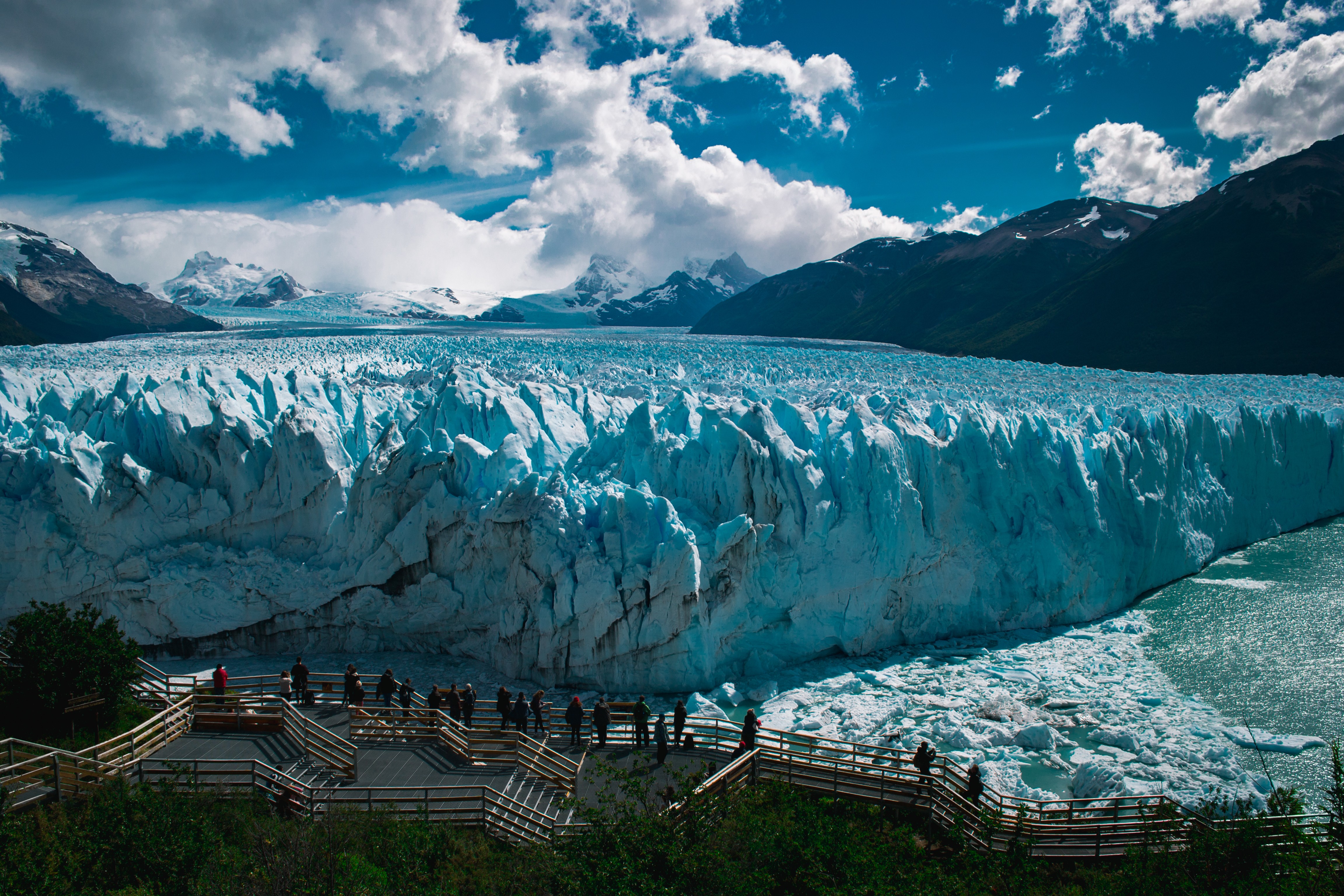
El Calafate is the tourist capital of Argentine Patagonia, positioned on the shores of turquoise Lago Argentino. While the town itself is a modern service hub with hotels, restaurants, and tour operators, the real draw lies 80 km west: Perito Moreno Glacier, one of the world's most accessible and dynamic ice masses.
Argentina
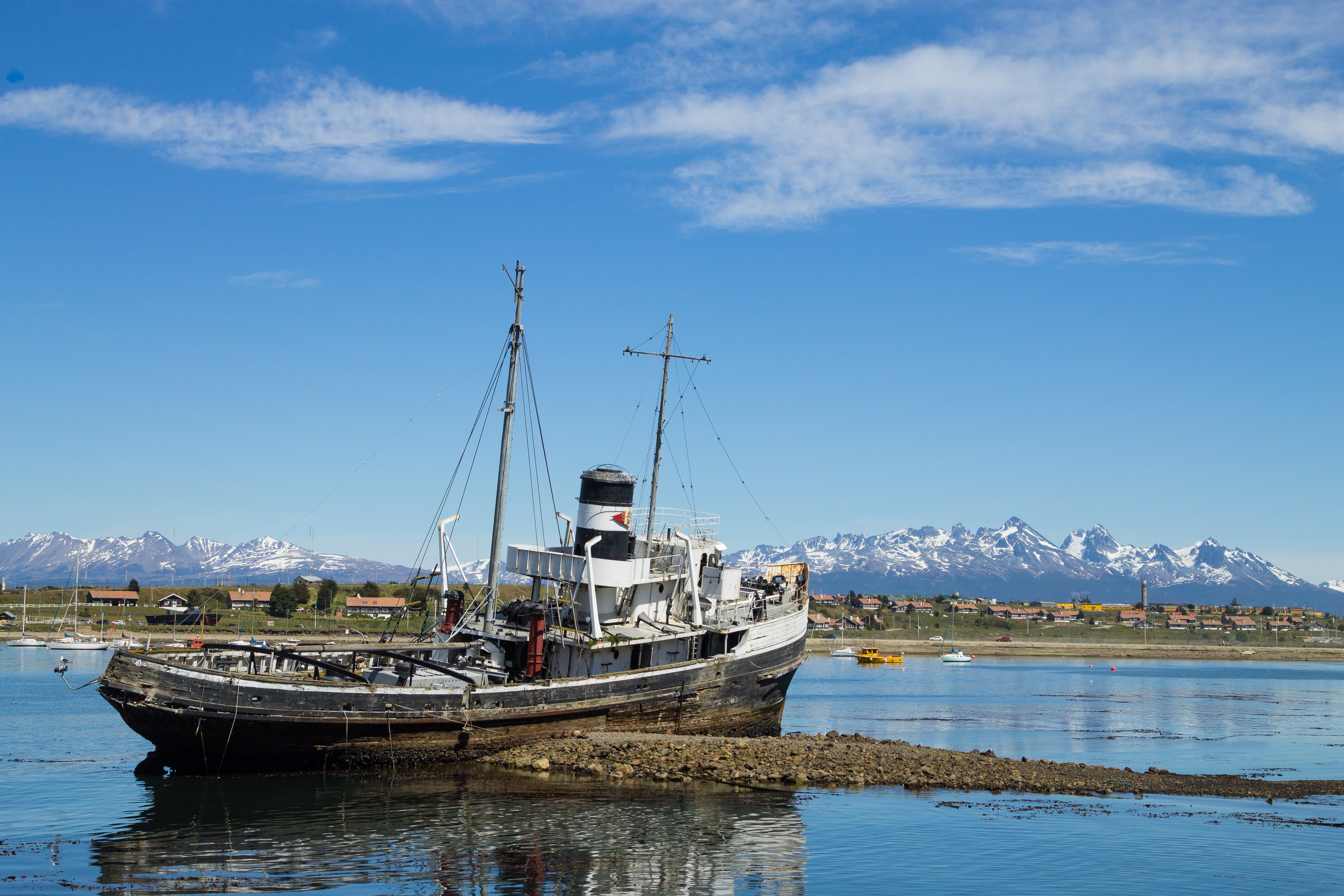
Ushuaia proudly claims the title of the world's southernmost city, nestled between the Beagle Channel and the snow-capped Martial Mountains. This remote port city of 80,000 inhabitants serves as gateway to Antarctica, but it's also a remarkable destination in its own right.