
Esquel - Gateway to Los Alerces and La Trochita
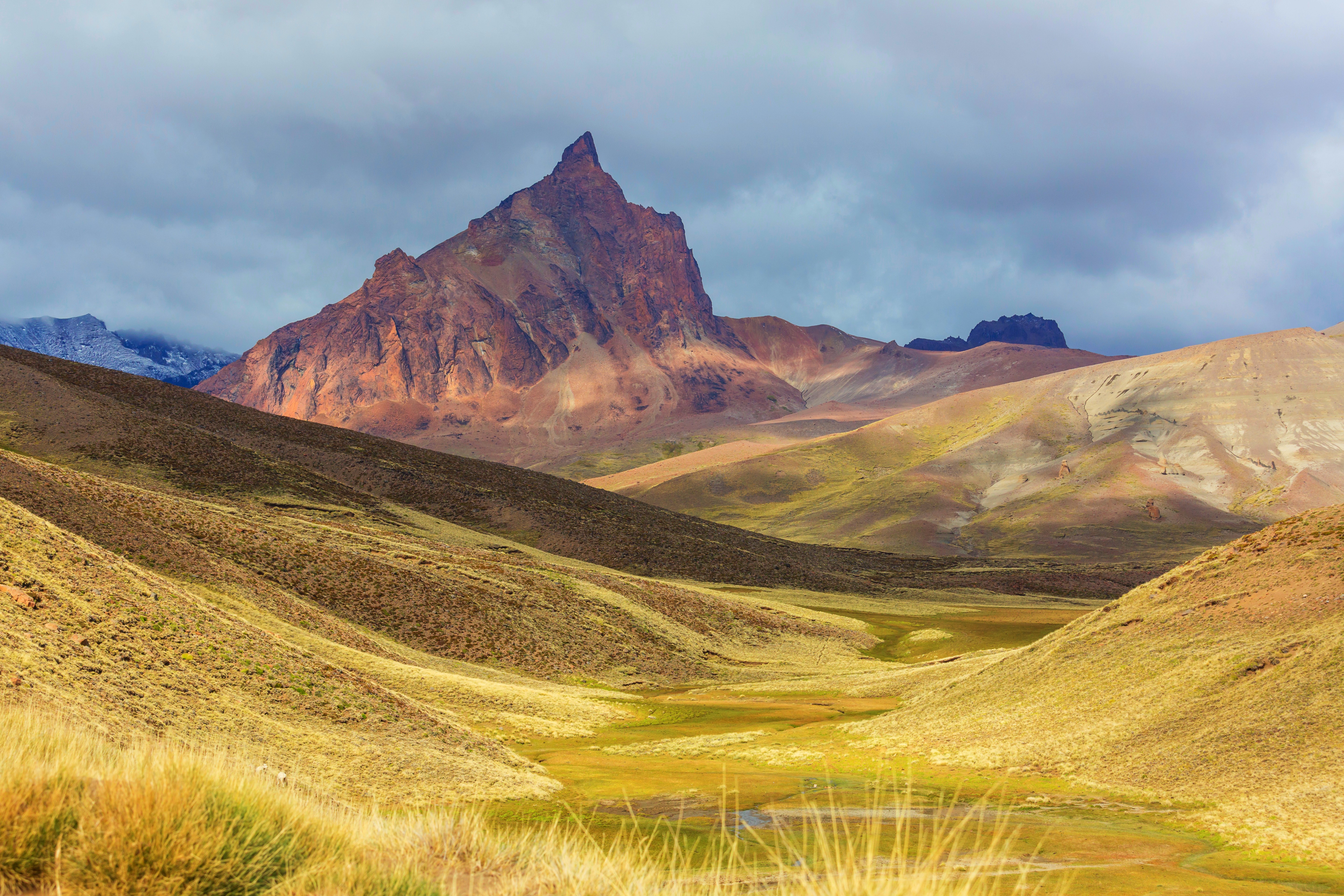
Gateway to Los Alerces & La Trochita Overview Esquel is a frontier town of 30,000 in northern Argentine Patagonia, serving as gateway to Los Alerces National Park (ancient alerce forests) and home to La Trochita—the legendary Old Patagonian Express steam railway.
Esquel
Chubut Province, Argentina — Gateway to Los Alerces & La Trochita
Overview
Esquel is a frontier town of 30,000 in northern Argentine Patagonia, serving as gateway to Los Alerces National Park (ancient alerce forests) and home to La Trochita—the legendary Old Patagonian Express steam railway. While often overlooked in favor of flashier Bariloche or El Calafate, Esquel rewards visitors with authentic Patagonian character: Welsh-Argentine heritage (descendants of 1865 colonists), working ranching culture, and access to pristine wilderness without crowds. The town sits in a wide valley at 570m elevation, surrounded by snow-capped peaks, serving as supply hub for rural estancias and gateway for adventure travelers. La Trochita, a narrow-gauge railway with vintage 1920s steam locomotives and wooden carriages, operates tourist excursions—a nostalgic journey through Paul Theroux's "Old Patagonian Express." Beyond the train, Esquel offers excellent fly fishing, La Hoya ski resort (small but excellent powder), Welsh tea houses, and staging point for Los Alerces explorations. It's functional rather than picturesque, authentic rather than polished—a real Patagonian town where tourism supplements rather than dominates the economy.
Why Visit
Ride La Trochita steam railway — The Old Patagonian Express: narrow-gauge railway (75cm track) with vintage steam locomotives, original wooden carriages, traveling 18 km through steppe to Nahuel Pan (Mapuche community). Pure nostalgia immortalized by Paul Theroux's travel book.
Access Los Alerces National Park — Esquel is the gateway (50 km west) to pristine park protecting 3,000-year-old alerce trees, interconnected turquoise lakes, and wilderness trails. Essential base for supplies before multi-day Los Alerces explorations.
Experience Welsh-Patagonian culture — Welsh colonists settled this region 1865. Descendants maintain traditions: Welsh tea houses (Casa de Té Nain), chapels, cultural centers, annual Eisteddfod festival. Unique cultural blend found nowhere else.
Ski La Hoya — Small ski resort (640 hectares) 13 km from town. Excellent powder snow, tree skiing through lenga forests, uncrowded, authentic Argentine ski culture. Affordable alternative to Bariloche's Cerro Catedral.
Fish legendary rivers — Río Futaleufú (Chilean side accessible), Río Corcovado, Río Arrayanes (Los Alerces), numerous streams. Trophy browns and rainbows with minimal fishing pressure.
Base for multi-sport adventures — Mountain biking, horseback riding, trekking, climbing. Less touristed than Bariloche, more authentic gaucho culture, access to same quality wilderness.
Getting There
By Air: Esquel Airport (ESQ) 20 km east. Flights: Buenos Aires (EZE) via LADE (military airline—irregular schedule, 2-3x weekly, 2.5 hrs, ~$150-250 USD). Also occasional commercial flights (LATAM) especially summer/winter peaks. Alternative: Fly to Bariloche (BRC)—far more frequent connections—then bus 4 hours south to Esquel.
By Bus: Excellent long-distance connections. From Bariloche: Via Bariloche, Don Otto, Andesmar (multiple daily, 4 hrs, $15-20, Route 40 south—scenic). From Buenos Aires: Overnight buses (20-22 hrs, $60-90, daily with Don Otto, Via Bariloche). From El Bolsón: 2 hours north ($10-12). From Trelew/Puerto Madryn: 6-7 hours east ($25-35). From Chile (Futaleufú): Complicated—requires combination of remise/taxi and walking across border. Better to drive or arrange private transfer.
By Car: Self-drive ideal for accessing Los Alerces and exploring area. From Bariloche: 252 km south on Route 40 (4 hrs, paved, beautiful through Villa La Angostura, El Bolsón, Epuyén). From Trelew: 600 km west on Route 25/40 (8 hrs, crosses Patagonian steppe). From Chile: Via Futaleufú crossing Paso Futaleufú border (3 hrs from Futaleufú, mostly gravel). Rentals available in Esquel but limited—better to rent in Bariloche if possible.
Important: Esquel is supply hub for Los Alerces—stock up on groceries, gas, camping supplies, fishing licenses here before heading to park. ATMs, gear shops, supermarkets all available.
Top Experiences
La Trochita (Old Patagonian Express) — Historic narrow-gauge railway. Locomotives: 1922 Henschel steam engines (German-built), meticulously maintained. Carriages: Original wooden coaches from 1920s-40s, wood-burning stoves for heat, leather straps for windows. Route: Esquel station to Nahuel Pan (18 km, 1.5 hrs each way). Journey: Travels through Patagonian steppe—guanacos, rheas, vast horizons. Whistle echoes, smoke billows, wheels clack on narrow rails. Nahuel Pan: Small Mapuche community—artisan crafts, simple café. 45-min stop before return. Schedule: Year-round Saturdays (10 AM departure), plus additional days December-Easter (Tuesday, Thursday, Saturday). Check current schedule at www.latrochita.org.ar or Esquel tourist office. Cost: ~$30-40 USD round trip. Book: Day-of usually fine except peak summer (Jan) or long weekends. Experience: Pure nostalgia—feels like time travel. Conductors in period uniforms, passengers mix tourists and locals, photogenic at every turn. Photography: Best shots from station (locomotives), during journey (lean out windows—carefully!), and Nahuel Pan stop. Pro tip: Sit on right side outbound for best mountain views.
Los Alerces National Park Excursions — Esquel is essential base. Day trips: Drive to park (50 km west, 1 hr on Route 71—paved), explore: Cascada Irigoyen waterfall hike (3 km, 1.5 hrs), lakeshores (Lago Futalaufquen, Lago Verde), Pinturas Rupestres rock art trail. Return to Esquel for supplies/showers. Multi-day: Camp in park (3-7 days)—see separate Los Alerces guide for details. Boat excursion to ancient Alerzal forest (must-do), Sendero Pucará araucaria hike, Cerro Alto el Dedal summit. Services: Stock up in Esquel—park has no stores, limited services.
Welsh Tea Houses — Unique cultural experience. Casa de Té Nain: Most famous—traditional Welsh tea service (te galés): homemade scones, torta negra (Welsh black cake), jam, cream, tea. Run by Welsh descendants, walls covered with heritage photos. Location: 5 km from Esquel center. Cost: ~$15-20 USD for full tea service. Atmosphere: Cozy, authentic, grandmotherly hospitality. Other options: Several tea houses in town and nearby Trevelin (17 km south—even stronger Welsh influence). Best: Mid-afternoon (3-5 PM traditional tea time). Reservations recommended weekends.
La Hoya Ski Resort (Winter) — Argentina's hidden gem ski area. Stats: 640 hectares, 1,350m base to 2,075m summit (720m vertical), 24 runs, 9 lifts. Terrain: 25% beginner, 40% intermediate, 35% advanced. Famous for deep powder (average 3 meters annual snowfall), tree skiing through lenga forest, uncrowded slopes. Season: Mid-June to early October (best July-August). Lift tickets: $40-60/day (much cheaper than Bariloche Catedral). Rentals & lessons: Base area, good instructors. Access: 13 km from Esquel (20 min drive), shuttle buses operate ($5-8 round trip). Character: Family-friendly, authentic Argentine ski culture (less international than Bariloche), locals outnumber tourists. Excellent for powder hounds on budget. Summer: Mountain biking trails, hiking, chairlift rides for views ($10-15).
Fly Fishing — Excellent waters nearby. Río Corcovado: North of Esquel, freestone river, good access, browns and rainbows (3-6 kg average). Wade-able. Río Futaleufú: Access Chilean side via Trevelin/border crossing (1 hr drive)—world-class but requires day in Chile. Los Alerces rivers: Río Arrayanes, Río Frey, park lakes. Season: November-April (best Feb-March for largest fish). Licenses: Purchase at tackle shops in Esquel ($30-40/day foreigners). Guides: Several outfitters offer full-day trips ($350-450 for 2 anglers). DIY possible with local knowledge. Flies: Woolly buggers, stone nymphs, dry flies (caddis, mayflies).
Trevelin Day Trip — Welsh village 17 km south. Attractions: More concentrated Welsh culture than Esquel—Casa de Té Nain original location, Museo Regional (Welsh settlement history), old flour mill (Molino Andes—still operational, tours), Welsh chapels. Scenery: Mountain backdrop, valley setting. Activities: Tea house visits, museum, stroll village. Access: Bus from Esquel (30 min, frequent), or drive. Best: Half-day trip, lunch/tea, return.
Mountain Biking — Trails around valley and mountains. Routes: Lago Baguilt circuit (30 km loop, moderate), La Hoya approach roads (steep!), Los Alerces park roads (gravel, scenic). Rentals: Limited in Esquel—ask at tourist office. Better bring own bike or rent in Bariloche before arrival. Season: November-April.
Horseback Riding — Estancias offer rides. Half-day: Valley trails, steppe exploration ($60-80). Full-day: To mountains, asado lunch at estancia ($120-150). Multi-day: Pack trips into backcountry—arrange through operators. Season: November-April. Authentic gaucho culture—working ranches.
Museo Leleque — Fascinating regional museum 110 km north (toward El Bolsón). Exhibits: Tehuelche indigenous culture, Welsh colonization, Patagonian ranching history, Benetton family's Leleque estancia. Architecture: Beautiful restored estancia buildings. Worth: If driving between Esquel and El Bolsón, excellent 1-2 hour stop. Cost: ~$5-8 USD entry.
Cerro La Hoya Hiking (Summer) — Summit hike when ski area closed. Route: From base, hike trails to 2,075m summit (varies by route, 4-6 hrs round trip). Views: 360° panorama—Lago Futalaufquen, Los Alerces, Andean peaks, steppe. Access: Drive to ski base, park, hike. Best: December-March. Bring: Layers (alpine conditions), sun protection.
Where to Stay
In Town:
Budget:
Hostel Casa del Pueblo: Climbing-themed hostel, social, dorms and privates (dorms ~$15-20, privates ~$50-70)
Hostel Planeta Patagonia: Clean, friendly, kitchen (dorms ~$12-18)
Residenciales: Family-run guesthouses throughout town (~$30-50 per room)
Mid-Range:
Hotel Angelina: Central, comfortable, good breakfast (~$80-120)
Hostería Canela: Cozy, well-maintained (~$70-100)
La Chacra Hostel & Cañadón: Half hostel, half hotel—flexible (~$60-90 privates)
Upscale:
La Posada Casona de Odile: Boutique B&B, charming (~$120-180)
Cumbres Blancas Hotel: Best in town, mountain views (~$100-150)
Near Ski Area (Winter):
Hostería Cumbres Blancas (La Hoya): Ski-in location (~$150-250 with meals)
Most stay in Esquel town, drive/shuttle to slopes
Los Alerces Area:
See Los Alerces guide for camping and park accommodations
Best Time to Visit
December-February (Summer Peak): Warmest weather (15-25°C days, 5-12°C nights), all activities operational. Best for Los Alerces explorations, hiking, fishing, La Trochita rides. Town moderately busy (Argentines traveling) but not overwhelming. Tea houses open full schedules. Good weather for camping in Los Alerces. La Trochita runs additional days (Tue/Thu/Sat vs. just Sat in winter). Fishing excellent (especially Feb-March for mature fish). Book accommodation 1-2 weeks ahead for January.
March-April (Autumn): Shoulder season. Fewer tourists, autumn colors beautiful (lenga forests turn gold-orange), comfortable temps (10-20°C). Fishing peaks—browns aggressive pre-spawn. Most services still open through March. La Trochita continues Saturdays. Los Alerces fall colors spectacular. Prices lower. Easter week exception (busy). By late April, cold nights, some closures. Excellent time for budget travelers and nature lovers.
May-June (Pre-Winter): Transition period. May quiet—most summer tourism ended, ski season not yet begun. June ski season opens mid-month. Town very quiet May. June builds as skiers arrive. Cold (0-10°C days). La Trochita continues (hardy winter riders). Good for budget skiers early June (cheaper, less crowded, but snow coverage uncertain).
July-August (Winter Peak): Prime ski season. La Hoya full operation, excellent snow coverage. Town transforms into small ski hub—busier, higher prices, advance booking essential for accommodation. Cold (0-10°C days, often below freezing nights). La Trochita operates winter schedule (Saturdays, occasionally snowed in). Welsh tea houses cozy with wood fires. Perfect for winter sports enthusiasts. Los Alerces accessible for experienced winter campers/cross-country skiers only. After-ski culture subdued (not party scene like some resorts).
September-October (Spring): Ski season winds down (closes early Oct). Weather improving, snow melting valleys, remaining on peaks. October wildflowers begin. La Trochita continues. Los Alerces trails opening progressively. Fishing season begins November 1. Bargain prices, low crowds. Services gradually reopen. Good for flexible travelers. Late October approaches summer conditions.
November (Spring Prime): Excellent month. Hiking season open, fishing starting, weather pleasant (12-20°C), wildflowers abundant. Los Alerces fully accessible. Town quiet—services open, not busy. Good prices. La Trochita regular schedule. Some rental houses/cabañas require weekly minimum (less flexible). Overall: Great value month combining good weather and low crowds.
Sample Itineraries
2-Day Itinerary (Quick Stop)
Day 1:
Morning: Arrive from Bariloche or Buenos Aires
Check into hostel/hotel
Lunch: Local restaurant (lamb, trout)
Afternoon: Town exploration, gear rental/shopping for Los Alerces
Evening: La Trochita station visit (if not riding), dinner
Day 2:
Morning: La Trochita ride to Nahuel Pan (Sat only, or check schedule)
OR: Day trip to Los Alerces (Cascada Irigoyen hike, lakeshores)
Afternoon: Welsh tea house (Casa de Té Nain)
Evening: Depart for next destination or stay longer
4-Day Itinerary (Esquel Base + Los Alerces Sampler)
Day 1:
Arrive, settle in
Afternoon: Town exploration, grocery shopping for Los Alerces
La Trochita station, downtown walk
Welsh tea house
Evening: Restaurant, plan Los Alerces days
Day 2:
Full-day Los Alerces excursion
Drive to park (1 hr)
Cascada Irigoyen waterfall hike
Lago Verde exploration
Picnic lunch
Pinturas Rupestres rock art
Return Esquel evening
Day 3:
La Trochita steam train ride (if Saturday)
OR: Fly fishing day with guide
OR: Trevelin day trip (Welsh village, museum, tea)
Afternoon: Relax, explore more of town
Day 4:
Morning: Final activities or depart
La Hoya chairlift ride (summer) for views
Drive to next destination (El Bolsón north, or Los Alerces for extended stay)
7-Day Itinerary (Los Alerces Extended from Esquel Base)
Day 1: Arrive Esquel, resupply, gear check, overnight town
Day 2-6: Los Alerces National Park camping expedition
Day 2: Drive to park, set up camp at Lago Verde
Day 3: Boat excursion to Alerzal (ancient 2,600-year-old trees)
Day 4: Cerro Alto el Dedal summit hike (full day)
Day 5: Kayak Lago Futalaufquen, relaxation
Day 6: Morning fishing or final hike, return to Esquel
Day 7: Esquel rest day—hot shower, La Trochita ride or Welsh tea, depart
Alternative Days 2-6 (Winter - Ski Focus):
Days 2-5: Skiing La Hoya daily
Day 6: La Trochita ride, tea house
Day 7: Final ski morning, depart afternoon
Where to Go Next
1. Los Alerces National Park — Primary Destination
Distance: 50 km west (1 hour)
Transport: Drive on Route 71 (paved to park entrance)
Why Go: This is THE reason most travelers visit Esquel—gateway to pristine wilderness park protecting 3,000-year-old alerce trees. See comprehensive Los Alerces guide for details. Budget 5-7 days minimum for full park experience: boat to ancient forest, summit hikes, kayaking turquoise lakes, fly fishing pristine rivers, camping lakeshores. Esquel is supply and logistics base—stock up here before entering park.
Suggested Duration: 5-7 days in park itself.
2. El Bolsón — Hippie Mountain Town
Distance: 130 km north (2 hours)
Transport:
Bus: Via Bariloche, Don Otto (2-3 daily, $10-12, 2 hrs, Route 40 through scenic valleys)
Drive: North on Route 40 (paved)
Why Go: Complete tonal shift from functional Esquel to bohemian El Bolsón. Founded as hippie commune 1970s, retains counter-culture vibe: massive artisan fairs (Tue/Thu/Sat/Sun), craft beer explosion (10+ breweries), organic farms, yoga studios. Excellent hiking: Cajón del Azul turquoise canyon, Refugio Hielo Azul alpine cirque, Cerro Piltriquitrón summit. Microclimate grows fruit impossible elsewhere. Budget-friendly—hostels, cheap eats, authentic local culture. Refreshing after Esquel's frontier character. Budget 3-5 days.
Suggested Duration: 3-5 days for town and day hikes.
3. Bariloche — Regional Hub
Distance: 252 km north (4 hours via El Bolsón)
Transport:
Bus: Multiple daily Via Bariloche, Don Otto, others (~$15-20, 4 hrs, Route 40)
Drive: North through El Bolsón—beautiful journey
Why Go: Bariloche is Patagonia's largest tourist city—polar opposite to Esquel's frontier town. Offers: Nahuel Huapi National Park, chocolate shops, sophisticated dining, Circuito Chico drive, Cerro Catedral ski resort (much larger than La Hoya), nightlife, international airport. Good for: Resupply, gear shops, variety after small-town Esquel, flights home, accessing different park sectors. Some find it over-touristed after Esquel's authenticity. Refugio Frey alpine lake hike is must-do. Budget 3-5 days.
Suggested Duration: 3-5 days for city and major hikes.
4. Futaleufú, Chile — Whitewater Mecca
Distance: 150 km west to Futaleufú (3-4 hours via Trevelin and border)
Transport:
Bus: Complicated—no direct service. Bus Esquel → Trevelin, then taxi to border, walk across, arrange Chilean transport. Not recommended unless budget-critical.
Private Transfer: Futaleufú rafting operators sometimes shuttle from Esquel (~$50-80 per person—email ahead to coordinate)
Rental Car: If allows border crossing, drive via Trevelin to Paso Futaleufú. Verify rental permits crossing.
Why Go: Pivot from peaceful forests to adrenaline capital. Futaleufú River: world-class whitewater (Class IV-V), turquoise water, spectacular canyon. Multi-day rafting expeditions ($800-1,200, 2-5 days) camp on beaches. Also kayaking, fly fishing, mountain biking, horseback riding, Patagonia Park access. Perfect contrast: Esquel's frontier town → Los Alerces' tranquil lakes → Futaleufú's whitewater excitement. Budget 3-5 days rafting minimum.
Suggested Duration: 3-7 days depending on activities.
5. Carretera Austral & Chilean Patagonia
Distance: Via Futaleufú, access entire Carretera Austral
Transport: Cross to Chile via Futaleufú, join Carretera Austral route
Why Go: Esquel-Futaleufú crossing allows accessing legendary Chilean road journey. From Futaleufú, drive north to Queulat (hanging glacier), Puyuhuapi (hot springs), Coyhaique (regional capital), Laguna San Rafael (glacier boat trips). Or south toward Cochrane, Marble Caves, Villa O'Higgins. Creates epic loop: Argentine Lake District → Esquel → Los Alerces → Chile via Futaleufú → Carretera Austral → return Argentina or continue south Chile. Budget 14-21 days for thorough Carretera Austral exploration.
Suggested Duration: 14-21 days for complete Carretera Austral journey.
Planning Your Route:
Classic Northern Patagonia: Bariloche (3 days) → El Bolsón (3 days) → Esquel (2 days + 5-7 days Los Alerces) → return or fly out
Border-Crossing Adventure: Esquel → Los Alerces (5 days) → Futaleufú Chile (5 days rafting) → Carretera Austral south or north
Budget Backpacker: Bus Buenos Aires → Esquel (overnight) → Los Alerces camping (7 days) → El Bolsón (3 days) → return or continue
Quick Gateway: Fly Buenos Aires → Esquel (weekend) → La Trochita ride → Los Alerces day trip → fly back. Minimum trip.
Timing Tips:
Esquel best as gateway/logistics base, not destination itself
Budget 1-2 days in town; 5-7+ days in Los Alerces nearby
La Trochita operates Saturdays year-round—plan around this if priority
March-April excellent for autumn colors in Los Alerces and fewer crowds
Winter (June-Aug) only for skiers—La Hoya excellent value
Summer (Dec-Feb) best for Los Alerces camping, fishing, hiking
Stock up thoroughly in Esquel—park has minimal services
Avoid July-August unless skiing (town focused on La Hoya, higher prices)
November great value month—good weather, low crowds, fishing opens
About Me
Veb
Hey there! I’m Veb and I've traveled solo and in groups for 10+ years in Patagonia - across Chile and Argentina.
I started Go Wild Patagonia with a desire to help other travelers plan their journeys in Patagonia with a focus on adventure, nature and being in the wilderness.
Say Thanks
Support my mission to make Patagonia more accessible for travelers while supporting local tour operators who organize only sustainable travels in Patagonia.
Read More
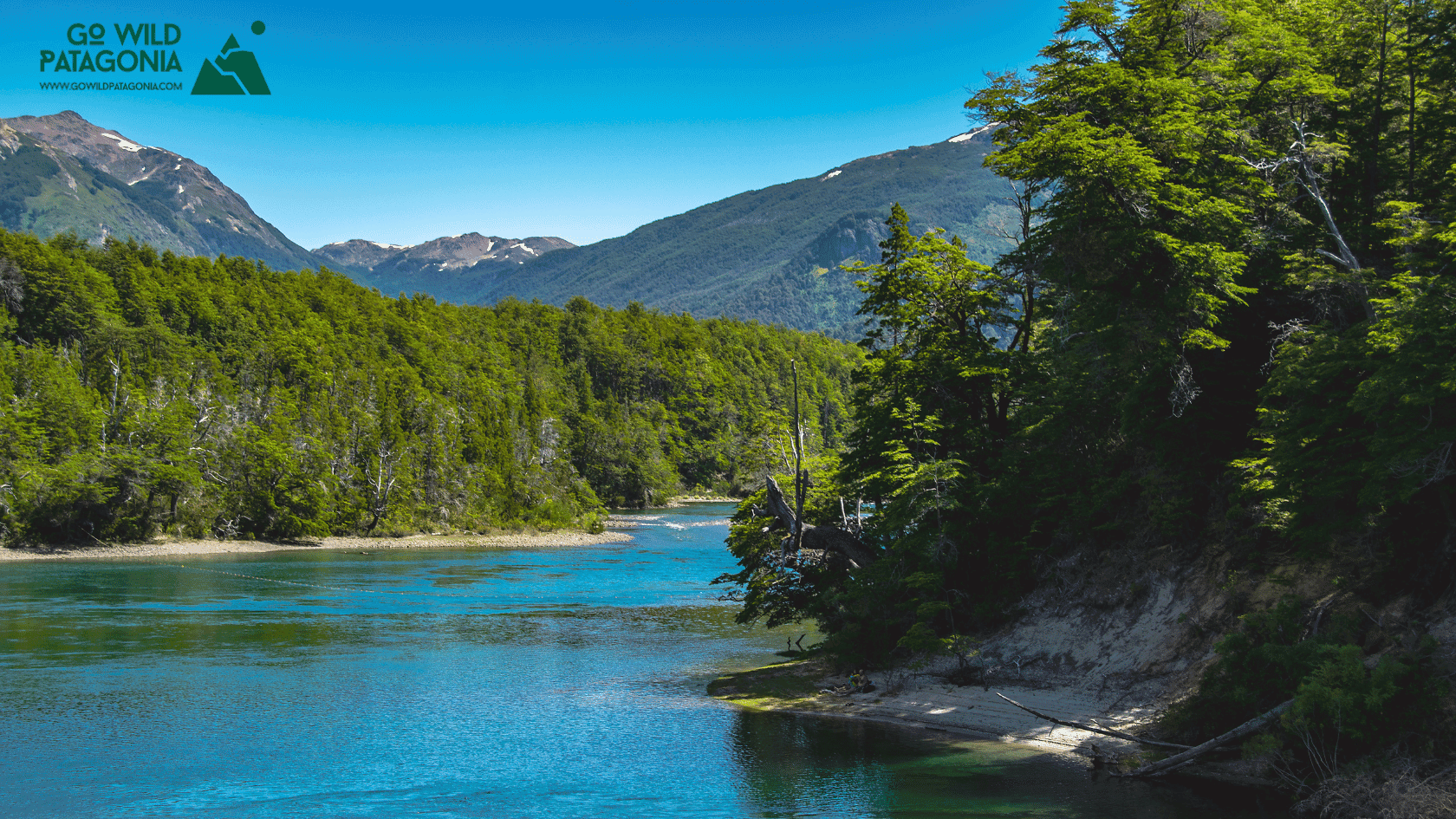
Chubut Province, Argentina — Cathedral of Ancient Trees Overview Los Alerces National Park protects 263,000 hectares of pristine Valdivian rainforest in Argentine Patagonia, home to some of the oldest living trees on Earth. The park's namesake—the alerce tree (Fitzroya cupressoides)—can live over 3,000 years, rivaling California's sequoias and bristlecone pines.
Update on Oct 24, 2025
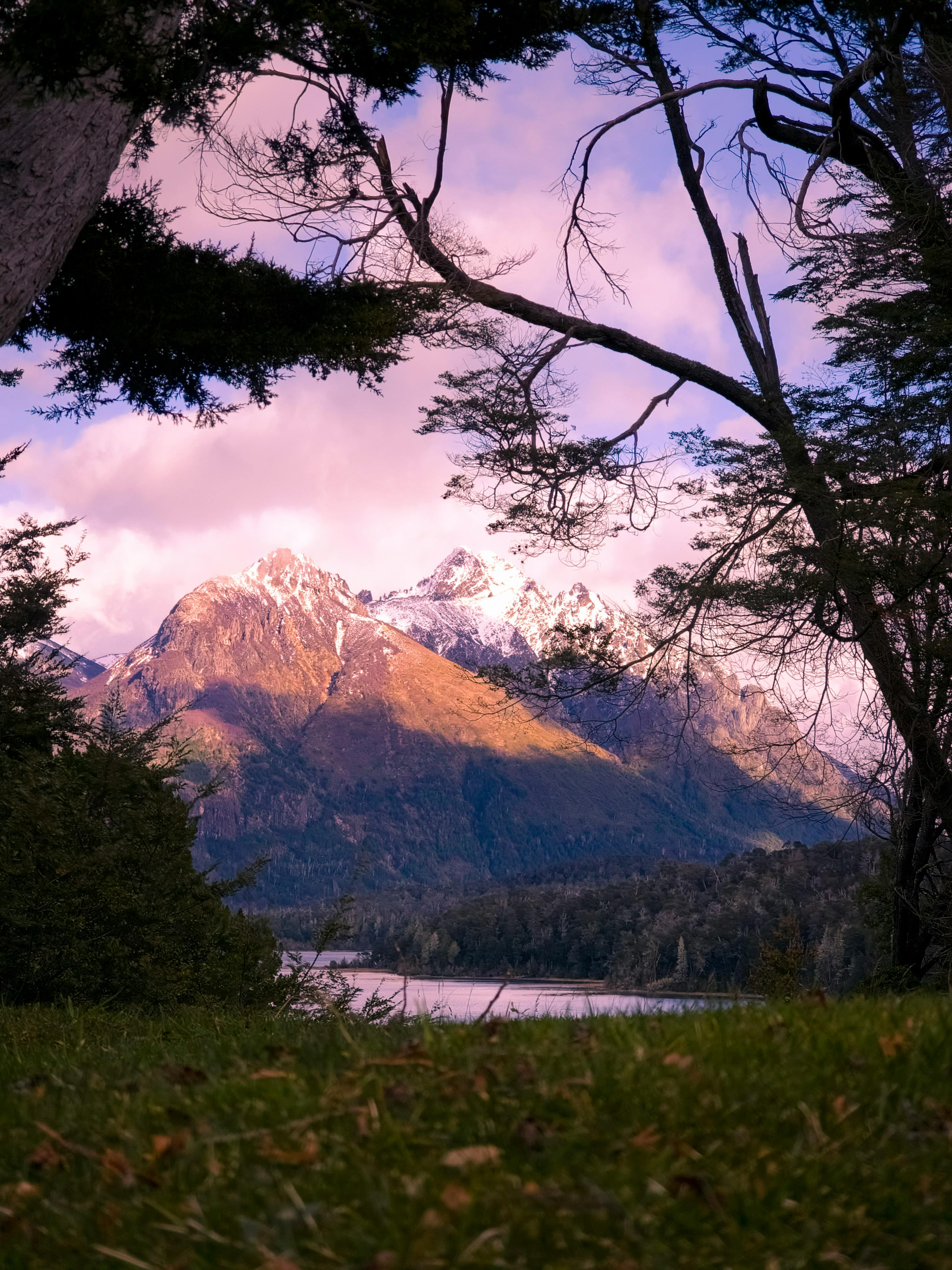
El Bolsón offers world-class hiking: Refugio Hielo Azul and Refugio Cajón del Azul sit in alpine cirques accessible via multi-day treks, Cerro Piltriquitrón (2,284m) provides panoramic summit views, and Cajón del Azul's turquoise canyon ranks among Patagonia's most photographed day hikes.
Update on Oct 24, 2025
Monte Leon National Park is Argentina's first coastal national park, protecting 40 km of dramatic Atlantic shoreline where the Patagonian steppe meets the sea.
Update on Oct 24, 2025